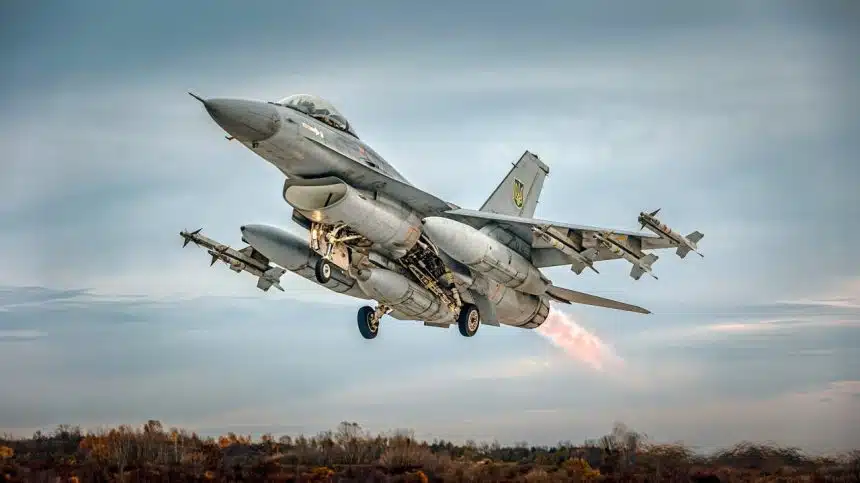
Belgium is set to deliver its first three F-16AM/BM fighters to Ukraine following a several-year delay, as Kyiv also discusses with Lockheed Martin about adopting the latest variant of the fighter jet.
Ukrainian President Volodymyr Zelenskiy announced on Sept. 29, 2026, that Belgium will begin the transfer of its elderly F-16AM/BM Fighting Falcons to Ukraine by the end of the year. The first delivery will see three aircraft sent, with the rest of the 30 promised aircraft being delivered as Belgium equips itself with F-35A Lightning IIs bought directly from the United States. The promised delivery follows a long delay, with the aircraft originally pledged in May 2024 to be delivered towards the end of the year and up until 2028.
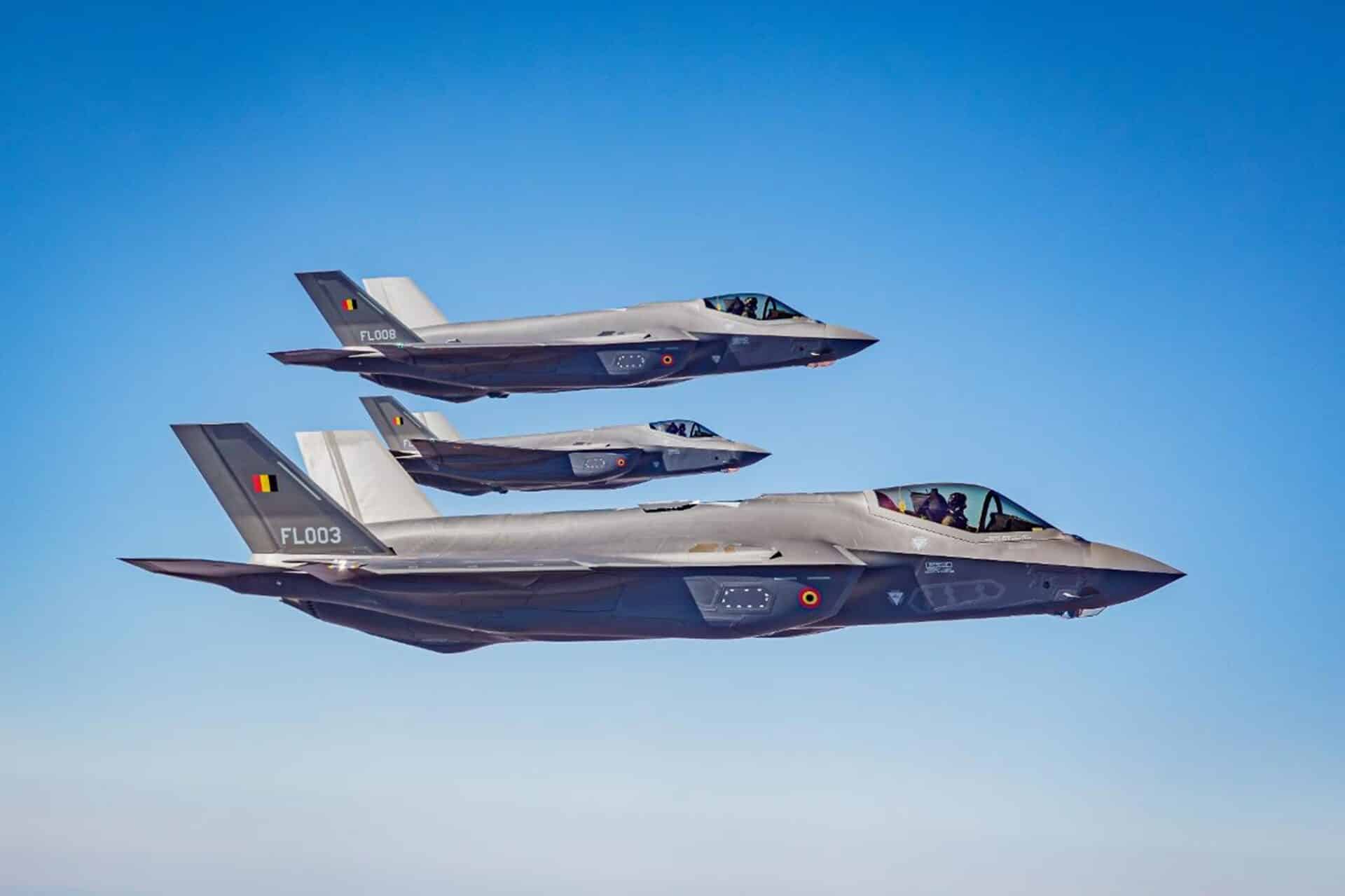
Unlike the Dutch and Norwegian F-16 deliveries, these transfers were held up by the slow roll out of Belgium’s F-35s, as the country was not willing to part with its combat aircraft until it had at least some replacements in service. To this date, only seven F-35s have been delivered to Belgium, of which three aircraft were delivered on Sept. 24.
Making the announcement, President Zelenskyy emphasised the importance of the deliveries of new kit to Ukraine to combat the Russian threat, with the expedited delivery of “F-16 ammunition from Belgium and other countries, including Spain” being instrumental to Ukraine’s air defence.
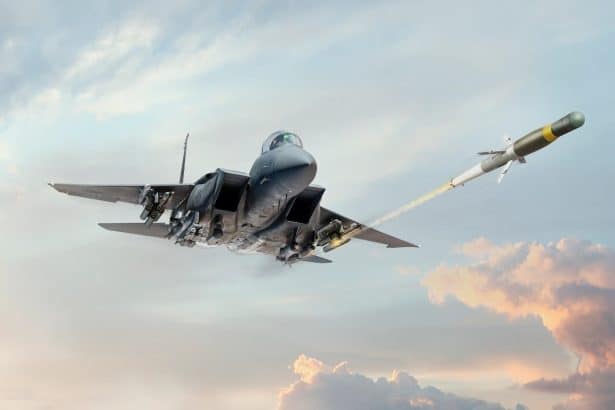
These deliveries likely included a number of AIM-120 AMRAAM, AIM-9 Sidewinder air-to-air missiles and cannon rounds which are instrumental in the Ukrainian Air Force’s (UkrAF) defensive counter air campaign, shooting down large numbers of Russian drones and cruise missiles. The F-16s have also recently been augmented with the supply of the Advanced Precision Kill Weapon System (APKWS) guided rockets, which allow Ukrainian fighters to shoot down Russian drones at a far cheaper cost than the use of a normal missile.
There is an important agreement with Belgium on the transfer of three F-16 fighter jets by the end of this year. We will work to receive these aircraft through an accelerated procedure. We have already received urgent deliveries of F-16 ammunition from Belgium and other…
— Volodymyr Zelenskyy / Володимир Зеленський (@ZelenskyyUa) September 29, 2026
On this point, during a meeting with Lockheed Martin representatives to discuss Ukraine’s future fighter capabilities, the Commander of the Ukrainian Air Force, Lieutenant General Anatolii Kryvonozhko, announced that F-16 pilots have shot down “over 3,150 enemy aerial targets which include 666 cruise missiles and an estimated 2,500 drones of various types.”
The F-16 is a potent counter cruise missile and drone platform, having the speed to chase them down and destroy them before they impact civilian areas. The F-16 has also been an effective close air support platform, conducting “650 airstrikes” against the ground forces of the Russian Federation.
The principle air-to-ground munitions employed by Ukrainian F-16s appear to be the GBU-39 Small Diameter Bombs (SDB). A single jet can carry up to eight of the 250 lb munitions without having to renounce to drop tanks and air-to-air munitions.
Ukraine also employs several variants of the Joint Direct Attack Munition (JDAM). This weapon comes in a number of different weight classes, with 500 lb and 1000 lb variants seen in use in Ukraine, and can be equipped with a glide kit or a rocket kit to extend the range, however they have not yet been photographed on Ukrainian F-16s.
❗️Ukrainian F-16 pilots have shot down over 3,150 enemy aerial targets, including 666 cruise missiles and about 2,500 drones of various types, and have also carried out more than 650 airstrikes against enemy ground targets. This was reported by the Commander of the Ukrainian Air… pic.twitter.com/A9136JeJkF
— 🪖MilitaryNewsUA🇺🇦 (@front_ukrainian) September 29, 2026
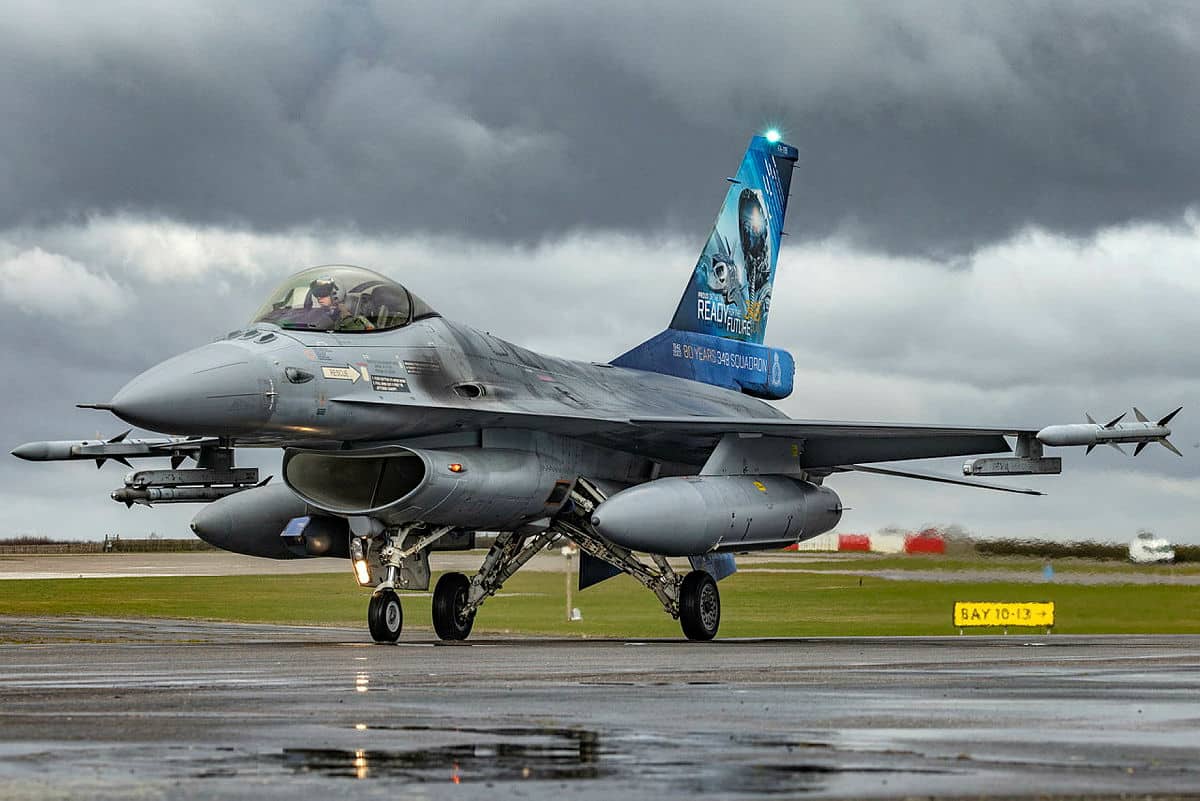
The F-16s and their Ukrainian pilots have proven themselves to be extremely effective since their introduction with the aircraft, now forming the bedrock of the current and future Ukrainian fighter force. However, the models delivered were all original A and B variant F-16s that were built in the 1970s and 1980s, making them similar in age to their former ex-Soviet fleet of aircraft.
These fighters did receive a midlife update to extend their service lives and to give them more advanced air-to-air and air-to-ground capabilities. However, they are reaching the end of their useful service lives due to airframe fatigue and they are facing increasing maintenance demands after intensive use in the Russo-Ukrainian War.
It was reported by the Wall Street Journal that maintenance of these aircraft is fast becoming an issue with an unnamed source stating that “more than half of Ukraine’s F-16s are currently in maintenance limbo” and that “Kyiv will exhaust the rest by the end of the year.” This is a worrying development if confirmed, as the F-16 is essential for Ukraine’s continued defence of its skies.
Reportedly, this is due to delays at Sabena Aerospace Engineering, a Belgian company that is responsible for the long term maintenance of the F-16s used by Ukraine. Retired U.S. Navy Rear Adm. Mark Montgomery stated that the aircraft need to undergo regular phase inspections every 300 hours, which should take weeks. However, in Belgium it’s “taking as long as 40 weeks,” delaying maintenance and leaving aircraft unable to fly.
More than half of Ukraine’s F-16 fighter jets are currently not operational due to maintenance delays in Belgium – WSJ
A significant number of the fighter jets remain grounded due to a lack of spare parts and the need for more frequent repairs following intensive use.
Given the… pic.twitter.com/9tWkGDSb8F
— Jürgen Nauditt 🇩🇪🇺🇦 (@jurgen_nauditt) September 30, 2026
Details on this issue are scarce, but they paint a worrying picture for the UkrAF which has already undergone years of degradation due to the war. It is hoped that the integration of further aircraft into the force would alleviate some of these maintenance issues, allowing for a large pool of spare aircraft, and the possible maintenance of the jets in Ukraine itself.
The importance of the F-16 to Ukraine’s current and future air force needs is likely what led to the meeting between Ukrainian representatives and Lockheed Martin to explore the possibility of supplying Ukraine with the far more advanced F-16 Block 70/72, which uses capabilities derived from the F-22 and F-35 programmes. The introduction of newer jets could ease the maintenance burden as these aircraft would be fresh and infinitely more capable than their forefathers.
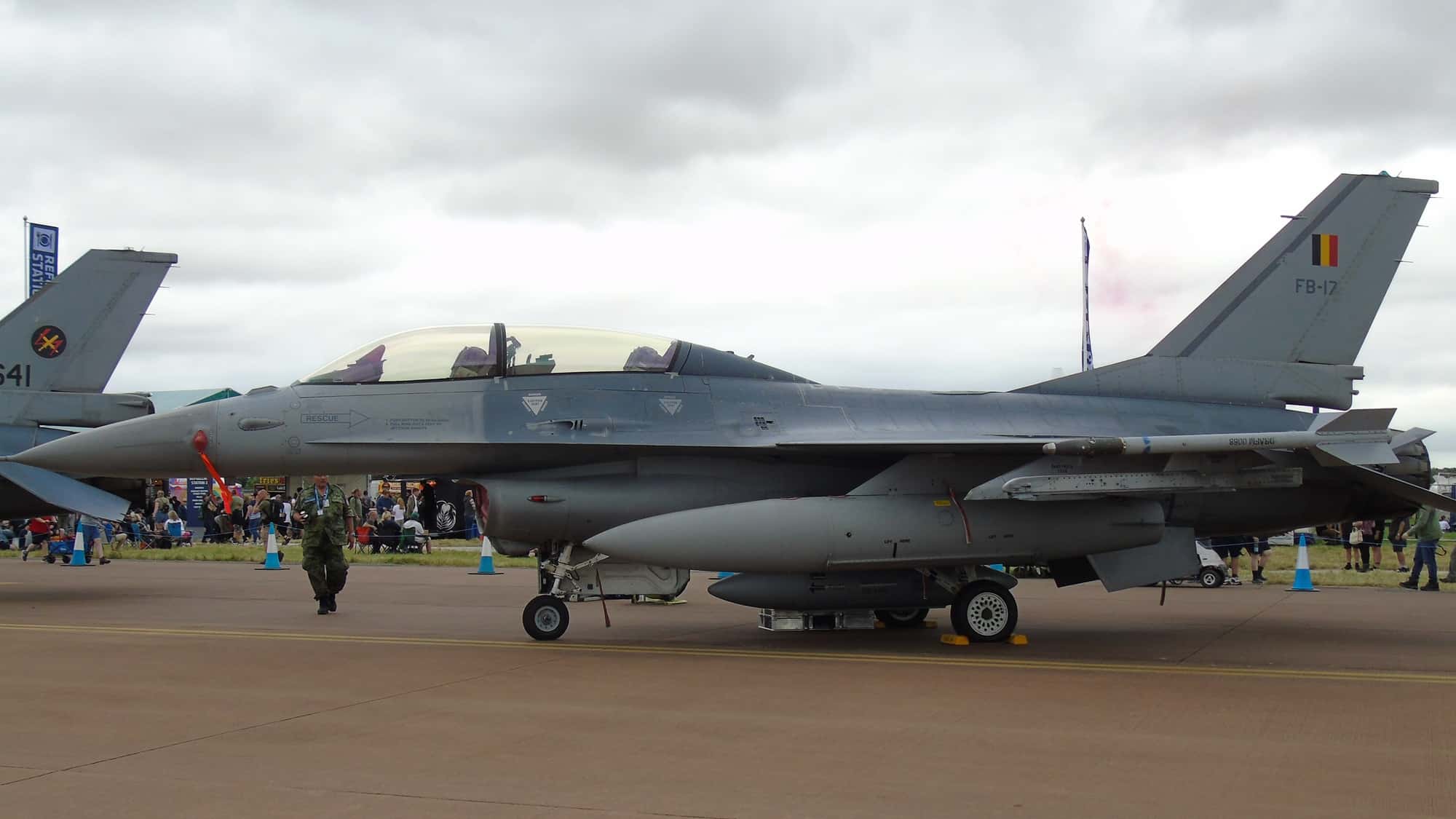
Conor McGuire, Lockheed’s F-16 capability development lead, praised the work of Ukrainian pilots and ground crews and expressed his intention to help improve the aircraft Ukraine already operates. Whether this could be through further upgrades to the F-16AM/BM fleet or in the provision of further maintenance infrastructure is currently speculation.
Ukraine’s Ex-Soviet Force
Ukraine started the war with a mixed fleet of ex-Soviet aircraft which were already ageing out at the start of the conflict.
Its mainstay air-to-air fighters in 2022 consisted of a force of around 70 MiG-29 Fulcrums and 34 Su-27 Flanker jet fighters, which bore a significant brunt of the early air war. When the Ukrainian ground based air defences had to be displaced during the opening days, it was up to these aircraft and their pilots to absorb the might of Russia’s air power.
The MiG-29 and Su-27 fleets suffered several losses during those opening days, but they managed to stem the Russian tide long enough for the ground based air defences to secure the skies over Ukraine. Since then, these fleets have been upgraded to employ western missiles and bombs, including the AGM-88 High Speed Anti-Radiation Missile (HARM), which is used to suppress Russia’s air defence systems, as well as the 1,000 lb GBU-62 JDAM-ER and the 500 lb GBU-39B Small Diameter Bomb precision glide bombs.
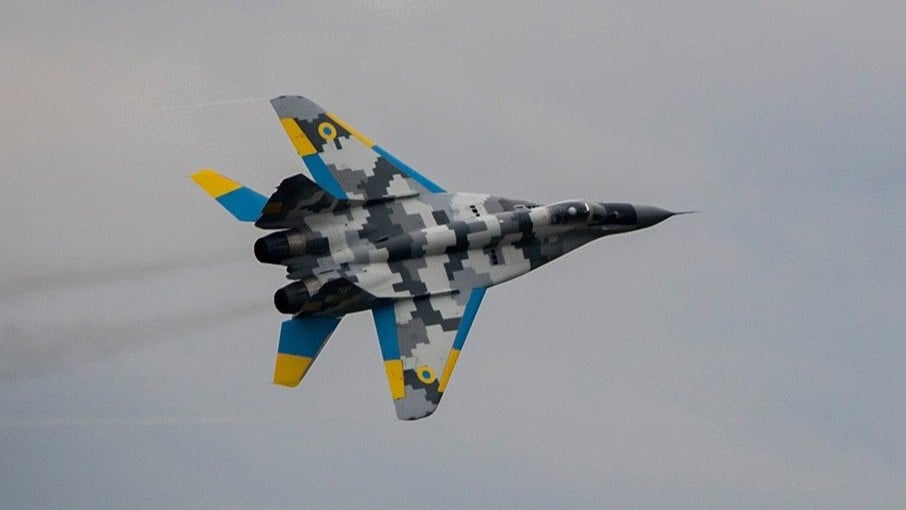
Their primary role however remained air defence, with these aircraft maintaining the defensive counter air mission against missiles and drones until the introduction of the F-16. The actions of the 40th Tactical Aviation Brigade, who flew MiG-29s over Kyiv during the early days of the war, birthed the legend of the ‘Ghost of Kyiv’, the name of which was later awarded to them in 2024 via presidential decree.
There have been a number of attrition replacements for Ukraine’s MiG-29 fleet, including 13 from Slovakia, 14 from Poland, along with a number of spare parts that allowed Ukraine to reactivate some of its stored fighters as well as three that Azerbaijan had in Ukraine for maintenance. However, losses have been heavy, with 39 aircraft visually confirmed damaged or destroyed, leaving the MiG-29 fleet significantly depleted over time.
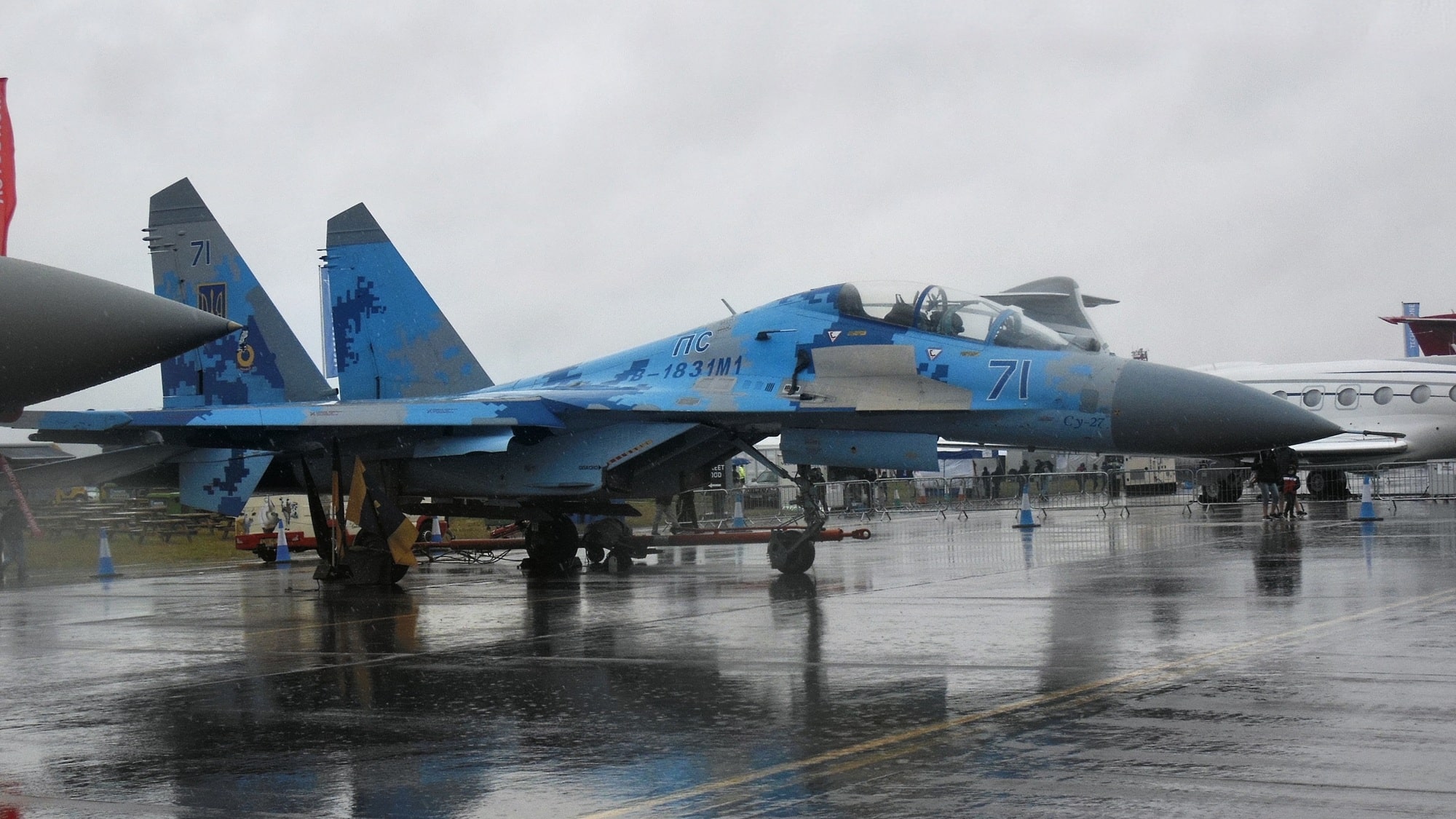
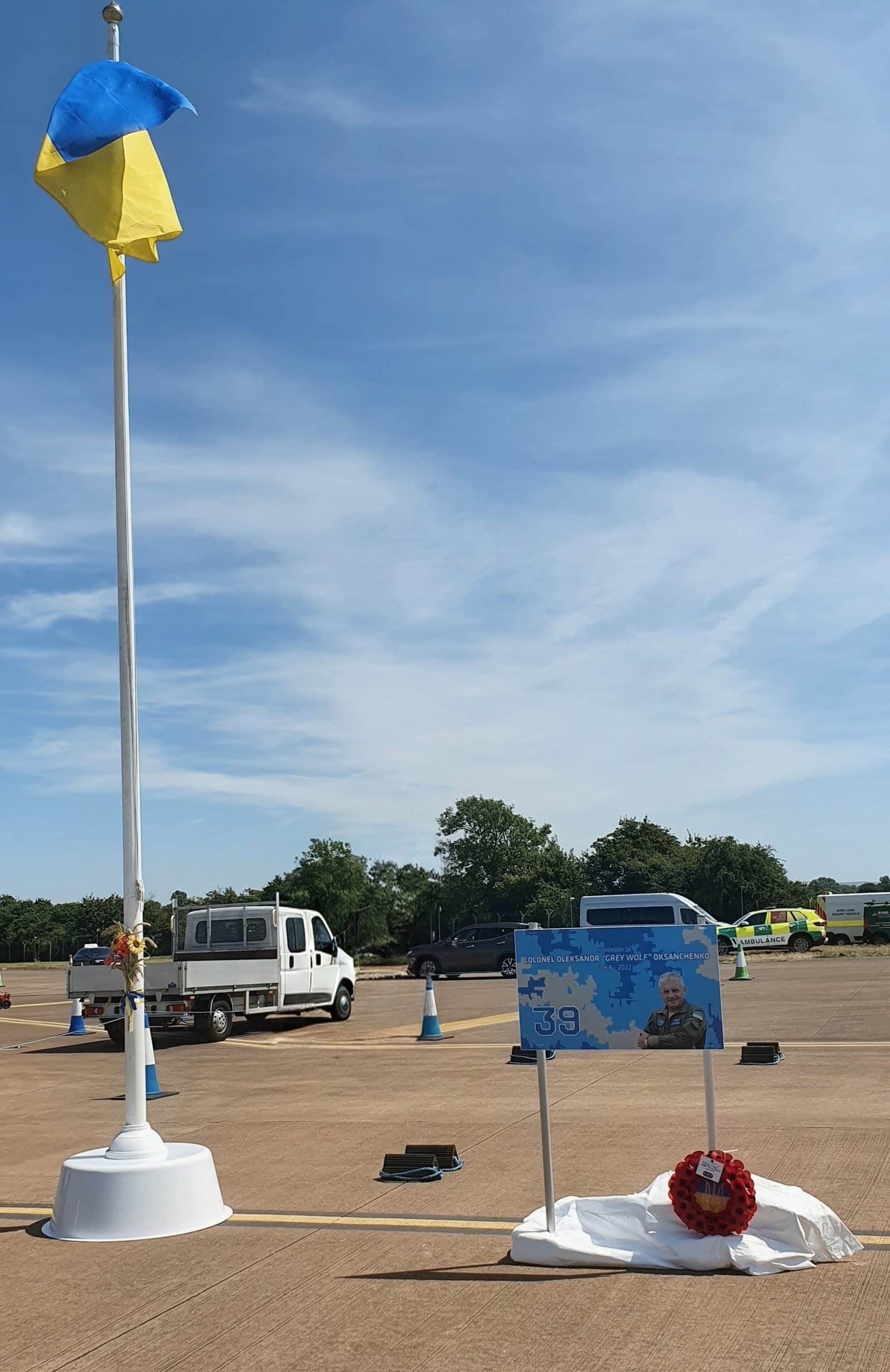
The Su-27 has not received any attrition replacements, with 20 confirmed lost over the course of the fighting. This included the tragic loss of Colonel Oleksandr Oksanchenko ‘The Grey Wolf’, Ukraine’s principal Su-27 display pilot, who was killed in combat on Feb. 25, 2022. His loss was sorely felt in the air show community, with the Royal International Air Tattoo dedicating a memorial to him at the show that same year.
Ukraine’s primary air-to-ground aircraft at the war’s start were the 14 or so Su-24 Fencer and the 30 odd Su-25 Frogfoots which have also played key parts in the war to date. The Fencer fleet was essential early in the war to provide close air support and interdiction against Russian forces that landed at the Hostomel airport in 2022.
Their attack here helped to block the runway that the Russian paratroopers of the VDV were going to use to bring in reinforcements by air, which gave the Ukrainian units of the National Guard the time to counter attack and contain the Russian landing. The actions here prevented the loss of Kyiv and allowed the country to stay in the fight for the long term.
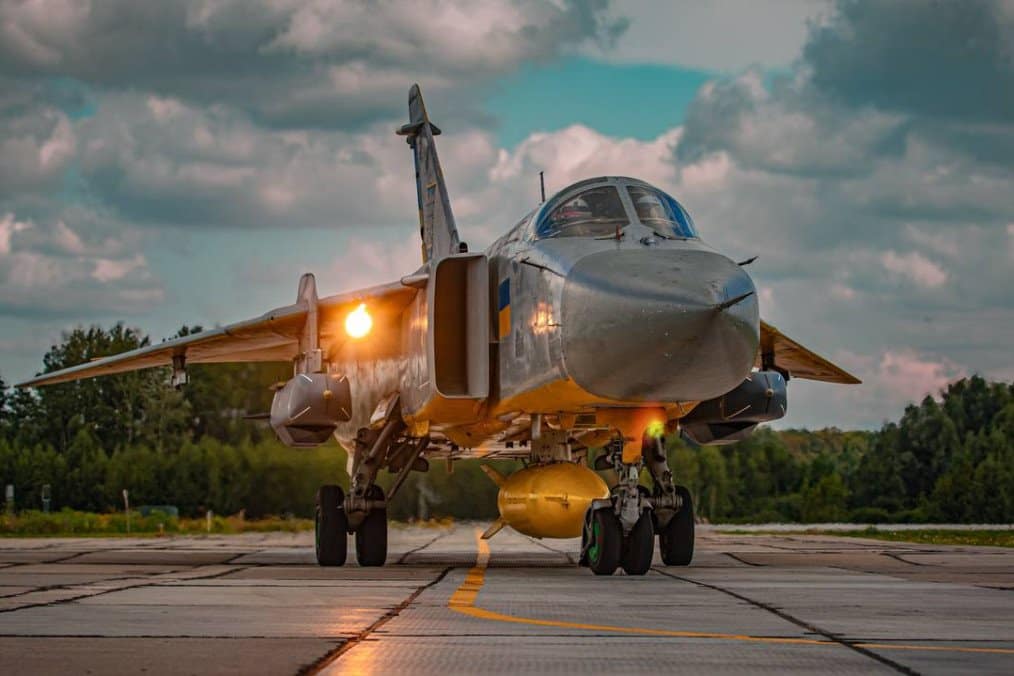
The Su-24 was also the aircraft chosen to carry the British, French and Italian donated Storm Shadow and SCALP-EG air launched cruise missiles (ALCMs), which have proven devastating against Russian supply depots, bridges and naval forces. Parts from the Panavia Tornado were bolted on to the airframe to allow for the missile to be integrated, allowing it to carry the weapon into combat.
Due to this mission set, losses have been lighter than during the early war, as the Storm Shadow has a long stand-off launch distance, enabling the Su-24 to stay out of Russia’s air defences. However, the fleet has still lost 22 airframes in total, along with many of their pilots.
Keen eyed observers will see that losses for the Su-24 are higher than their initial fleet total. This is thanks to the maintainers and engineers who were able to bring back a significant number of aircraft from storage, giving them a new lease of life to fight the invasion.
❗️Rare footage of the release of 🇫🇷French guided aerial bombs AASM Hammer from the board of a 🇺🇦Ukrainian Su-25 attack aircraft. pic.twitter.com/J7lFfzA0dr
— 🪖MilitaryNewsUA🇺🇦 (@front_ukrainian) April 11, 2026
Likewise, the Su-25 has been Ukraine’s primary close air support weapon, delivering volleys of unguided rockets at long distance early in the war due to heavy losses. The supply of Soviet munitions dwindled over time due to a lack of resupply, and so the Su-25 took more of a backseat to the MiG-29 in the ground attack role.
However, the fleet was significantly augmented with deliveries of French AASM Hammer bombs which gave the Frogfoot the stand off distance it needed to get back into the fight. Losses have still been unfortunately high, with 22 aircraft lost over the almost five years of war, significantly degrading the fleet.
The ex-Soviet force of fighter planes and their pilots have soldiered on far longer than anyone had expected them to when the war started in 2022. However, it is the assistance of NATO and Ukraine’s Western allies that will enable the UkrAF to develop into the future.
The Future Fighter Fleet
The first F-16s entered Ukrainian airspace in August 2024, following extensive training programs abroad in multiple European partner nations as well as the United States. Jointly,they set up the European F-16 Training Center (EFTC) at the 86th Air Base in Fetești, Romania, which serves to train Ukrainian and Romanian pilots on the platform.
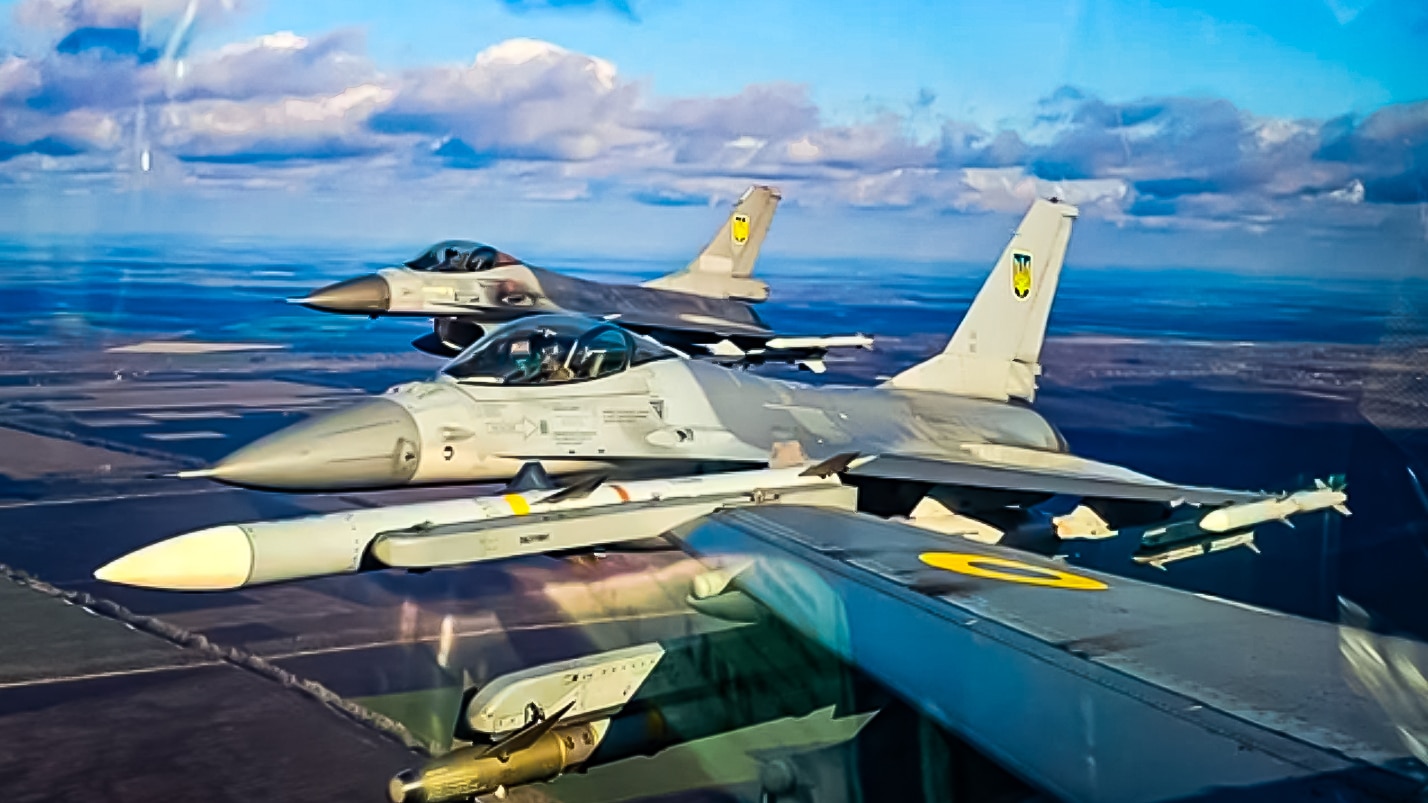
With this and several other training programmes in place, F-16AM/BM aircraft were then donated by Norway, Denmark, the Netherlands, and soon to be Belgium, to sustain the UkrAF. According to retired USAF pilot Lt. Gen. David Deptula, Ukraine’s F-16s now fly “80 percent” of all Ukrainian combat sorties, marking a significant change in the makeup of the overall fighter force. Even with the maintenance problems already discussed above, the F-16, being a Western jet, has more available spares than the ex-Soviet fleet, with the majority of spare parts being controlled by the Russian Federation.
Ukraine currently has an estimated 39 F-16s in service, so far having lost five to attrition over the last few years, but it is expected to raise to a maximum of 80 aircraft once deliveries from Denmark and Belgium are completed. At that point, the F-16 will be the most numerous fighter in Ukrainian service.
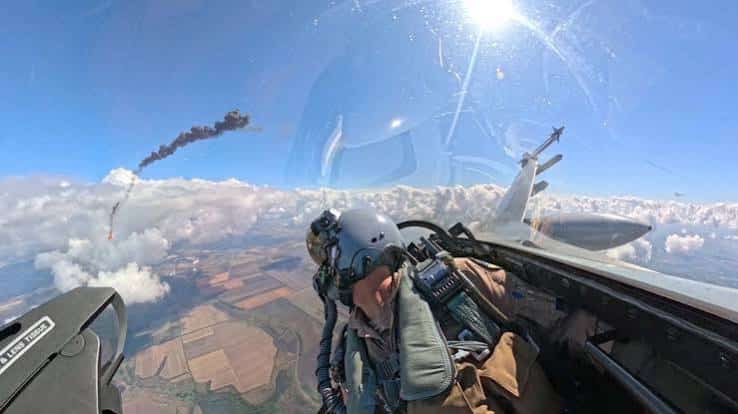
Tragically, Ukrainian MiG-29 pilot Captain Andrii Pilshchykov ‘Juice’, who played a key role in advocating for the delivery of F-16s to Ukraine, was killed in a training exercise in August 2023.
Following his initial wartime service, he spent months giving interviews to Western media and even traveled to the U.S. to meet and convince American lawmakers to enable the donation of the fighters to Ukraine. He was very much the public face of the campaign to see Ukrainian pilots in F-16s and their current impact on the war is in no small part due to his efforts.
A message from ‘Juice’ — the Ukrainian MiG-29 pilot I interviewed a few weeks ago.
Story: https://t.co/t4fRmqaQXI https://t.co/zOpPzN2cYI
— Nolan Peterson (@nolanwpeterson) April 16, 2022
Alongside the F-16, Ukraine has also received six Mirage 2000-5 fighter jets from France, with one lost to attrition quite soon after their initial delivery. These aircraft also allow for the employment of SCALP-EG ALCMs, taking some of the strain off the dwindling Su-24 force. It is expected that France will send more to Ukraine as it retires its current fleet, with between 12 and 20 aircraft expected to be delivered over the coming years.
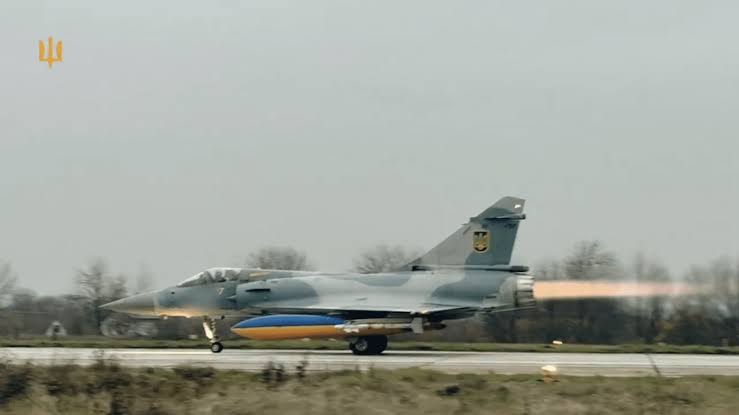
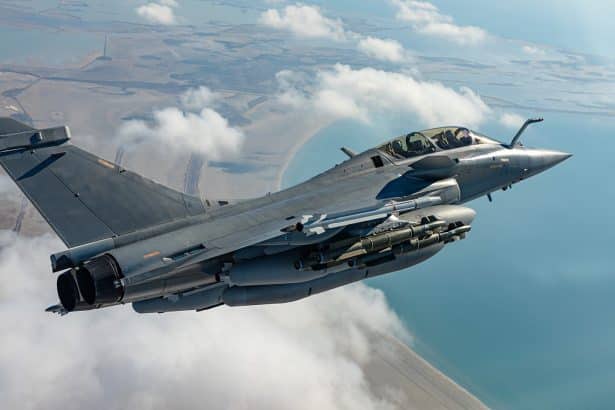
This fleet acts more as an interim option before 16 Dassault Rafales can be delivered to the country, following an announcement made by French President Macron in July this year. The first four aircraft will be delivered following completion of their pilots training which is starting this year.
It is still unknown if these will be new build fighters, or more likely aircraft from existing French stocks, though they are part of a purchase that aims to see 100 Rafales in Ukrainian colours. Unlike the donated Mirages, these aircraft are paid for by the Ukraine Support Loan and will give the Ukrainians a new advantage over their Russian opponent with the introduction of the Meteor missile to the battlefield.
The Rafale will be the premier fighter of the future UkrAF, but it will not be alone. Up to 16 Gripen C/Ds are expected to be donated to Ukraine in early 2027, coming directly from the Swedish Air Force. These aircraft will then be joined by a further 20 Gripen E/F fighters, which have a capability comparable to the Rafale but with a significantly improved rough strip performance.
Sweden will donate 16 Gripen C/D fighters to Ukraine, with deliveries starting early next year.
Ukraine will additionally purchase 20x Gripen E fighters, with deliveries starting in 2030. Sweden will additionally provide maintenance and training support. pic.twitter.com/y748IDg1Bq
— OSINTtechnical (@Osinttechnical) May 28, 2026
The final tally of expected aircraft will be around 150 aircraft, rising to around 300 if Ukraine’s aspirational orders of 100 Rafales and 100 Gripen Es come to fruition. Either way, the added aircraft more than make up for the losses in material incurred so far during the war and will give Ukraine an advantage over Russia in the air for the very first time.
It is still a long road until Ukraine receives all its fighters, and the logistical nightmare that such a diverse fleet represents will be a tough manage for a force already operating six types of frontline aircraft.
The F-16 Block 70/72
Given the progress made in F-16 training, UkrAF performance and the logistical challenges that introducing a new aircraft into service becomes, Ukraine is also exploring a possible pivot to newer block models of the aircraft. The F-16 training centre is a long term investment that could be greatly improved upon with the acquisition of 4.5 generation F-16s, which have capabilities similar to Gripen and Rafale, but in a package that Ukraine is already using en masse.
Finally, after years of delay, the first of the 66 new F-16V Block 70s for the Taiwanese Air Force has been delivered. Packing an AESA radar, modern avionics, and a much nastier electronic warfare suite, this latest Viper is a very different beast from the F-16 that first took to… pic.twitter.com/zcXHlmydzT
— Air Power (@RealAirPower1) August 29, 2026
The F-16 Block 70/72, or F-16V in the case of existing aircraft upgraded to the new standard, is the most modern variant of the aircraft, representing both new builds directly from Lockheed Martin as well as upgrade packages for older aircraft. The variant uses an advanced APG-83 AESA radar, a massive improvement over the older mechanically scanned arrays that Ukraine currently uses, having better range, better electronic warfare capabilities and better data links. The radar leverages hardware and software commonality with F-22 and F-35 AESA radars, giving it some of the benefits of a 5th generation aircraft.
The aircraft utilises a modernized cockpit to allow for better systems integration, and vastly improved avionics. Some versions come with conformal fuel tanks to improve the aircraft’s baseline range, which could drastically improve the survivability of the aircraft on the ground, operating further away from the front.
These capabilities could be added onto existing F-16s through a modification programme similar to that undergone by Taiwan’s F-16 force, but it would require significant assistance from the United States. Relations between Ukraine and the U.S. are at a warmer point than they were the previous year, with Ukraine having reached an agreement with U.S. President Donald Trump for the production of the missiles used in Patriot air defence systems.
The Block 70/72 variants would be a significant boon to the UkrAF, but only time will tell if the force is able to acquire them.