An A-10 Thunderbolt II reportedly lost a wing while around eight F-15s suffered lighter damage during an Iranian missile attack on the U.S. base in Jordan.
Multiple U.S. military aircraft were reportedly damaged during an Iranian missile strike on Muwaffaq Salti Air Base in Jordan, according to people with direct knowledge of the incident who spoke to CBS News. The attack occurred overnight between Sept. 8 and 9, 2026, during the latest round of Iranian retaliatory attacks following U.S. strikes against five Iranian tankers.
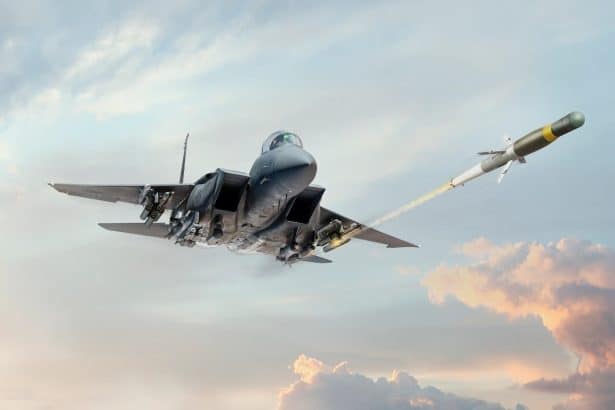
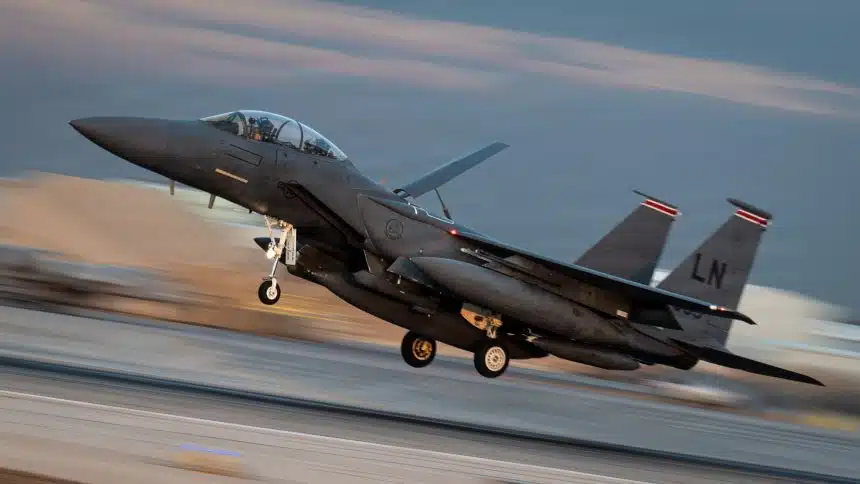
According to CBS News, approximately eight F-15E Strike Eagle fighter jets sustained light damage in the attack. The aircraft were subsequently returned to service, suggesting that the damage was largely limited to relatively superficial or repairable components.
News: Multiple American military aircraft suffered damage in strikes overnight on Muwaffaq Salti Air Base in Jordan, sources told @JimLaPorta and me. One A-10 Thunderbolt, known as the Warthog, was struck and left with a missing wing. Roughly eight F-15s sustained light damage…
— Jennifer Jacobs (@JenniferJJacobs) September 10, 2026
A much more serious case involved an A-10 Thunderbolt II. The attack reportedly struck the Warthog and left it missing one of its wings, although details regarding the extent of damage to the rest of the aircraft and whether it will be repairable are not available.
No U.S. casualties have been reported so far. CBS News reports that more than 30 Patriot missiles were launched as part of the defensive effort against the Iranian missiles. The U.S. Central Command (CENTCOM) has not yet provided official information.
Multiple U.S. Air Force warplanes were damaged in an Iranian ballistic missile attack on Muwaffaq Salti Air Base in Jordan last night, people familiar with the matter told @ASForcesMag. An A-10 Warthog attack aircraft suffered severe damage to a wing and around eight F-15 Strike…
— Chris Gordon (@ByChrisGordon) September 10, 2026
The damaged aircraft were at Muwaffaq Salti Air Base, also known as MSAB, near Azraq in eastern Jordan. The base is operated by the Royal Jordanian Air Force and has become an important forward operating location for U.S. forces in the region.
The U.S. Air Force’s 332nd Air Expeditionary Wing operates from the base, supporting a variety of combat, air defense and expeditionary missions. The base was also one of the main hubs for Operation Epic Fury, hosting F-15Es, F-16Cs, A-10Cs, F-22As and F-35As.
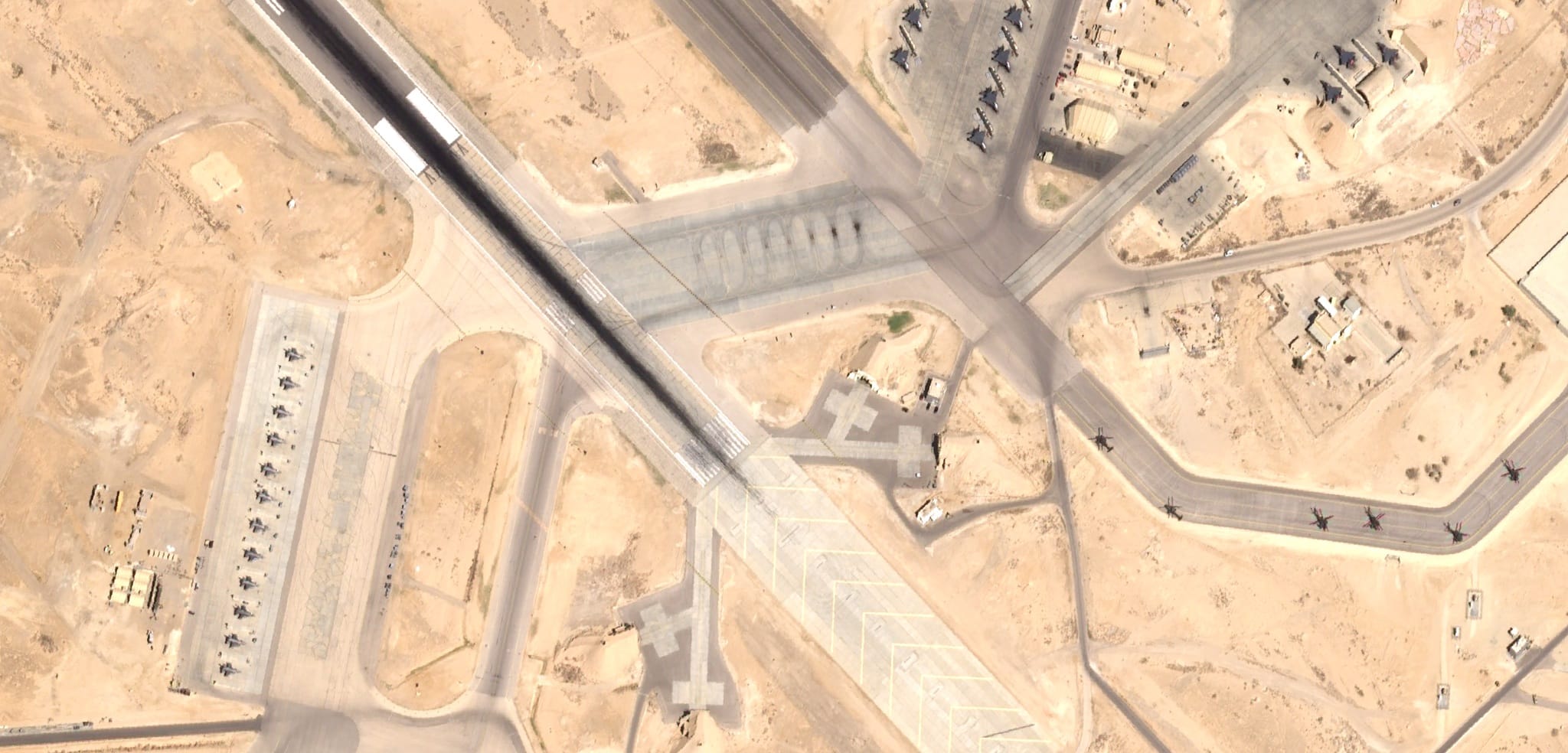
Satellite imagery released earlier this year clearly showed the significant buildup at the Jordanian installation. The concentration of combat aircraft makes the base a particularly valuable target in any Iranian effort to disrupt U.S. air operations in the region.
The Iranian attack
The latest attack came amid the recent sharp escalation between Washington and Tehran. On Sept. 8, the U.S. said it had destroyed five Iranian crude oil tankers in response to Iranian ballistic-missile attacks against an unspecified U.S. Navy warship.
CENTCOM forces destroyed five Iranian crude oil carriers, Sept. 8, after the Islamic Revolutionary Guard Corps (IRGC) targeted a U.S. Navy warship with ballistic missiles twice over the past two days. The U.S. warship successfully evaded the attempted Iranian attacks and… pic.twitter.com/Gi8a2tloN1
— U.S. Central Command (@CENTCOM) September 8, 2026
Iran subsequently claimed that it had attacked and struck two American warships in retaliation. CENTCOM denied the claims, saying that all the attacks attempted by the Islamic Revolutionary Guard Corps (IRGC) failed.
🚫 CLAIM: Iran’s Islamic Revolutionary Guard Corps (IRGC) forces have claimed they struck two U.S. Navy destroyers operating in the Middle East. This is completely FALSE.
✅ FACT: No U.S. Navy warship has been struck; all IRGC attempted attacks failed. Meanwhile, U.S. forces… pic.twitter.com/yfC4OcwZ1f
— U.S. Central Command (@CENTCOM) September 9, 2026
The Iranian strikes against Jordan were part of this wider retaliation. As mentioned earlier, CBS News reported that U.S. forces in Jordan fired more than 30 Patriot missiles to intercept the Iranian ballistic missiles during the attack.
The number of Iranian missiles fired at the base is unknown, and we have no information about how many of these were able to penetrate the defenses and hit meaningful targets. Satellite imagery show that most of the aircraft are parked in open areas outside of protective shelters, while the ones not in open areas are parked under sunshades.
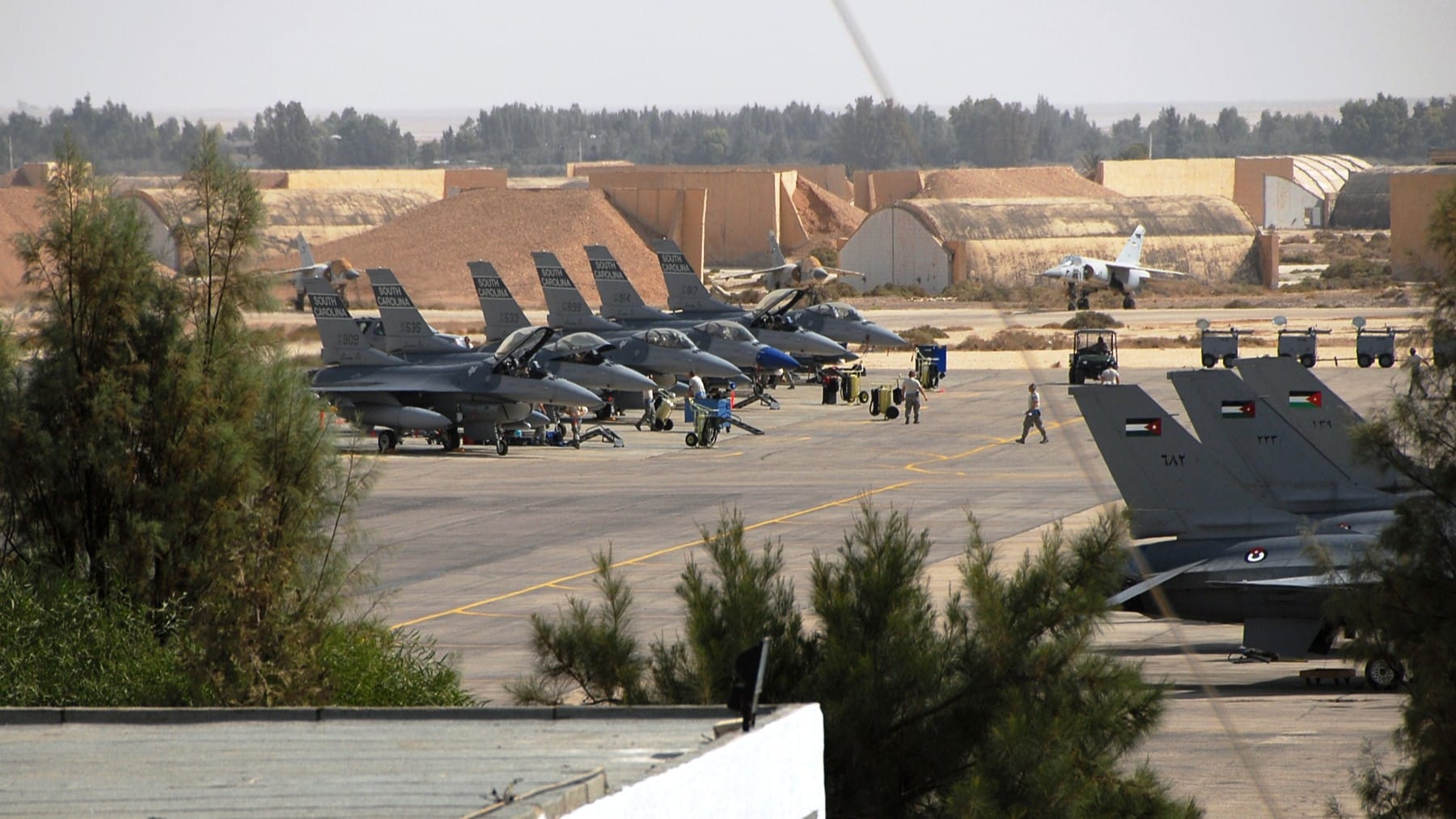
Because of this, aircraft would also be more likely to be hit by shrapnel from nearby explosions. Although unconfirmed, that could be the case of the Strike Eagles, since they only sustained light damage and reportedly already returned to operational status.
On the other hand, the damage to the A-10 might indicate a closer hit. It should be noted that the reported loss of a wing does not necessarily mean the aircraft has been destroyed.
In fact, aircraft that suffer significant structural damage while parked can potentially be recovered and repaired, depending on damage to the fuselage, engines, and other major components. At this stage, however, there is no publicly available assessment of whether the damaged A-10 will return to service.