New details in the BRRRRT Act’s full text reveal plans to keep selected Warthogs recoverable, examine potential foreign transfers and test emerging autonomous systems.
Weeks after it was first introduced to the U.S. Congress, the full text of the ‘BRRRRT Act’ has now been released. The bill’s text now reveals that the proposed legislation goes considerably further than simply preventing the U.S. Air Force from retiring the A-10 Thunderbolt II.
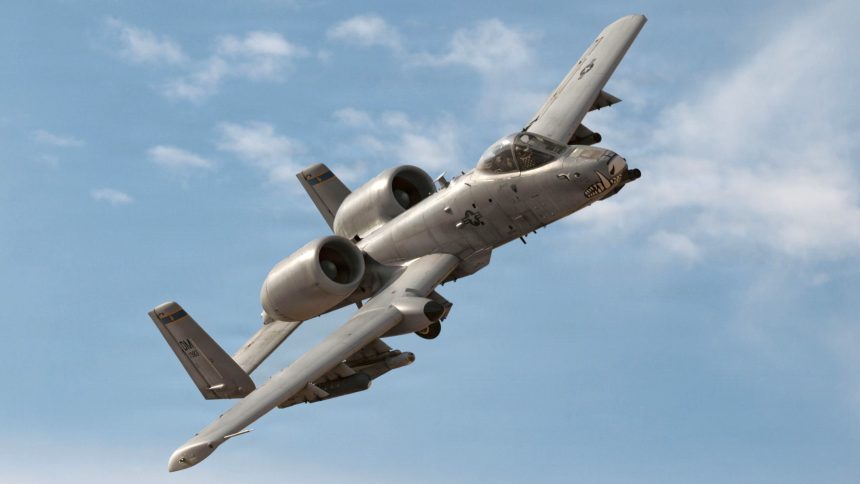
In fact, in addition to requiring the service to maintain at least 126 Warthogs through Fiscal Year 2033, the bill would preserve selected retired aircraft in recoverable condition, restore A-10 sustainment and training capacity, examine potential transfers to foreign partners, and explore experimenting with autonomous capabilities relevant to the A-10 mission set.
H.R. 9780, the “Bolstering Recognition, Resurgence, Retention, and Remembrance of the Thunderbolt Act of 2026,” was introduced in the House of Representatives on July 20, 2026, by Rep. Abe Hamadeh (R-Ariz.), with Rep. Don Davis (D-N.C.) and four other lawmakers as original cosponsors. The bill was referred to the House Armed Services Committee and the House Foreign Affairs Committee on the same day.
As we previously reported, the legislation would prohibit the Department of Defense from reducing the A-10 inventory below 126 aircraft from FY2027 onward, unless a higher number is deemed necessary by the Secretary of the Air Force. However, the bill also seeks to preserve the broader enterprise required to operate the aircraft.
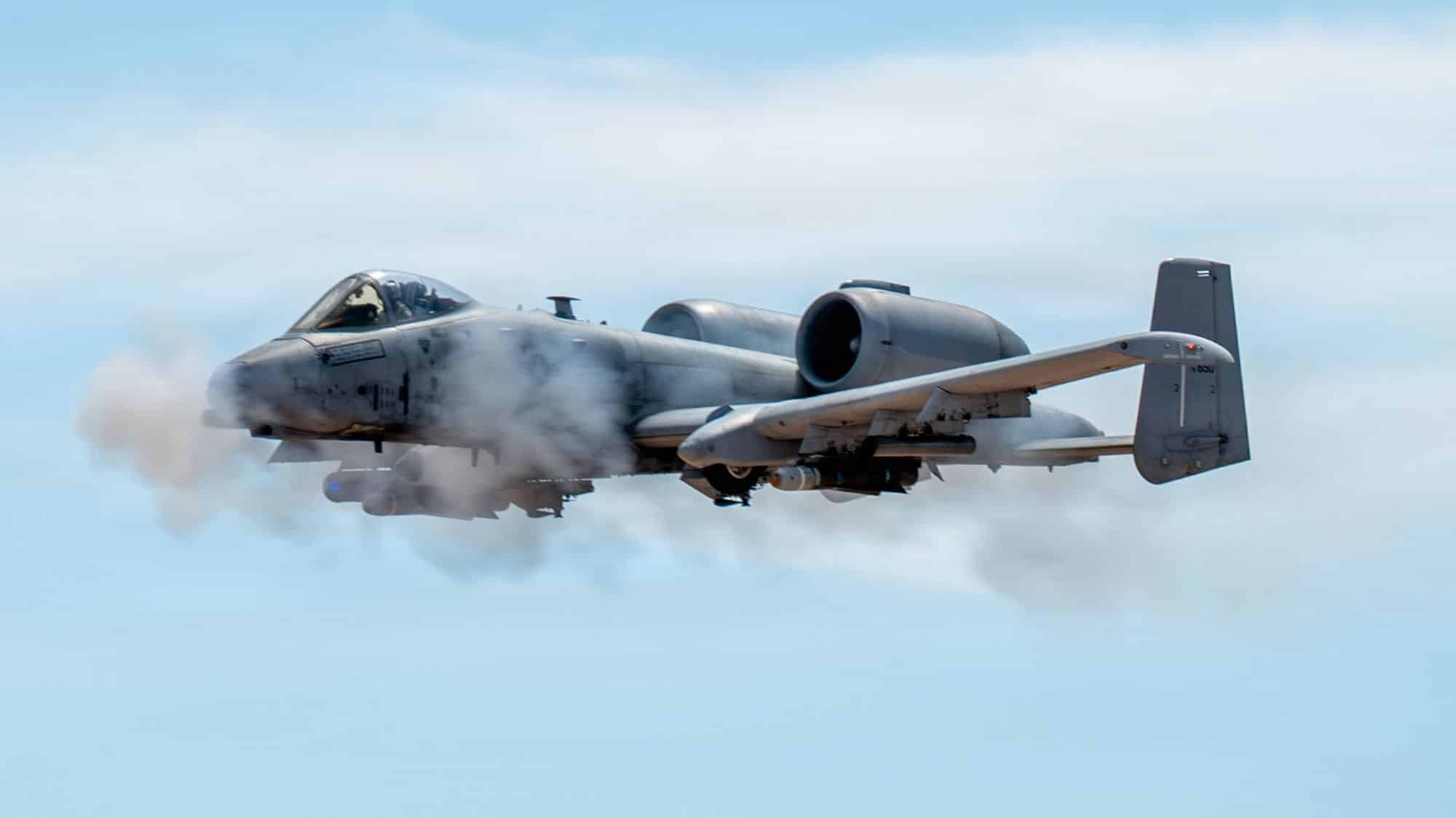
Specifically, it would prevent reductions in A-10 unit personnel, pilot training capacity, operational test capacity, depot maintenance and sustainment activities. At the same time, the legislation requires the Air Force to restore sufficient capacity to support the fleet through FY2033.
A real replacement for the A-10
One of the bill’s most significant provisions is its definition of what would constitute an acceptable replacement. The bill specifically mentions that this replacement must achieve full operational capability before the restriction on the A-10’s retirement can be waived.
The replacement would have to be operationally fielded and supported by the necessary pilots, maintainers, training, sustainment logistics and depot facilities. More importantly, the replacement needs to assume the missions currently assigned to the A-10 as its primary missions, including Close Air Support (CAS), Forward Air Controller-Airborne (FAC-A), Combat Search And Rescue (CSAR) support, personnel recovery support and armed overwatch.
This means that simply assigning A-10 missions to existing aircraft, such as the F-35, F-16, F-15E and F-15EX would not necessarily satisfy the legislation’s requirements. The Pentagon would have to demonstrate that the required operational effects, personnel and supporting infrastructure are actually available.
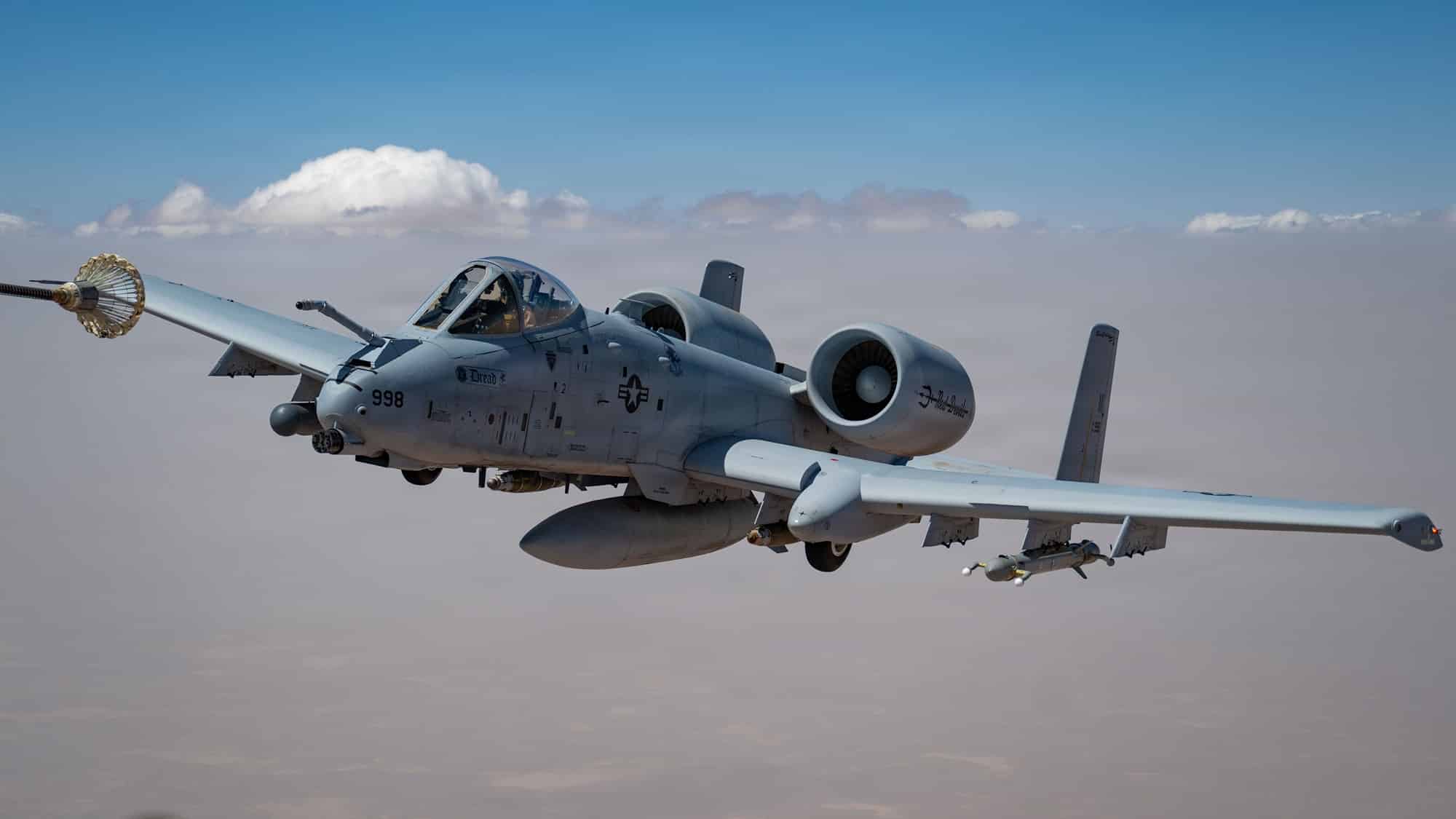
Then, the Secretary of War would have to certify that a replacement aircraft has fully assumed the A-10’s mission. That certification would also need to be approved in writing by the Secretary of the Army, the Commandant of the Marine Corps, and the Commander of U.S. Special Operations Command, confirming that it would satisfy their requirements.
Retired Warthogs in recoverable storage and no cannibalization
In addition to preserving a minimum fleet in service, the bill also takes aim at what happens to A-10s once they leave operational service. Selected retired aircraft would have to be preserved in a recoverable storage condition, likely referring to the Type-1000 storage which maintains the aircraft in a condition that allows recall for future service.
The bill describes that the stored A-10s would retain the major systems, mission equipment and structural components needed for a potential return to service, training, testing or transfer to a foreign partner. Additionally, the aircraft could not be demilitarized or otherwise altered in a way that would unnecessarily compromise their future recoverability.
An important point in the legislation would also prohibit the cannibalization or parting out of certain A-10s. These include aircraft that have received wing replacements or service-life-extension modifications, retain more than 1,500 projected flying hours, or have been identified as candidates for reconstitution, contingency activation or foreign transfer.
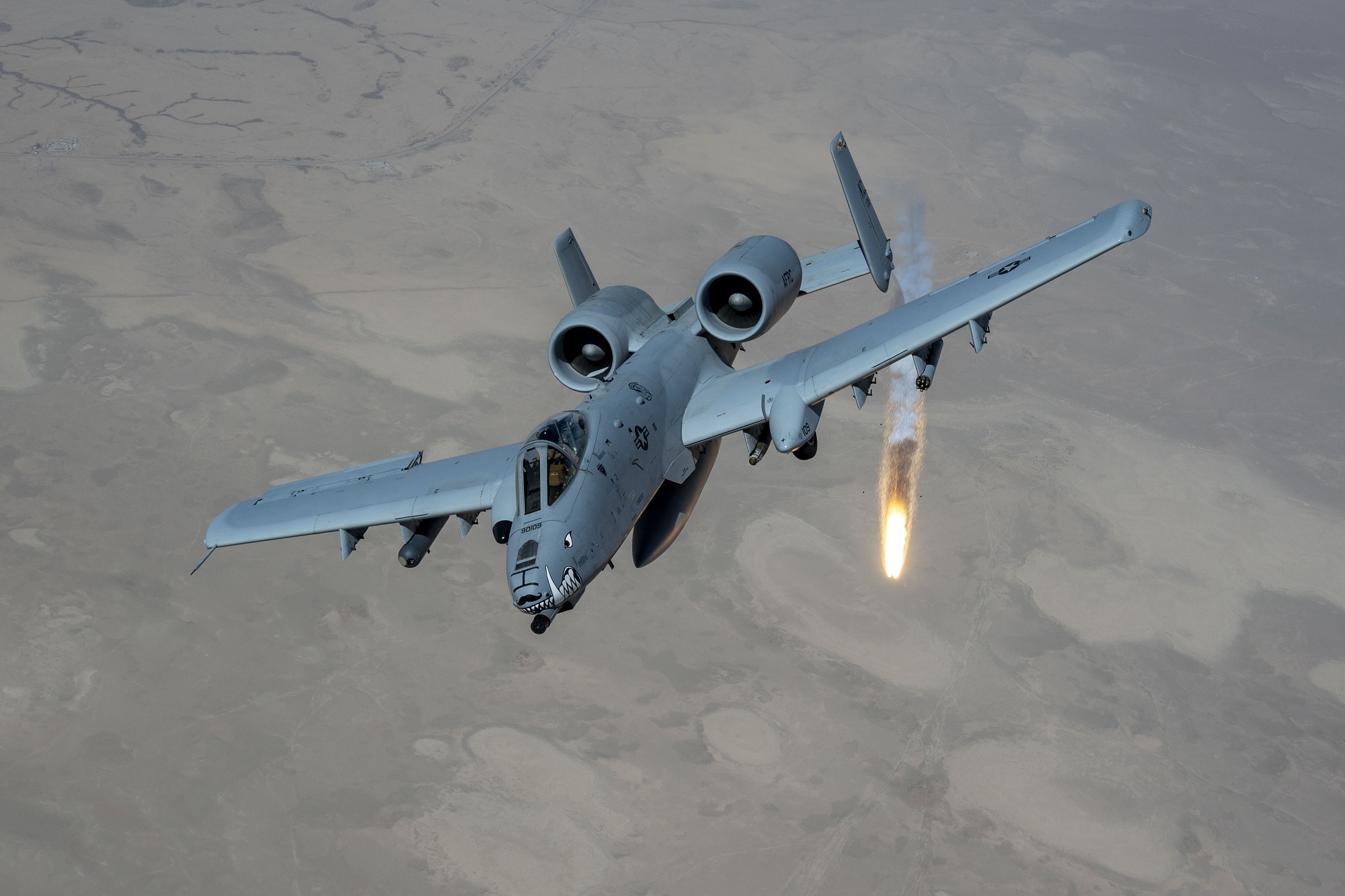
Until the Air Force submits a required sustainment roadmap, the bill would further prevent retired or retiring aircraft sent to the 309th Aerospace Maintenance and Regeneration Group (AMARG) at Davis-Monthan Air Force Base from being placed into storage or processing categories equivalent to non-recoverable reclamation, disposal or broad parts-harvest status.
Moreover, the roadmap would have to look even beyond 2033, should a replacement not be ready by then. The legislation mentions a contingency plan for maintaining sufficient A-10 capacity through FY2037 and an assessment of the costs and consequences of attempting to reconstitute the mission after its termination.
Possible A-10 transfers to foreign operators
Since the BRRRRT Act aims to keep the A-10 in service with the U.S. Air Force, perhaps the most unexpected provision in the bill is the one that directs the Pentagon to examine whether surplus A-10s could be transferred to foreign partners. It must be noted, however, that this is not the first time lawmakers direct the Pentagon to explore such a possibility.
In fact, in 2024 lawmakers directed the military to explore a possible transfer of A-10s to Jordan. The possibility was mentioned in the 2025 National Defense Authorization Act (NDAA).
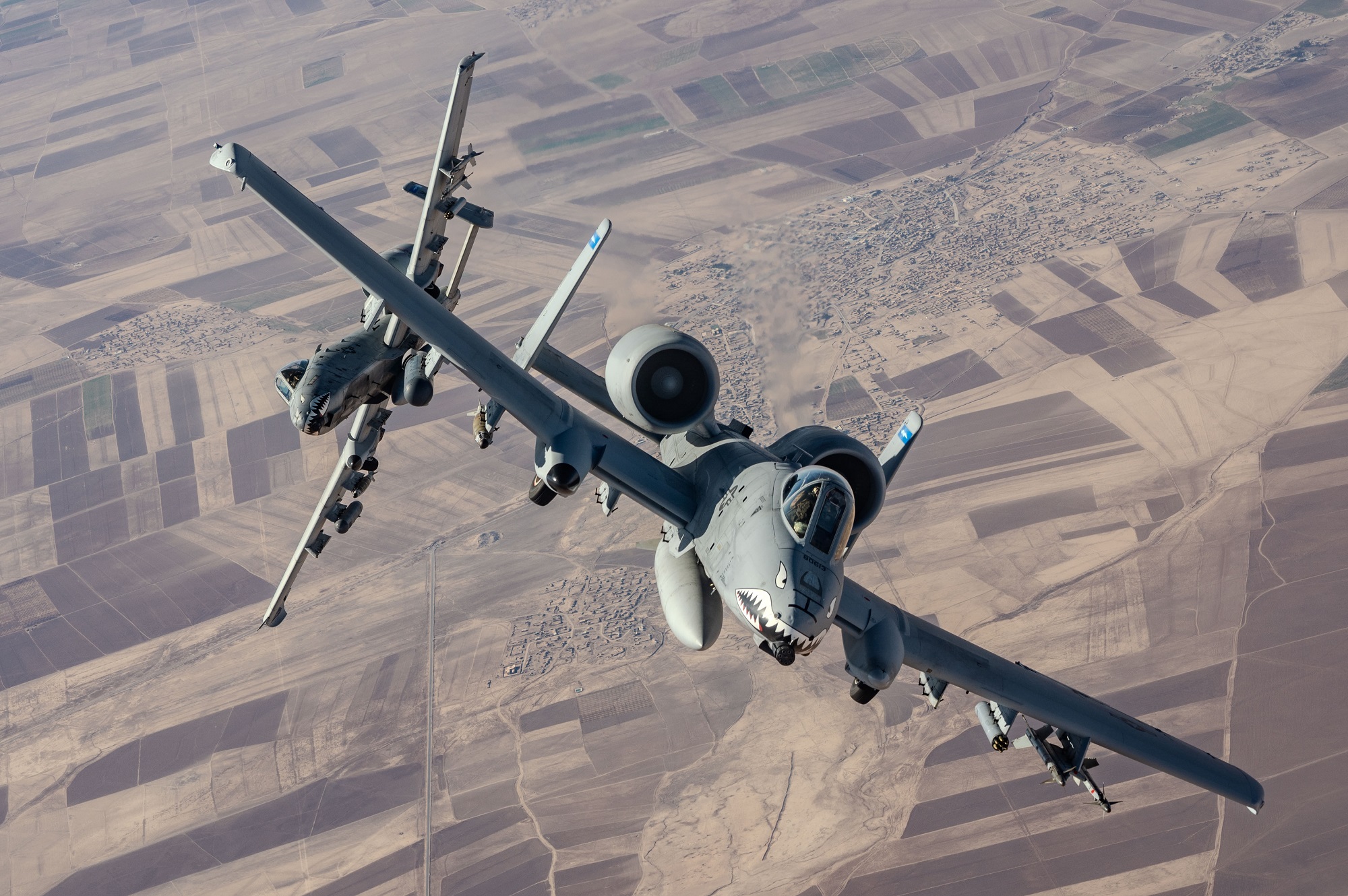
The new bill says surplus aircraft could retain value for security cooperation, partner burden-sharing and contingency operations. The administration would need to assess whether aircraft could be transferred through Foreign Military Sales, the Excess Defense Articles program or other authorities, or maintained in recoverable condition for future use.
The Secretary of War, the Secretary of the Air Force and the Defense Security Cooperation Agency would have to brief Congress on the feasibility of such transfers by January 2027. It is important to note, however, that the bill does not authorize an A-10 transfer to any particular country.
Autonomous capabilities relevant to the A-10’s mission set
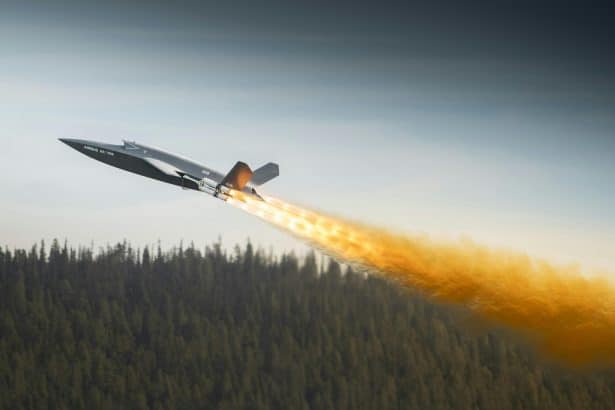
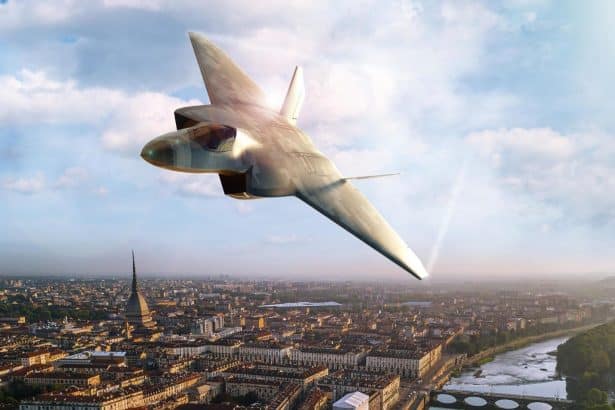
The BRRRRT Act also appears to look at Manned-Unmanned Teaming (MUM-T) as a possible replacement for some of the A-10’s missions. The bill would require the Air Force to develop a plan for competitive experimentation, prototyping and operational assessment of autonomous, semi-autonomous, AI-enabled and adjunct aircraft capabilities relevant to the A-10 mission set.
According to the text, the initiative would encourage participation by nontraditional defense contractors, commercial technology companies and venture-backed defense firms capable of rapidly developing autonomy, sensing, communications and mission-system technologies. Also, the legislation explicitly calls for meaningful human command and control over mission-critical functions, including target engagement, weapons release and mission abort.

It thus appears that there might be an opening towards a replacement of at least some of the capabilities, although the focus is obviously on a true replacement for the A-10 aircraft and its main mission set. The Secretary of the Air Force would have 180 days to present a report about this plan.
Preserving the A-10’s combat experience
The legislation would also require the Pentagon to examine what can be learned from the A-10’s combat history, specifically citing the aircraft’s employment from Operation Desert Storm through current operations, including recent support to the recovery of downed aircrew during Operation Epic Fury.
A report to Congress would have to be presented by January 2027, would examine the A-10’s combat employment and identify lessons applicable to force design with the A-10’s successor, doctrine, training and capability development. The report would also assess potential further A-10 modernization options.
In parallel, the bill mentions the return of the A-10 demonstration team, preserving the aircraft’s visibility during the 250th anniversary of the United States. The team would operate until 2033.
H/T to John Bennett for the heads up.