In an exclusive interview at EAA AirVenture Oshkosh 2026, the Secretary of the Air Force discusses modernization, readiness, pilot training, artificial intelligence, Space Force growth, recruiting, and the future of American airpower.
EAA AirVenture Oshkosh 2026 drew a record-breaking crowd of 734,000 aviation enthusiasts, according to the Experimental Aircraft Association (EAA), surpassing the attendance record set one year earlier by 30,000 visitors. The EAA reports that Wittman Regional Airport logged 15,527 aircraft operations between July 16 and July 27, averaging roughly 101 takeoffs and landings per hour during operating periods.
For the week of EAA AirVenture, Wittman Regional Airport transforms into the world’s busiest airfield. It serves as a temporary home to more than 10,000 aircraft, celebrating every facet of aviation, from handcrafted homebuilts and vintage aircraft to warbirds and cutting-edge aerospace innovation.
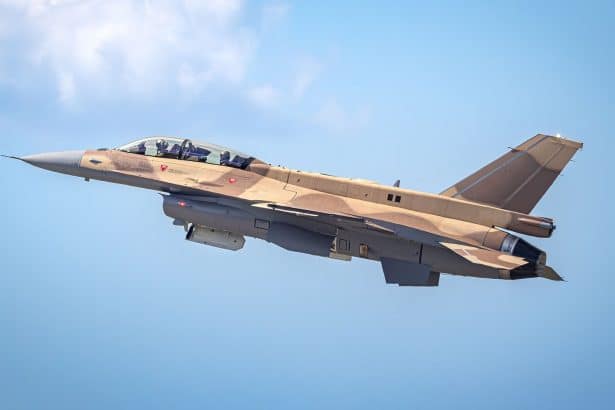
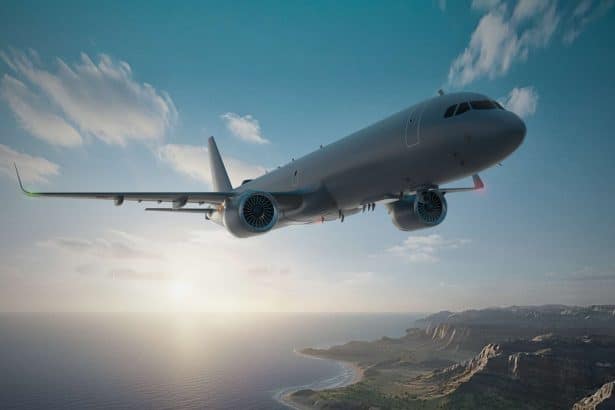
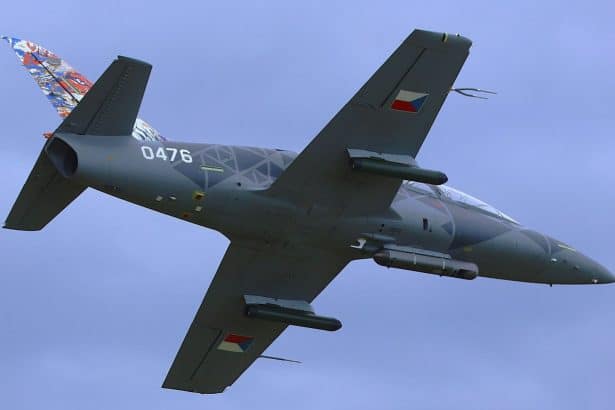
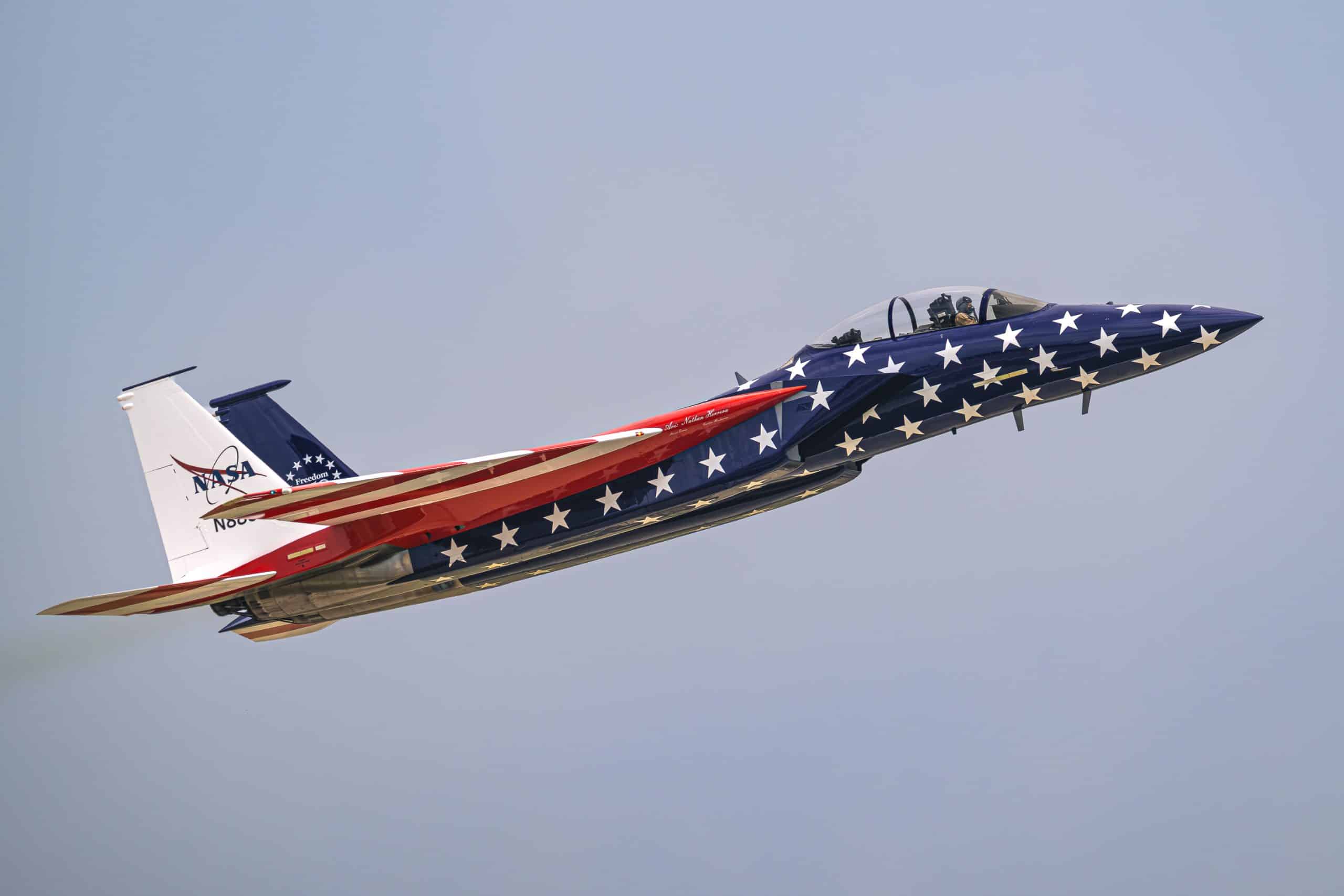
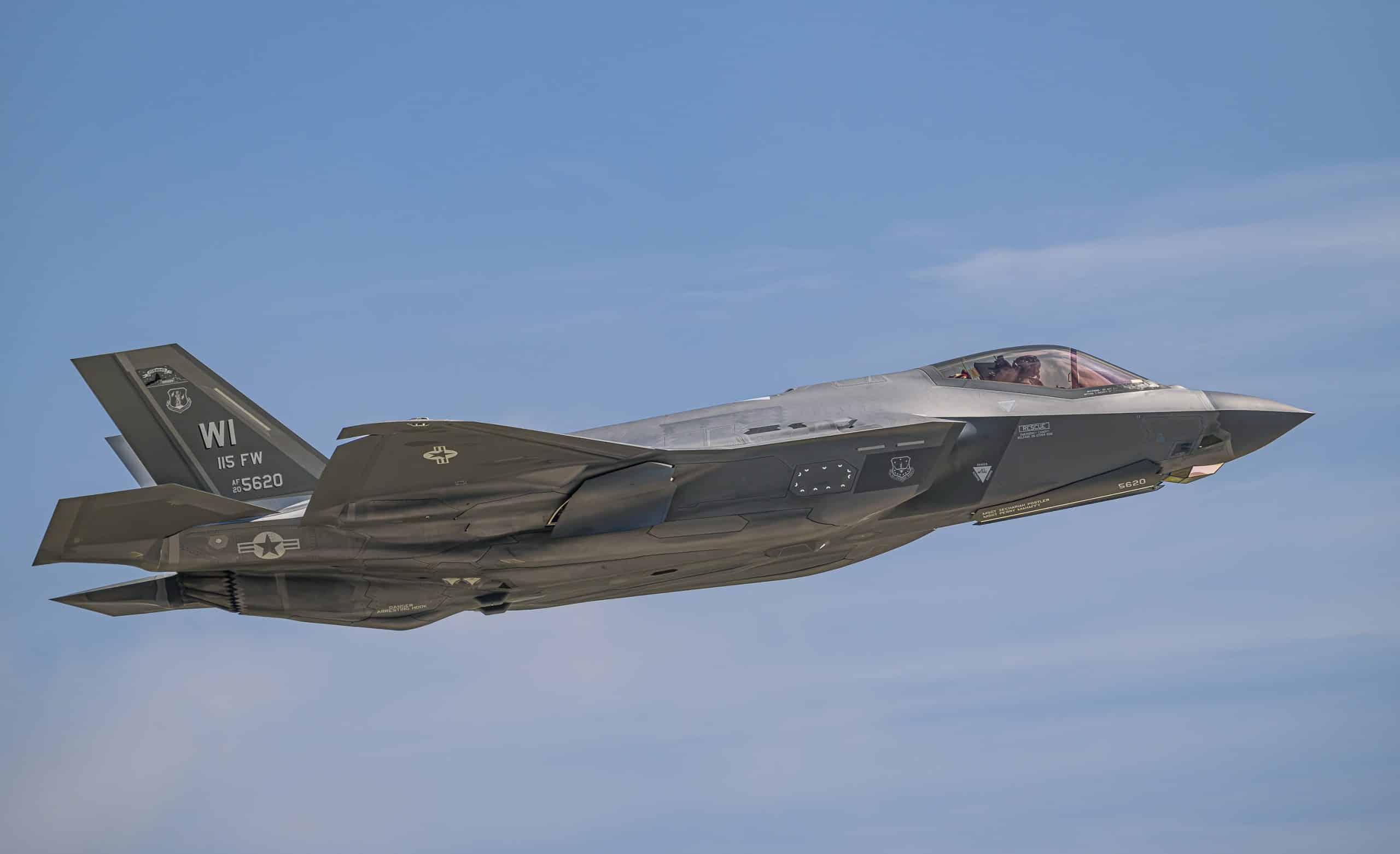
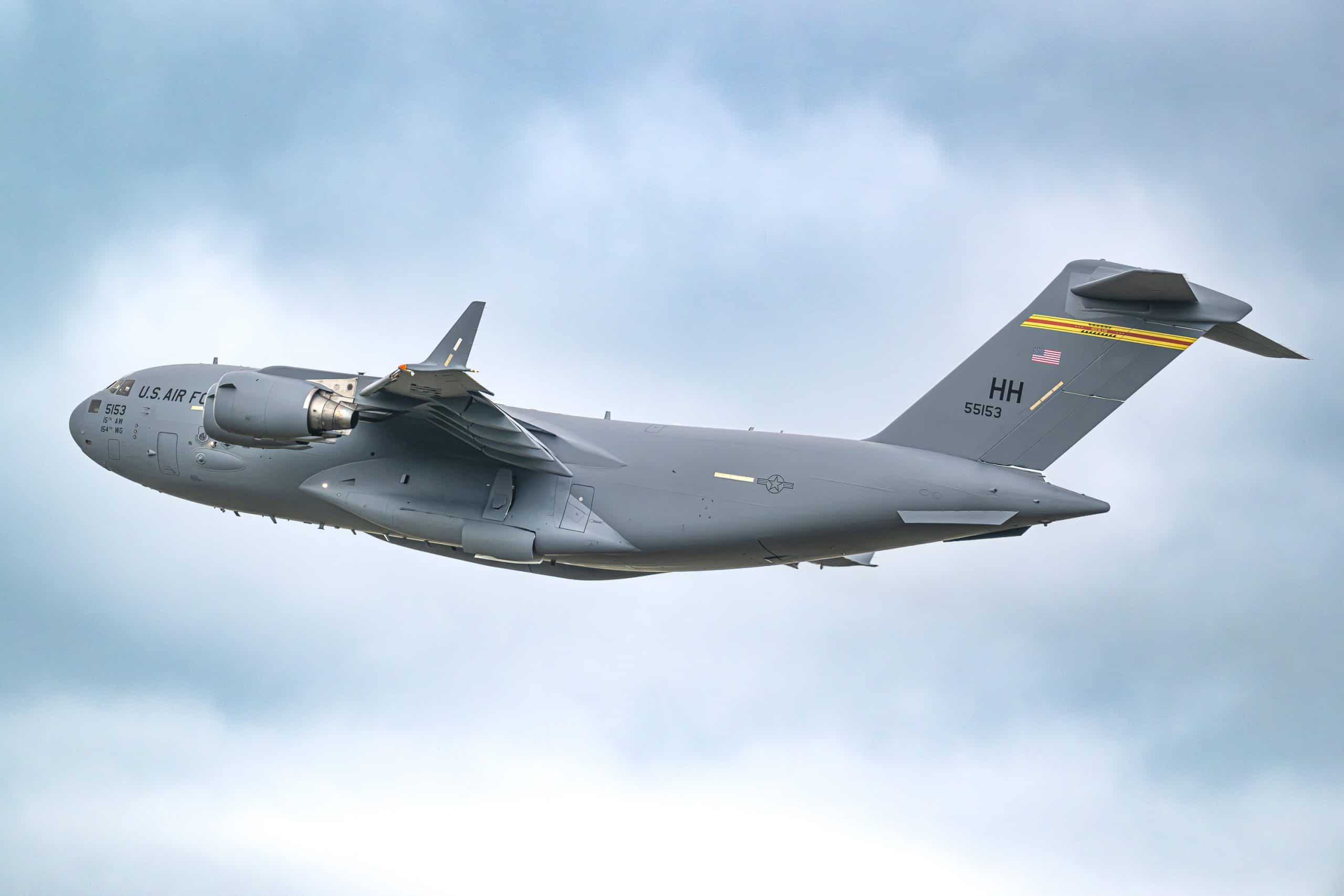
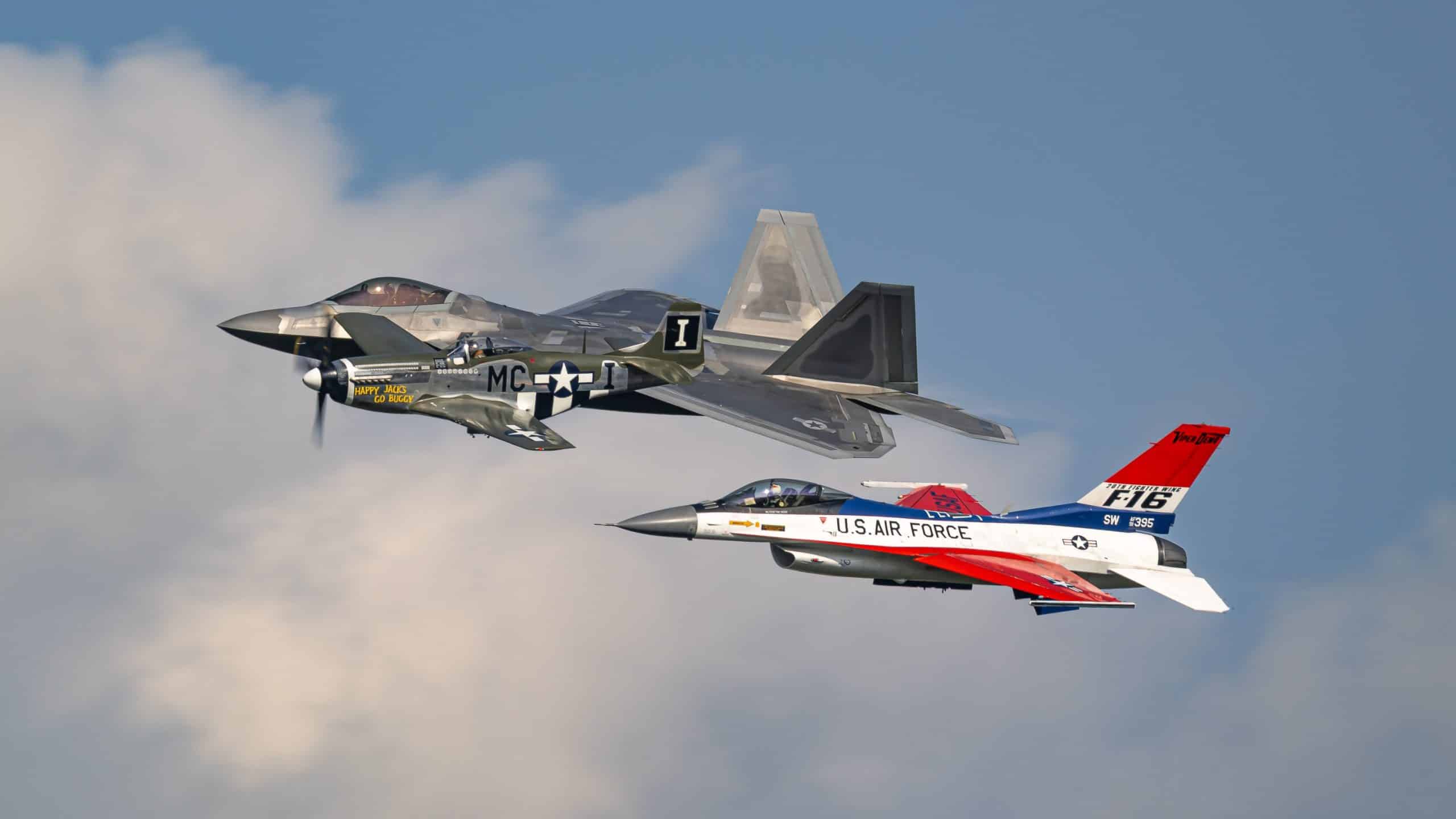
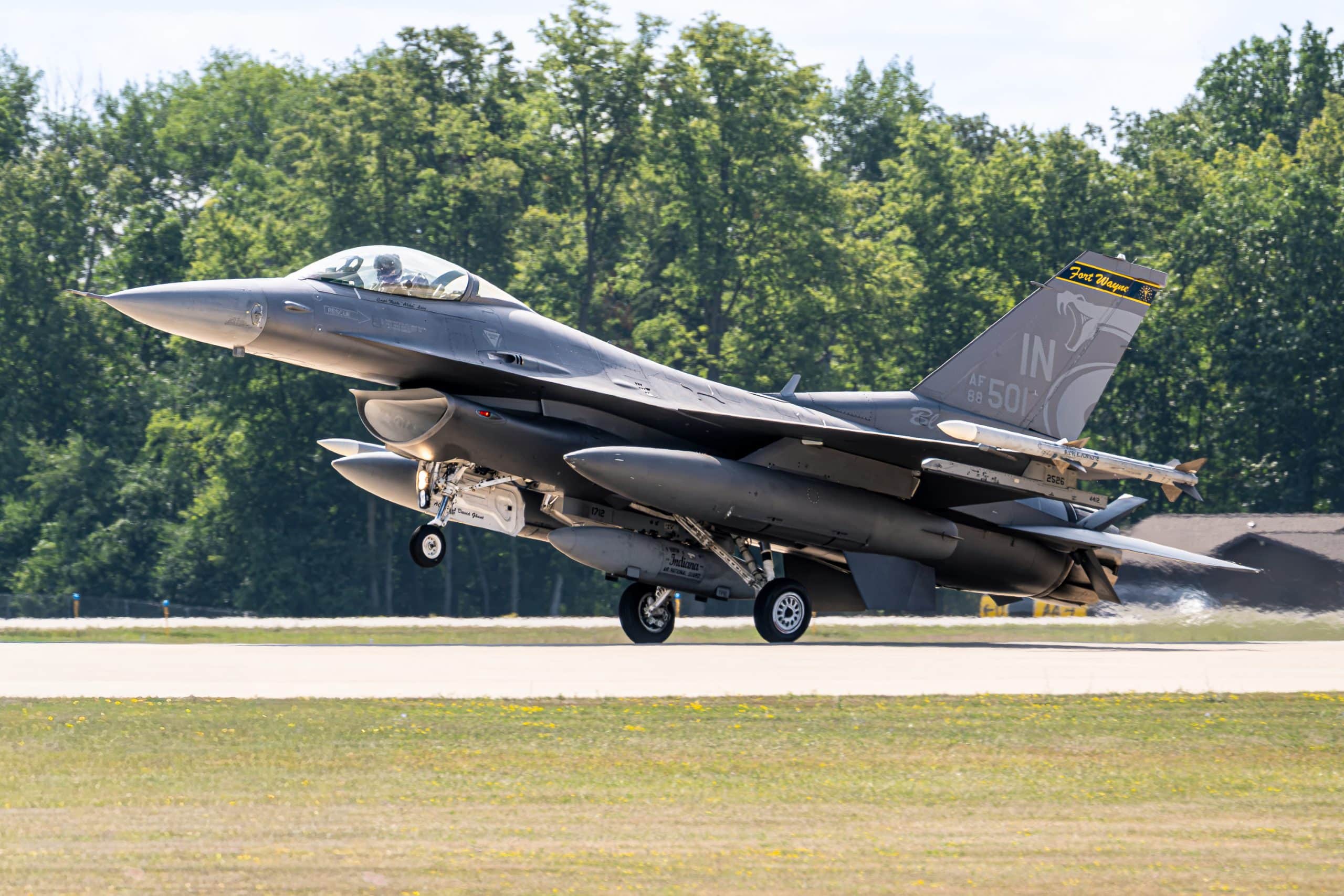
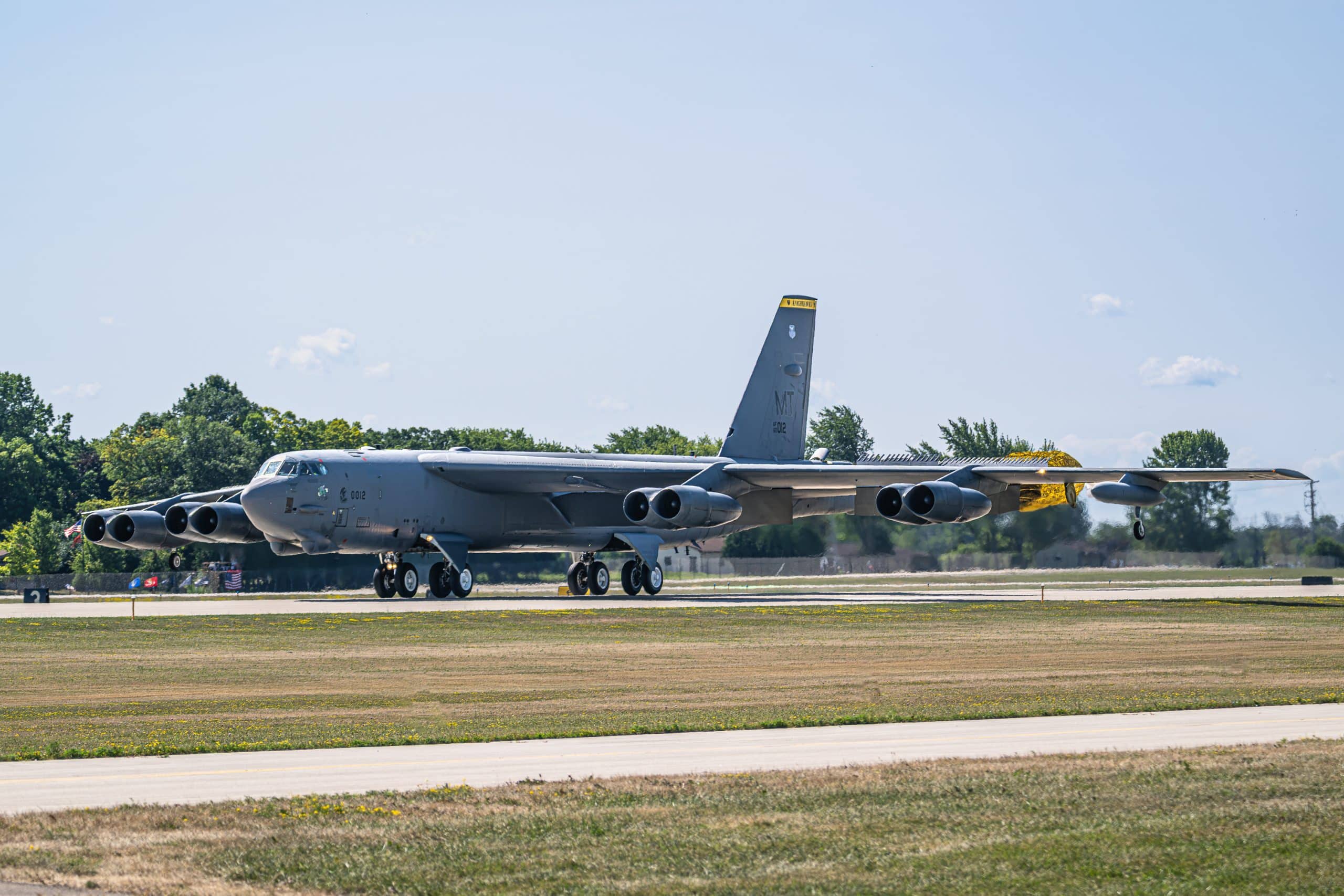
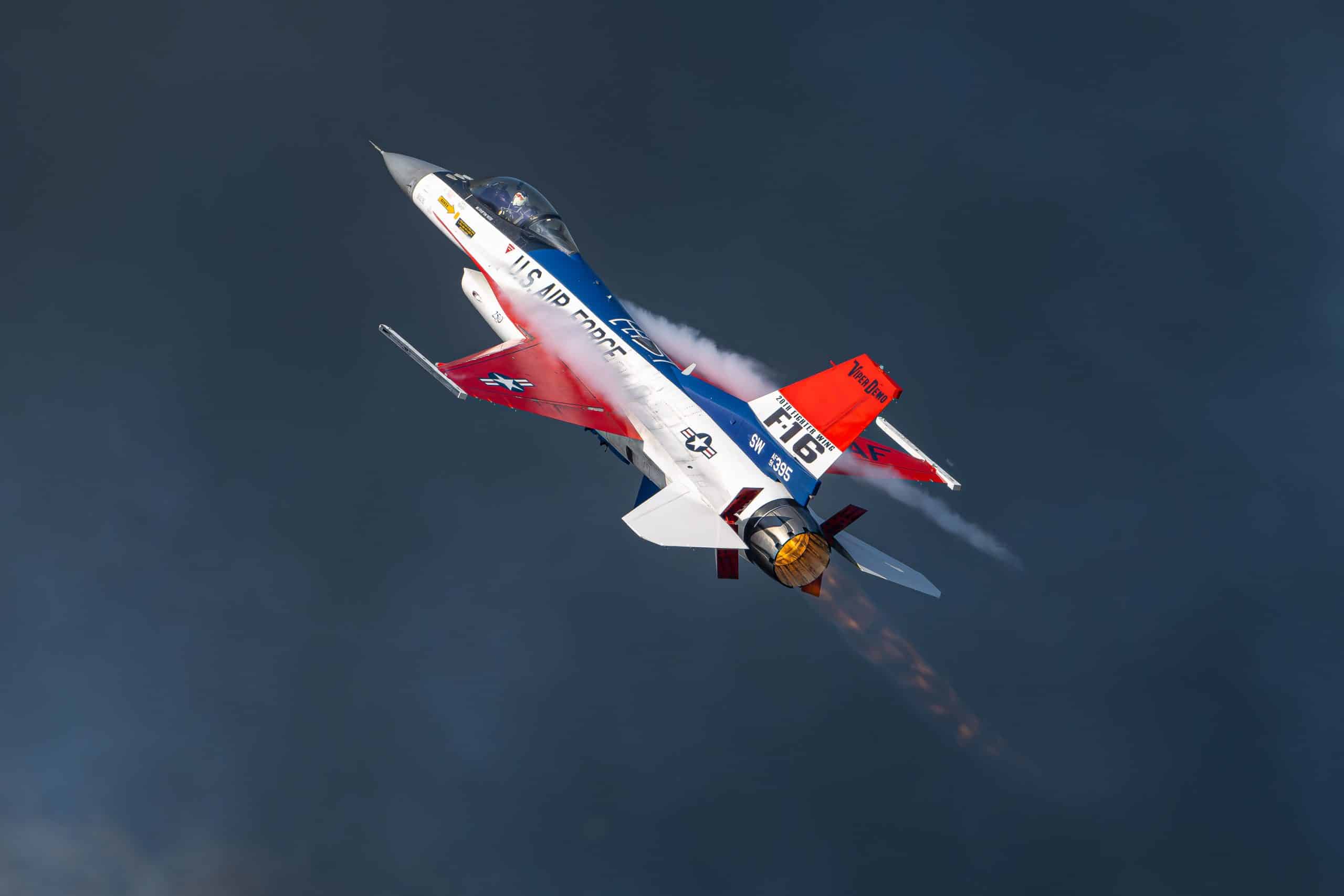
Supporting the modern side of this display, the U.S. Air Force brought a commanding presence to the 2026 grounds. The service packed the ramp with operational assets, giving attendees a close-up look at combat, mobility, strategic, trainer, and heritage aircraft.
Among the senior leaders attending this year’s AirVenture was Dr. Troy E. Meink, the 27th Secretary of the Air Force. His visit carried a deeply personal connection to Oshkosh. Flying in formation with two P-51 Mustangs, he arrived in his RV-8 and spoke enthusiastically about a passion for aviation that began long before his military service.
That connection became clear as soon as the interview began. Asked what first inspired his interest in aviation, Dr. Meink recalled arriving at Oshkosh as a college student in 1985 and hearing the unmistakable sound of a P-51 Mustang making a low pass. The experience deepened an interest that would later lead him to build and fly experimental aircraft, serve as an Air Force navigator, pursue advanced engineering degrees, and spend much of his career developing and managing complex air and space systems.
The conversation extended well beyond his personal aviation story. Dr. Meink discussed the challenge of balancing today’s readiness with tomorrow’s modernization. He also addressed the growing role of simulation in pilot training, the challenge of recruiting and retaining skilled maintainers, the use of artificial intelligence in logistics and maintenance planning, the importance of STEM outreach, and the need to improve acquisition speed while reducing unnecessary bureaucracy.
Dr. Meink assumed his role as the 27th Secretary of the Air Force in May 2025. As the department’s top civilian official, he organizes, trains, and equips both the U.S. Air Force and U.S. Space Force. He oversees an annual budget exceeding $246 billion, supporting nearly 680,000 active-duty, Guard, Reserve, and civilian personnel.
Yet his executive leadership is grounded in operational experience. Commissioned through ROTC in 1988, Dr. Meink began his Air Force career as a KC-135 navigator and instructor. He later held senior engineering, research and development, acquisition, and national security leadership positions, including service at the National Reconnaissance Office. An engineer with bachelor’s, master’s, and doctoral degrees, he has flown more than 100 military sorties, including combat missions, and has designed, built, and flown two experimental aircraft.
The Aviationist had the opportunity to sit down with Dr. Meink during EAA AirVenture Oshkosh 2026. In the interview that follows, he discusses the experiences that shaped his lifelong connection to aviation, the pressures facing Air Force modernization, and the people, technologies, and institutional changes he believes will determine the future of the Department of the Air Force.
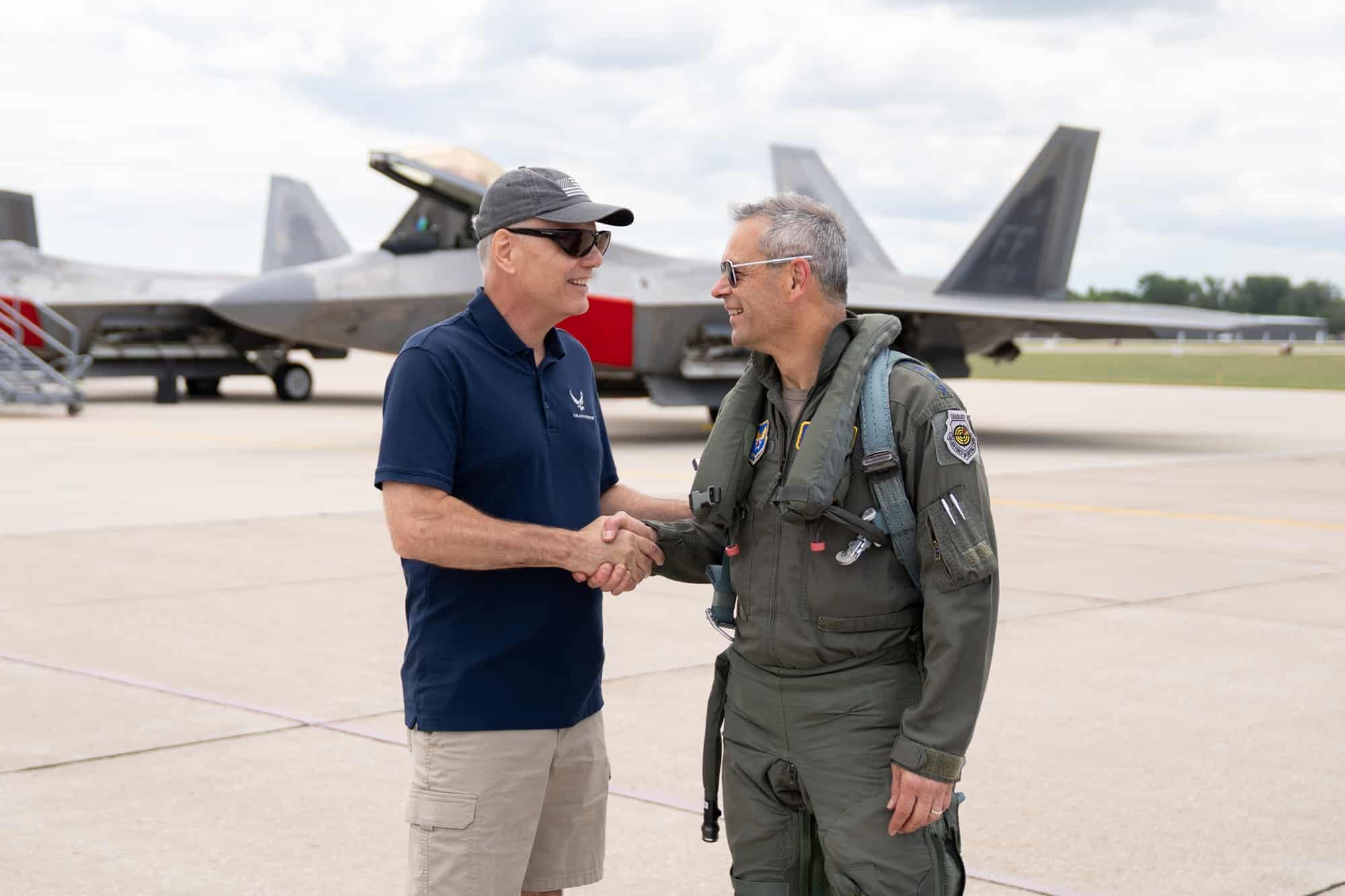
Interview with Dr. Troy E. Meink, Secretary of the Air Force
Question: AirVenture brings together aviators from every generation and every discipline of aviation. What first inspired your interest in aviation and how has that passion influenced your career as secretary of the Air Force?
It’s funny, I don’t ever remember not being interested in airplanes. From a very early age I knew I loved airplanes, or at least I was fascinated by them. I also knew pretty early that I wanted to serve in the military, probably the Air Force, although I considered NASA because I loved space as well.
When I was in college in 1985, I had the opportunity to come to Oshkosh with some friends who were involved in an agricultural spraying business. They came here every year and invited me along, and we connected it with some of the school programs.
I remember getting out of the car in the parking lot, opening the door, and hearing this incredible sound. A P-51 was making a low pass. That sound is unique. I remember thinking, ‘What is that?’ Then I saw the Mustang and just thought, ‘Wow.’
From that point on, I was completely hooked. I built an ultralight shortly afterward and flew it for a long time. It was a fantastic airplane. What makes Oshkosh special is that you can experience everything, from ultralights and experimental aircraft to warbirds and modern combat aircraft, but it’s also the people. The aviation community here is simply unbelievable.
I went from simply liking aviation to wanting to be part of every aspect of it. I built several experimental aircraft, including a Burt Rutan VariEze, which I flew here back in the early 1990s. Just yesterday morning I flew my RV-8 into Oshkosh in formation with two P-51 Mustangs before the airport opened. Experiences like that are unforgettable.
I ended up on active duty in the Air Force. I became a navigator. (Pointing to his eyes, he added simply, “Eye test.”). During the first Gulf War, I remember flying home from Abu Dhabi aboard a KC-135. We flew low over the English Channel and crossed the White Cliffs of Dover. It was spectacular. The sun was just coming up.
A few weeks later, I was back at Oshkosh, camping under the wing of my VariEze. They were playing The White Cliffs of Dover over the loudspeakers to wake everyone up, while the radial engines were beginning to spin up around the field. It was one of those moments where you just thought, ‘You can’t make this stuff up.’
After leaving active duty, I stayed in the Air Force Reserve, went back to school, earned graduate degrees in aeronautical and astronautical engineering, and eventually began research work at the Air Force Research Laboratory at Kirtland. Throughout that time, I continued flying, whether it was the VariEze, a Taylorcraft, or whatever else I had the opportunity to fly.
One of the things many people don’t realize is how much innovation has come out of the experimental aviation community. Composite aircraft like the VariEze, Lancair and others were flying decades before composites became commonplace in military and commercial aircraft. Many of the technologies we see in today’s production aircraft really trace their origins back to the experimental aviation community. That’s one of the things that makes Oshkosh so special.
Modernization is one of your core priorities, yet it requires balancing today’s production programs with investment in tomorrow’s technologies. What principles guide your decisions as you balance today’s operational readiness with investment in tomorrow’s technologies?
Yeah, that’s an extremely challenging question.
It’s almost like an over-constrained problem. There are so many different variables you’re trying to balance, and it’s a challenge. It’s something we’ve struggled with across the military, but probably the Department of the Air Force more than any other service because of the nature of modernization and how quickly the environment is changing.
There’s no question that we’re living at a point in time where technology is changing, particularly for the Department of the Air Force, faster than perhaps at any time since World War II, when we went from aircraft like the P-51 straight into the jet age.
And then, of course, the B-29, we can’t leave that out.
Exactly. It was an amazing period of technological advancement. But we’re there again, perhaps even more so.
We have to stay ahead. The United States needs to maintain its technological advantage. That advantage has benefited us not only from a national security perspective, but from an economic security perspective as well. It really underpins the whole system.
So, we have to continue modernizing to preserve that advantage. At the same time, as you pointed out, we have to maintain the ability to fight tonight and fight tomorrow. It’s a constant balancing act. We’re simply not going to be able to keep every part of the force at the readiness level we’d ideally like to maintain. That means we have to make difficult decisions about which parts of the force require the highest readiness to support operations around the world.
I’ll say this: the performance of our Airmen and Guardians supporting combat operations around the globe has been unbelievable. They’re ready, and they’re performing exceptionally well. But maintaining that level of readiness requires an enormous effort across the Department.
A significant amount of my time is spent working with the Administration and with Congress to secure the resources needed to accomplish that.
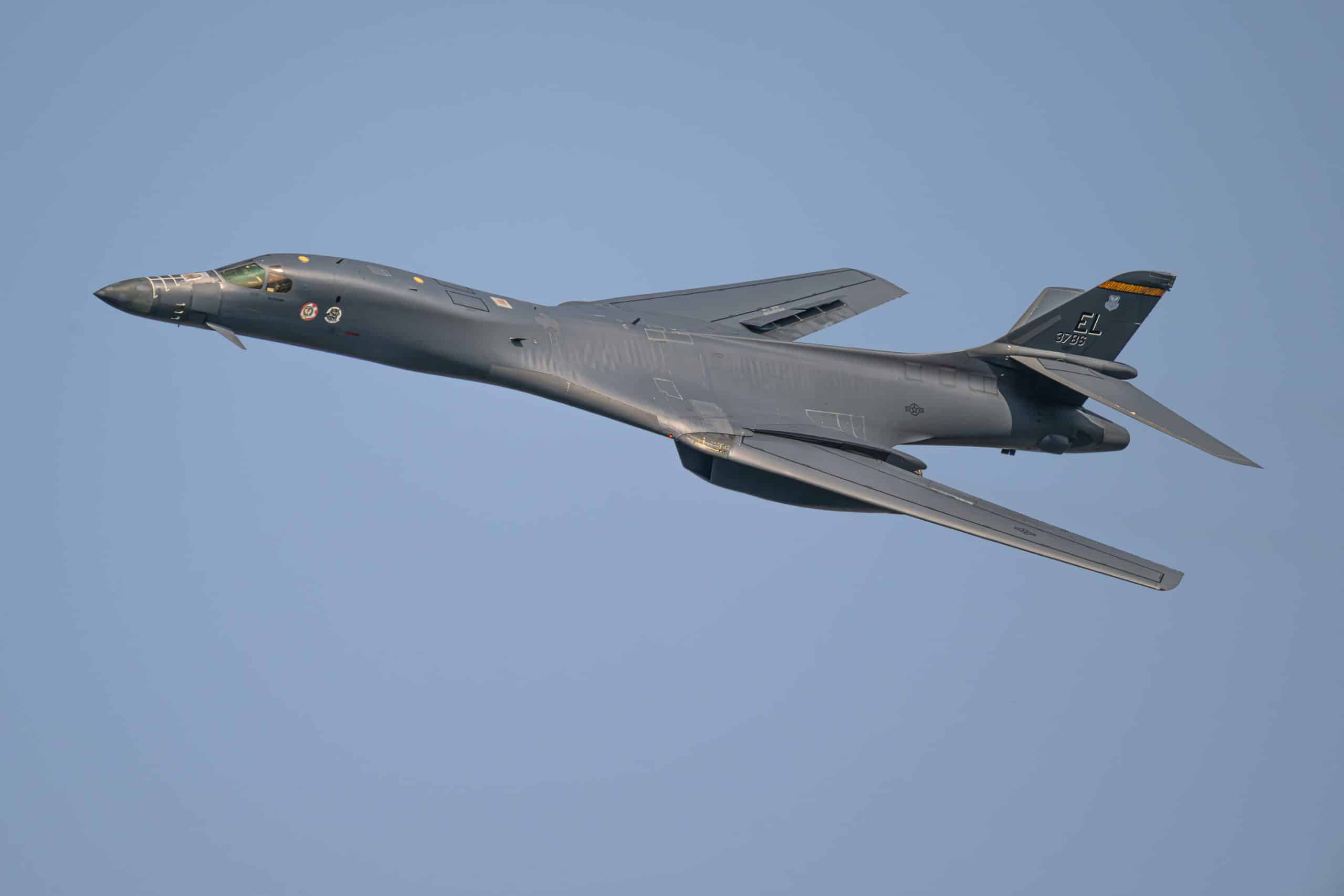
We’re in a period where virtually every Air Force mission area is modernizing simultaneously, air refueling, airlift, nuclear modernization, bombers, fighters, and Collaborative Combat Aircraft (CCA). Every one of those mission sets is undergoing modernization at the same time.
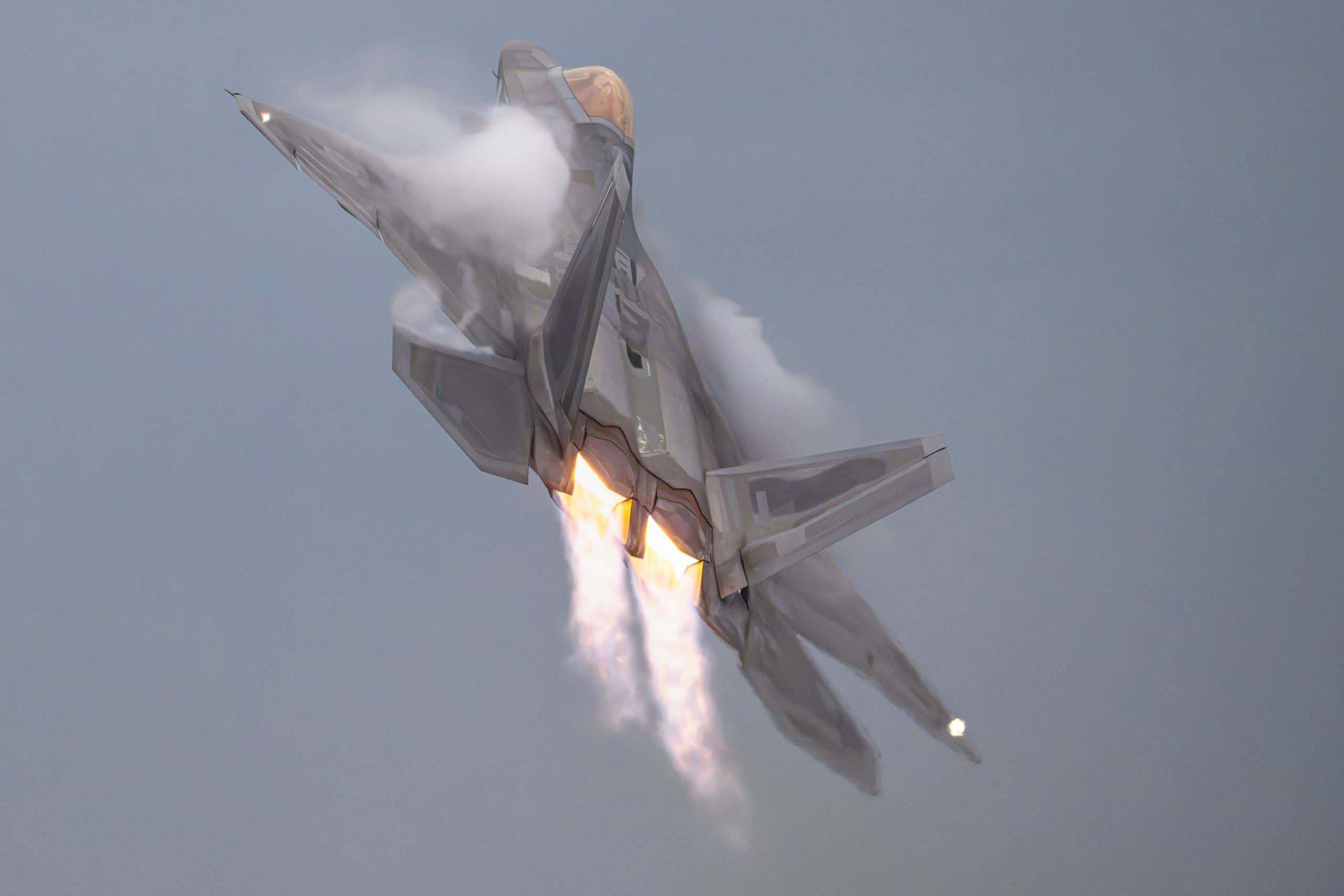
On the Space Force side, we’re modernizing capabilities like GPS and other critical systems that support both national security and economic security. At the same time, we’re building entirely new mission areas that simply didn’t exist before. We’re creating those capabilities from the ground up.
So, it’s a tremendous challenge. Part of the job is shifting resources where they’re needed most, but another major part is working with Congress, and with the American people, to explain why those additional resources are necessary.
Exactly. It occupies a very large portion of your time.
Probably a good 30 percent of my time, if not more, is spent balancing the current budget and the out-year budget. At this time of year, it probably gets closer to 50 percent. It’s a significant part of the job, just balancing resources and overseeing program execution.
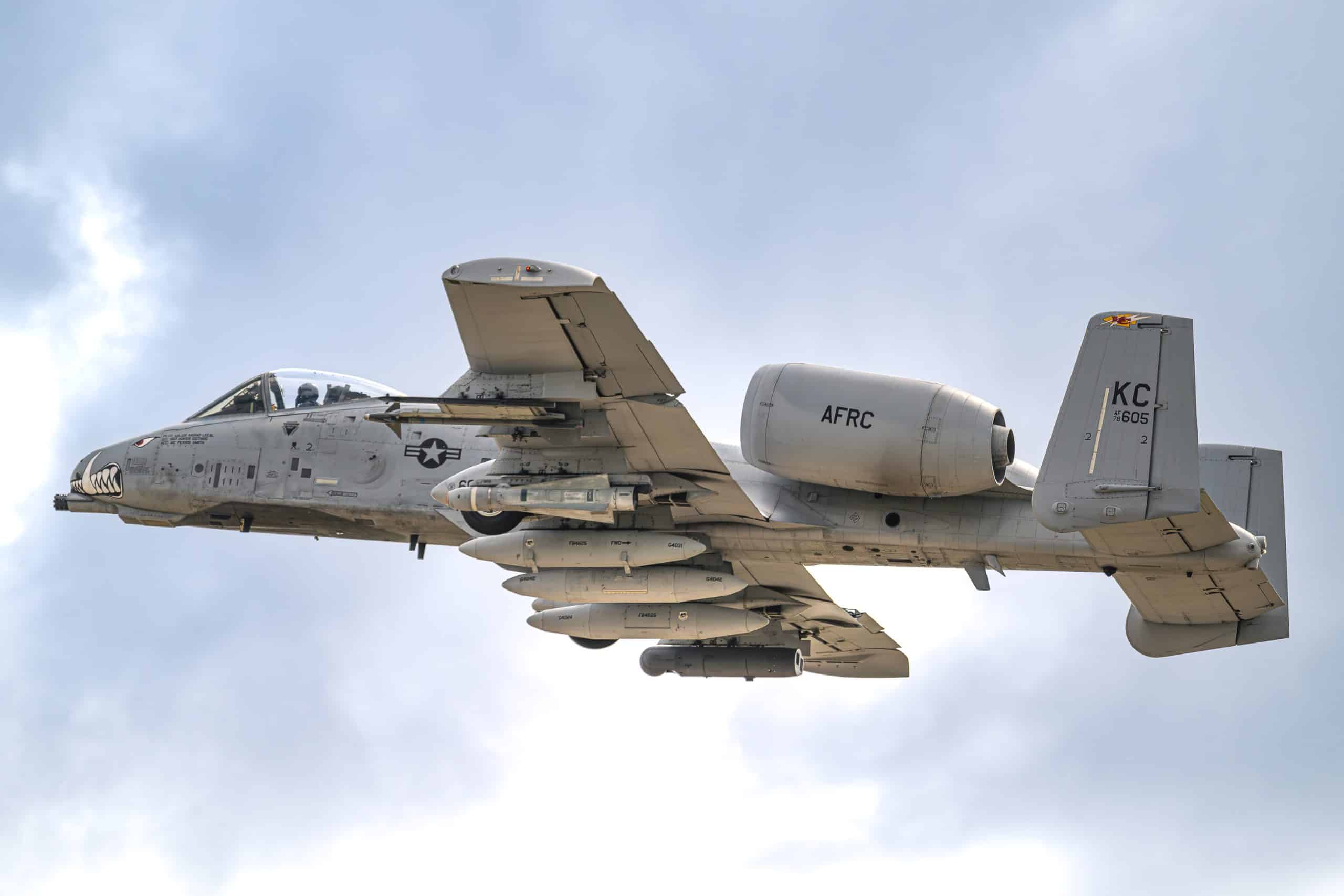
The good news is that over the last year and a half, the team has done a phenomenal job. Many of the issues we were having with Sentinel and some of those other programs are behind us, and we’re executing those programs very well.
I think the F-47 was somewhat stalled when the Administration came in. We got that program moving again, and I think it’s executing very well now. The B-21 is also progressing well, and we’re flying both CCAs now. Opening those programs to competition and bringing in new entrants has worked extremely well.
On the Space Force side, as we move toward these proliferated architectures, I think we’re making tremendous progress. But at the end of the day, the hardest part is still balancing the resources.
Switching gears now, this question involves pilot training. Today’s pilots are entering cockpits that rely heavily on sensor fusion, software, and networked operations. How is pilot training evolving to prepare Airmen for this new operating environment?
So, there is an increasing emphasis being placed on simulators and on the ability to tie all of those simulations together so you can conduct much more complex training, not just for new pilots coming into the force, but also for experienced pilots maintaining their proficiency. In many cases, you simply can’t conduct these kinds of operations in the real world because we don’t have the airspace to do it.
So, we’re investing heavily in building out that capability within our simulator enterprise so we can train for those scenarios. It’s also much, much less expensive than flying the actual aircraft, so you’re going to see a lot more simulator time devoted to that kind of training.
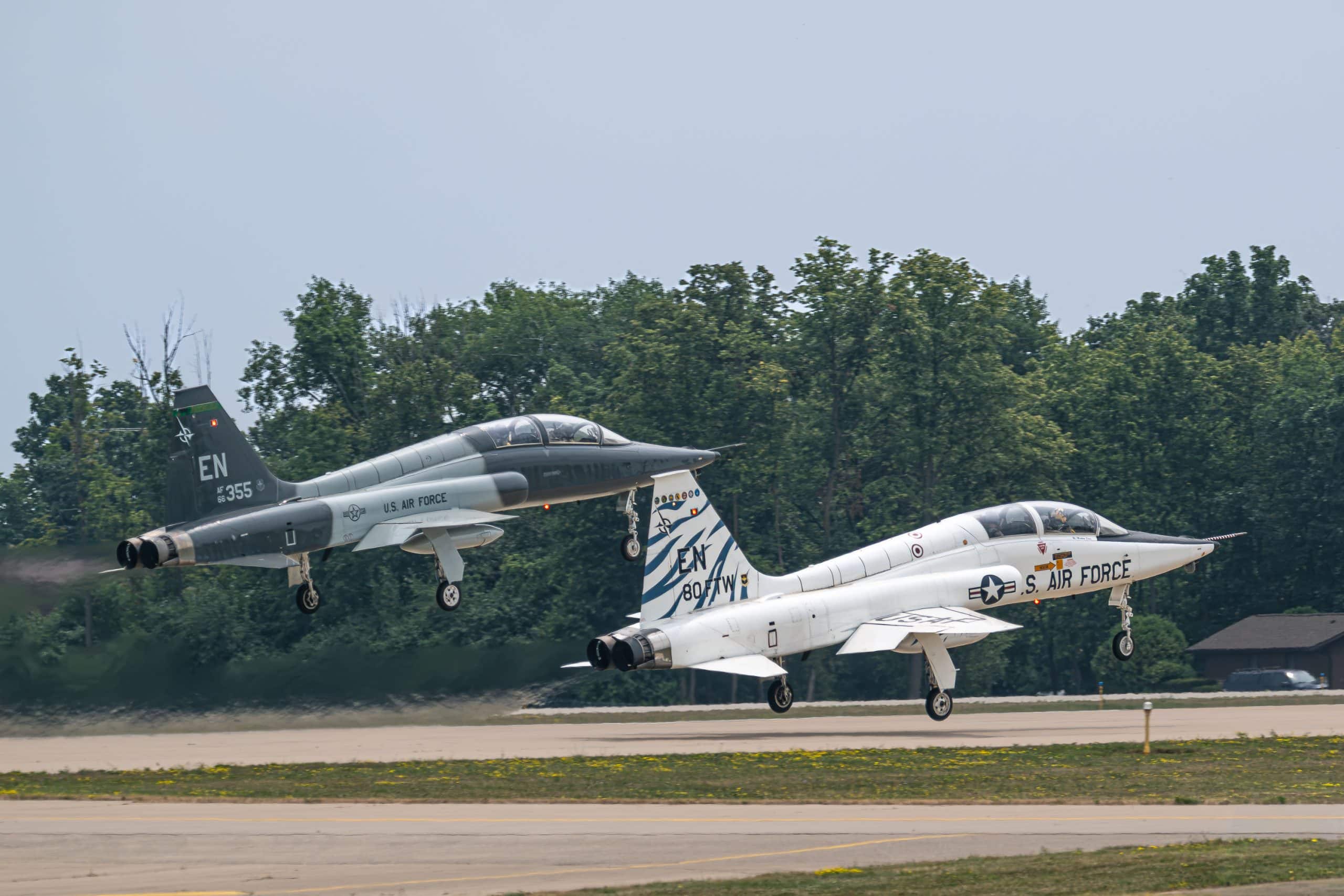
A big part of the T-7A program was bringing in very high-end simulators to train pilots. As a result, much more of their training will take place in simulators, where they can practice these very complex scenarios that are extremely difficult to replicate in the aircraft. We simply don’t have the airspace, or the ability to create that level of complexity, in live flying. Those are exactly the kinds of exercises you can accomplish in the simulator that you just couldn’t do otherwise.
The Air Force continues to invest in Multi-Capable Airmen and more agile support organizations. From a leadership and logistics perspective, how are you ensuring Airmen are trained and equipped to maintain sophisticated platforms such as the F-35 and F-15EX while operating from dispersed locations with limited logistics support?
Yeah, that’s a great question. To be honest, it’s one of the reasons why venues like this are so important. Here you have access to a lot of people who are already interested in aviation, not just becoming pilots, but also becoming maintainers.
That’s a big part of what we’re trying to do: bring more maintainers into the force, increase the number of maintenance billets, and retain those maintainers longer so they can develop the higher skill levels that are required. There are a number of initiatives underway across the Department to accomplish that.
That’s especially important as we bring on the B-21, which is an entirely new platform. Supporting that aircraft requires a significant increase in personnel, and we’re working our way through that now.
The Space Force has a similar challenge. It’s growing significantly across the board, and a large part of that growth is simply bringing more people into the force.
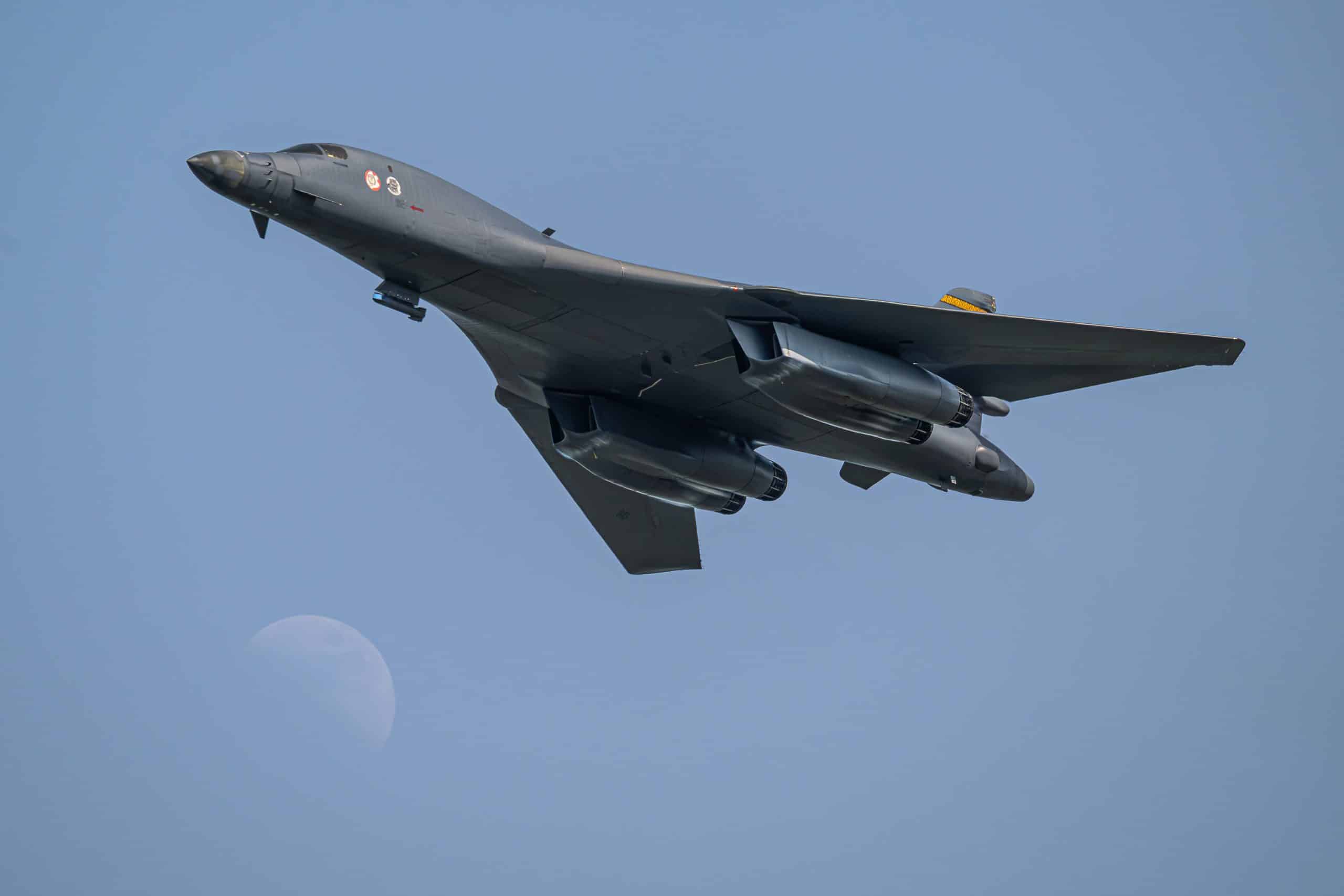
We’re also beginning to use more AI-based logistics support for parts forecasting and maintenance planning, particularly with the B-52 and some other platforms. We’ve already seen improvements in B-52 readiness simply by managing parts inventories and the logistics chain more effectively in support of those aircraft. I think those efforts are going to continue paying dividends.
Another really important area is the emphasis we’re placing on Modular Open Systems Architecture (MOSA) in many of our newer platforms, not just the aircraft themselves, but also the associated weapon systems. There’s a much greater focus on increasing maintainability.
Stealth aircraft, by their nature, are challenging to maintain. So, there’s a major emphasis with the B-21 and the F-47 on designing those aircraft to be easier to maintain. That reduces the workload on our maintainers while also increasing aircraft availability.
The Collaborative Combat Aircraft (CCA) program is another good example. We’ve already had CCAs participating in exercises, and we’re turning those aircraft around almost the way a commercial airline turns around one of its airliners, very, very quickly.
So, it’s not just about training more maintainers or growing the workforce. It’s also about designing aircraft that make maintenance easier in the first place.
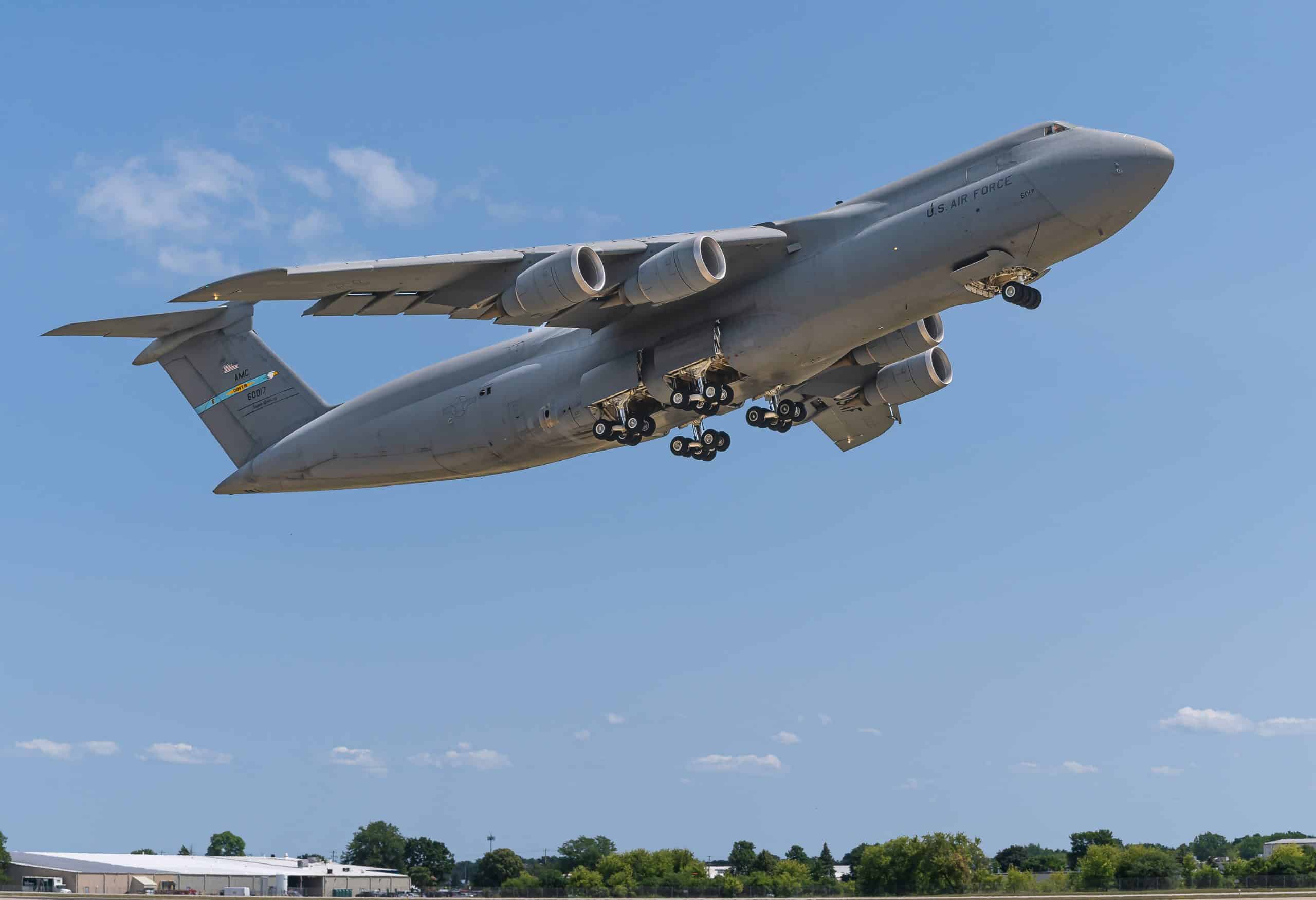
AirVenture introduces thousands of young people to military aviation each year. Beyond showcasing aircraft, what do you hope a young visitor takes away from an event like AirVenture after spending a day with the Air Force?
I think there are a couple of things.
When we look at recruiting, I feel very fortunate as Secretary of the Air Force because both the Air Force and the Space Force met our recruiting goals pretty early this year. That means we’re not simply focused on reaching a number, we’re focused on attracting the most highly qualified people we can into the service.
As we were just discussing, we’re designing, building, flying, and maintaining some of the most complex systems ever built by humans. So, it’s not just about having enough people; it’s about having people who are capable of doing that work. When we come to an event like this, we’re looking for people who are interested in serving and who are interested in aviation and space.
Well, everyone here is already interested in aviation and space, so that part is already taken care of. From a recruiting perspective, what we’re really trying to do is reach those who are interested in service and show them all of the opportunities available. It’s not just about becoming a pilot. In fact, pilots represent a relatively small percentage of the Air Force workforce.
We need maintainers. We need logistics specialists. We need engineers to design and modernize aircraft. We need software professionals and cyber specialists. That’s why we have such a broad range of recruiters here, from the Active Duty, Guard, and Reserve components, along with our Special Operations recruiters, to show people the many different paths they can pursue if they’re interested in serving.
It’s also about education. My own experience is a perfect example. I have a Ph.D. in engineering, and the Department of the Air Force, both as an active-duty member and later as a civilian, paid for virtually all of my education. My grades coming out of high school weren’t quite good enough, so I had to prove myself during my first year of college before I qualified for a scholarship. But after that, the Department paid for the rest of my education. So, I want young people to understand that there are tremendous opportunities available. You really can do almost anything.
We already know that the people who come here are interested in aviation and space. Now it’s about helping those who are interested in serving understand just how broad the range of opportunities really is.
It’s worked very well. AirVenture is one of the largest, probably the largest, air shows in the world, and it’s been a tremendous opportunity for us.
Today’s Air Force depends on expertise in software, cyber operations, artificial intelligence, and advanced engineering. How is the Air Force adapting its outreach to demonstrate those opportunities to students who are considering military service?
And, you know, we just talked a little bit about this. I’ll give you another example. I coached robotics at both the middle school and high school levels, and I also ran a high school robotics team. I used to sneak out of work a couple of times a week so I could go coach the team.
Those competitive robotics programs are some of the most important STEM activities available for middle school and high school students because they teach teamwork while getting kids interested in STEM.
I can’t tell you how many students I’ve seen who came to robotics because their parents encouraged them to go, or because a friend convinced them to join. At that first competition they’re thinking, ‘Okay…whatever.’ Then they watch the robots competing, and they’re hooked. The next week they’re completely immersed in it.
They’re learning hardware, software, and sensor fusion, the very things that are at the core of everything we’re doing today. Those skills are critical not only for maintaining our military advantage, but also for maintaining our country’s economic competitiveness.
Programs like that are preparing the next generation. Earlier this year the Air Force participated in a major robotics competition in the United States because it’s a tremendous opportunity to reach students who are already deeply interested in the technologies that are driving modernization, as well as operations and maintenance.
At the same time, we’re pursuing multiple approaches to provide the infrastructure those young people will need once they join us. In this year’s budget submission, for example, there’s a major push to expand our computing capacity.
If you’re serious about AI development, you have to provide a secure computing environment. Without that compute environment, our programs don’t have the resources they need, and we have no way to properly train Airmen and Guardians.
Yes, building out the test environment is absolutely critical.
Exactly. We have to provide the tools and the environment so we’re not relying entirely on industry. We want our own Airmen and Guardians developing these capabilities themselves. That’s a major effort for us, and we’re investing heavily to make it happen because it’s that important.
In closing, as you look toward the future of the Department of the Air Force, what accomplishment would you most like Airmen and the American public to associate with your tenure as Secretary of the Air Force?
Well, there are a lot of them. I’m trying to think of the most important one. But I’ll be honest, I really don’t care whether any of those accomplishments are associated with me. That honestly never crosses my mind. What I care about is getting them done.
When I came in, we had a number of really important programs, Sentinel being one of them, along with several others, that were in trouble. A lot of my career has been focused on major acquisition programs and on the operational systems that support them. So, getting those programs back on track is critically important because that’s our future. If we don’t get those right, we’re going to have problems.
At the same time, we have to continue integrating hardware, sensors, automation, communications, and the IT infrastructure into those systems so they can work together. We need to improve command and control. If you look at the Pacific, C2 is one of our biggest challenges. It’s not just about modernizing individual platforms, it’s about connecting those systems so we can fuse information and distribute data to the force, wherever they happen to be operating around the world. That’s absolutely essential.
On the Space Force side, there are a number of missions that simply didn’t exist before. From both a national security and deterrence perspective, I believe many of those are among the most important programs in the entire Department of War, not just within the Department of the Air Force.
Getting those programs into production, fielding them operationally, expanding the Space Force, and training the workforce to operate those systems are all essential. If we want to maintain our advantage, we have to succeed in those areas.
The other major priority, as we discussed earlier, is maintaining our ability to fight tonight. That means improving readiness, increasing aircraft availability, and getting those readiness levels back to where they were, perhaps twenty years ago, or even further back if necessary. It also means making the right investments and ensuring we have the people required to accomplish both the modernization effort and today’s operational mission. Those are really the areas where I spend most of my time.
A big part of that is making sure we do all of this efficiently. I’m a strong believer in reducing bureaucracy and improving the way we acquire systems. We’re doing a great deal of work in acquisition transformation, not because transformation is the goal itself, but because it’s the tool that allows us to accomplish everything we’ve just talked about. We have to simplify the acquisition process so we can move faster and be more flexible. We, also have a responsibility to spend taxpayer dollars wisely, so efficiency is a major focus for me.
That said, there’s no question we also need additional resources. That’s why we spend so much time working with the Administration and with Congress to secure the funding necessary to accomplish these objectives.
I’ve got two and a half years to get that done, and that’s exactly what I’m focused on.
It was a pleasure talking with you today, thank you very much for taking the time to speak with our audience.
Acknowledgements
The Aviationist wishes to thank the following for their support: Dick Knapinski, Director of Communications EAA, Drew Stephani, Sr. Communications Specialist EAA, Lt. Col. Cara A. Bousie, Public Affairs Advisor to the Secretary of the Air Force, SecAF & CSAF Executive Action Group, The Pentagon, Washington DC, Noah Weinrich, Director of Strategic Communications, Office of the Secretary, Department of the Air Force.
In addition, a very special thanks to Dr. Troy E. Meink, Secretary of the Air Force, The Pentagon, Washington DC.