The multiyear defense planning document for 2026-2028 outlines more than €42 billion in planned investments for the aerospace sector, while acknowledging that available resources are insufficient.
The Italian Ministry of Defense (MoD) has released its new multiyear defense planning document (Documento Programmatico Pluriennale della Difesa) for 2026–2028. The document, published much later than in previous years, confirms the continuation of several major acquisition programs, while providing additional details about the development of unmanned systems, air and missile defense, and other emerging capabilities.
One of the most significant aspects of this year’s edition, however, is the Ministry’s acknowledgment that the available financial resources are not sufficient to support the modernization effort while also ensuring the operational readiness of the existing military capabilities. This required a careful distribution of the available funds to cover all current and future programs.
According to the DPP, the 2026 ordinary defense budget amounts to €32.415 billion, representing a 3.6% increase compared with 2025. The planned allocations rise to €32.718 billion in 2027 before decreasing to €32.083 billion in 2028.
The document also reports that Italy’s defense expenditure calculated according to NATO criteria is expected to reach €48.31 billion in 2026, corresponding to 2.10% of the country’s GDP. The criteria also include additional expenditure such as military pensions and other eligible government spending.
Despite the increase, the MoD warns that the resources allocated to the operational needs of the Armed Forces remain insufficient. The funding for the operations of the so-called Funzione Difesa (Defense Function) is expected to decrease from €2.57 billion in 2026 to €2.008 billion in 2027 and €1.93 billion in 2028, while the funding for the personnel remains mostly the same and the investments increase in 2027 before decreasing again to 2026 levels.
According to the document, this situation could affect the efficiency of existing equipment and the ability to conduct adequate training activities. Ultimately, it could also impact the operational readiness of the Armed Forces.
The MoD further highlights that the 2026–2028 Budget Law did not introduce specific new funding to support the modernization and renewal of the military instrument, either through the Defense budget or through MIMIT’s spending authorizations. Consequently, the investments outlined in the new DPP largely build upon the funding already included in the previous edition.
Strategic and Geopolitical Context
The 2026–2028 DPP places Italy’s defense planning within an increasingly unstable international security environment, characterized by the return of high-intensity conventional warfare, growing competition between major powers, and the simultaneous emergence of threats across multiple domains. The Mediterranean and its surrounding regions remain at the center of Italy’s strategic interests, within the broader concept of the “Expanded Mediterranean” (Mediterraneo Allargato) already introduced in previous editions of the DPP.
This geographical area encompasses the southern flank of Europe, North Africa, the Sahel and the Middle East, extending to areas where instability can directly affect Italian national security, economic interests and energy supplies. The protection of maritime routes, critical infrastructure and the underwater domain is therefore becoming increasingly important, alongside the need to maintain an effective presence in areas of strategic interest.
At the same time, the experience of the war in Ukraine has reinforced the need to prepare for prolonged, high-intensity conflicts against technologically advanced adversaries. This need requires not only modern weapon systems, but also adequate ammunition stocks, logistical support, resilient command-and-control networks and the ability to sustain military operations over extended periods.
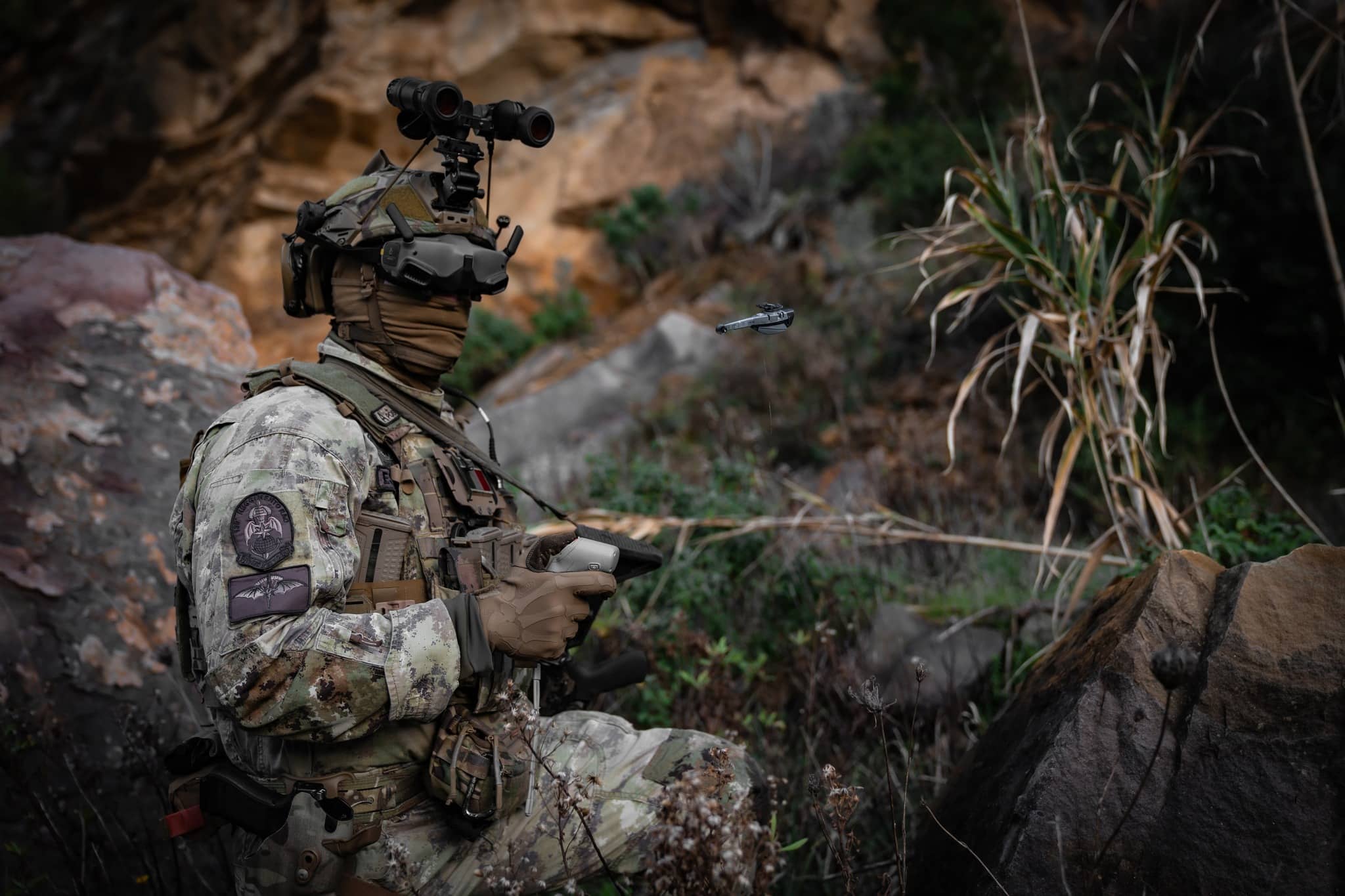
The growing use of unmanned systems, electronic warfare, cyber operations and long-range precision weapons has also changed the nature of modern warfare. This required the Italian Armed Forces to adapt their operational concepts and capabilities, with investments being made to introduce these new capabilities and the means to defend from their used by an adversary.
Within NATO and the European Union, Italy is working to strengthen its contribution to collective defense and security, while preserving the ability to protect its own national interests and operate in the regions surrounding the country. Particular emphasis is being placed on deterrence, readiness, strategic autonomy and the development of capabilities that can be employed both independently or within multinational operations.
Evolution of the Italian Military
The second part of the DPP outlines the transformation of the Italian Armed Forces to address the evolving security environment. The modernization effort is intended to strengthen both the conventional capabilities required for high-intensity conflicts and the ability to respond to asymmetric and hybrid threats across all operational domains.
A central element of this transformation is the development of an integrated, multi-domain force, in which the Army, Navy and Air Force operate through increasingly interconnected command, control, communications, intelligence and surveillance systems. This includes strengthening joint capabilities, improving interoperability with NATO and European partners, and expanding the use of space-based assets and cyber capabilities to support military operations.
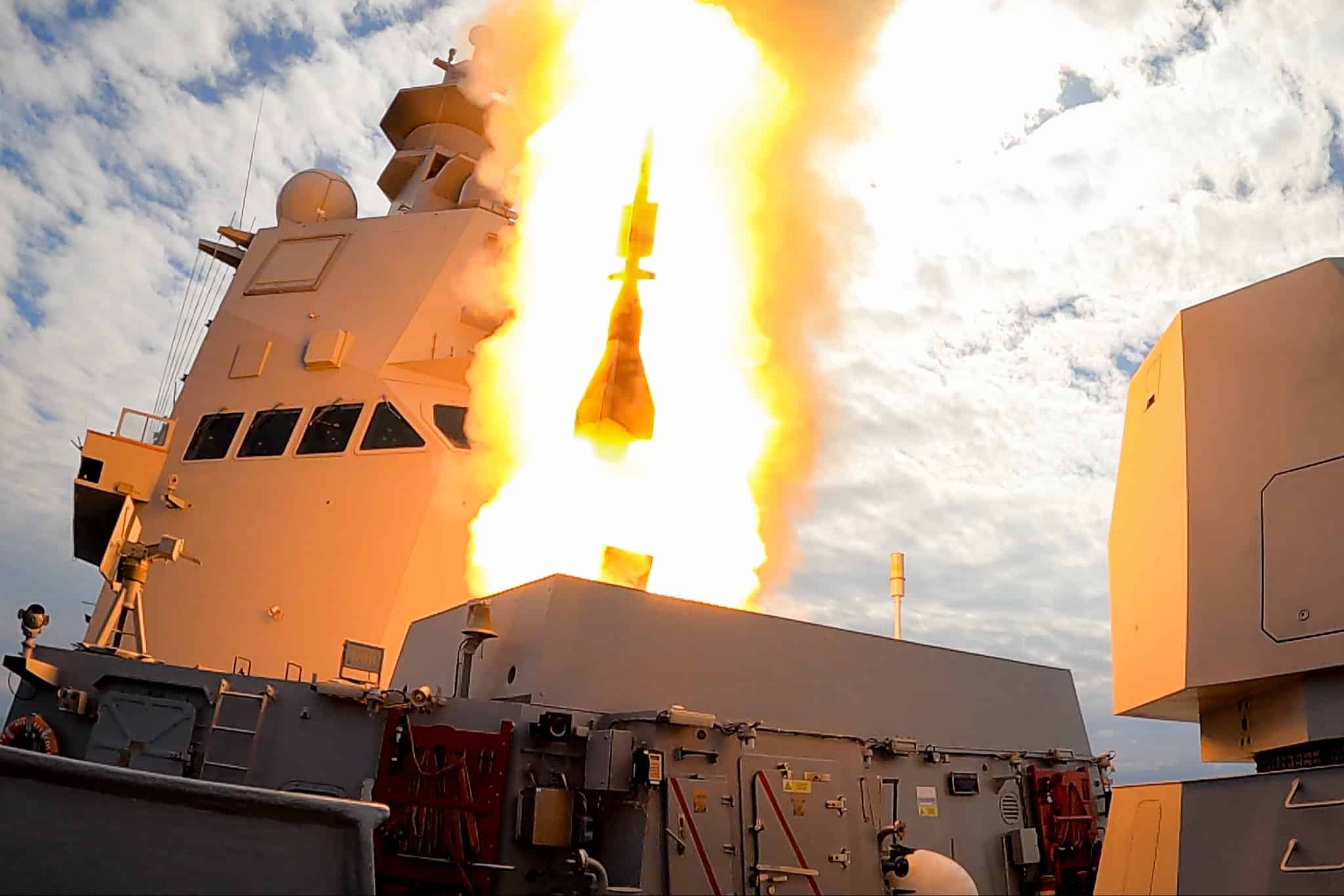
One of the most prominent priorities is the development of an integrated air and missile defense architecture, referred to as the Defense Shield (Scudo della Difesa). The initiative aims to strengthen the protection of Italian airspace and national territory against an increasingly diverse range of threats, including ballistic and cruise missiles, aircraft and unmanned systems.
The modernization of the Armed Forces also involves renewing aging equipment and developing new capabilities across all services. The Army is focusing on the replacement of its main armored vehicles, artillery and air defense systems, while expanding its use of unmanned platforms and long-range precision weapons.
The Navy is continuing the renewal of its surface fleet and submarine component, alongside investments in maritime surveillance, anti-submarine warfare and unmanned maritime systems. The Air Force, meanwhile, is pursuing the modernization of its combat, transport and support aircraft fleets, while strengthening its electronic warfare, intelligence, surveillance and reconnaissance capabilities.
Space and cyber are increasingly considered operational domains in their own right, requiring investments in secure communications, satellite-based surveillance, intelligence gathering and the protection of military networks. Finally, the DPP recognizes that the modernization of military equipment must be accompanied by adequate investments in personnel, training, maintenance and logistical support.
Fighter aircraft
The aerospace sector represents the largest area of planned investment of DPP 2026-2028. Approximately €42.5 billion are allocated to aircraft, helicopters, unmanned systems and their associated capabilities through 2039.
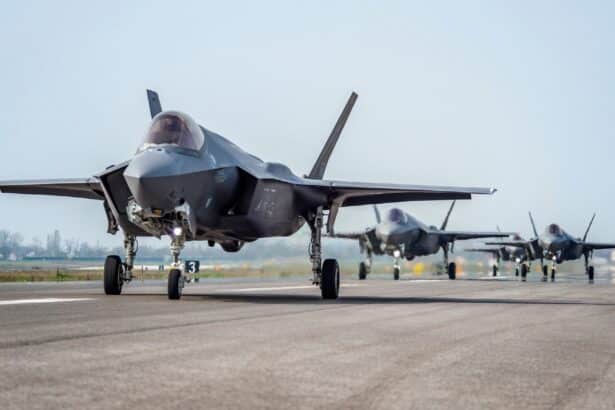
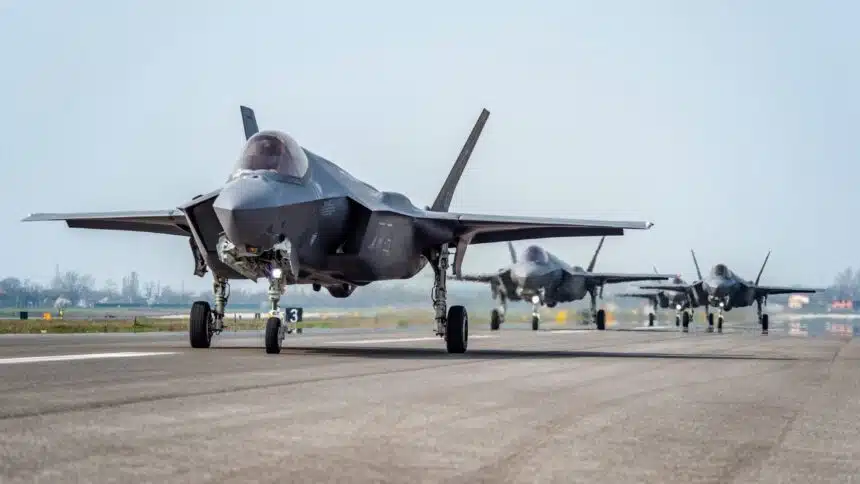
Among the most significant programs is the acquisition of 115 F-35 Lightning II aircraft. These include 75 F-35A Conventional Take-Off and Landing (CTOL) aircraft for the Italian Air Force and 40 F-35B Short Take-Off and Vertical Landing (STOVL) aircraft, equally divided between the Air Force and Navy.

The program, which was expanded in the DPP 2024-2026, continues to receive substantial funding. The latest document allocates a further €11 billion to the acquisition and development of the F-35 capability, with approximately €5 billion expected to be spent by 2031 and the remaining amount in subsequent years.
The new planning document also confirms the acquisition of 24 additional Eurofighter Typhoons to progressively replace the oldest aircraft currently in service with the Italian Air Force, the Tranche 1 jets, which will be retired in 2029. The program has an estimated value of approximately €5.3 billion, with €3 billion expected to be allocated by 2031 and the remaining funding in subsequent years.
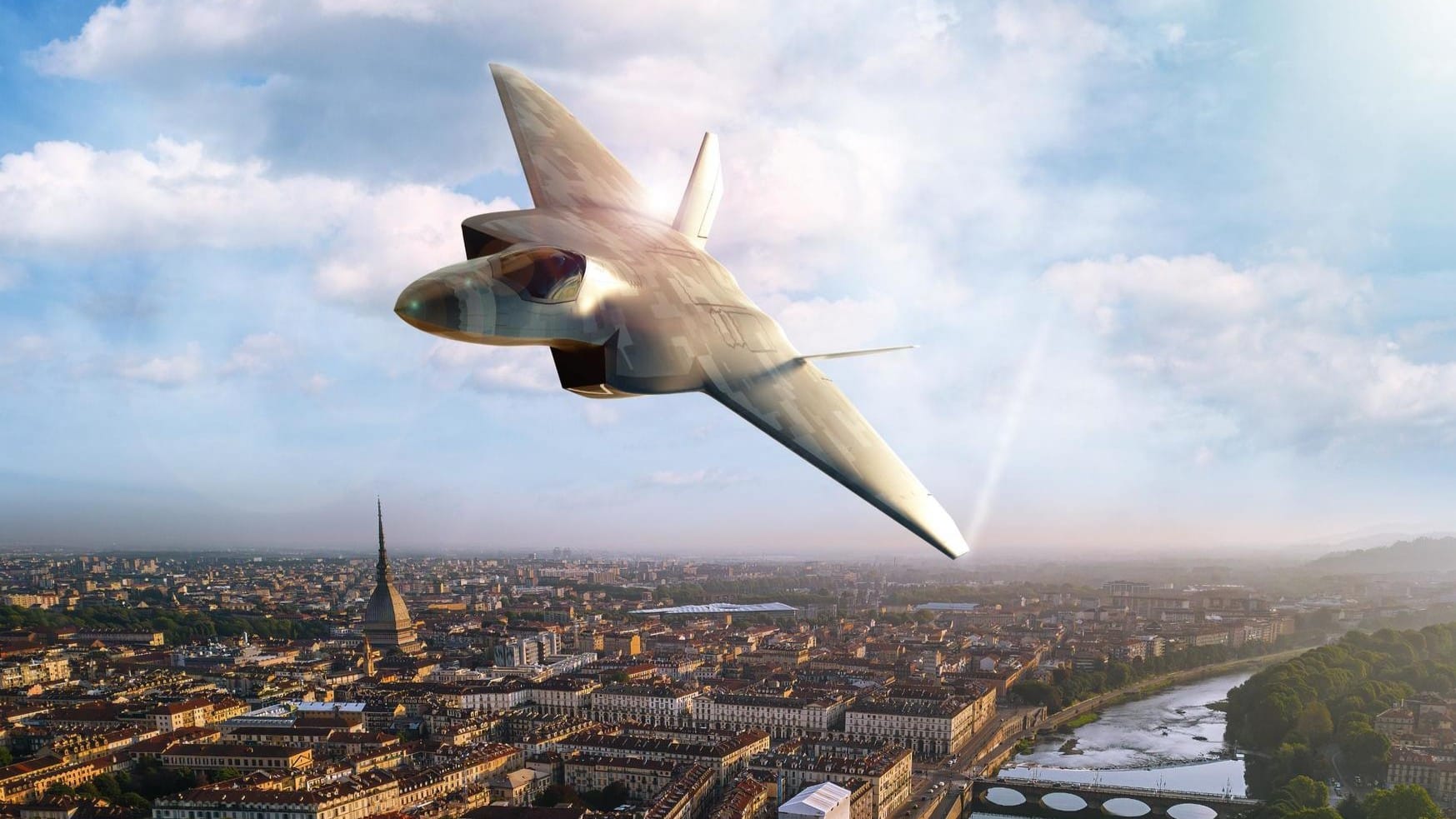
The next-generation Global Combat Air Programme (GCAP) remains another major priority. The Italian contribution to the program is estimated at more than €8.7 billion, with funding extending through 2037.
The latest planning includes €2.6 billion through 2031, with further resources allocated for the subsequent development phases. The program is particularly important for the long-term evolution of the Italian Air Force, as GCAP is intended to progressively replace the Eurofighter Typhoon.
Unmanned systems and electronic warfare
Unmanned systems continue to receive considerable attention in the new planning document. In fact, the DPP allocates more than €2.8 billion to these systems across the Armed Forces.

Among the most relevant investments is the European EuroMALE program, the twin-turboprop aircraft being developed by an Airbus, Leonardo and Dassault consortium,
which receives approximately €1.32 billion. The Italian Air Force will also continue the modernization of its MQ-9A fleet, with approximately €774 million allocated to the program, in addition to €65 million for other remotely piloted aircraft.
The Army’s unmanned capabilities are also being expanded, with approximately €617 million allocated to its drone programs, including the Combat Dome initiative. The Navy, meanwhile, receives approximately €31 million for its own unmanned systems, including shipborne aircraft.
The development of counter-unmanned aircraft capabilities goes hand in hand with the acquisition of new platforms. The document identifies approximately €380 million for anti-drone systems, including €180 million for the protection of urban areas and €200 million for the protection of naval units against individual drones and swarms.
Maritime aviation
The new DPP confirms the procurement, announced in the 2025-2027 edition, of six Maritime Multi Mission Aircraft (M3A), a joint requirement of the Italian Air Force and Navy intended to restore Italy’s long-range anti-submarine warfare capability. The new aircraft will complement the existing P-72A fleet, providing more advanced capabilities for anti-submarine warfare, anti-surface warfare, maritime surveillance and intelligence gathering.

The M3A program will fill the gap left by the retirement of the Breguet Atlantic in 2017, which left Italy without a dedicated long-range maritime patrol aircraft with a full anti-submarine warfare capability. The program’s previously outlined six-aircraft requirement remains unchanged, although candidates have not been officially announced yet.
As mentioned earlier, the Navy will also continue expanding its F-35B fleet, with the additional aircraft included in the wider 115-aircraft procurement program. The acquisition will bring the Navy’s planned fleet to 20 F-35Bs, complementing the Italian Air Force’s own STOVL aircraft.
The service is also working on the integration of the F-35B on the ITS Trieste amphibious assault ship, as part of the wider effort to ensure that the Navy can maintain carrier-based fixed-wing aviation capabilities when ITS Cavour is unavailable. Unconfirmed reports mention the testing with the F-35B on ITS Trieste will be conducted in Italian seas, without the need to sail to the U.S. as was done with ITS Cavour.
Air and missile defense
The DPP confirms the importance of strengthening national and NATO integrated air and missile defense capabilities against an increasingly diverse range of threats, including ballistic missiles, cruise missiles and unmanned aircraft. The effort involves the development and procurement of new systems, as well as the integration of existing capabilities into a wider multi-domain command and control architecture.
One of the initiatives, with €407 million allocated, includes the procurement of four sensors dedicated to Ballistic Missile Defense to detect threats at long range or allow the cueing from external sources. The sensors will also be used to track the ballistic trajectory and calculate the expected impact point and transmit the data for intercept.

The document also includes investments in the CAMM-ER and SAMP/T family of systems. Completing the layered defense architecture, a €267 million investment is planned for a new Very Short Range Air Defense (V-SHORAD), both portable and vehicle-mounted, to be produced by the national industry.
Army and Navy modernization
With the new DPP, the land component is expected to receive approximately €22.3 billion through 2039, with major programs including the new Main Battle Tank based on the KF51 Panther and the Army Armored Combat System (A2CS) which will provide a new Armored Infantry Fighting Vehicle (AIFV) based on the KF41 Lynx. Additionally, the MoD is continuing the modernization of medium armored vehicles with the Centauro 2 Mobile Gun System (MGS) and the Freccia 8×8 wheeled IFV.
The acquisition of HIMARS launchers and the development of new artillery and precision-strike capabilities remain important priorities. The modernization of the M270 Multiple Launch Rocket System (MLRS), the PZH2000 Self-Propelled Howitzer (SPH) and the FH70 towed howitzer is also included.
The naval component receives approximately €20.3 billion for the modernization of surface vessels, submarines and other maritime systems. Major programs include the new-generation FREMM EVO frigates, the DDX destroyers which will replace the retired guided-missile destroyers ITS Mimbelli and ITS Durand de la Penne, new offshore patrol vessels and mine-countermeasure ships, as well as the continuation of the U212 submarine program.
The Navy is also working on the LXD program which will replace the ITS San Giorgio, ITS San Giusto and ITS San Marco Landing Platform Docks (LPD). The document mentions that a total of three ships will be procured, replacing the current LPDs on a one-to-one basis, although earlier reports mentioned two ships and one option.