Italy says it supports Germany’s participation in the sixth-generation fighter program, with the proposed observer status meant to accelerate the road to the full membership.
Italy has reaffirmed its support for Germany joining the Global Combat Air Programme (GCAP) as a full member, following a report by the Financial Times claiming that Rome had opposed Berlin’s entry as an equal partner and instead proposed granting it observer status. The report, published on Nov. 14, cited people familiar with the discussions, who said Italian Defense Minister Guido Crosetto had pushed back against Germany’s full participation during a meeting with his British and Japanese counterparts.
The Italian Ministry of Defense subsequently rejected the newspaper’s account, describing it as “entirely misleading” and insisting that Italy had always expressed its full willingness to welcome Germany into GCAP. Rome confirmed that it had proposed an initial observer role, but said this was intended to facilitate and accelerate Berlin’s involvement through immediate information-sharing, ahead of eventual full membership, rather than restrict its future role.
The clarification comes as Germany seeks a new international partner for the development of its next-generation combat aircraft, following the breakdown of the Future Combat Air System (FCAS) program with France and Spain. GCAP, currently involving the United Kingdom, Italy and Japan, has emerged as a potential alternative, although the conditions for Germany’s participation remain to be negotiated.
The Financial Times report also highlighted concerns that Berlin’s entry into GCAP at this stage could complicate the program’s industrial arrangements and potentially delay development. The three partners already stated their priority of preserving the program’s progress and agreed development schedule to meet the timeline for first deliveries in 2035.

Germany wants a full GCAP partnership
Berlin’s interest in GCAP comes after the difficulties surrounding the Future Combat Air System (FCAS), which Germany had been working on with France and Spain. The effort collapsed in June 2026 following a prolonged industrial dispute, particularly between Dassault Aviation and Airbus, over the distribution of responsibilities and leadership of the future combat aircraft.
The breakdown left Germany looking for an alternative to ensure that its aerospace industry and armed forces remain involved in the development of next-generation combat aviation capabilities. The first reports about this emerged in October, when German and British officials met for exploratory talks about Berlin’s entry into GCAP.
The program brings together three countries with established industrial partners: the UK with BAE Systems, Italy with Leonardo and Japan with Mitsubishi Heavy Industries. Their cooperation is already structured around an agreed equal division of responsibilities and workshare, with the industrial joint venture Edgewing serving as the design authority.
For Germany, however, joining simply as an observer would not address the industrial and strategic objectives behind its search for a new partner. The country would likely join GCAP with Airbus Defense and Space as its national lead industry.
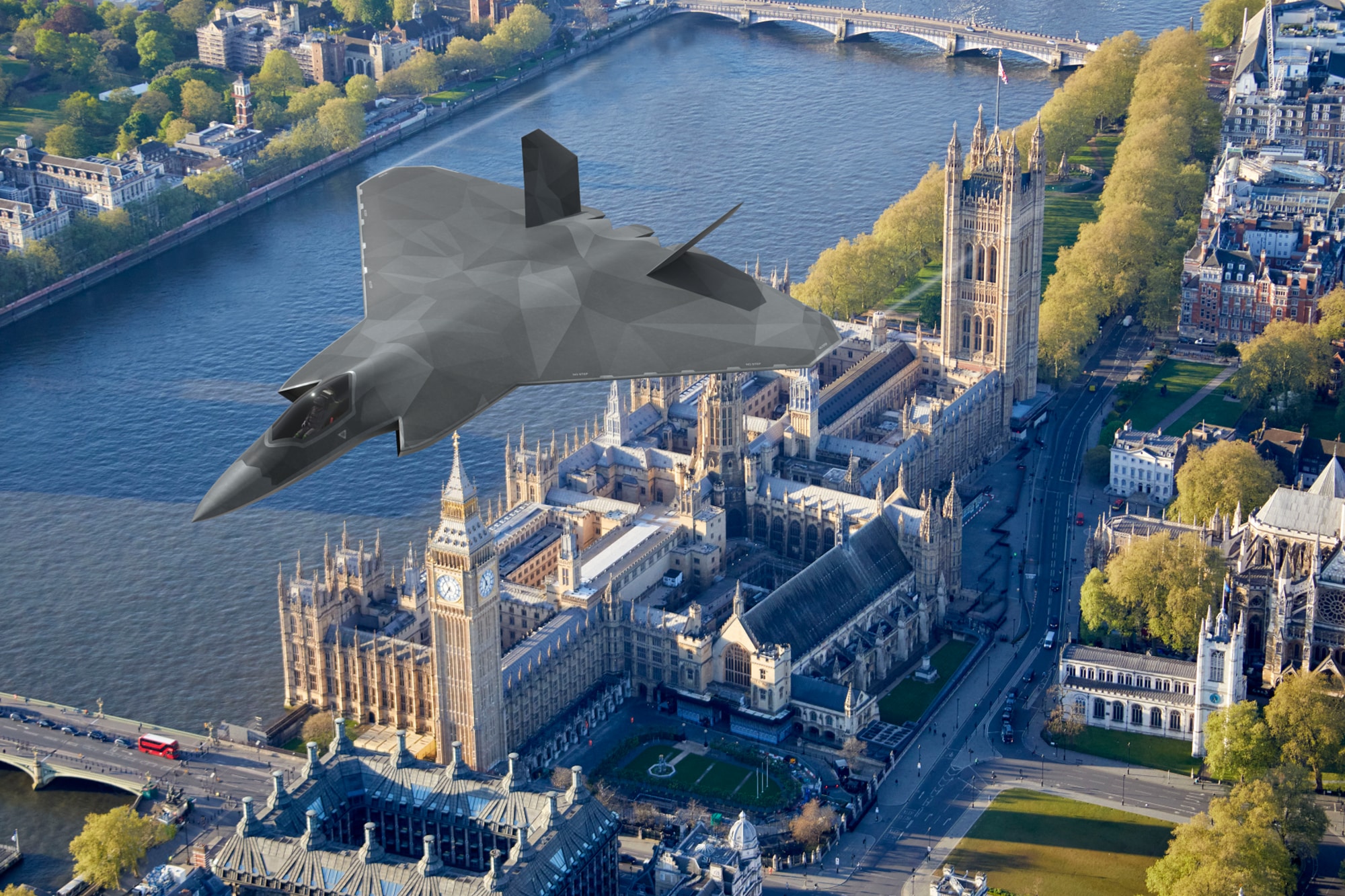
German Defense Minister Boris Pistorius has made clear that any decision must be based on whether participation would offer tangible benefits to the country. In particular, Berlin wants an appropriate balance between industrial workshare, the timeline and the financial contribution Germany would be expected to make.
Observer status
As we discussed in July 2026 when Canada joined GCAP as observer, this status does not make the new entry a full member of the program. Instead, it provides that nation with privileged access to the governance, capabilities and industrial framework, as well as the related security requirements and wider partnering opportunities.
However, this privileged access does not imply that Canada, and also Germany in future, will have decision-making authority. This, in fact, will remain the responsibility of Italy, Japan and the UK.
Nevertheless, the observer status could facilitate future discussions on industrial cooperation and potential long-term participation, should the new member decide to pursue a more substantial role. It should be noted, however, that Japan previously insisted that no more partners are added to the development of the aircraft, in case it leads to delays in the platform entering service.

Anyway, the Ministers of the UK, Italy and Japan reaffirmed their commitment to maintaining GCAP as an open and collaborative program, emphasizing continued engagement with trusted allies and partners. Canada’s and Germany’s involvement in GCAP, even in a limited capacity, could benefit the current partner nations, allowing for reduced overall airframe costs as the number of deliveries increase.
The challenge of integrating a fourth industrial partner
The main difficulty is not necessarily Germany’s entry into the GCAP, but how its participation could be accommodated within a structure that has already taken considerable time to negotiate. In fact, the three existing partners have already worked to establish the program’s governance and industrial arrangements.
BAE Systems, Leonardo and Mitsubishi Heavy Industries are central to this structure, with their respective governments supporting the program through the GCAP International Government Organisation. Each nation, and thus each national industry, holds a 33,3% equal participation.
As reported when Saudi Arabia asked to be evaluated for a possible partnership, the three nations said whoever wants to become a partner for GCAP needs to provide not only funds, but also an industrial capability. Moreover, any new entry must not alter the timeline, minimizing the disruption towards the 2035 goal.

Germany would be able to provide both funds, as it was already doing with the FCAS, and the industrial capability, with Airbus Defense and Space being the likely lead industry. However, this would also imply a need to renegotiate the structure, because achieving an equal participation would mean lowering from 33% to 25% the involvement of each national industry and government.
Italy and Japan reportedly fear that a larger industrial consortium could reduce the workload allocated to their national companies. This concern is particularly relevant because the program is also intended to sustain domestic aerospace and defense capabilities, rather than simply deliver a new combat aircraft.
For Germany, conversely, a substantial industrial role would be a prerequisite for participation. Having experienced the disagreements surrounding FCAS, Berlin is unlikely to commit significant funding to another program without securing meaningful responsibilities for its industry.