In one of NATO’s most ambitious experimentation campaigns, Task Force X – Central Mediterranean tested the integration of uncrewed capabilities across the five operational domains.
From Jun. 22 to Jul. 10, 2026, Italy hosted and led Task Force X – Central Mediterranean (TFX CentMed), the latest iteration of NATO Allied Command Transformation’s (ACT) Task Force X framework. NATO described the event, led by the Italian Defense General Staff, as one of its most ambitious operational experimentation campaigns to date.
Compared to its predecessors in the Baltic Sea and the Arctic, TFX CentMed marked several important firsts. In fact, this was the first Task Force X to be led by an individual Allied nation rather than directly by NATO ACT, the first to be fully multi-domain and the first on NATO’s Southern Flank.
“Task Force X-Central Mediterranean is a significant step for the Alliance,” said Admiral Pierre Vandier, Supreme Allied Commander Transformation. “For the first time, we are bringing the Task Force X model to bear across all domains simultaneously, on NATO’s Southern Flank, with Italy leading and Allies contributing. This is how NATO learns and adapts: by testing emerging technologies in realistic operational conditions, integrating crewed and uncrewed systems, and turning what works into capabilities that Allies can adopt and scale at speed.”
Visualizza questo post su Instagram
The campaign saw the simultaneous integration of emerging and dual-use technologies across land, maritime, air, cyber, and space domains. Additionally, the TFX demonstrated how traditional forces and uncrewed systems can operate together within a single operational framework.
“Italy promotes Task Force X-Central Mediterranean as a concrete contribution to the Alliance’s innovation and technological transformation,” said General Luciano Portolano, Italy’s Chief of the Defense Staff. “Through this initiative, we seek to advance multidomain integration, strengthen cooperation among Allied nations, and enhance NATO’s complementarity, redundancy, resilience and overall operational effectiveness.”
The ultimate goal was the creation of a fully interconnected “system of systems,” where crewed platforms, autonomous vehicles, sensors and artificial intelligence cooperate within a single operational architecture. Human operators would remain firmly in control of every decision involving the use of force, with the autonomous system being an aid rather than a replacement.
“Contemporary threats have no borders nor do they manifest themselves in a single operational domain,” added Gen. Portolano. “For this reason, Italy has structured the first fully multi-domain Task Force X, expanding its scope compared to previous initiatives, so as to validate a system of systems capable of integrating, interconnecting and making heterogeneous platforms, sensors and data fully interoperable and strengthening the Alliance’s deterrent posture on the Southern Flank.”
The Aviationist was among the outlets that were invited to attend the media day at the Italian Army’s Torre Veneri training range near Lecce, in the Puglia region, where the TFX was hosted. Personnel from Italy, Croatia, Latvia, Slovenia, and the United States took part in the campaign, together with more than 100 uncrewed systems.
Not an Exercise
One of the first misconceptions surrounding Task Force X is that it is a military exercise, comparable to other NATO multinational drills such as the recent Ramstein Flag. Similarly, Task Force X is not an operational deployment, nor is it a procurement program for new capabilities.
Visualizza questo post su Instagram
Rather, TFX CentMed is strictly an experimentation framework developed by NATO Allied Command Transformation and led by the Italian Defense General Staff. The initiative is part of NATO’s Rapid Adoption Action Plan, an effort launched to reduce the traditionally lengthy timeline between technological innovation in the industry’s laboratories and fielded military capability.
Historically, as it can be noted in our reports about development programs here at The Aviationist, the introduction of new defense technologies has often required years or even decades before reaching operational units. However, the increasingly accelerating pace of technological development, particularly in fields such as artificial intelligence, autonomous systems, machine learning and advanced networking, has made such timelines increasingly incompatible with the evolving security environment.
Thanks to the collaboration with industry, which has been an integral part of the campaign, Task Force X placed emerging technologies directly into realistic operational scenarios. This allowed military personnel, industry representatives and NATO officials to evaluate their effectiveness together before deciding whether the Alliance could benefit from their adoption in future.
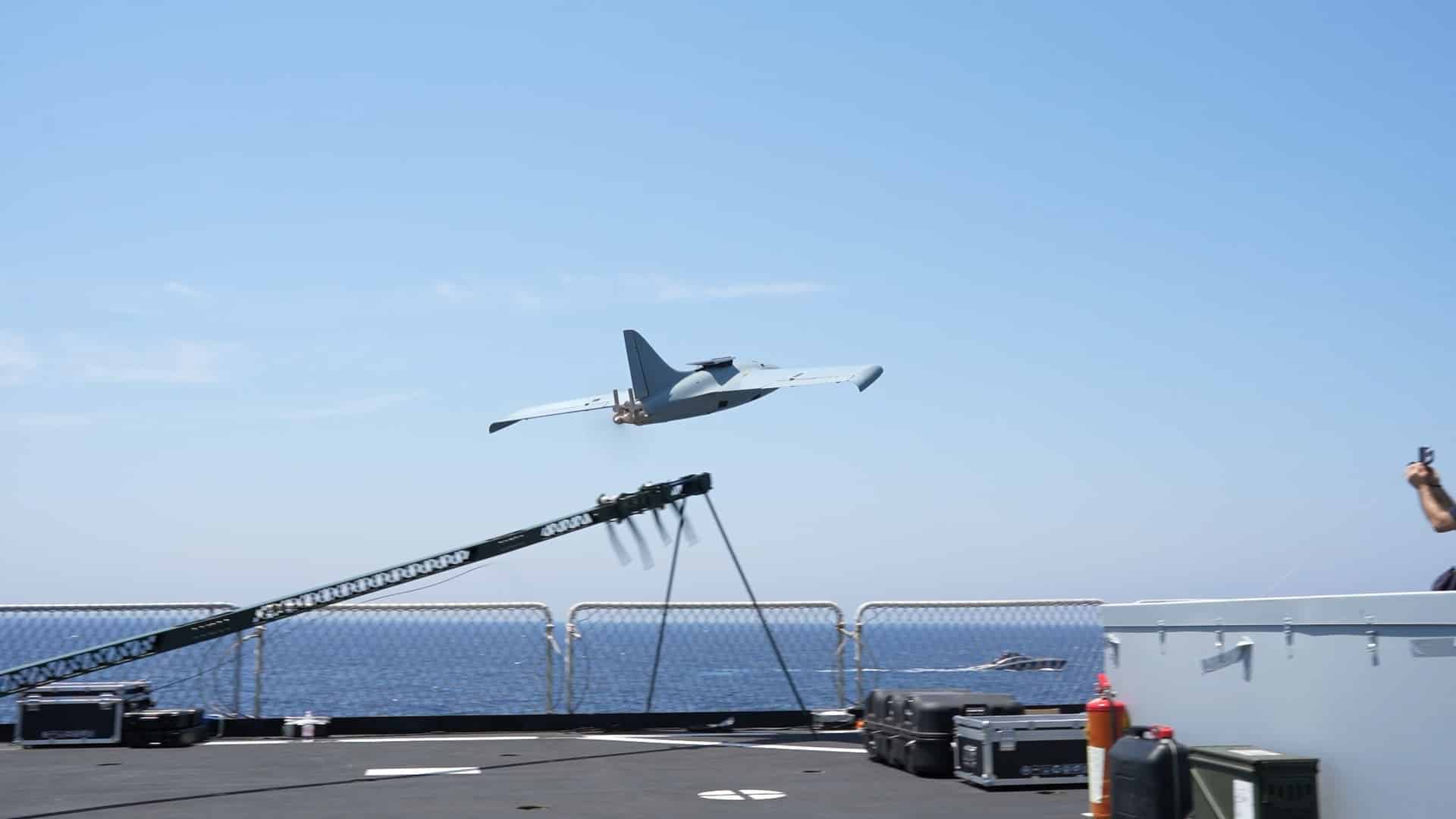
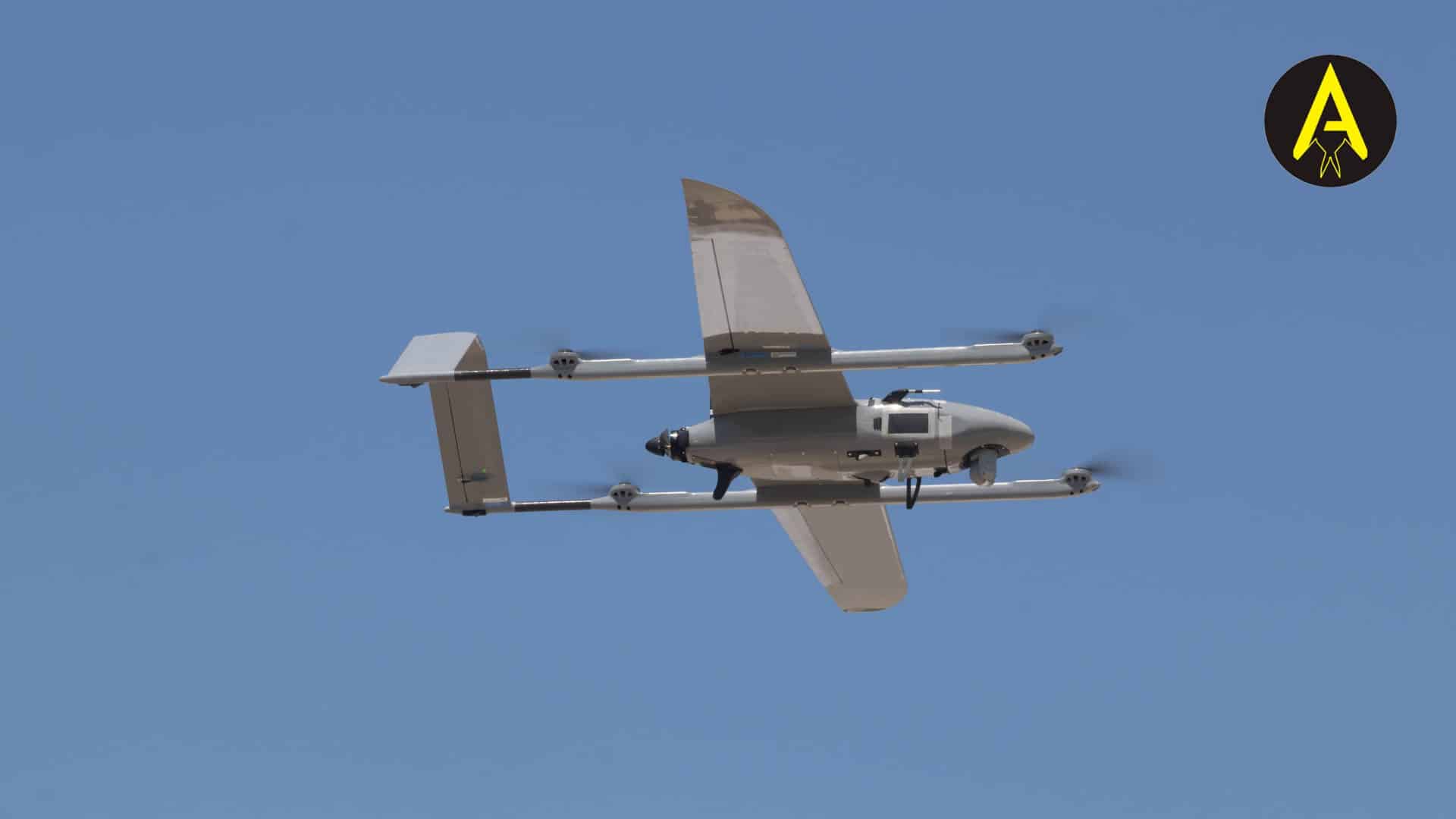
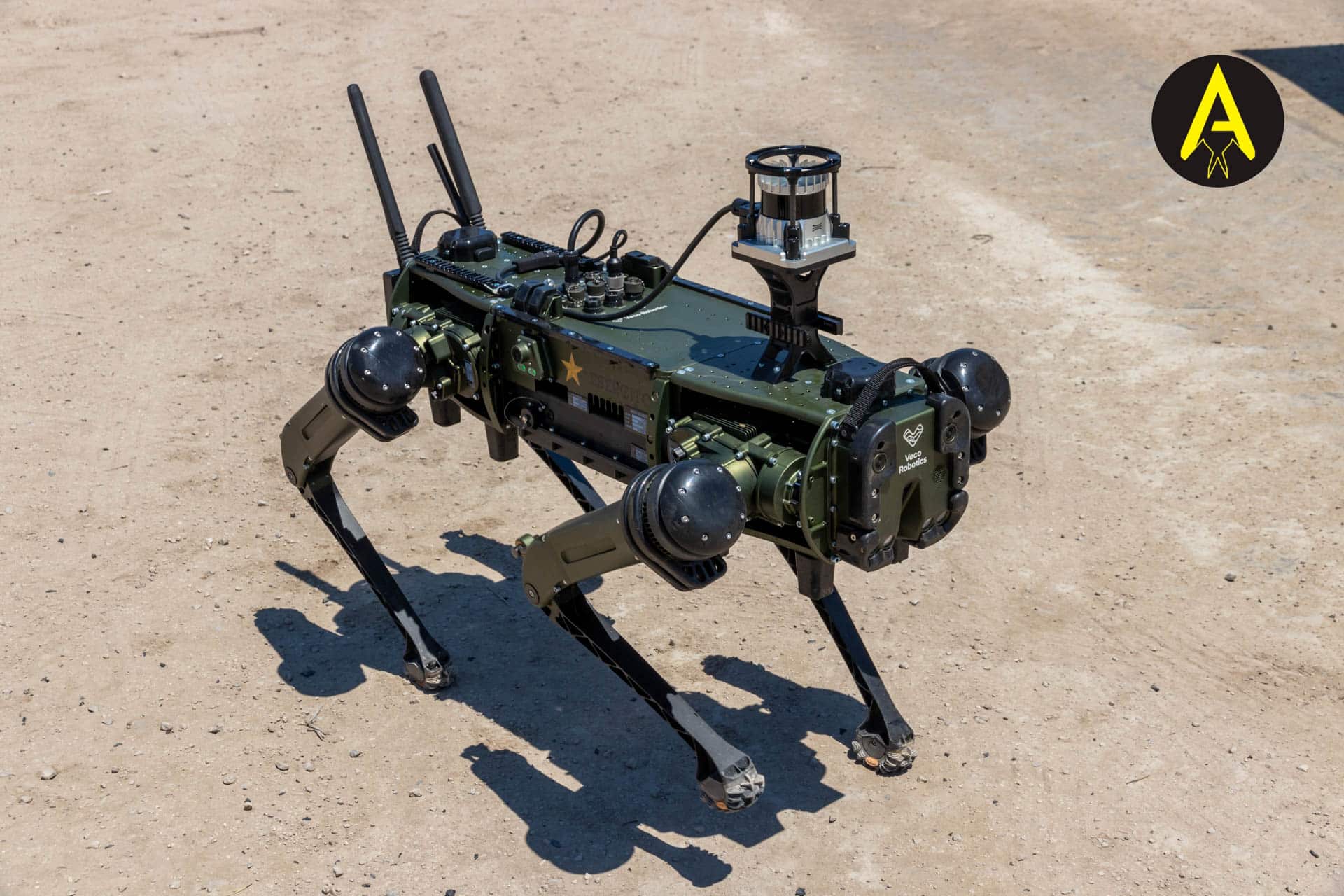
The diversity of participating assets illustrates the extension of the experimentation. The official information provided by the Ministry of Defense mentions the presence of Uncrewed Aerial Vehicles (UAV), Uncrewed Aerial Systems (UAS), Uncrewed Ground Vehicles (UGV), Uncrewed Surface Vehicles (USV), Uncrewed Underwater Vehicles (UUVs), Counter-UAS systems, Cyber-Electromagnetic Activities (CEMA) nodes, satellite capabilities and Battle Management Systems.
The Operations
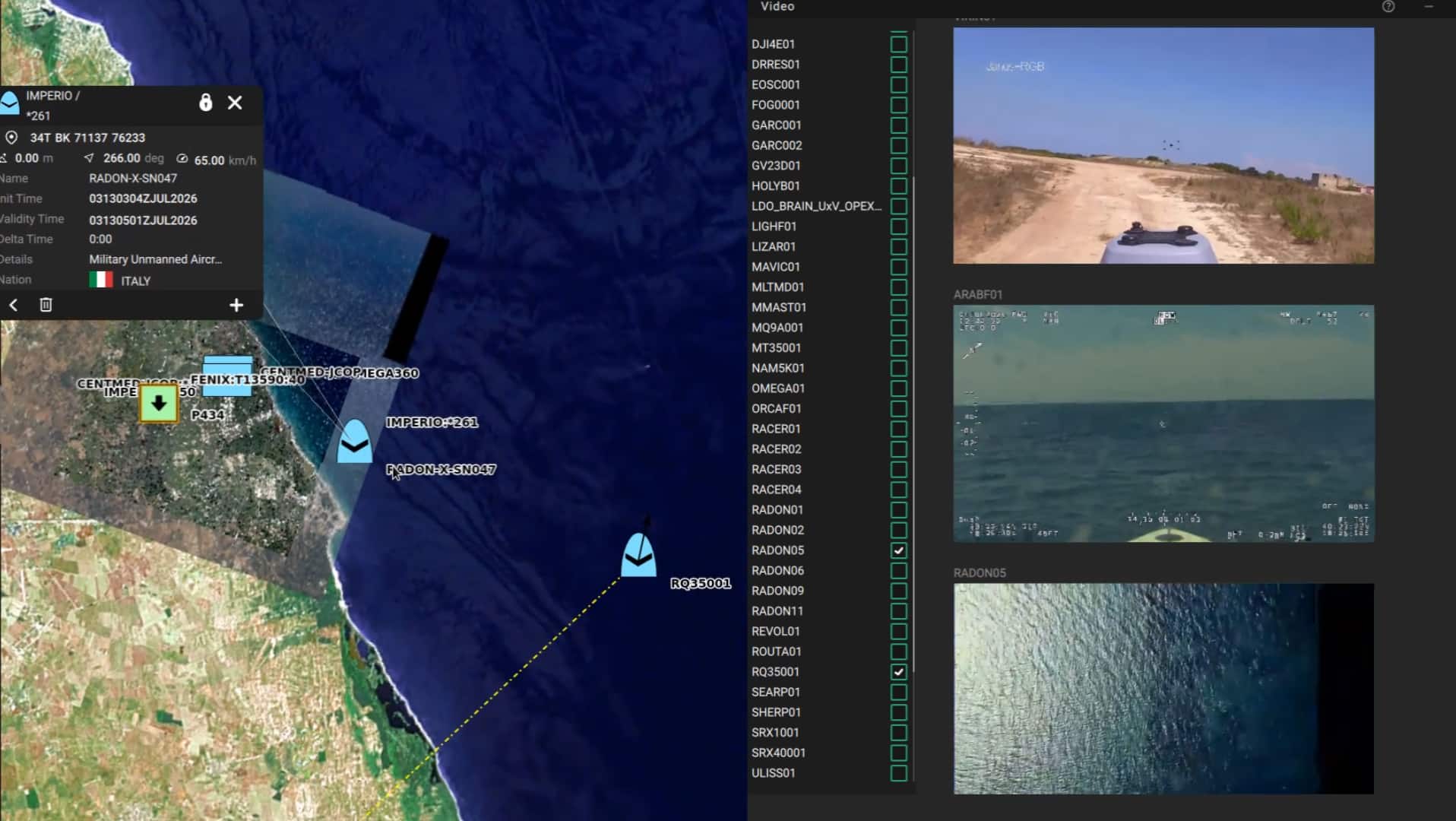
Throughout the experimentation, the control room oversaw the employment of two different Battle Management Systems provided by the industry. These showed in real-time the information fed to the network by the sensors, that was first relayed to NATO ACT’s Command in Norfolk, Virginia, before being distributed to users around the world.
Notably, in addition to the users in Torre Veneri, the data was also relayed to the NATO summit in Ankara, Turkey. During the summit, NATO announced a number of procurement programs for the modernization of the Alliance, which also included new technologies such as the ones saw during TFX.
Visualizza questo post su Instagram
During the activities, uncrewed assets integrated with crewed ones to achieve mission objectives. This integration was conducted across all domains, including Air, although this was a first step before real Manned-Unmanned Teaming (MUM-T) operations.
The main goal of the integration was, in fact, the demonstration of the data sharing between crewed and uncrewed assets during the same mission. Real MUM-T operations, with crewed assets taking control of uncrewed assets is something in the works and might end up in a future TFX, told us NATO officials.
Having all the information shared on a single network, able to reach both newer and legacy assets, is the first step towards that goal. The second step would be a single command and control system, which was similarly was of the aspects in the experimentation.
From the Baltic to the Mediterranean and from the Seabed to Space
The TFX concept originated within NATO ACT following growing concern over the vulnerability of critical maritime infrastructure. Particularly, a series of incidents involving undersea cables and energy pipelines in Northern Europe highlighted the need for persistent surveillance of the maritime domain.
The first Task Force X campaign was thus conducted in the Baltic region in 2025, focused primarily on integrating uncrewed surface and underwater vehicles to improve maritime domain awareness and infrastructure protection. NATO sought to determine whether commercially available autonomous systems could help provide continuous surveillance over areas that would otherwise require large numbers of ships and aircraft.
A subsequent Task Force X campaign was launched in June 2026 to extend the concept into Arctic environments, where harsh weather conditions, vast distances and limited infrastructure present an entirely different set of operational challenges. However, both initiatives remain largely confined to the maritime domain.
Visualizza questo post su Instagram
The Italian-led Task Force X Central Mediterranean was launched shortly after the Arctic campaign, and represented a significant evolution of that original concept. In fact, as mentioned in the opening, the TFX was this time not focused only on the maritime domain, but instead integrated capabilities across every operational domain simultaneously.
Multi-domain has become a key work in the description of the operational environment covered by modern combat operations. Officially, there are five operational domains recognized by NATO: Land, Maritime, Air, Cyber and Space.
In addition to the traditional domains, there also two more environments in which operations are conducted: the underwater environment and the electromagnetic spectrum. Both of these were included in the experimentation, effectively extending situational awareness from the seabed to orbit.
The underwater environment has become an increasingly contested operational space following repeated incidents involving submarine telecommunications cables, offshore energy infrastructure and underwater pipelines over recent years. Persistent underwater surveillance has consequently emerged as a priority for NATO, particularly in areas containing critical infrastructure.
Similarly, control of the electromagnetic spectrum has become indispensable to modern military operations. Electronic warfare systems, communications networks, radar emissions, navigation signals and cyber capabilities all generate valuable information that contributes to understanding the operational environment.
The data collected by a diverse array of sensors from the five domains, the underwater environment and the electromagnetic spectrum contributed to a continuously updated common operational picture. Data was then combined to provide commanders with persistent situational awareness supporting faster and more informed decision-making.
Visualizza questo post su Instagram
Building a “System of Systems”
Another key term of Task Force X Central Mediterranean which is becoming increasingly common in today’s military operations is “system of systems.” The definition refers to an operational architecture that connects numerous independent platforms, sensors and effectors into a single network capable of sharing information in near real time.
This marks a step in a new direction compared to legacy systems designed to work independently. In fact, in a system of systems, the individual platform becomes less important than the information and the effects it can provide.
A drone would thus become a sensor node feeding intelligence into a common operational picture. All contribute data that can be fused, correlated and distributed to commanders regardless of the service or domain from which the information originated.
Here comes another important doctrinal change as, for decades, military operations were largely organized around service branches. The introduction of joint operations increasingly blurred those distinctions, but yet information often remained compartmentalized within individual services and command structures.
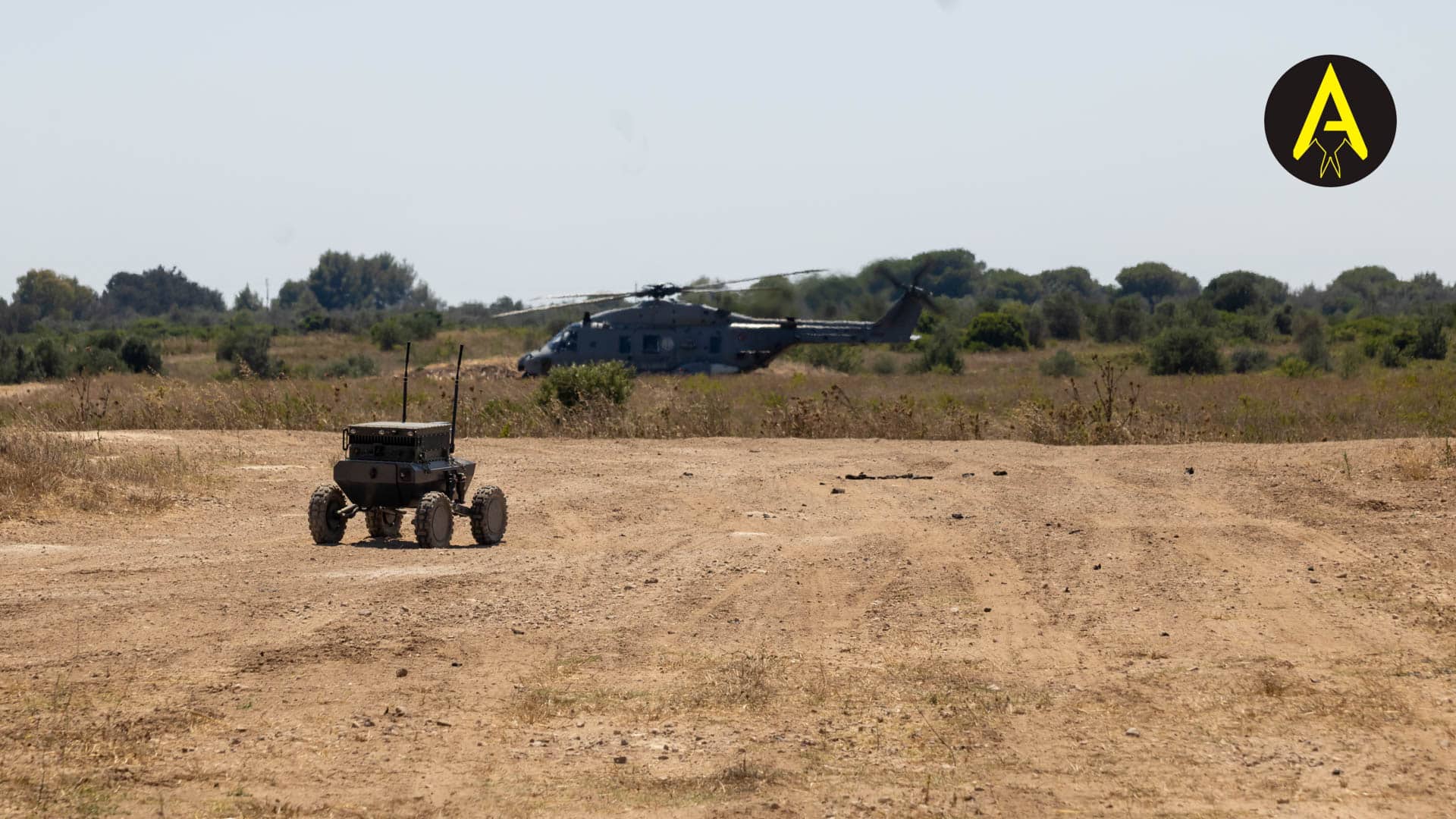
Task Force X Central Mediterranean thus broke the barrier, with over 100 uncrewed systems employed by different services, manufacturers or even different nations, operating together and seamlessly exchanging information regardless of the operator or domain to which it was assigned.
Obviously, connecting such a diverse collection of platforms presents a challenge. Different sensors generate different types of information, operate under different communication protocols and encryptions, yet they need to find a common ground to exchange information.
Visualizza questo post su Instagram
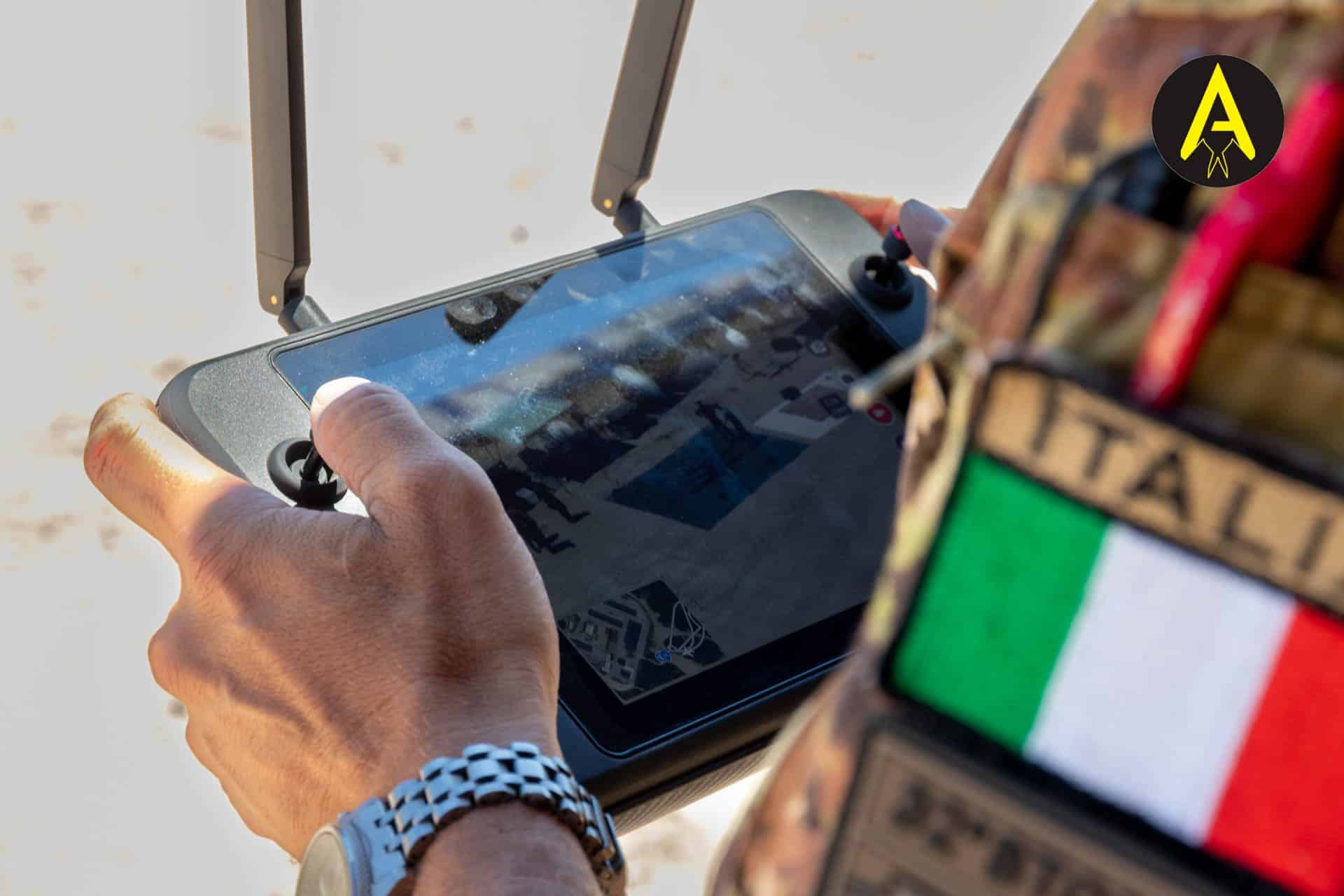
The solution evaluated during TFX CentMed was a Battle Management System (BMS) serving as the central hub for information integration. Officials have described the experimentation as employing a non-classified Battle Management System capable of collecting, integrating, correlating and visualizing information originating from sensors, autonomous platforms, effectors and data services.
The BMS acted as a digital integration layer, collecting information, associating observation and presenting operators with a coherent operational picture instead of dozens of disconnected sensor feeds. Once processed, the information can then be federated into national command-and-control systems.
Italy’s Joint Force in Action
Although the experimentation includes contributions from Croatia, Latvia, Slovenia and the United States, the backbone of Task Force X Central Mediterranean is provided by Italy’s joint force. As mentioned in the opening, the Italian Defense General Staff served as the overall lead, coordinating the experimentation, integrating data flows and overseeing the campaign’s operational architecture.
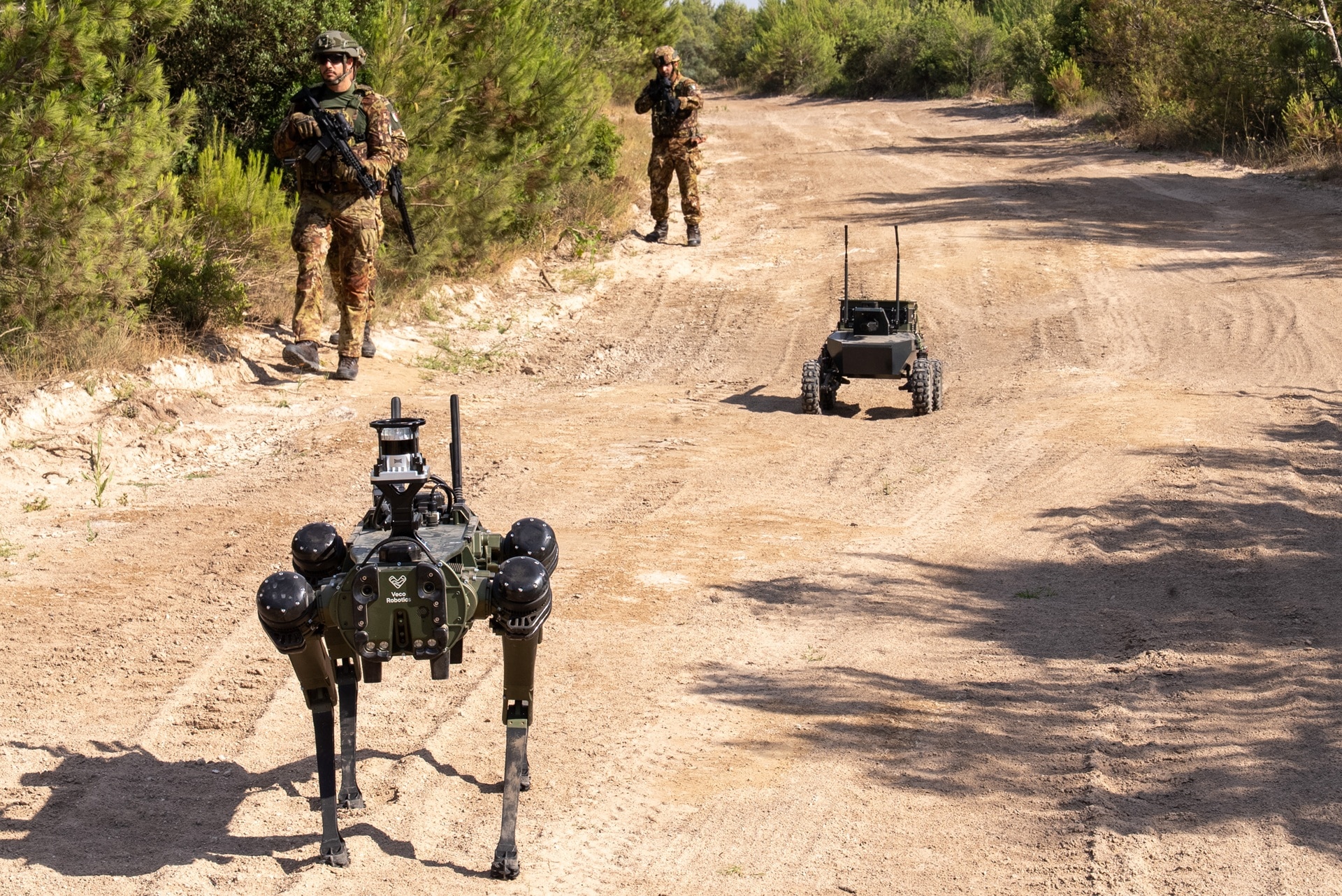
Supporting the initiative are assets and personnel from the Italian Army, Navy, Air Force, Carabinieri and Guardia di Finanza, reflecting a whole-of-defense approach that extends beyond traditional military service boundaries. More than 800 personnel were involved in the campaign, alongside approximately 180 sensors originating from the Italian Armed Forces, industry partners and participating Allied nations.
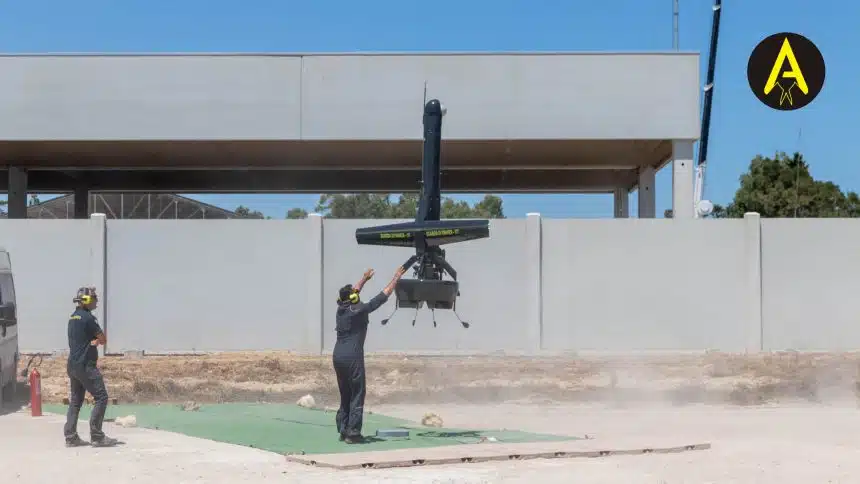
The inclusion of the Guardia di Finanza is particularly noteworthy, as the force is deeply involved in the maritime security, protection of critical infrastructure and border surveillance in the Mediterranean. One of the assets they deployed was the V-Bat Vertical Take-Off and Landing (VTOL) reconnaissance drone.
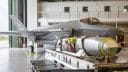
The Air Force participated with the F-2000 Typhoons of the 4° Stormo (Wing) which were deployed to Gioia del Colle Airbase, the F-35 Lightning IIs and MQ-9A Predators (Italy did not adopt the Reaper designation) of the 32° Stormo from their home at Amendola Airbase and the secretive EC-27J JEDI (Jamming and Electronic Defense Instrumentation) also deployed to Gioia del Colle.
Visualizza questo post su Instagram
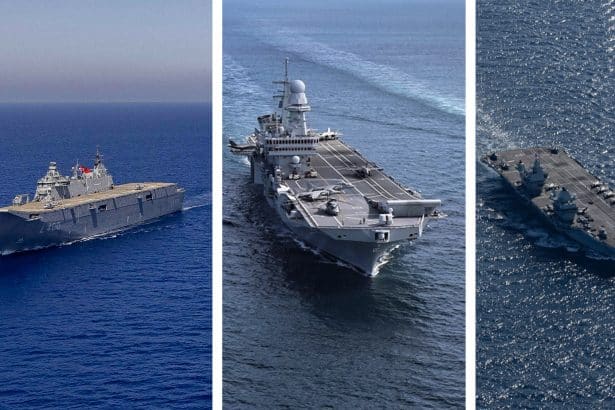
The Navy deployed the ITS San Giorgio amphibious transport dock and the ITS Thaon di Revel patrol vessel, which were used to launch and control a number of uncrewed assets for air, surface and underwater operations. The Army hosted the experimentation at its training range, also deploying its uncrewed assets, the CEMA equipment of the 9th Cyber Security Regiment “Rombo” and making available the assets of the local Scuola di Cavalleria (Cavalry School), including the new Centauro 2 armored vehicle.
Industry as a Partner
As anticipated earlier, Task Force X Central Mediterranean is not an experimentation meant to select and procure systems. However, the industry was integrated as a partner in the experimentation’s environment alongside the military as part of a collaborative approach which would see technologies tested, refined and adapted under realistic conditions.
More than 80 companies participated in TFX CentMed, ranging from large defense contractors to small and medium-sized enterprises developing specialized technologies. Their involvement reflects a fundamental change in the way NATO approaches innovation.
Traditionally, defense procurement was a linear process starting from the requirement and them moving to development, testing, procurement and finally deployment. However, this process often takes many years, depending on the complexity of the project.
Today’s rapid evolution of technologies such as artificial intelligence, autonomous platforms, advanced sensors and commercial communications has challenged this model which is now not feasible anymore. In fact, a capability that is considered innovative today may already be outdated by the time it completes a traditional acquisition cycle.
The new approach would allow the military to get to know the solutions being developed by the industry well before the requirements are defined. The military would thus be able to provide immediate feedback while companies rapidly adapt their systems.
Visualizza questo post su Instagram
In a sense, the industry would help the military to define new requirements, showing off what is currently available on the market or in development. This way, the military would explore whether the new technology might be useful and worth procuring to address future requirements or, as alternative, show the industry what the military might need.
This collaborative approach is particularly important for autonomous technologies, as they rely on the ability to communicate, exchange data and operate alongside systems produced by different manufacturers and nations. Experimentations such as TFX would allow to quickly demonstrate these abilities and make the required corrections to achieve a full interoperability well before the official procurement, resulting in a “plug and play” capability.