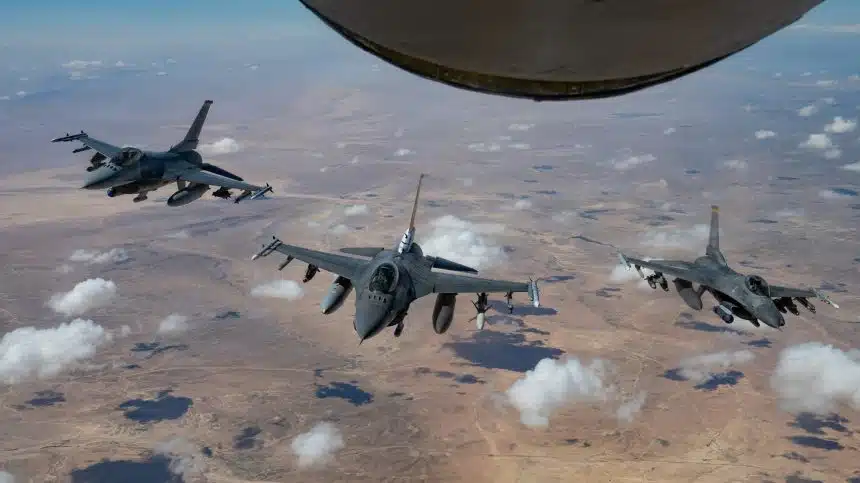
The U.S. conducted new strikes in Iran, targeting two IRGC boats laying mines and a surface-to-air missile site, with CENTCOM describing the strikes as self-defense.
The U.S. military has launched new strikes on Iran on May 25, 2026, in what the U.S. Central Command (CENTCOM) has described as self-defense. According to the statements, the targets were two Islamic Revolutionary Guard Corps (IRGC) boats in the Strait of Hormuz which were laying mines and a surface-to-air (SAM) missile site in Bandar Abbas that was targeting U.S. aircraft.
“U.S. forces conducted self-defense strikes in southern Iran today to protect our troops from threats posed by Iranian forces,” CENTCOM Spokesperson U.S. Navy Capt. Tim Hawkins said in a statement. “U.S. Central Command continues to defend our forces while using restraint during the ongoing ceasefire.”
MORE details on US strikes vs Iranian targets today:
2 Iranian boats were caught laying mines in the Strait of Hormuz, senior US official tells me. The US military eliminated both IRGC vessels and also struck at a SAM (surface to air missile) site in Bandar Abbas that was… https://t.co/ew89rCfL5J
— Jennifer Griffin (@JenGriffinFNC) May 25, 2026
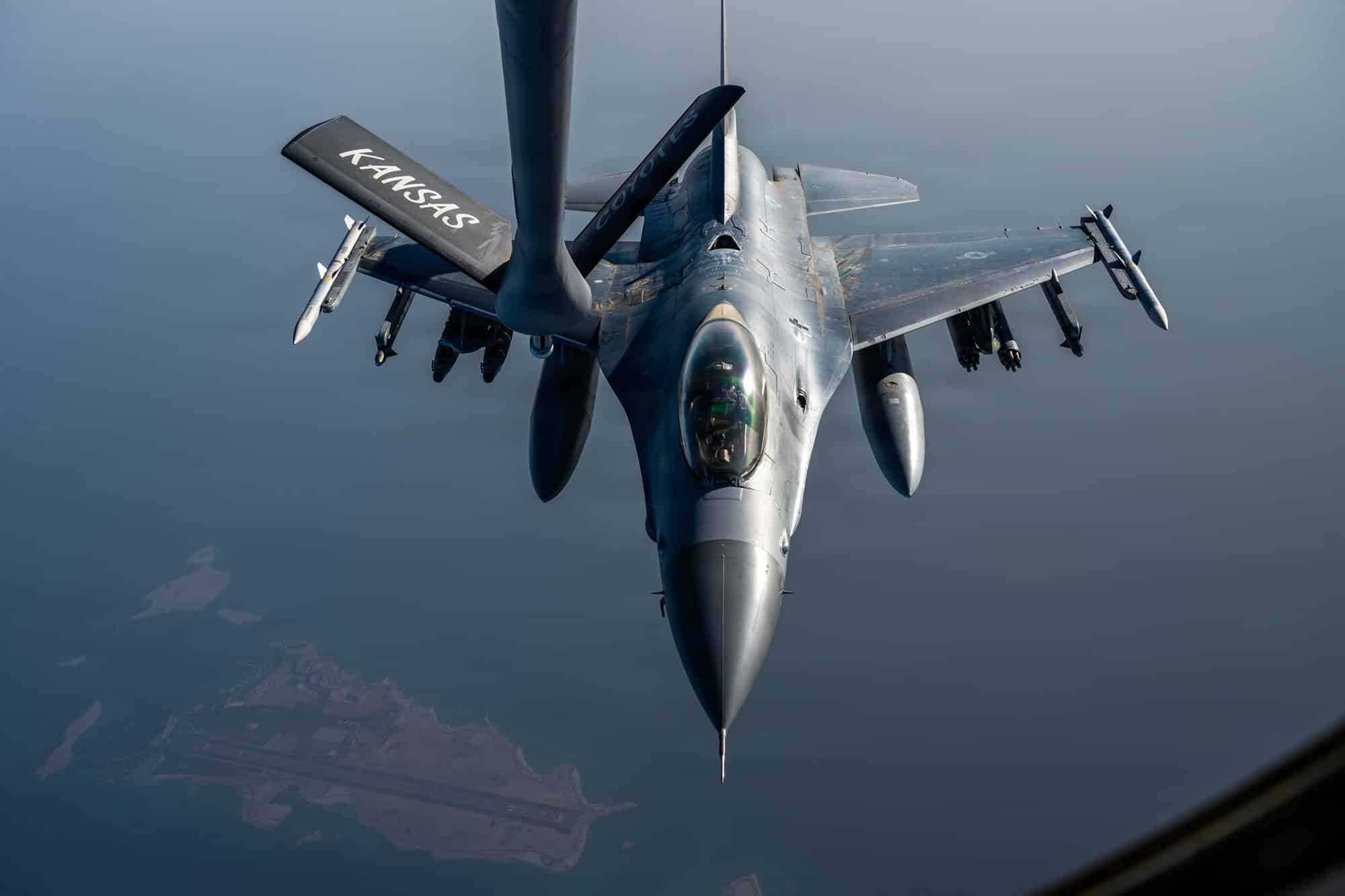
CENTCOM did not release details about the platforms used to conduct the strikes. The U.S. Army, Navy and Air Force assets which were deployed for Operation Epic Fury are still in place and are all valid candidates for the strikes.
U.S. aircraft have been conducting armed patrols over the area, and thus the possibility of them being retasked in flight cannot be excluded. This could be likely also because of the mention of the two Iranian vessels caught while laying mines.
Following the strikes, the Iranian Fars news agency relayed a statement from the IRGC, claiming that an MQ-9 Reaper was shot down and that air defenses fired at a second MQ-9 and an F-35 Lightning II. “The IRGC warns against any violation of the ceasefire by the invading American army and considers its right to reciprocal response both legitimate and certain,” said the statement.
CENTCOM did not comment on the IRGC’s claims. So far, no photos have emerged of the crashed MQ-9, which – if confirmed – would join the 24 Reapers lost during Operation Epic Fury, as mentioned in a recent Congressional Research Service (CRS) report.
The new strikes come as the U.S. and Iran intensify the negotiations to end the war. Hours earlier, Iranian negotiators met with Qatari mediators which were acting on behalf of the U.S.
U.S. President Donald Trump wrote on social media that a deal might be close. On the other hand, Iran says a deal is not imminent.
It is not yet clear if the new strikes will influence the negotiations. U.S. Secretary of State Marco Rubio says a deal is still possible, with more talks planned for May 26.
One of the main issues in the negotiations is the enriched uranium. The U.S. has been demanding the uranium to be turned over, with Trump proposing this to be done immediately or, as a preferable alternative, destroyed in place in coordination with Iran and the International Atomic Energy Agency (IAEA).
Meanwhile, the U.S. blockade is continuing, with CENTCOM saying that until May 23 U.S. forces redirected 100 commercial vessels. Additionally, four vessels were disabled and 26 humanitarian aid ships were let through.
— U.S. Central Command (@CENTCOM) May 23, 2026
“Our service members are doing extraordinary work,” said Adm. Brad Cooper, CENTCOM commander. “They have been highly effective by executing the mission with precision and professionalism, allowing zero trade into and out of Iranian ports which has squeezed Iran economically.”