The UK’s Conservative Party has proposed a £10 billion air defence programme that aims to enhance the country’s integrated air and missile defence (IAMD) infrastructure for the modern age.
Announced on Oct. 6, 2026, by Opposition leader Kemi Badenoch in an article in the Sun newspaper, the plan aims to produce an integrated air and missile defence (IAMD) system for the nation that can deal with the long-range missile and drone threat from Russia. The UK is the odd one out of the major European powers in that it currently does not operate a highly advanced long-range air defence system, such as Patriot or SAMP/T.
Instead, the country is reliant on a quick reaction force of RAF Typhoons and a small number of short-range air defence systems that are dotted around the country. The opposition leader emphasised that the UK is facing a “new type of warfare,” adding that “Drone warfare requires a different type of missile defence.”
“We could have a situation for example where people could come in very close to the English Channel and are able to send drones and missiles at our critical national infrastructure” hitting targets before the RAF can scramble aircraft to meet them. Instead what may be required is a dedicated air defence system that is in place to protect the national infrastructure from new pop up attacks.
Defence should be the government’s first priority. Our world won’t wait for Britain to be ready.That’s why the Conservatives announced Britannia Shield: a new national missile-and-drone defence system to protect the whole United Kingdom, our sovereign territories and British bases overseas. The threat is here. Britain must be ready. Britannia Shield will make sure we are.
— Kemi Badenoch (@KemiBadenoch) October 6, 2026
The plan is currently quite vague, but has been described as consisting of three parts common to most IAMD systems. These are new radars that will detect drone and missile threats early on, an upgraded command and control (C2) system to integrate incoming information and disseminate targeting information to the appropriate weapon systems, as well as, new interceptor missiles that prioritise counter-drone capabilities, and the ability to be stockpiled in greater numbers than current missiles.
The main objective of this plan is to create a modern and effective layered air defence infrastructure that can handle all types of missile and drone that could be used against the UK. However, questions remain over how this will be funded and whether this will mean the prioritisation of defending national infrastructure, over defending the public.
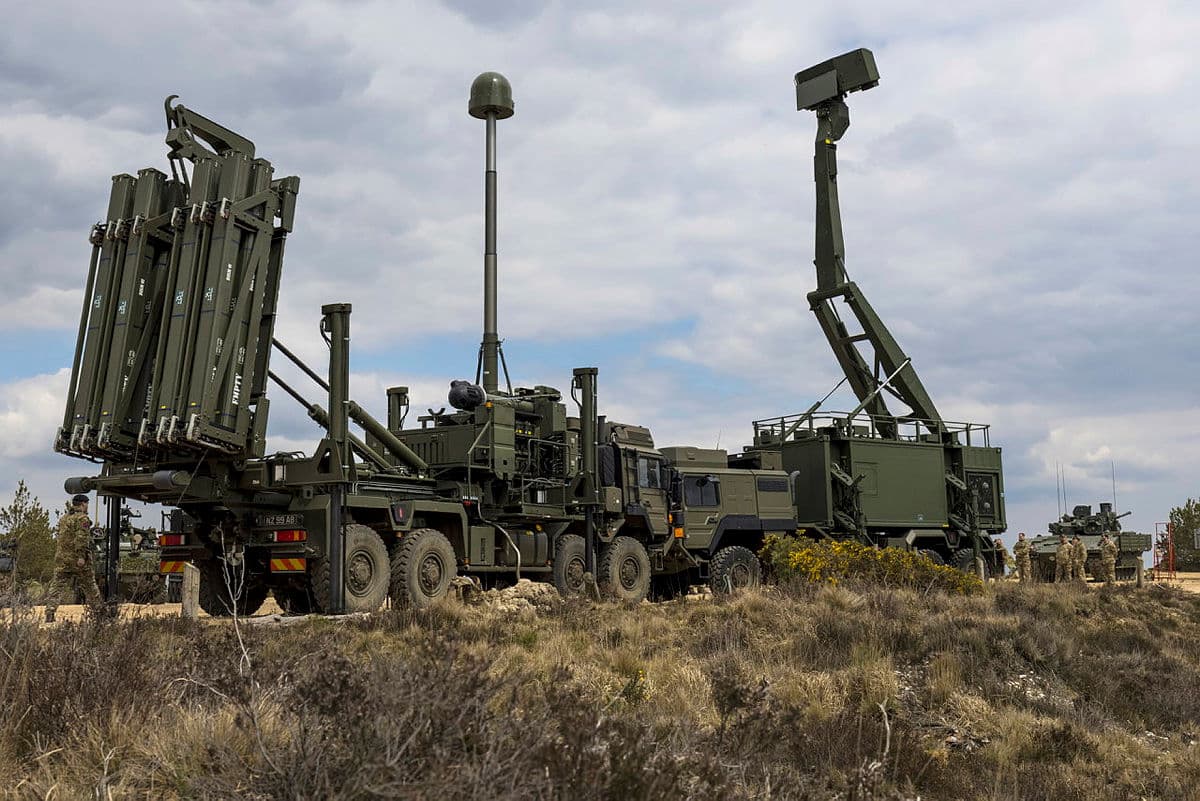
Britannia Shield has been described as acting akin to Israel’s “Iron Dome”, however the Conservative party has since distanced themselves from this description, instead emphasising that they are “designing something specific for the kind of threat that we face here.” Kemi Badenoch later clarified that “It is not going to be the daily onslaught that Israel has, so we don’t need that level of capability.”
Israel’s Iron Dome is designed to shoot down short-range rockets and artillery fired by Hamas and Hezbollah from Israel’s close borders. The system protects Israel’s small number of major cities, in which their population is centred, which are spread over a relatively small geographic area, making their system highly effective. This would not work for the UK due to its larger population size and the dispersed nature of its cities and military infrastructure.
Even if the UK were to approach an IAMD system of a similar style to that used by Israel, that incorporates high end air defence systems, such as David’s Sling medium-range anti-ballistic missile (ABM) system and the Arrow exo-atmospheric ABM, the cost would approach unaffordable levels.
General Sir Richard Barrons, who co-wrote the UK’s Strategic Defence Review last year, explained that “the cost of an Iron Dome at entry level is probably £80 billion over 10 years”. With the IMD of his dreams approaching £120 billion due to the sheer scale of the threat and the costs of procuring enough systems to cover the whole of the UK across the long term, this type of plan is currently unaffordable, especially in the consideration of the UK’s many other defence commitments, not least the defence nuclear infrastructure that itself will cost £63.6 billion over the next four years.
I cringe at the word “Dome” (and any catchy title that precedes it). £10Bn doesn’t buy you much and certainly won’t guarantee 100% protection from every threat, everywhere. The UK (11 x bigger than Israel) plus at least 4 critical overseas territories, needs a layered system. 1/6
— Greg Bagwell (@gregbagwell) October 6, 2026
The Conservatives have said that the associated £10 billion cost of the plan would be split over 10 years, with £1 billion allocated each year from money taken via welfare reform and the reprioritisation of other spending towards the defence budget. This would be a significant boost to current funding levels for IAMD, which sits at around £790 million as announced in the much delayed Defence Investment Plan (DIP), although further costs have been spread around other capabilities that contribute to IAMD.
The current plan provides £400 million to improve C2 with the establishment of a new Integrated Air, Space and Missile Defence Operations Centre as well as the acquisition of new radars amongst other sensors; over £750 million to provide short-range drone protection for homeland and deployed forces through the RapidSentry missile system and a suite of low cost weapons such as Skyhammer; and £1.1 billion to upgrade all 107 RAF Typhoons for improved anti-cruise missile capabilities with the new ECRS Mk2 radar.
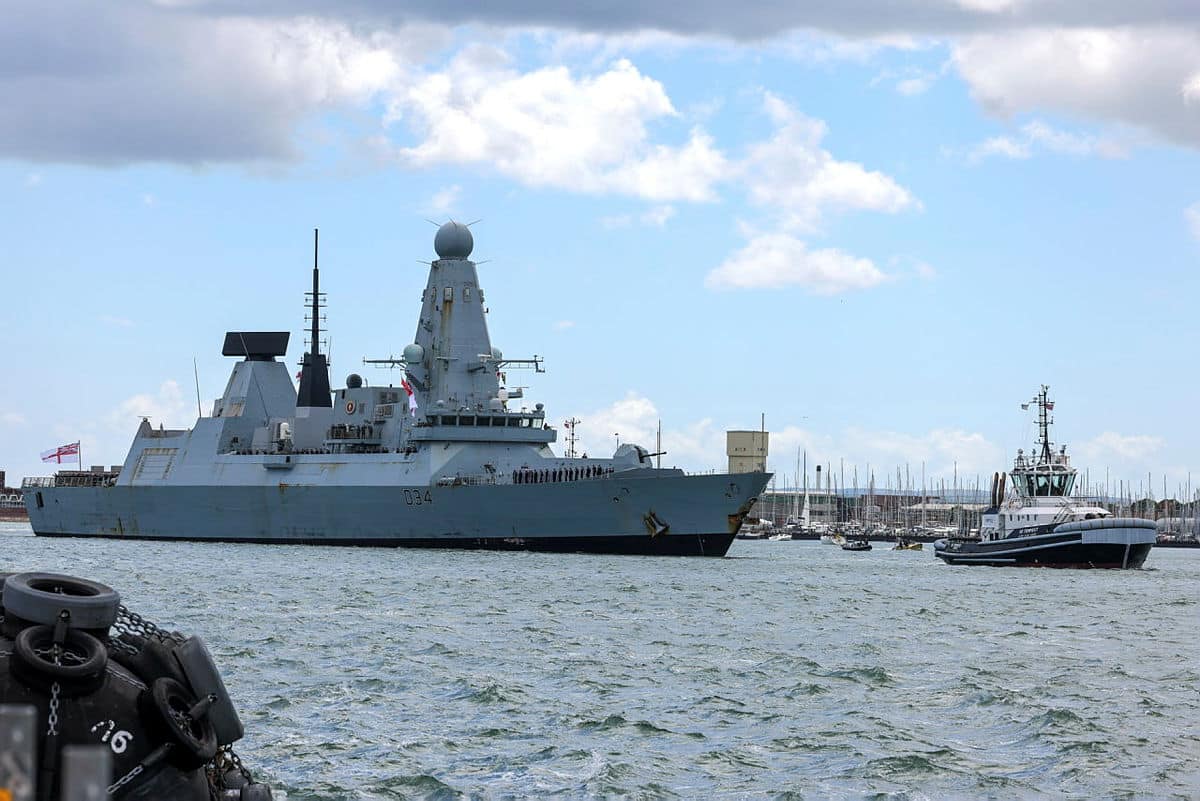
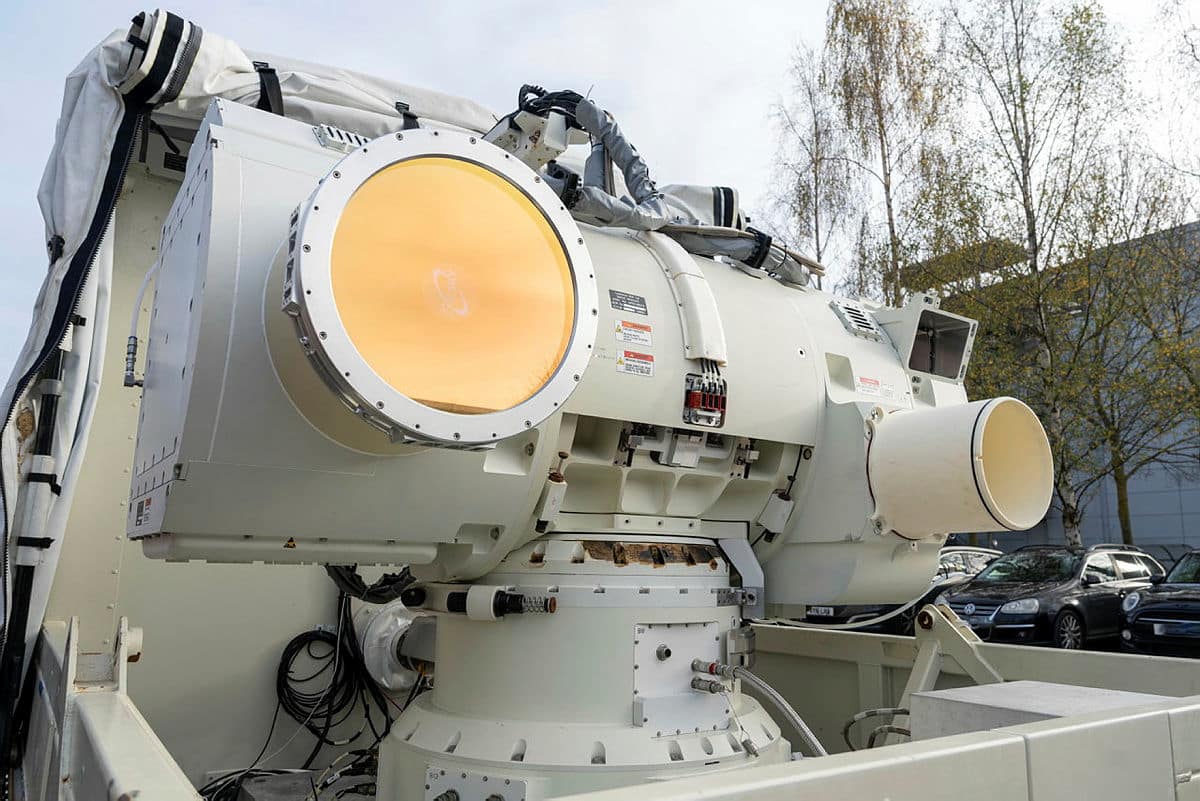
An unannounced amount will be spent on the Sea Viper Evolution Programme to be delivered by 2028, which seeks to radically improve the Royal Navy’s Daring class destroyer’s anti-ballistic missile capability; a £490 million investment to continue the development of Directed Energy Weapons, including to deliver the DragonFire system on the destroyers from 2027; and lastly over £350 million to double the number of the Sky Sabre air defence missile systems operated by the Army, though the official number of Sky Sabre batteries/systems/launchers is a state secret.
Whilst the government’s investment in IAMD was promising, it was criticised at the time for being too little for what the country actually requires with the lack of a ground based long-range air defence system being the most glaring weakness in the plan.
UK IAMD of the Past
The Royal Air Force was itself originally formed because of the uproar caused by German bombings of the UK during the First World War. Its primary focus was, initially, the defence of the Home Isles against German bombing raids, with Fighter Command during the Battle of Britain defending the country using the world’s first fully integrated air defence system in the form of Chain Home. Interestingly the UK was the first nation to ever come under a sustained ballistic missile attack, with the German V2 strikes on London towards the end of the war.
After WW2 the goal shifted somewhat to focus on the nuclear threat from the Soviet Union, with early Thunderbird and later Bloodhound missiles being designed to counter the threat from Soviet bombers and, later, ballistic missiles alongside the manned QRA element of fighters.
Baroness Sophy Antrobus of the Freeman Air and Space institute points out that “deterrence was seen as more credible than active defence” as any nuclear attack on the UK would be next to impossible to fight off using conventional means. As a result, the emphasis of air defence focused on the protection of the RAF’s nuclear bomber bases and the variable number of Thor ballistic missile sites to ensure the survival of the UK’s second strike capability, before this passed to the Royal Navy in 1969.
As the RAF took a back seat on the nuclear deterrent, it opened itself up to more tactical surface to air missile options such as Rapier which would be used to defend forces in combat, as well as defending key airbases and cities across the UK. Rapier batteries would be well known for their role during the Falklands war of 1982 as well as their deployment to London for the 2012 Olympic games.
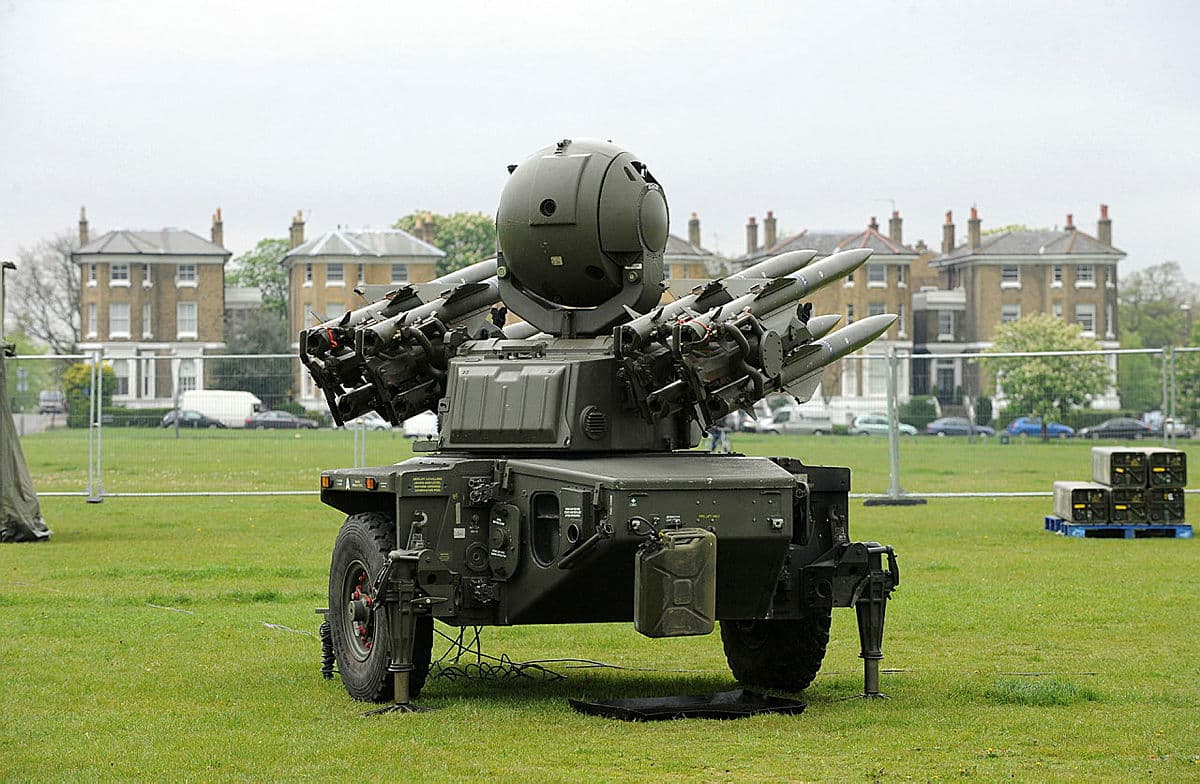
The Post Cold War period and the peace dividend dispelled the idea of a conventional military attack on the UK beyond acts of terrorism, and so UK IAMD took a backseat. Instead the UK’s QRA in the late 1990s and early 2000s saw a significant downsizing from its Cold War strength as the focus shifted to protecting the UK from terrorist hijacked airliners as a result of the 9/11 attacks. The 2004 decision to reduce the number of Rapier units and to transfer the remainder to the Army, highlights the focus of the UK on out of area operations and not the defence of the homeland. It was only when Russian President Vladimir Putin officially resumed permanent long-range strategic bomber patrol flights on Aug. 17, 2007 that the UK started to take IAMD more seriously as suddenly Russian bombers were back operating near British skies.
UK F-35s Intercept Russian Aircraft Near British CarrierBritish F-35 fighter jets scrambled to intercept Russian Bear-F maritime patrol aircraft after they dropped tracking devices into the water near the HMS Prince of Wales in the Arctic Circle.https://t.co/HFULc9khcm
— Clash Report (@clashreport) July 6, 2026
As the Russian rhetoric against the UK has ramped up, culminating in wars of aggression against Ukraine and greyzone campaigns of sabotage against NATO, it is time that the UK starts to take its homeland defence more seriously, and adequately invests in the capabilities it needs to at least survive a sustained attack.
Today’s Threats
The most worrying threat to UK infrastructure is that of the small unmanned aerial system (UAS) used in deniable sabotage attacks. These are akin to the attack on the German airport in Leipzig by a Russian drone, or more worryingly in the style of Ukraine’s Operation Spiders Web that crippled Russia’s strategic bombing fleet last year.
These drones, whilst small and without a substantial warhead, could heavily impact power substations, nuclear facilities, fuel depots, and airports. They don’t have to cause substantial destruction to damage the UK’s ability to function, as demonstrated by just a single drone sighting near Gatwick airport in 2018 forcing the cancellation of hundreds of flights and heavily impacting the lives of the general public.
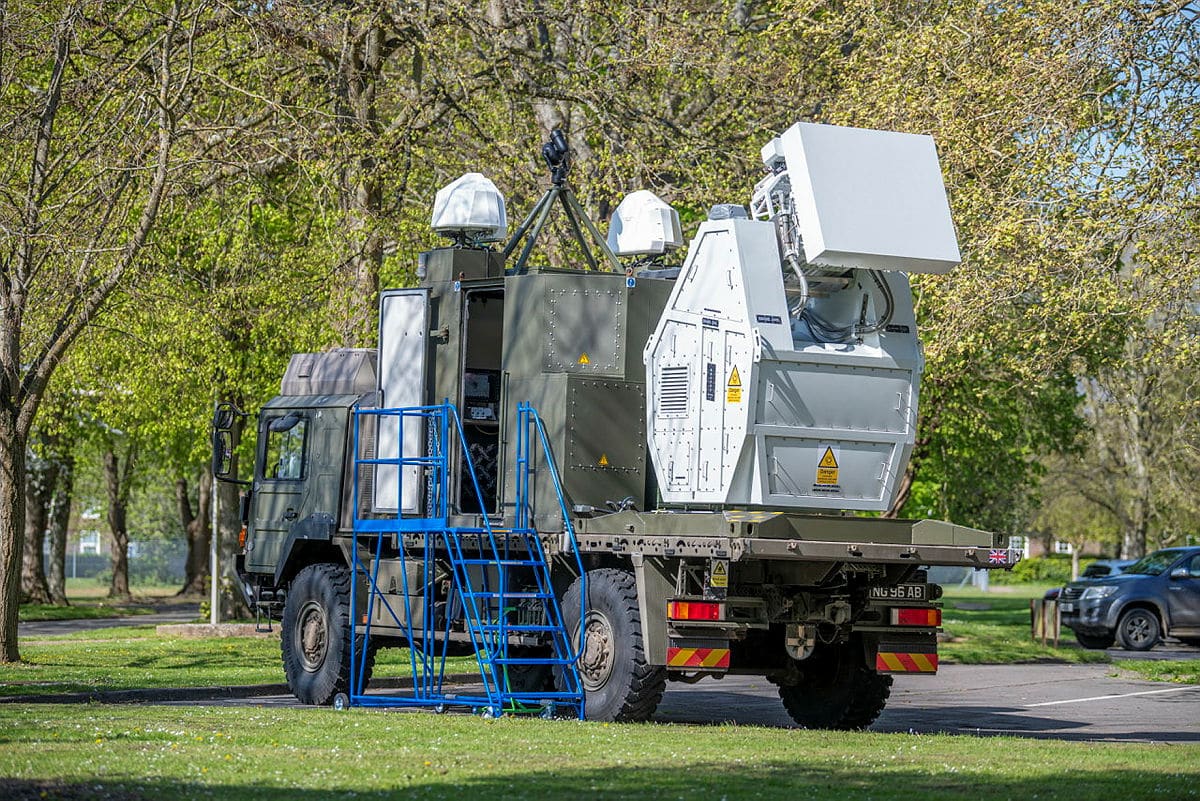
The second major air threat are the more advanced long-range cruise missiles and one way attack drones that can be launched from off shore to devastating effect by submarine or from a disguised civilian ship. These weapons can cause heavy damage to concentrated infrastructure, including military bases, with few dedicated weapon systems available to stop them.
Ukraine uses fixed wing fighter jets as one of the primary counter cruise missile weapons, with F-16s accounting for thousands of drones and hundreds of missiles, since their introduction in the war. However, a layered approach is necessary to stop the missiles and drones that aircraft will inevitably miss, with ground based weapons needed to close the net.
Insane footage showing multiple interceptors from a U.S. Army MIM-104 “Patriot” Surface-to-Air Missile Battery launching and downing Iranian ballistic missiles earlier tonight during an attack on Al Udeid Air Base in Qatar, with at least one ballistic missile seen striking the base, reportedly damaging a clinic on Al Udeid.
— OSINTdefender (@sentdefender) February 28, 2026
Finally, the more advanced ballistic missile threat is a significant concern for the UK as the only asset capable of neutralising these weapons is the Royal Navy’s Daring Class destroyers which are needed in the fleet area defence role and not the defence of the homeland. Saturation attacks, such that Ukraine, Israel and the Gulf States have sustained in recent years, could not be fended off by the UK’s current defence posture, with no ground based weapons in British service capable of taking them out.
Air Marshal (Retired) Phil Osborn stated in an online webinar that the UK’s Ministry of Defence once wargamed the attack that Russia carried out against Ukraine on its first night of the war, onto the UK. He described it as a “sobering” exercise for the government that showed how vulnerable the UK is to this kind of attack.
Britain’s Integrated Air Defence Today
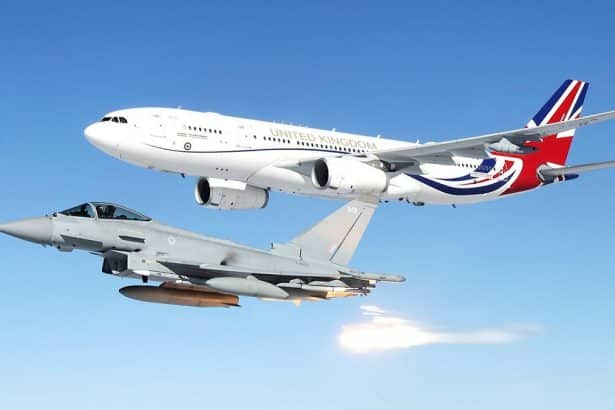
Primarily, the RAF’s combat air provides the core of the UK’s IAMD, with the fleet of 107 Typhoon FGR4s operated out of RAF Coningsby and RAF Lossiemouth providing the country’s 24 hour air defence. They carry the radar guided MBDA Meteor missile for beyond visual range engagements, the infrared guided ASRAAM for within visual range attacks and now the Advanced Precision Kill Weapon System (APKWS) laser guided rockets for drone hunting.
These aircraft are directed by the UK’s Air Command and Control Force based at RAF Boulmer in Northumberland and at NATS Swanwick in Hampshire, who monitor and control the airspace around the UK and direct the Typhoons to where they are needed.
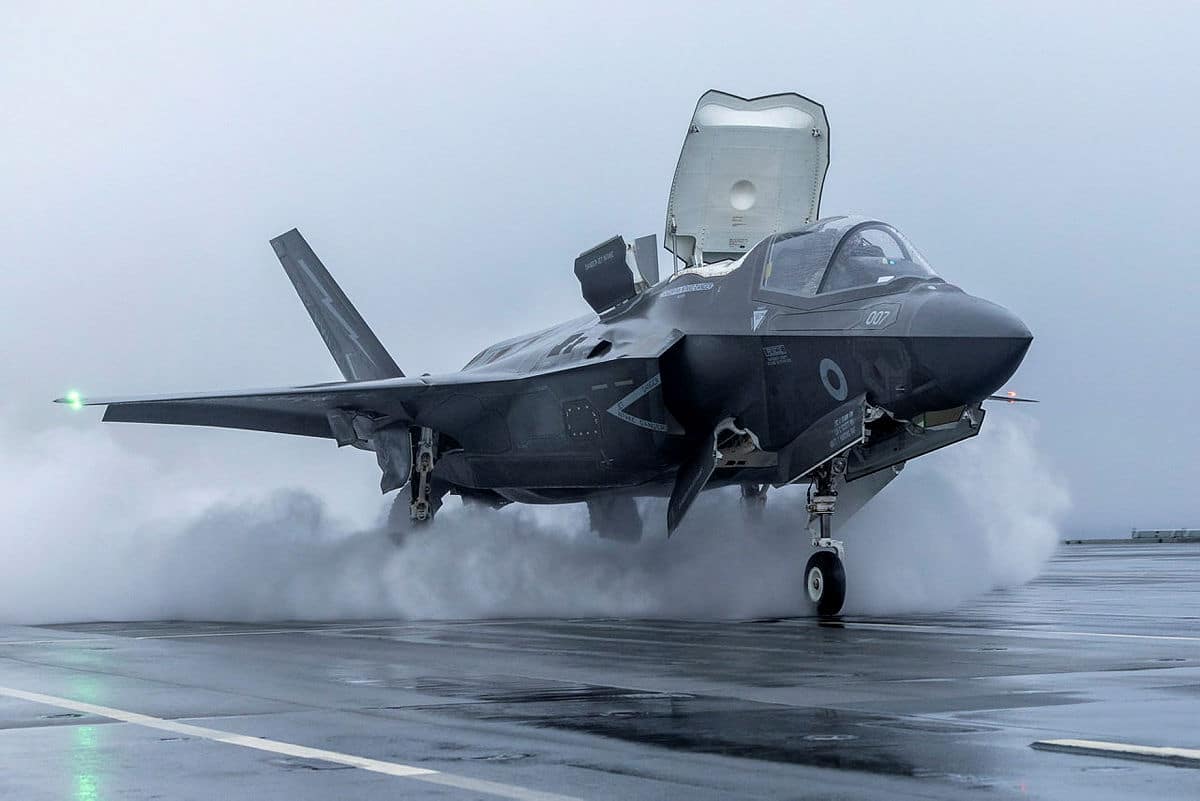
An F-35B Lightning ll with the Royal Air Force managed to shoot down an Iranian one-way attack drone during defensive operations recently over Jordan, in the first ever operational air-to-air kill recorded by a British F-35, according to a statement and footage published by the U.K. Ministry of Defense.
— OSINTdefender (@sentdefender) March 3, 2026
These aircraft can be backed up by the UK’s 47 F-35B Lightning II fleet, which have shown themselves to be effective at neutralising drones in the Gulf. However, these aircraft should primarily be used for suppression and destruction of enemy air defences as well as the destruction of enemy cruise missile launchers, as their stealth allows them to slip into hostile airspace undetected.
In this sense, their main role in the UK’s IAMD system is to shoot at the archer and not the arrow, lowering the threat to the UK by taking out the missiles before they can even be launched.
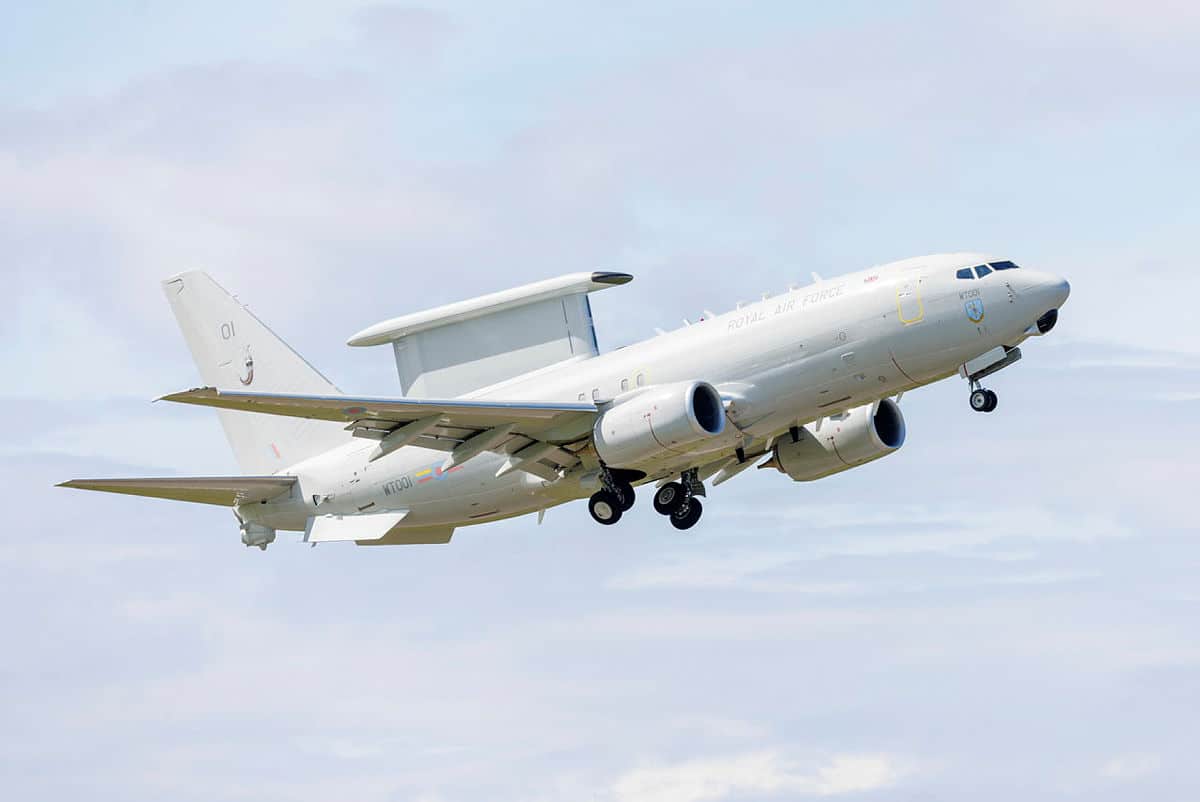
Backing up the Typhoon fleet are the 14 Voyager KC2/3 tankers which provide extended time on station for the fighters when they are tracking Russian aircraft near the coast. These aircraft will be supported by the three E-7 Wedgetail AEW1 aircraft that will soon enter service to provide aerial surveillance and aircraft monitoring from the skies.
The small number of Wedgetails has been an ongoing complaint against the UK’s IAMD as it increases reliance on limited ranged ground based radars. The ability for airborne radars to look down on hostile targets increases their detection range dramatically and allows for better early warning of threats.
Indeed the UK’s 1990s QRA force relied heavily on the RAF’s seven E-3 Sentries for this purpose. Timely, resilient and effective C2 is the bedrock of successful air defence and so more E-7s are essential to future defence.
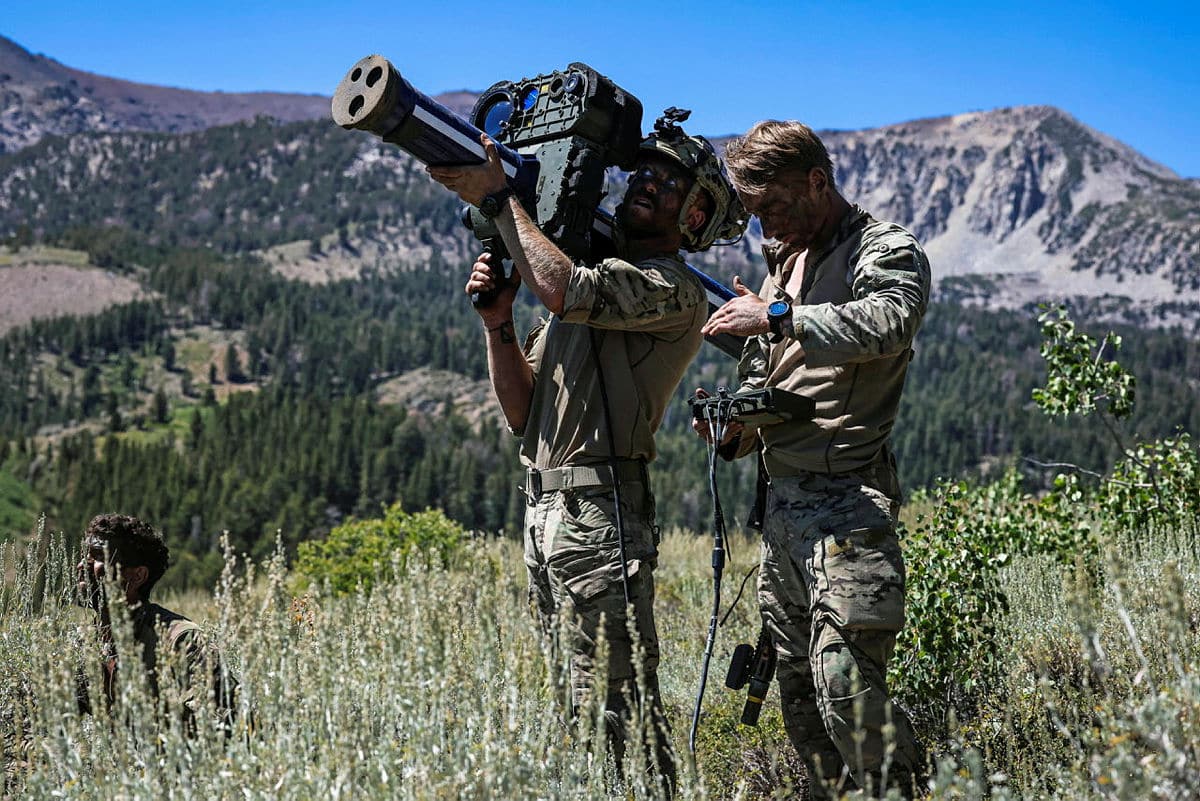
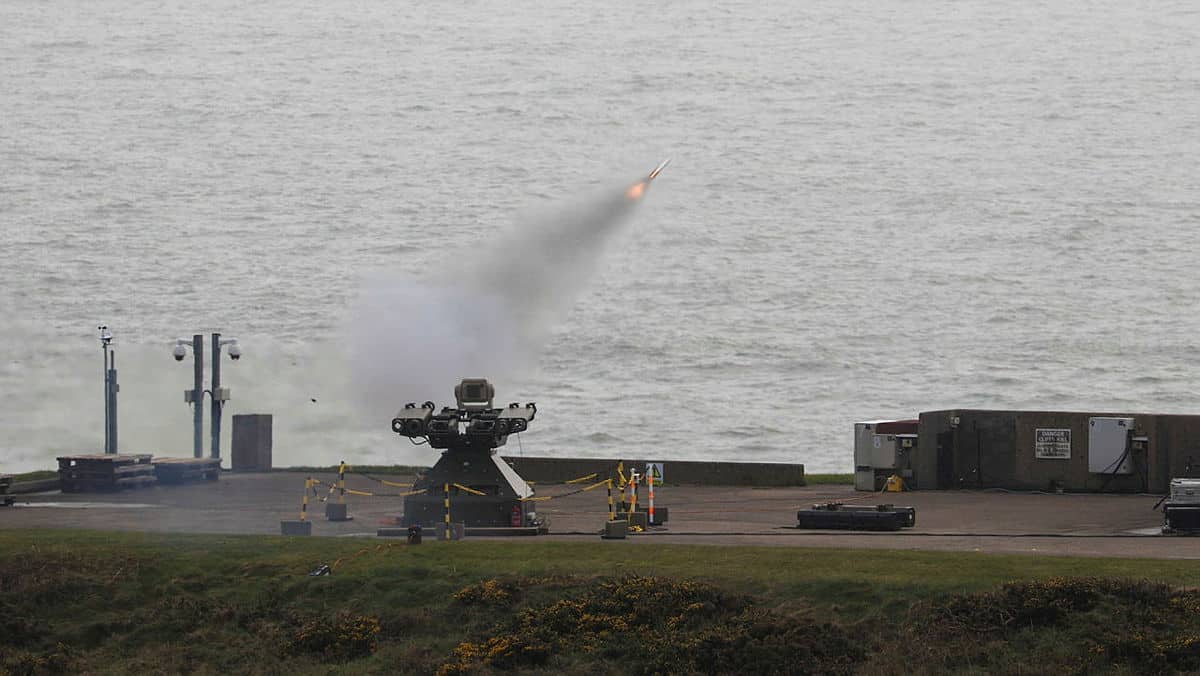
The RAF Regiment also operates the RapidSentry anti-drone missile system which is intended for base protection. The weapon fires the Lightweight Multirole Missile (LMM/Martlet), which has a range of up to 8km for small, fast targets. It achieved great success in the Gulf with four RAF Regiment Gunners achieving “ace” status by taking out five or more drones during operations.
Providing the UK’s only ballistic missile defence is the Royal Navy’s Type-45 Daring class destroyers. These vessels have a battery of 48 Aster 30 long-range missiles which are extremely capable against aircraft and can shoot down ballistic missiles in certain operating conditions. This occurred for the first time in the Red Sea in 2024, with HMS Diamond shooting down a ballistic missile fired by the Houthi militia group against international shipping.
These warships are being upgraded to also launch 24 CAMM missiles to increase their weapons stockpile and to provide more bang for their buck, compared to the Aster 15 missile it replaces in the medium engagement envelope. These missiles are all controlled by the Sampson radar, which can guide 16 Sea Viper missiles in flight and track about 1,000 separate targets simultaneously at a maximum detection range of at least 250 miles (400km).
These ships will also be fitted with the DragonFire laser system to increase their potency against UAS at a cheaper cost than through the firing of a missile.
On the ground, the UK has a number of short and medium-range missile and air defence systems capable of taking out all types of targets. The British Army maintains a currently classified number of Sky Sabre systems which use the SAAB Giraffe radar and the ground launched variant of the Common Anti-Air Modular Missile (CAMM) to provide area air defence.
These systems are usually forward deployed, with at least half a battery located in the Falkland Islands at all times, whilst other systems are deployed around when necessary. A Sky Sabre system was deployed to Poland at the start of the Russian Invasion of Ukraine whilst another was reportedly deployed to Saudi Arabia before the U.S.-Iran war.
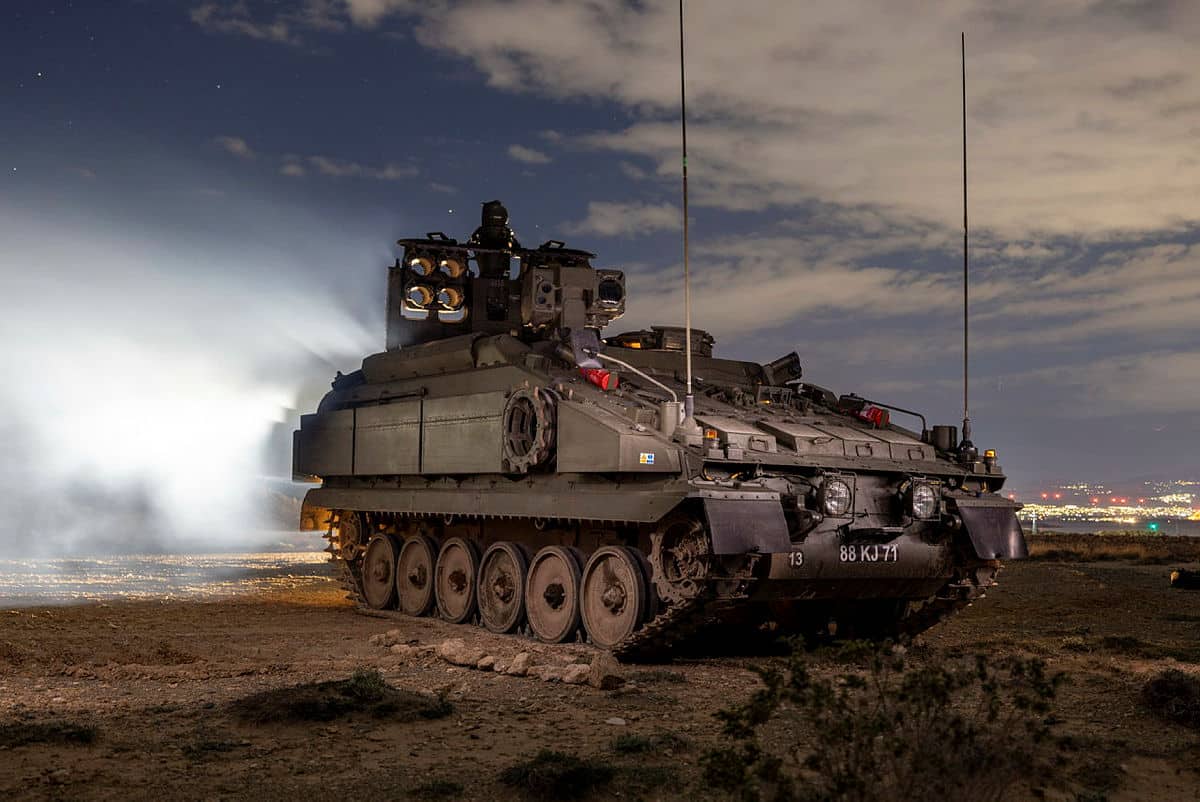
At the tactical end of the air defence spectrum, the British Army deploys the Alvis Stormer High-Velocity Missile Self Propelled (HVM-SP), carrying eight ready-to-fire Starstreak or LMM missiles for very short-range air defence in the field. It uses thermal tracking for target identification with its own internal guidance and detection systems. It has a crew of three and can carry 16 further missiles inside the vehicle, which can cause some issues for deployment in the field as the operators have to exit the vehicle in order to reload, exposing them to enemy fire.
It is due for replacement with a new system, to be selected in the coming years. Six of these were delivered to Ukraine early in the war, where they have been able to shoot down a number of drones. However, all were damaged or destroyed as their short-range places them well in the line of fire.
UKRAINE: The Times are reporting that a UK supplied Starstreak missile was responsible for downing a Russian Mi-28 yesterday. https://t.co/1FaewkPrWH
— Conflict News (@Conflicts) April 2, 2022
The last air defence system currently in use with the British Army is the handheld StarStreak missile system, the same weapon that can be carried by the Stormer. It is a man-portable air-defence system (MANPADS) that uses a beam riding system to track targets meaning that the missile will not be distracted by flares and other IR evasion technology. It then fires three projectiles at very high speed, ensuring a high probability of a kill. A famous video of a Russian Mi-28 helicopter being shot down during Russia’s invasion exemplifies how powerful StarStreak can be in well trained hands
All of these systems provide the UK with a degree of air defence, but more must be done to ensure that the country’s critical national infrastructure can be protected in any future conflict. Whilst the Conservative’s current plan may not appear completely thought through, and the Labour Party’s IAMD plan may be weak in certain areas, announcements like these are key for starting a conversation about the UK’s defence.
The UK is in an endless state of aspiration in this area, always wanting more but never able to put the money down to achieve it. If the government wants to be able to adequately equip the military for basic homeland defence, it needs the public to understand the need and to get involved.
Getting the public to understand IAMD and to recognise where sacrifices must come into play, if they want to continue living their normal lives, is a very big ask for any British government, but it must be done in the face of the threat environment that the UK is in.