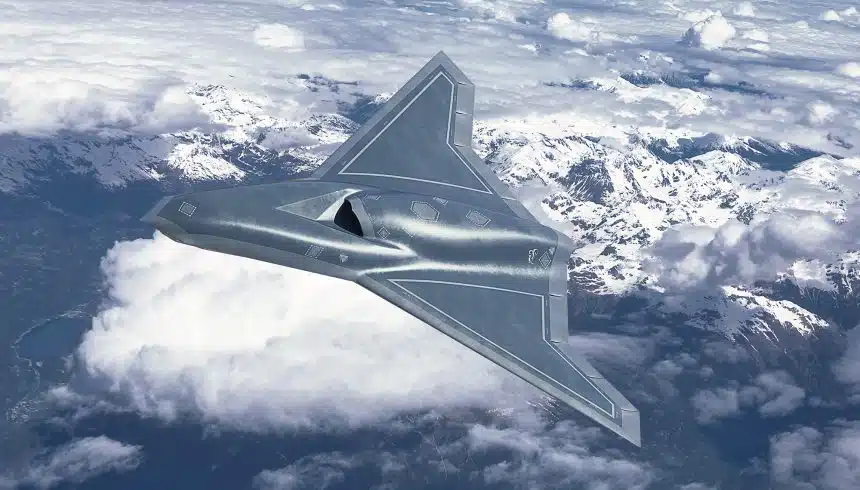
Skunk Works is moving ahead with four additional Vectis vehicles as the company accelerates development of its Group 5 collaborative combat aircraft toward a planned first flight in 2027.
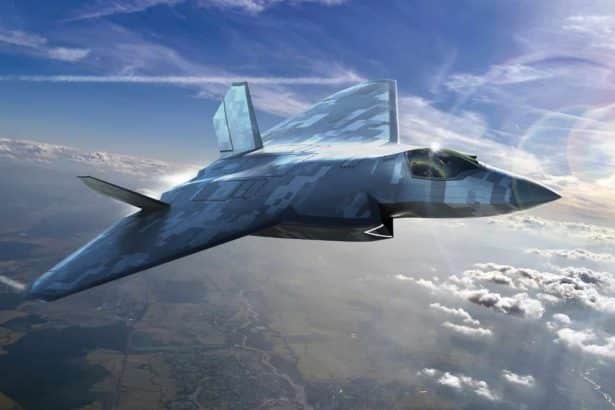
Lockheed Martin is significantly expanding its Vectis Collaborative Combat Aircraft (CCA) program, with the Skunk Works division now planning to build four additional vehicles beyond the first prototype which is already under construction. The announcement comes as the company publicly displayed a full-scale Vectis model for the first time at the Air, Space & Cyber Conference, providing the clearest look yet at the aircraft’s configuration.
The decision to bring the planned Vectis fleet to five aircraft represents a major increase in the company’s investment in the stealthy uncrewed aircraft which, as we mentioned in our previous articles, is an internally funded effort. Ron Fehlen, vice president and general manager of Lockheed Martin Skunk Works, described this as a “strategic investment to accelerate the production progress and the maturity of Vectis.”
We said Lockheed Martin Vectis™ was kind of a big deal. We meant it. 🦨
The Vectis™ full-scale model just made its #AFANational debut and let’s just say, photos don’t quite do it justice. pic.twitter.com/Q30JspYLqg
— Lockheed Martin (@LockheedMartin) September 14, 2026
“We chose to do that to lean into it,” Fehlen said during a Sept. 10 media roundtable. “We know the operational environment is accelerating, as is acquisition.”
Fehlen further said the development work on the four additional vehicles is already underway, with the company intending to build and fly them faster than the first prototype. This goal will be achieved by leveraging “modern manufacturing environment and production-level quality from the start.”
From one prototype to five aircraft
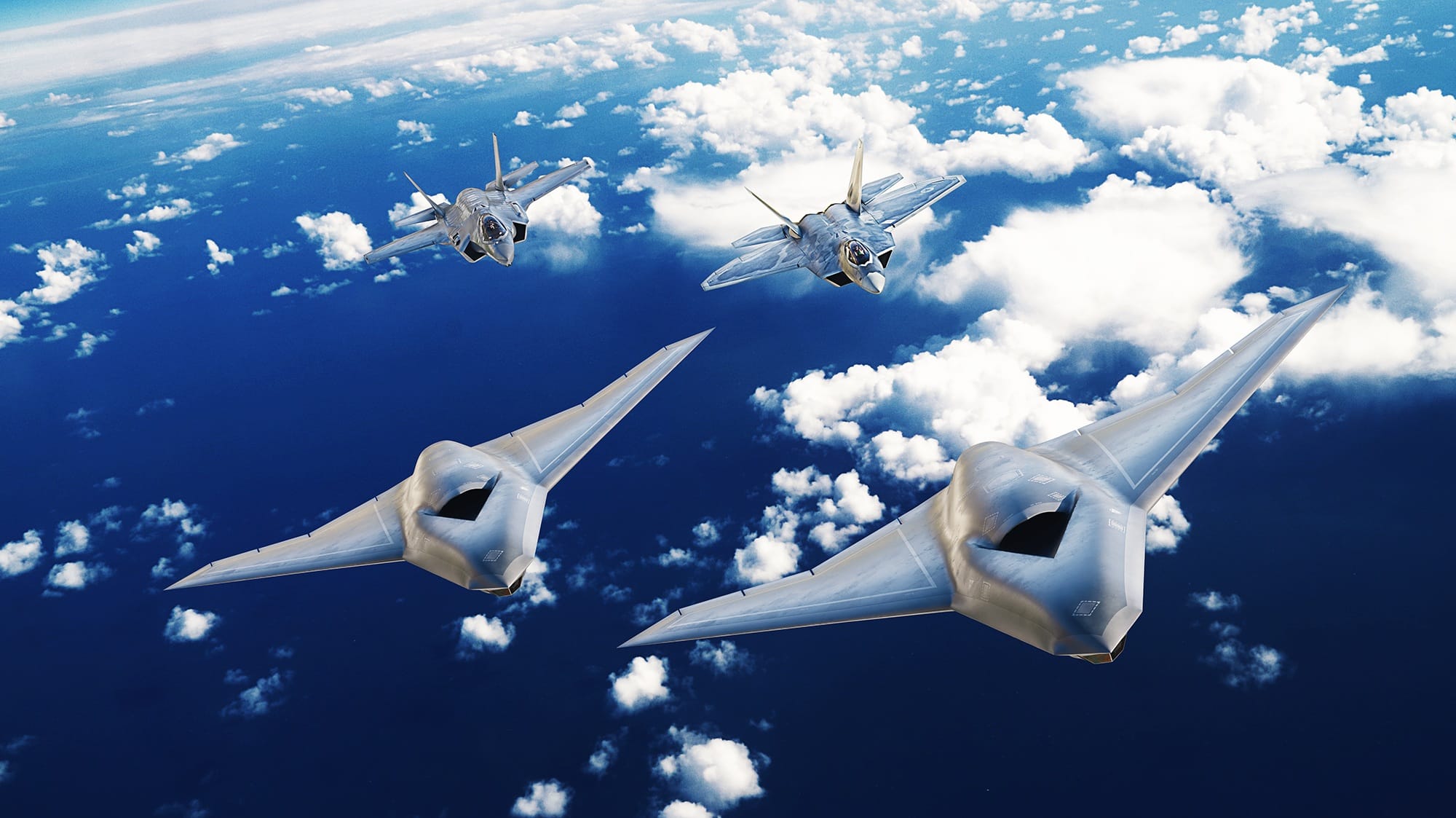
Lockheed Martin describes Vectis as a Group 5 CCA designed to combine survivability, autonomy, affordability and multi-mission flexibility. The company originally unveiled the aircraft in September 2025 as an internally funded effort intended to provide a highly capable and flexible platform able to operate independently or alongside crewed aircraft such as the F-35 Lightning II.
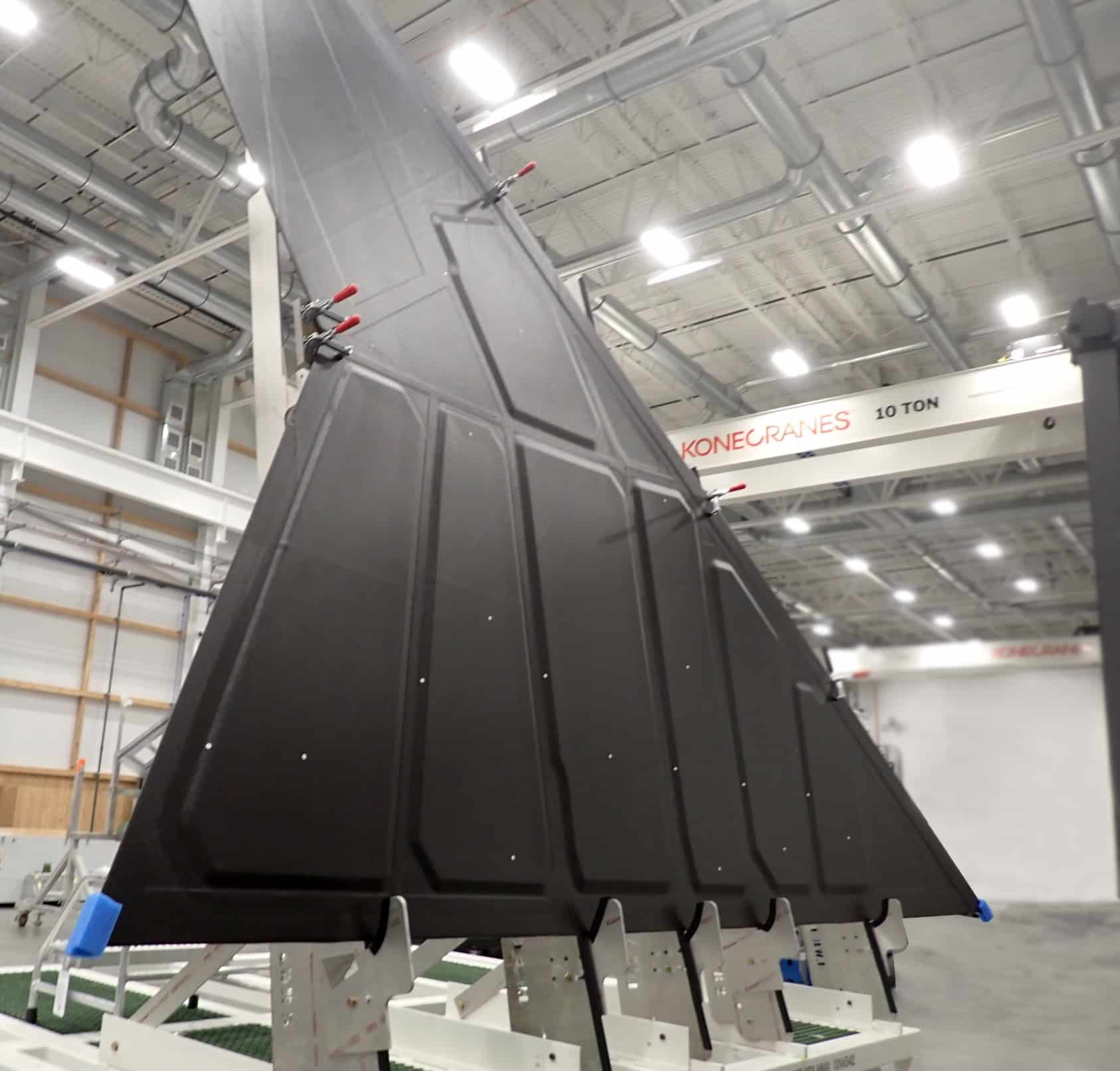
The company set an aggressive timeline towards the first flight of Vectis, which remains on track to fly by the end of 2027. Production is already underway, with Lockheed Martin releasing photos showing components of the aircraft coming together.
The company says it has been applying digital engineering and manufacturing techniques developed through years of investment across its advanced development programs. Because of this, it was possible to significantly accelerate the development.
In fact, according to Fehlen, the Vectis team moved from an initial design concept to wind tunnel testing in less than two months. The first digital build was completed in six months, while the first part release was after eight months.
The company says it is using real production processes from the beginning, rather than developing prototype-only manufacturing techniques that would later have to be replaced for an eventual serial production.
A 34-foot stealthy CCA
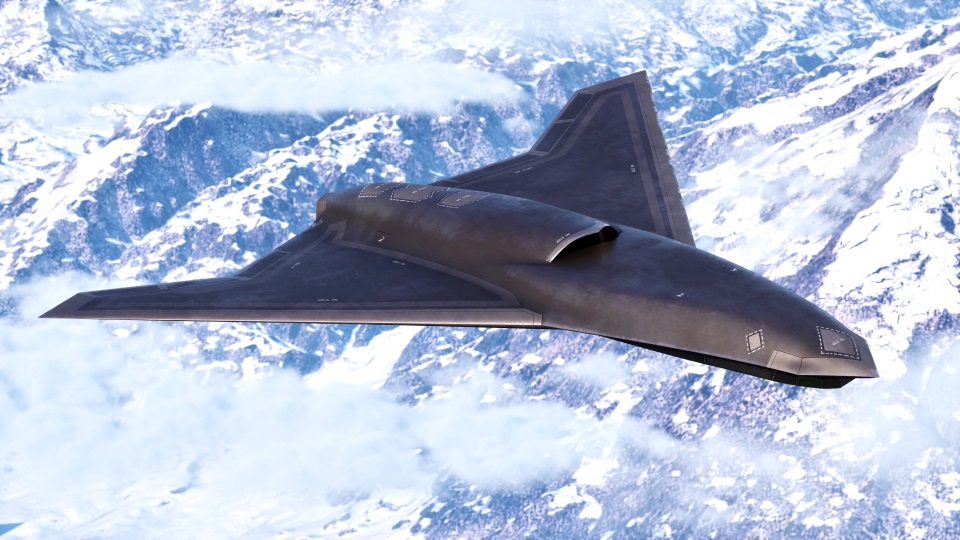
The full-scale model displayed at the Air, Space & Cyber Conference provides a better understanding of the size and configuration of Vectis. According to the company, the aircraft is approximately 34 feet (10.4 meters) long and has a wingspan of about 38 feet (11.6 meters).
Its configuration is based on a tailless design with a lambda wing planform incorporating swept surfaces and a distinctive upper, or “submerged,” air inlet. Notably, the inlet had previously been concealed from public view but is now visible on the full-scale model.
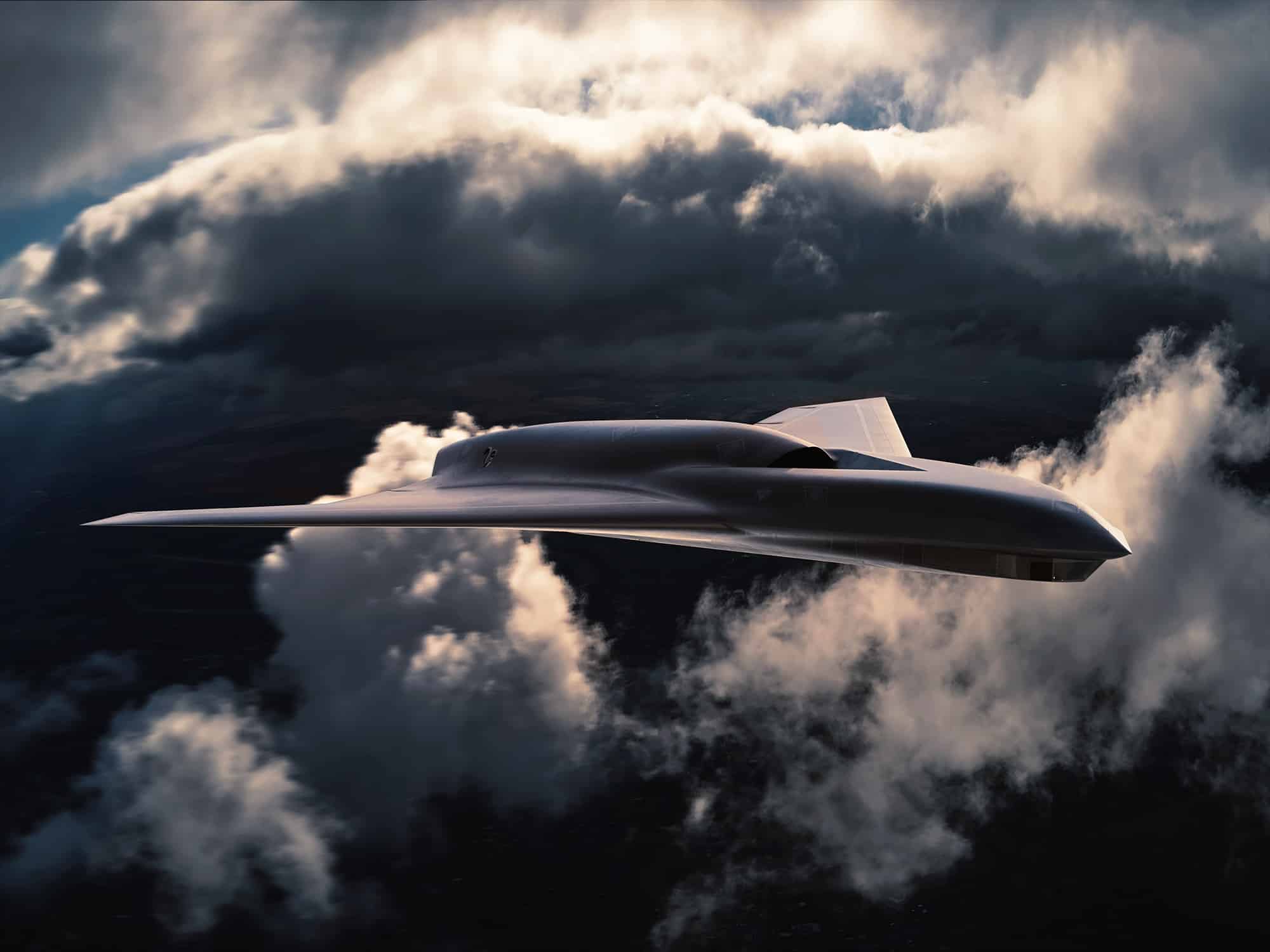
Fehlen said the submerged inlet has been part of the Vectis design from the beginning rather than being a recent evolution. However, it was decide to wait before showing it publicly.
One of its purposes is to reduce frontal drag by avoiding an inlet protruding into the airflow. The configuration is also intended to provide an operational advantage when the aircraft is operating from austere locations, reducing the risk of Foreign Object Debris (FOD) being ingested by the inlet.
Similarly, the tailless configuration is intended to further reduce drag and maximize the range. At the same time, this also provides greater flexibility in shaping the aircraft for low observability.
Designed around affordability
Lockheed Martin is also placing considerable emphasis on cost. The company has previously stated that Vectis is intended to be offered at a competitive CCA price point, while Fehlen reiterated that affordability is a key consideration throughout the design and manufacturing process.
The company is using a manufacturing technique called minimal tooling determinant assembly to reduce the amount of labor required to assemble the aircraft. The process is intended to simplify the construction of the airframe while reducing the number of opportunities for manufacturing errors.
According to Fehlen, this technique allowed to achieve reductions of as much as 80 percent in labor hours and an increase in first-pass yield, that is the percentage of components that makes it through quality control at the first time. The company has also significantly reduced the number of parts required to construct the aircraft.
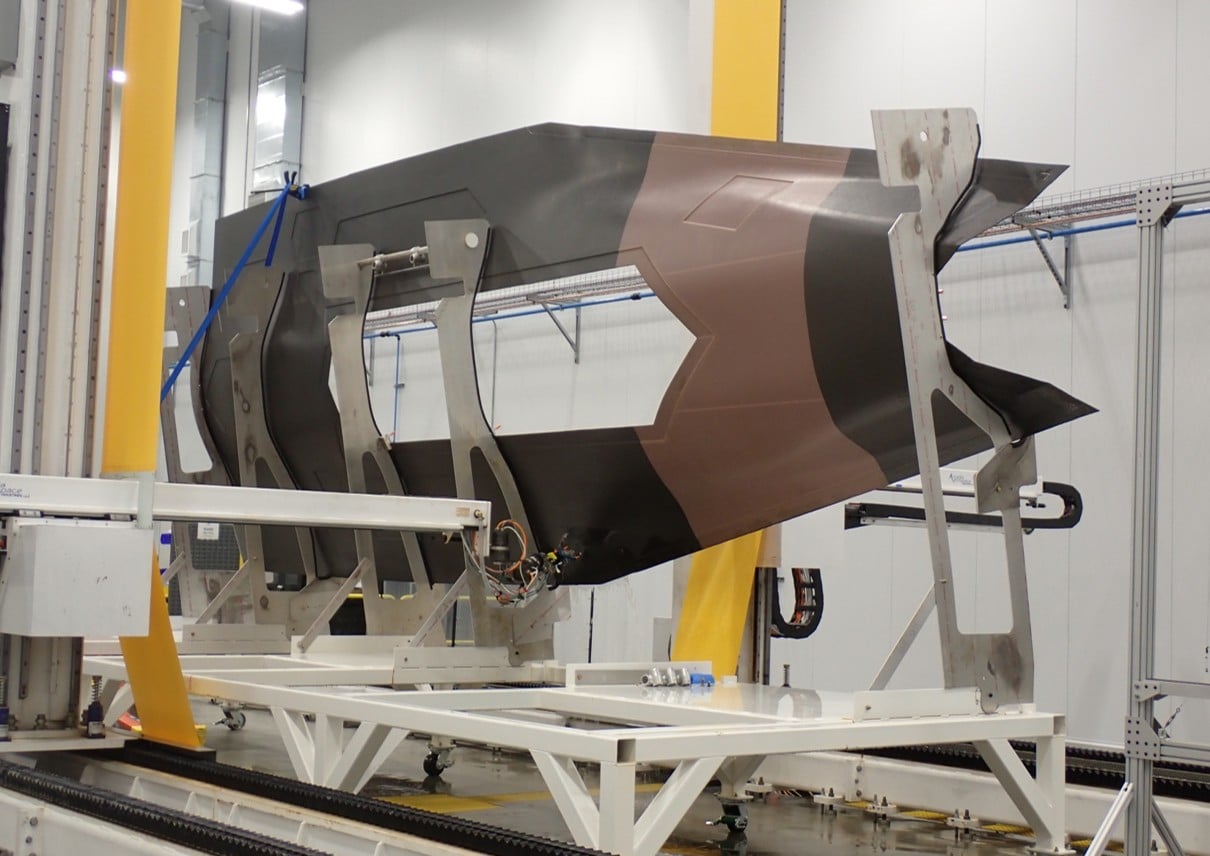
Fehlen compared the approach to assembling furniture from IKEA: components are designed to fit together in a straightforward manner rather than requiring extensive drilling, gluing or other labor-intensive operations during final assembly. The approach thus provides limited opportunity for error.
Not simply an attritable drone
Vectis is also notable because Lockheed Martin is positioning it differently from the lower-cost, potentially attritable end of the uncrewed combat aircraft market. During the roundtable, Fehlen drew a distinction between the attritable concept and Vectis.
Attritable systems are generally associated with substantially lower acquisition costs and a willingness to accept a higher degree of risk to the aircraft. This defines a different price point than the CCA community has been targeting, said Fehlen, which often also means a different capability point.
Vectis, by contrast, is being designed around achieving a competitive cost while maximizing capability. These aspects are the ones customers are looking for, added Fehlen, and are being integrated into a survivable solution.
Specifics on the expected unit price have not been released, although Lockheed Martin said it is working to remain competitive in the general price regime of CCAs. The U.S. Air Force previously said it set a price target of around $20 million per aircraft for the CCAs acquired as part of the Increment 1.