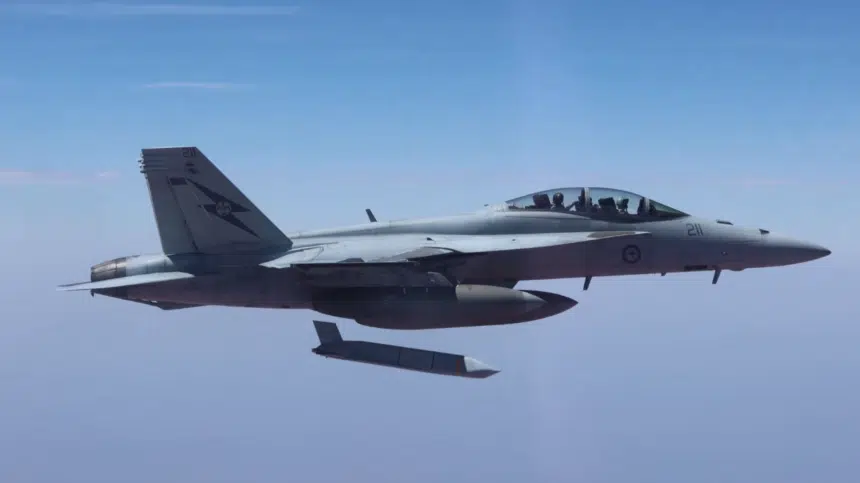
New official visuals show RAAF F/A-18F Super Hornets releasing AGM-158B JASSM-ERs and a P-8A Poseidon striking a target ship with an AGM-158C LRASM during live-fire tests in 2025 and 2026.
The Royal Australian Air Force (RAAF) has achieved an Initial Operational Capability (IOC) for the AGM-158C Long Range Anti-Ship Missile (LRASM) and the AGM-158B Joint Air-to-Surface Standoff Missile-Extended Range (JASSM-ER), the country’s defense department announced on Sep. 11, 2026. The release added that the IOC followed operational testing campaigns of the missiles on RAAF F/A-18F Super Hornets and P-8A Poseidon maritime patrol and ASW aircraft.
New official visuals also showed the missiles being mounted, released and impacting targets. The trials included validation of weapons preparation and loading, followed by targeting and successful weapon engagement by RAAF aircraft, Defence Australia said.
The statement said a test in February 2025 saw two LRASMs successfully fired at the Point Mugu Sea Range in the United States. Another test a few months later in November involved two JASSM-ERs fired at the Woomera Test Range in South Australia.
More recently, during Exercise Rim of the Pacific 26 (RIMPAC) in the Hawaii, which concluded on Jul. 31, 2026, the RAAF said it further expanded the operational testing when the service’s P-8A Poseidon successfully fired an LRASM at a target.
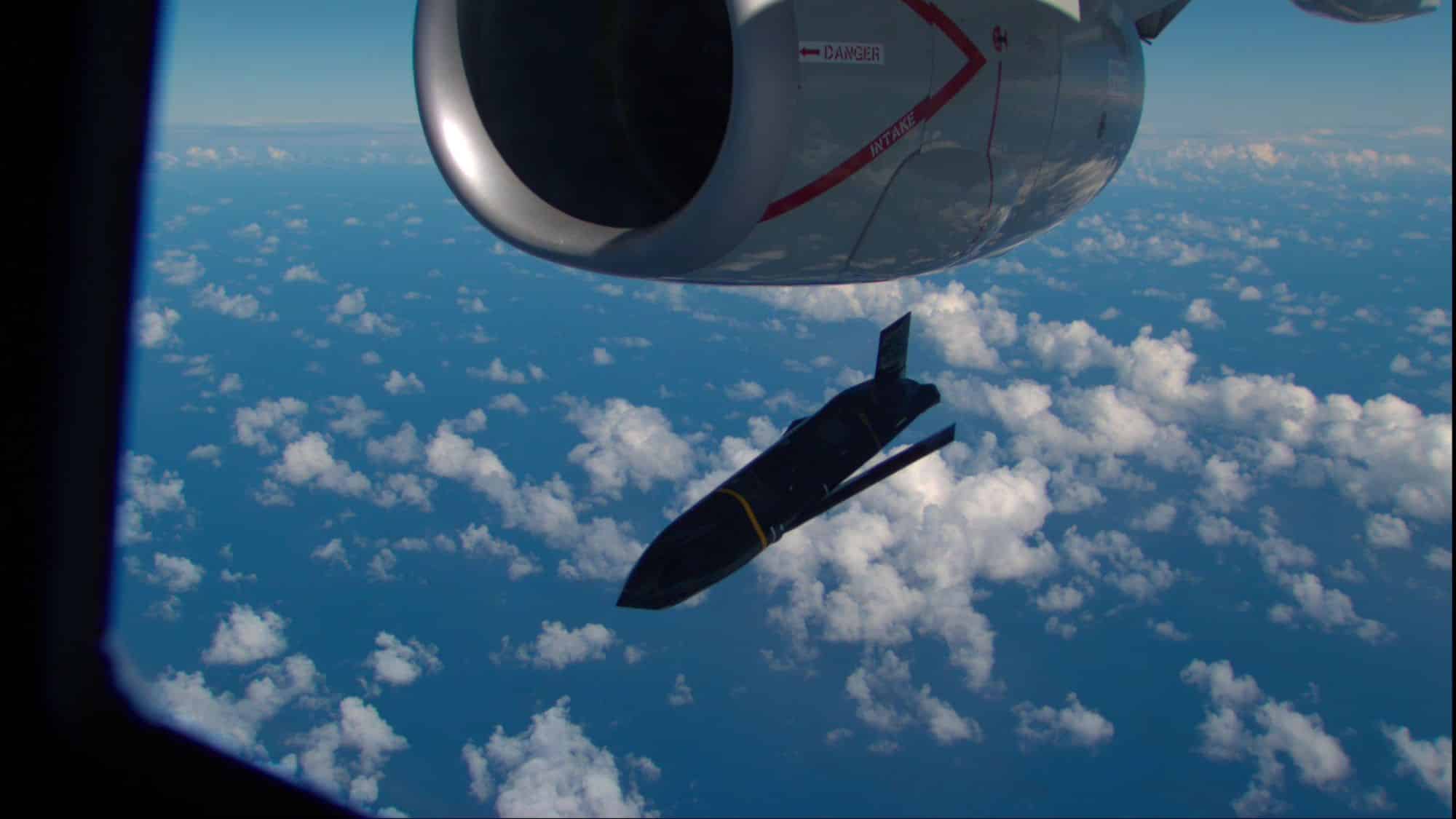
Theres video from the RAAF showing the drop from the observers window. pic.twitter.com/vsB1jAfuI0
— 𝗦𝗥_𝗣𝗹𝗮𝗻𝗲𝘀𝗽𝗼𝘁𝘁𝗲𝗿 (@SR_Planespotter) September 12, 2026
The Australian Defence Force (ADF) has allocated a significant budget of $895.5 million to acquire the LRASM. More broadly, Australia has allocated $28–35 billion over the next decade to develop and enhance targeting and long-range strike capabilities.
Supporting Australia’s defense strategy
Chief of Air Force Air Marshal Stephen Chappell said the LRASM’s and the JASSM’s IOC displays the RAAF’s capability “to conduct long-range, survivable and lethal maritime and land strike, from F/A-18F Super Hornet aircraft, against highly defended targets.” He further added that, “by acquiring a suite of long-range maritime and land strike missiles, Air Force will increase the lethality of our air combat aircraft and avoid increasingly sophisticated air defences.”
Yes, here it is:
Link:https://t.co/LCcTMWfwRD pic.twitter.com/u48oMgZoPa
— Guy Plopsky (@GuyPlopsky) September 12, 2026
Chappell stressed the need for long-distance attacks and described an employment concept that poses operational and tactical dilemmas for an adversary. “We are continuing to develop and grow the Air Force’s ability to precisely strike targets at long-range,” he said. “This will allow the Air Force, as part of the integrated, focused force, to further enhance deterrence by holding potential adversary forces and infrastructure at risk from a greater distance.”
The JASSM and LRASM testing and the IOC were a collaborative, “whole-of-government” effort by the Royal Australian Air Force (RAAF), Defence Delivery Group, Joint Capabilities Group, and the United States military and industry partners.
The introduction of LRASM and JASSM into service is consistent with Canberra’s National Defence Strategy (NDS), which calls for “long-range strike capabilities” to “further enhance Defence’s ability to deliver deterrence through denial as an integrated, focused force,” the statement from Australian Department of Defence said.
RAAF JASSM-ER test
As The Aviationist reported in March 2025, RAAF aircraft were in the U.S. to participate in the Red Flag Nellis 25-1 and Bamboo Eagle 25-1 exercises, which ran from Jan. 27 to Feb. 6 and from Feb. 8 to Feb. 15, respectively. The Feb. 2025 RAAF Super Hornet-LRASM tests may have taken place during the latter exercise, which simulated “long-range strike missions, maritime integration, and multi-domain coordination” in the Indo-Pacific.
That test involved two RAAF F/A-18E/Fs, each carrying an LRASM, supported by the service’s E-7A Wedgetail Airborne Early Warning and Control (AEW&C) aircraft, and at least an E/A-18G Growler and a U.S. Navy P-8A Poseidon. The trial simulated a long-range maritime strike against a potential adversary, with the MoD video capturing the weapon’s release from inside the cockpit as well as from an external viewpoint.
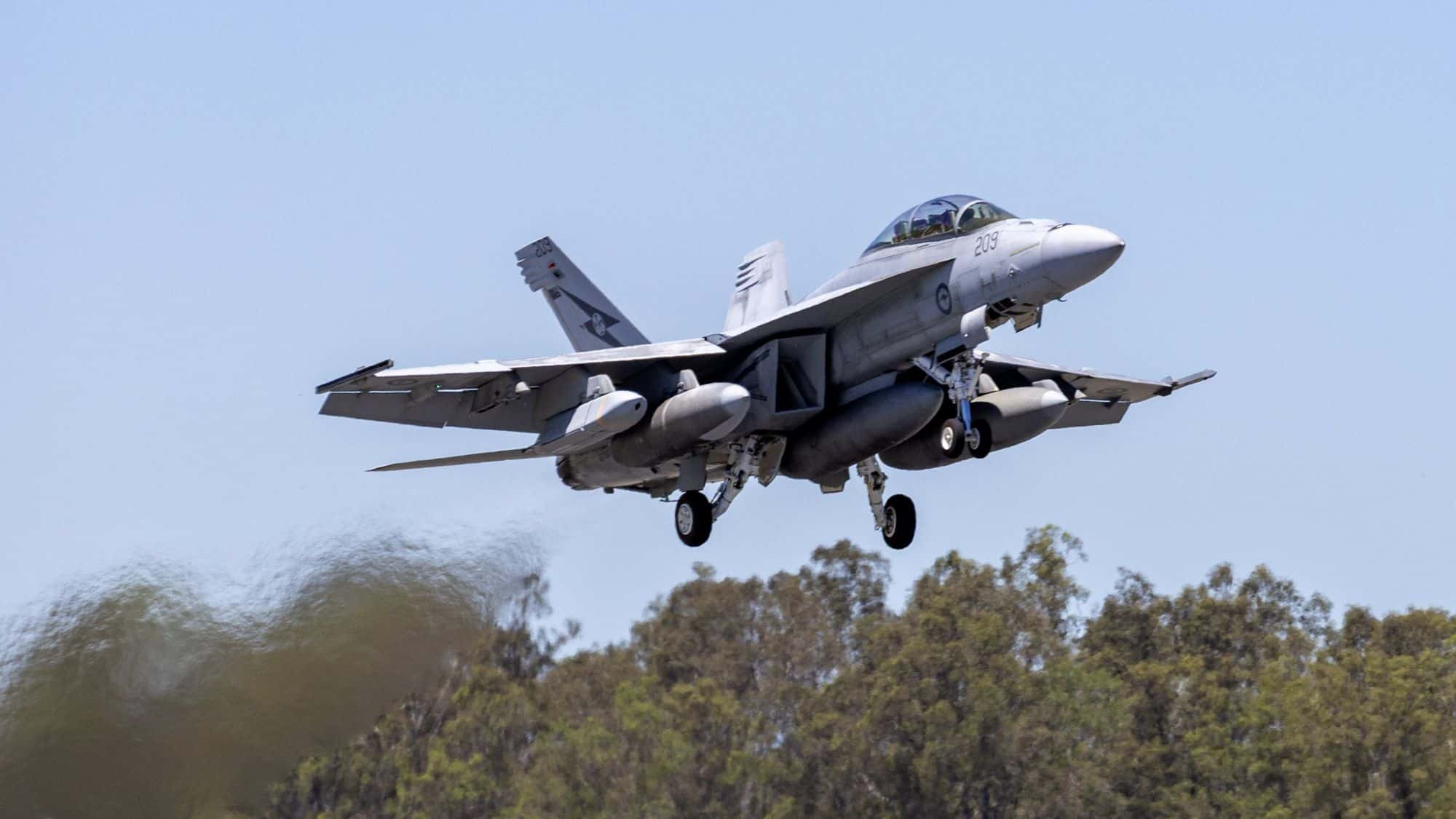
Following the JASSM-ER trials at the Woomera Test Range by the RAAF’s Super Hornets in November 2025, Defence Australia released an image of a No. 82 Wing F/A-18F taking off from RAAF Base Amberley, Queensland. The jet is seen carrying a single live JASSM-ER (as noted by the yellow band) on its starboard (right-side) wing.
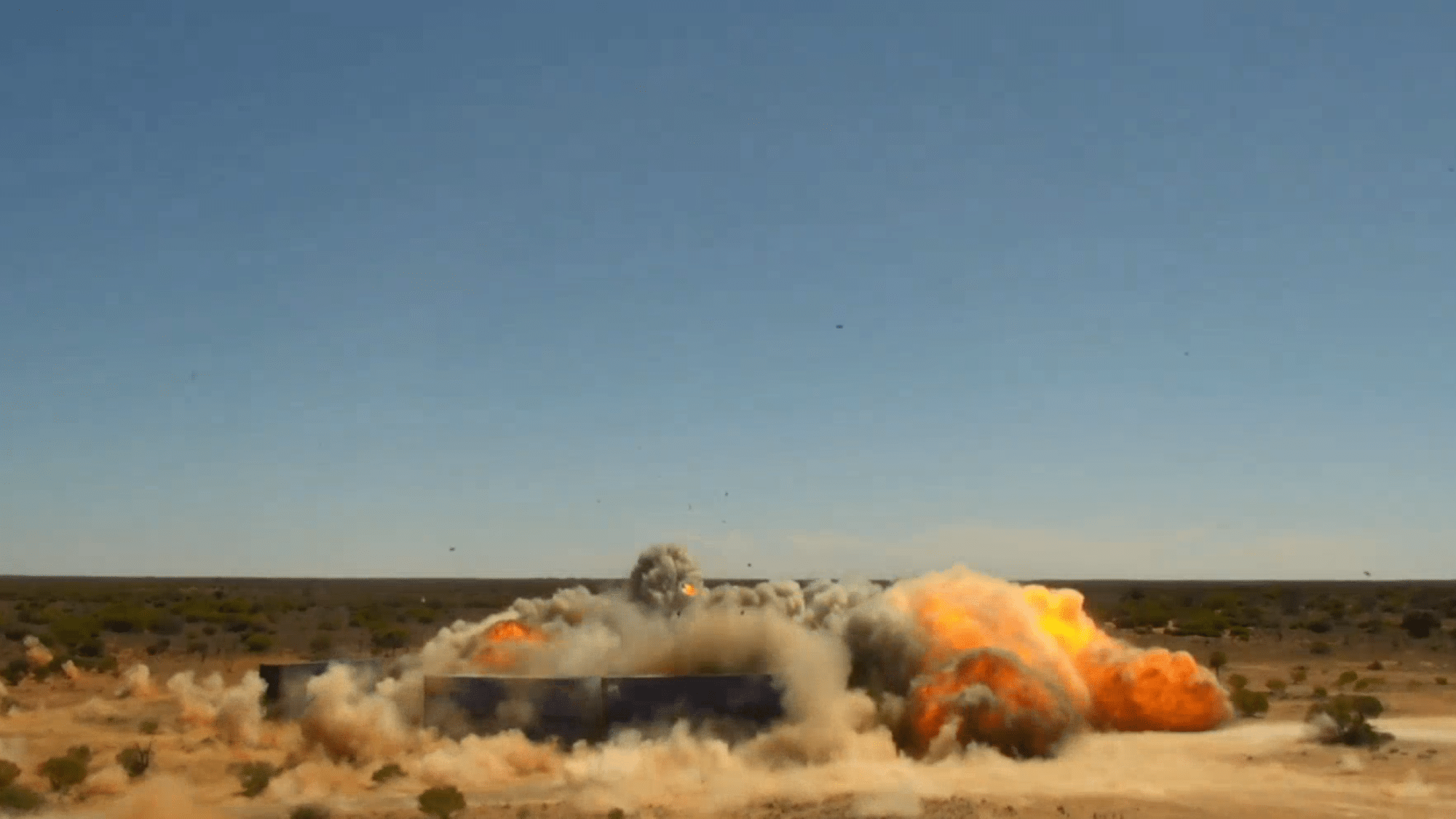
The caption said “two successful firings” were conducted as a part of the MULGA VENOM 2025 exercise. A video released by Defence Australia showed the ground target – a collection of shipping containers – being hit by the JASSM-ER, captured by various surrounding cameras.
LRASM live-fire
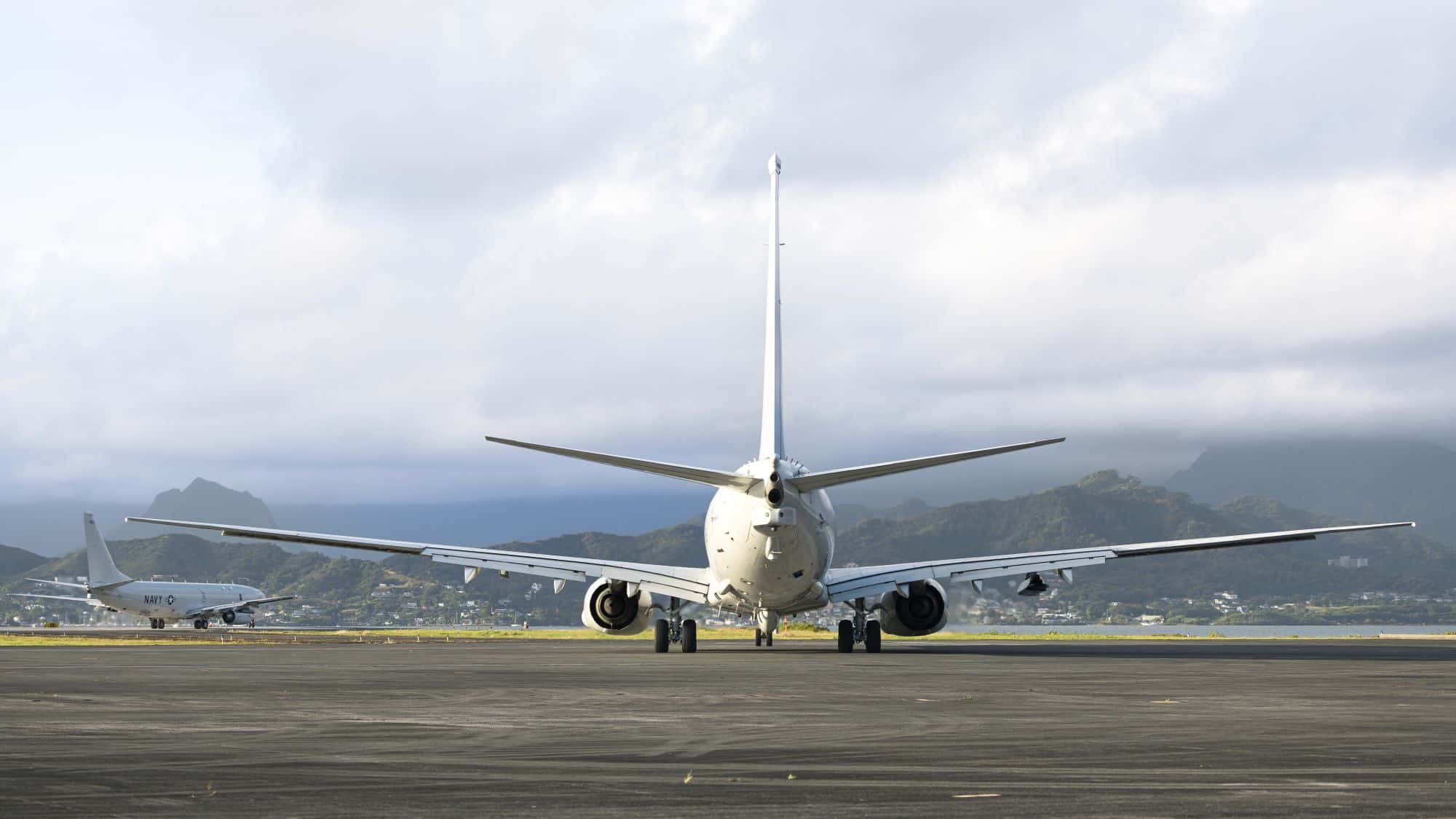
The LRASM live test fire by an RAAF P-8A Poseidon involved an aircraft from the No. 92 Wing that deployed to Marine Corps Base Hawaii in July, part of Exercise Medusa Fury. Medusa Fury was part of the broader RIMPAC 2026 drills.
Official visuals showed the live LRASM being mounted on the starboard wing of the RAAF P-8A at MCB. Another image showed two P-8As, one of the RAAF and the other of the U.S. Navy, carrying one and two LRASM weapons, respectively.
A picture showed a ship, the retired U.S. Navy Ticonderoga-class cruiser USS Mobile Bay, being hit on its rear mast. The caption attributed the strike to the LRASM fired from the RAAF P-8A Poseidon. Joint-Base Pearl Harbor-Hickam revealed in a Facebook post on Jul. 23, 2026 that the USS Mobile Bay and the USS Peleliu had completed their final missions as SINKEX targets during RIMPAC 2026.
Before the RAAF’s P-8A/LRASM test, the U.S. Air Force’s B-2 Spirit also fired the LRASM for the first time in a Sinking Exercise (SINKEX) as a part of Exercise Valiant Shield 2026 in the Philippine Sea. The specific event took place on Jun. 27, 2026 at the Mariana Island Range Complex, with the LRASM hitting the retired Austin-class amphibious transport dock USS Juneau (LPD 10).
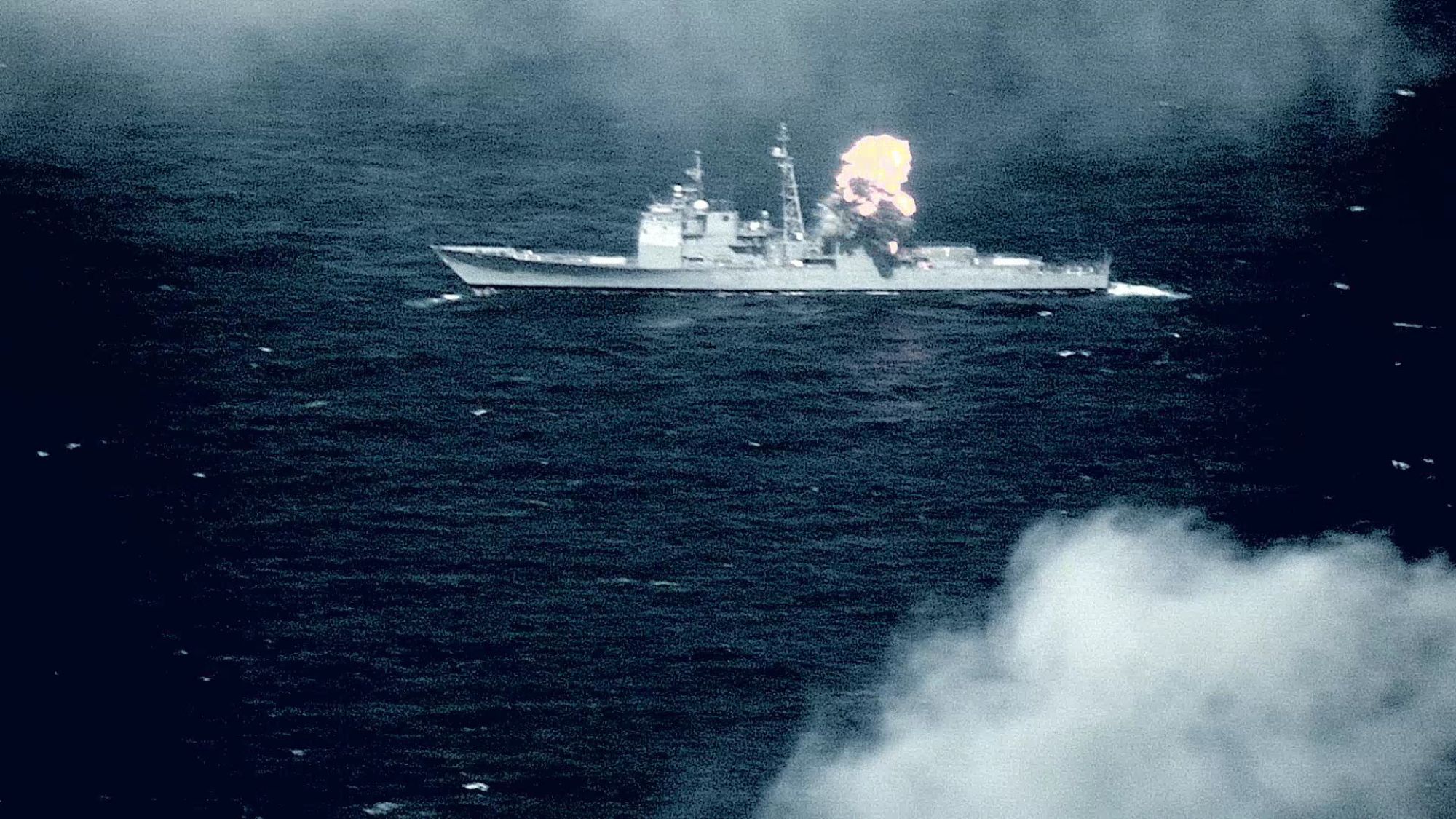
The image’s caption said: “This activity marked an important step in broadening the ADF’s maritime strike options, transitioning LRASM employment beyond the F/A-18F Super Hornet and enhancing the reach and flexibility of Australia’s air and maritime integration.”
The release described the LRASM as a 370 km-plus range air-launched “precision guided, semi-autonomous missile” meant to strike “high-value, well-defended maritime targets.” The JASSM-ER, the missile from which the LRASM is derived, is an air-launched, long-range land-strike precision-guided missile that can reach targets at ranges of 900 km.