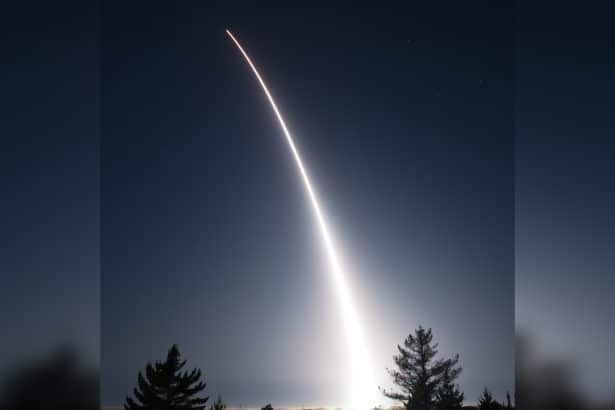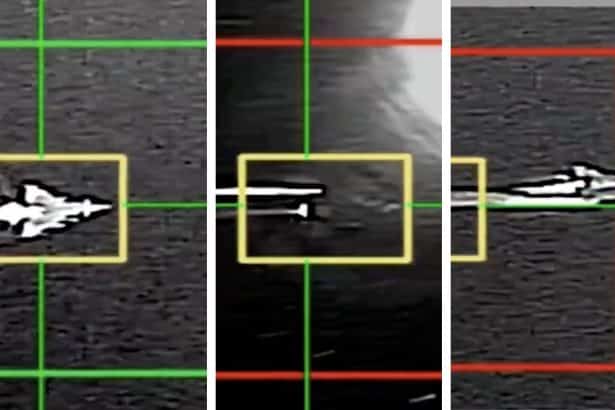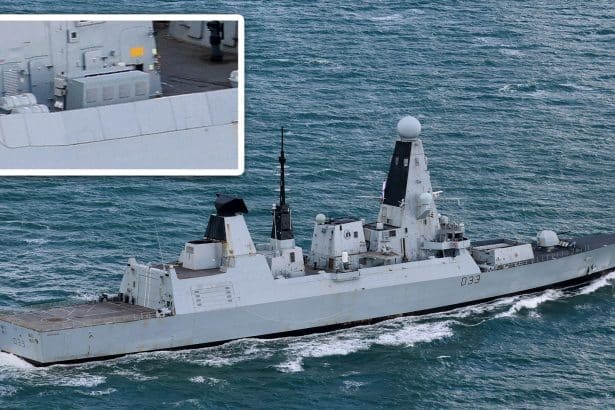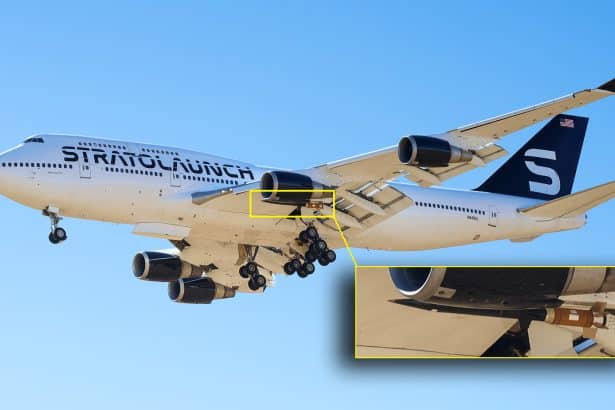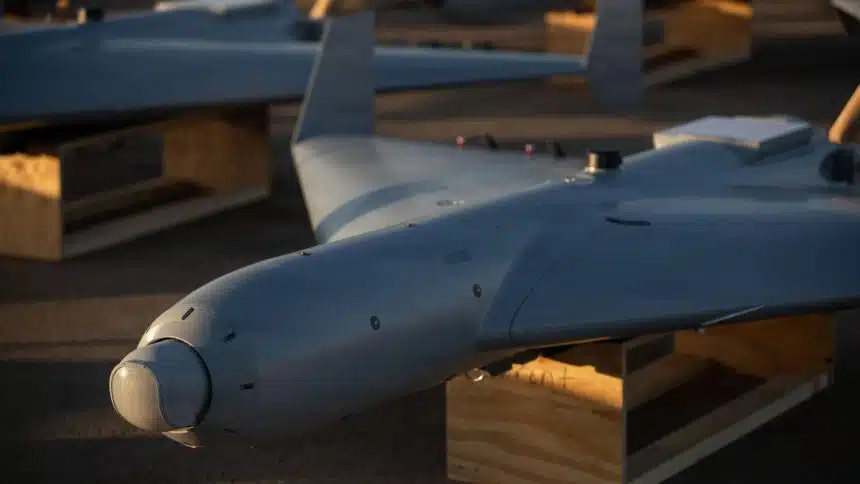
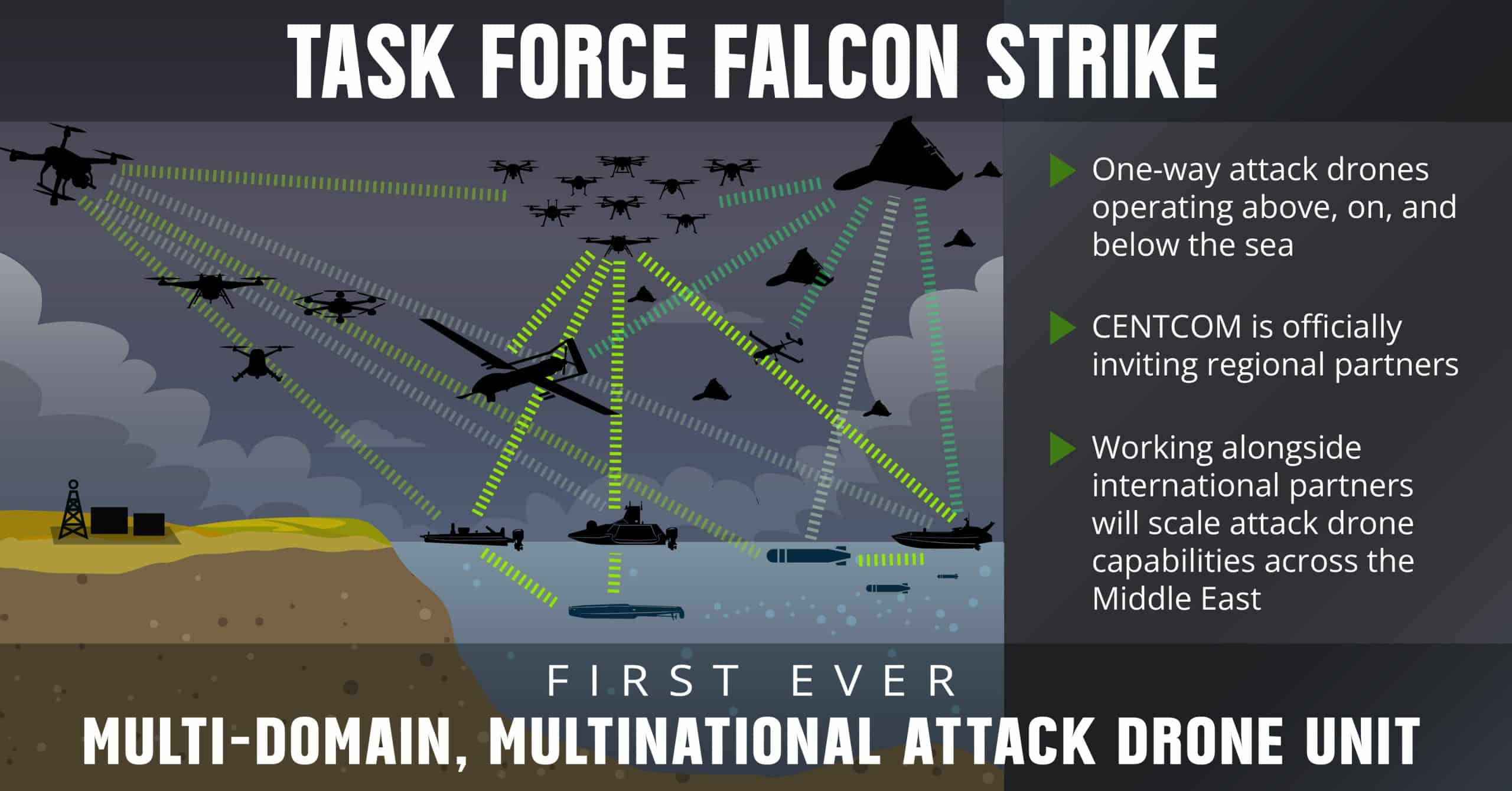
Task Force Falcon Strike will bring together U.S. and regional forces operating one-way attack drones in the air, on the surface and underwater.
The U.S. Central Command (CENTCOM) is taking the next step in its rapidly expanding use of One-Way Attack (OWA) drones. On Aug. 13, 2026, the command announced the creation of a new multinational task force, called ‘Falcon Strike’, that will integrate unmanned systems operating in the air, on the surface of the sea and underwater.
Compared to the earlier Scorpion Strike, the new task force will bring together U.S. military personnel and regional partners to operate OWA drones across multiple domains. CENTCOM said it has started consulting with and formally inviting regional partners to participate, although it has not yet identified them.
“Task Force Falcon Strike will expand on Scorpion Strike’s success given the tremendous innovation happening among our regional allies and partners,” CENTCOM commander Adm. Brad Cooper said. “Integrating and deploying our new capabilities together will help us rapidly realize the new possibilities that are on the horizon.”
The announcement comes only nine months after CENTCOM established Task Force Scorpion Strike, which was the U.S. military’s first dedicated OWA drone squadron in the Middle East. During this time, the unit achieved several operational firsts involving unmanned systems in combat.
From Scorpion Strike to Falcon Strike
Task Force Scorpion Strike was established in December 2025 as part of an effort to integrate one-way attack (OWA) drones into operations in the Middle East. The goal of the TF was to quickly deliver low cost and effective drone capabilities into the hands of warfighters.
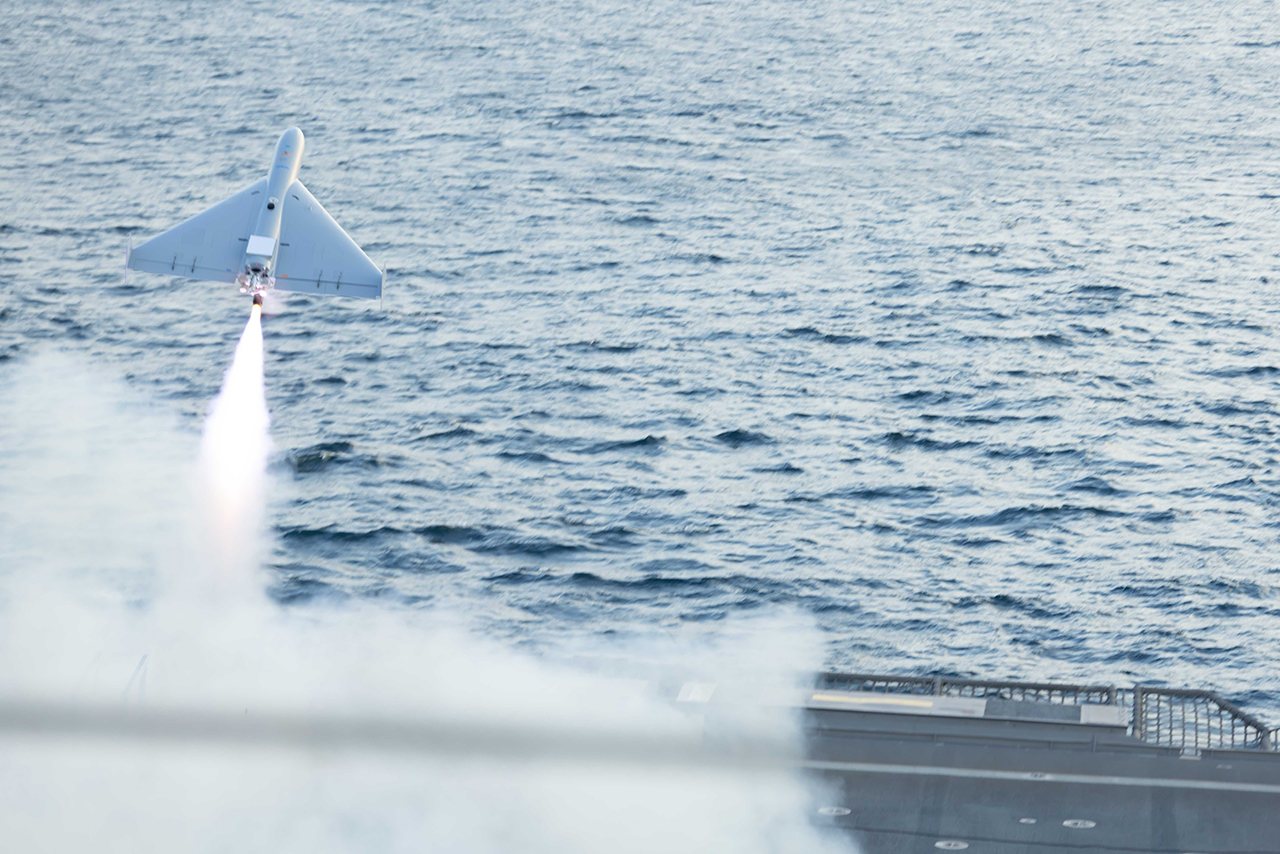
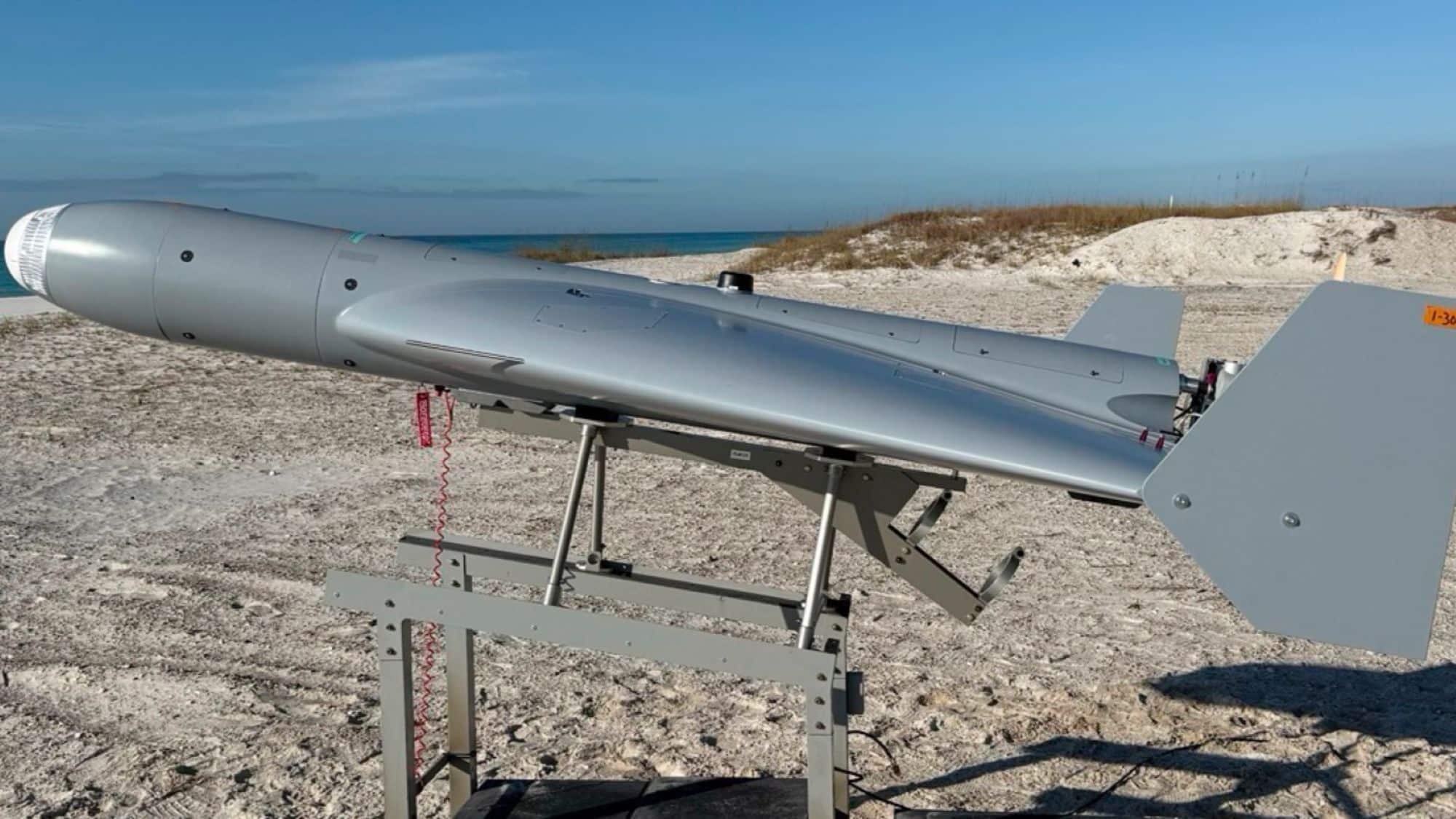
Among the systems used by the task force was the Shahed-like Low-cost Unmanned Combat Attack System (LUCAS) drone. One of the first milestones came shortly after the task force was established, when a LUCAS drone was launched from a U.S. Navy warship.
During Operation Epic Fury, U.S. forces employed OWA UAVs against Iran multiple times. The use of a relatively inexpensive one-way attack drone provided an option for striking lightly defended targets while preserving more sophisticated weapons.
The evolution of Scorpion Strike was not limited to aerial systems, as it later evolved to include Unmanned Surface Vessels (USV). In July, these were used to attack port facilities on Iran’s coast.
U.S. Special Operations Command Central (SOCCENT), which was involved in establishing Scorpion Strike, will now lead Falcon Strike’s staff of U.S. and regional representatives, says CENTCOM.
Above, on and below the sea
The wording used by CENTCOM to describe Falcon Strike is particularly significant. The statement said the task force will employ one-way attack drones consisting of unmanned systems operating “from above, on, and below the sea.”
The first two categories are already publicly acknowledged by the U.S. military, who confirmed the use of both UAV and USV systems in combat in the Middle East. However, while CENTCOM has acknowledged the use of Unmanned Underwater Vehicles (UUVs) in the region, it has not publicly acknowledged using a UUV as a one-way attack weapon in combat.
It currently remains unclear whether the task force will immediately field an existing U.S. underwater attack system or it is still being developed. As an alternative, the system could be provided by regional partners.
The introduction of one-way attack UUVs is not a small evolution in maritime warfare. While an USV can approach a target without placing a crew at risk while being easily detected, an underwater system could go almost undetected until the strike on the target.
A multinational approach
The other defining characteristic of Falcon Strike is that, unlike Scorpion Strike, it is being built around regional partners. As mentioned earlier, CENTCOM says it has begun the process of consulting with and formally inviting countries in the region to participate, but it has not identified the nations involved.
“As regional partners formally join, Task Force Falcon Strike will scale attack drone capabilities across the Middle East into a unified multi-domain, multinational deterrent,” CENTCOM said.
This approach could prove important because several U.S. partners in the Middle East have developed or acquired their own unmanned systems. Bringing those capabilities into a common framework could provide CENTCOM with access to a wider range of platforms while allowing regional forces to contribute their own operational experience.
The command has not yet indicated how the Task Force will be organized and if every partner will operate identical systems. It cannot be excluded that Falcon Strike could eventually become an umbrella under which different national platforms are integrated into a common operational concept.