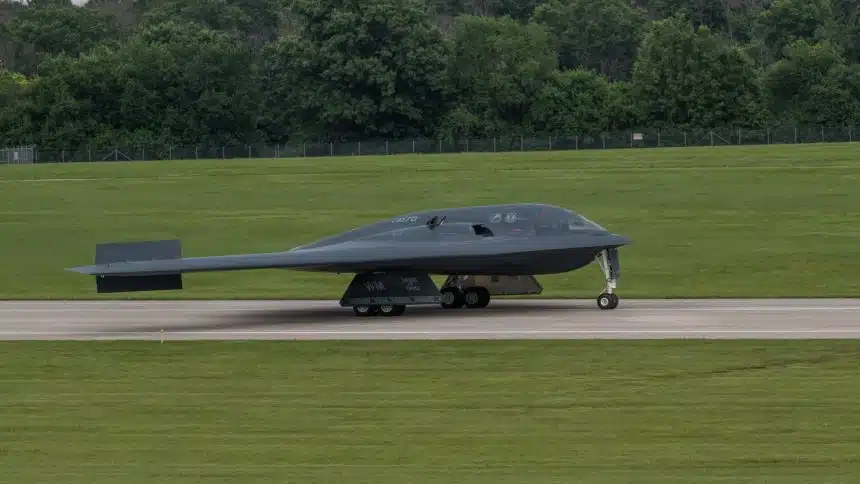
Authorities said Wu’s repeated photography of Whiteman AFB’s infrastructure, including after a warning, distinguished the case from ordinary aircraft photography.
Qilin Wu, the Chinese national who in January was charged with unlawfully photographing Whiteman AFB, Missouri, home to the U.S. Air Force’s B-2 Spirit bombers, was sentenced to six months in federal custody by U.S. Magistrate Judge Jill A. Morris in Kansas City, the Air Force Office of Special Investigations (AFOSI) said on Aug. 13, 2026.
The agency said that an investigation was launched because, despite receiving a warning to not photograph the base in the incident on Dec. 2, 2025, Wu returned to the spot the next day and continued capturing new photos of the installation.
Apr 21: 🇨🇳 national Qilin Wu pleaded guilty in federal court to one count of taking photographs of a vital military installation and military equipment without authorization.
On Dec 2, 2025, the Whiteman Air Force Base Office of Special Investigations (AFOSI) investigated a… https://t.co/OJlLPdOwNc pic.twitter.com/NwTtjpUx3N
— Byron Wan (@Byron_Wan) April 23, 2026
This was also explained in the press release: “In Wu’s case, investigators said the concern was not just his camera, but that he returned after being warned and photographed more than the aircraft. That conduct ultimately led to an investigation, guilty plea and sentencing.”
Following his formal arrest, the U.S. Department of Justice (DOJ) on Apr. 22 announced that Wu had pleaded guilty before U.S. Magistrate Judge Jill A. Morris. In the sentencing hearing earlier last month, Wu was remanded to the custody of the U.S. Marshals Service.
He had previously entered the country illegally in June 2023, and was arrested a first time by the Immigration and Customs Enforcement (ICE). “Due to a lack of detention space, Wu was released on his own recognizance to await immigration removal proceedings originally scheduled for Feb. 9, 2027,” said the DOJ. On Dec. 3, 2025, he was arrested once again by ICE.
The case
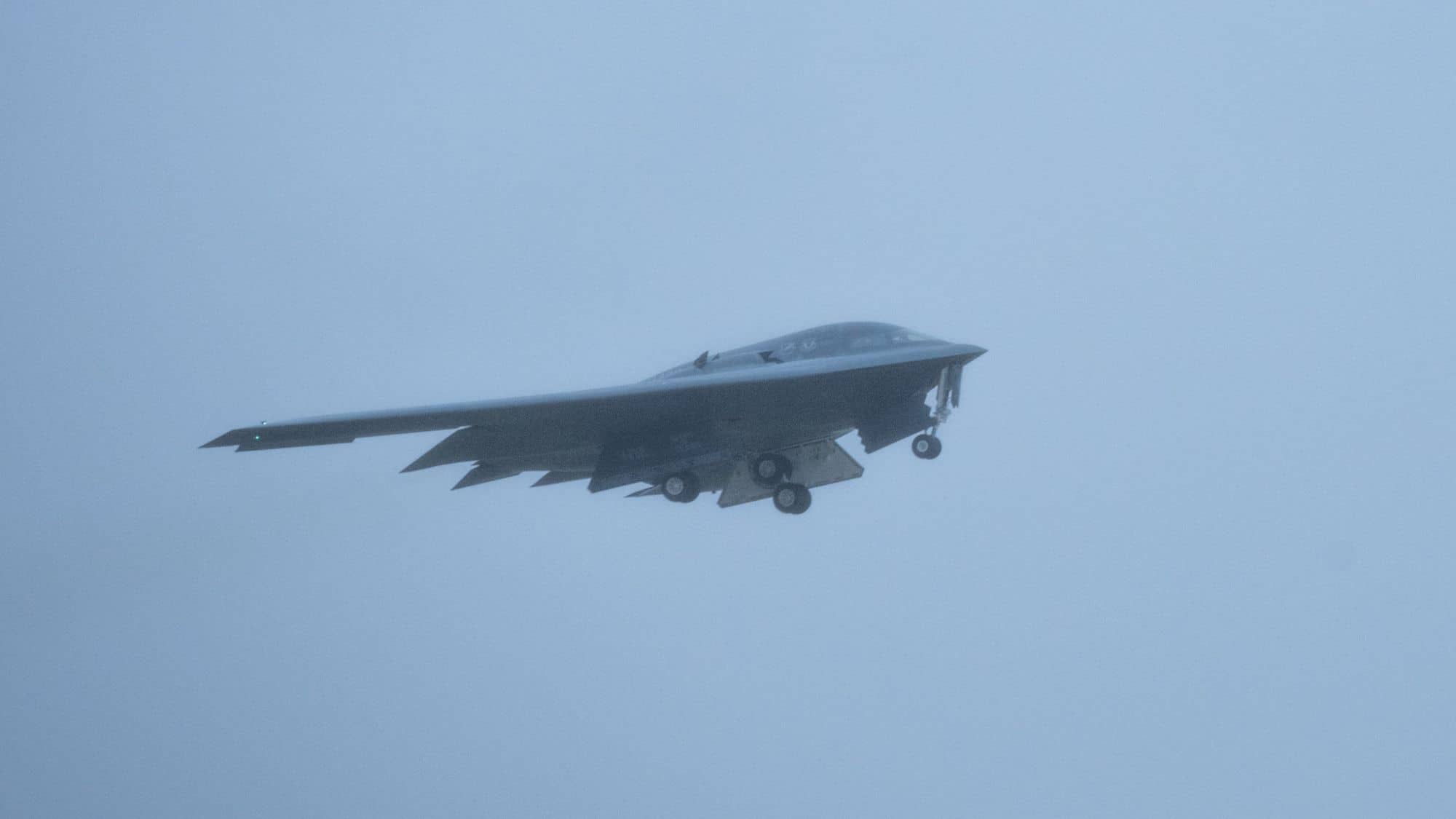
The incident in question took place on Dec. 2, 2025, when members of the 509th Security Forces Squadron responded to a report of a suspicious minivan near Whiteman’s perimeter. Wu, who was driving a vehicle with Massachusetts license plates, said he had come to observe the B-2.
In addition to the B-2 bombers, he photographed base infrastructure and equipment, going beyond mere aviation photography. As we had written at the time:
“[…] in the United States, photographing military installations from public land is generally lawful and protected, and by itself does not constitute a crime. Plane spotting and photography near air bases is a long-established and largely accepted practice, provided no trespassing occurs and no other laws are violated.”
However, the circumstances and the return after being warned heightened the investigators’ concerns. The AFOSI release quoted a senior unidentified official who noted the “pattern of behavior” which “made this different.”
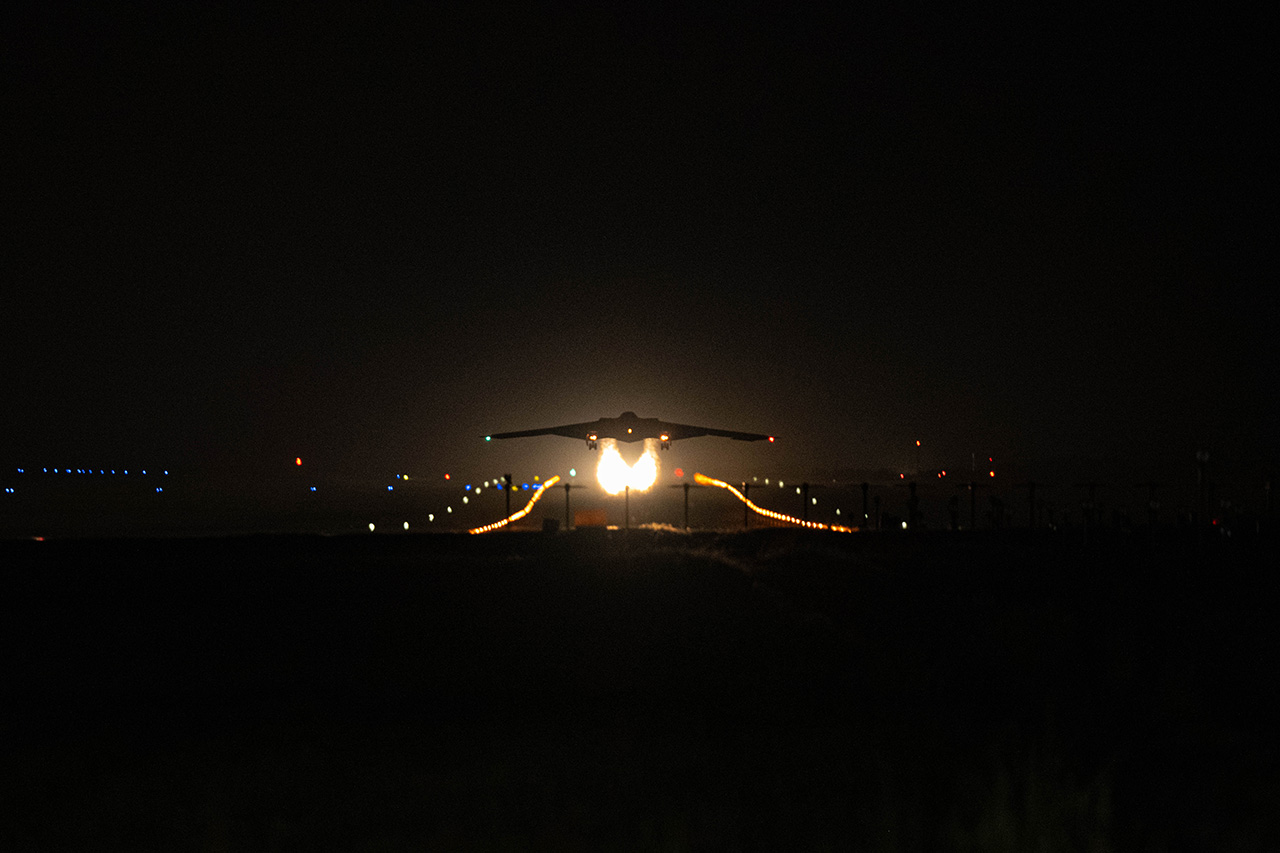
“In Wu’s case, investigators focused on his repeated conduct, his return after being warned and the subjects captured in his photographs,” the AFOSI press release said. The DOJ had said that 18 images and videos were found on Wu’s phone, showing the base area, the aircraft and other military equipment.
He also admitted that he had photographed other locations in Florida and Virginia, although the press release did not identify them.
A Cold War-era legal framework
The AFOSI mentioned the use of the Cold War-era Executive Order 10104 signed by late President Harry S. Truman on Feb. 1, 1950. The other law applied in Wu’s prosecution was Section 795 of United States Code Title 18.
Both laws deal with “unauthorized photographs, sketches, maps and other visual representations“ of U.S. military bases and equipment. Specifically, Executive Order 10104 established the framework for designating military installations and equipment subject to these restrictions, while Section 795 of Title 18 of the U.S. Code provides the criminal penalties for unauthorized photography and other visual representations.
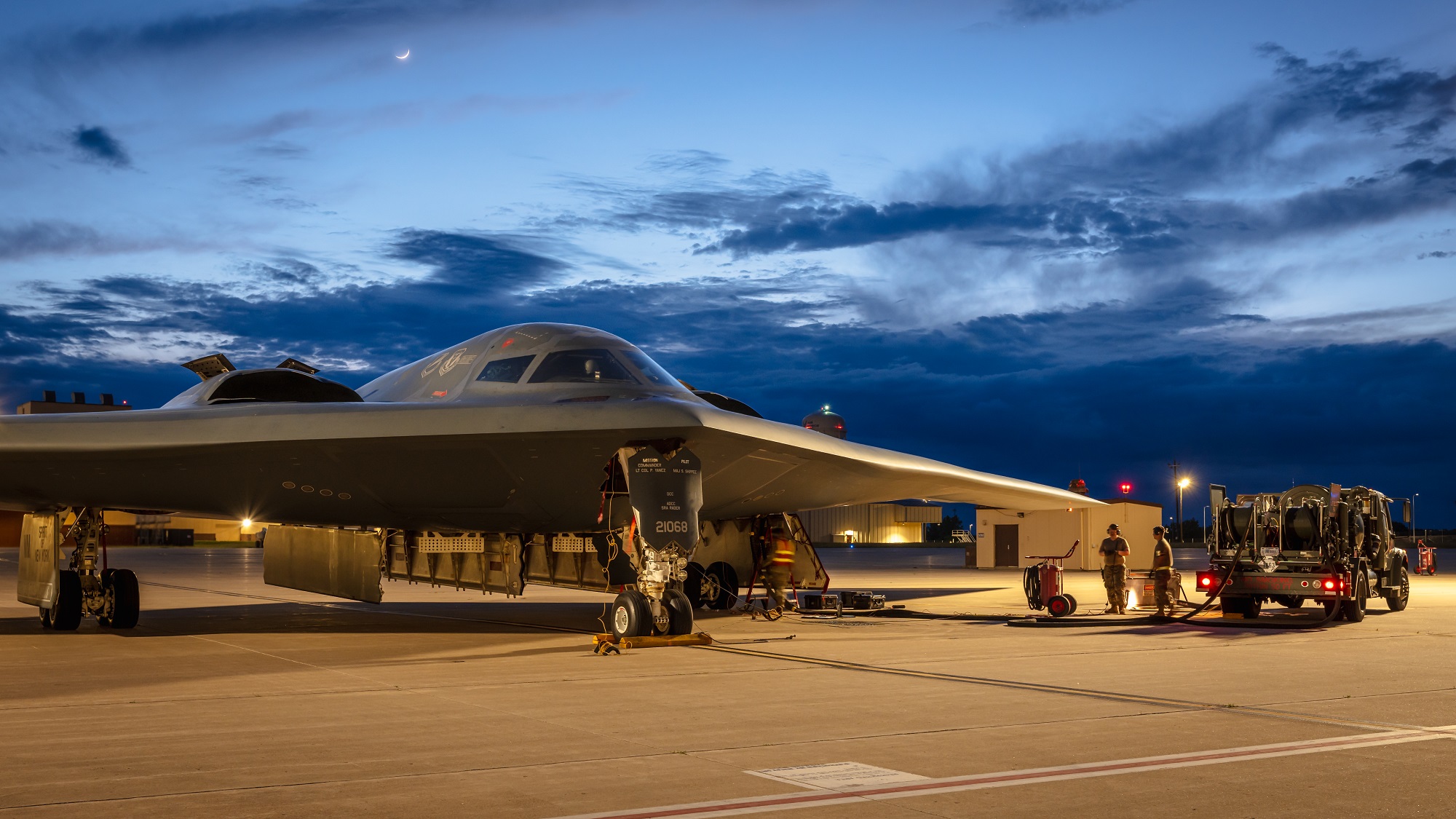
Wu admitted that he repeatedly photographed aircraft and infrastructure at Whiteman as well as locations in Florida and Virginia. He could have faced up to a year in prison, as well as a fine, but the court sentenced him to six months.
Col. David Bethel, commander of the AFOSI Region 8, said that “when someone gathers information around a sensitive military installation, AFOSI has the tools to hold them accountable.” He further added this case was “about recognizing that the operating environment has changed,” referring to the shift from “clear-cut threats in overseas environments to more ambiguous activity around military installations inside the United States.”