The FY2027 NDAA sees lawmakers backing new right-to-repair measures, counter-drone initiatives and new A-10 restrictions to the retirement.
The House Armed Services Committee (HASC) has advanced a series of provisions as part of its Fiscal Year 2027 National Defense Authorization Act (NDAA) markup, which will now move forward in the legislation process. The new proposed measures combine support for emerging military technologies, acquisition reform initiatives, and continued congressional oversight of legacy aircraft programs such as the A-10 Thunderbolt II.
Among the provisions in the bill are renewed congressional efforts to expand military “right-to-repair” authority, which has been a longstanding debate point. According to the text of the HASC-approved bill, measures are being taken to improve access to technical data, maintenance information, and repair resources needed by military personnel and depots to sustain equipment without excessive reliance on original manufacturers.
Supporters argue the reforms would reduce costs, improve readiness, and allow servicemembers to repair equipment quicker in operational environments. The debate was mainly over intellectual property restrictions and contractor control of maintenance data, which manufacturers argued could have been put at risk by the reform.
Reflecting the lessons learned from recent conflicts by U.S. forces, emphasis was placed on counter-drone capabilities. The text highlights concerns about the growing use of low-cost unmanned aircraft systems in modern conflicts and the challenge of defeating large numbers of inexpensive drones with comparatively costly interceptors.
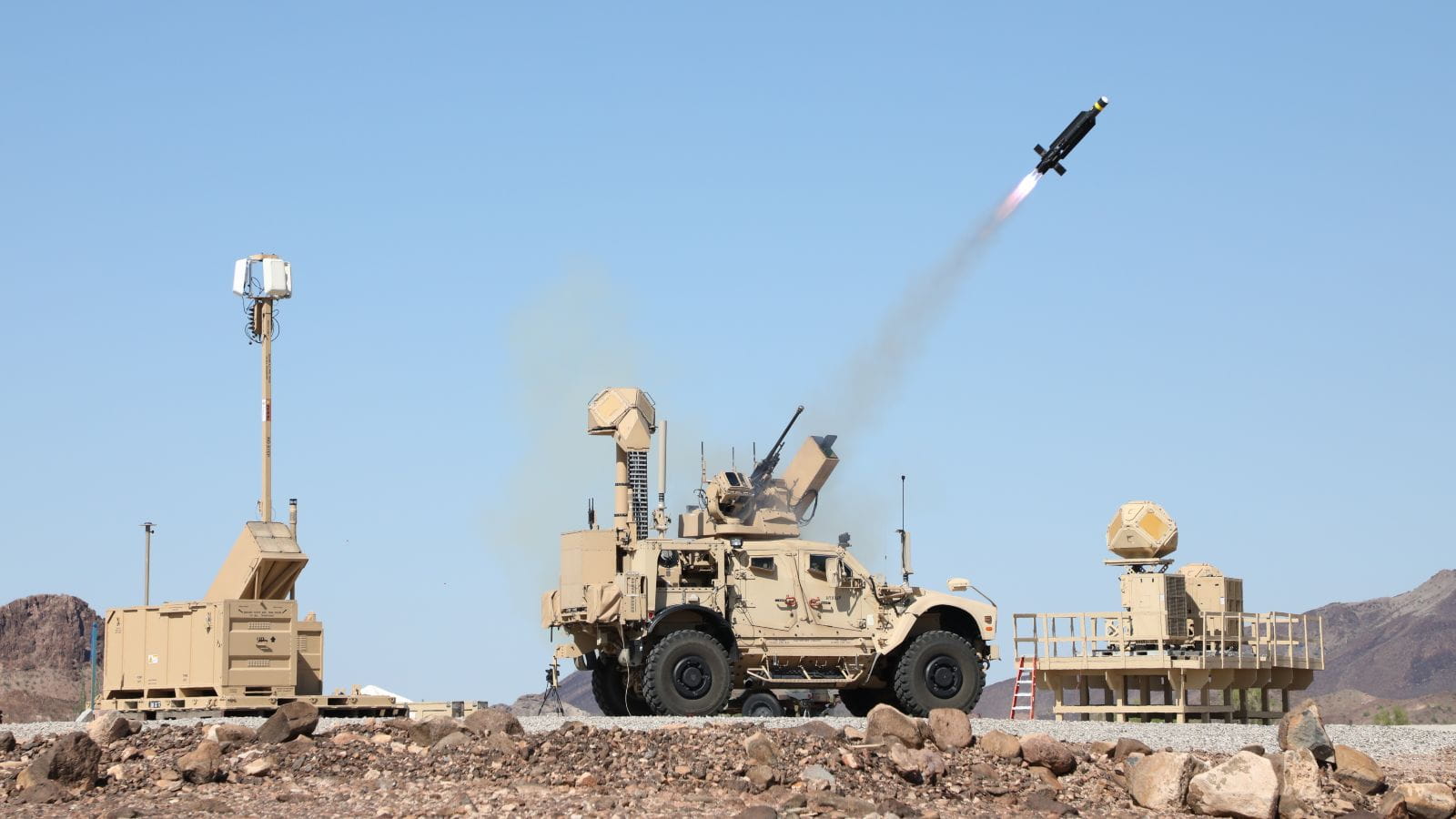
The committee specifically recognizes the need for attrition-ready, low-cost interceptor solutions capable of countering mass drone attacks against military installations and deployed forces. This reflects lessons observed in recent conflicts, where low-cost aerial threats have placed significant pressure on traditional air defense networks and highlighted the asymmetry of the costs involved for the attacker and the defender.
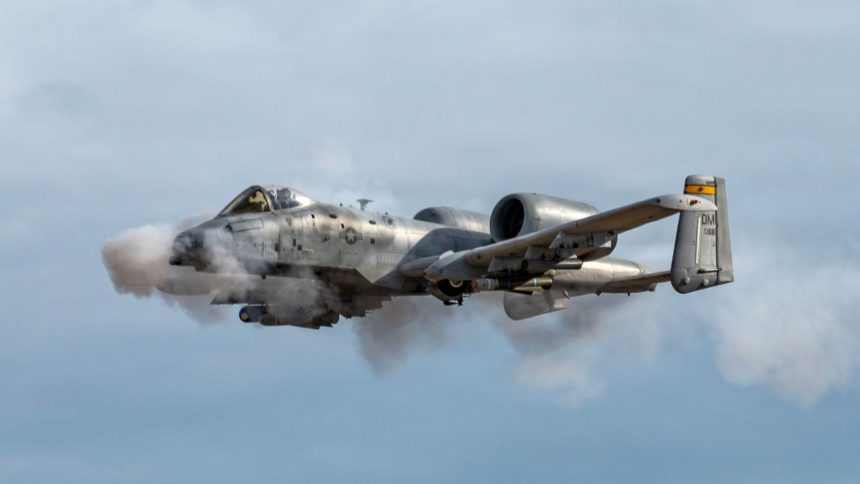
The package additionally contains language that could significantly affect the future of the A-10 Thunderbolt II fleet. In fact, lawmakers included provisions requiring the U.S. Air Force to satisfy several conditions before further retiring A-10 aircraft, potentially extending the service life once again.
As we often reported, there is a long-running dispute between Congress and the Air Force over the future of the close air support aircraft. While Air Force leaders have repeatedly sought to retire the A-10 in order to free resources for modernization priorities, many lawmakers continue to argue that the aircraft retains unique operational value and should not be divested prematurely.
Right-To-Repair
One of the provisions adopted by the House Armed Services Committee concerns military right-to-repair authorities, an issue that has gained increasing attention as sustainment costs continue to rise across major defense programs. The committee’s language seeks to address concerns about lack of sufficient access to technical data, software tools, diagnostic equipment, and intellectual property needed to independently maintain and repair military equipment.
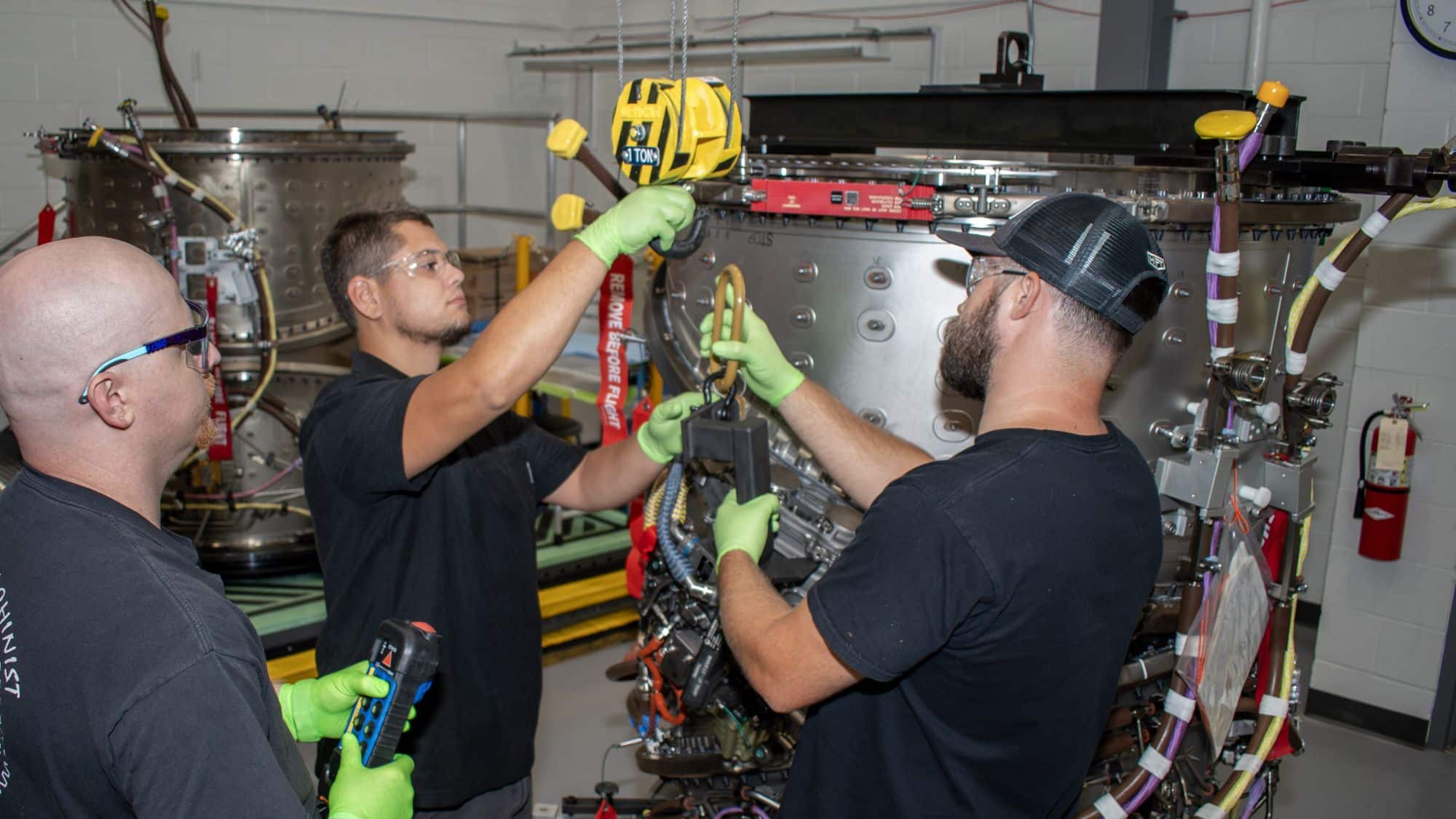
For years, lawmakers and Pentagon officials have argued that reliance on original equipment manufacturers for maintenance and repairs can create readiness bottlenecks while increasing lifecycle costs. In many cases, the problem was attributed to military personnel not possessing the necessary technical information or proprietary tools to perform certain repairs on their own.
Manufacturers often argued that protections are necessary to safeguard intellectual property and avoid transfers to third parties. On the other hand, supporters of right-to-repair measures maintain that the government should possess greater authority to maintain equipment it has already purchased.
Now, the committee-approved language would strengthen the Pentagon’s ability to obtain maintenance-related information and ensure that sustainment considerations are addressed earlier during acquisition processes. The goal is to reduce long-term dependence on contractors while improving operational readiness and affordability.
Counter-UAS Focus
The document places considerable emphasis on counter-unmanned aircraft systems (C-UAS), highlighting the growing concern among lawmakers regarding the proliferation of inexpensive drones on modern battlefields and the asymmetry of the costs between these systems and the interceptors. The bill’s language specifically recognizes the challenge posed by large numbers of low-cost unmanned aircraft, which can overwhelm traditional air-defense systems through sheer volume.
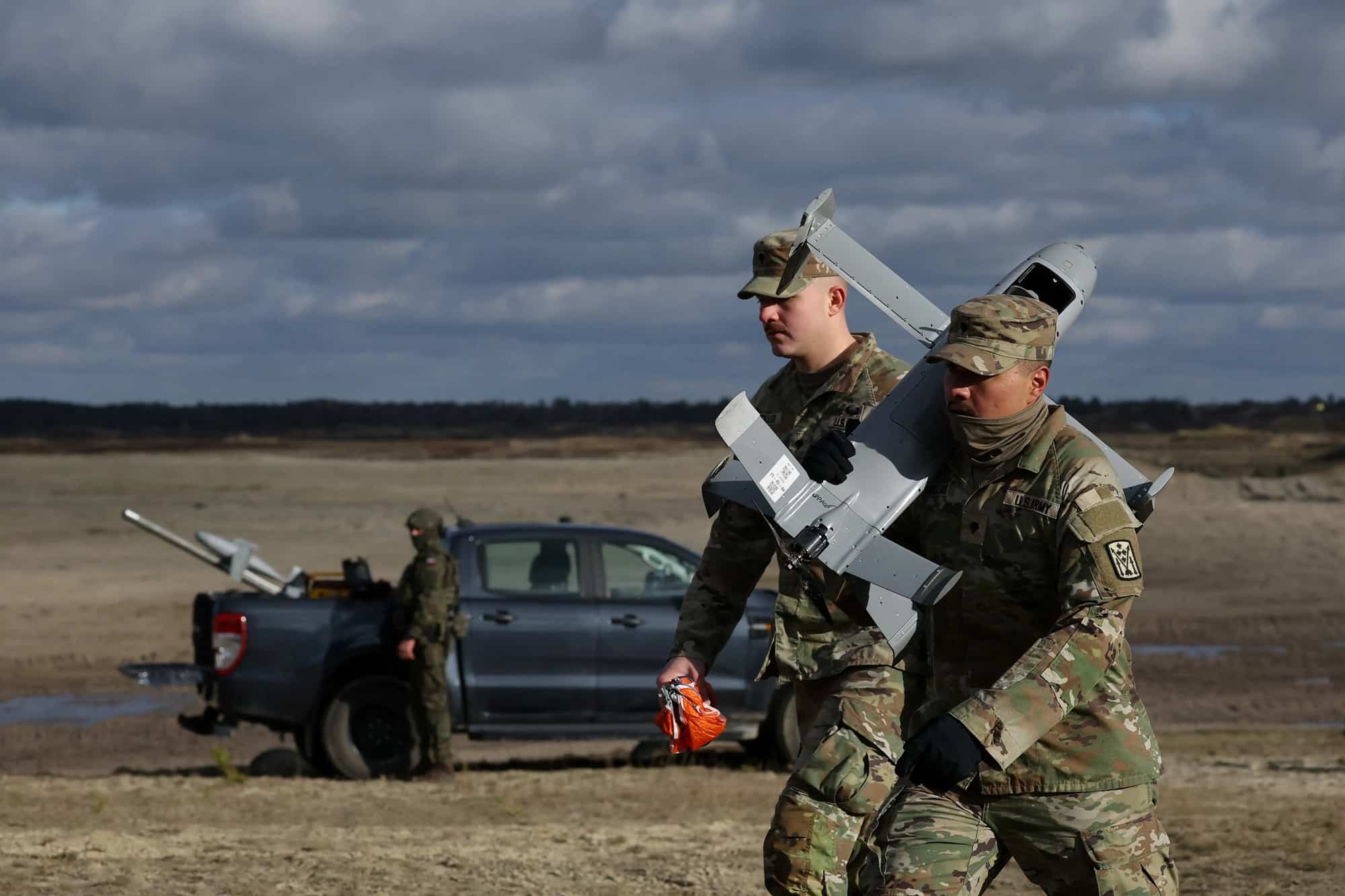
Recent conflicts have demonstrated how commercially derived drones, one-way attack drones, and other inexpensive unmanned systems can threaten military bases, logistics hubs, command centers, and maneuver forces, sometimes even evading detection until the last moment. At the same time, they impose disproportionate costs on defenders.
A key theme within the legislation is the need for low-cost “attrition-ready” interceptor systems, which would be used to engage mass drone attacks economically without relying solely on expensive surface-to-air missiles. This reflects a growing recognition that using interceptors costing hundreds of thousands or even millions of dollars against drones worth only a few thousand dollars may not be sustainable during prolonged operations.
The committee also directs attention toward technologies capable of supporting layered defenses, including kinetic interceptors, directed-energy weapons, electronic warfare systems and autonomous counter-drone platforms. The emphasis on C-UAS mirrors broader Pentagon priorities following lessons from conflicts in Ukraine and the Middle East, where drones have become a persistent feature of the operational environment.
A-10 Retirement Plans
The committee’s action regarding the A-10 Thunderbolt II represents the latest development in a years-long struggle between Congress and the U.S. Air Force over the future of the close-air-support aircraft. For more than a decade, Air Force leaders have sought to retire the A-10 fleet, with lawmakers rejecting the plans.
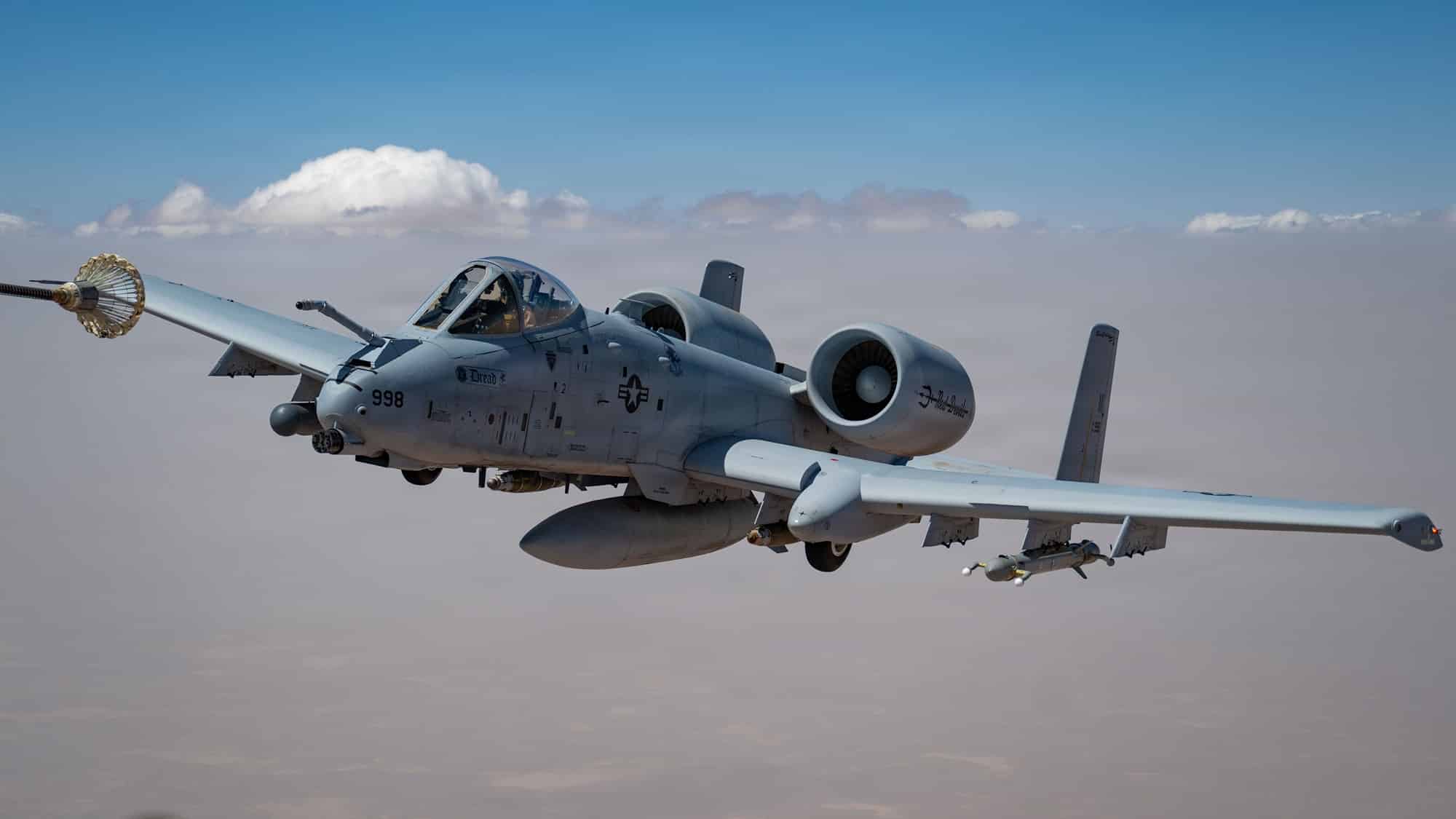
The service often argued that the aircraft’s aging airframes, increasing sustainment requirements, and limited survivability in highly contested environments make continued investment difficult to justify. The goal was to redirect resources devoted to the A-10 toward new aircraft, advanced weapons, and other modernization priorities.
Many lawmakers, however, remain unconvinced that a complete replacement for the A-10’s mission currently exists. The aircraft’s ability to operate at low altitude, loiter over the battlefield, carry substantial ordnance loads, and provide direct support to ground forces has continued to generate congressional support despite ongoing retirement efforts.
The committee would thus place additional constraints on Air Force plans by requiring further oversight, reporting, and certification before additional A-10s can be retired. The first constraint would see the service support the training, testing, sustainment, and maintenance activities of the A-10 through 2030, reversing the end of the training pipeline, testing and Weapons School activities planned for 2026.
Since sooner or later the A-10 will be retired, the committee is requiring a “competitive experimentation plan for autonomous and non-traditional capabilities relevant to the A-10 mission.” Meanwhile, any A-10 aircraft considered for retirement through 2030 “should be evaluated for potential transfer to another military department,” says the bill.
The committee is additionally asking for a report on the “A-10’s combat employment, recent operational relevance, lessons for future force design, and modernization options.” Finally, it also authorizes the reconstitution of the A-10 Demonstration Team, which was disbanded in 2024.