Boeing has won the U.S. Navy’s F/A-XX competition for the sixth-generation carrier-based fighter, with a contract valued at more than $20B for the full-scale development phase.
After months of wait, the U.S. Navy has finally announced Boeing as the winner of the competition for the F/A-XX sixth-generation carrier-based fighter as part of the service’s Next Generation Air Dominance (NGAD) program. With the award, Boeing will now develop and build the NGAD crewed fighter jets of both the Navy and Air Force.
The highly anticipated award comes after an imminent announcement was reported multiple times since March 2025, with the program apparently stuck in a limbo. The last such report mentioned the Navy would announce its selection by the end of August 2026.
Welcome to the next generation of Naval aviation! https://t.co/yI1vlrJcoc
— U.S. Navy (@USNavy) September 29, 2026
Earlier this year, Chief of Naval Operations (CNO) Adm. Daryl Caudle warned that the Navy must accelerate development of F/A-XX to ensure it can penetrate future air defense environments over the next decade. “Our ability to fly with impunity with our existing airframes is fleeting,” Caudle said. “If I don’t start building that immediately, you’re not going to get it for some time.”
The announcement
In the statement released on Sept. 29, 2026, the Department of War said Boeing was awarded a contract valued at more than $20B for the full-scale development phase of F/A-XX. The contract covers multiple test aircraft for ground, airworthiness, systems, and weapons integration testing.
“The F/A-XX is a critical pillar in our commitment to maintaining peace through strength. F/A-XX will dominate contested airspace, extend operational reach, and deliver a decisive combat advantage for the warfighter,” said Michael P. Duffey, Under Secretary of War for Acquisition and Sustainment. “The F/A-XX platform represents a crucial, non-negotiable investment in America’s national security and long-term air combat capabilities. We are joining forces with Boeing to field these capabilities rapidly, ensuring our warfighters possess the lethal and highly networked systems required to deter aggression, project undisputed power, and secure absolute air superiority.”
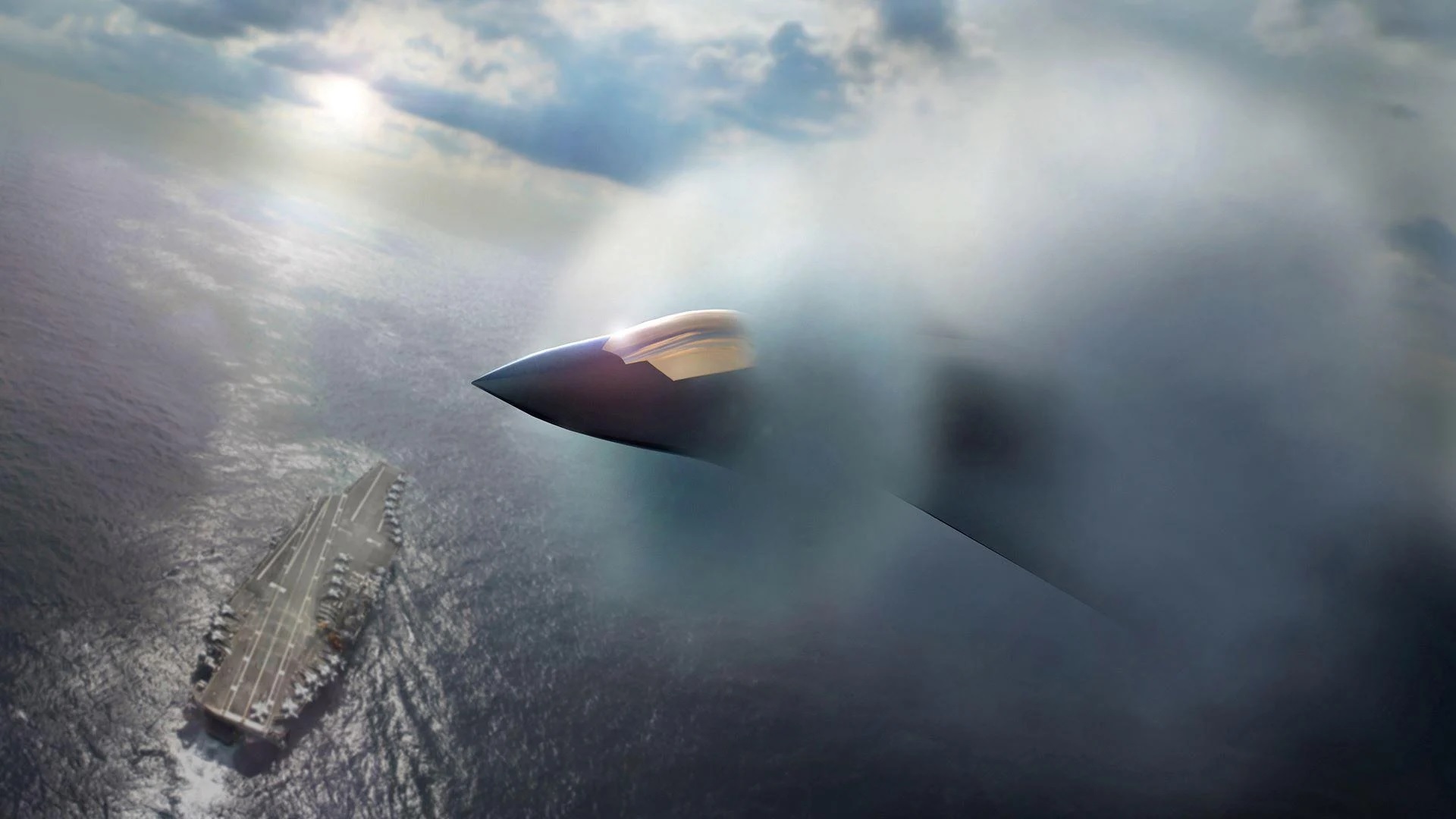
The F/A-XX is expected to provide advanced carrier-based power projection, further extending the range of U.S. Navy aircraft carriers. The new fighter jet will augment and eventually replace legacy F/A-18E/F Super Hornets and EA-18G Growlers beginning in the 2030s, and operate alongside the F-35C and Collaborative Combat Aircraft (CCA).
“This achievement marks a new era for the U.S. Navy,” said acting Secretary of the Navy Hung Cao. “The Sixth-Generation fighter is a generational leap in air superiority and will provide the world’s best aviators with unparalleled capabilities to fight, win, and come home safe. We are excited to partner with Boeing, and for our warfighters to continue to dominate the skies and defeat our nation’s enemies.”
6th-gen edge.
Thank you, @USNavy, for continuing our partnership to design, build and deliver your F/A-XX aircraft. We’re honored to produce the 6th-generation fighter that will revolutionize advancements in naval aviation to maintain U.S. carrier air superiority.
Release:… pic.twitter.com/LaGUxgefSm
— Boeing Defense (@BoeingDefense) September 29, 2026
The statement released by Boeing puts emphasis on the company’s work on the NGAD programs of both the Navy and Air Force.
“Delivering two advanced fighters in parallel was always our plan, and we invested accordingly. We are ready and able to build multiple concurrent future combat aircraft franchise programs,” said Steve Parker, president and chief executive officer, Boeing Defense, Space & Security.
History of the F/A-XX program
The F/A-XX is the strike fighter component within the U.S. Navy’s Next Generation Air Dominance (NGAD) Family of Systems (FoS). The requirement for this aircraft has been around since 2008, with a formal Request for Information in 2012, to replace the F/A-18E/F Super Hornet in the 2030s.
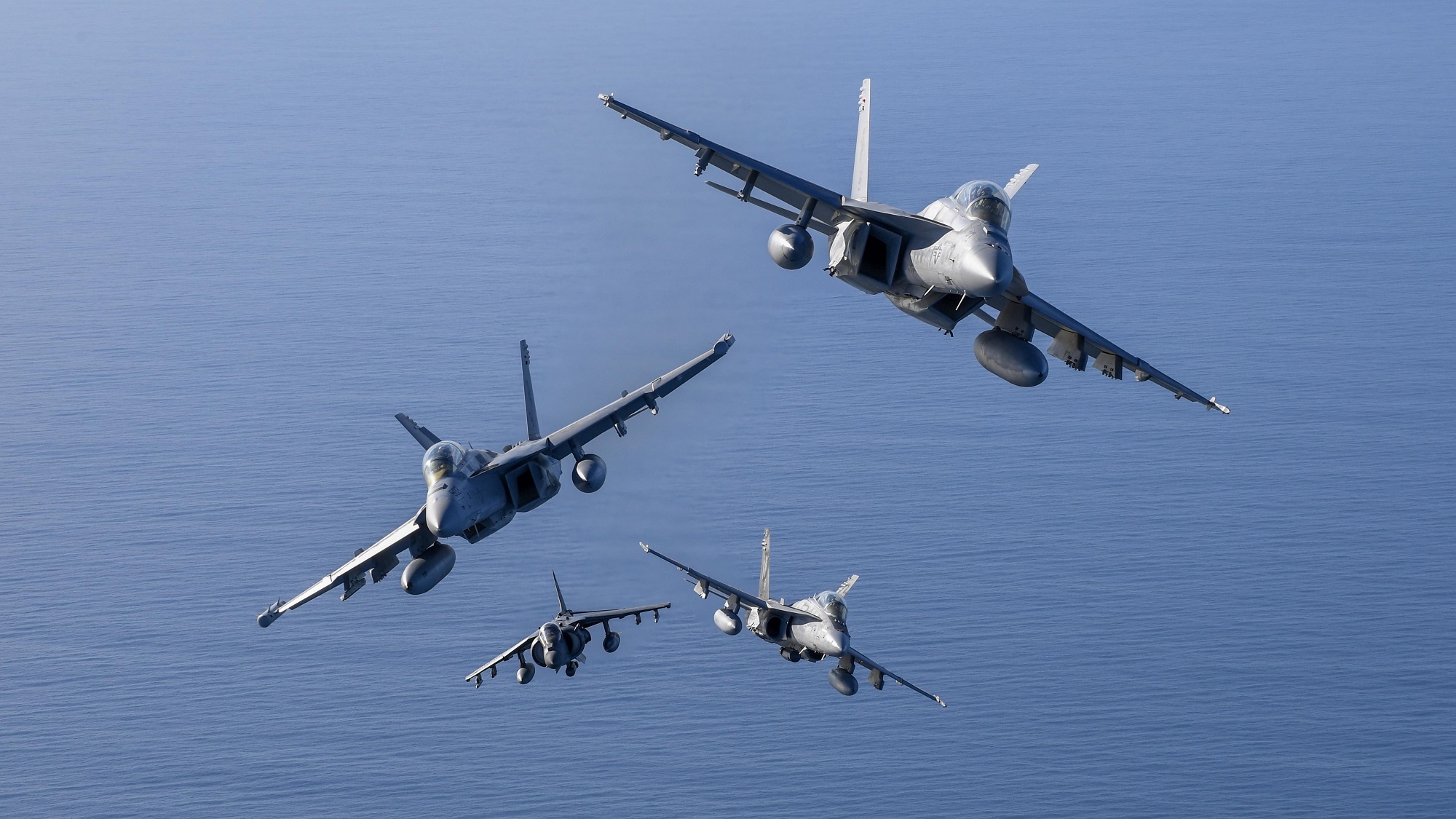
Later, the F/A-XX was included in the service’s NGAD program, which is a separate program from the identically named Air Force program. The Navy says that its “specific capabilities and technologies are under development, however analysis shows it must have longer range and greater speed, incorporate passive and active sensor technology, and possess the capability to employ the longer-range weapons programmed for the future”.
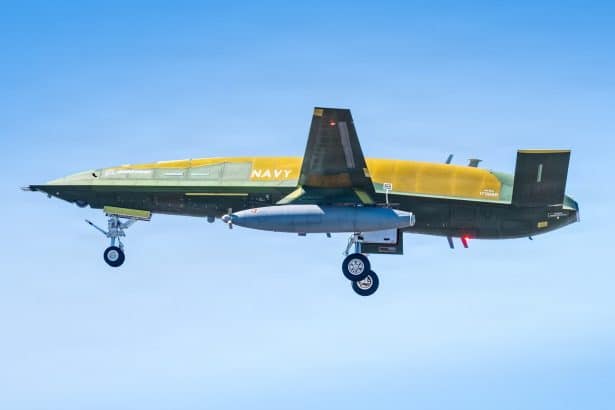
The NGAD FoS will include unmanned platforms with F/A-XX as the quarterback, exploiting the Manned/UnManned Teaming (MUM-T) concept to reduce risk to the manned aircraft, while simultaneously increasing capability, capacity, and survivability. The new MQ-25 Stingray will be the first unmanned asset to employ this capability, extending the strike range and enhancing maneuverability of the Carrier Air Wing.
Continued development of MUM-T will enable information sharing across a distributed force, increasing survivability, reducing risk to manned aircraft, and ensuring weapons capacity. The Navy is evaluating the appropriate mix of F/A-XX, manned and unmanned platforms to ensure the most lethal and affordable CVW possible, depending also on the maturity of autonomy and Machine Learning technologies.
The Navy envisions future unmanned air vehicles with survivable planforms, sensors, and robust autonomy able to find, fix, identify, track, engage, and assess land, sea, and air targets. These UAVs will be employed alongside manned aircraft and unmanned attritable assets to enable integrated kinetic and non-kinetic fires at tactically relevant ranges in multidomain operations.
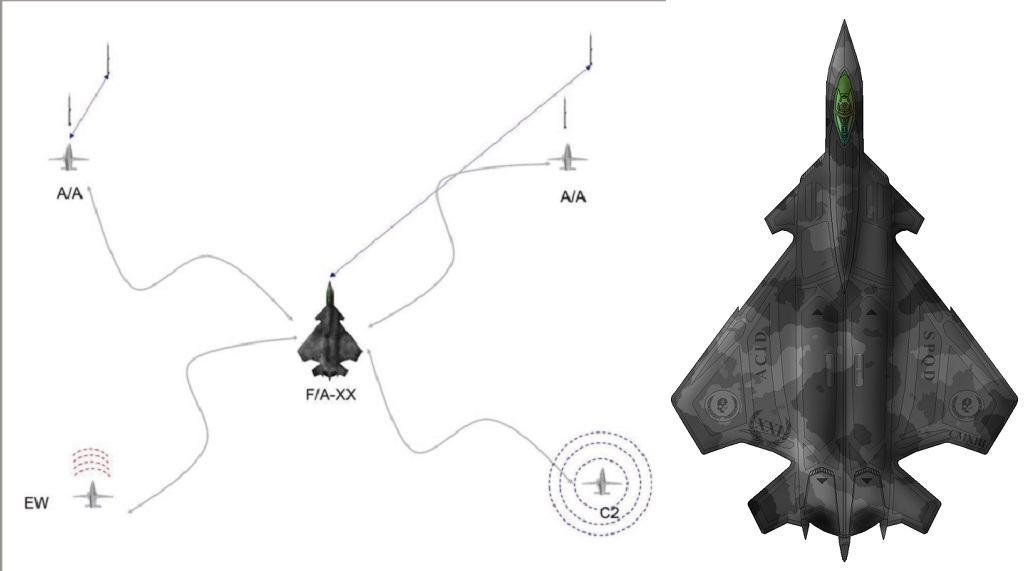
In a 2021 document, the Navy showed a fictional F/A-XX operating in a MUM-T environment with four drones, whose shape represents the MQ-25. Interestingly, the drones were shown employing Air-to-Air (AA), Electronic Warfare (EW) and Command and Control (C2) payloads, much like the Loyal Wingman drones currently being developed. This falls in line with the service envisioning Unmanned Air Systems (UAS) to fill refueling, communications relay, logistics, airborne electronic attack, strike, and ISR&T missions in the future air wing.
In 2024, in an interview released to Aviation Week, Rear Adm. Michael Donnelly, director of the air warfare division in the Office of the Chief of Naval Operations, said the Navy will develop its aircraft independently, a reverse of previous reports who said the Navy and Air Force would share the developments of their next generation aircraft programs.
The Navy’s decision to move forward independently might have shielded the F/A-XX from the results of the NGAD’s review and the subsequent decisions. The service is confident in the suitability and affordability of the F/A-XX and is committed to move forward with the program.
“We have to have an affordable platform to make it relevant to our force structure and force design, so we’ve got that in mind,” said Donnelly. “We think we’ve got an affordable solution that supports our force structure of the future.”
According to Donnelly, the F/A-XX program was on track for the Milestone B decision to move the Engineering and Manufacturing Development (EMD) phase by the end of fiscal year 2025.
“We feel really good through the concept development that we’ve got the right bracket for those requirements and the attributes we need to deliver the capability,” Donnelly says. “We’ll continue to look at that as we go through the next phases of the acquisition process and make smart decisions.”
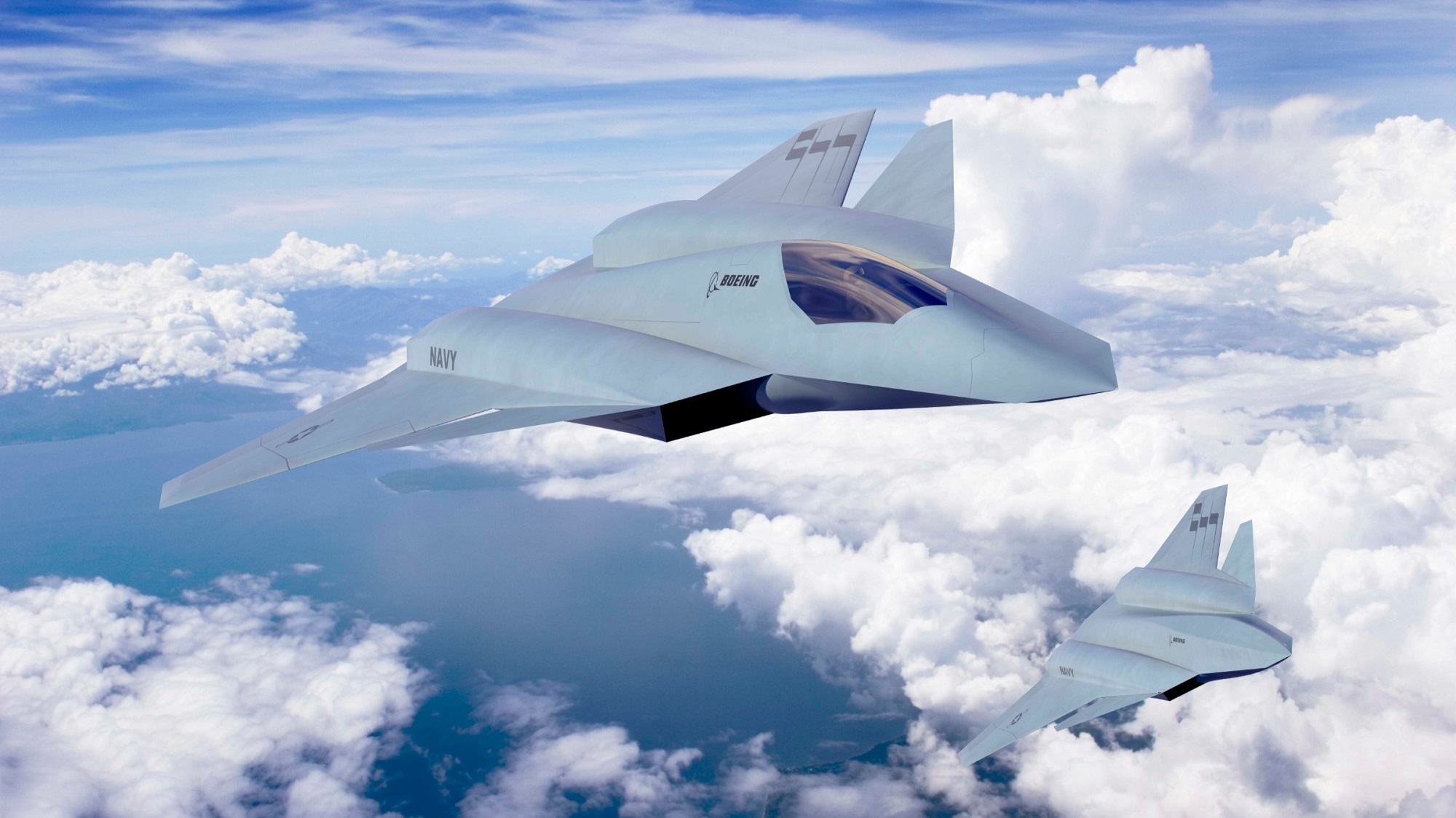
What F/A-XX Is Expected to Deliver
The Navy envisions F/A-XX as more than a simple replacement for the F/A-18E/F Super Hornet and the EA-18G Growler. The new aircraft is expected to combine stealth, extended range, electronic warfare, and command-and-control functions into a single next-generation platform.
Navy officials previously said F/A-XX is expected to have approximately 25% more range than the F-35C, as well as more advanced jamming capabilities than the Growler. Moreover, it is also designed from the outset to control multiple Collaborative Combat Aircraft (CCA), as noted by the CNO.
“The next-generation airframe, F/A-XX is so vital,” Caudle said. “It’s vital because of, one, the CCAs it will command and control. Its penetration – the Growlers won’t last forever, so it’ll be our electronic attack airplane as well. Its range will be coupled with the MQ-25 for clandestine refueling and organic refueling from the carrier.”
The aircraft is therefore central to the Navy’s future carrier air wing concept to maintain the service’s ability to project power in high-threat environments. In this mix of crewed and uncrewed platforms, the F/A-XX will be the quarterback, often said the Navy.
Navy’s and Air Force’s NGAD relation
According to Rear Adm. Donnelly, the new carrier-based fighter will be affordable, versatile and independent of Air Force-funded technologies such as an adaptive-cycle turbofan engine. While the service already said it would require a different airframe than the Air Force’s NGAD, other systems to be included were not mentioned.
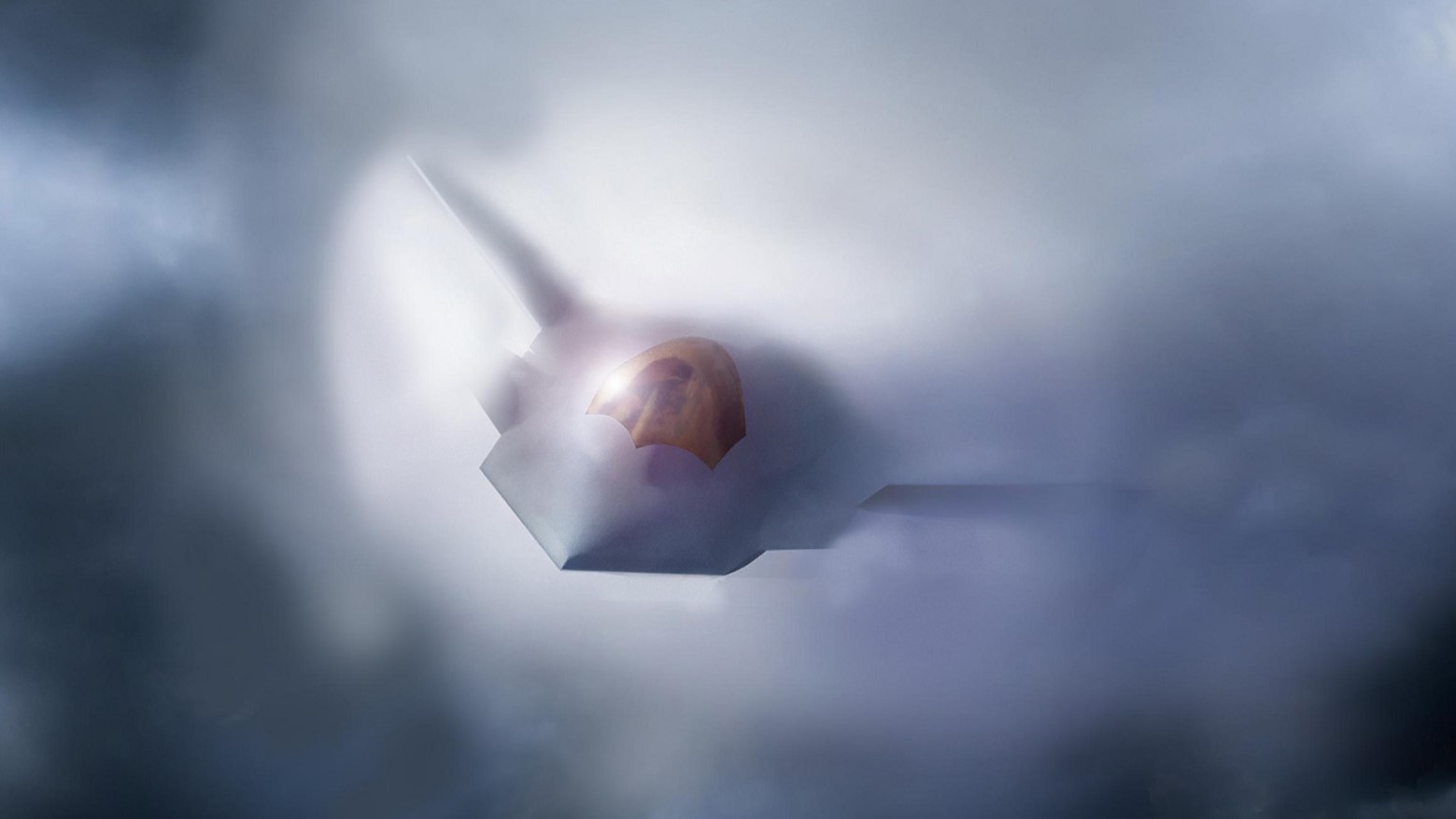
Initially, the Navy appeared interested in the adaptive-cycle technology being developed for the Next-Generation Adaptive Propulsion (NGAP) program. In the past decade, however, propulsion plans for the two services have diverged, according to Donnelly.
“We’re looking at more of a derivative-type engine solution,” said Donnelly. “That’s just one example where we probably are different in many ways from the Air Force. In totality, they are two unique programs from an acquisition point of view and also going forward, so we’re relatively independent of each other at this point.”
Both programs appear to be under budgetary pressure, as both services are currently working on multiple large programs. In the Navy’s case, the 2025 budget for the new aircraft suffered a cut of 67%, with the $10.3 billion requested between 2025 and 2028 reduced to just $3.3 billion. The senate voted to restore $450 million to the budget but, even if approved, there would still a cut of 59% compared with last year’s budget.
Earlier this year, lawmakers agreed on the Fiscal Year 2026 Defense Appropriations Act to allocate $897 million specifically to F/A-XX, mandating the Pentagon to award a development contract aimed at accelerating initial operational capability. The wording used called out the Department of Defense for the slow pace of the program.
Another difference between the Navy’s and Air Force’s 6th gen fighter could be their roles. While the latter envisions its new aircraft mainly as an air superiority fighter, the Navy wants it to be multirole, optimized for air-to-surface strike but still capable of fleet defense.
“The central focus of its design is to be able to conduct long-range fires, sea control and those types of missions. Inherent in its design is its ability to participate in fleet defense,” Donnelly says. “We can’t afford to have a break-glass capability or a really unique single-mission or single-phase-of-operation focus.”
A final difference is the manned or unmanned debate. The Air Force left the door open for an optionally manned configuration, which was also the initial configuration proposed for the F/A-XX. However, the Navy has now opted for a fully manned platform.
“F/A-XX is intended to be a manned platform,” Donnelly says, noting that the “F/A-XX will really be our pivot point from a manned air wing to a hybrid future, with a manned-unmanned air wing.”