In the waning days of the Cold War, a Soviet MiG-23M flew pilotless across Warsaw Pact and NATO airspace, eventually crashing into a house in Belgium and killing one person.
On July 4, 1989, a MiG-23 departed a Polish airbase for a routine training flight and lost power while ascending on climb-out, or so the pilot thought. Believing the engine had failed, the pilot ejected.
However, this unbelievable flight was far from over, with the jet continuing across Europe, causing F-15s to scramble after the radio-silent intruder ignored NATO airspace and warnings. What the F-15 pilots discovered was a mysterious ghost plane cruising along at 39,000 ft.
A Frightening Takeoff
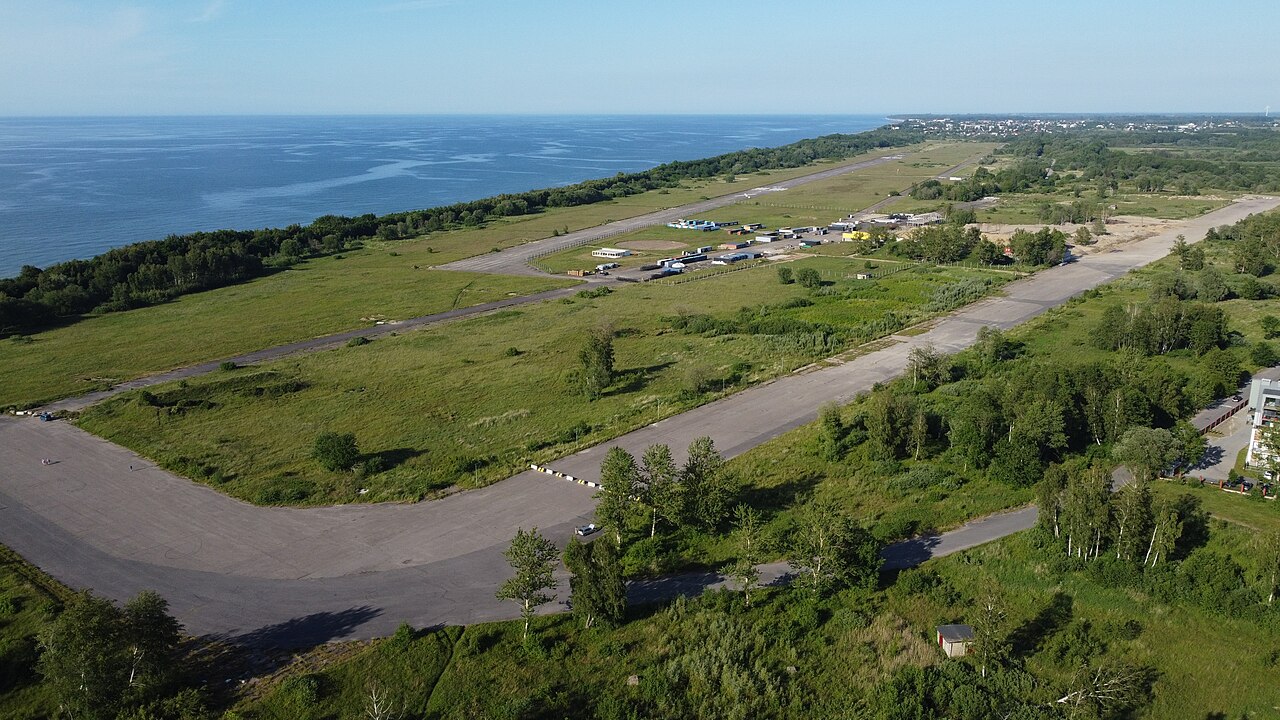
On July 4, 1989, Soviet Colonel Nikolai Skuridin climbed into a MiG-23M for an ordinary training flight at Bagicz Air Base near Kołobrzeg, Poland, located on the Baltic coast. The aircraft belonged to the 871st Fighter Aviation Regiment, which operated MiG-23s as part of the still heavy Soviet military presence in Poland, even though the fall of the Berlin Wall and the beginning of the collapse of the Warsaw Pact were just months away.
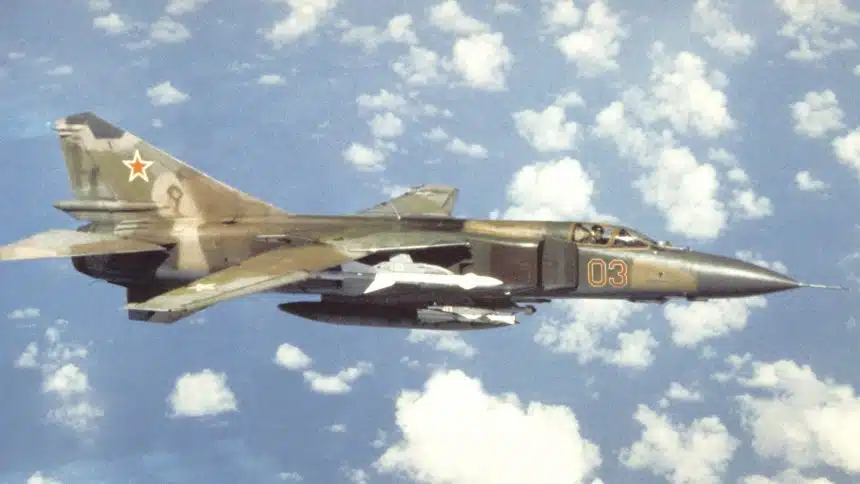
Col. Skuridin’s MiG-23M, with the bort number 29 below the cockpit, was a product of the Cold War, codenamed ‘Flogger-B’ by NATO (North Atlantic Treaty Organization). The aircraft utilized a variable-geometry wing design which featured wings that could be swept back or forward. Despite its late 1960s roots, the aircraft was capable of exceeding Mach 2 powered by a single Tumansky R-29 turbojet engine. It was this engine that would ultimately set the bizarre flight in motion.
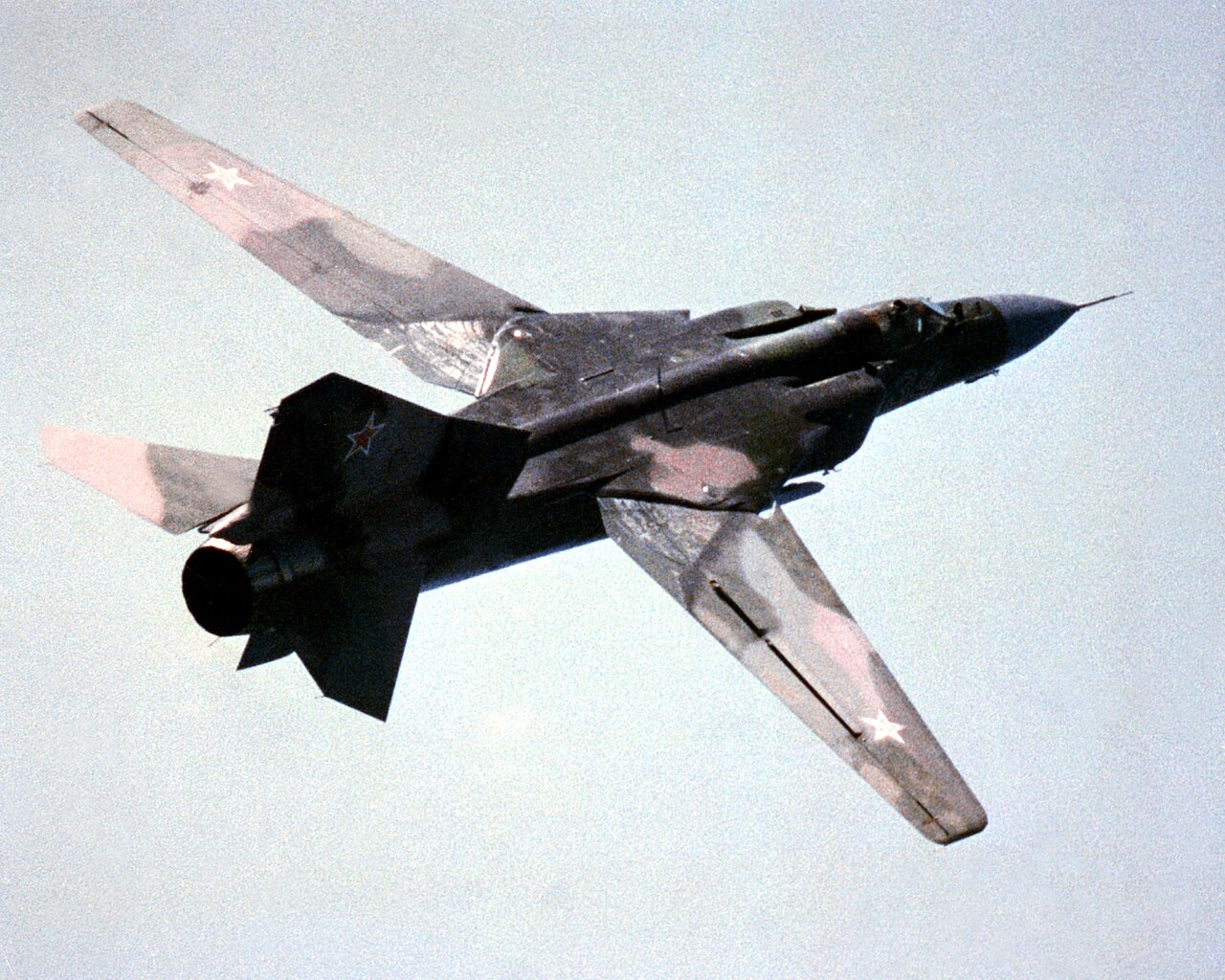
Seconds after takeoff, while at very low altitude, Skuridin heard a sudden loud bang. The afterburner shut down and, with the engine RPM dropping rapidly, the MiG began to quickly lose airspeed. Indications were engine failure and Skuridin was given permission to eject from the aircraft.
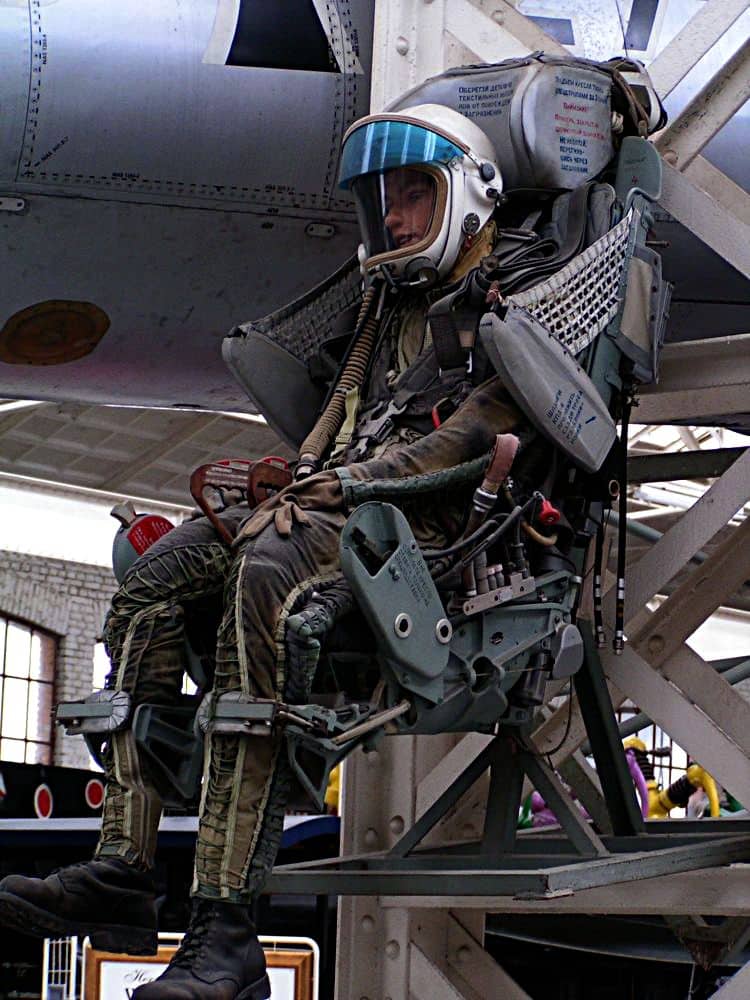
Skuridin attempted to point his aircraft toward the Baltic in hopes of preventing it from crashing into populated areas, and ejected, landing safely on the ground. Both ground control and the pilot expected the MiG-23 to crash any second now. But it didn’t.
Back to Life
The R-29 engine didn’t completely shut down. In fact, shortly after the pilot ejected, the RPMs began to surge, restoring the thrust. With the pilot and ejection seat gone and the canopy separated, the aircraft was significantly lighter. The renewed engine thrust was enough to arrest its descent, while the automatic flight-control system stabilized the aircraft.
The resurrected fighter continued a westerly course while climbing, eventually reaching close to 39,000 ft of altitude. The now empty, unarmed, and stabilized MiG continued on west, cruising along at a leisurely 400 mph toward one of the most heavily monitored airspaces on the planet at the time, with the Soviets not realizing the aircraft was continuing on this flight path.
Soon Polish territory was behind the stray fighter and East Germany on the horizon. Soviet authorities had lost track of the MiG and NATO was unaware of the situation as the aircraft continued on towards NATO airspace.
Threat Detected
NATO radar picked up the MiG as it neared the end of East German airspace and approached West Germany. As it crossed the border, it appeared a Soviet fighter had just blatantly entered NATO airspace without authorization. Soviet intimidation flights were a common incident during the Cold War years, but normally the aircraft came in pairs, and this one flying alone was ignoring radio contact attempts.
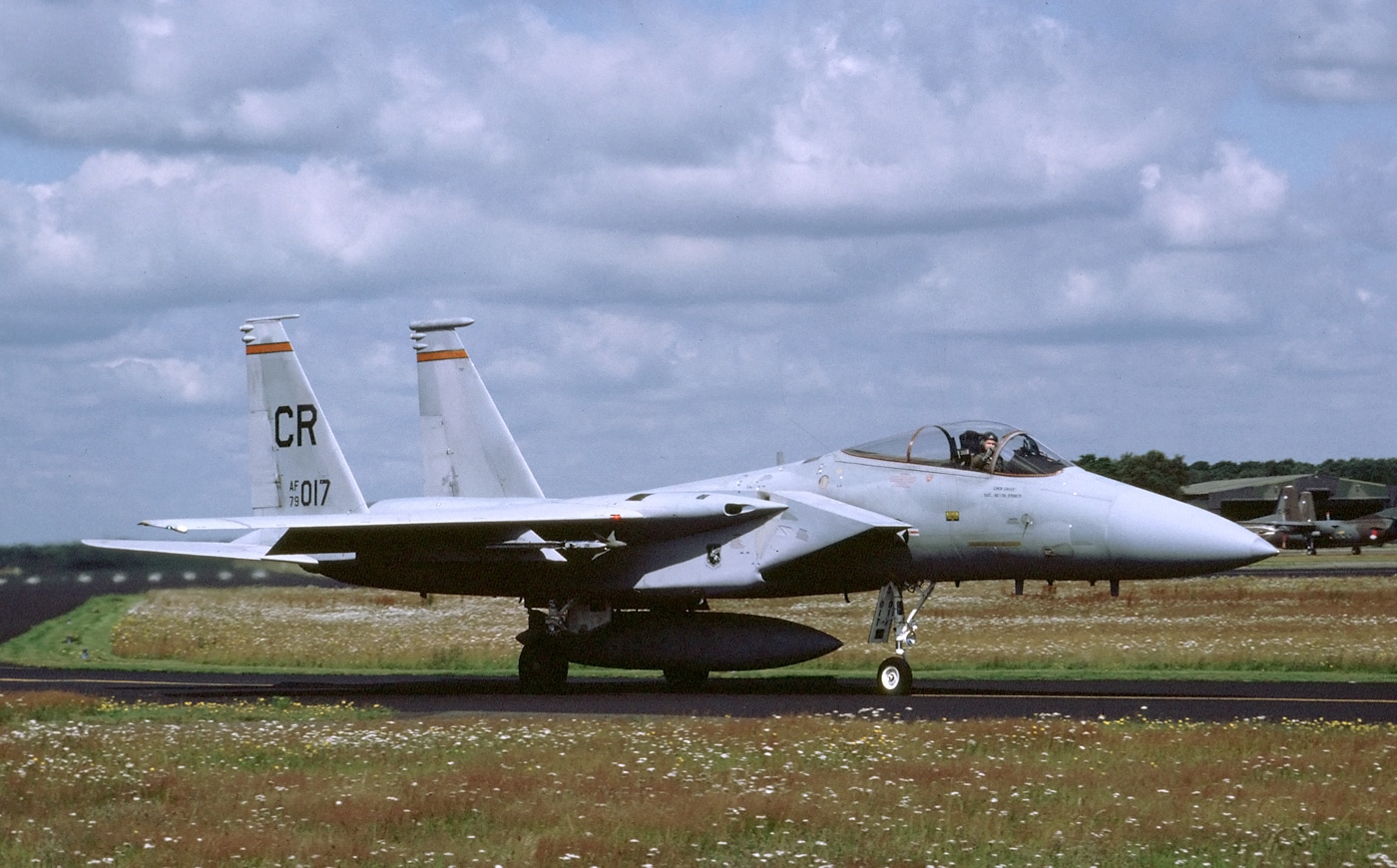
In response, the United States Air Force (USAF) scrambled a pair of F-15C Eagles. Stationed at Soesterberg in the Netherlands, the American fighters belonged to the 32nd Tactical Fighter Squadron (TFS). Known as the ‘Wolfhounds’, this unit was part of the U.S. air defense of Western Europe.
Intercepted
USAF Captains J.D. Martin and Bill Murphy caught up with the MiG-23 in their F-15Cs, only to find a strange sight. The aircraft was obviously unarmed, displaying no weapons on the pylons. As they closed in, they were surprised to see the canopy of the MiG was missing along with the pilot and the ejection seat. The aircraft was flying along almost perfectly at 400 mph and 39,000 ft altitude with no human guidance.
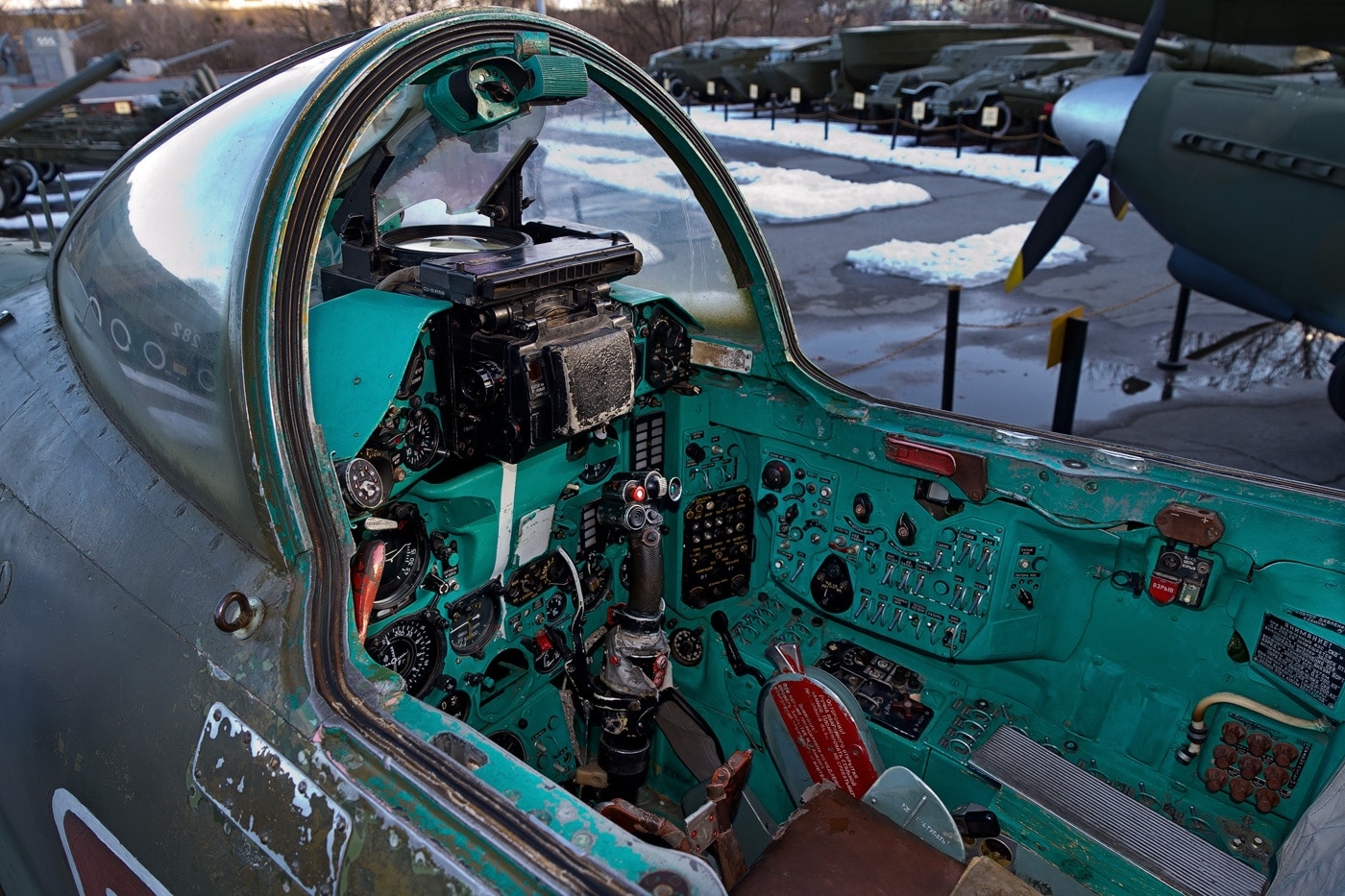
The USAF pilots radioed their findings and were given permission to down the aircraft in case the aircraft ran out of fuel, to avoid it crashing into a populated area. However, the problem was that shooting down the MiG with missiles would shower populated areas below with deadly flaming debris.
It was decided to simply accompany it to the English Channel at watch it run out of fuel and splash into the sea. But again, that is not what happened. The RAF (Royal Air Force) placed a Phantom FGR2 on alert should the MiG continue on and find its way into British airspace.
Tragedy Strikes
However, the MiG-23 did not continue on course for the Channel, but instead veered towards Belgium and Northern France. The thirsty Tumansky R-29 turbojet engine finally flamed out and, after an uncrewed flight of over an hour, the unpowered jet was now beginning its inevitable descent towards the earth. The French Air Force went on alert as the aircraft seemed to have the city of Lille in its sights.
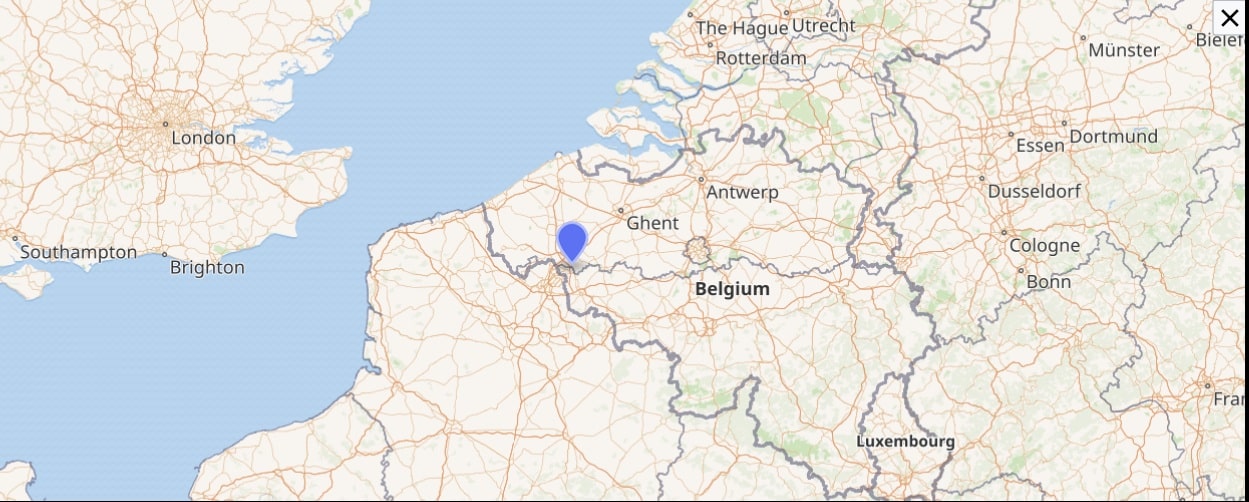
At around 10:30 am, the MiG now turned heavy glider was near the city of Kortrijk, continuing on into Belgian airspace and just few miles from the French border, when it finally came down in Bellegem.
Wim Delaere, an 18 year old man, was home alone when the big warplane plowed into his farm house residence. He was killed upon impact. The rest of his family was away from home at the time. The tail section of the MiG, bearing the red star insignia of the Soviet Union, could be seen protruding from the rubble. The absence of a significant weapons load likely limited the potential consequences of the crash, preventing a worse disaster for residents and responders.
This video mistakenly describes the incident as a shoot down, but is valuable as it contains the actual radio chatter of the intercepting F-15 pilots that continues to the crash as well as images of the crash site and crashed aircraft.
Fallout
The fact a stray Soviet military jet had flown over multiple nations without notification from the Soviets to sovereign governments created a diplomatic crisis at a time when the Cold War was already approaching its end. Belgium issued a formal protest and publicly criticized the lack of communication from the Soviets about the phantom flight and the details of the aircraft’s armaments or lack thereof.
Soviet leader Mikhail Gorbachev publicly expressed his regrets and the Soviets issued an official apology. Moscow compensated with the equivalent of approximately 25 million Belgian francs, equivalent to about $685,000 at the time. After a Belgian investigation, the Soviets were allowed to retrieve the wreckage of the aircraft ten days after the incident.
A very simple automated flight control system on an empty fighter had exposed the weaknesses of both NATO and the Warsaw Pact. NATO was successful in intercepting the MiG, but seemed powerless to prevent it from crashing into civilian populated areas. The Warsaw Pact lost track of its own aircraft and failed to notify other countries of the possible danger.
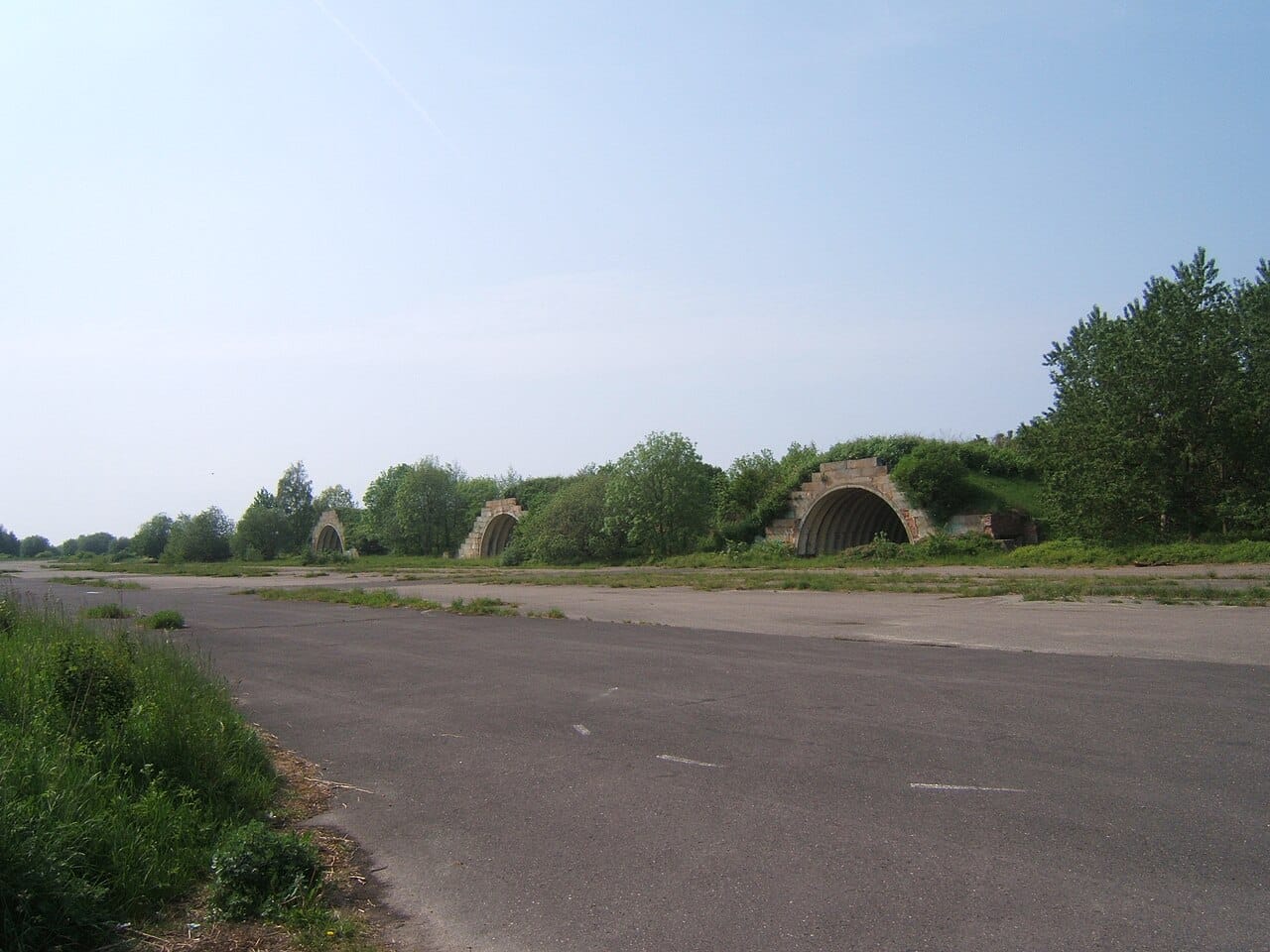
A pilotless aircraft seemingly defeated the two most powerful military/defense organizations on earth. Abandoned just after takeoff and lost track of, it managed to streak 625 miles across much of Europe ending up on the other side of the continent even after being intercepted and ended in taking the life of a teenager.