Finland has joined France’s Forward Deterrence initiative, a framework intended to deepen European cooperation on nuclear deterrence and strategic signalling.
Announced on Sept. 14, 2026, in a joint Finnish and French press statement, the agreement is intended to deepen their defence and security cooperation on nuclear deterrence. According to the French Ministry of Defence, international involvement with Forward Deterrence entails a tailored approach, with each partner considered as to whether they can be involved in joint defence exercises, strategic signalling across Europe, the participation of allied conventional forces in French nuclear activities and “the deployment of elements of France’s strategic forces on allied territory when circumstances require.”
The scale of Finland’s involvement in Forward Deterrence is not yet known, but it is planned that a Nuclear Steering Group would be set up within the next few months to work on putting the concept of forward deterrence into reality for all involved nations. It is important to note that the agreement does not mean that French nuclear weapons will be stored in Finland in the immediate future as Finnish President Alexander Stubb has explicitly ruled out the deployment of nuclear weapons in peacetime.
The defence partnership between Finland and France is deepening.
Our cooperation took a significant step forward this summer when France announced its contribution of troops to NATO’s Forward Land Forces in Finland. Today, we took a new step forward as Finland joined the French… pic.twitter.com/6P2E6NqPyX
— Alexander Stubb (@alexstubb) September 14, 2026
Whilst there was a ban on the presence of nuclear weapons on Finnish soil, this ruling was overturned earlier this year, opening up the possibility in the future. The deployment of such weapons would be still subject to approval based on specific requirements.
Finnish lawmakers voted Wednesday to overturn a Cold War-era total ban on nuclear weapons, allowing warheads to be imported into, transported through or held in the country, potential paving the way for the deployment of nuclear-capable military aircraft and weapons from France… pic.twitter.com/eJbBAUeLxy
— OSINTdefender (@sentdefender) June 17, 2026
Poland, Sweden, Greece, Denmark, and Norway are already members of France’s new Forward Deterrence initiative, with the United Kingdom having joined whilst possessing their own independent nuclear deterrent which they have already committed to the defence of NATO. Additional nations Germany, Belgium and the Netherlands are also members of the initiative, whilst also being a part of NATO’s nuclear sharing programme. Here American weapons are stored in German, Belgian and Dutch air bases, with a number of their aircraft selected to drop the American weapons in the case of a nuclear war.
Stubb stressed that the French nuclear deterrent would not “replace or overlap” with that of NATO, however there is somewhat of a duplication of effort across the three nuclear initiatives from the US, UK and now France.
For example, NATO already has a Nuclear Planning Group which allows alliance members to consult and make decisions on nuclear policy, doctrine, planning, force posture, capabilities and the annual Steadfast Noon nuclear exercise. This exercise incorporates U.S. and NATO nuclear capable aircraft, alongside allied conventional support elements to test NATO’s ability to deploy nuclear weapons during wartime.
Interestingly, France is the only NATO member that is not a part of the Nuclear Planning Group as it had chosen to keep its nuclear deterrent entirely independent, until now.
Finland’s involvement, along with Norway’s, allows for the possible deployment of nuclear weapons on Russia’s direct border, something which would have been unfathomable prior to Russia’s invasion of Ukraine. The announcement and its future enlargement allows France to signal its intent to Russia about its commitment to NATO, the EU and its own defence.
The expansion of this initiative to Finland follows France’s decision in March of this year to expand on the European dimension of its national interests, in which a threat to Europe could precipitate a nuclear response in the threat impacted on France’s national survival. More importantly, this deal retains French nuclear decision making and employment, with no non-French aircraft to be permitted in deploying nuclear weapons, whilst the French President retains sole authorisation for their use.
Estonian Interest
On the sidelines of the European Arctic Summit in Finland, Estonian Prime Minister Kristen Michal also expressed interest in joining France’s Forward Deterrence initiative.
He told the AFP that Tallinn was “in discussion” with Paris over possible cooperation on the matter of nuclear deterrence. “This is not this kind of (initiative) that you just join … It needs certain capabilities, readiness and so on.” Estonia is a smaller NATO member with a population of only 1.3 million and as a result it has a very small military with which to defend itself, with few assets that it can contribute towards a Forward Deterrence initiative. Most of Estonia’s military is concentrated into its land forces with a considerable reserve force that would be able to mobilise in the event of war, however its lack of a fighter aircraft fleet makes integration into France’s initiative more difficult than for Finland.
“We are under NATO’s nuclear umbrella already. And France is also backing up our independence with the troops in Estonia. So if the cooperation can be deeper in the nuclear field, that probably will go so,” he said.
For Estonia, joining the initiative would allow the nation to be more reassured in its current exposed position on NATO’s eastern flank. Currently a Russian attack into Latvia would cut off Estonia from NATO reinforcements by land, placing increased reliance on NATO air and seapower for support. Nuclear deterrence then is the ultimate way to ensure that Estonia doesn’t have to face this threat head on, making a Russian attack less likely if a nuclear response is the consequence.
What can Finland offer?
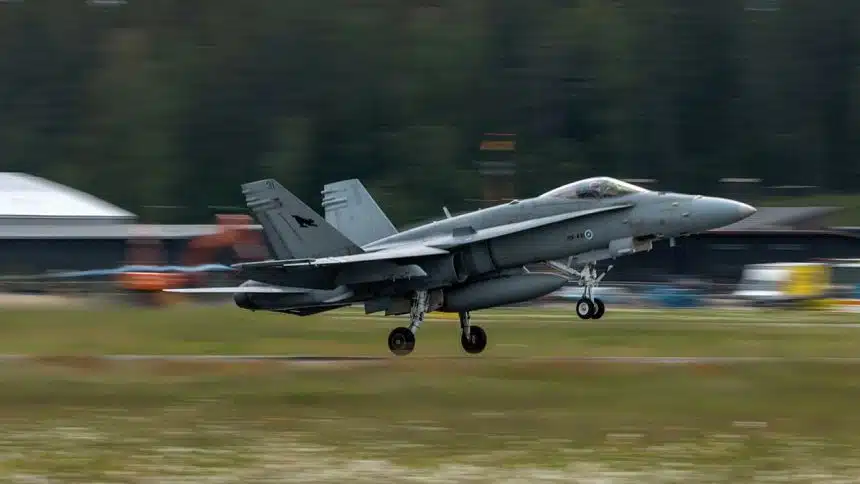
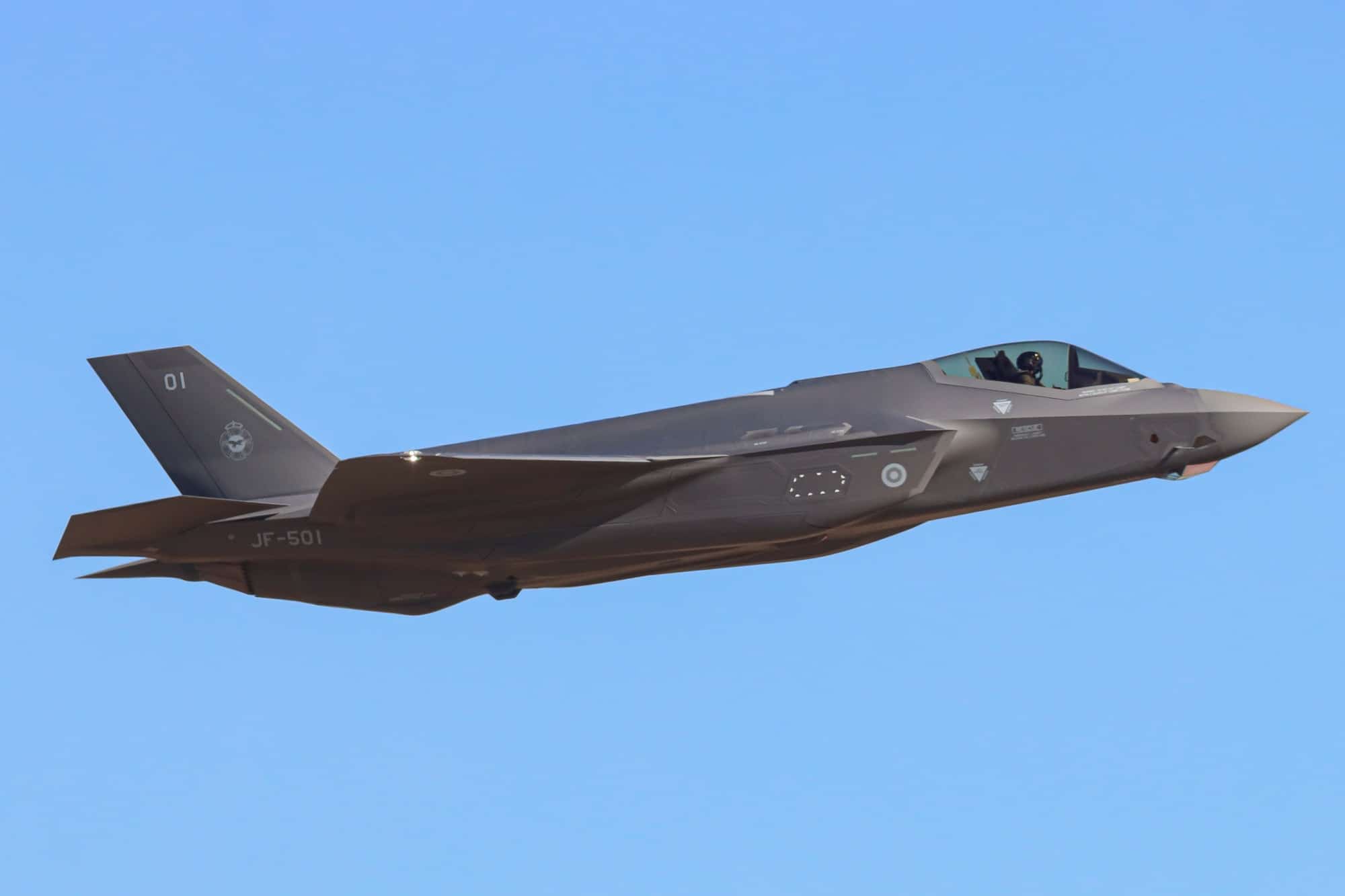
In comparison to Estonia, Finland offers more in terms of its conventional forces that can contribute to a French Forward Deterrence initiative. The Finnish Air Force currently operates 53 F/A-18C Hornet fighter aircraft which are tasked with the defence of Finnish air space. Notably, they are due to be replaced by an incoming fleet of 64 F-35A Lightning II aircraft, which will enhance Finland’s ability to contribute to NATO’s defence.
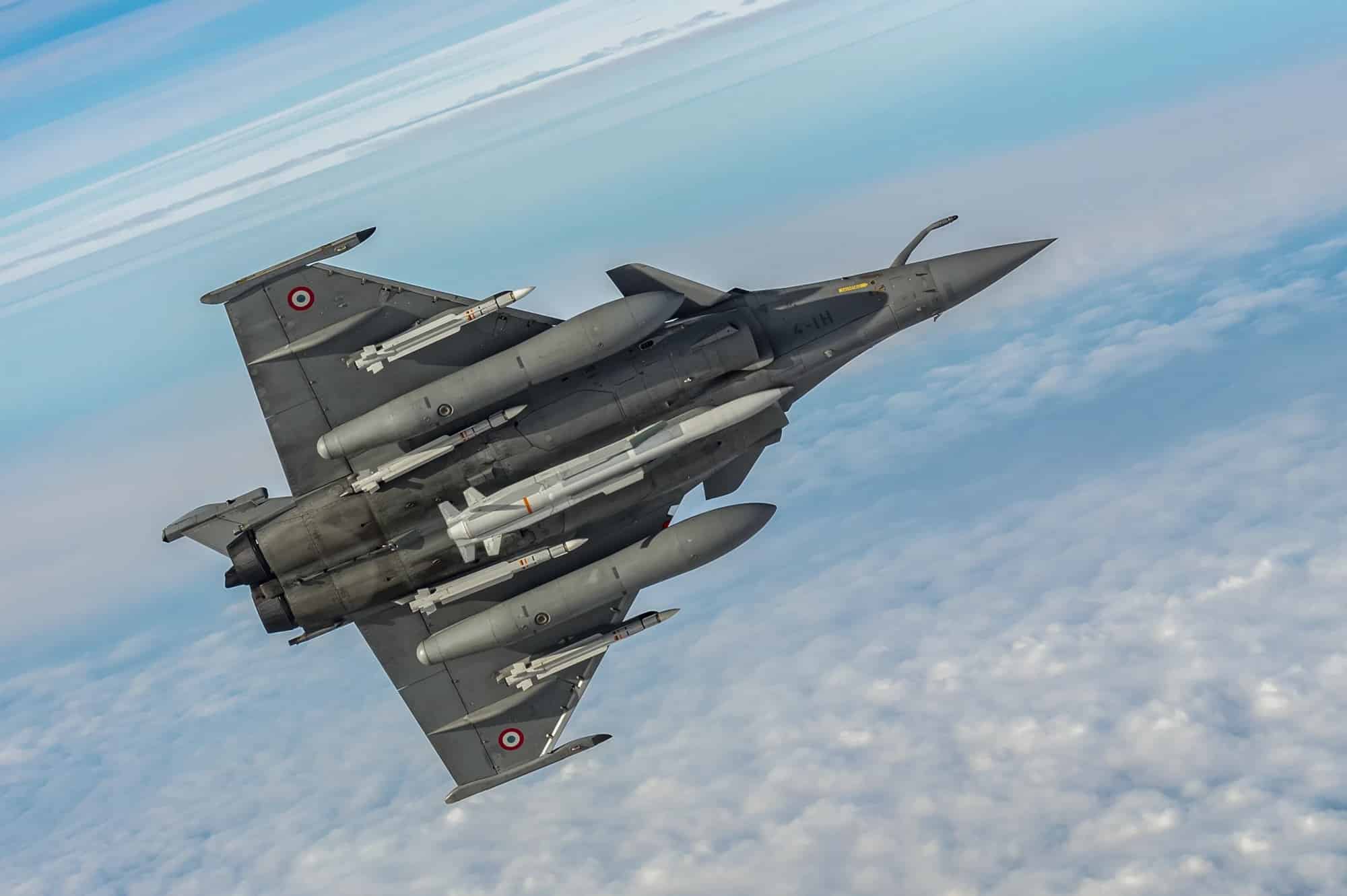
According to the French MoD, its nuclear defence strategy relies on mutual support between nuclear and conventional forces with each improving the capabilities of the other. For Forward Deterrence to be beneficial for France it needs fighter, tanker and logistics support from its European allies.
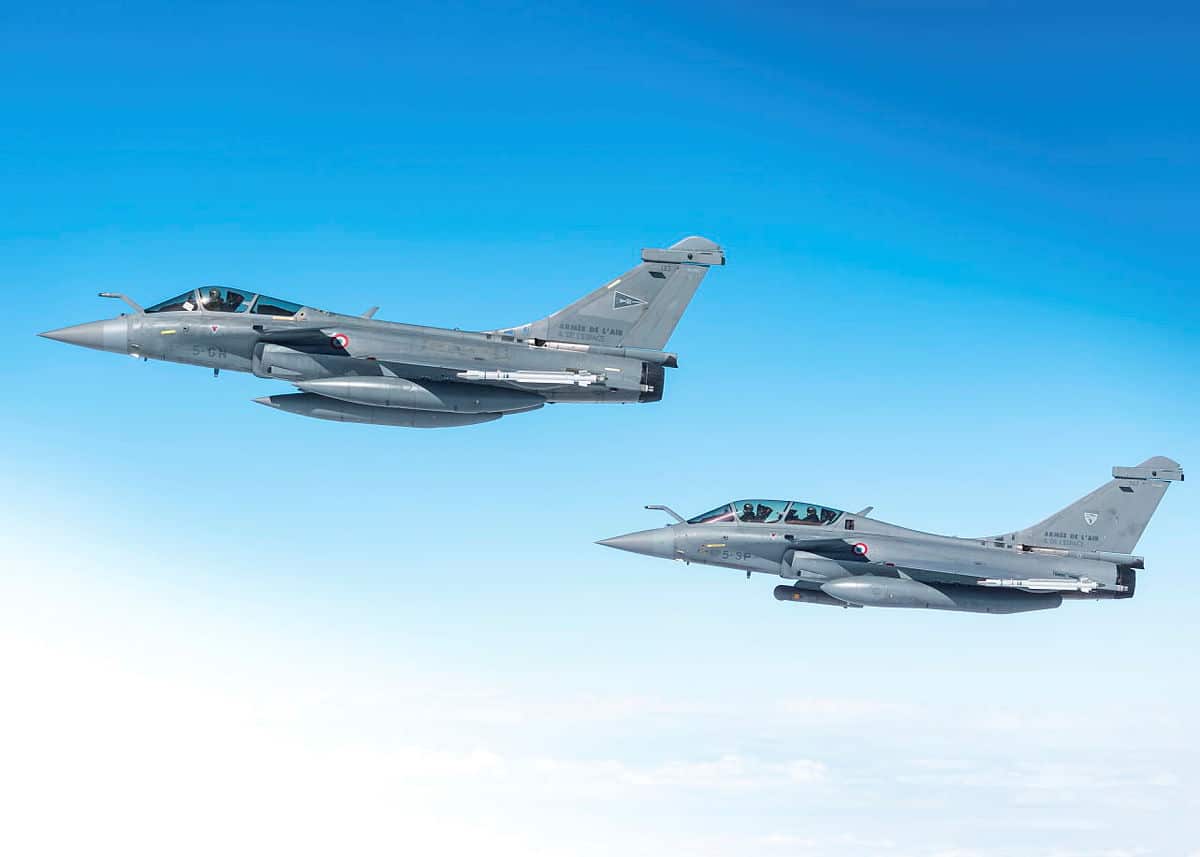
For example, more fighters from NATO nations supporting France’s own fleet allows the nation to spread its nuclear assets out around Europe, without sacrificing their protection. Finnish fighters can be used to defend a nuclear strike package of French Rafales carrying ASMP-A, ASMPA-R and later ASN4G nuclear missiles, shooting down hostile fighters or destroying air defences along the way.
The addition of Finnish support alongside that of other allies strengthens France’s own deterrence force in the face of widening Russian aggression.