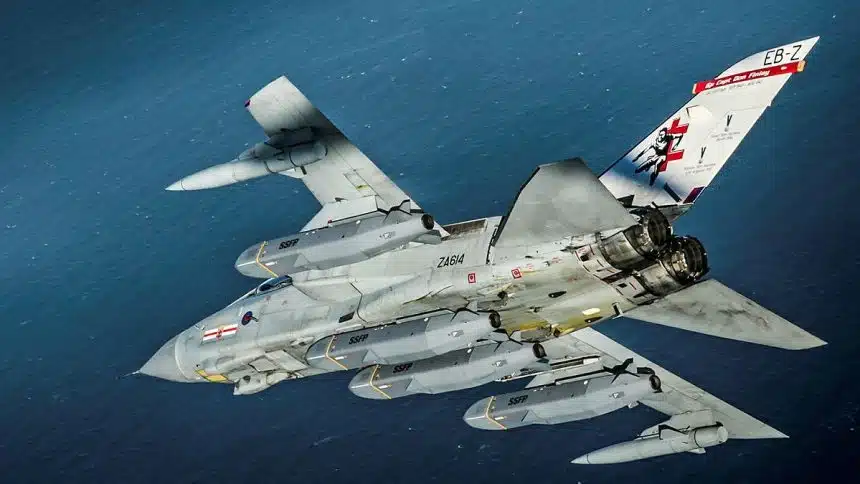
UK Prime Minister Andy Burnham cleared MBDA to release classified technical data to Ukraine on UK components used in the Storm Shadow in exchange for access to Avengers AI Labs.
The decision was announced ahead of the Prime Minister’s visit to Kyiv, his first foreign visit since taking office, on Aug. 24, 2026, and allows Ukraine and France to set up missile production in Ukraine to support the needs of the Ukrainian Air Force. So far, missiles that have been delivered to Ukraine have either been donated directly from the stocks of Italy, France or the UK, or delivered from MBDA’s recently reopened production lines.
This announcement will ensure that Ukraine will be able to make the weapons it needs, without the added burden of transportation from its allies. Whilst France had already announced its plan to set up production of SCALP-EG in Ukraine in July 2026, in coordination with the British and the Italian governments, Burnham’s announcement confirmed this plan, ensuring that the British owned half of MBDA Missile Systems can release its classified technical knowledge to the Ukrainians.
The UK and Ukraine have signed a landmark AI partnership to develop new defence technologies and strengthen national security.
The UK will be the first international partner to access Ukraine’s Avengers AI Labs, combining Ukrainian battlefield insight with British AI expertise. pic.twitter.com/xuSoyQMrbq
— Cabinet Office (@cabinetofficeuk) August 24, 2026
In exchange Britain has been given access to Ukraine’s Avengers AI Labs as a part of the two nations’ 100 Year Partnership. This AI platform provides real world data and insights collected by thousands of daylight cameras and infrared sensors across the battlefield in Ukraine to train AI models in targeting. This data has allowed Ukraine to enable its drones to function fully autonomously, ensuring that they can operate in electronic warfare environments.
The partnership will also see the UK and Ukraine collaborate in the technology sector, with the UK backing Ukrainian universities, researchers and technology companies who will help to advance the UK’s emerging AI sector, helping British innovators and researchers.
On the deal, Defence Secretary Wes Streeting stated:
“Ukraine is pushing the frontier of defence innovation as they bravely resist Putin’s illegal invasion. From supporting with military equipment and training to co-developing cutting-edge technology, the UK will stand shoulder-to-shoulder with Ukraine for as long as it takes.
By combining the UK’s world-leading scientists, engineers and tech companies with Ukraine’s unique battlefield experience and data, we will strengthen both of our nations’ defence and security.”
Burnham likely chose Ukraine for his first international visit as Prime Minister to send a message to Russia that Britain remains steadfast in supporting Ukraine in its struggle. Despite threats directed from Russian Press Secretary Dmitry Peskov of unspecified consequences that would impact the UK, the Prime Minister has demonstrated that there is little that Russia can actually do to prevent the technology transfer.
For the visit, Burnham travelled into Kyiv by train, where he was met by Ukraine’s foreign minister Andrii Sybiha. He was then photographed laying a flower at the grave of one of Ukraine’s unknown soldiers at Ukraine’s national military cemetery. Here over 300 unidentified Ukrainian soldiers are buried awaiting their hopeful identification through DNA testing.
Andy Burnham to Ukraine:
We are with you in this struggle all the way, heart and soul. As prime minister, I’m with you personally.
What I see before me today is an unbroken country. pic.twitter.com/pqRsHKHHfR
— Clash Report (@clashreport) August 24, 2026
The Prime Minister then joined Ukrainian President Volodymyr Velenskyy outside the St Sophia Cathedral to mark the 35th anniversary of Ukrainian independence with a speech comparing Ukraine’s resistance against Russia to Britain’s fight against Nazi Germany. He addressed several Russian threats made towards Britain for its role in bolstering Ukraine’s defences stating, and vowed to bolster Ukraine’s air defences ahead of the next winter.
He stated:
“My nation kept the flame of European freedom alive in the 20th century, you hold that flame in the 21st.
Ukraine has been Europe’s protector, not a drain on our security but the front line in keeping Europe safe.
The Ukrainian people deserve not just our continued support but our gratitude and respect.”
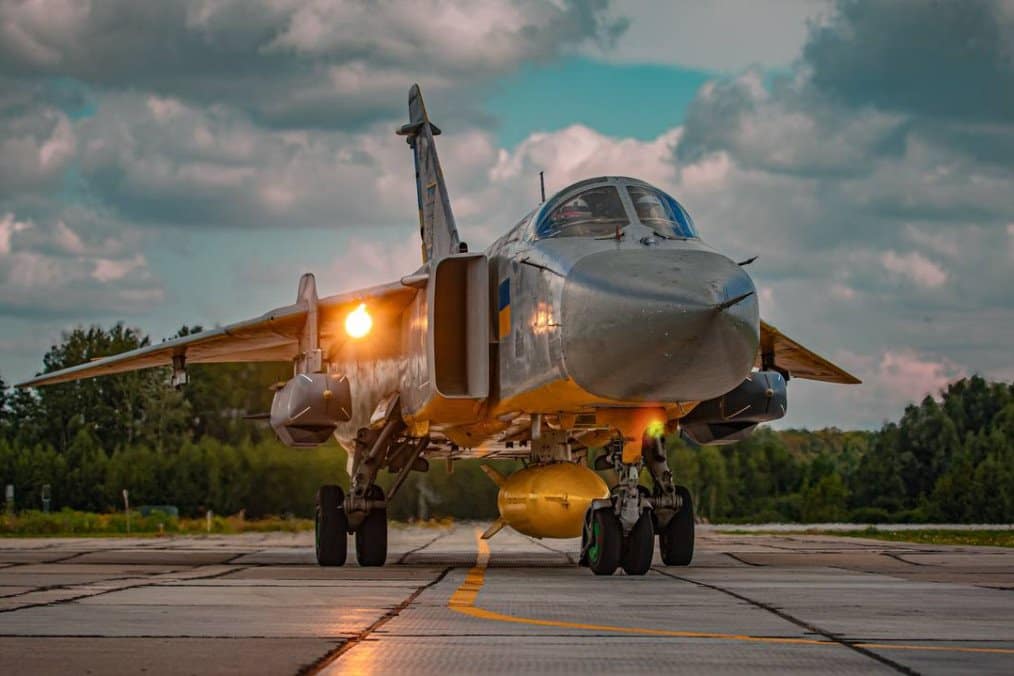
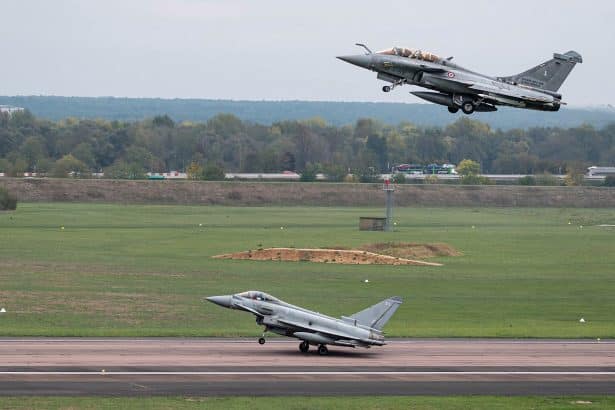
Donated Storm Shadow and SCALP-EG missiles can already be carried by modified Su-24 fighter bombers and French donated Mirage 2000-5 aircraft, and will be deployable from the 16 Dassault Rafale aircraft that France agreed to send Ukraine from 2028.
Storm Shadow and SCALP-EG missiles have been delivered to Ukraine since May 2023, with these weapons taking out numerous high value targets across Russia and Russian occupied Ukraine, including the Kilo-class submarine Rostov-on-Don which was hit whilst in dry dock in Sevastopol.
Important fact: The Mirage can carry the Storm Shadow air-launched cruise missile. https://t.co/QOYQyj6LoI pic.twitter.com/aXVV4Ipnql
— Artoir (@ItsArtoir) March 22, 2023
However, weapon usage by Ukraine has been limited to donations made from the existing stocks used by Italy, the UK and France as production of the missiles had ended several years prior. Unofficial assessments had put Rome’s, London’s and Paris’ weapon stocks in the higher hundreds/few thousands, however they are significantly depleted after supply to Ukraine.
As a result, the production line was restarted in the UK and France in July 2026 to help make up the difference in the weapons used and to also give Ukraine a more sustainable supply of missiles.
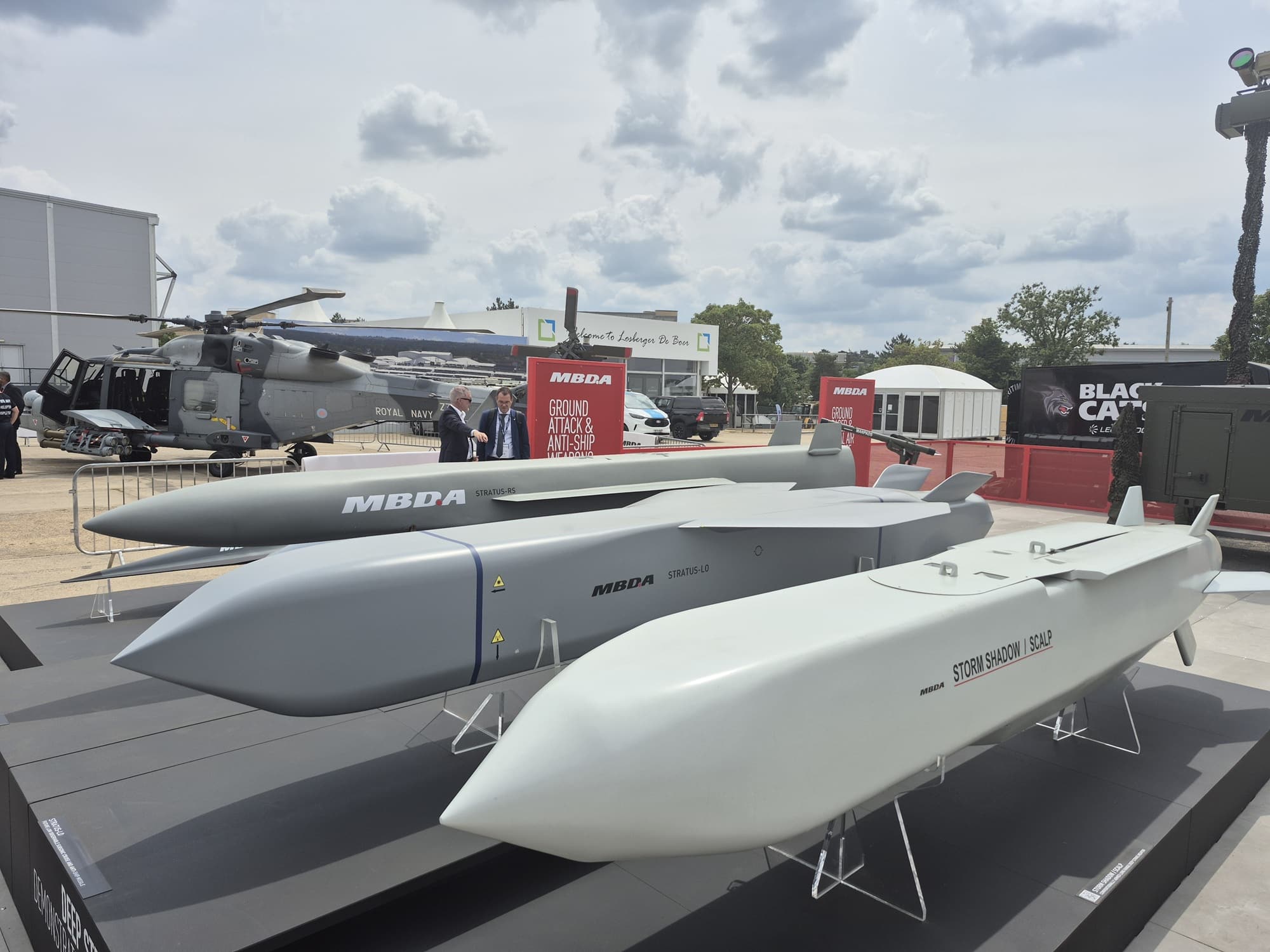
Now that Ukraine will be able to produce its own weapons, Italy, France and the UK will be able to preserve more of their stockpile whilst they await the introduction of the newer Stratus missiles, also developed by MBDA. Once these weapons enter service in large numbers it is likely that Ukraine will receive significant donations of the older weapons that these nations no longer have need for.
Storm Shadow and its Future
Storm Shadow, or SCALP-EG as it is called in France, is a long-range, stand-off, air-launched cruise missile (ALCM) that is deliverable by Tornado, Typhoon, Rafale, Mirage and Su-24 Fencer aircraft. It carries a two stage 400kg warhead called Bomb Royal Ordnance Augmented Charge (BROACH) which was developed by BAE Systems in the UK.
Its initial charge is used to penetrate the armoured target, with its second charge used to destroy it from the inside. As a result, the missile is designed to attack important hardened targets and infrastructure such as buried and protected command centres or bunkers.
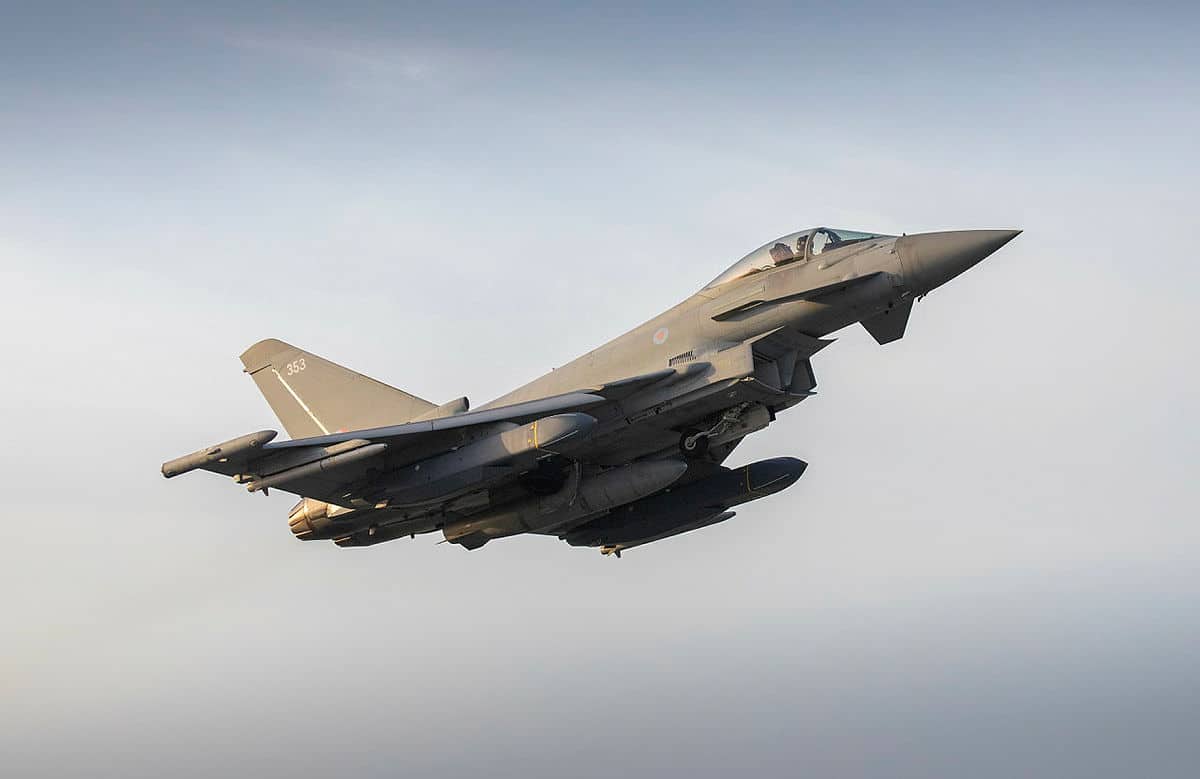
Mission and target data is loaded into the weapon’s main computer before the aircraft leaves on its mission, allowing it to be used in a fire and forget manner which was ideal for Ukraine’s needs. After release, the wings deploy and the weapon navigates its way to the target at low level using terrain profile matching and an integrated GPS.
On approaching the target, its onboard infrared seeker takes control, matching the target image with the stored data to ensure a precision strike and minimal collateral damage. British and French intelligence has been vital to the employment of these missiles in Ukraine, with a number of service personnel embedded in Ukraine to facilitate the data transfers and provide assistance.
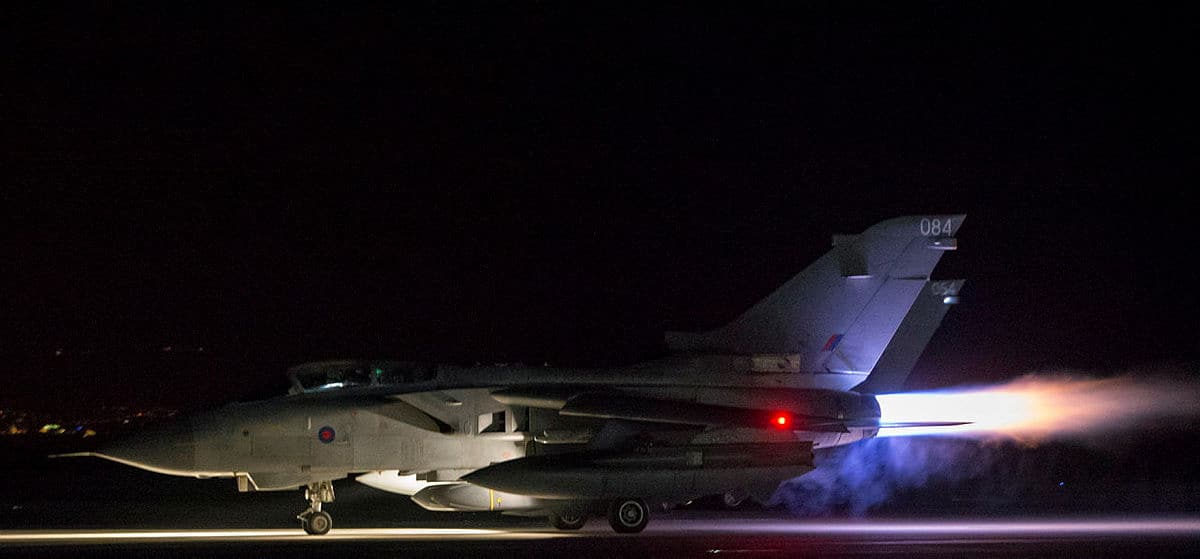
Storm Shadow and SCALP-EG are virtually identical missiles, with minor differences in their software and aircraft interface components allowing them to be used by the different nations. As it is French aircraft that will form Ukraine’s future missile delivery systems, it is understandable that France is taking the lead on setting up production in Ukraine itself. However, British approval was still needed to allow MBDA to set up production due to the presence of British built components in the missile, especially the warhead.
The Storm Shadow missile is however a weapon born from the 1990s, with missile technology having steadily moved on in the years since. Whilst still potent, it is to be replaced by the Stratus LO and RS missiles, which will improve the striking abilities of the air forces employing them. These missiles, also products of MBDA, are to be tested in 2028 in both the air and sea launched variations, paving the way for a new generation of striking power.
The Project Brakestop ‘fly off’ is underway. Its between: Rotron, MGI and MBDA.
The first, an SME, offers SKYLANCE, the second, a Formula One company, offers TIGERSHARK and the third, an established missile maker offers CROSSBOW. pic.twitter.com/6xoCP7tzAA
— JamesFennell MBE (@FennellJW) June 20, 2026
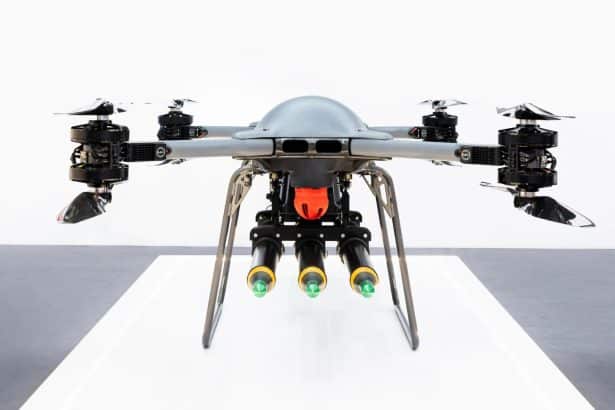
As a result of this development, the Storm Shadow missile will be retired in RAF service at some point in the next few years, according to announcements made in this year’s Defence Investment Plan. It will be replaced by Stratus and several variants of cheaper One Way Effector munitions being developed under Project BRAKESTOP for the Ukrainian Armed Forces. These weapons will provide the UK a much needed high-low mix of long range missiles, one of the most significant lessons from the war in Ukraine.
The sun may be setting on the Storm Shadow for the UK, but for Ukraine this is only the beginning.