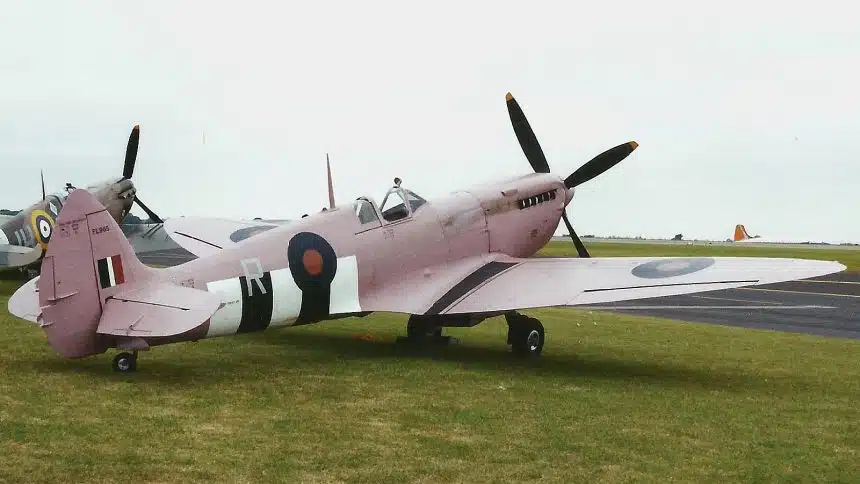
In an obscure and perhaps less glorious role, Britain’s well-known World War 2 fighter excelled at important photo-reconnaissance missions while donning some unusual paint schemes.
Sometime in 1939, a Royal Air Force (RAF) officer made an observation that the current method of utilizing modified bombers, which were heavy and slow, for photo reconnaissance missions was that the opposite would be more effective. His idea was for a small, light, high-performance aircraft flying unarmed to save weight, that could evade enemy air defenses and fighter aircraft more easily and safely than the larger well-armed bombers.
Eyes in the Sky
As early as 1911, the value of aerial photographic reconnaissance was known, and, during World War 1, cameras were used in aircraft by opposing nations in attempts to gain the upper hand. In early 1939, war was once again just months away.
A photo-reconnaissance unit (PRU) had been established by the British at Heston, near London, and commanded by Sidney Cotton. Cotton thought outside the box and was considered a genius when it came to photography. He had been experimenting with various aircraft for PR (Photo-Reconnaissance) use, and concluded that Britain’s premier fighter aircraft of the time, the Supermarine Spitfire, was best suited for fulfilling the role.
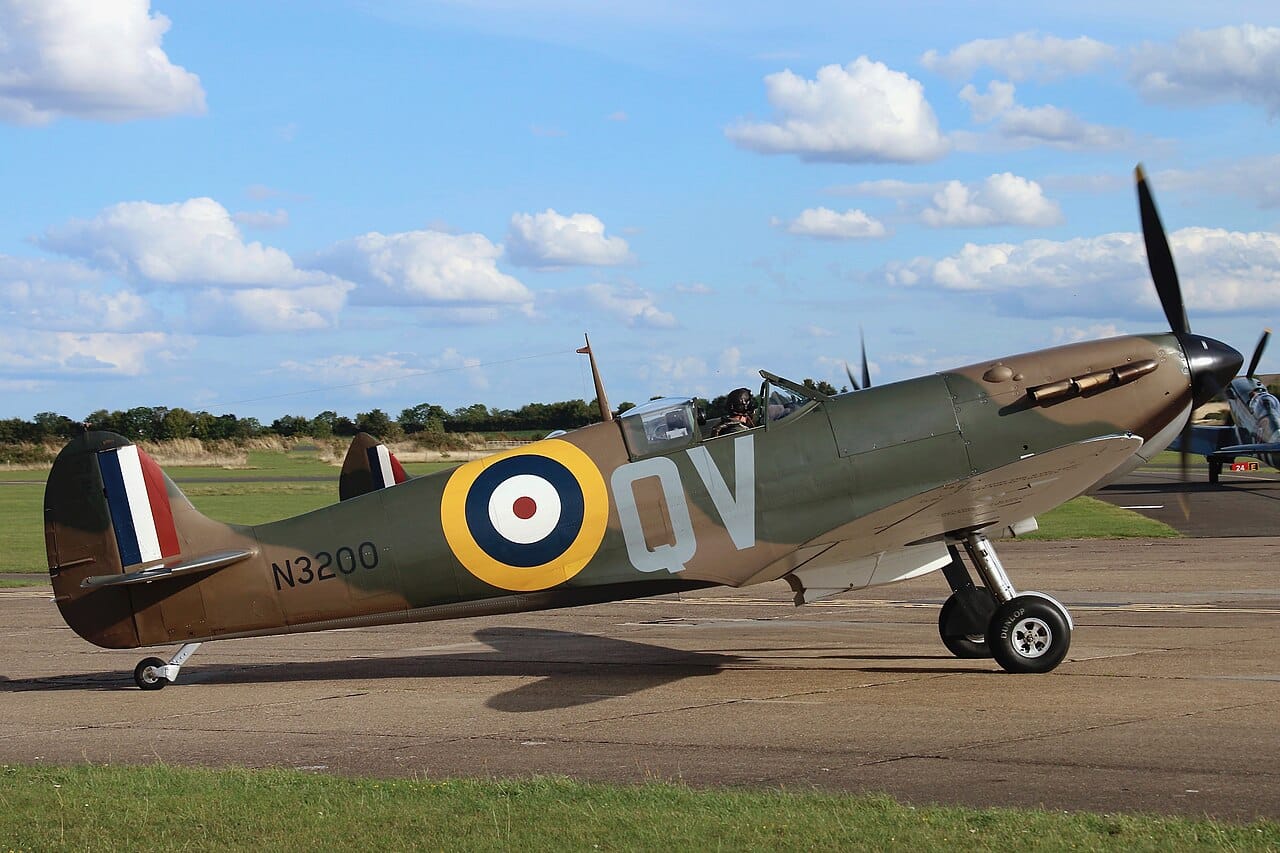
However, being a frontline fighter, demand was high for the aircraft and Cotton had no luck acquiring the type for PR duties. Finally, after seeing Air Officer Commanding-in-Chief Sir Hugh Dowding of Fighter Command in October 1939, he was granted two Spitfires. They arrived at Heston the next morning.
The First PR Spitfires
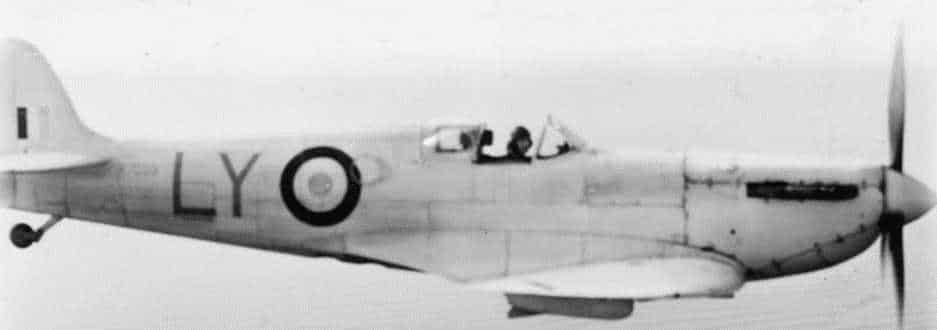
The two Spitfires to be converted to PR duties were Mk Is. All armor and armament was stripped of the aircraft and F.24 cameras mounted in each wing. The external surfaces of the aircraft were given a hard smooth glossy finish. All this resulted in the now pale duck-egg greenish aircraft attaining a top speed to close to 400 mph.
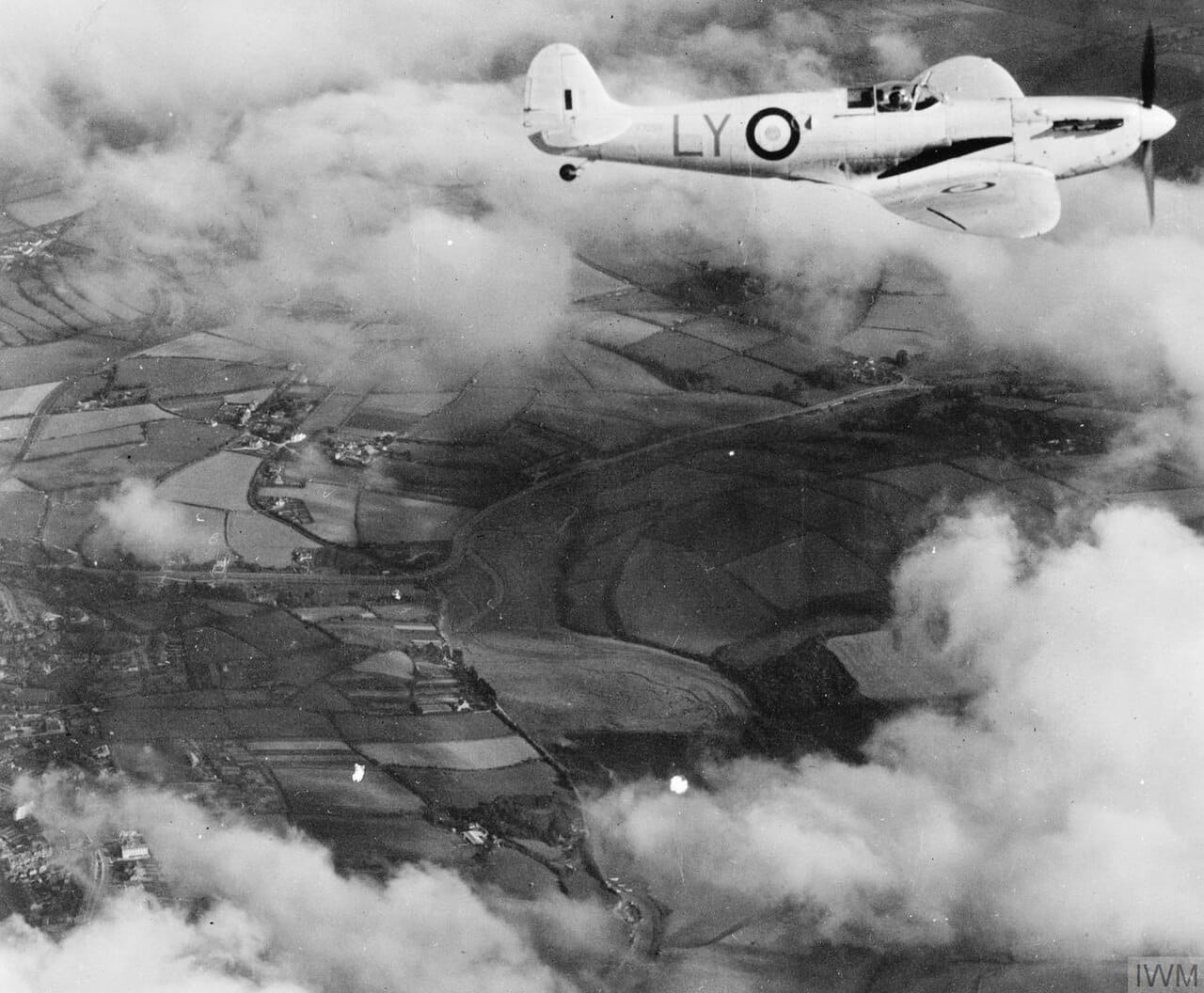
On Nov. 18, 1939, the first Spitfire PR mission was launched from Seclin, France. Flown by Maurice ‘Shorty’ Longbottom in Spitfire N3071, the sortie was aborted due to bad weather. Longbottom would go on to complete a total of 15 PR flights up until Jan. 10, 1940.
On ten of the flights he returned with photos taken over enemy territory that covered 5,000 square miles. He demonstrated his idea that PR results could be best obtained by an unarmed fighter relying on speed to escape instead of an armed heavier aircraft. This would be the method used by the Royal Air Force (RAF) throughout the war.
Early in 1940, the PR organization at Heston continued to expand and added more pilots and aircraft. By June 18, the unit had 11 Spitfires and was placed under the No 16 Group, Coastal Command with Wing Commander Geoffrey Tuttle in command.
Three of the units Spitfires were the newer PR 1c models which incorporated a fuselage camera mounting system and a ‘blister’ canopy that would become a distinction of most future PR Spitfires. In late December, the PRU was moved to Benson in Oxfordshire to avoid bombing by the Germans.
Pretty in Pink
Modifications continued to progress on the PRU Spitfires, with one issue requiring much thought and experimentation was the camouflage finish to be applied to the aircraft. An unarmed aircraft needed every advantage it could get, and remaining unseen was paramount to accomplishing important missions.
After the initial duck-egg green finish and the testing of several schemes, two found their way to the surfaces of most PRU aircraft. The first color, applied mostly to the aircraft operating at medium to high altitudes, would be a unique shade of blue known as PRU Blue (BS 636). This blue was also applied to the lower surfaces of some high altitude fighters.
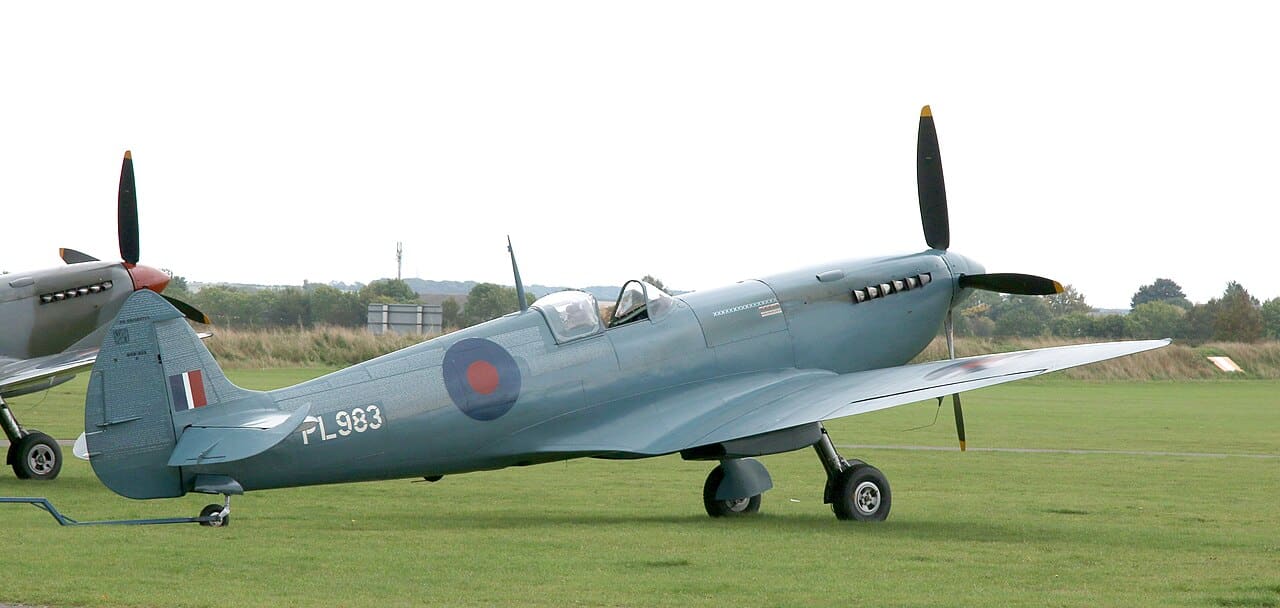
PR Spitfires that were expected to be flown at lower altitudes, particularly during early morning or late evening when the skies took on various shades of mauve, pink, and orange, were painted a pale pink shade to blend in with the surrounding colors of the sky and the clouds. This was found to be effective at hiding the aircraft. This pale pink was only applied to PRU aircraft and became known as PRU Pink.
The idea to use a pink hue seems to have originated with Lord Mountbatten, who had the idea that naval ships should be painted a greyish mauve color in order that they would blend in with the early morning or late evening skies and reflections on the water, making the ships more difficult to spot or distinguish. Some sources list the color used on the PR Spitfire as the same as what became known as Mountbatten Pink from the naval applications, but PRU Pink was a much paler almost off-white color with a pinkish hue.
It has been described as almost appearing white until something white is placed next to it, then it takes on a slight pinkish hue. Many current renditions of the color on restorations or scale models display a much more vibrant pink color, creating an attractive and unique visually stunning aircraft.
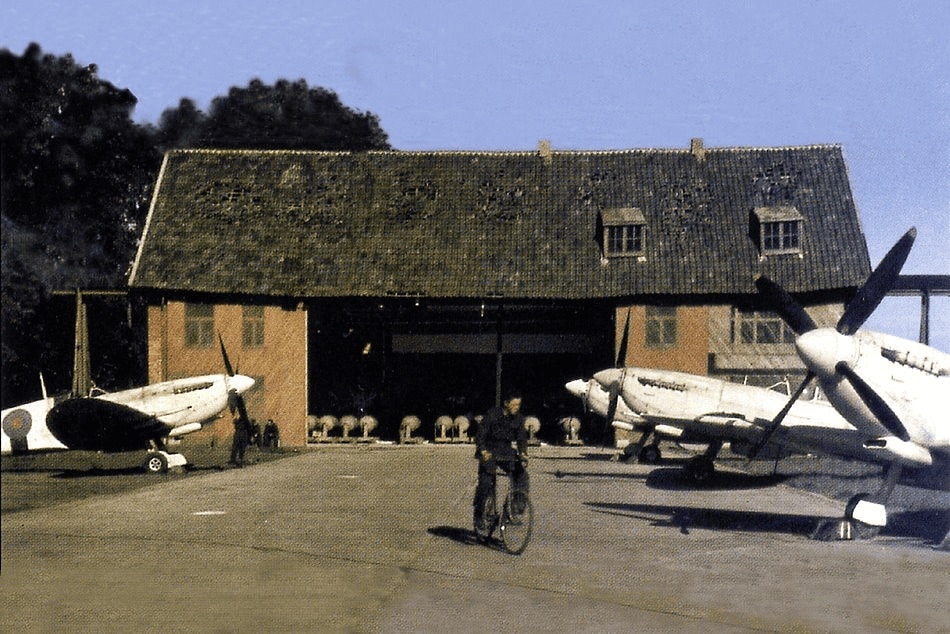
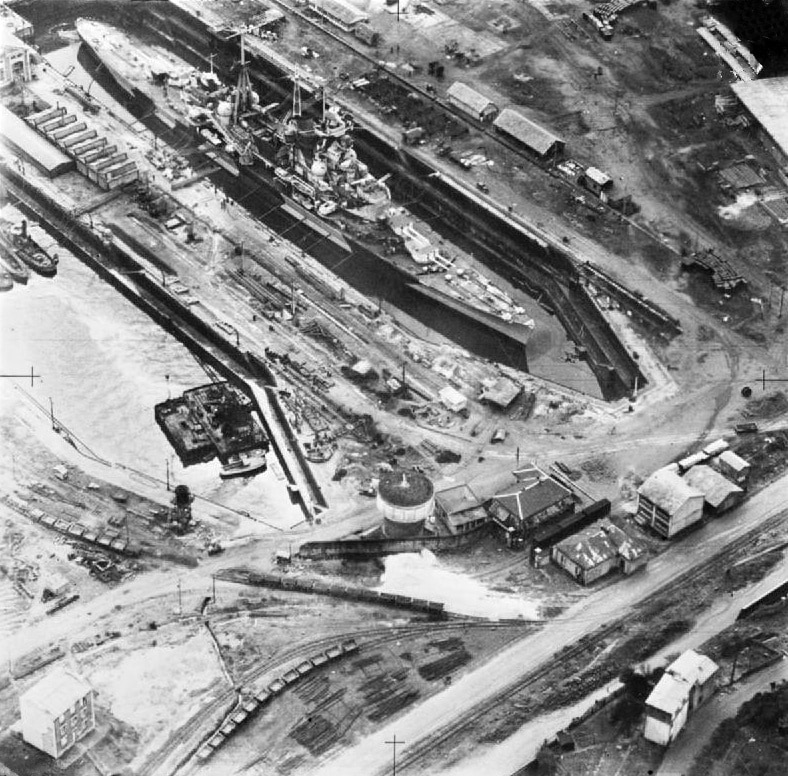
While highly effective at hiding the aircraft, it was reported that PR pilots were not exactly fond of flying a pink aircraft. However, PRU Spitfires are responsible for gathering important photographs during the war, including discovering the battleship Bismarck and cruiser Prinz Eugen on May 21, 1941, nestled in a Norwegian fjord as it was attempting to break out into the Atlantic to execute convoy raiding duties.
Continued Development
Variations and upgraded modifications, such as increased fuel capacity which increased range, continued to evolve the aircraft, and camera systems were revised for low or high altitude operations. One version, known as the FR. Mk XIX, was designated as a ‘Fighter-Reconnaissance’ type, since it added a fuselage mounted camera but maintained its standard gun armament. PR Spitfires flew with other countries as well, including the United States and went on to fly missions for years after the war.
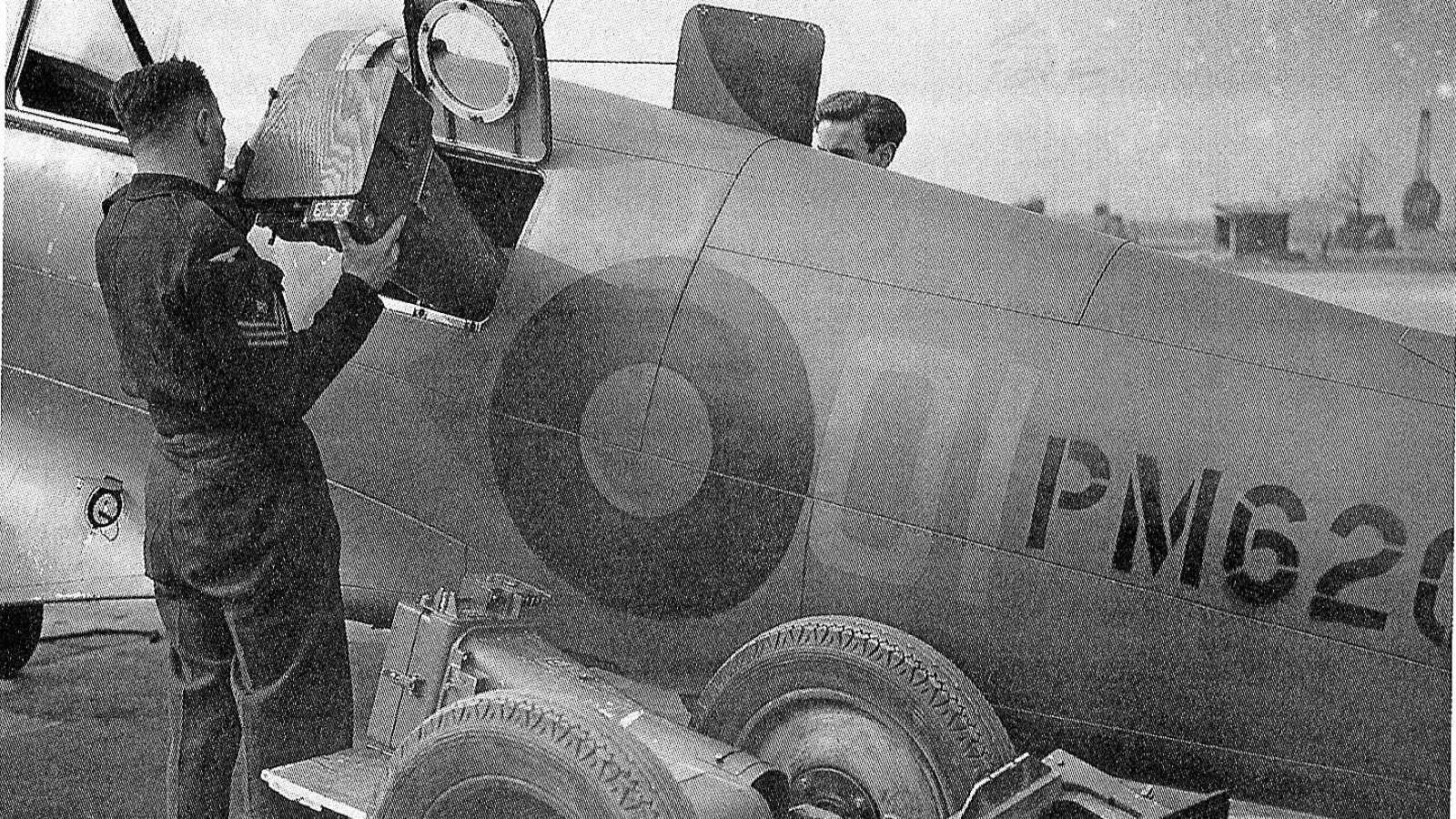
The last and most capable PR Spitfire was the Griffon-powered PR Mk XIX. Like some of its predecessors this version featured a pressurized cabin but with improved pilot visibility. It arrived during the final weeks of the war. It was said that at high-altitudes and in the hands of a capable pilot, the PR Mk XIX could evade a Me 262 jet fighter, and do so easily.