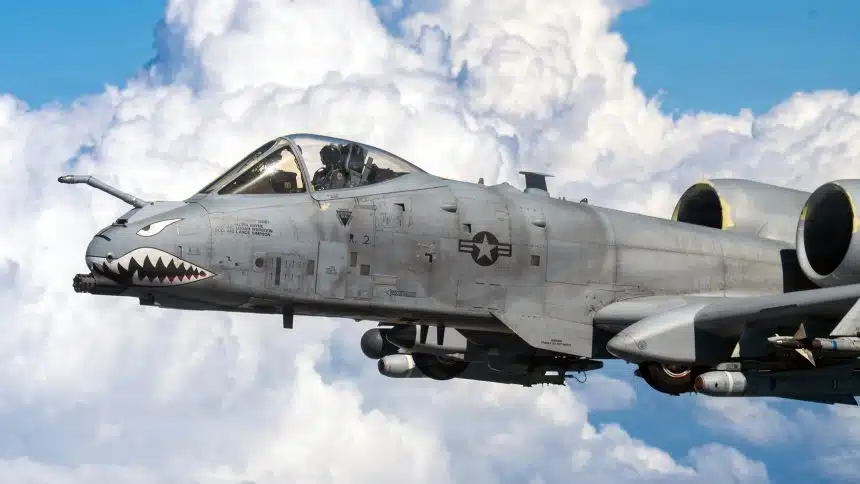
Moody AFB says the modification enhances the Warthog’s ability to support combat search and rescue and close air support missions, allowing probe-equipped A-10Cs to refuel from HC-130Js below 10,000 feet, with two aircraft taking fuel simultaneously.
The U.S. Air Force has revealed some interesting new details about the A-10C Thunderbolt II’s new Probe Refueling Adapter, adding some operational context to the capability first demonstrated in April and then seen in use in the Middle East earlier this month.
As we already reported in detail, the Warthog fleet recently received a new probe-and-drogue aerial refueling capability developed in response to an urgent combatant command requirement. The modification allows the A-10, to receive fuel from C-130-based tankers such as the HC-130J Combat King II, MC-130J Commando II and KC-130J Super Hercules, instead of the “traditional” flying boom of the KC-135 Stratotanker.
A few weeks later, we also reported that A-10Cs deployed to the Middle East in support of Operation Epic Fury had been photographed using the new probe while refueling from an HC-130J in the U.S. Central Command AOR (area of responsibility). Those aircraft, assigned to the 107th Fighter Squadron from Selfridge ANGB, were also carrying the Angry Kitten electronic warfare pod, marking the first time the pod had been publicly seen on deployed A-10s in an operational setting abroad.
A new release from Moody Air Force Base, adds additional details to the story.
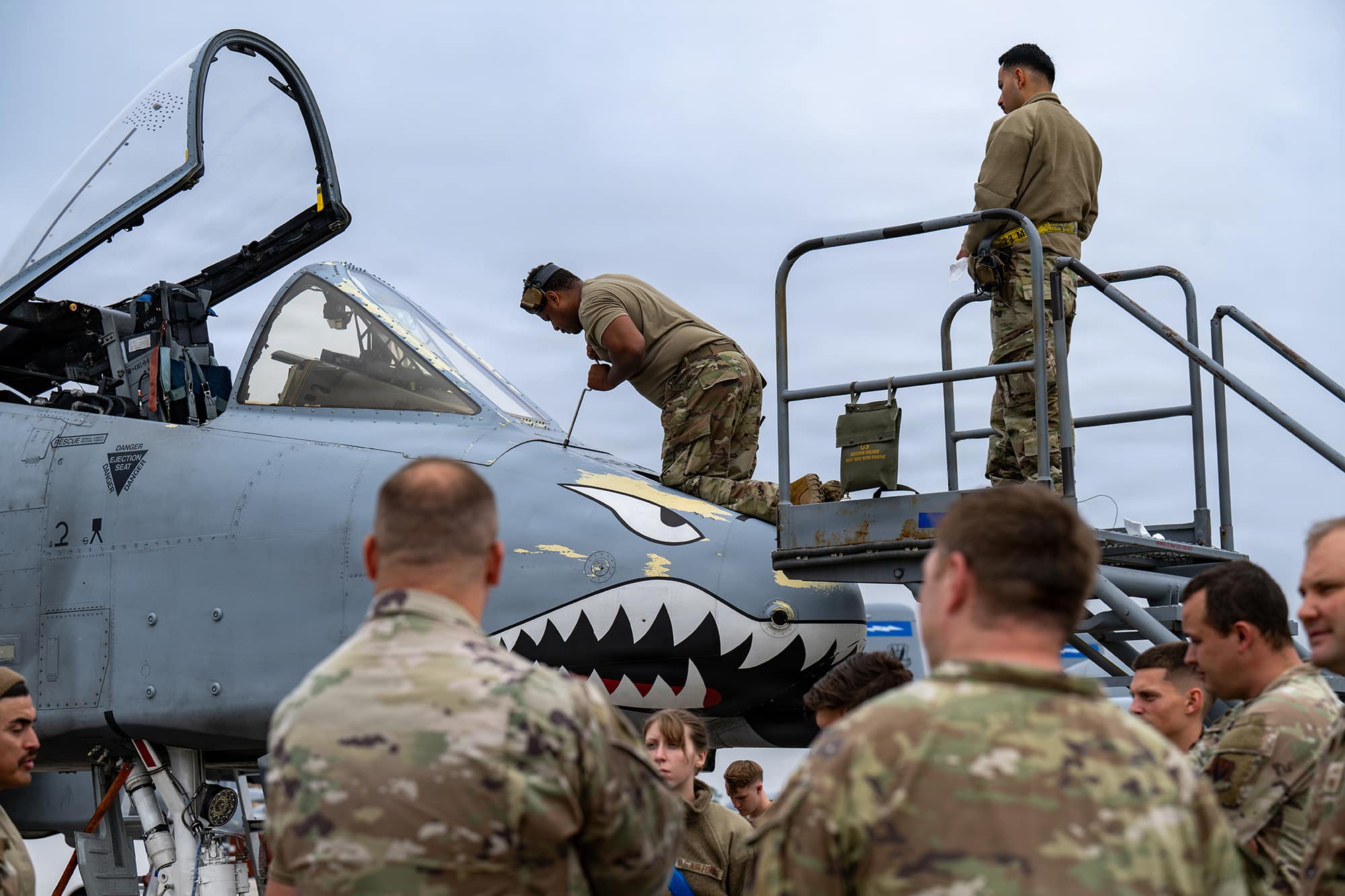
According to the 23rd Wing, Airmen at Moody completed the installation of the base’s first air refueling probe on an A-10C Thunderbolt II, with the goal to enhance the aircraft’s ability to support both combat search and rescue (CSAR) and close air support (CAS) missions.
Moody maintainers learned in late April that the probes would be delivered to the base, received them on May 11 and began installation on the first of two aircraft on May 13, 2026.
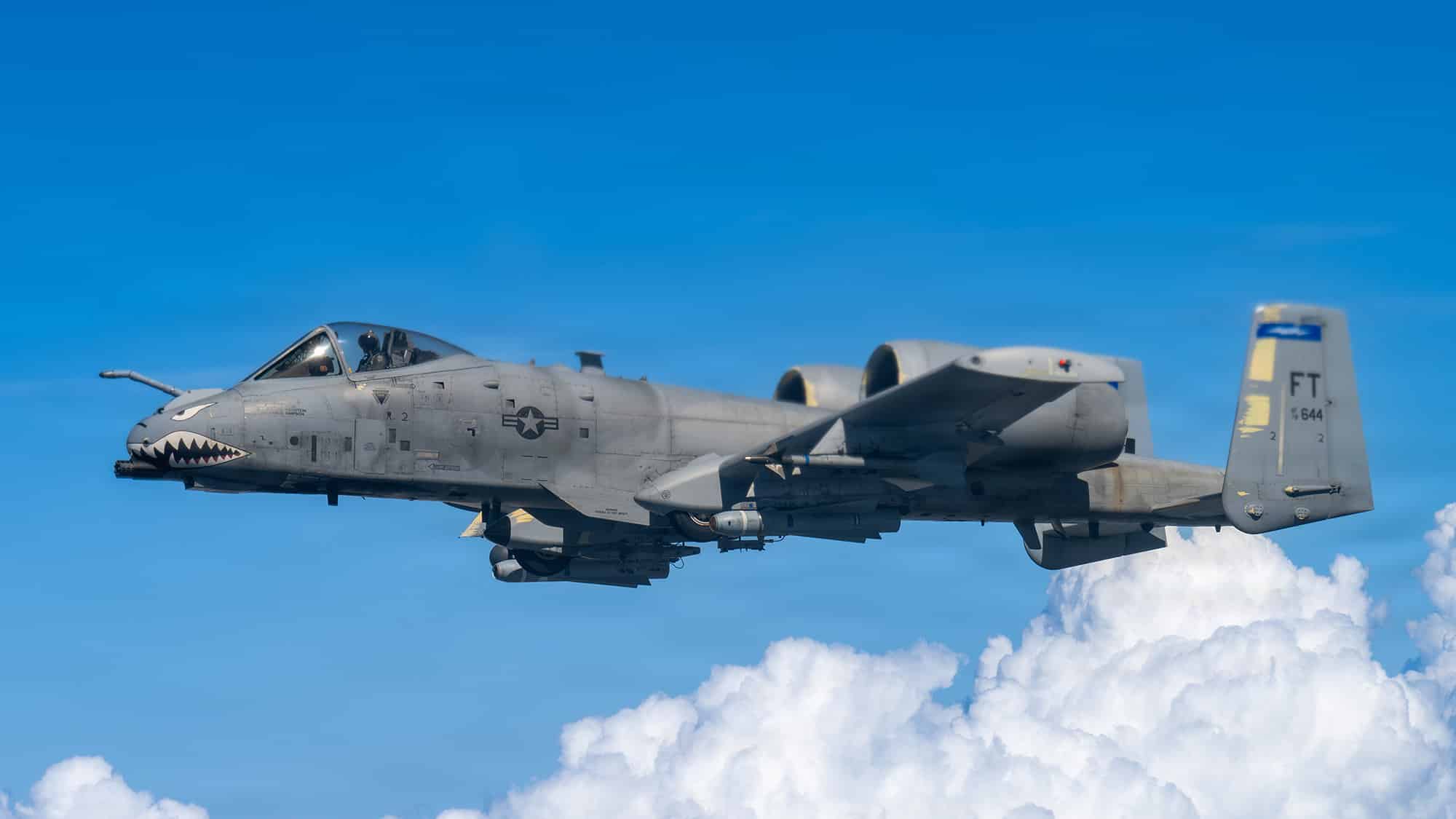
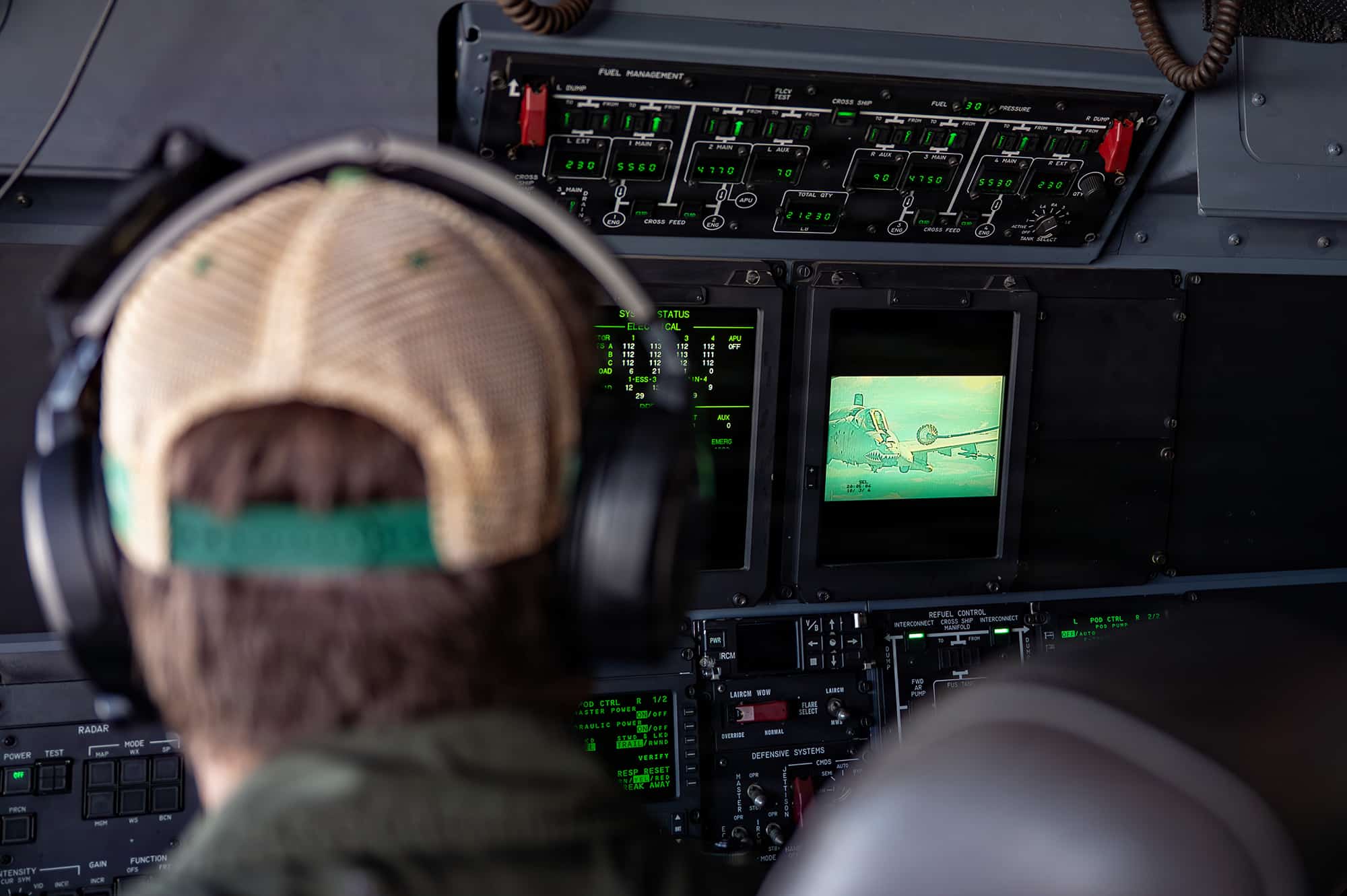
The release says the new probe allows A-10s to receive fuel from HC-130J aircraft below 10,000 feet, keeping the Warthogs closer to the CSAR mission profile rather than forcing them to climb away from the operating area to meet traditional tanker support.
“It gives the A-10 a different way of being able to refuel with the HC-130s,” said Tech. Sgt. Wesley Zell, an A-10 refueling probe installer from Davis-Monthan Air Force Base. “Now they can go low level, below 10,000 feet, refuel with the HC-130 and stay in the CSAR mission.”
Another noteworthy detail is that the system allows two A-10s to refuel simultaneously from an HC-130J. This is a significant difference compared to traditional boom refueling with aircraft such as the KC-135, where the flow is limited to one receiver at a time. For a two-ship of A-10s supporting a rescue package, being able to take fuel together could reduce the time spent cycling through the tanker and help the aircraft return to the mission more quickly.
The 23rd Wing’s release also provides some insights into the practical side of the modification:
Installation typically takes approximately four hours to complete, though the team encountered challenges during the process.
“We did encounter an issue while installing the modified mount bolts that caused the nut-plates to cross thread, leading to the removal of the refueling receptacle, costing us several hours,” Vargas said.
Tech. Sgt. Wesley Zell, an A-10 refueling probe installer from Davis-Monthan Air Force Base, worked alongside Moody’s maintainers to complete the installation. Although the installation process is generally straightforward, removing existing aircraft hardware and correctly installing the mounting components proved to be one of the most difficult parts of the modification.
“There’s been a lot of issues getting these bolts removed so we can put the probe on,” Zell said. “These screws and bolts hardly ever come out anyway, so doing this is the time-consuming part of it. Once we get that part up, the install of the probe is very simple.”
Moody pilots from the 74th Fighter Squadron then conducted familiarization flights with the new configuration. Capt. Ron Wayman was one of the pilots involved in those flights.
“It was a cool experience, something we’ve never done before,” Wayman said. “Getting to do it with the HC-130s from Moody was a pretty cool experience.”
During pre-deployment preparations, Moody maintainers coordinated with SMEs (subject matter experts) from Davis-Monthan AFB:
“Davis-Monthan maintainers came TDY to walk us through the installation process and how to implement modular pack-out kits provided to reduce reliance on traditional supply chains,” Tech. Sgt. Brent Vargas, 23d Maintenance Squadron fuels craftsman, said.
In the end, the picture we get is that the probe refueling adapter is more than just a technical workaround for the A-10’s dependence on KC-135 tankers while KC-46 certification remains pending: it is a deployable, unit-level capability that gives the Warthog more flexibility in the specific mission sets where it still matters, especially close air support and combat search and rescue.
Under new plans announced by the Secretary of the Air Force, the legendary A-10 Thunderbolt II will remain in U.S. Air Force service until at least 2030.
The new plan changes the original timeline, which would have seen the A-10 completely withdrawn by fiscal year 2029.
Although the extension currently runs only until 2030, it will reportedly keep two A-10 squadrons in service until that date, with another squadron extended until 2029. The U.S. Air Force had previously favored a much faster drawdown of A-10 operations, even requesting the retirement of the entire fleet in its 2026 budget proposal, a move later blocked by Congress.
In any case, for an aircraft that is still approaching, one way or another, the final years of its service life, the modification (together with the other upgrades we described here), is a reminder that the A-10C is still viewed as a valuable and versatile platform, one worth adapting when urgent operational requirements call for new capabilities.