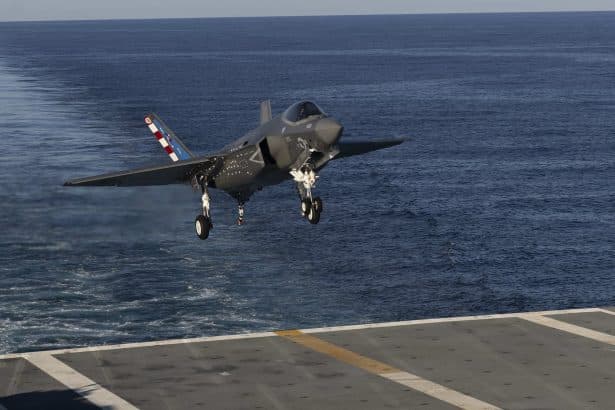
In early December, USAF F-35A Lightning IIs and F-16 Fighting Falcons took part in agile airpower exercises across the Baltic states and in Romania.
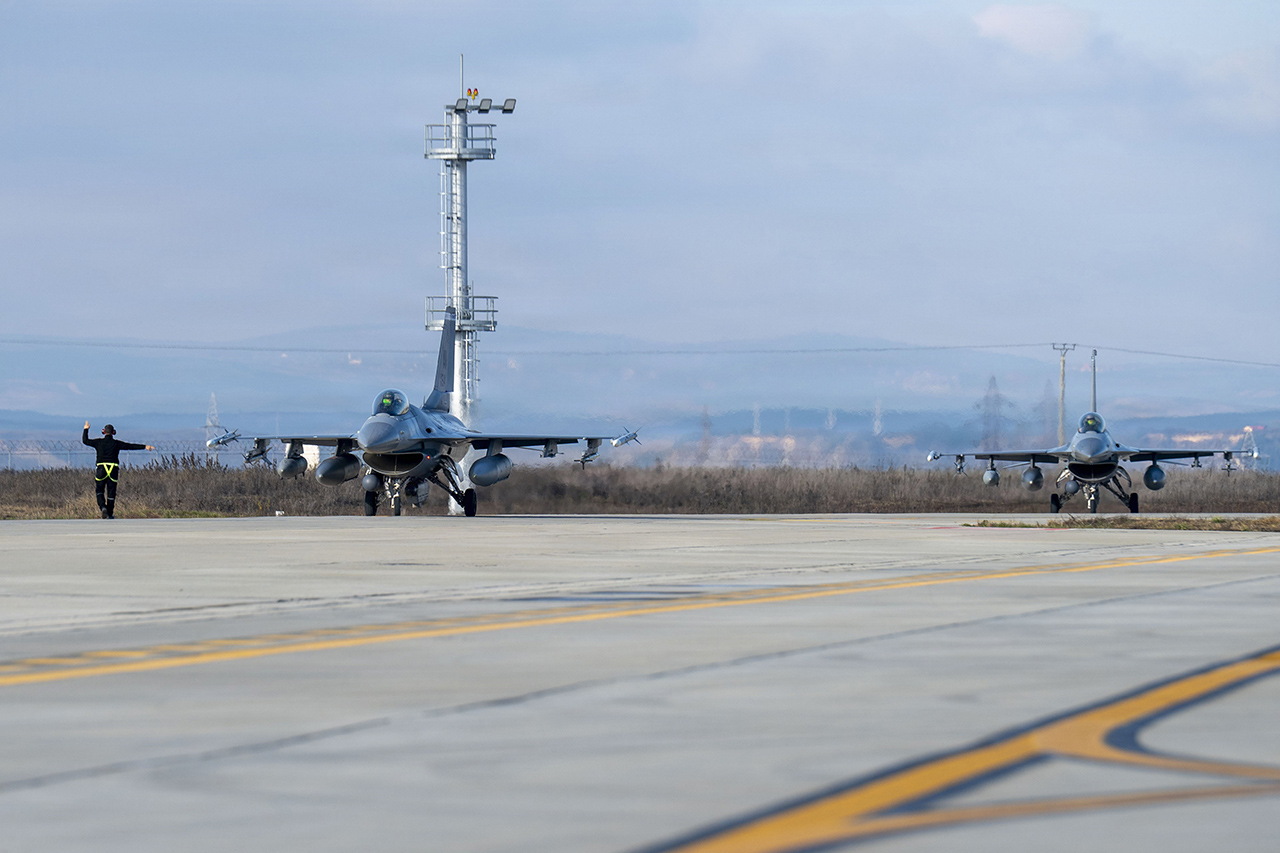
Two F-16s from the U.S. Air Force’s 31st Fighter Wing (FW), based at Aviano Air Base, Italy, launched on Dec. 3, 2025 and flew to Câmpia Turzii Air Base, Romania – home to Romanian Air Force F-16s as well as MQ-9 Reapers of the USAF’s 731st Expeditionary Attack Squadron, a geographically separated unit under the umbrella of Aviano’s 31st FW. The two jets landed at the Romanian base, rapidly refueled, and relaunched with support from Romanian forces.
“Our ability to integrate with our Allies is foundational to our readiness and preparedness to fight together,” said U.S. Air Force Lt. Gen. Jason T. Hinds, U.S. Air Forces in Europe – Air Forces Africa commander. “The threats we face require dynamic, partnered solutions, and today’s successful training reaffirmed how we can generate and sustain decisive air power across the theater.”
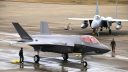
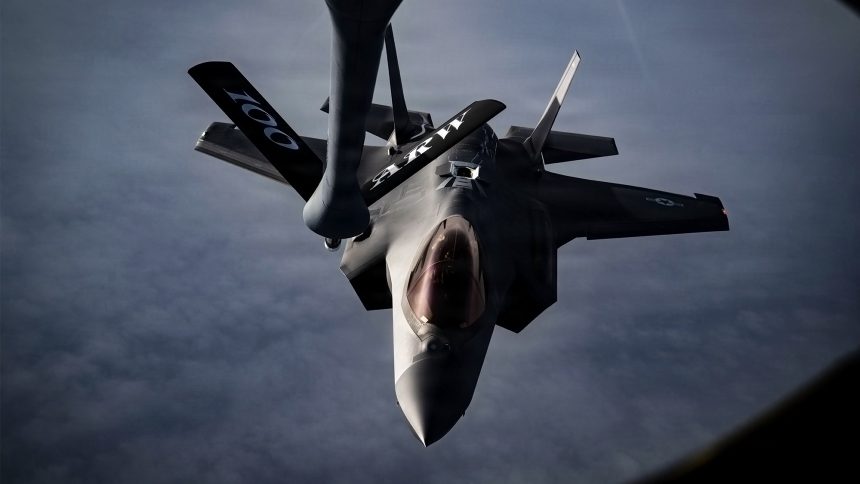
The next day, on Dec. 4, two F-35A Lightning IIs from the 48th FW at RAF Lakenheath took off in concert with a KC-135 Stratotanker from RAF Mildenhall. The tanker supported the two stealth fighters on a flight to the Baltic states, where they overflew Lithuania, Latvia, and Estonia. In addition, the F-35s joined the airfield patterns for low approaches at bases in all three countries – Šiauliai in Lithuania, Lielvārde in Latvia, and Ämari in Estonia.
REAPER01 flight F35’s joining LAGER 60 to route into Europe via NAVPI. LAGER working mil 133.325 & REAPER on 259.600. A2A is 242.600 pic.twitter.com/tvWO2Y5WXg
— Airband Listening (@Su39frogfoot) December 3, 2025
Hinds again commented on the deployment, noting “Our ability to project decisive airpower over the Baltics sends an undeniable message that we remain ready to deter aggression,” adding “Our close coordination with Allies ensures the U.S. is postured to rapidly deploy combat power to defend Europe’s Eastern Flank.”
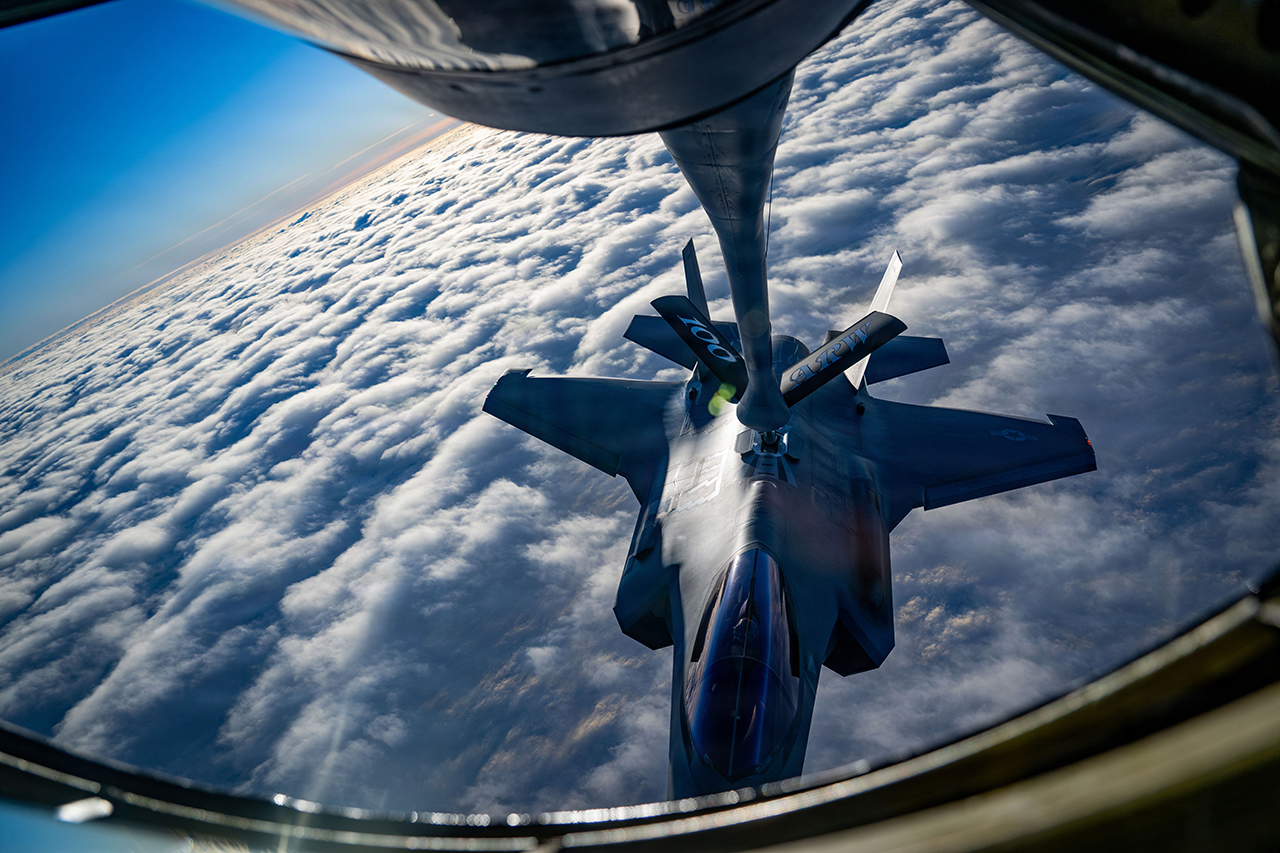
As is regular practice, the F-35As depicted in officially released imagery of the exercise are shown fitted with Luneberg lens radar reflectors on the upper and lower fuselage. The radar reflectors allow the aircraft to be tracked by civilian air traffic control units using primary radar, while additionally preventing accurate intelligence gathering on the aircraft’s true radar cross-section. In the weeks following the Russian full-scale invasion of Ukraine, some patrols over Eastern Europe were flown by ‘clean’ F-35s without the radar reflectors, perhaps signifying different considerations as to the threat level at the time – though it should also be noted that these were, in effect, operational defensive counter-air (DCA) missions.
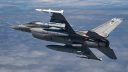
Though the F-35 carries many of its weapons internally, making it more difficult to analyse their loadouts, the all-external carry F-16s from Aviano could be seen fitted with inert training versions of the AIM-120 Advanced Medium Range Air-to-Air Missile (AMRAAM) and AIM-9 Sidewinder.
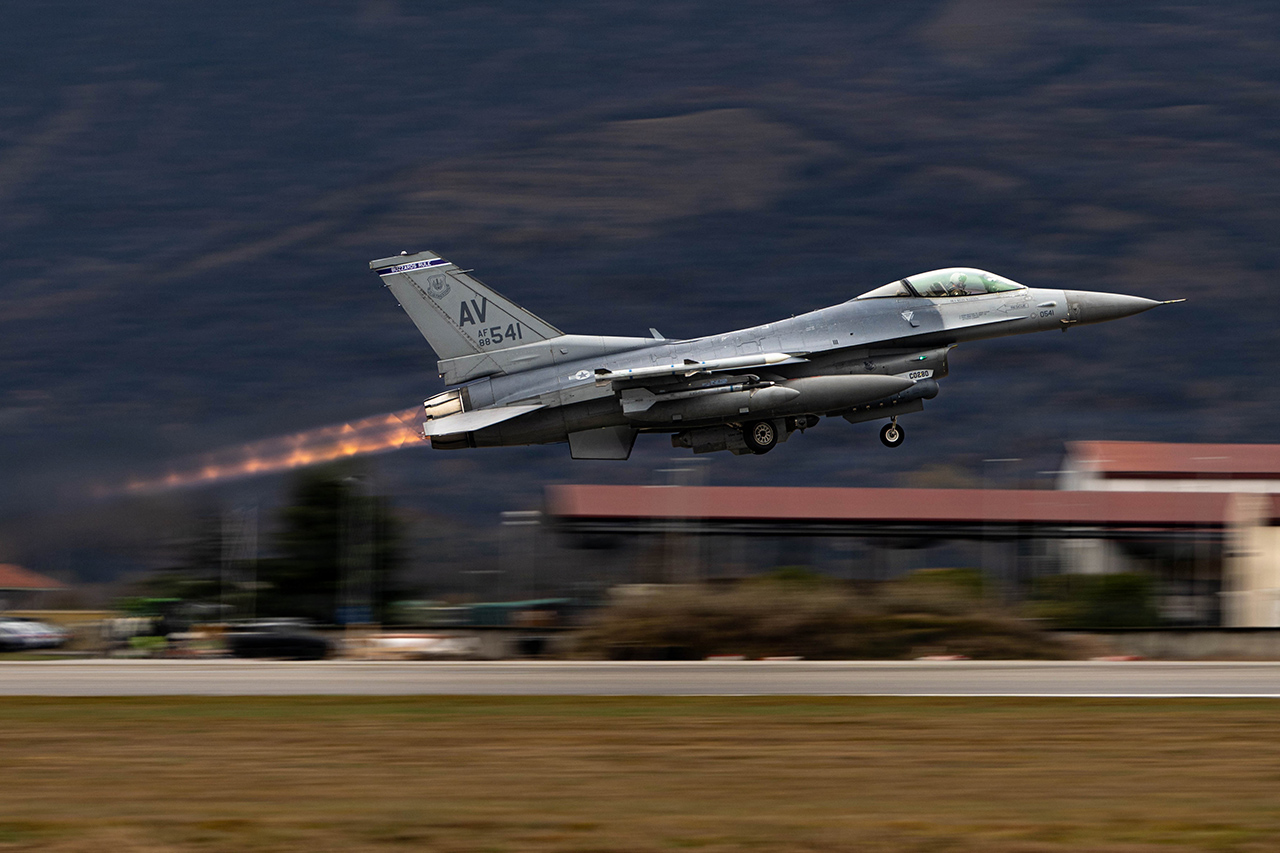
Most notably, both F-16s launched on the Dec. 3 sortie were carrying AN/ALQ-131 electronic countermeasures (ECM) pods on their centreline hardpoints. The AN/ALQ-131 provides enhanced self-protection for fighter aircraft by detecting and, if necessary, jamming the emissions of hostile radar sites. Aviano F-16s carried the pod along with live weapons during patrols in 2022. Both the AN/ALQ-131 as well as the newer AN/ALQ-184 are in the process of being replaced on the F-16 by an internally fitted, and lighter, system known as the AN/ALQ-257 Integrated Viper Electronic Warfare Suite (IVEWS).
Agile Combat Employment
The F-16 mission was labeled as an Agile Combat Employment (ACE) exercise in official releases. The ACE concept has been given a high profile in U.S. and Allied forces since it was officially adopted as doctrine in January 2022, and involves maintaining the capability to rapidly forward deploy air power and all required support elements to operating locations that might be otherwise unprepared or less prepared for military operations. Large, centralised air bases are vulnerable to attacks which could ground every aircraft at the station – dispersing some aircraft to a number of forward operating locations, therefore, increases the survivability of the force.
French Air and Space Force Brigadier General Gilles Juventin, speaking a multinational NATO airpower symposium in 2023, summarised: “ACE is an operational scheme of manoeuvre designed to improve resilience and survivability while generating air combat power from both home bases and geographically dispersed locations. ACE can be conducted from Main or Deployed Operating Bases and Contingency Locations – this requires a flexible, well prepared and coordinated approach by the deploying force and the receiving bases.”