First sustained operational sorties combine Rivet Joint intelligence gathering with Compass Call electronic attack to refine real world spectrum dominance tactics.
The U.S. Force has announced a significant milestone in the integration of two its premiere airborne EW (Electronic Warfare) and ISR (Intelligence Surveillance and Reconnaissance) assets. On Sept. 24, 2025, units from Offutt Air Force Base, Nebraska, and Davis Monthan AFB, Arizona, conducted the first sustained series of sorties combining the RC-135 Rivet Joint with the new EA 37B Compass Call in operational conditions rather than inside a scripted, standard exercise. The achievement is being described by commanders in public statements as a major step forward in electromagnetic spectrum dominance.
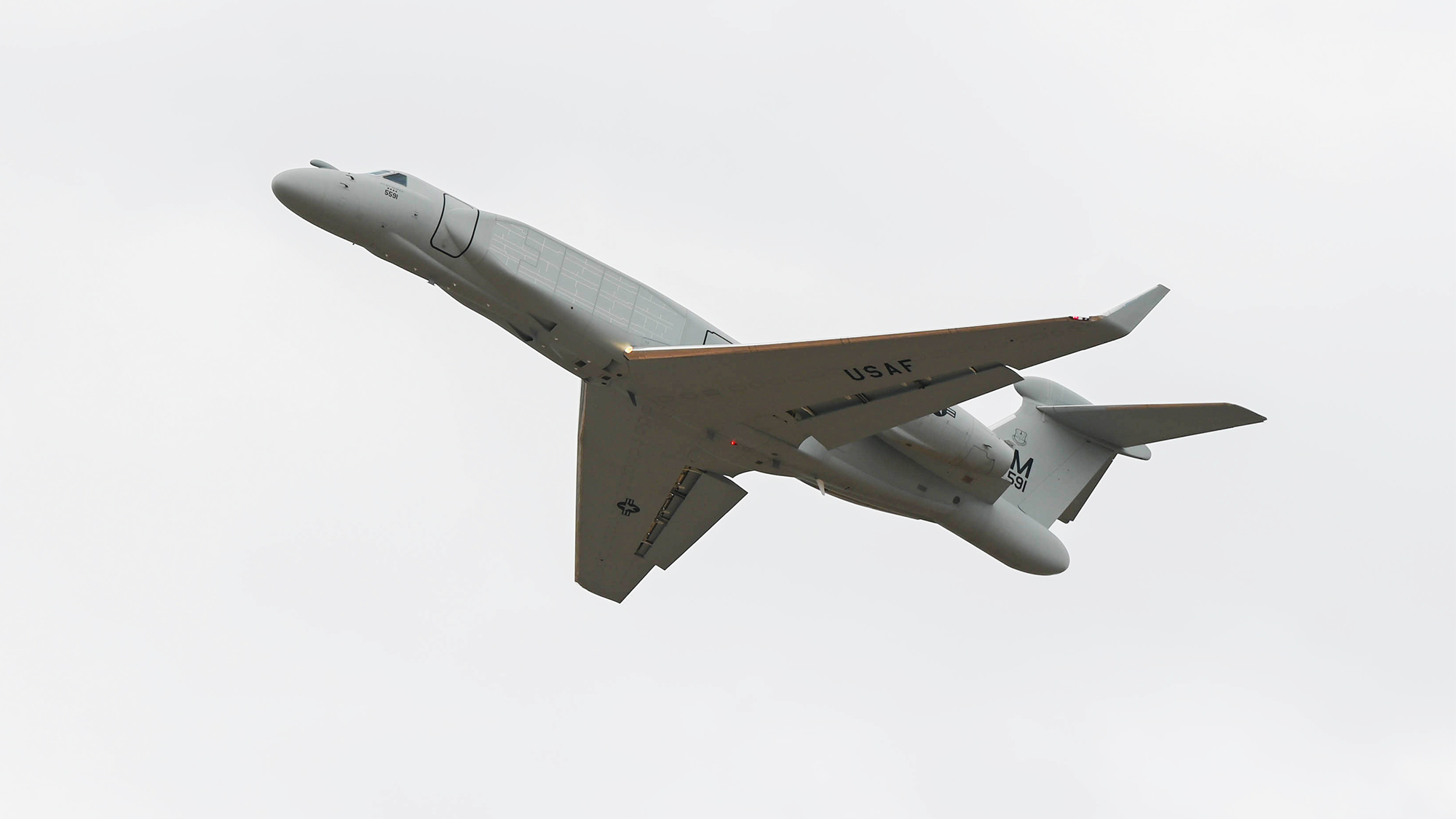
According to the service, the missions were carried out by crews from the 38th and 343rd Reconnaissance Squadrons flying the Rivet Joint, working jointly with the 41st and 43rd Electronic Combat Squadrons which operate the EA-37B. Planning sessions took place on Sept. 8, 15 and 22 and culminated in the historic sorties from Offutt AFB. The Air Combat Command release says the integration is rapidly refining joint electromagnetic operations by bringing together the sensing and intelligence capabilities of the RC-135 with the electronic attack functions of the EA-37B. Capt Wesley Ballinger of the 38th Reconnaissance Squadron described the combined effort as a decisive evolution in how the Air Force manages the spectrum fight.
“The synergistic integration of Rivet Joint’s intelligence gathering with Compass Call’s electronic warfare capabilities has proven to be a game-changer on the modern battlefield. We’re not simply flying sorties; we’re creating a new paradigm. By refining tactics, techniques, and procedures, we’re ensuring our forces maintain a decisive advantage in the electromagnetic spectrum,” said Capt. Jasmine Harris, 38th RS, weapons & tactics flight commander.
The two aircraft, one a veteran “spyplane”, the other a brand new addition to the fleet, are central to American intelligence and electronic warfare capabilities. The RC-135 Rivet Joint provides signals intelligence collection, geolocation of emitters and real time reporting to commanders and strike assets. The Compass Call, previously based on the EC-130H, has transitioned to the Gulfstream-based EA-37B which introduces a modern airframe, improved power generation and space for significant mission system upgrades. The EA-37B is designed to disrupt adversary communications, data links and command and control networks, supporting joint force freedom of action during high intensity operations.
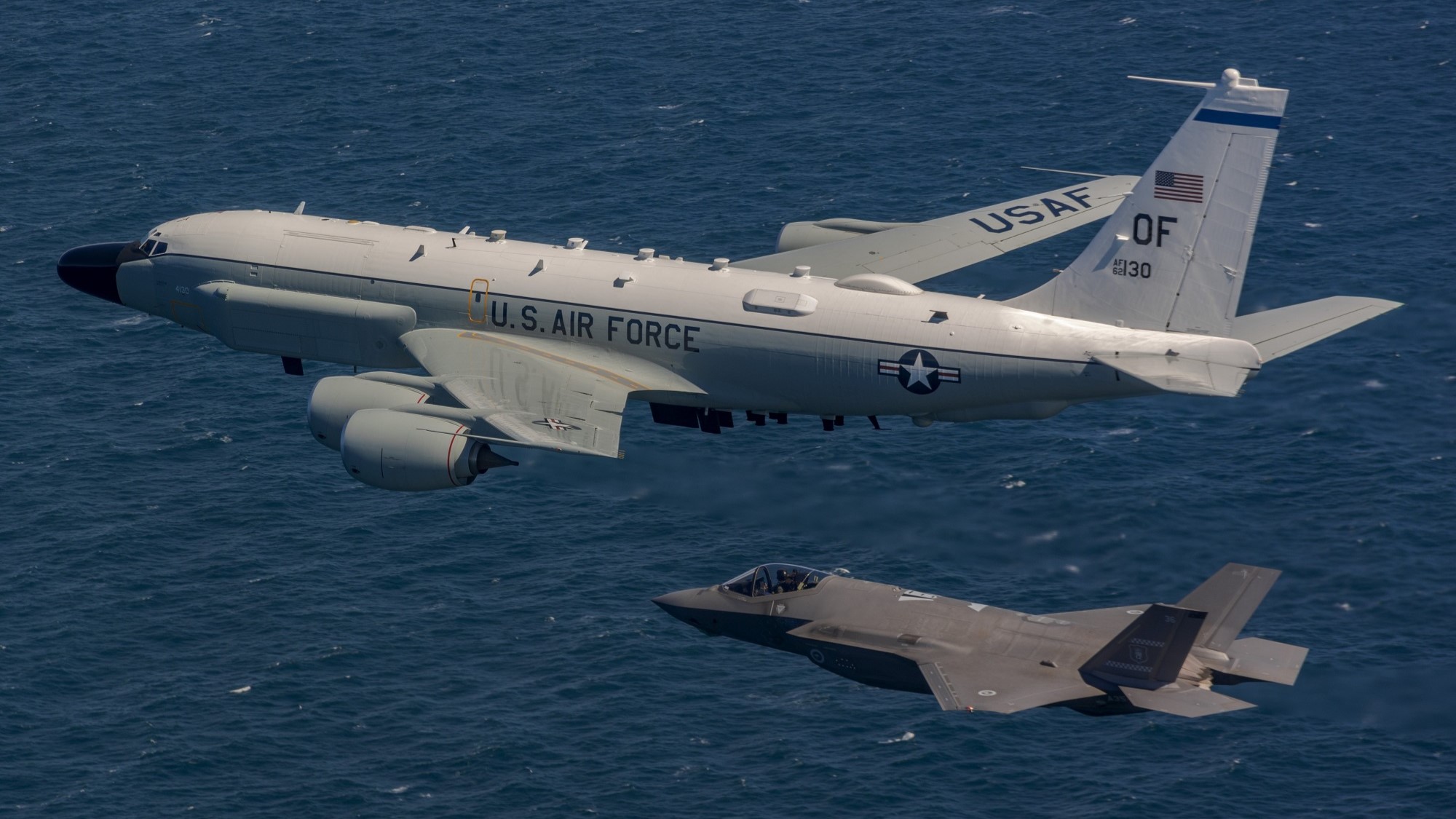
The Aviationist reported in 2024 that the transition from the EC-130H to the EA-37B represented the most profound modernization in the history of the Compass Call mission. At the time, we noted that the new platform would allow the Air Force to integrate electronic attack into a wider family of networked assets, thanks to better connectivity, longer endurance and a mission suite tailored for operations in contested airspace. Earlier this year, we also discussed the emerging concept of electromagnetic coordination cells where platforms like the RC-135 and EA-37B would team up, with the Rivet Joint identifying, classifying and tracking emitters while the Compass Call executes tailored effects to degrade or deny enemy systems.
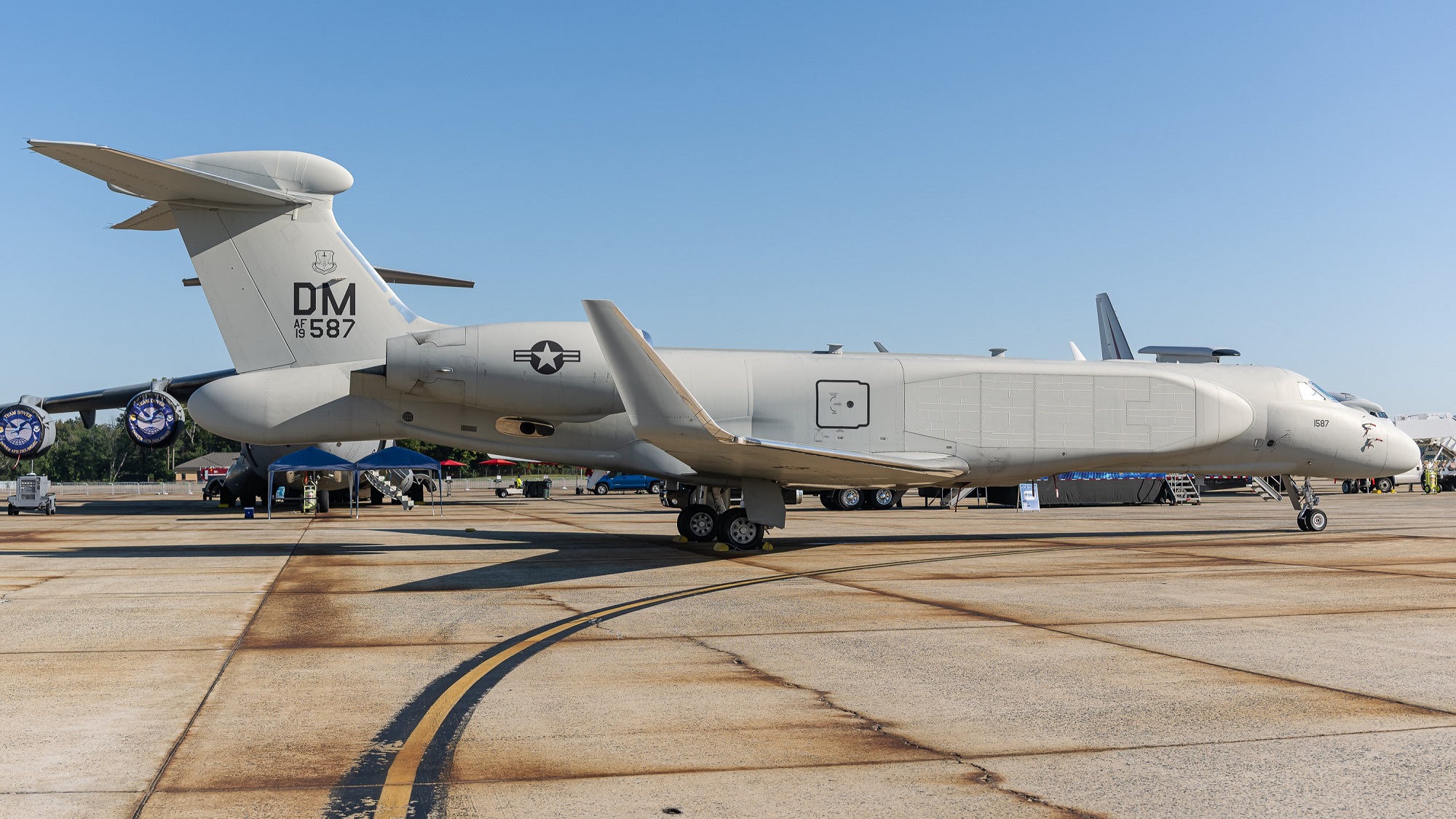
As we reported in mid 2025, Air Force wargaming documents repeatedly highlighted the need for integrated electronic attack and signals intelligence during future conflicts. These assessments often referenced the RC-135 and EA-37B as central to the non-kinetic suppression of enemy air defenses and as key contributors to electromagnetic domain control. In that reporting we wrote that future joint operations would depend on fast and resilient data exchange between airborne sensors and attack nodes, placing platforms like Rivet Joint and Compass Call at the heart of the electromagnetic kill chain.
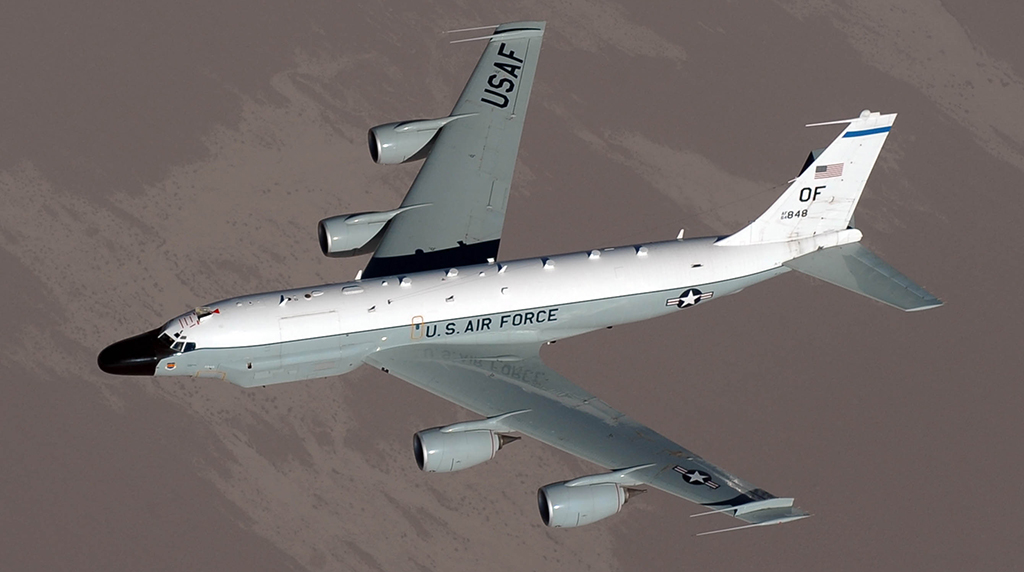
During the recent sorties, the U.S. Air Force demonstrated in practice what these concepts look like when executed by operational crews. The Rivet Joint provided wide area sensing and identification of signals of interest while the EA-37B applied effects based on that intelligence. This is the first time the integration has taken place during routine operations rather than within a controlled training environment. Capt Drake Ronnau of the 38th RS said the missions reflect a recognition that the future of warfare lies in the electromagnetic spectrum and that sharpening interoperability is essential to succeed in that environment:
“With the future of warfare lying in the electromagnetic spectrum, it is crucial we sharpen our skills and increase interoperability to ensure we maintain proficiency in arguably one of the most important domains in the battlespace”
The 55th Wing plans to continue these joint sorties at a rate of up to four per month. The Air Force expects the experience gained during these missions to accelerate the development of new tactics, techniques and procedures that will shape how both platforms are used in global operations. The decision to institutionalize this type of integration also signals that electromagnetic warfare is no longer considered a supporting element but a primary domain with direct influence on air, land, sea and cyber operations.
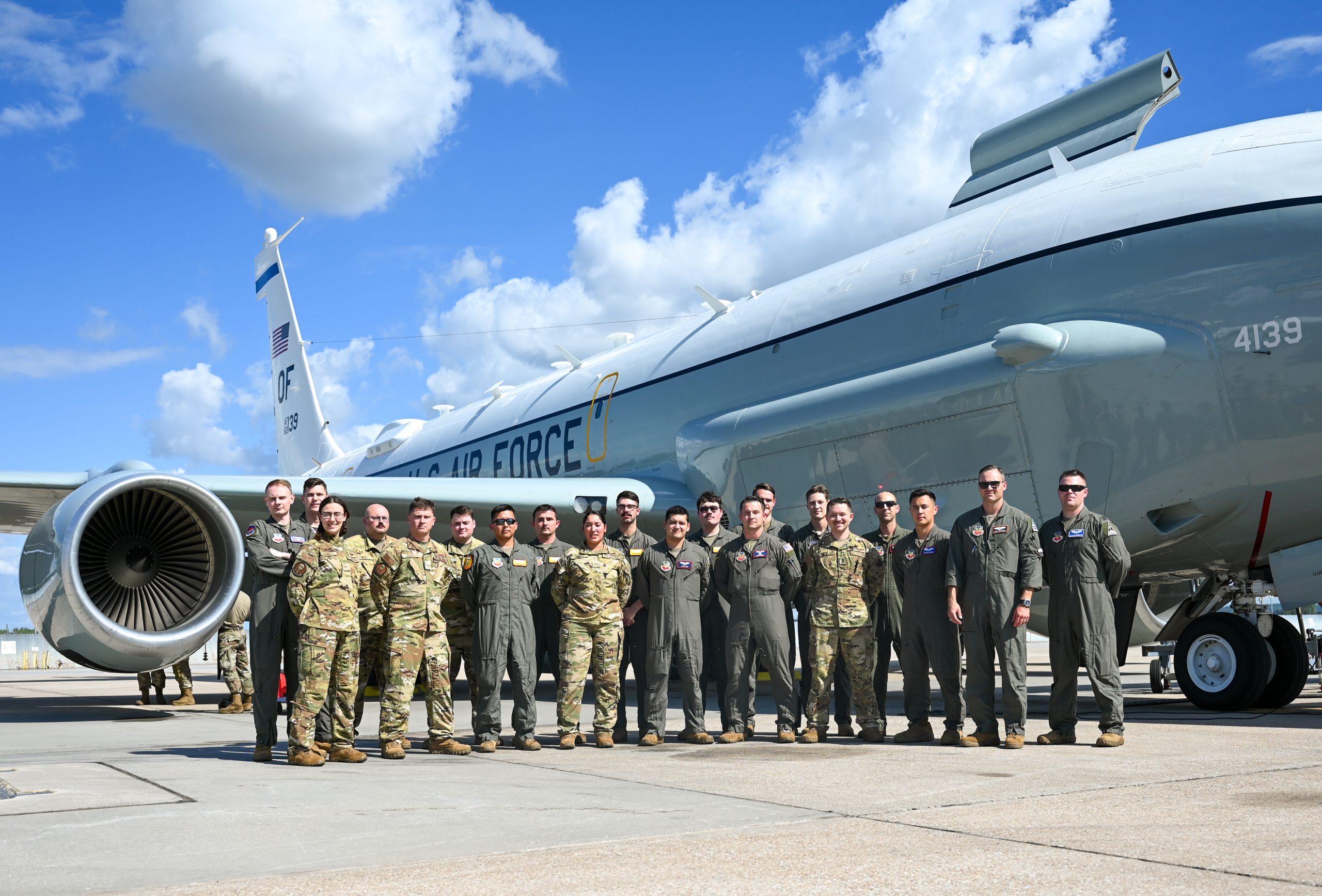
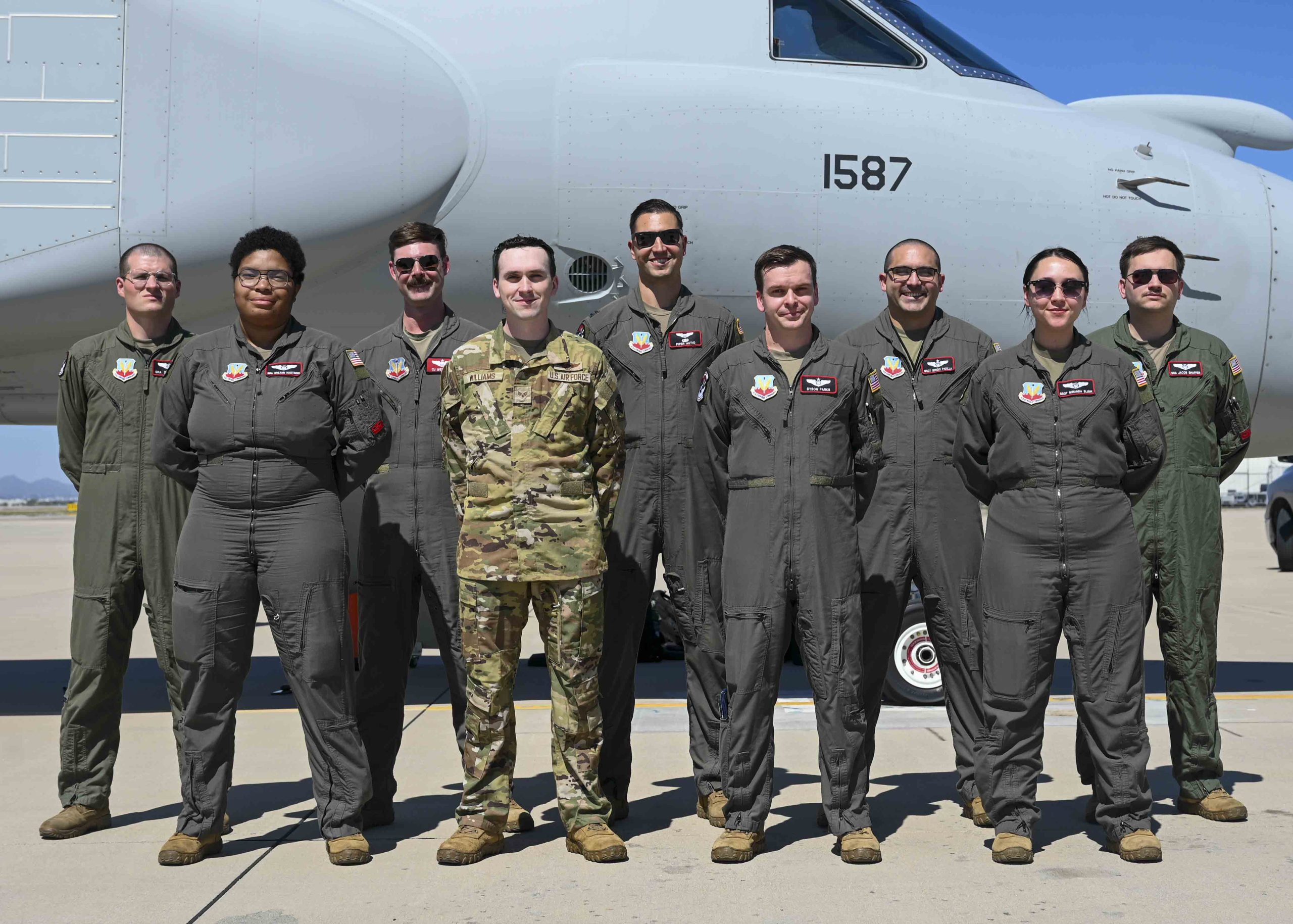
The successful partnership between the RC-135 and EA-37B reinforces a broader shift inside the Air Force toward distributed sensor shooter networks, real-time spectrum maneuver and synchronized effects across multiple domains.