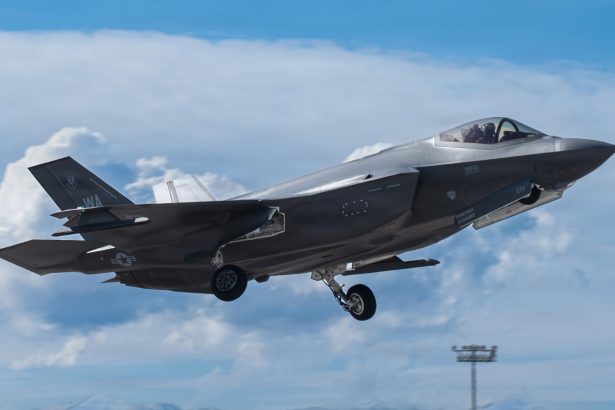
The UK’s Ministry of Defence has unveiled an image gallery showcasing some of their best photographs from the past year. Let’s take a look at some of our favorites.
2025 saw a number of high profile deployments of UK military forces both close to home and across the globe, including the eight month long voyage of HMS Prince of Wales and its carrier strike group to the Indo-Pacific and back, reinforcement of NATO’s Eastern borders amid airspace incursions by Russian drones, and massive multinational exercises involving thousands of personnel. At the same time, British forces have continued long-standing operations in the Middle East battling some of the remaining remnants of ISIS and supporting regional security.
Photographers from the Ministry of Defence, British Army, Royal Air Force, and Royal Navy – trained by the multi-service Defence School of Photography (DSoP) at RAF Cosford – are an almost constant presence wherever British military personnel travel. DSoP additionally offers training courses for other personnel whose role may at times benefit from them having a certain level of photographic knowledge and ability.
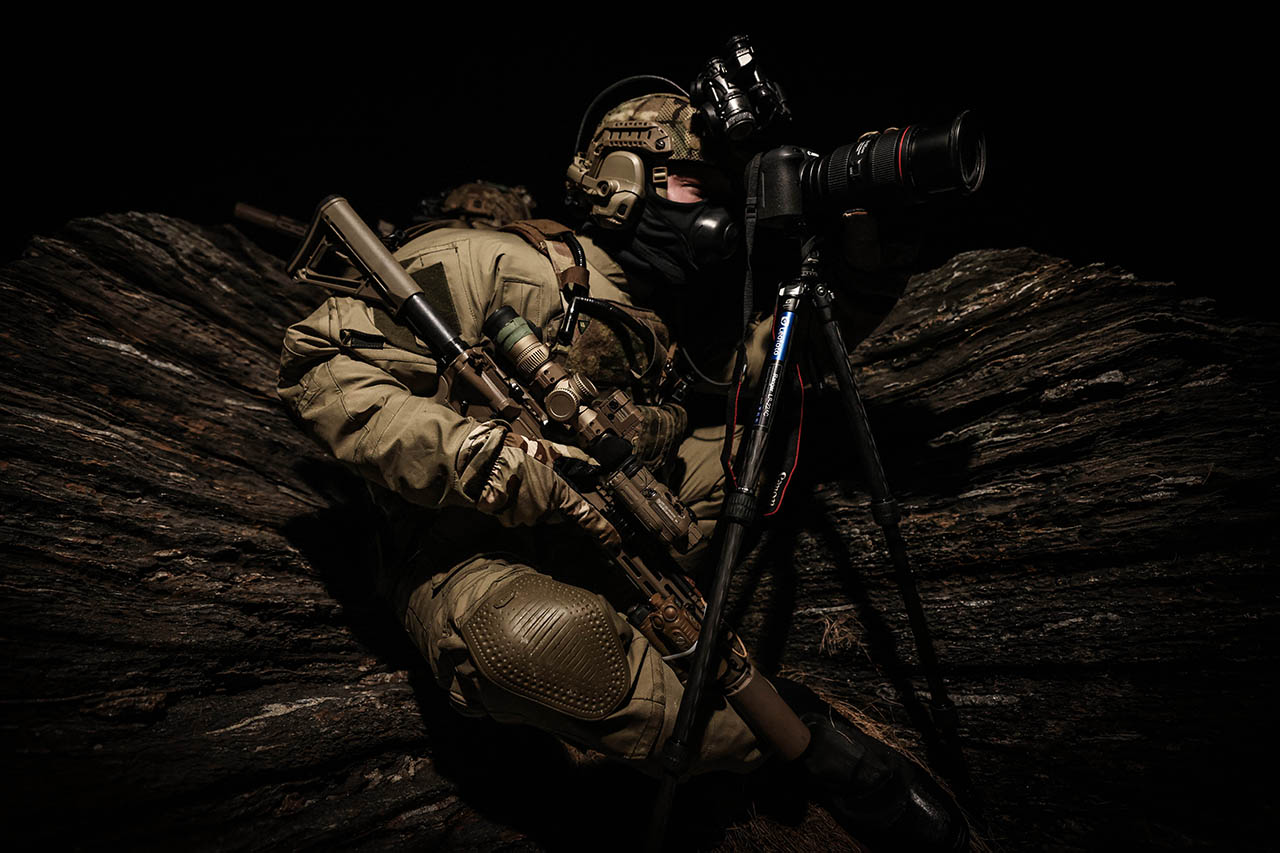
Beyond their public and media relations value, the images captured by these photographers are important historical records and, in certain situations, a trained photographers’ skills in operational situations can be invaluable for intelligence gathering purposes – for example, when Royal Navy ships tasked to shadow or surveil foreign military vessels. As the Ministry of Defence’s press release reads: “Behind every image that is captured is an individual who is first and foremost a soldier, sailor, or aviator, and secondarily a skilled photographer. They deploy not only with their cameras but also their rifles.”
The Ministry of Defence (MoD) releases its yearly image selection each December, both showcasing the work of its photographers as well as of the UK Armed Forces as a whole. Sir Rich Knighton, Chief of the Defence Staff, said: “The Best of Defence Imagery 2025 reflects the contribution our armed forces make to society and our presence across the world. These images show our Armed Forces ready for a new era of threat, combining conventional strength with innovation, operating with allies, and putting people at the heart of Defence. They provide an essential visual account of how we are keeping the UK secure at home and strong abroad.”
Featuring photography from civilian MoD photographers as well as serving armed forces photographers from all branches, the full collection of images was handpicked by the MoD’s Picture Editor
Operation Highmast
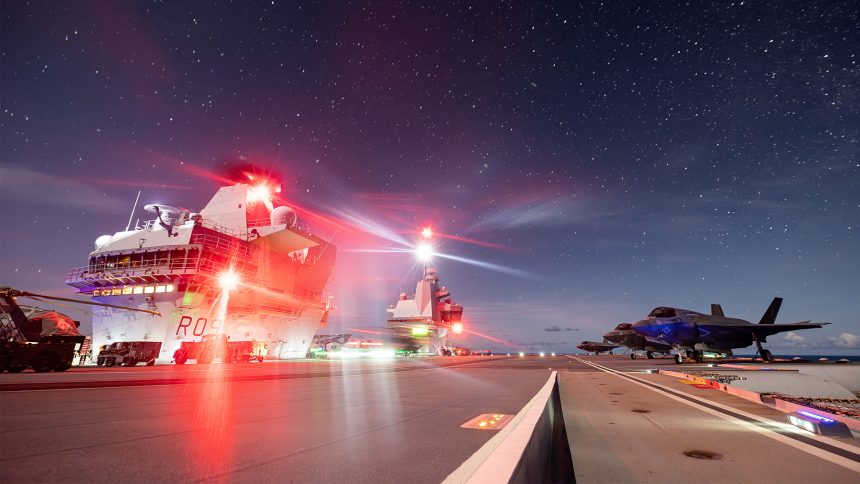
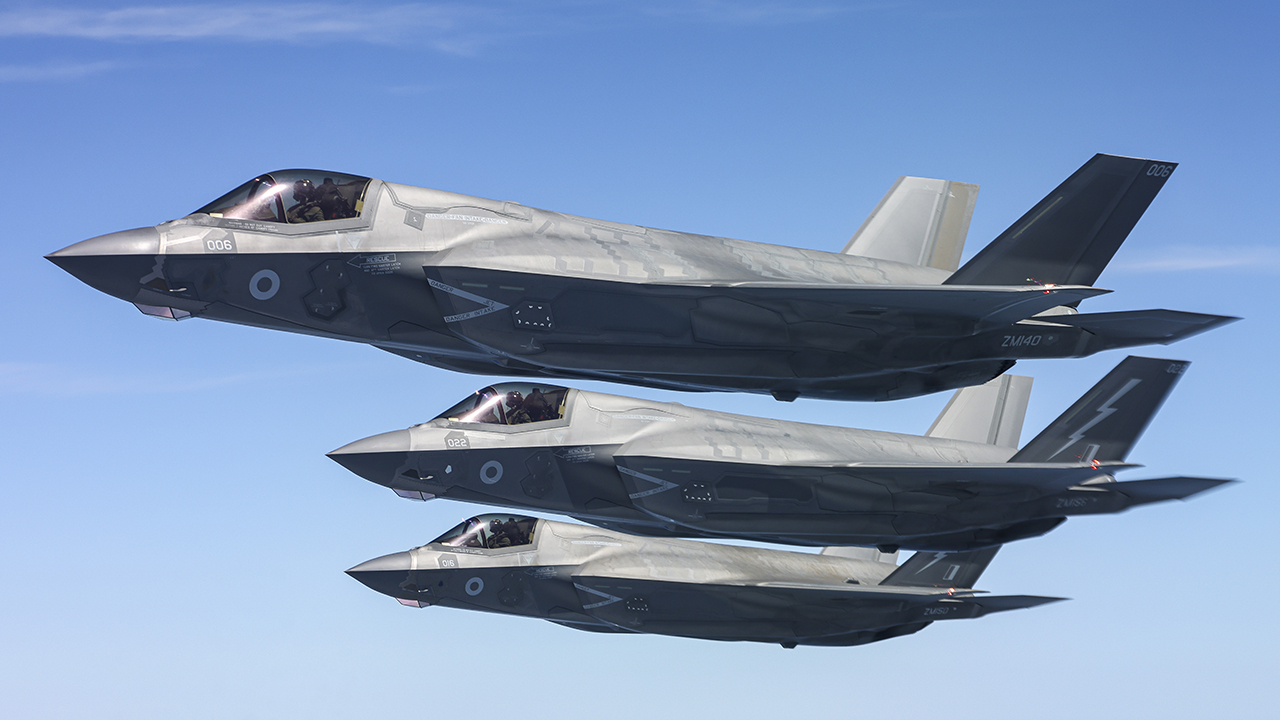
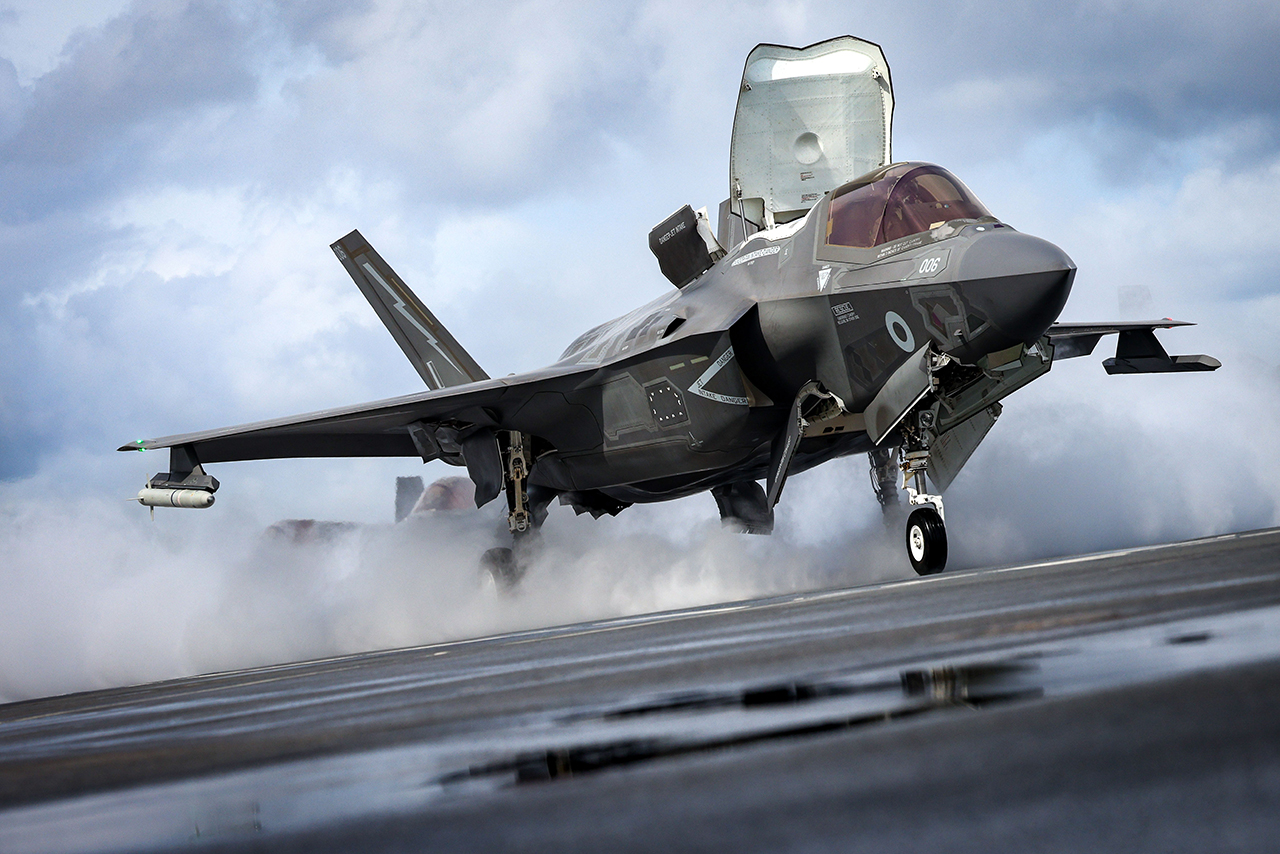
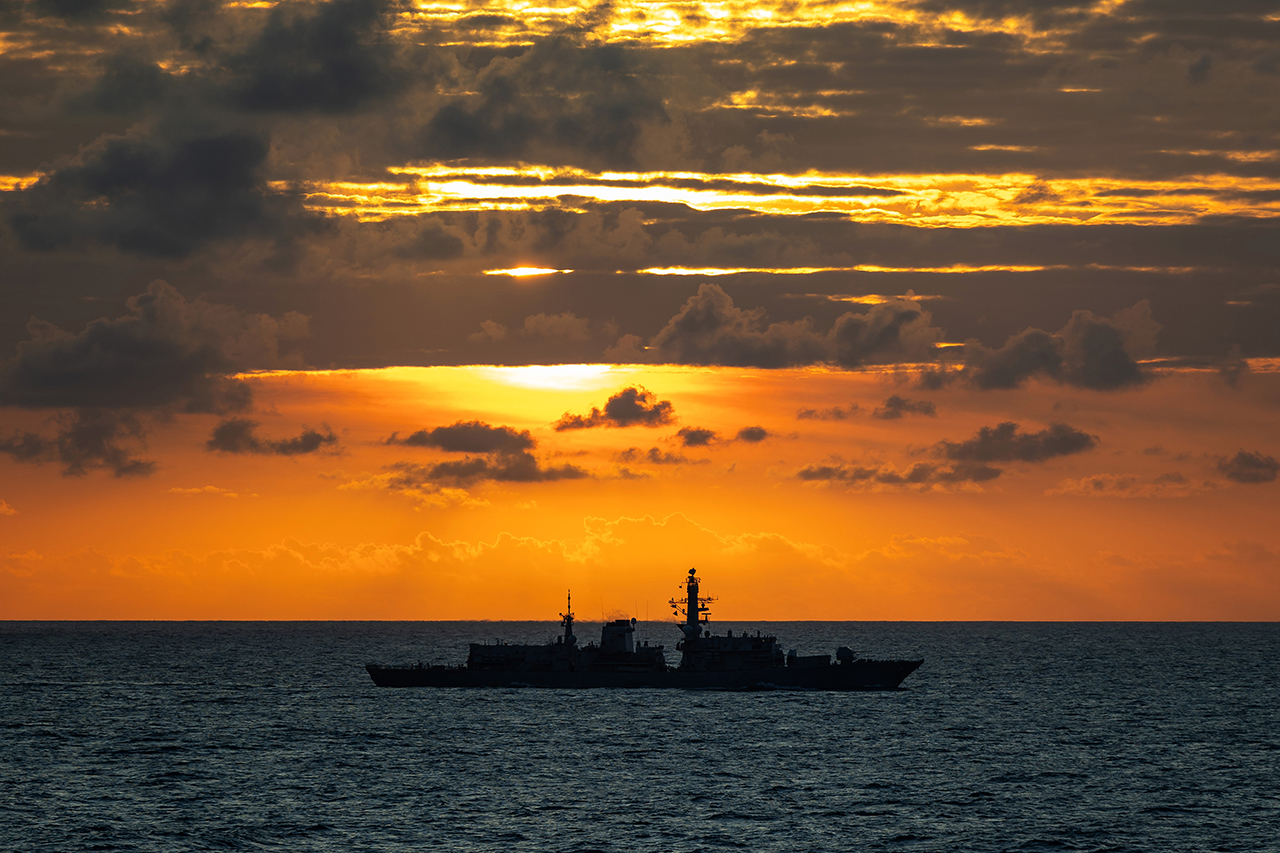
The most high-profile mission carried out by the UK’s armed forces this year was undoubtedly Operation Highmast, otherwise known as Carrier Strike Group 25 (CSG 25). We, and other outlets, reported on this eight month deployment extensively throughout its course. Over the 44,000 nautical miles sailed, it saw a record set for the highest number of F-35Bs ever deployed on board a warship, the first ever cross-decking exercise by a British jet onto a Japanese naval vessel, the first overnight visit by a British Prime Minister to a Royal Navy ship in almost 60 years, and the maiden UK carrier deployment of uncrewed aerial systems ahead of plans for a full scale hybrid air wing in the coming years.
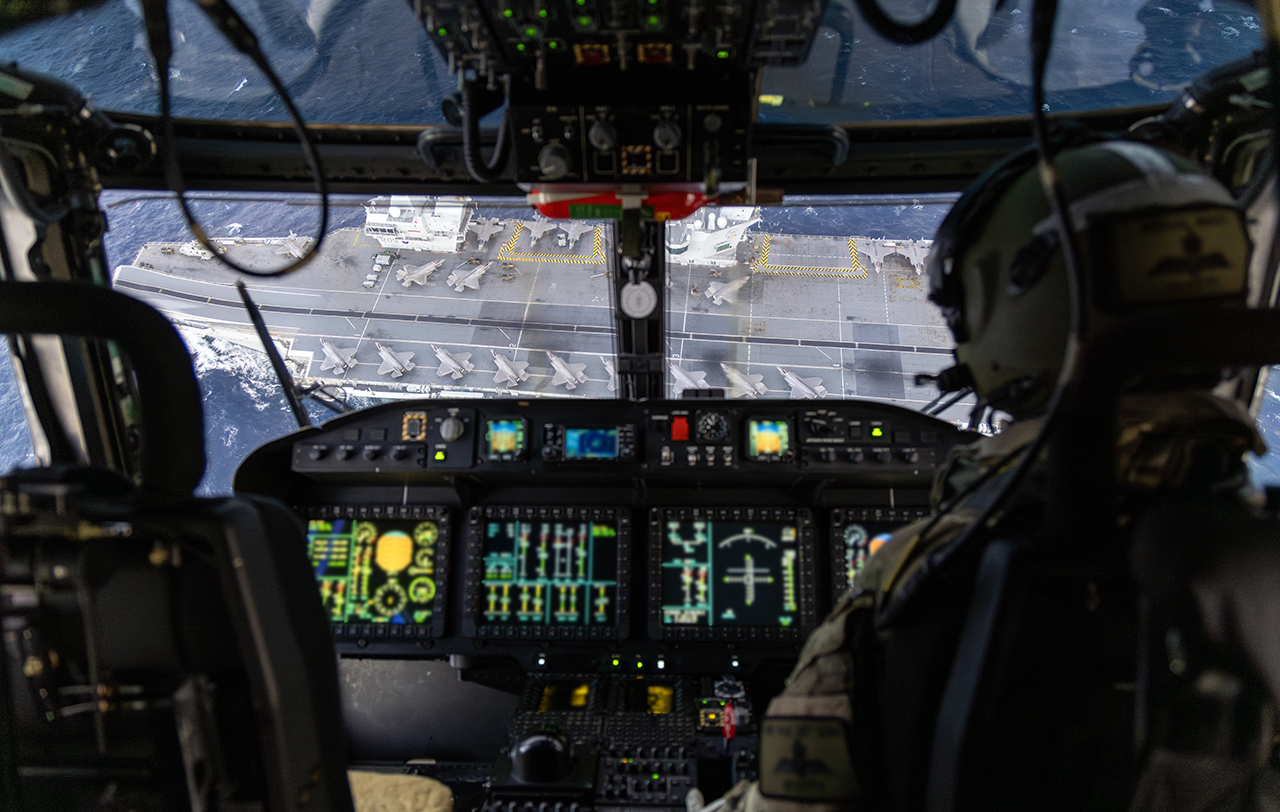
Wildcat HMA2 helicopters were kept on 24/7 alert armed with Martlet lightweight multirole missiles as the strike group transited the Red Sea, ready to launch and defend the carrier and its escorts from the threat of attack by aerial or waterborne drones and cruise missiles. The RAF additionally deployed reinforcements of Voyager aerial refueling aircraft to RAF Akrotiri, which would support Akrotiri based Typhoons or F-35Bs from the carrier itself, as well as P-8 Poseidon maritime patrol aircraft to add to the CSG’s defensive shield.
An extra RC-135 Rivet Joint was also deployed to Al-Udeid Air Base in Qatar, joining one RAF airframe already on station there. The additional aircraft, based on the timing of the deployment and its return, was likely tasked with gathering intelligence which could be used to ensure the carrier’s security in the region.
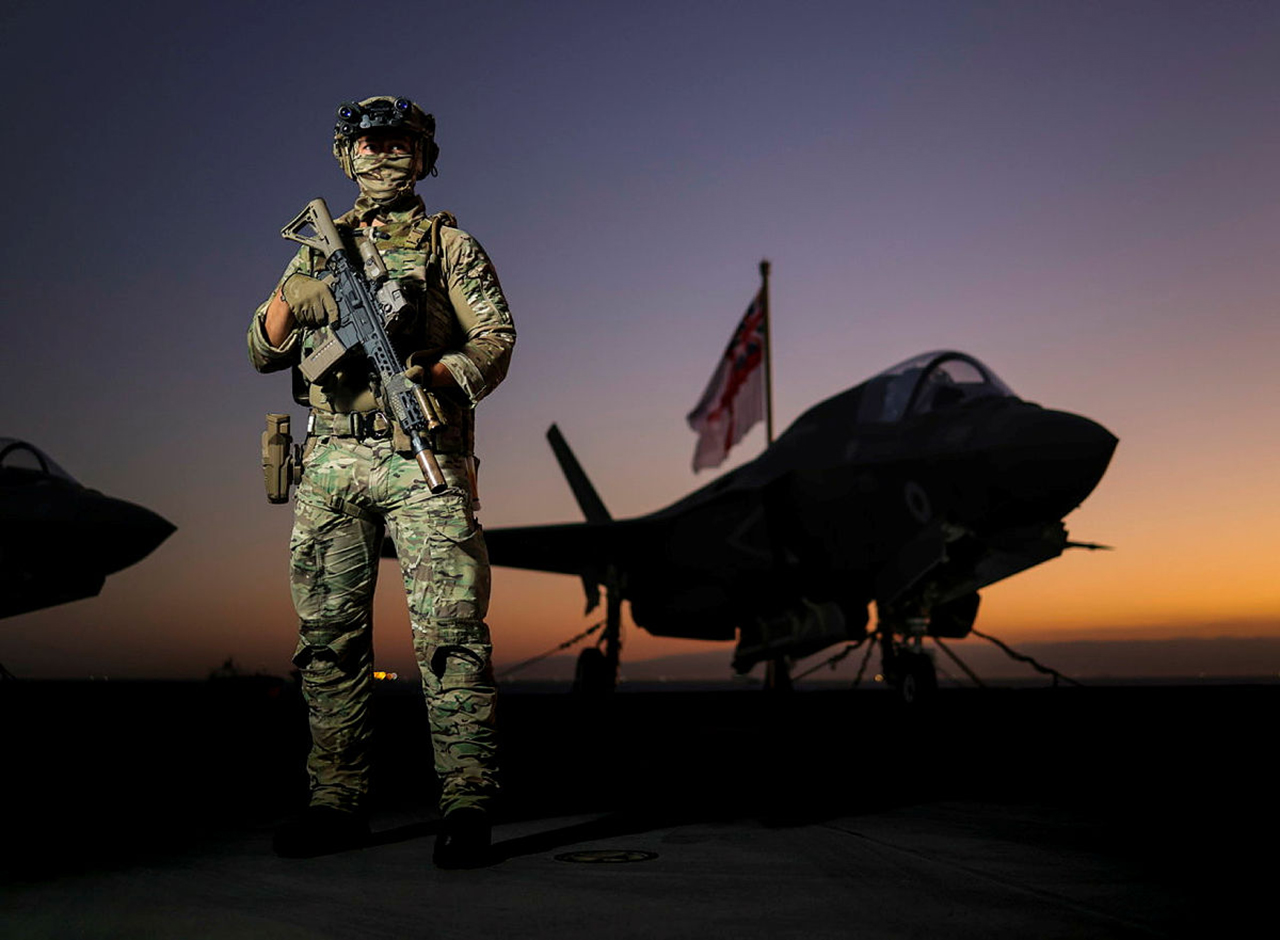
Later in the voyage, the CSG undertook joint exercises and defence engagements with a number of nations along the route. This included Exercise Bersama Lima in Southeast Asia, Exercise Talisman Sabre off Australia, Exercise Konkan in the Indian Ocean, and, upon returning to the Mediterranean, Exercise Falcon Strike.
Eastern Sentry
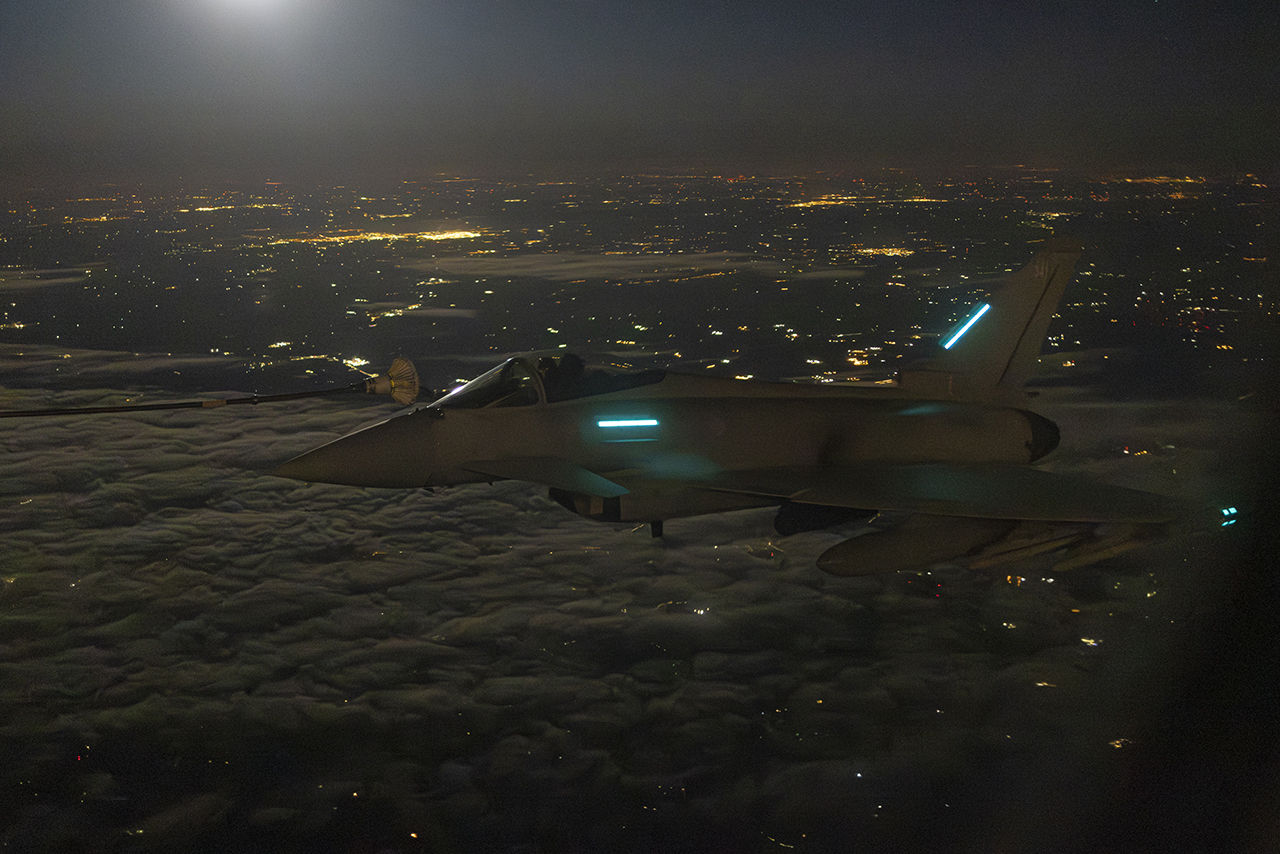
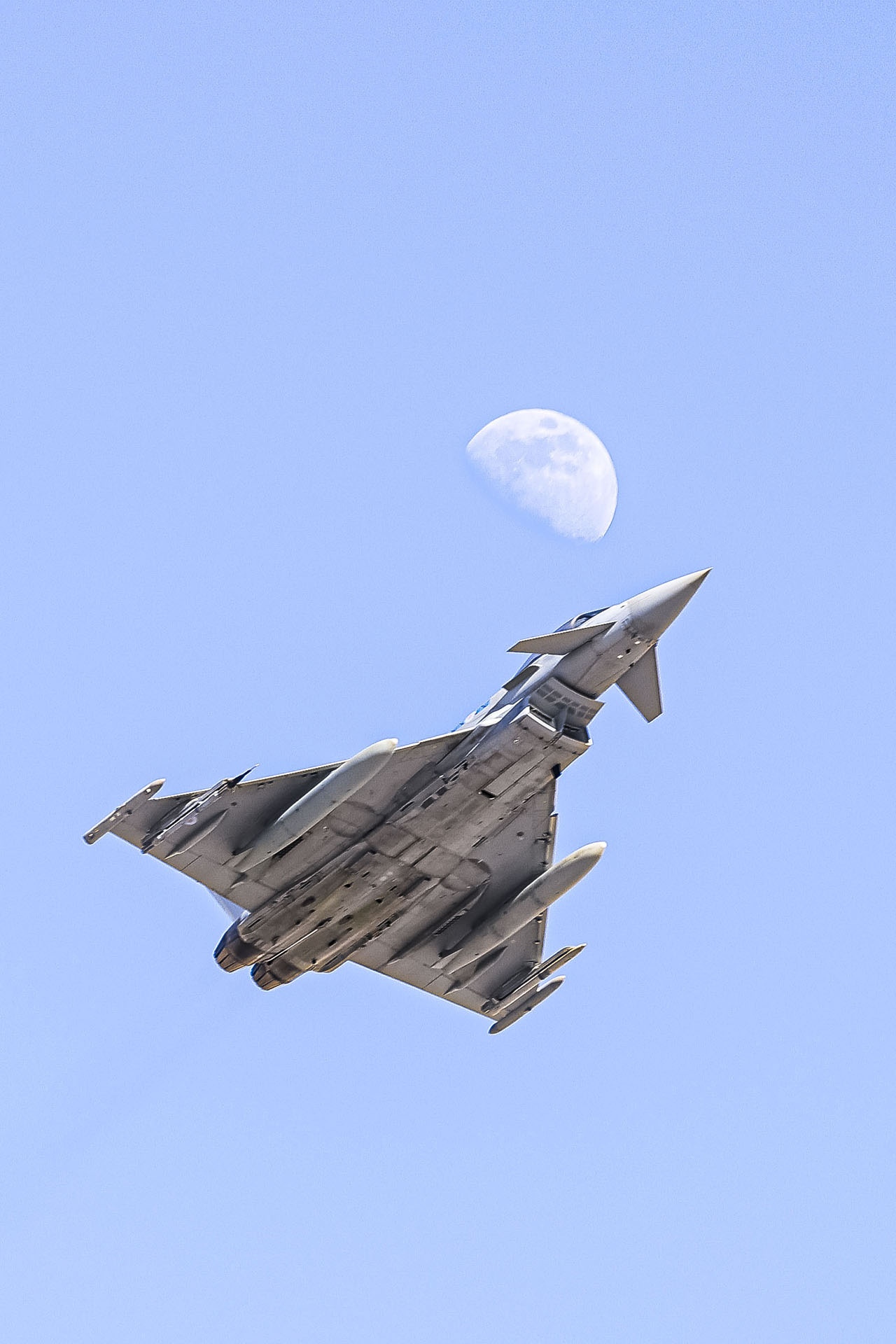
Royal Air Force Typhoons have been a regular presence in Baltic skies for many years as part of the NATO Baltic Air Policing mission. As the number of aircraft deployed on these rotations has increased in the previous few years – labelled Enhanced Air Policing – the RAF’s presence has also increased. Simultaneous deployments are now maintained by multiple nations at multiple bases in the region. Alongside the nations covered by the original BAP presence – Latvia, Lithuania, and Estonia – Enhanced Air Policing deployments have also been made to Poland and Romania.
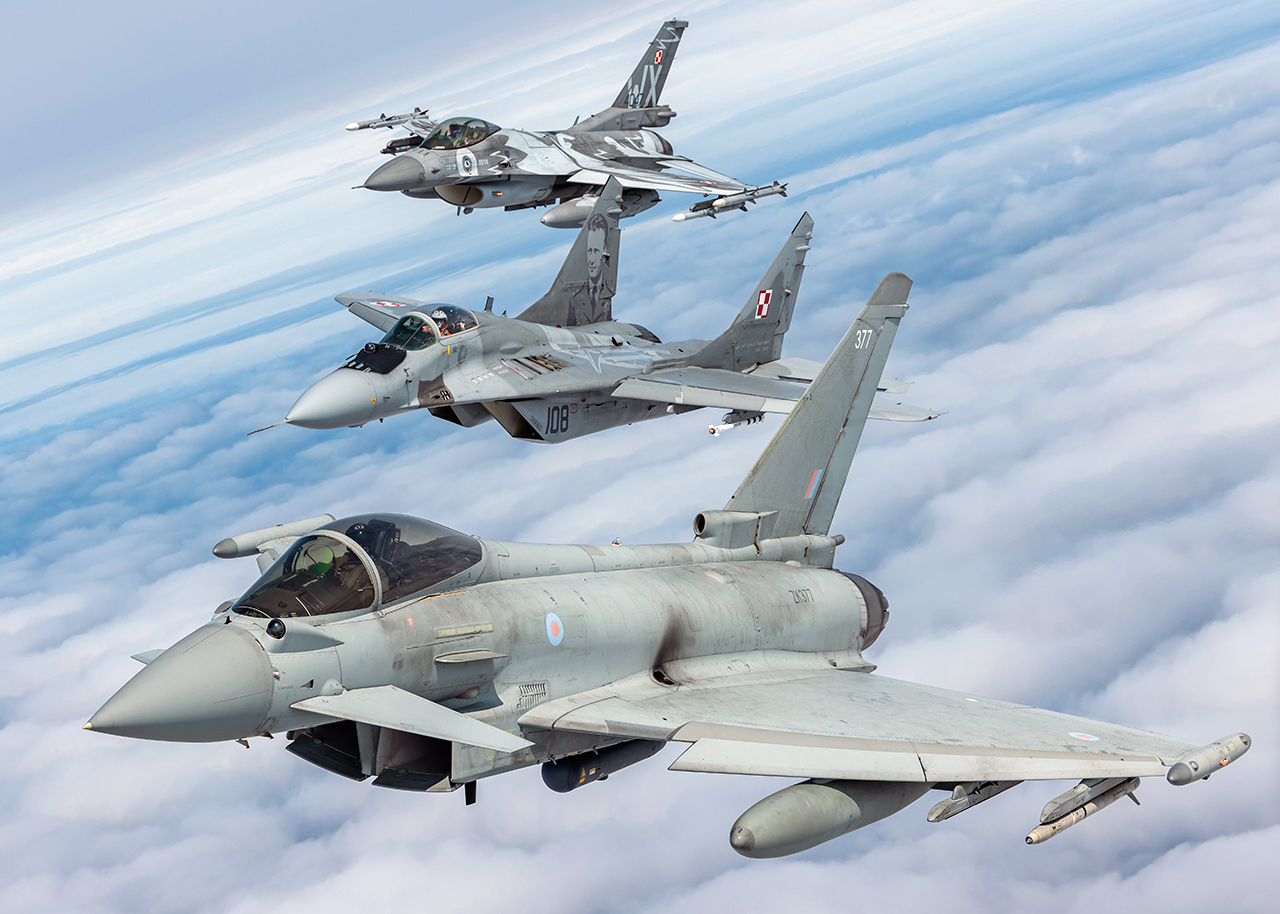
On Sept. 12, 2025, NATO commenced Operation Eastern Sentry – intended to bolster the alliance’s capacity to respond to and deter increasing provocations by Russian forces. It resulted from the invocation of NATO’s Article 4 by Poland several days prior in response to a massive breach of its airspace by Russian drones. Article 4 provides for a consultation by member states in response to a situation that threatens the territorial integrity, political independence or security of a NATO member. It had previously been triggered by a number of European nations after Russia’s full scale invasion of Ukraine in February 2022. Shortly after Eastern Sentry kicked off, patrols over Poland by RAF Typhoons launched from UK bases began.
Public Occasions
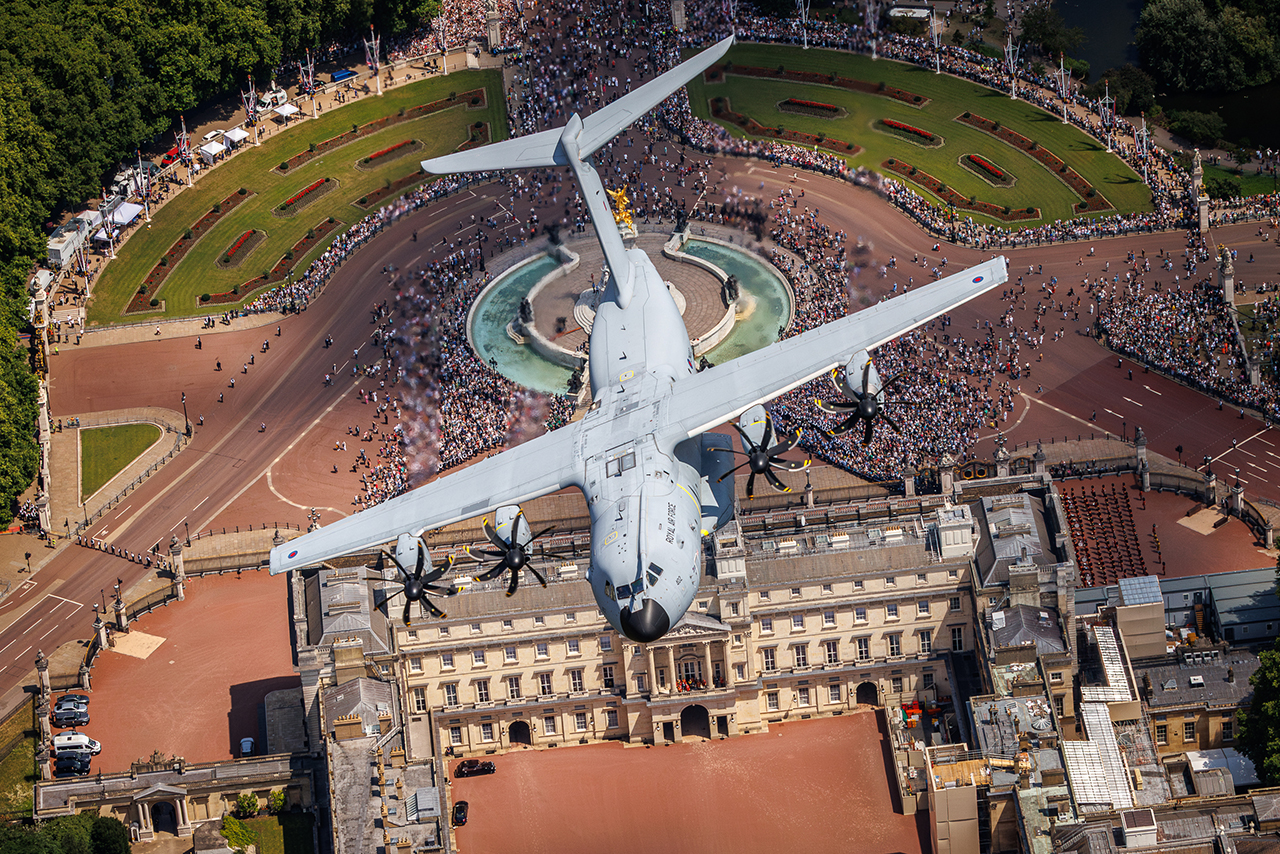
Throughout the year, the three branches of the UK’s armed forces undertake a variety of public engagements to mark national and local celebrations and commemorations. With June 2025 came the official birthday of King Charles III, which, when weather permits, is marked by a flypast over Buckingham Palace after the traditional Trooping the Colour parades.
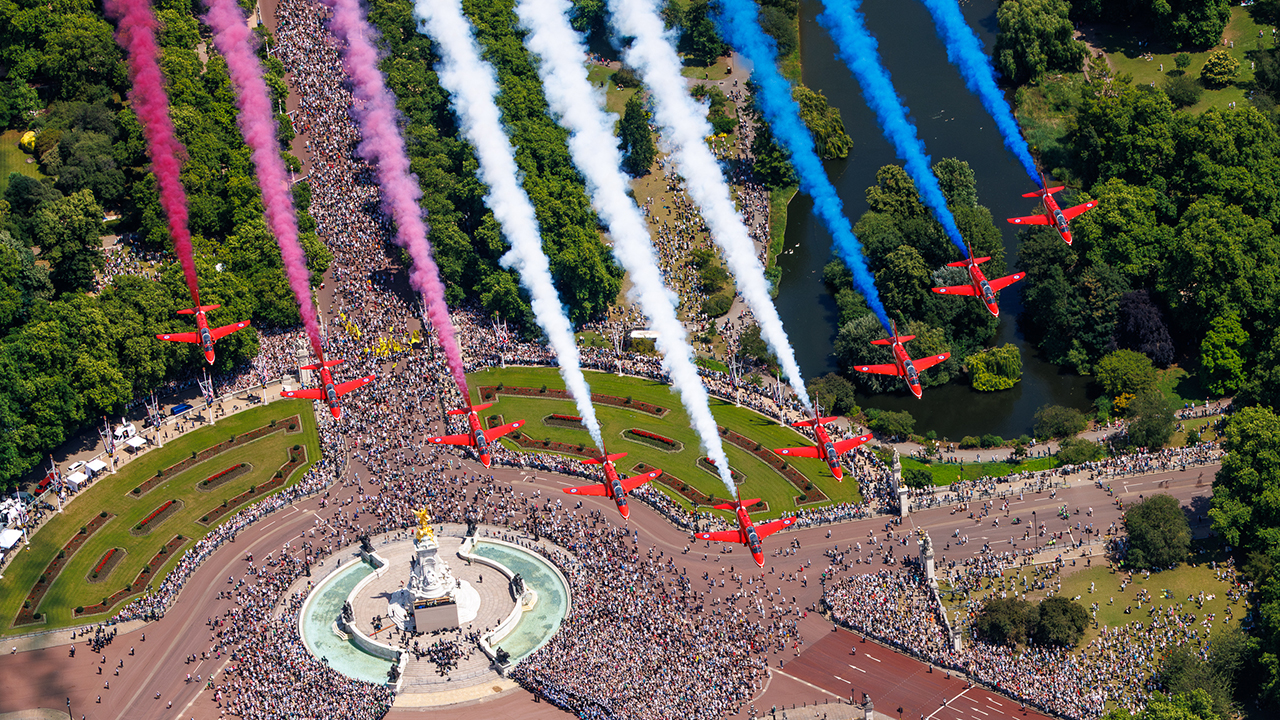
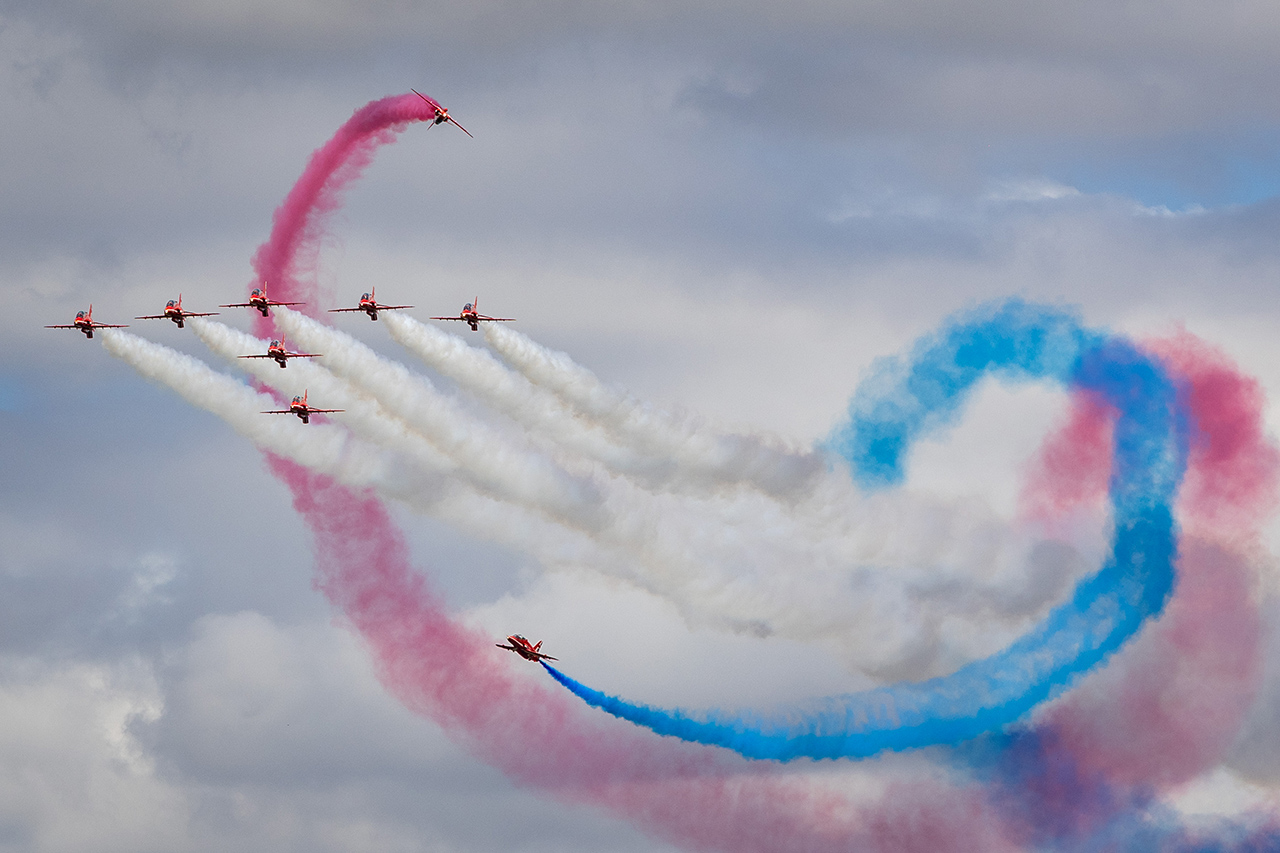
The Royal Air Force Aerobatic Team (RAFAT), most commonly known as the Red Arrows, are stalwarts of the UK airshow scene along with the RAF’s Typhoon display team. Together they entertained spectators at the Royal International Air Tattoo (RIAT) as well as the RAF Cosford Air Show.
For 2025’s RIAT display, the Red Arrows utilised sustainable aviation fuel, or SAF, for their jet engines as well as a vegetable oil-based biofuel in their smoke pods. This followed extensive trials with the new fuels, and was the first time SAF had been used for a full Red Arrows display. With many event organisers, even those in charge of Formula One, becoming wary of how flypasts and displays by fuel-hungry high performance jet aircraft could impact their sustainability credentials, this will likely be beneficial in ensuring the display team’s future schedules remain fully booked. In a wider strategic sense, cutting reliance on crude oil products is an important step in reducing dependency on foreign supplies from far overseas that could be cut off by war or diplomatic disputes.
Global Operations
As seen with Operation Highmast, personnel and equipment from the UK’s armed forces frequently travel across the globe and can be seen in a wide range of locations. Images in the collection span from the remote South Georgia and Sandwich Islands in the far reaches of the southern hemisphere, to the chilling conditions in Bardufoss, Norway, the dry deserts of Nevada, USA, and the sun-kissed waters of the Timor Sea.
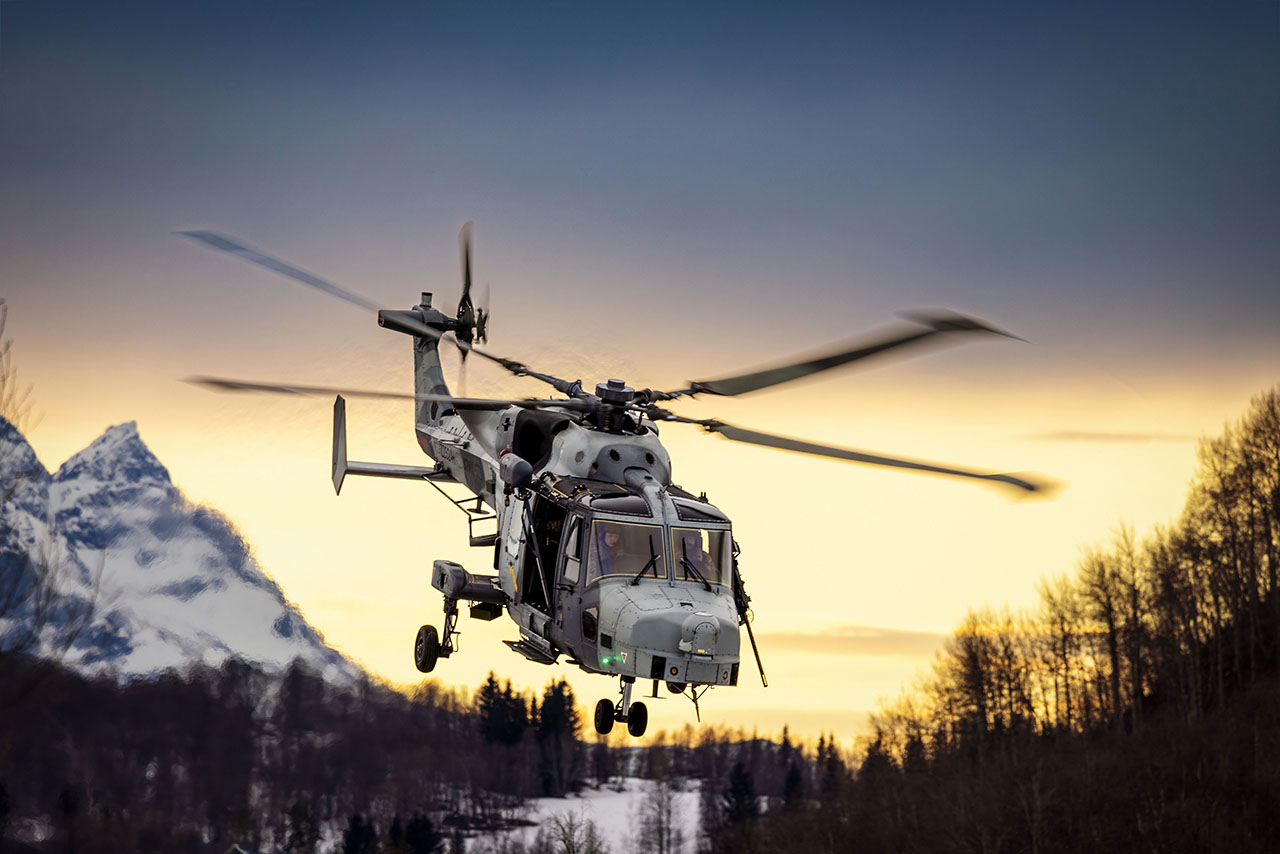
Bardufoss in northern Norway is used by the UK’s armed forces routinely for cold-weather training. Operation Clockwork, an annual exercise, sees a selection of helicopters deploy to the far north with supporting ground forces to ensure all involved are ready and able to operate in temperatures as low as -30C and amid arctic blizzards, storms, and thick snowfall. Though cold weather and snow can be found in the UK, it is much less predictable and difficult to schedule a regular exercise around.
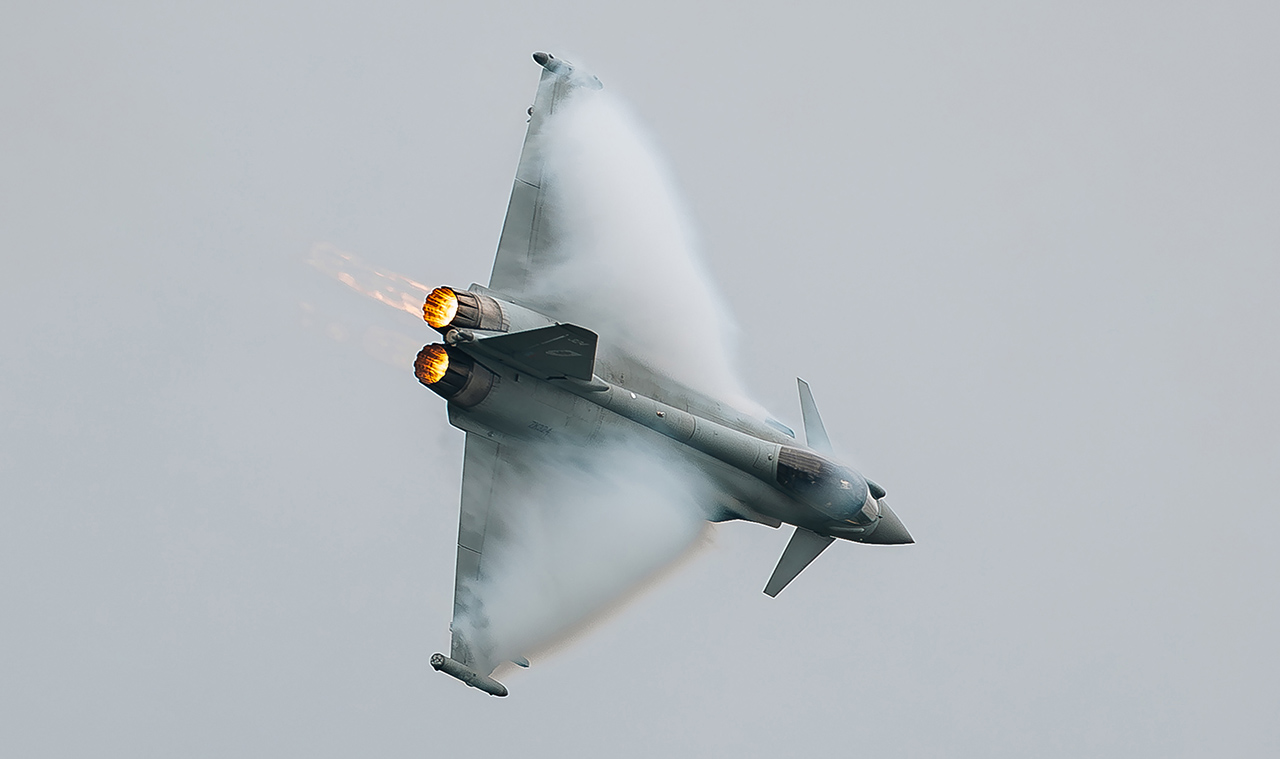
RAF Typhoons have, since becoming the mainstay of the UK’s combat air fleet, been regular attendees of the U.S. Air Force’s famous Red Flag exercises at Nellis Air Force Base, Nevada. 2025 was no exception, with the RAF dispatching eight Typhoon FGR4s along with a Voyager refueling tanker across the Atlantic to take part.
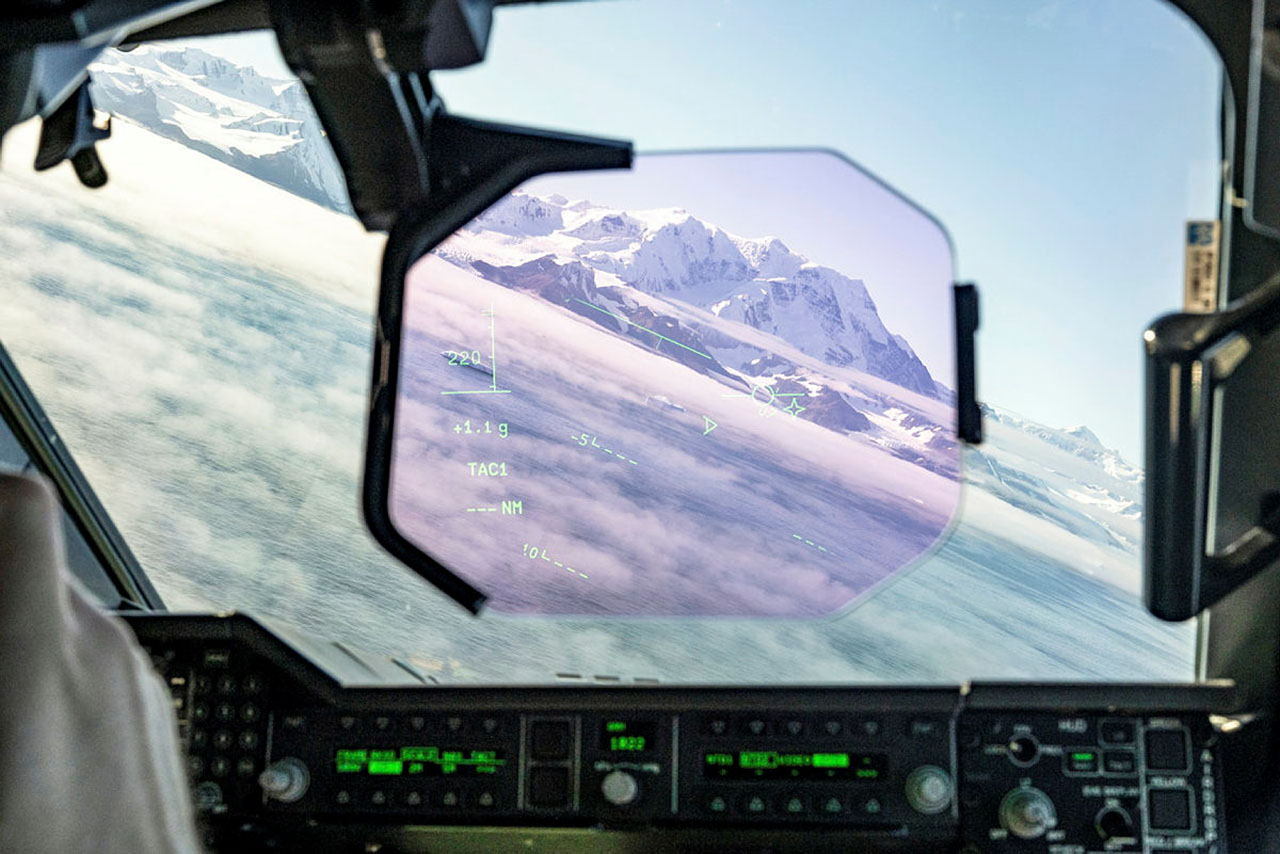
Often overshadowed by the Falkland Islands through which it was formerly governed, South Georgia and the South Sandwich Islands lie just over 800 miles to the east of the Falklands and were, too, involved in the 1982 conflict. Prior to Argentina’s invasion of the Falkland Islands at the beginning of April 1982, Argentinians claiming to be scrap metal merchants landed on South Georgia and laid claim to an abandoned whaling outpost. An Argentinian submarine, the Santa Fe, was disabled by Royal Navy helicopters on Apr. 25 while on a supply run to South Georgia, and the territory was fully surrendered to British forces the following day.
While the territory has no permanent residents, a research station is maintained by the British Antarctic Survey and the surrounding waters are well used for fishing. British military forces stationed on the Falklands or in the South Atlantic pay regular visits to ensure its security, as well as assist civilian agencies with scientific research and environmental monitoring.
The MoD’s talented photographers certainly made the most of the opportunities that 2025 presented in front of their lenses, and there are so many more incredible images from the year in their archive. We can’t wait to see what they will capture in 2026.