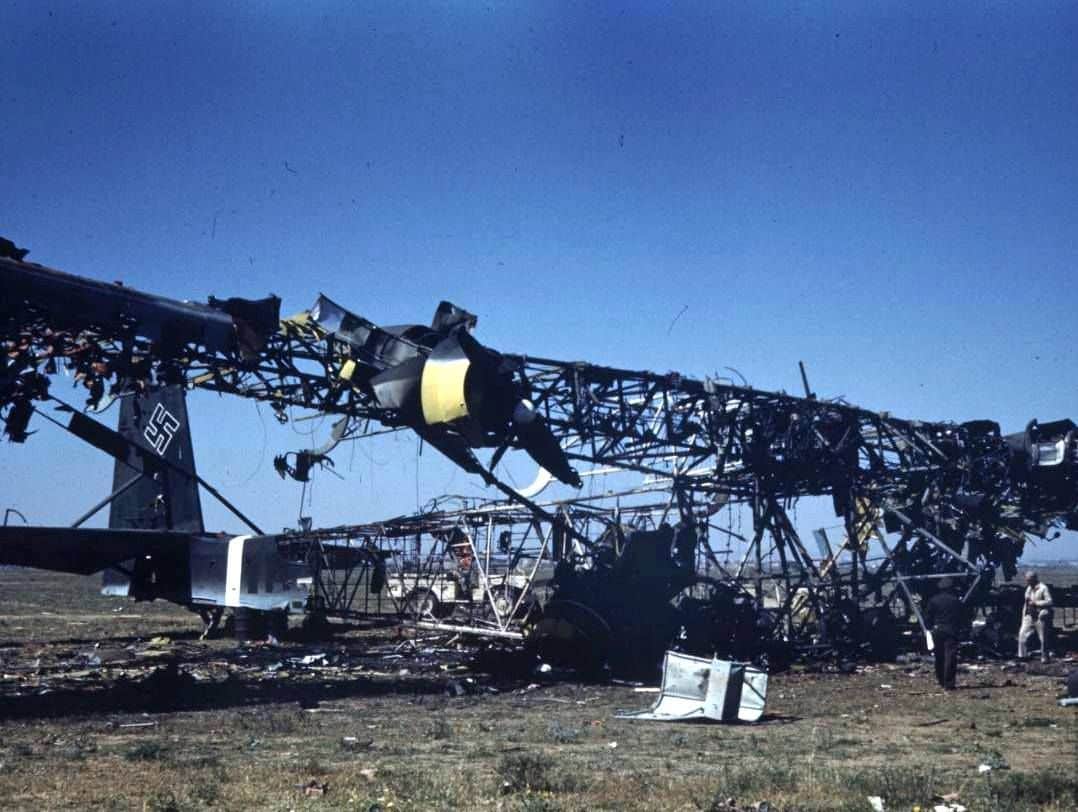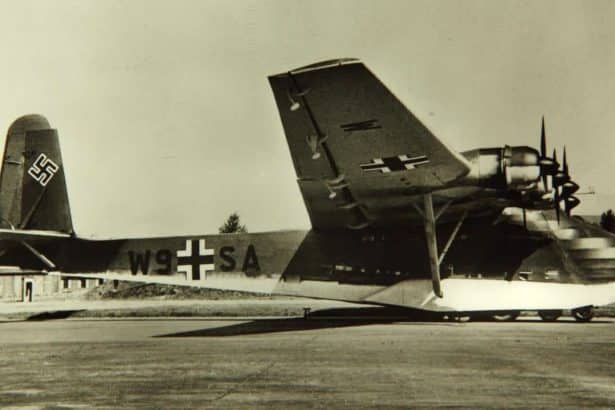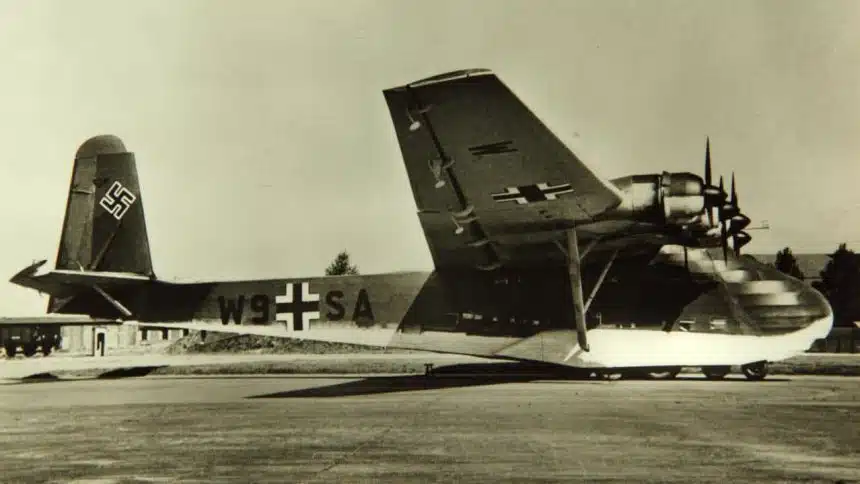
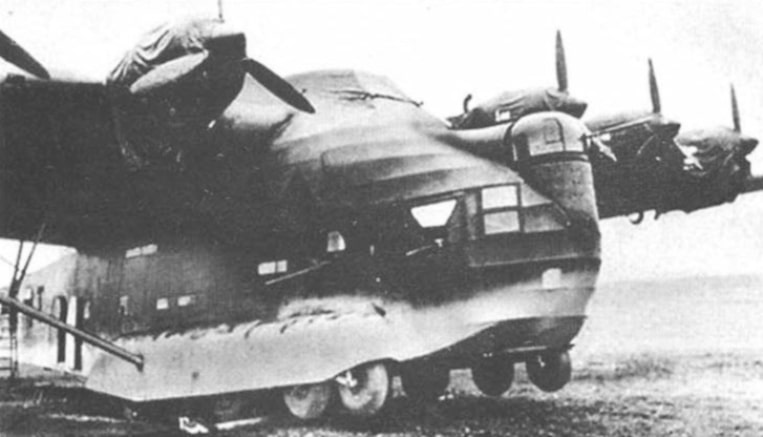
Large and lumbering, the Messerschmitt Me 323 Gigant featured a cavernous cargo hold and large clamshell doors at the nose, allowing heavy equipment and bulky loads to be transported by air.
Derived from the Me 321 glider, the Me 323 Gigant gave the Germans transport capabilities the Allies didn’t possess during World War II, providing a much overlooked and essential part of combat-support capabilities and leading the way to further development and even some rather unusual and obscure ideas and uses of the aircraft. The Me 323 demonstrated the importance and usefulness of heavy transport to the militaries of the world when most were focused elsewhere.
Gargantuan Glider
Adolf Hitler’s planned invasion of the British Isles, known as Operation Sea Lion, was postponed indefinitely on Oct. 12, 1940, after the failure to subdue the Royal Air Force (RAF). Hitler then turned his attention to the Soviet Union, hoping to subjugate his nemesis in the east in less than two years, and then turn his attention back to the British.
Meanwhile, during further detailed planning of Sea Lion, it was revealed that, in order to achieve success, it would be necessary to have the capability of landing heavy equipment and weapons during the initial airborne assault on Britain. A novel concept sprang forth: a large glider aircraft, larger than any at the time, would be designed and built.
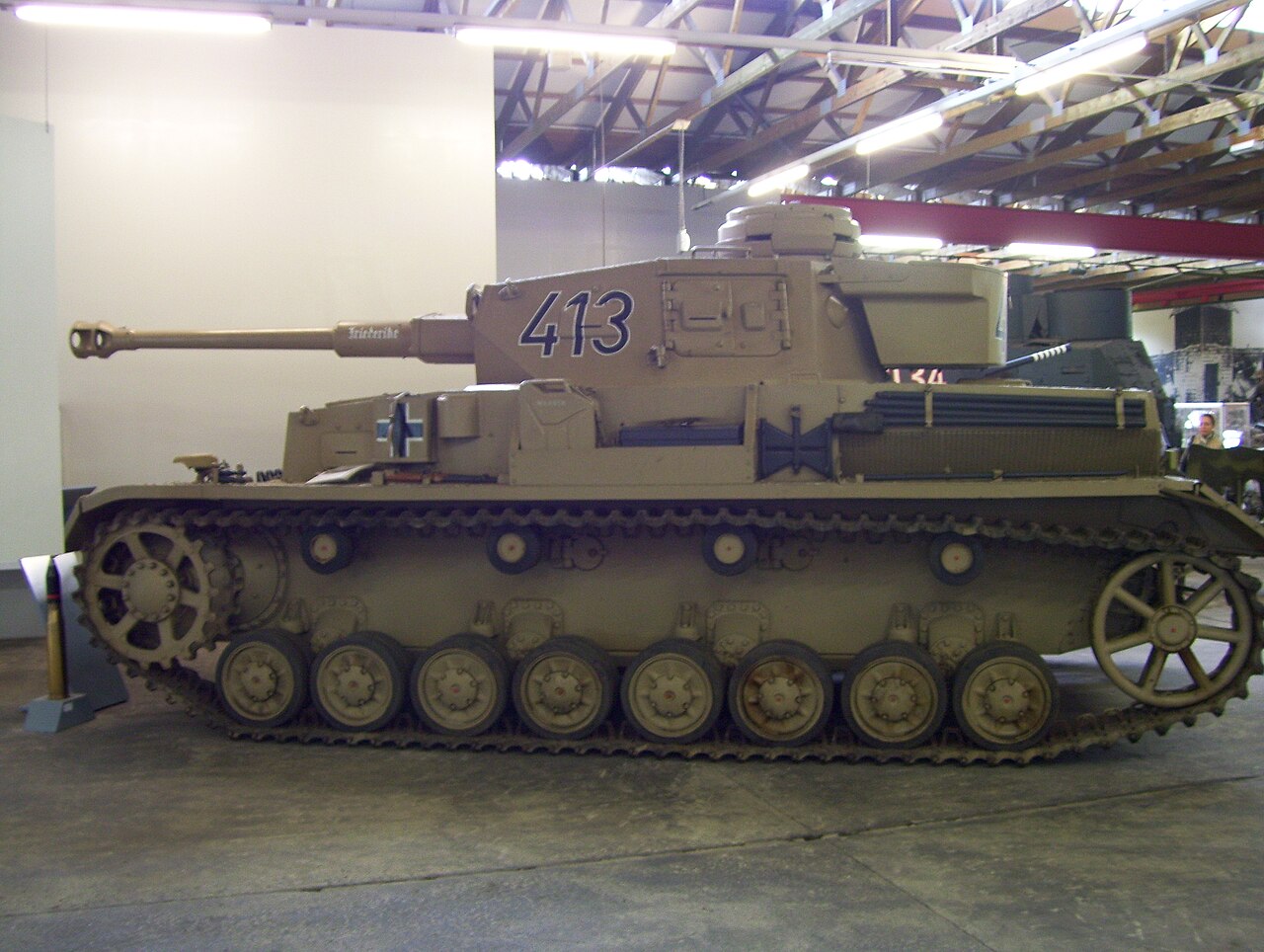
The glider would be required to have the capacity to transport a Panzer IV medium tank with fuel and ammunition along with its crew, a self-propelled assault gun with ammo, fuel and crew, the dreaded 88 mm anti-aircraft gun including tow vehicle, or 100 fully equipped combat troops. Both Junkers and Messerschmitt were instructed to submit design proposals on Oct. 18 with a deadline of Nov. 1, only 14 days later, and to make preparations to immediately begin production of 100 examples. This included stockpiling necessary materials.
Both Messerschmitt and Junkers had proposals prepared by the short deadline for the project officially designated Warschau (Warsaw). The RLM (German Air Ministry) designated the Messerschmitt design the Me 321, after passing through several designation changes, and the Junkers Ju 322. Under a sense of urgency, both manufacturers worked around the clock with design teams designated to work specifically on the giant gliders.
The Junkers proposal, designated the Mammut (Mammoth), was riddled with difficulties as the proposal directives given to them called for construction entirely of wood, whereas the Messerschmitt specifications called for steel-tube construction covered with fabric.
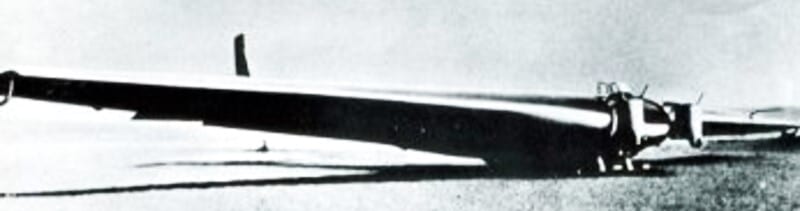
Ironically, Junkers was an early proponent of all-metal construction and had little to no woodworking experience. Timbers of the needed quality and quantity to build the requested airframes, which meanwhile increased from 100 to 200, were unattainable. Issues with gluing and sap rot further hampered the effort and prevented the glider from reaching the load strength needed.
Subsequent loading tests and flight tests concluded the Junkers design was not able to perform according to specifications, and the strange flying wing design was abandoned in May 1941. The wooden frames of the completed and partially completed Ju-322s were cut up and used as fuel.
Things were going smoother for Messerschmitt, as they had produced an example by February 1941, almost 14 weeks after receiving orders to proceed with construction. The welded steel-tube example utilized wood for tail components, secondary fuselage structures, some wing components, with the wing leading edges made of plywood and the entire structure was covered with stretched fabric.
The Me 321 was known as the Gigant (Giant) as the aircraft was second only to the Soviet Tupolev ANT-20bis in size. This was a remarkable feat and it had been constructed in record time.
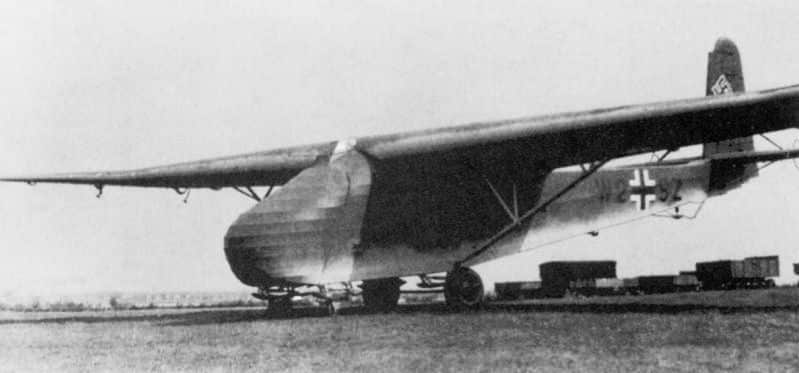
Messerschmitt’s big glider had an immense cargo hold with a cubic capacity of 3,814 cubic feet, measuring more than 36 ft long, 10 ft wide, and 10 ft high. The floor of the cargo area could support loads up to 44,090 lb, reinforced by extensive cross girders.
Wingspan was 180 ft 5.5 in, length 92 ft 4.5 in, and height 33 ft 3.5 in on the 26,896 lb (empty) aircraft. The Me 321 carried two 7.9 mm machine guns in the nose doors, with MG 34 machine guns deployed from lateral positions when configured to carry troops.
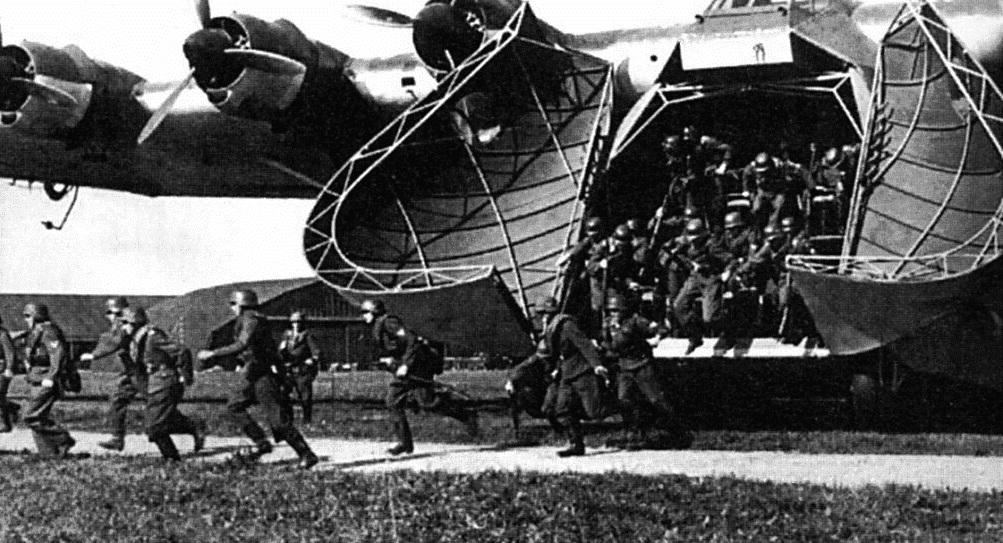
The Me 321 had a unique form of accessing the cargo hold for loading and unloading, as the nose of the aircraft was split vertically, forming two large outward swinging doors the full height of the hold. Large items such as vehicles, artillery pieces, and other equipment and cargo could easily be loaded with minimal effort. In addition, an auxiliary deck could be fitted to allow 200 fully equipped troops to be carried.
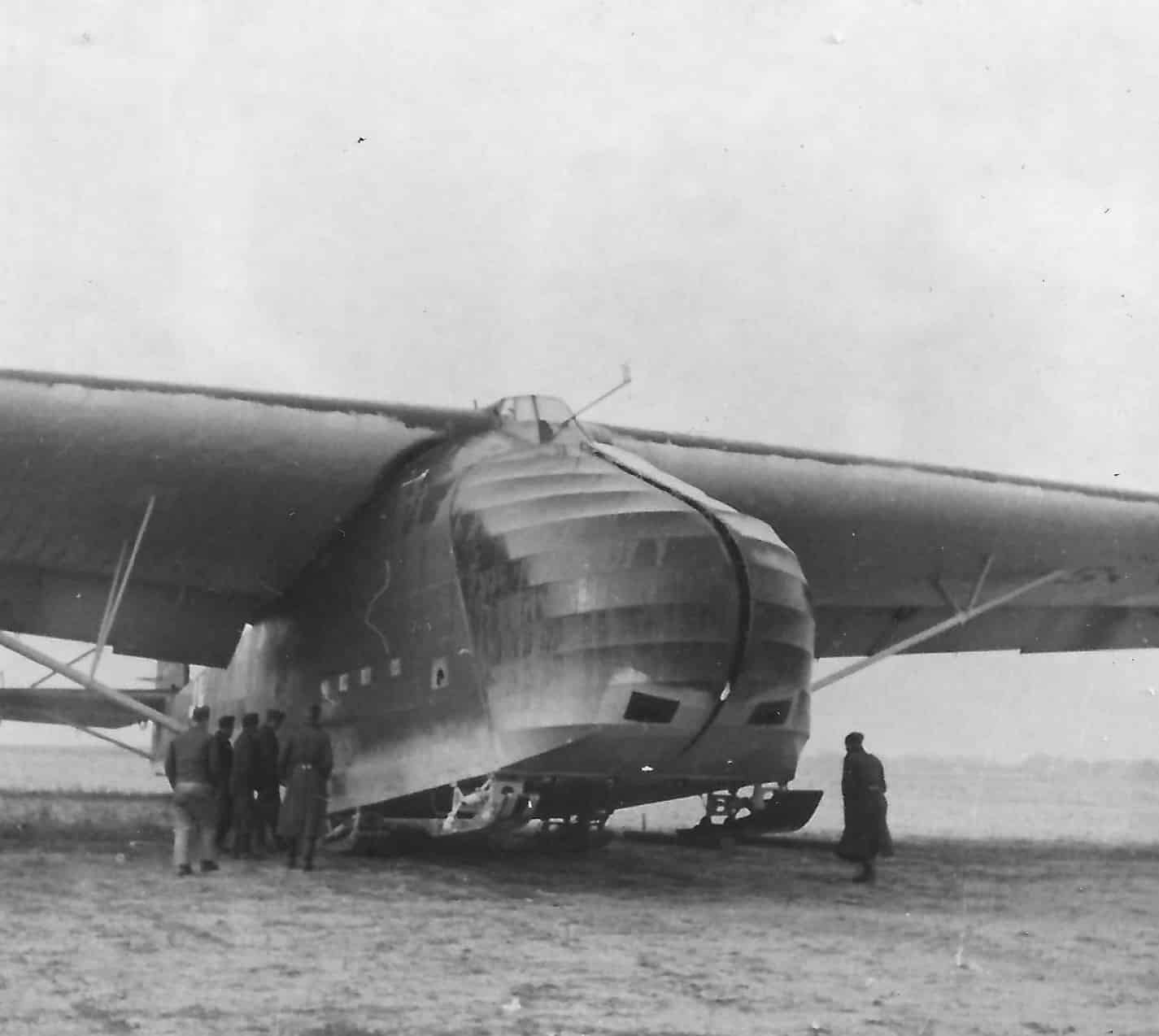
The cockpit sat just behind and above the cargo doors immediately in front of the leading edge of the high-mounted wing. The glider rolled on a pair of Junkers Ju 90 main wheels and two Messerschmitt Bf 109 nose wheels mounted on a dolly that was jettisoned after takeoff. Landing skids facilitated landing. Vast hinged flaps and ailerons made up the entire trailing edge of the wing.
Towing Troubles
The first prototype Me 321 V1 was towed into the air on Feb. 25, 1941 behind a Junkers Ju 90 four-engine transport aircraft. It was discovered the Junkers barely had the power to pull the big glider when loaded with four tons of bricks into the air.
The first flight also determined that, although the glider had good flight characteristics, the controls were heavy. The heavy controls led to the addition of dual controls and a co-pilot, along with batteries and electric servo-motors to ease the burden of flying over long distances.
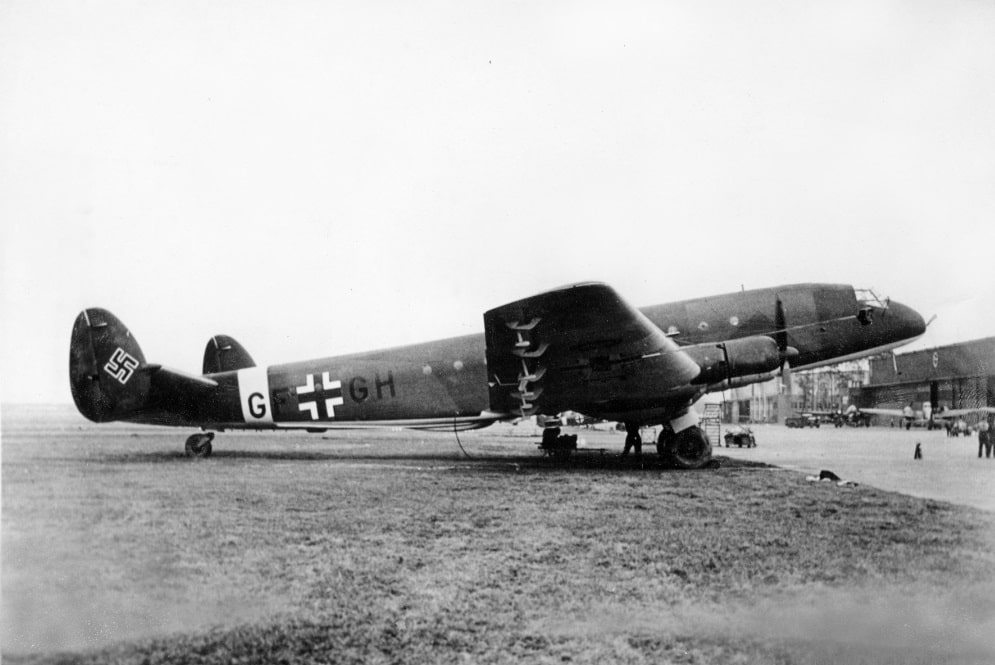
Takeoffs were still an issue as nothing in the Luftwaffe (German Air Force) had sufficient power to pull the loaded gliders into the air. Rockets were added to assist with takeoffs, and a scheme of utilizing three Messerschmitt Bf 110 twin-engine heavy fighters (Troikaschlepp), attached to the glider with multiple cables, led to adventurous flights, accidents and near accidents.
One incident involving the three Bf 110 tow planes occurred when the takeoff assist rockets failed to fire under one wing, causing the glider to veer to starboard. This set off a chain reaction of causing the three Bf 110s to collide, and all three of them along with the Gigant crashing in a forest. The glider was carrying 120 troops and a total of 129 lives were lost in the incident.
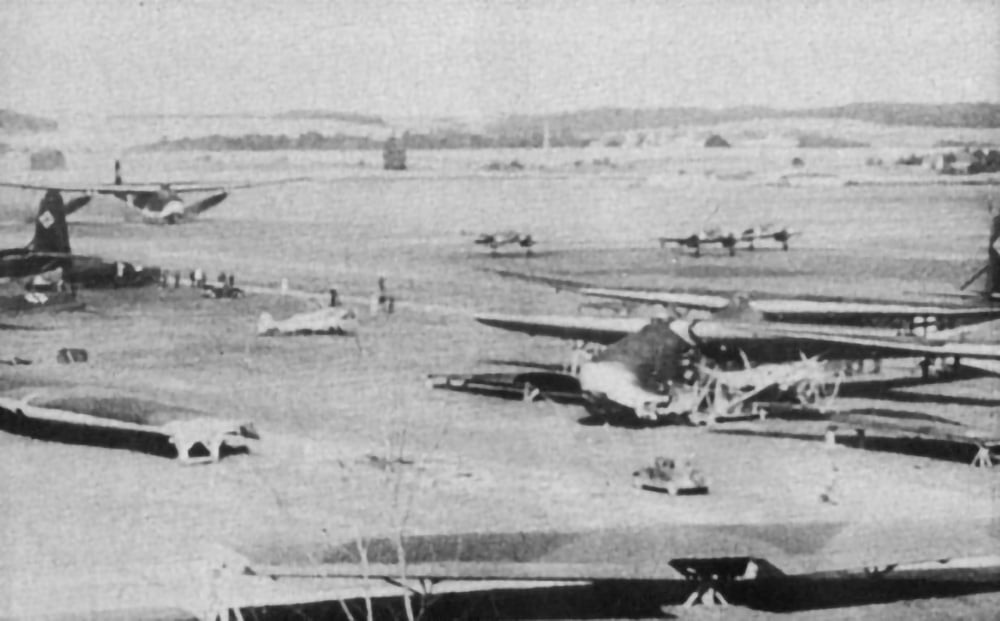
The range was around 250 miles with the Bf 110s, limiting the usefulness of the Me 321. Preparations at airfields along the routes for the strange assembly of aircraft were extensive, requiring special equipment as well as vehicles and specialized crews for fueling and maintenance.
These problems prevented the widespread use of the Me 321, especially on the Eastern Front. This along with the dangerous towing experiences and the inability to operate from less than dry airfields made the need for a transport that could take off and land under its own power obvious.
Another innovative solution to the towing problem manifested itself in the Heinkel He 111Z Zwilling. Two medium bomber He 111H-6 fuselages were mated together with a stub wing inserted between the two. An additional Jumo 211F-2 engine centered on the stub wing section brought the total to five engines that provided adequate power for the task at hand.
The aircraft was a bit unwieldy to fly; the pilot’s office was in the portside fuselage with full controls, and a co-pilot sat in the starboard fuselage cockpit with dual controls minus throttles. The pilots operated the respective undercarriages and radiator flaps of their fuselage, with the starboard pilot also controlling the center engine’s radiator flaps. The Zwilling could tow the Me 321 at 137 mph.
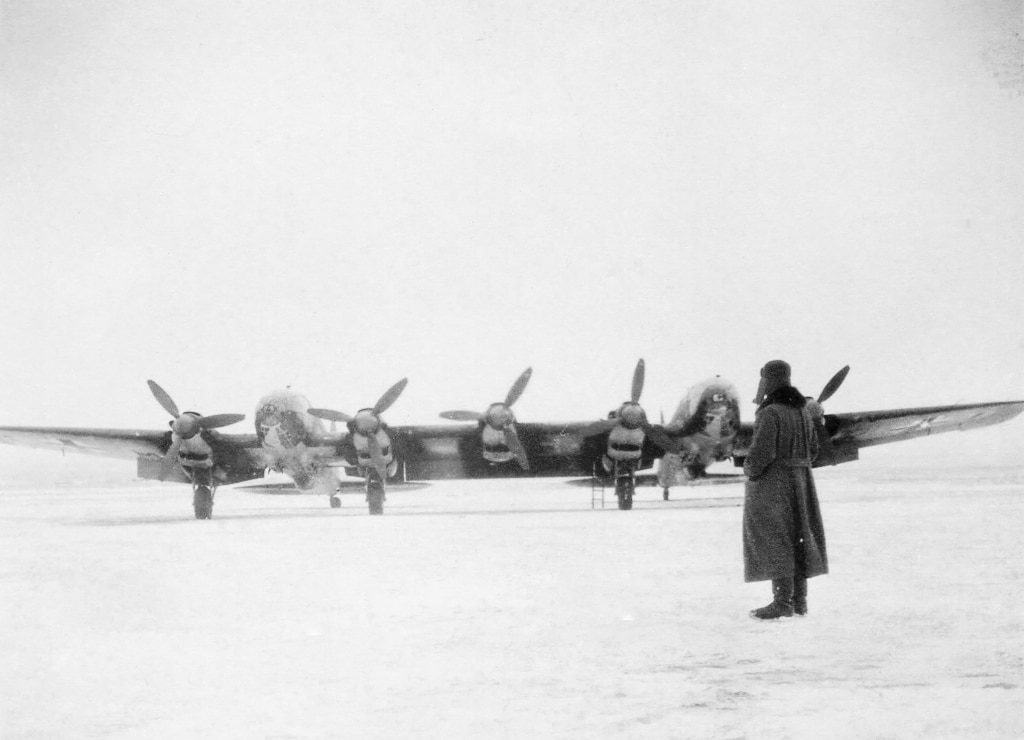
Attempts to utilize this arrangement to provide relief and much needed supplies to the beleaguered German forces at Stalingrad in January 1943 faced constant delays enroute. Intermediate airfields were overcrowded and the giant glider was found too difficult to maneuver on the ground under such conditions.
During the summer of 1943, Me 321s were to ferry paratroops from France to Sicily, but the distance was too great for the He 111Zs to tow the loaded Me 321s and coupled with no suitable landing fields available, the operation was cancelled. Some moderate success was achieved with a design that was created for an operation that was, however, never put into motion, Operation Sea Lion. However, after a total of 200 being built, the days of the giant glider were all but over.
Messerschmitt adds Power
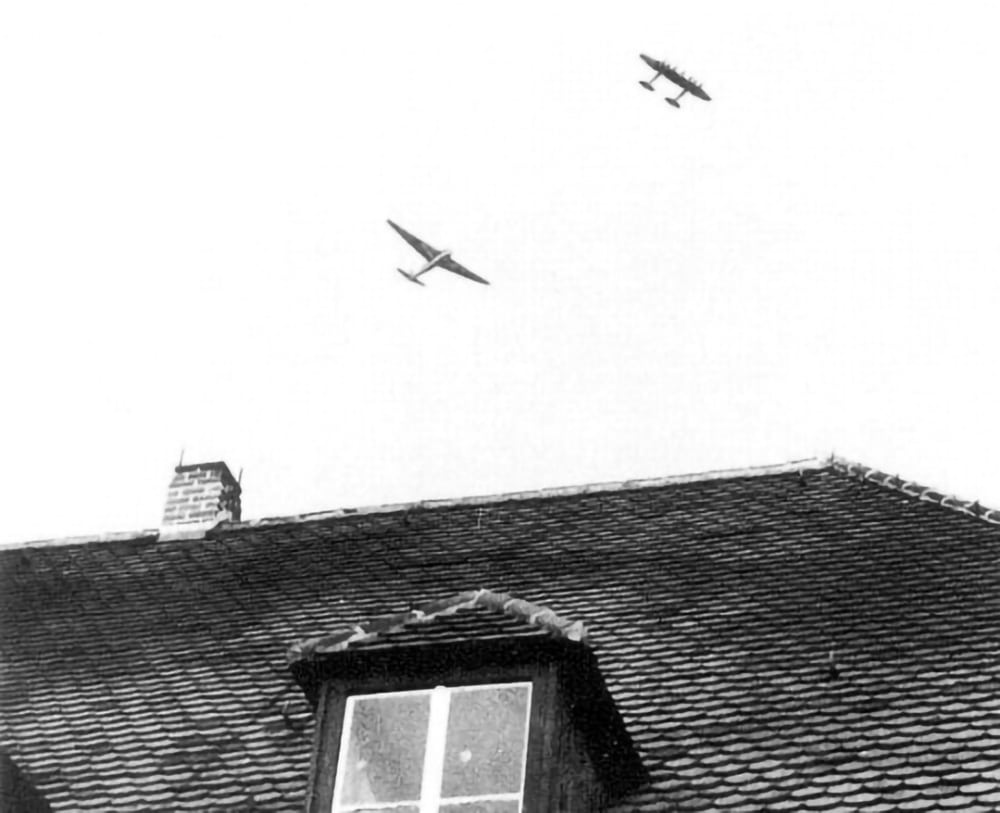
In March 1941, a decision was made to build a Gigant with engines. While adding the weight could also reduce the cargo capacity, the glider designed for basically a one way trip to the United Kingdom was of limited use in other theaters of the war. In addition, the Me 321 could not simply go around for another pass on approach to a crowded airfield should circumstances dictate such action. Moving the powerless giant was difficult on the ground, and the logistics of supplying concentrated hydrogen peroxide for the rockets, special tow cables, special crews and fuel trucks for the tugs were not very practical.
After studies to find a suitable engine type, it was decided to utilize the French Gnome-Rhone 14N, an engine that was already in production and readily available. The engine and propeller were utilized on the French Bloch 175 bomber and could easily be attached to the wings of the Gigant.
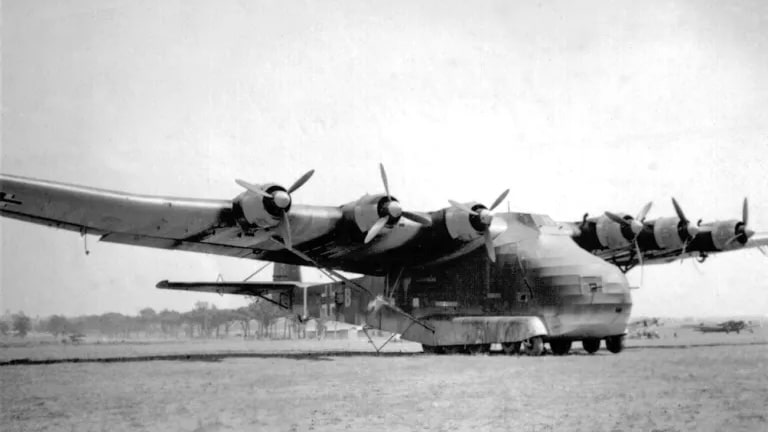
The first prototype, designated the Me 323 V1, had four engines installed and still needed the assistance of the He 111Z Zwilling or the trio of Bf 110s to get airborne with a full load. Only one version of the V1 was built.
A second prototype, designated the Me 323 V2, had six engines, the left engines were GR 14N 48s and the right trio were GR14 49s, the difference being they rotated in the opposite direction. A flight engineer cabin and engineer were added in each wing, between the inner and middle engines. Production began despite the aircraft being rather difficult to fly, with the production variant designated the Me 323D-1. Completed models were delivered by September 1942.
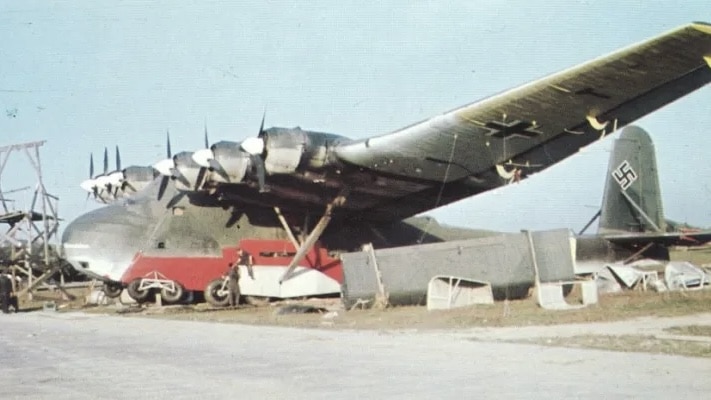
A new landing gear, this time permanent with multi-wheels, was added. The landing gear itself was pioneering; along each side was a tandem-wheel front truck along with a main gear with three larger wheels. The forward pairs of wheels were independent of six mainwheels. The main wheels were sprung by levers and used coil springs to hold the aircraft level no matter the load in the cargo hold. This placed the tailskid off the ground and, if properly loaded with the correct center of gravity, a man could simply grab the skid and pull the tail to the ground.
The landing gear proved to be excellent as it handled the rough front-line airfields with ease. The pneumatic brakes allowed the big aircraft to come to a stop with a full load in under 656 ft when landing. A massive spade anchor under the tail, that dug in after landing, shortened the run.
Variations of the aircraft continued to evolve utilizing different engines and propellers, increased fuel capacity, increased loads, and defensive armaments. The Me 323E-2 introduced low drag EDL 151 turrets mounting MG 151 20 mm cannon on the upper wing surfaces between the outboard engine and middle engines, as well as a well-armored gun position housing an MG 131 13 mm gun operated by the radio operator. A pair of MG 131s filled the nose-door positions, along with two firing from forward and two firing from aft beam positions.
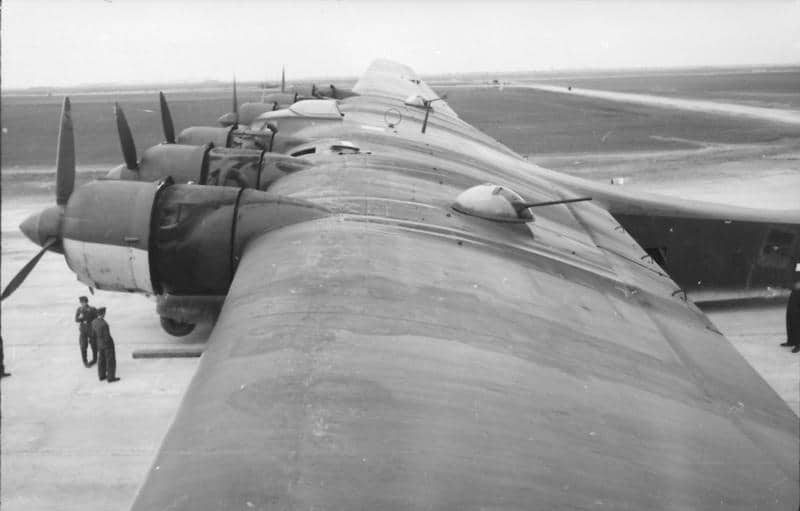
The Me 323E-2 had a length of 93 ft 6in, wingspan of 180 ft 5.5 in, and height of 31 ft 6 in. The aircraft’s empty weight was 64,066 lb, and 99,210 lb at maximum load. Range at full load was 684 miles.
Easy Targets
Being a large and slow moving aircraft cruising at around 120 mph at full load, the Me 323 made for an easy target, with even medium bombers pursuing the transport. Appearing fragile and rumored to be highly flammable, the Gigant, however, proved to be neither. The aircraft was known for taking tremendous punishment with rounds simply piercing the skin of the aircraft and continuing on out the other side. RAF reports indicate the huge transport continuing on its lumbering journey after the British aircraft had expended all their ammunition.
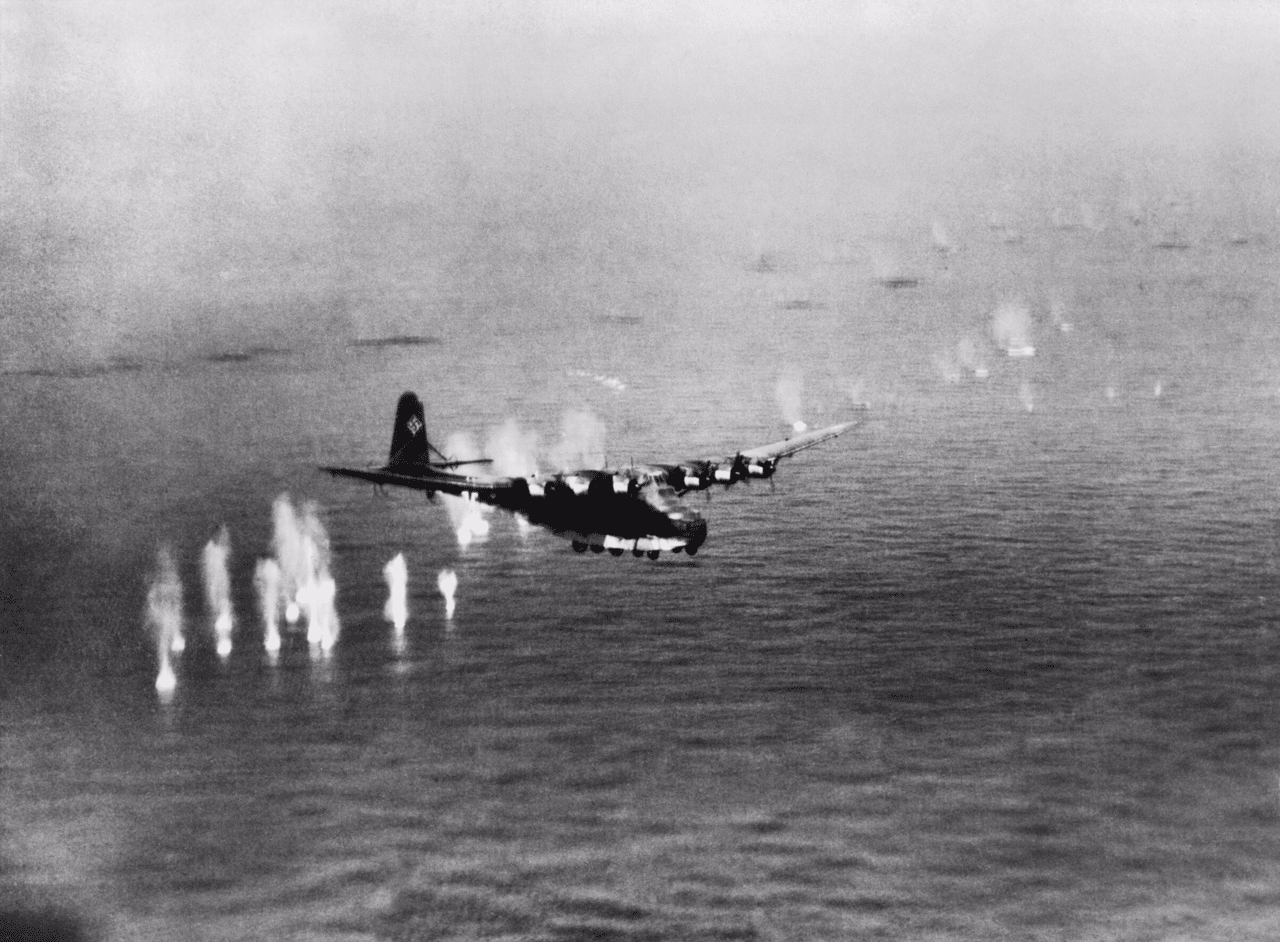
Heavy losses did occur however, with 43 Me 323s being lost up to April 1943. At least 29 were shot down, with the remainder destroyed on the ground. One interesting solution to the problem was the Me 323E-2/WT (Waffentrager) that was built and tested as a pure escort aircraft.
The WT had a total of 11 MG 151 20 mm cannons, along with four MG 131 heavy machine guns. A dozen gunners manned the weapons behind an additional 1,323 lb of armor. Five cannons sat in turrets with one on top of the now sealed nose, while the remainders were mounted atop the wings. The concept was abandoned after it was determined conventional fighters provided better escort.
Pioneering Transport
Production began to fade as the tides of war changed, and the last Me 323 built appeared in April 1944, now built by Zeppelin after the program was transferred. The last variant to fly was known as the Me 323 V6.
A total of 198 Me 323s were built. Many more planned developments were in the works, including a twinned model joining two Gigants with a new center section and powered by nine BMW 801 engines.
During a time when standard transports were the likes of the Junkers Ju 52 and the Douglas C-47, with cramped narrow fuselages that could only be loaded through a small side door while sitting sloped, the large cavernous level-sitting Me 323 with novel vertical front doors that opened to the entire height and width of the aircraft set new standards.
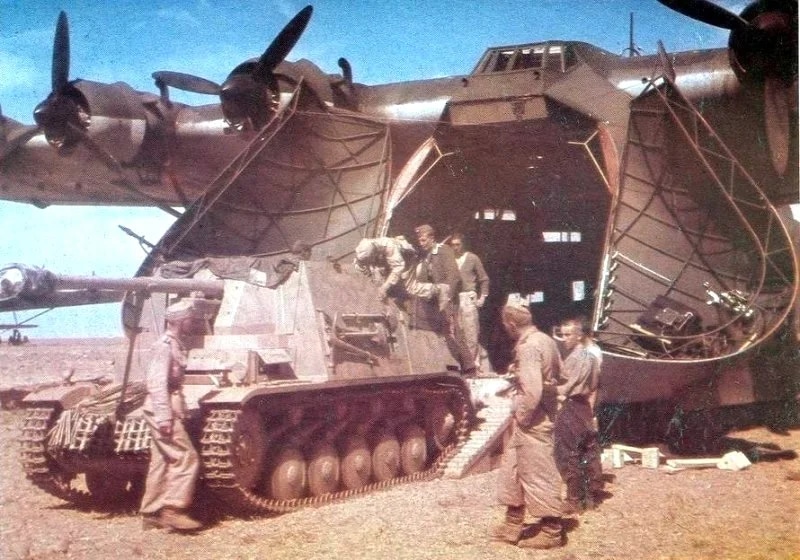
Not only in aircraft design but it also demonstrated the concept of transporting heavy loads and large troop numbers that contemporary planning had relied upon surface transport for. The ease and speed of loading through such large doors and the ingenious landing gear that would rock on the rearmost pair of wheels indicating proper load balance was invaluable. The Allies had nothing that compared.
The Gigant could carry a Panzer IV tank, artillery, large quantities of ammunition, 52 drums containing 55 gallons of fuel each, supplies, 120-200 combat ready troops, or 60 casualty litters along with medical attendants. It is rumored and recorded in several books, although not confirmed, that a modified Me 323 even participated in an experimental dropping of a bomb so large no other aircraft in inventory could carry it.
The experimental bomb is said to have weighed 17.7 tons and, once loaded, the Me 323 was aided into the air by a He 111z tow plane. Shortly before reaching altitude, the rear of the fuselage of the Gigant began to break up. The crew released the bomb but perished in the crash. Investigation reportedly revealed the failure was caused by a weakened fuselage structure damaged in an earlier strafing attack by American fighter aircraft.
If this highly debated story is factual, history fails to record how the aircraft was modified to carry and drop the large bomb, as it would almost certainly have to be carried in the cargo hold, leaving the only means of dropping it the creation of a hole in the rear portion of the area, as opening the front doors would be impractical and deadly (if not impossible).
It is also questioned if Germany could and did build such a large bomb. In more recent times we’ve seen the BLU-82/B ‘Daisy Cutter’ bombs loaded into the venerable Lockheed C-130 cargo aircraft and huge GBU-43/B MOAB (Massive Ordnance Air Blast) bombs carried aloft by the MC-130 and deployed out the back door in similar fashion.
No More Gigants
No complete Me 323s survive today. A main wing spar is in the collection of the Luftwaffenmuseum der Bundeswehr in Berlin. In 2012, a wreck of a Me 323 was discovered laying under 200 ft of water in the sea near La Maddalena Island near Sardinia, Italy. This Gigant was shot down on July 26, 1943 by a British Beaufighter.
At one time part of a wing from a Me 323 was used as a bridge to gain access to a church in Poland in the village of Łosiniec. The story is the aircraft was shot down by partisans. A new bridge was built, but the wing remains on display.