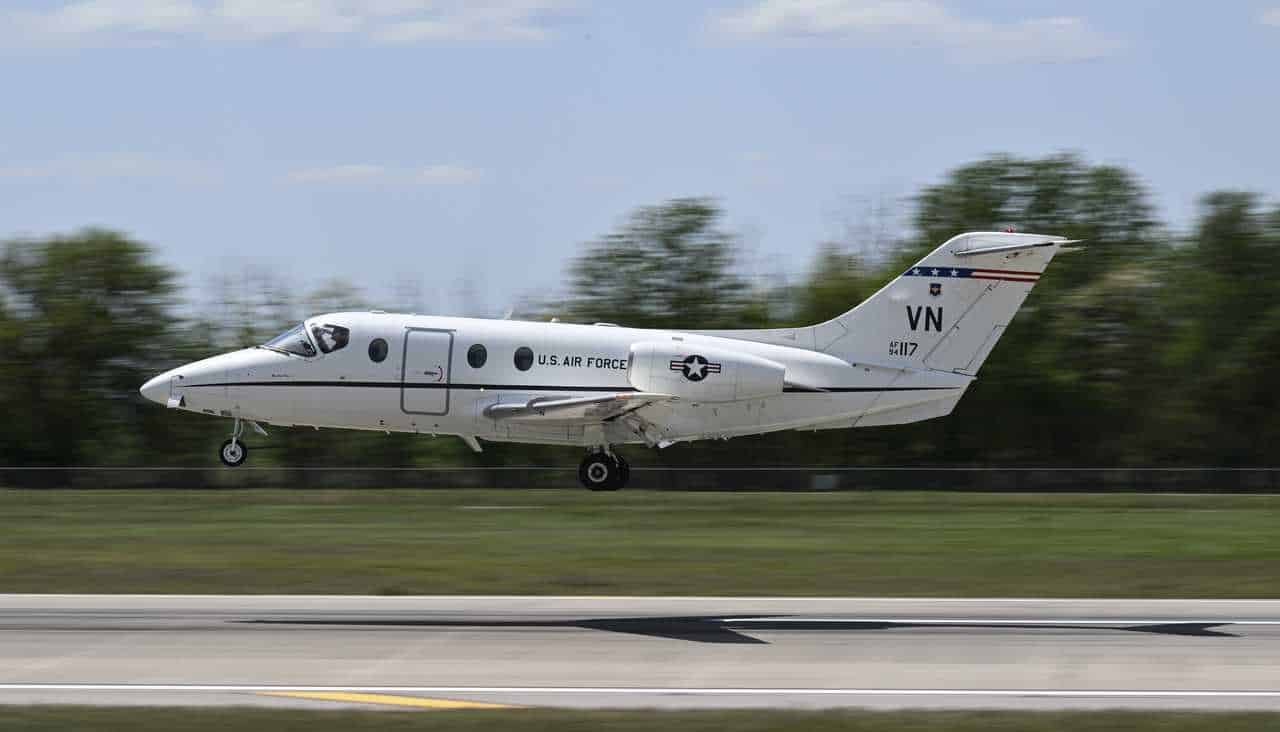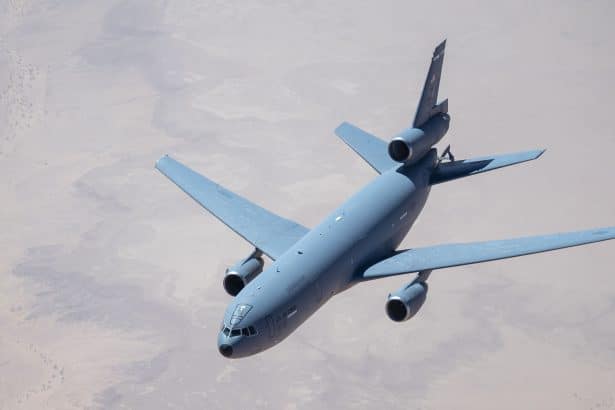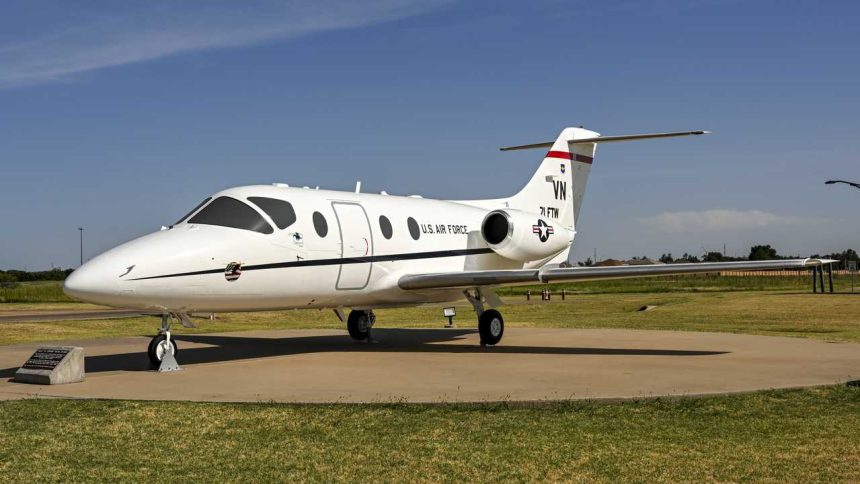
The final Jayhawk has departed Vance for Davis-Monthan, closing more than three decades of T-1A operations and bringing an end to the 3rd Flying Training Squadron’s latest chapter.
Monday, Aug. 31, 2026, marked the official close of a chapter in U.S. Air Force training history that may never be equaled when it comes to safe and efficient aircraft operations. The T-1A Jayhawk was officially retired from service after more than 30 years and a remarkable safety record with no fatalities.
T-1A 93-0644 was the star of the “T-1A Jayhawk Sunset” and symbolic fly-away ceremony on Aug. 21, 2026, at Vance AFB, Oklahoma, in Hangar 199. The hangar, where routine maintenance on Vance’s T-1 fleet had taken place for more than three decades, hosted a celebration for an aircraft whose career was anything but routine. Ceremony participants and audience members came from across the country, including senior U.S. Air Force leadership, to witness the event.
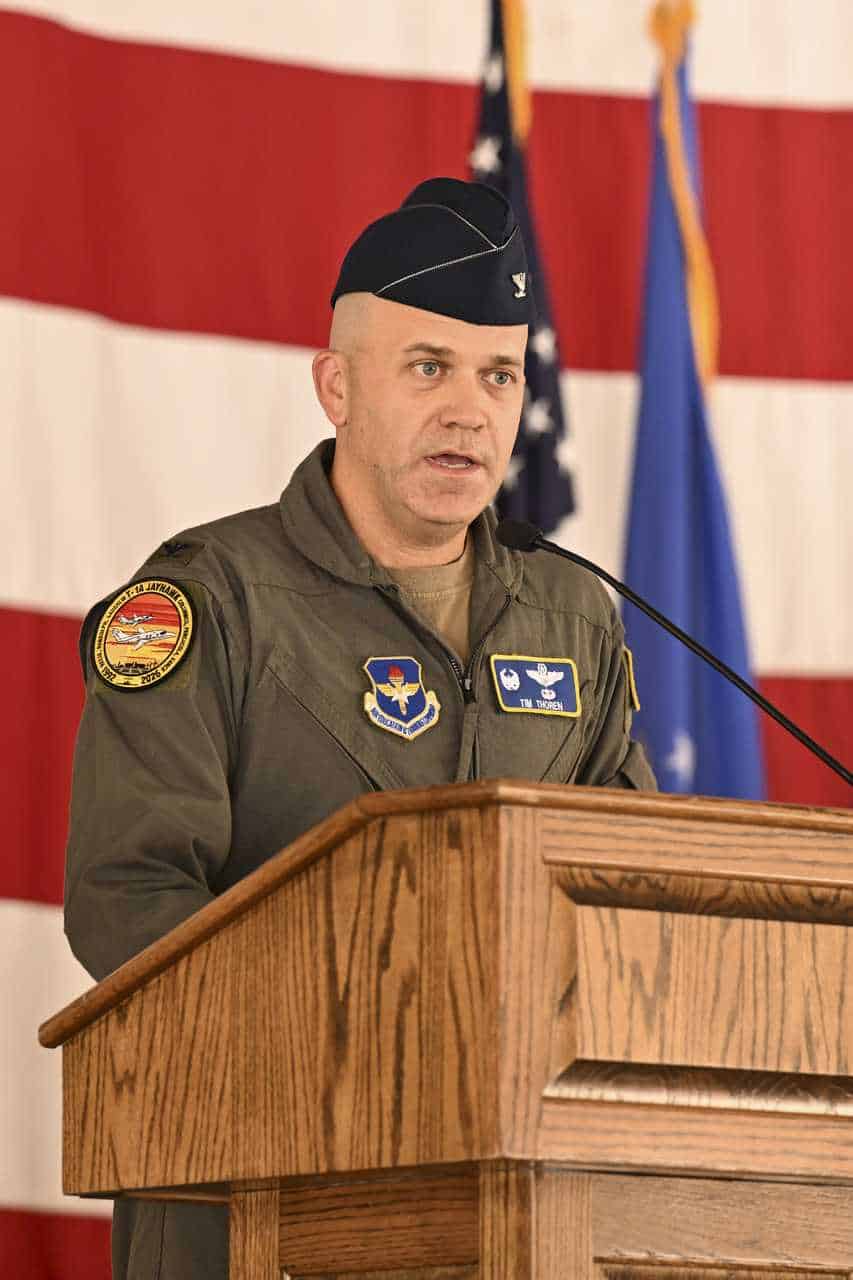
The ceremony not only marked the end of T-1 operations but also served as the inactivation ceremony for the 3rd Flying Training Squadron, one of the oldest flying squadrons in the U.S. military. The 3rd FTS guidon was “cased” by Col. Timothy A. Thoren, commander of the 71st Operations Group, and Master Sgt. Adam Hart, 71st Security Forces Squadron first sergeant.
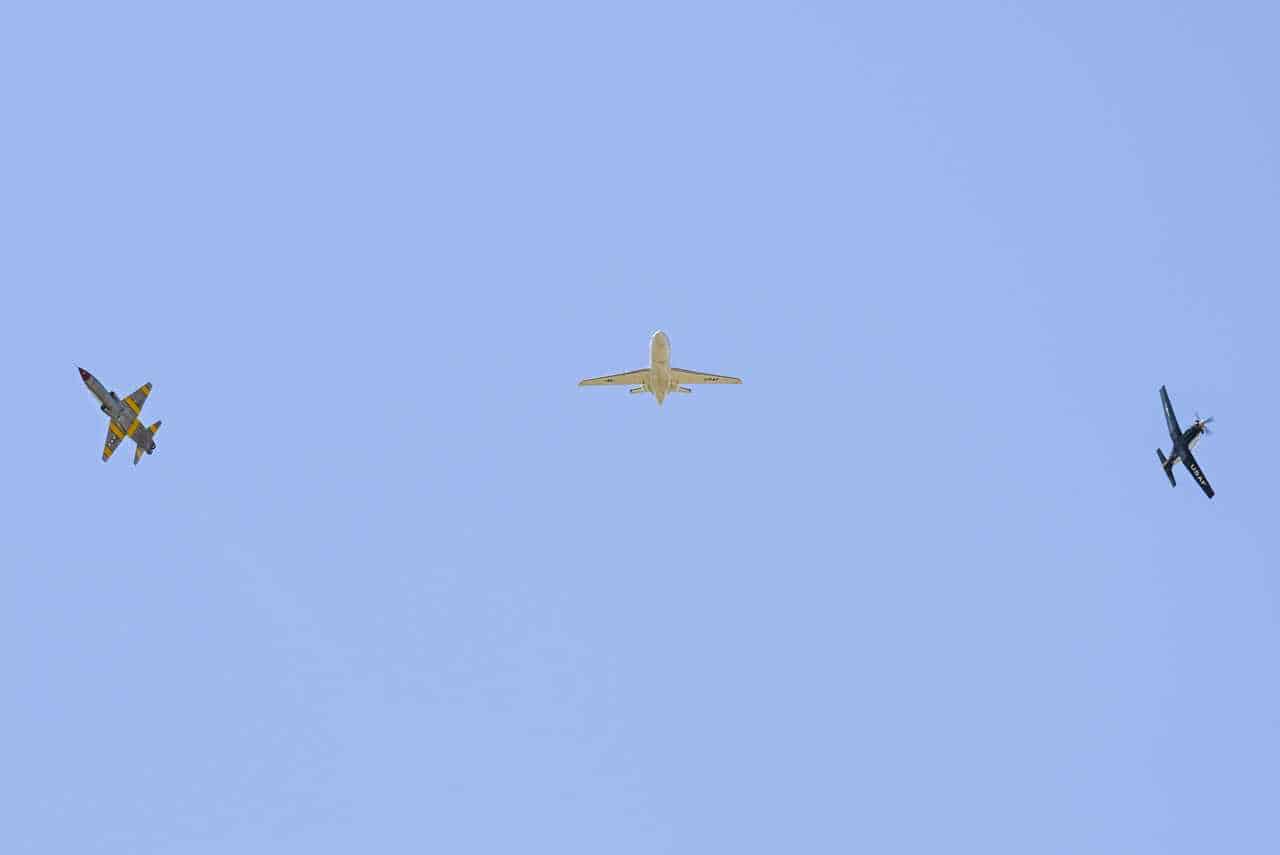
After the formal portion of the Sunset Ceremony was complete, 93-0644 was towed out of the hangar and onto the flight line. It then launched for multiple formation flybys before making a ceremonial departure for Woodring Regional Airport in Enid, Oklahoma, where it became the star of the show the following day, Saturday, at the monthly Woodring Regional Airport Fly-In and Breakfast.
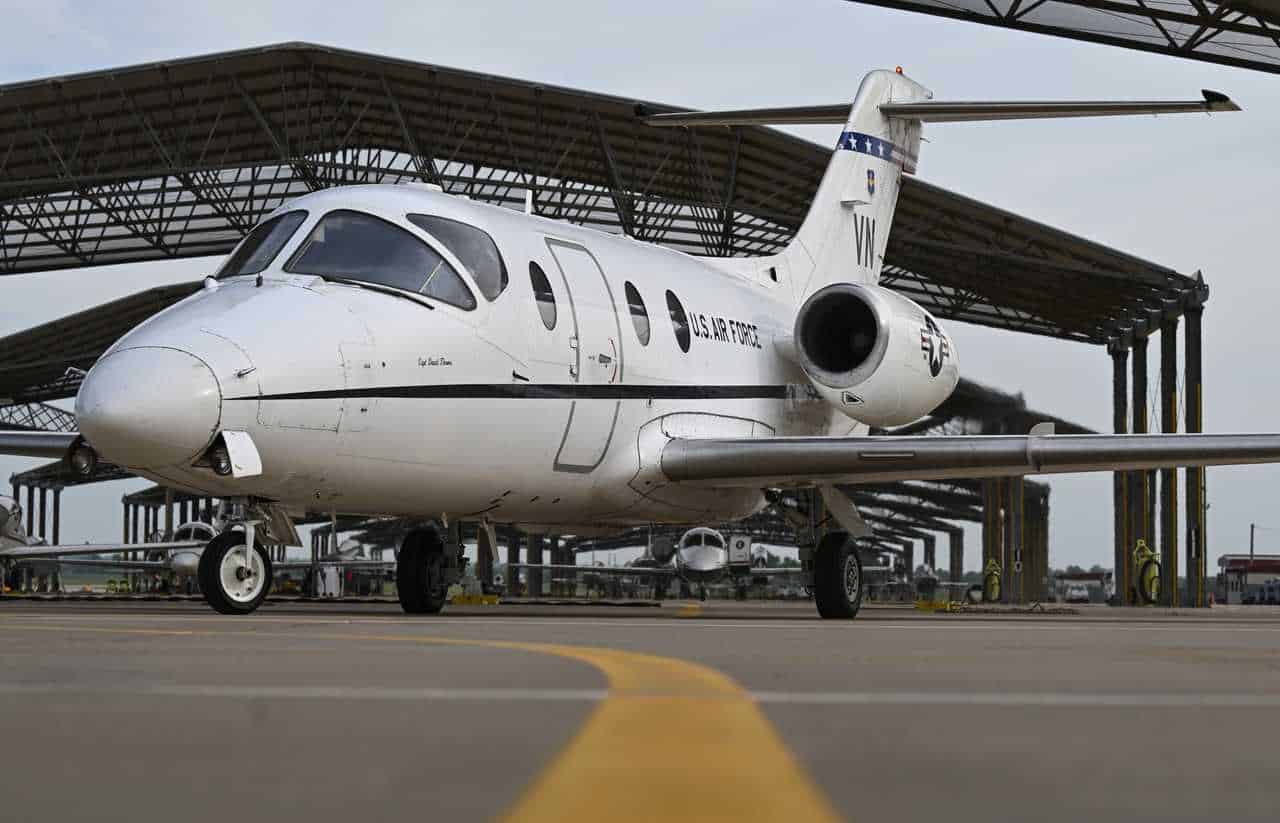
Closing the day’s events was the formal dedication of Beechcraft T-1A Jayhawk serial number 95-0071 near the main entrance to Vance AFB, where it now sits in a prominent position near the Visitor Center. The aircraft was the 180th and final T-1A built for the USAF and carries noteworthy markings.
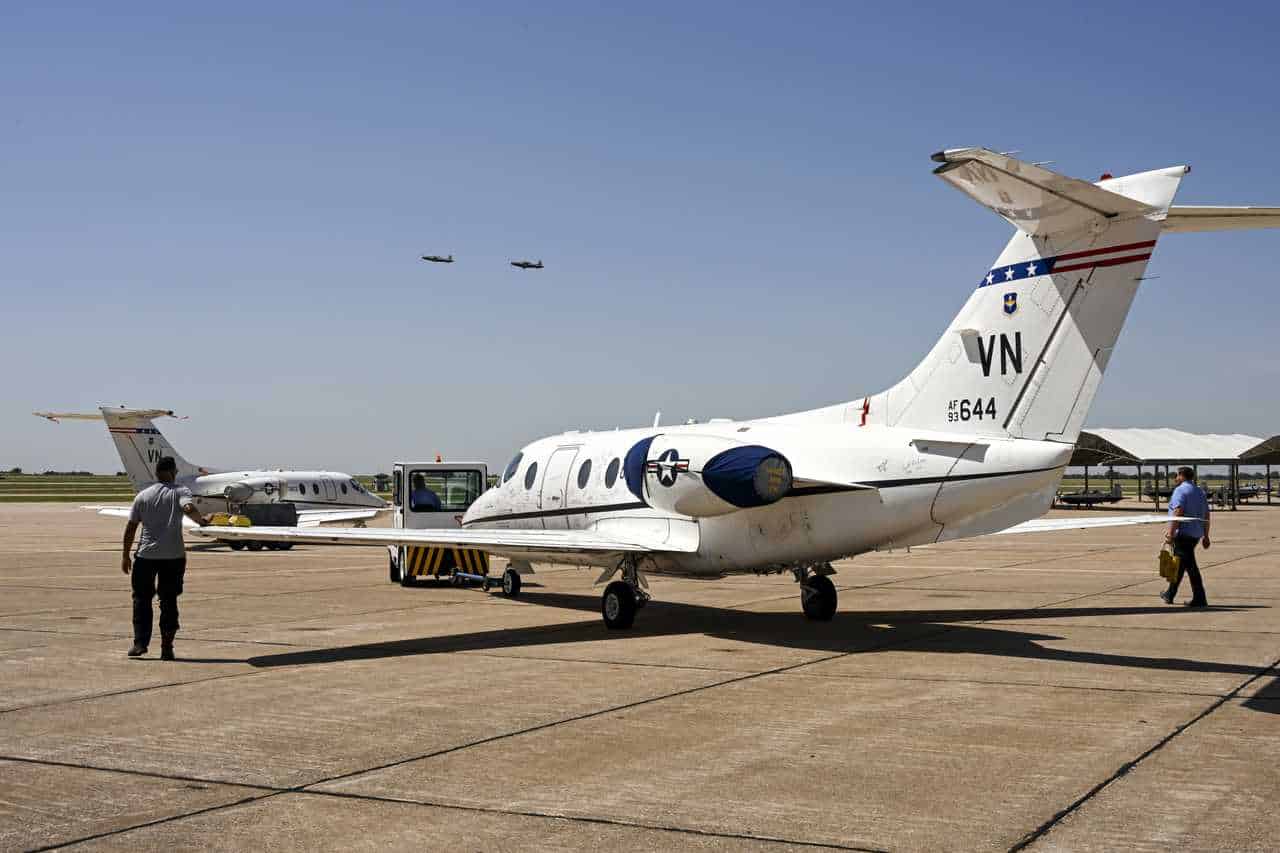
While Aug. 31 marked the end of program funding, T-1A serial 93-0644 flew from Vance AFB, Oklahoma, to Davis-Monthan AFB, Arizona, on Aug. 28, 2026, for induction into the “Boneyard.” The flight was deliberately made ahead of the funding cutoff in case any last-minute maintenance issues arose. Had the jet been unable to launch for any reason, it could have been stranded at Vance.
During the T-1’s operational life, there were only two major accidents, both landing overruns, and no fatalities associated with the program. It is a remarkable safety record considering the amount of time the aircraft spent operating in the traffic pattern and conducting low-level training. There may never be another USAF training aircraft capable of matching it.
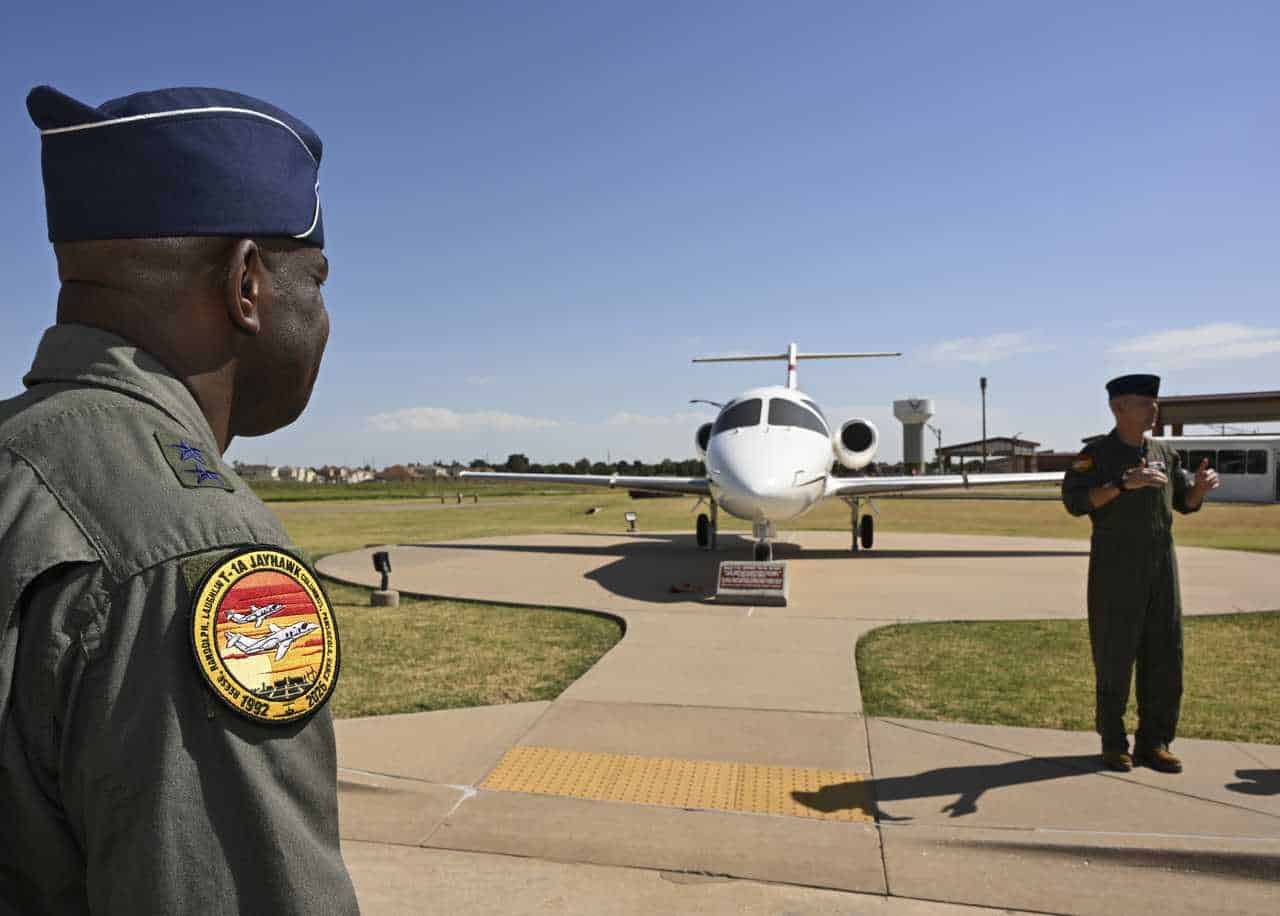
Overview of the T-1A
The T-1A was the commercial-off-the-shelf answer to the USAF’s desire to alleviate pressure on the T-38 Talon fleet in the early 1990s by creating a Specialized Undergraduate Pilot Training program. Under the new system, the T-38 could remain the advanced trainer for future fighter and bomber pilots, while students destined for airlift, tanker and other heavy aircraft could complete advanced training in an aircraft with flight characteristics more representative of the platforms they would eventually operate.
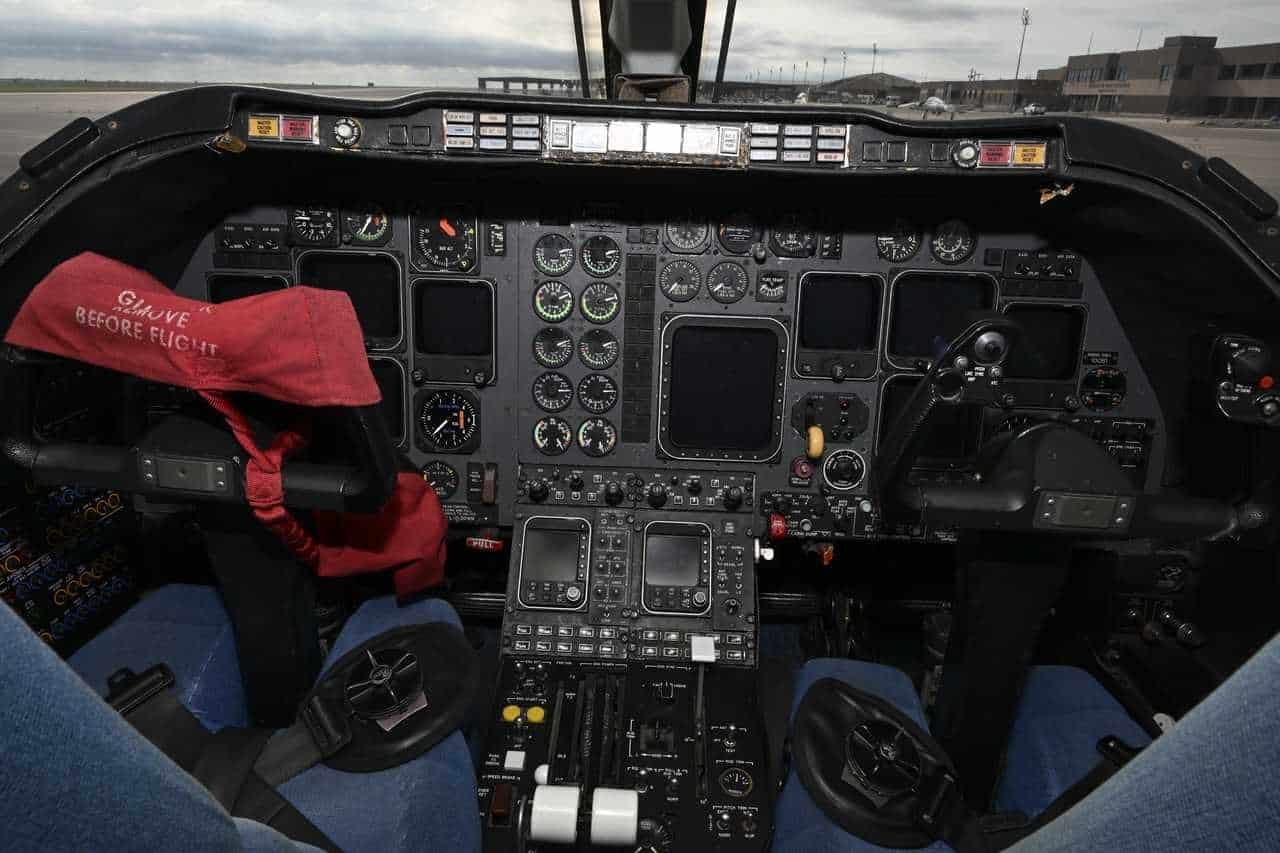
The T-1 also introduced students to multi-engine operations and crew resource management early in their careers.
The T-1A Jayhawk entered what was then Air Training Command when the first aircraft was accepted by the USAF on Jan. 15, 1992, at Reese AFB in Lubbock, Texas.
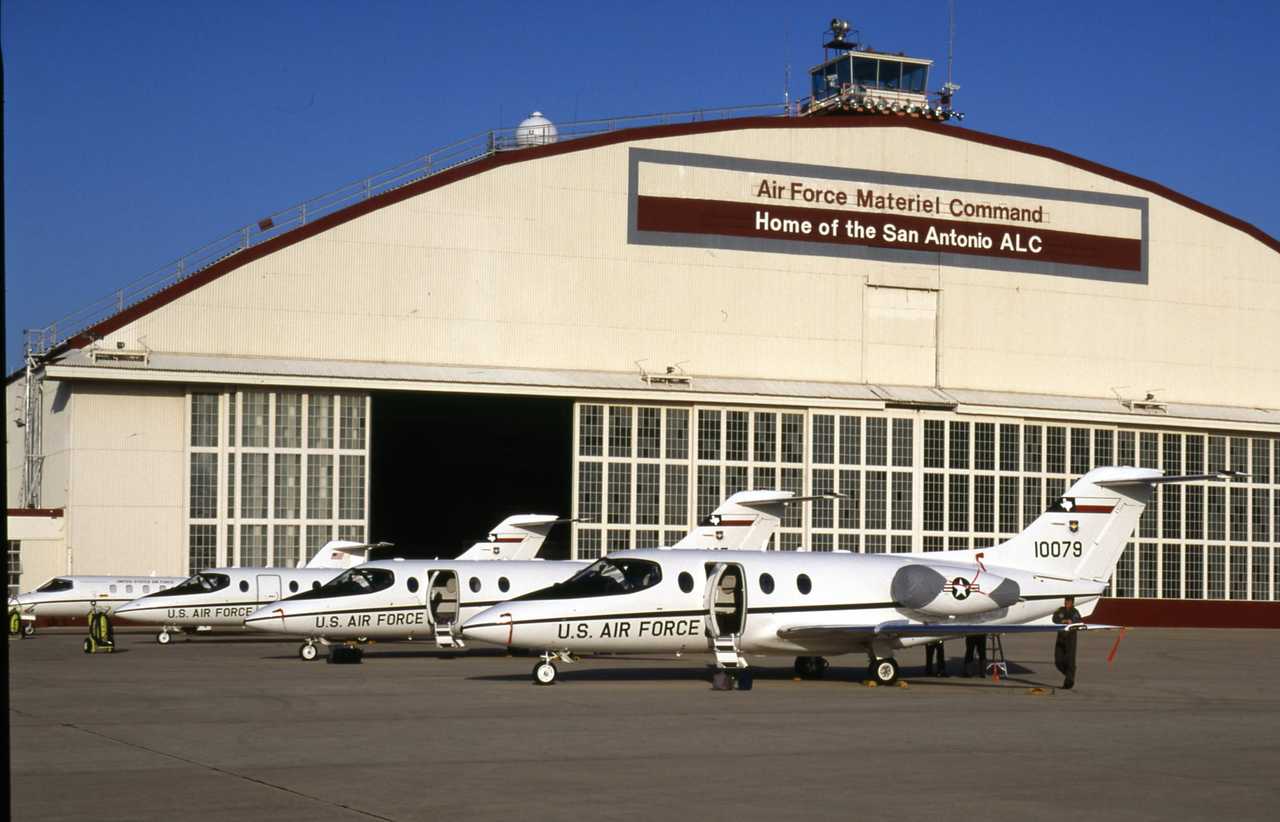
Operating Units and Bases
While the 52nd Flying Training Squadron, 64th Flying Training Wing, received the first aircraft at Reese AFB, Texas, student training did not begin until after the formal training unit was established at Randolph AFB, Texas, under the 99th Flying Training Squadron, 12th Flying Training Wing.
This was where T-1A instructor pilots were initially trained before being assigned to the various bases supporting Specialized Undergraduate Pilot Training.
Eventually, T-1As flowed from the factory in Wichita, Kansas, to the major AETC training bases at Laughlin AFB, Texas; Columbus AFB, Mississippi; and Vance AFB, Oklahoma.
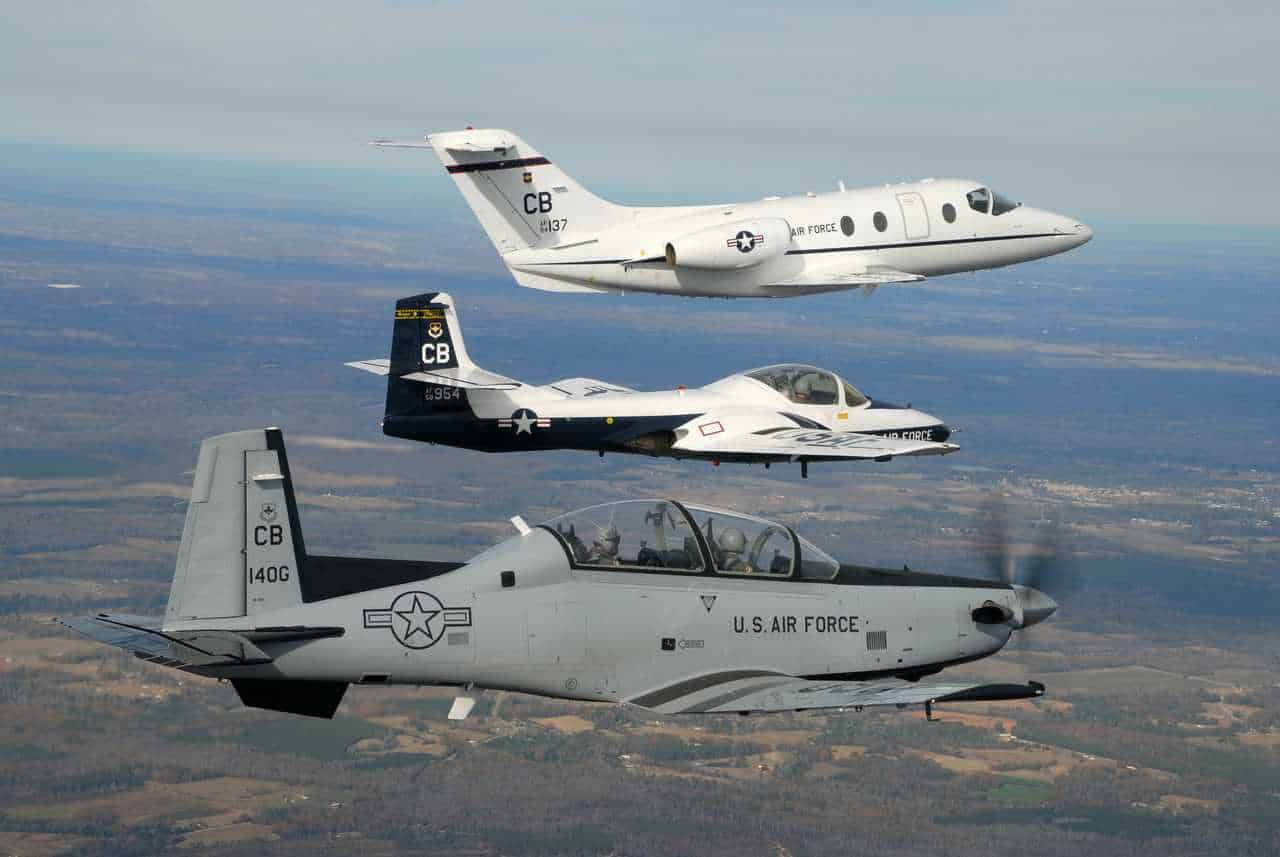
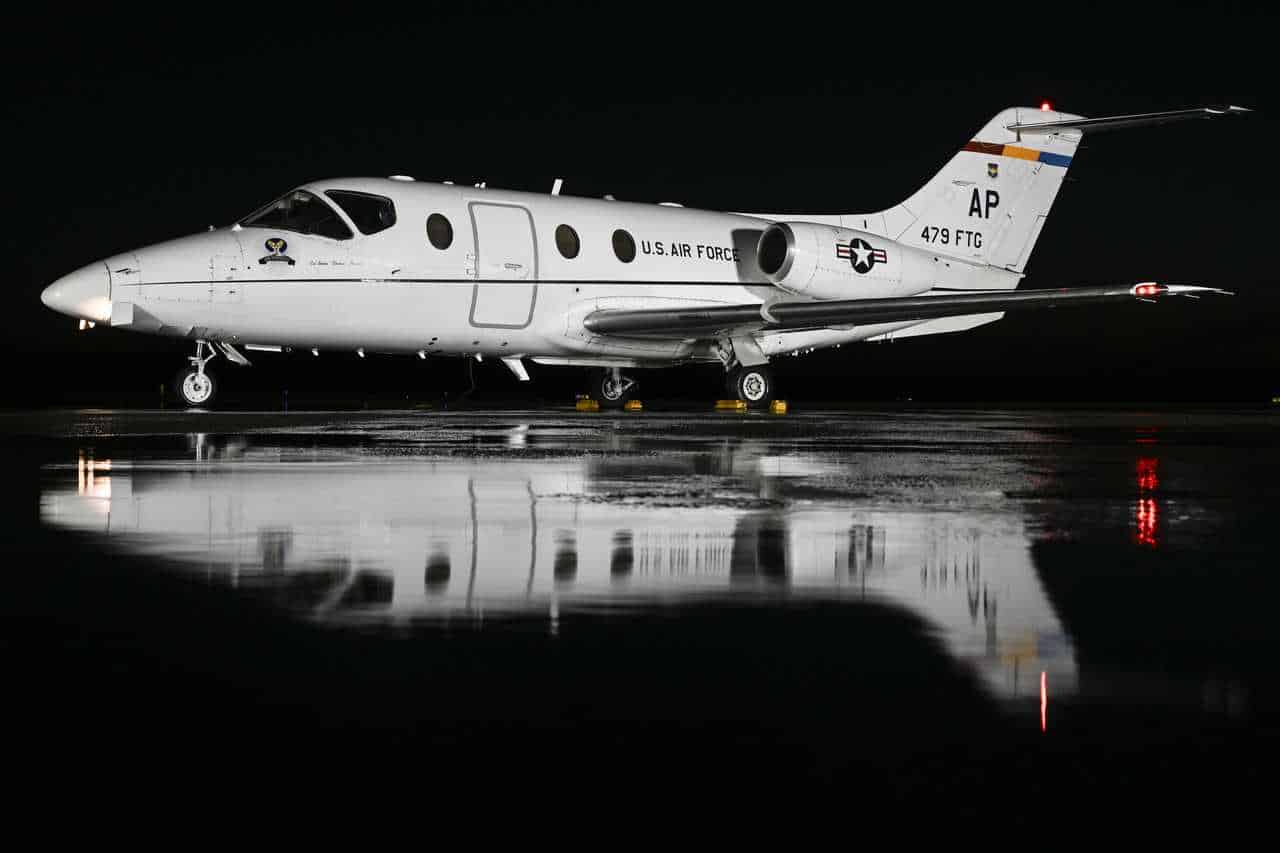
T-1s were also operated by the geographically separated 451st Flying Training Squadron at Naval Air Station Pensacola, Florida, under the 12th Flying Training Wing. The 451st FTS retired its final T-1A in July 2025.
Two Missions
The initial mission of training pilots destined for heavy aircraft using the T-1 was a great success. That success eventually allowed the Air Force’s pilot and officer aircrew training pipelines to evolve further as platforms such as the T-43A were retired.
The retirement of the T-43 eliminated the USAF’s dedicated navigation trainer, resulting in the T-1 being pressed into service in that role as well. It was subsequently used to train Combat Systems Officers at NAS Pensacola.
The T-1s assigned to this mission received modifications that added additional crew positions, allowing multiple students to be trained efficiently during a single flight. The configuration placed one student in the front right seat, with additional students seated in the rear. A T-1 instructor pilot occupied the front left seat, while an additional rear position was occupied by a CSO instructor.
The CSO instructor operated a laptop-based system capable of simulating various navigation and threat scenarios for the students.
The 451st FTS continued flying the T-1 in this role until its aircraft departed in 2025.
Why Was the T-1 Retired?
The retirement of the T-1 remains a controversial topic, particularly among those who believe the aircraft still had useful service life remaining.
One of the Air Force’s principal justifications was avoiding the cost of replacing or overhauling aging engines as they approached their life limits, along with other recapitalization and sustainment expenses. With two engines per aircraft, keeping a large fleet operational would have required significant investment.
At the same time, 73 T-1As had recently undergone a $156 million Avionics Modification Program, which replaced obsolete cockpit equipment and was intended to improve aircraft availability while reducing sustainment costs. The final upgraded aircraft was returned to service in January 2023.
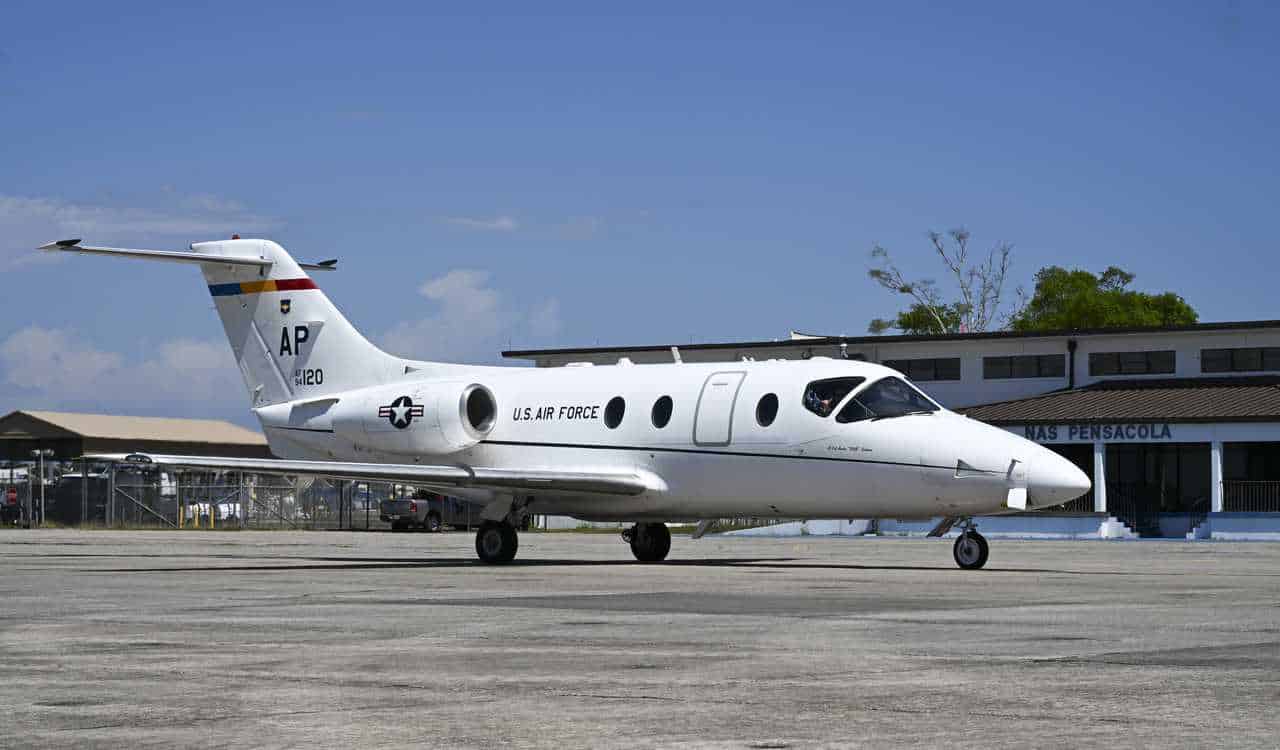
This meant that a substantial portion of the fleet had been positioned for continued service if the Air Force had elected to make the necessary engine and sustainment investments. Many T-1s also retained significant structural service life.
Ironically, the Jayhawk drawdown began shortly after completion of the avionics modernization program.
The Air Force’s broader justification was its transformation of undergraduate flight training. Future mobility pilots and Combat Systems Officers would increasingly rely on the T-6 and advanced synthetic training rather than progressing through a dedicated T-1 phase. Air Force budget documents specifically cited the shift in training methodology as allowing the service to avoid the impending costs associated with T-1 engine replacement and recapitalization.
AETC also planned to redirect savings from T-1 divestment toward other training priorities, including the troubled Boeing T-7A Red Hawk program.
FMS to Tunisia
While the T-1A Jayhawk is no longer in USAF service, four aircraft have received a reprieve from scrapping through the U.S. government’s Foreign Military Sales program.
The four jets are currently being overhauled at Field Aerospace in Oklahoma City and are expected to be transferred to the Tunisian Air Force upon completion, where they will serve as organic VIP transports.
The T-1’s Legacy Lives On
It is important to note the impact the T-1A has had on both military and commercial aviation.
Military pilots are particularly sought after by commercial operators, especially major airlines. Many of the pilots who trained aboard the T-1 now occupy airline cockpits around the world, and many will continue doing so for decades to come.
That may ultimately be the real legacy of the T-1A Jayhawk: generations of pilots trained to move people and cargo safely and efficiently around the world.
Now, many of them simply wear white shirts instead of military flight suits.
The author would like to acknowledge AETC Headquarters Public Affairs, Vance AFB Public Affairs, and Maj. James A. Davis, 3rd FTS Director of Operations.