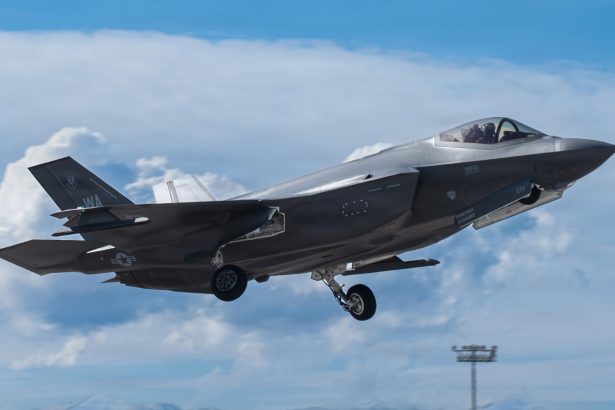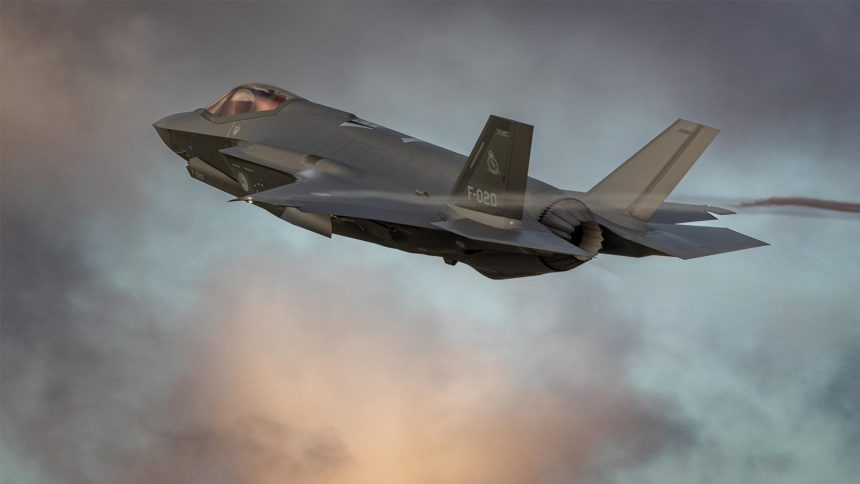
Addressing the F-35’s operational independence from the U.S. amid tensions between Europe and the Trump administration, Secretary Gijs Tuinman made the claim to Dutch radio station BNR Nieuwsradio.
The bold claim, the veracity of which is unverifiable from an outside perspective, came as part of a wider dialogue over the operational independence of the F-35 Lightning II – now the Netherlands’ only fighter aircraft.
Tuinman, who became State Secretary for Defence in July 2024, first of all reassured that, despite a rift opening between the current U.S. Government and many European nations, the jury is still very much out on whether any moves – which would likely take the form of interrupting the supply chain and/or halting software updates – would be made that threatens the continued operation of the F-35.
BIG: Dutch Defence Minister Gijs Tuinman hints that software independence is possible for F-35 jets.
He literally said you can “jailbreak” an F-35.
When asked if Europe can modify it without US approval:
“That’s not the point… we’ll see whether the Americans will show… pic.twitter.com/f11cGvtYsO
— Clash Report (@clashreport) February 15, 2026
We reported previously on this subject, pointing out that the simplistic ‘kill switch’ concept that many claim the U.S. has for F-35s is almost certainly fiction, but noting that reliance on the U.S. for the aircraft’s software updates, the vital mission data files (MDFs), and the sophisticated maintenance and supply chain system could present vulnerabilities without long term U.S. support.
Not literally needed. But in time of crisis it’s vital to update the top-level software, the mission data file (MDF). And on the F-35, this can only be done in a USAF lab at Eglin AFB.
— Bill Sweetman (@ValkStrategy) March 14, 2025
Arguably, any such action by the U.S. Government would ultimately be harmful to its own interests, damaging the reputation of overseas sales of U.S. made products perhaps for good and making Europe’s overall air defences vulnerable and more reliant on U.S. intervention – something that the U.S. has repeatedly sought the opposite of.
However, Tuinman then went on to say that if the worst case scenario does come to fruition he believes that, through unknown means, the F-35’s software could be altered without permission by third party operators. He compared this directly to ‘jailbreaking’ an iPhone, a process which allows end users to access features on iOS devices that are not usually allowed by Apple’s own software at the cost of theoretically voiding the device’s warranty and opening up the risk of security vulnerabilities or software malfunctions.
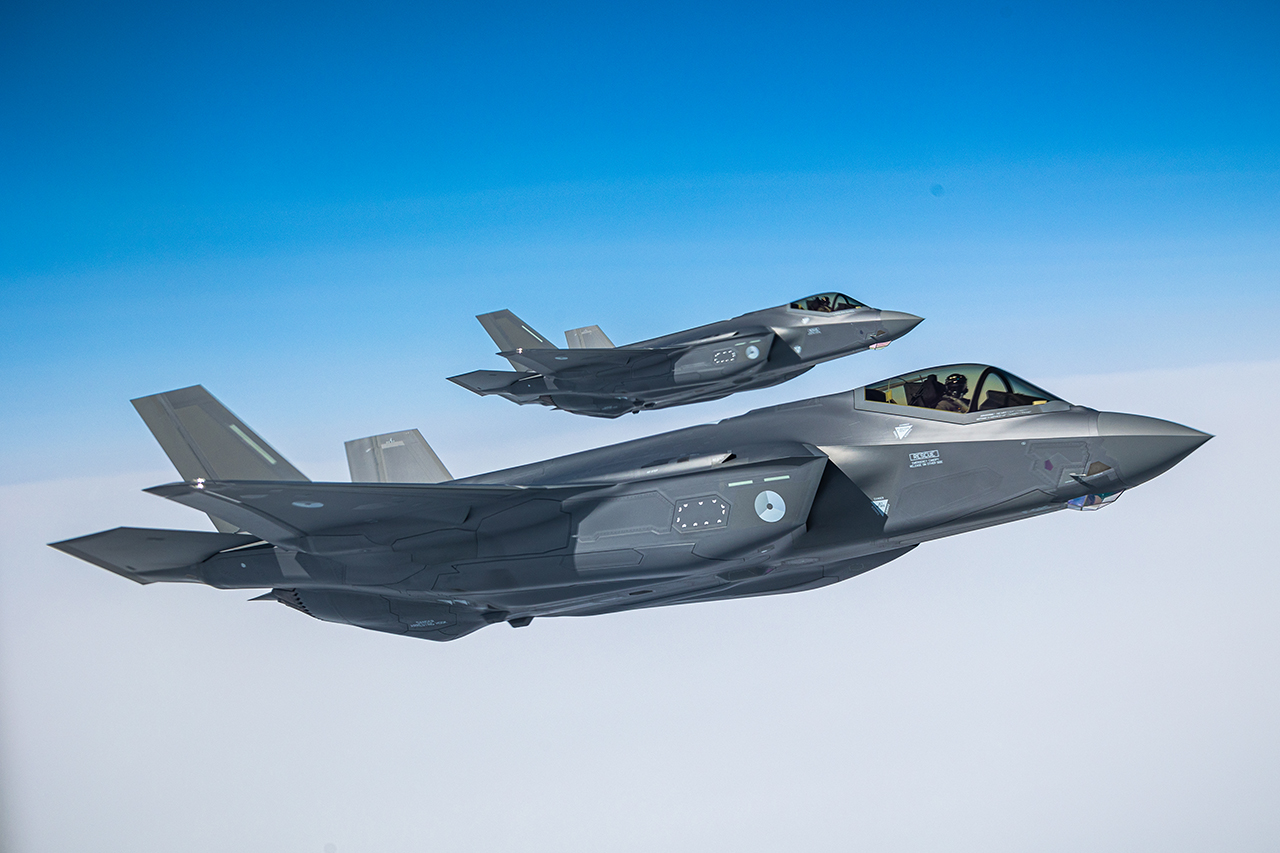
It is impossible to know whether Tuinman’s claims are accurate or not, nor where his information originated. It may have been relayed to him purely as a speculative endeavor, with actual work on identifying the concept’s feasibility yet to be undertaken. He explicitly refused to dive into any further detail on the subject, even noting that apparently it is not a subject he is supposed to speak on at all.
Given the increase in U.S.-Europe tensions, it would not be surprising that on at least some level this eventuality may have been considered by end users. Indeed, on some level, even during times of good relations these kinds of contingency plans are often developed just in case they may be needed. This being said, the complexity of the F-35’s source code – comprising over 8 million lines of code – and the likely extensive security measures undertaken to keep it secure and unmodified means that such a task would almost certainly be far from simple.
F-35 Software Complexities
There are conflicting statements across the lifetime of the F-35 program around the amount of access close allies have to the aircraft’s source code. Of any operators, the closest any come to this level of access are the UK – who were the only Level 1 partner during the aircraft’s development, and the home of BAE Systems who authored parts of the source code – and Israel, who uniquely have the consent to independently modify and upgrade certain elements of their nation-specific F-35I ‘Adir’ variant. Some code access was reportedly offered to Japan in 2019. The Netherlands, a Level 2 partner, is not known to have had any direct access.
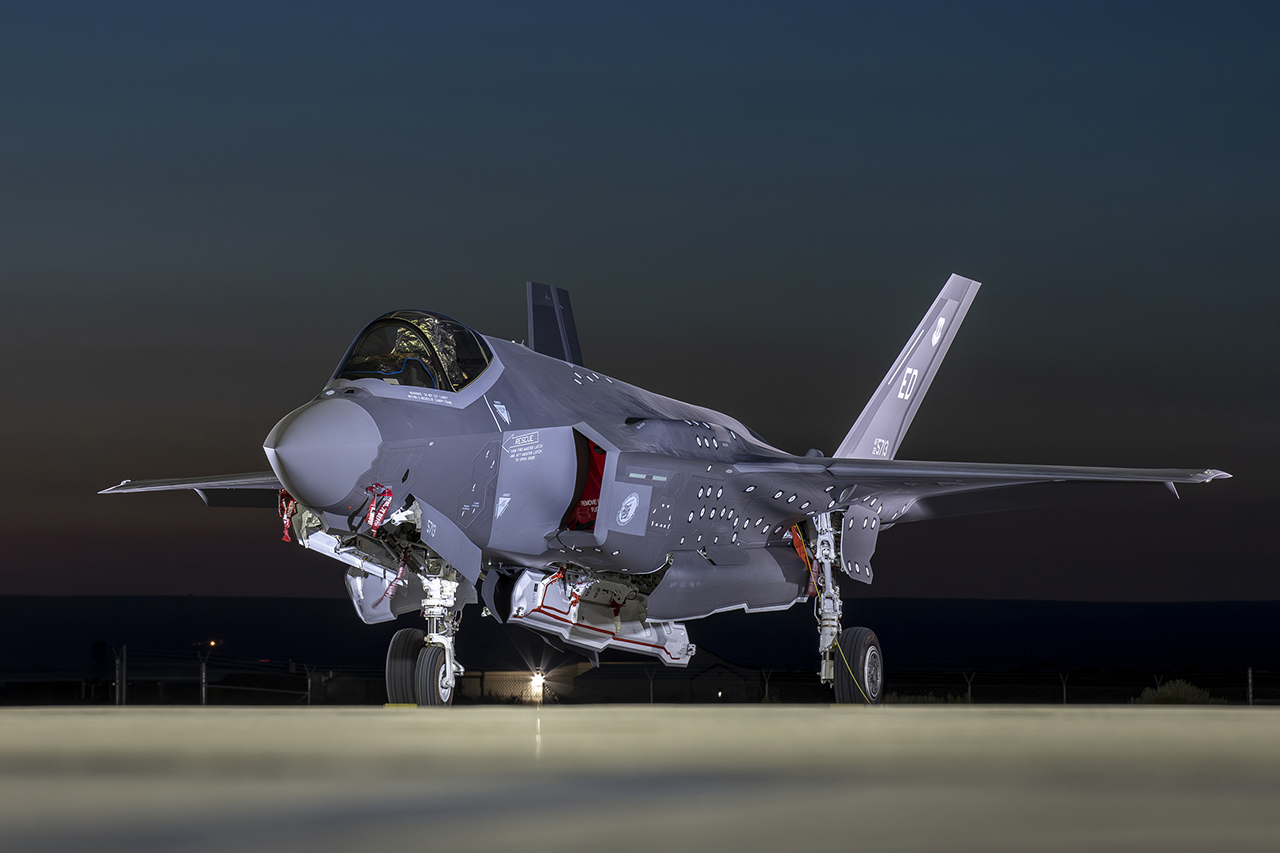
As well as being a complex technical undertaking, if a nation did make unauthorised changes to their F-35 aircraft they may then be excluded from further official developments and upgrades should they become available again. Over the long term, this could leave the aircraft essentially frozen in their current configuration and unable to be adapted with new weapons, sensors, or other technologies. Crucially, access to updated MDFs could also be restricted, making the aircraft unable to correctly identify and protect itself from newer equipment operated by adversaries.
There is no guarantee that even if the aircraft could be ‘jailbroken’ as Tuinman suggested that significant changes or upgrades could be made independently without the intrinsic knowledge of the aircraft and its systems available to the original manufacturers. Importantly, also, this software ‘fix’ would not mitigate the effects of a freeze in the physical supply chain. While some F-35 parts are made in Europe by the Netherlands and its allies, many parts are made only in the United States. European production lines do handle final assembly for the F-35 as well as its F135 engine, but these lines rely on individual components being shipped across the Atlantic first.
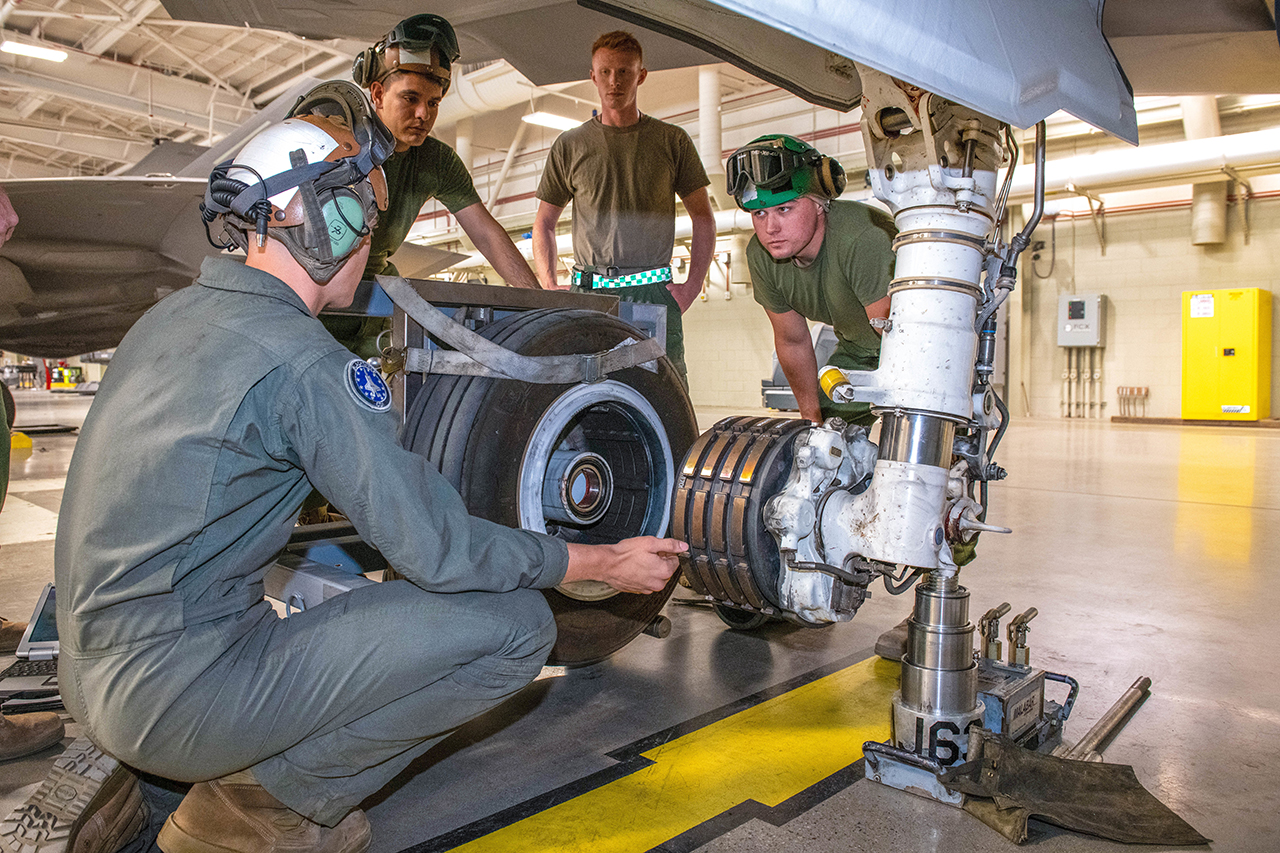
This complex supply chain involves nations all over the world feeding into a central hub of spares and resources that is then coordinated and shipped to various operators with the assistance of the ALIS and ODIN systems. Nations manufacturing parts for the F-35 simply deliver them to global supply chain and final delivery is then carried out to any location at any time it is required. This coordinated system is why a number of nations have resisted campaigns to restrict their supplies of F-35 parts to Israel, as this would simply not be possible in the way that the F-35 program operates.