China’s PLA launched “Justice Mission 2025” snap drills around Taiwan, combining blockade simulations, live-fire drills, and strategic messaging aimed at Taipei and Washington.
China has launched a large-scale, snap military exercise around Taiwan, dubbed “Justice Mission 2025,” on Dec. 29, 2025. The People’s Liberation Army (PLA) deployed air, naval, rocket, and coast guard forces in a show of force that includes simulated blockade operations and live-fire drills in multiple locations around the island.
The drills represent the latest escalation in China’s sustained pressure campaign against Taipei and come amid renewed tensions with the United States over the latest arms sales to the island. According to Chinese statements, the drills are intended as a warning against what Beijing describes as “’Taiwan independence’ separatist forces” and external interference.
— Ministry of National Defense of China (@MND_China) December 29, 2025
From Taipei’s perspective, they constitute another destabilizing step that undermines regional security and risks miscalculation. U.S. defense officials, meanwhile, recently assessed this type of exercises within the broader context of China’s long-term military modernization and its expanding anti-access/area-denial (A2/AD) capabilities towards the 2027 goals.
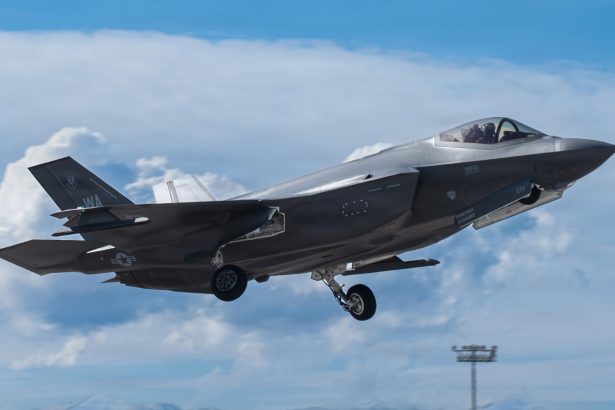
中共29日進行針對性軍演,國軍啟動 #立即備戰操演 應對威脅。 #空軍第二聯隊 獲令後,派遣 #幻象戰機 緊急起飛,官兵展現高度戰備效率,於最短時間內完成機務整備與升空,針對進入我 #防空識別區 之飛行器實施監控與攔截,以實際行動捍衛領空。#中華民國 #空軍 #ROCArmedForces #ROCAF #ROC pic.twitter.com/qTLGXrH8oe
— 軍聞社 Military News Agency, ROC(Taiwan)🇹🇼 (@mna_roc) December 29, 2025
Justice Mission 2025
The PLA’s Eastern Theater Command initiated the drills with minimal notice, reportedly beginning operations less than an hour after the official announcement. The exercise involves elements of the PLA Navy (PLAN), Air Force (PLAAF), Rocket Force, Army, and the China Coast Guard, operating in multiple sectors around Taiwan, including areas to the north, southwest, southeast, and east of the island.
Over the past 48 hours, China surrounded Taiwan and executed large-scale live-fire military exercises featuring simulated decapitation strikes and the seizure of key ports.
“It is a noose-style blockade. The operational scope is no longer limited to symbolic, isolated shows of… pic.twitter.com/6PznH0BhUc
— Ian Ellis (@ianellisjones) December 30, 2025
Chinese officials stated that the exercise focuses on sea and air combat readiness patrols, joint strike operations, and the blockade of key ports and sea lanes, simulating conditions that could be imposed in a crisis scenario short of a full-scale amphibious invasion. Live-fire activities were conducted in designated danger zones, prompting warnings to civilian shipping and aviation.
“Justice Mission 2025” military drills around Taiwan island
Expel and Annihilate 驱歼
Attack and Destroy 破击
Long-range Raid 远袭
Strikes on Key Targets 拔点
Cut off Supply Lines 断线
Blockade All the Ports 封港#ChinaMilitary #ChinaMilBugle… pic.twitter.com/aAi17kS2da
— China Military Bugle (@ChinaMilBugle) December 30, 2025
On the first day, Taiwanese authorities reported that 89 PLA aircraft sorties were detected in a single day, which was reportedly the highest daily figure occurred in more than a year. In parallel, 28 PLA Navy and China Coast Guard vessels were tracked while operating around Taiwan, including ships entering the island’s contiguous zone.
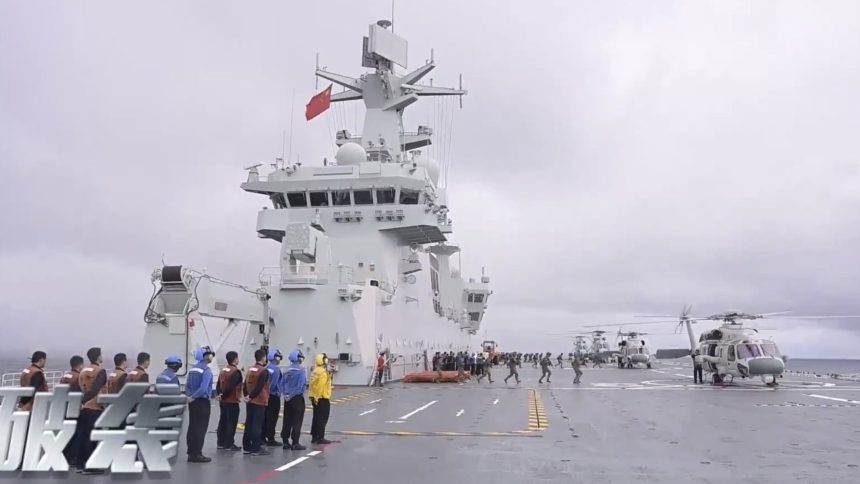
Report from Chinese large amphibious attack ship (type 075) Hainan, participating in PLA exercises surrounding Taiwan. CCTV7, Junshi Baodao, 30Dec. I doubt these Chinese Marines are practicing for blockade, but maybe? Undoubtedly, such maneuvers might constitute the leading edge… pic.twitter.com/uuliDFNaX0
— Lyle Goldstein (@lylegoldstein) December 30, 2025
Among the naval formations observed was a four-ship amphibious task group operating west of Taiwan’s southern tip. On Dec. 30, the Type 75 landing helicopter dock (LHD) Hainan was involved in air assault operations with Z-8 and Z-20 helicopters simulating the seizure of key ports and a special forces raid.
A few more observations from new set of exercises. There is the conspicuous use of large amphib attack ship (Type 075). CCTV7, Junshi Baodao, 29Dec. I have not seen navalized Z-20 helo on this deck before. I also had not noticed the protruding refueling pipe on this Chinese Air… pic.twitter.com/zpnE1sFQh9
— Lyle Goldstein (@lylegoldstein) December 29, 2025
On the same day, during the live fire activities, multiple rocket launchers used guided rockets against notional targets in the Taiwan Strait. Taiwan’s Ministry of National Defense (MND) stated that 17 rockets landed north of Keelung port, notably the same where the U.S.-made M1A2 Abrams main battle tanks were recently delivered, later adding that this was “the closest ever Chinese live-fire exercise.”
The Eastern Theater Command of the Chinese People’s Liberation Army has announced and published footage of a long-range live-fire strike exercise carried out this morning by PCL-191 Long-Range Multiple Launch Rocket Systems (MLRS) against international water to the north of… pic.twitter.com/dMGNa1cJ6u
— OSINTdefender (@sentdefender) December 30, 2025
Compared to previous similar drills, Justice Mission 2025 appears to cover a broader geographic area, with some warning zones overlapping Taiwan’s territorial waters. Also, the areas being used for the exercise are approximatively in the same points around the main island used previously.
Below is TSM’s graphic overlaying each of the exercise zones from the post-2022 Pelosi visit to today’s Justice Mission 2025: pic.twitter.com/h3jMOuy46m
— Taiwan Security Monitor (@TaiwanMonitor) December 29, 2025
Beijing’s Messaging
Chinese officials have been explicit in framing the exercises as both punitive and deterrent in nature. Senior Colonel Shi Yi, spokesperson for the PLA Eastern Theater Command, described the drills as “a stern warning against ‘Taiwan independence’ separatist forces and external interference.”
Poster released by Chinese state media ahead of Monday’s snap-military drills around the Island of Taiwan, dubbed “Justice Mission 2025,” showing satellite imagery of Taiwanese airbases and other military sites with the text: “How could you ever attempt independence?” pic.twitter.com/9TfAdme4Do
— OSINTdefender (@sentdefender) December 29, 2025
China’s Ministry of Foreign Affairs and Ministry of Defense both echoed this narrative, accusing unnamed external actors of pushing the region closer to conflict. While the ‘external actors’ have not been explicitly named, this is understood to be a reference the United States and its allies.
In fact, Beijing has repeatedly criticized Washington for approving new arms sales to Taipei, while simultaneously stating that it does not support Taiwan independence. This is not a new development, as the Pentagon similarly noted China’s critics over arms deals also in previous occurences, considered as interferences in the country’s internal affairs.
The PLA explicitly linked Justice Mission 2025 to recent U.S. arms sales worth more than $11 billion. Beijing has also announced sanctions against U.S. defense companies involved in these transactions.
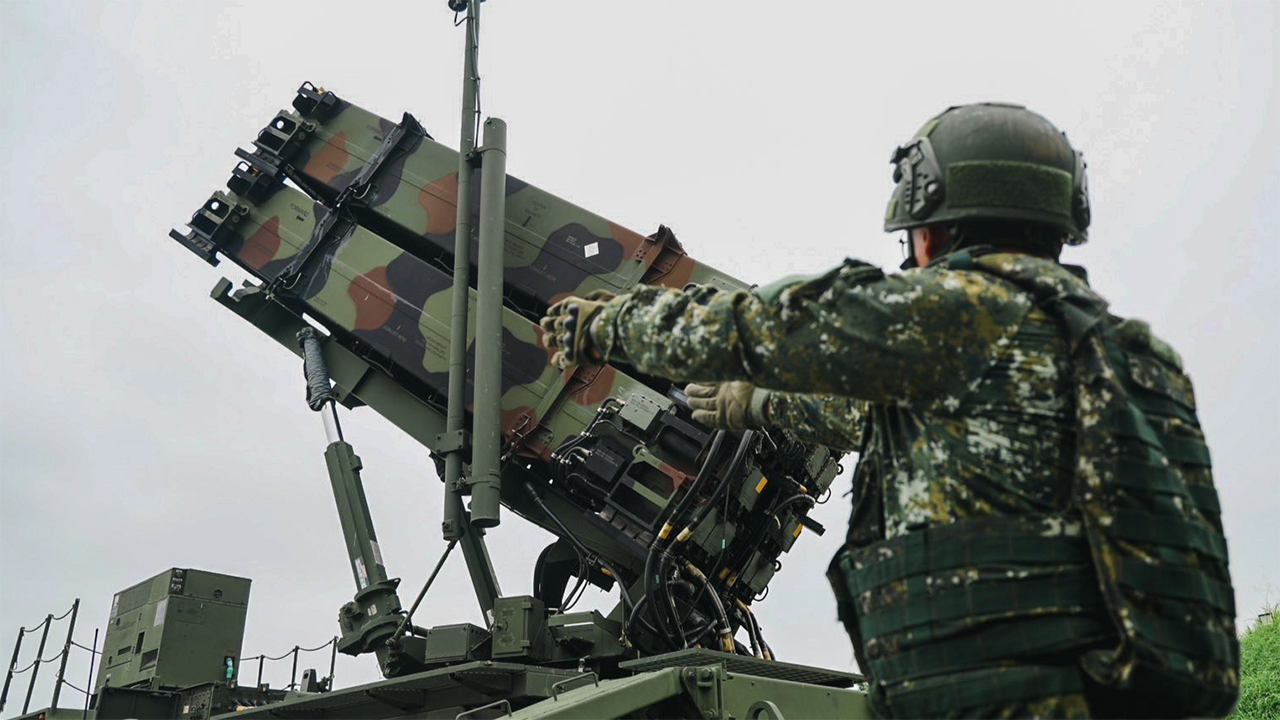 A Taiwanese military member readies a Patriot missile battery, one of the many U.S.-made systems procured by Taiwan. (Image credit: Military News Agency, Taiwan).
The exercises and the wording used by officials thus further reinforce China’s longstanding claim that Taiwan is an internal matter and that military pressure remains a legitimate tool to prevent any move toward formal independence. At the same time, China aims to avoid any foreign help to Taiwan, forcing the island to either quickly capitulate or negotiate if attacked.
Adding to that, China Military Bugle, the official press account of China’s armed forces, states: “The exercises are not an act or a bluff – they are a signal. Reunification, in China’s view, is not a question of ‘if’, but of ‘how’ and ‘when’.” The graphic accompanying the statement shows Taiwan surrounded by chains and stings, with the writing “Punish ‘Taiwan independence’” and “Deter External Interference.”
The “Justice Mission 2025” military drills around Taiwan island now underway are not casual maneuvers.
They are a form of punctuation.
The air and maritime exclusion zones announced for Dec 29, 2025, stretching across the Taiwan Island’s north, southwest, southeast, and east,… pic.twitter.com/VbCE4gS7uX
— China Military Bugle (@ChinaMilBugle) December 30, 2025
Furthermore, Zhang Chi, a professor at the PLA National Defense University, said: “The use of the ‘Justice Mission 2025’ code name emphasizes the legitimacy and legality of our military actions. The drills aim to safeguard national sovereignty and territorial integrity, and to protect the safety and well-being of all Chinese people, including Taiwan compatriots.”
“The use of the ‘Justice Mission 2025’ code name emphasizes the legitimacy and legality of our military actions. The drills aim to safeguard national sovereignty and territorial integrity, and to protect the safety and well-being of all Chinese people, including Taiwan… https://t.co/QzFWVvFZ8d pic.twitter.com/272ltb9PvI
— China Daily (@ChinaDaily) December 29, 2025
Taiwan’s Response
Taipei swiftly condemned the PLA exercises, characterizing them as irrational and provocative. Taiwan also criticized Beijing for issuing aviation and maritime warnings with minimal notice, arguing that such actions violate international norms and jeopardize civilian safety.
Taiwan’s Ministry of Foreign Affairs (MOFA) says that “such actions once again challenge the rules-based international order and will unilaterally inflict grave damage to peace and stability across the Taiwan Strait and the region.” At the same time, the Ministry “strongly condemns the exercise and calls on China to immediately halt its groundless and provocative military activities.”
In response to today’s #PLA aircraft and naval activity, the #ROCArmedForces conducted Rapid Response Exercises and closely monitored the situation. Joint sea and air operations with all services and the Taiwan Coast Guard remain on high alert. #FullAwareness pic.twitter.com/urRlOh4cUL
— 國防部 Ministry of National Defense, ROC(Taiwan) 🇹🇼 (@MoNDefense) December 29, 2025
The MOFA further added that “China has carried out a range of threatening activities and practiced gray-zone strategies in the waters and airspace of the Indo-Pacific region,” demonstrating that “China not only has no interest in maintaining global and regional peace and stability but also will continue to challenge the international order and disrupt the regional status quo time and again.”
Taiwan’s Ministry of National Defense (MND) activated its emergency response mechanisms and launched rapid combat readiness drills across the island. Among the assets involved were also the recently delivered U.S.-made M1A2 Abrams main battle tanks.
For the first time, M1A2T “Abrams” Main Battle Tanks with the Republic of China Army have been been spotted in active combat service in Taiwan, participating in ongoing Rapid Response Exercises to counter snap-military drills by the Chinese People’s Liberation Army Eastern… pic.twitter.com/T4mjjNFKgd
— OSINTdefender (@sentdefender) December 30, 2025
According to Focus Taiwan, one of the drills saw army engineers conducting river defense drills at the mouth of the Tamsui River, an area long identified by military planners as a potential vulnerability. The exercise simulated the rapid deployment of floating explosive obstacles designed to obstruct enemy forces attempting to use inland waterways for an amphibious landing.
Pentagon Assessments And Strategic Context
From Washington’s perspective, it seems the exercises are being evaluated within the broader trajectory of China’s military development of the recent years. In fact, the U.S. Department of Defense has consistently assessed that the PLA is improving its joint operational capabilities and increasingly rehearsing scenarios relevant to a possible Taiwan invasion.
The Pentagon’s recent 2025 Annual Report to Congress on Military and Security Developments Involving the People’s Republic of China notes that China continues to refine capabilities designed to delay or deter foreign intervention, including long-range precision strike, maritime surveillance, and hypersonic weapons.
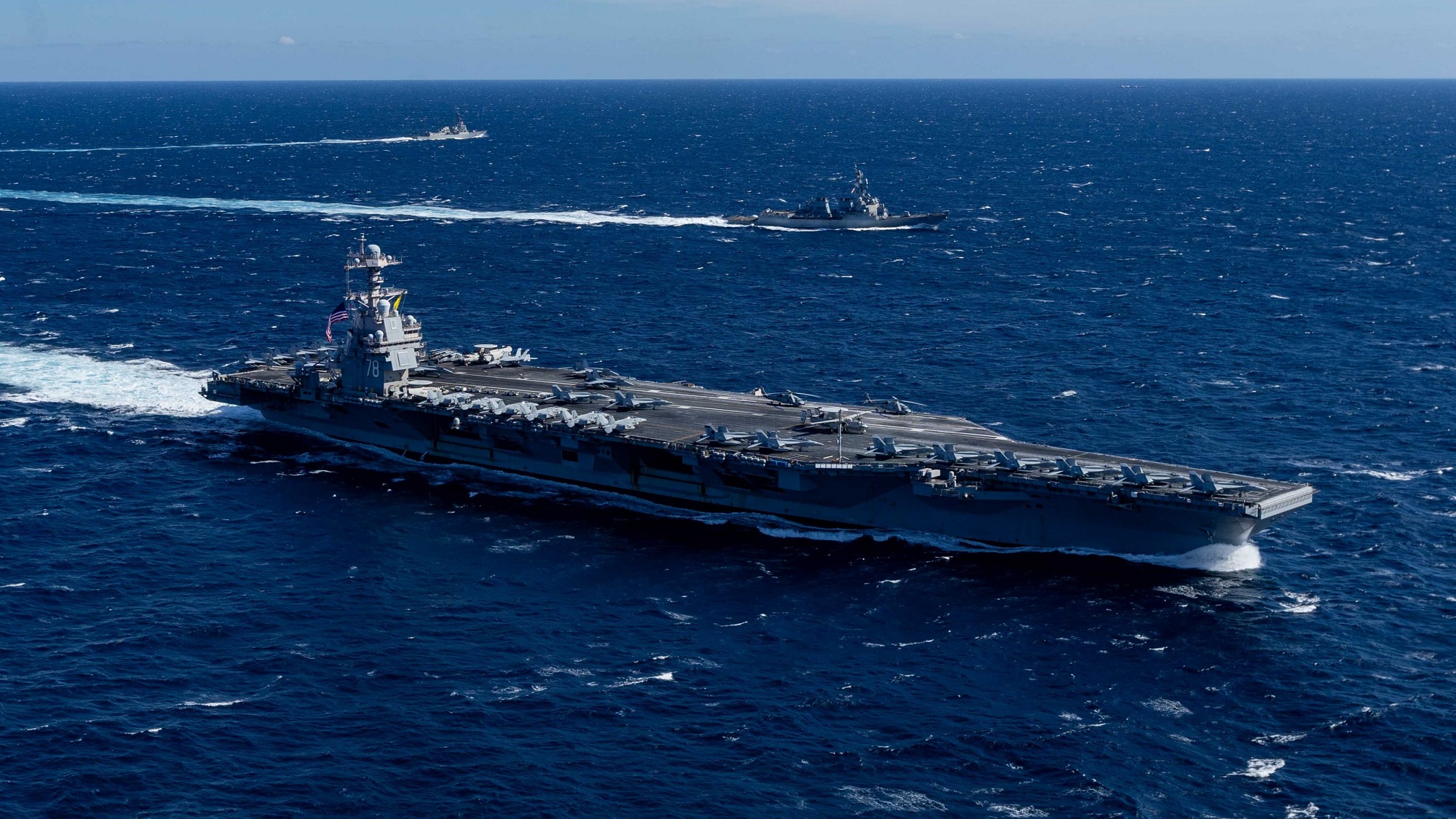 The USS Gerald R. Ford (CVN-78) sails in formation with the Arleigh Burke-class guided missile destroyers USS Winston Churchill (DDG 81), and USS Forrest Sherman (DDG 98) in the Atlantic Ocean. (U.S. Navy photo by Mass Communication Specialist 2nd Class Maxwell Orlosky)
U.S. officials have previously stated that while China says it prefers peaceful reunification, the PLA has been instructed to be capable of successfully invading Taiwan by 2027. Exercises such as Justice Mission 2025, particularly those simulating blockades and joint firepower strikes, are widely viewed as part of this preparation and signaling effort.
Moreover, the Pentagon says the PLA continues to make steady progress toward its 2027 goals, whereby the PLA must be able to achieve “strategic decisive victory” over Taiwan, “strategic counterbalance” against the United States in the nuclear and other strategic domains, and “strategic deterrence and control” against other regional countries.
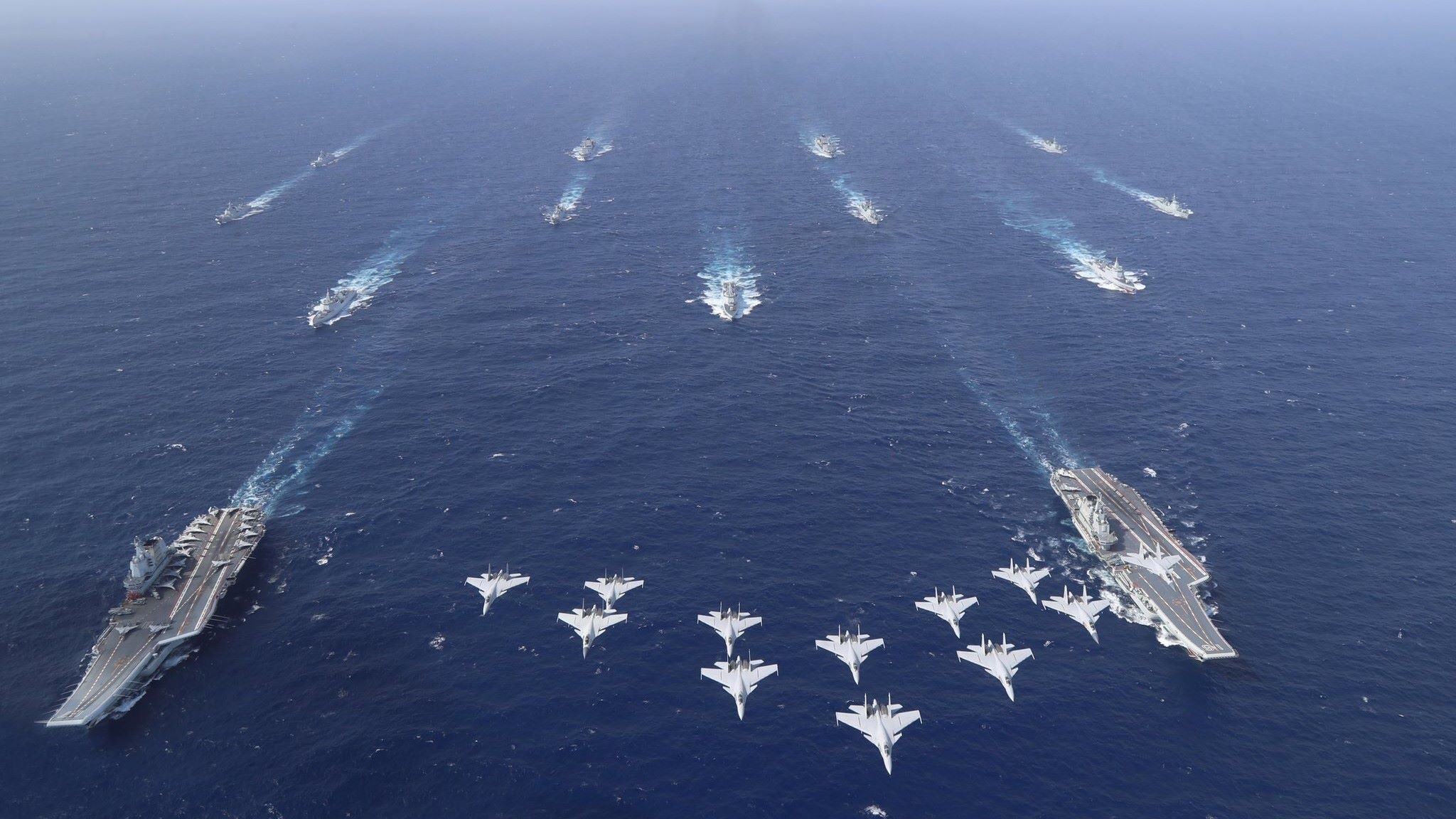 Twelve J-15Bs fly over the Liaoning and Shandong CSGs in the South China Sea sometime late in October during the PLA Navy’s first dual-carrier exercise. (Image credit: China Military Online)
The report further states that the “PLA continues to refine multiple military options to force Taiwan unification by brute force,” including “an amphibious invasion, firepower strike, and possibly a maritime blockade.” Some of the components of these options were already tested, with the Pentagon assessing that “PLA strikes could potentially range up to 1500-2000 nautical miles from China” and, “in sufficient volume, these strikes could seriously challenge and disrupt U.S. presence in or around a conflict in the Asia-Pacific region.”
Beijing is undertaking a determined effort to coerce Taiwan to unify with China. It does not merely seek to deter Taiwan from formally declaring its independence; instead, it seeks to apply near constant pressure on Taipei to reach meaningful but coerced progress toward unification on Beijing’s terms. The repeated omission of “peaceful unification” language in high-profile statements in 2024 and 2025, combined with China’s substantial military operations around Taiwan in 2024 and 2025, indicate that Beijing is seeking to compel Taipei’s unification through a concerted pressure campaign, combined with positive inducements, rather than only deterring independence.
— 2025 Annual Report to Congress on Military and Security Developments Involving the People’s Republic of China
At the same time, U.S. leaders have sought to downplay the immediate risk of conflict. President Donald Trump, responding to questions about the drills, stated that he was “not worried,” noting that China has conducted naval exercises in the region for decades.
U.S. Foreign Military Sales To Taiwan
The timing of Justice Mission 2025 closely follows a series of major U.S. Foreign Military Sales (FMS) notifications to Congress, detailed by the Defense Security Cooperation Agency (DSCA). These include a wide range of systems aimed at enhancing Taiwan’s resilience, interoperability, and defensive depth.
The approved packages include:
- High Mobility Artillery Rocket Systems (HIMARS) with ATACMS and GMLRS munitions
- M109A7 self-propelled howitzers
- Tactical Mission Network software and services
- ALTIUS-600 and ALTIUS-700M loitering munition systems
- Javelin and TOW anti-armor missiles
- Harpoon missile repair and follow-on support
- AH-1W Cobra helicopter spare parts
U.S. officials emphasize that these sales are defensive in nature and consistent with long-standing policy under the Taiwan Relations Act. Beijing, however, views them as direct interference in its internal affairs and a catalyst for military escalation.
Hypersonic YJ-20 Test
Adding to the strategic backdrop of the exercises is China’s continued emphasis on hypersonic weapons development. As reported recently by multiple outlets and social media users, the PLAN recently released footage showing the launch of a YJ-20 hypersonic anti-ship missile from a Type 055 destroyer.
Chinese Type 055 destroyer Wuxi conducted a finalization test of the YJ-20 hypersonic anti-ship aeroballistic missile.
The missile flies at hypersonic speeds (Mach 5+), attacks from a near-vertical trajectory, and is extremely hard to intercept. pic.twitter.com/RQRlFVP3mc
— Clash Report (@clashreport) December 28, 2025
Described by Chinese media as a “finalization test,” the launch of the weapon was not explicitly linked to Justice Mission 2025, and actually happened before the beginning of the exercise. However, its public unveiling reinforces the broader deterrence messaging accompanying the exercise that was stated by Chinese officials.
The YJ-20 is believed to be a maneuvering, high-speed missile optimized for striking high-value naval targets at long range. As mentioned earlier, Pentagon assessments have highlighted China’s growing hypersonic arsenal as a key element of its A2/AD strategy, designed to complicate U.S. and allied intervention in a Taiwan contingency.