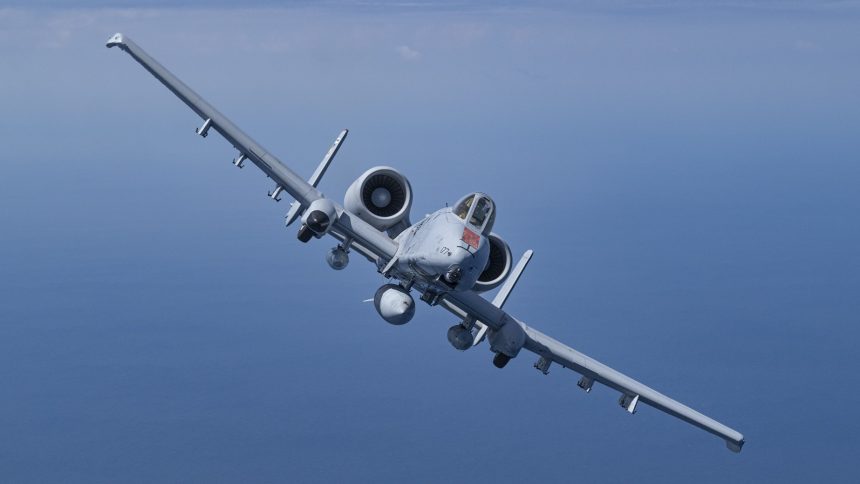
The 40th Flight Test Squadron’s Detachment 1, which executed A-10 developmental test operations, was officially inactivated as result of the jet’s ongoing divestment.
The U.S. Air Force has announced the official inactivation of the 40th Flight Test Squadron’s Detachment 1 on Dec. 5, 2025. The detachment was a geographically separated unit, located at Davis-Monthan Air Force Base, Arizona, which executed A-10 developmental test operations.
End of A-10’s Developmental Testing
The inactivation marks the end of developmental testing on the Warthog (as the aircraft is nicknamed within the fighter pilot community) as part of the service’s ongoing divestment of the iconic Close Air Support (CAS) aircraft. Just few months ago, in September, the Air Force also inactivated the 924th Fighter Group (FG) at Davis-Monthan, which oversaw the 47th Fighter Squadron, the Air Force Reserve Command’s (AFRC) Formal Training Unit for the A-10C.
“The inactivation of Detachment 1 realigns efforts and resources within the Air Force test enterprise to execute the Chief of Staff’s call to modernize the force to win today and into the future,” says the service in a press release. An inactivation ceremony was also held on Dec. 5.
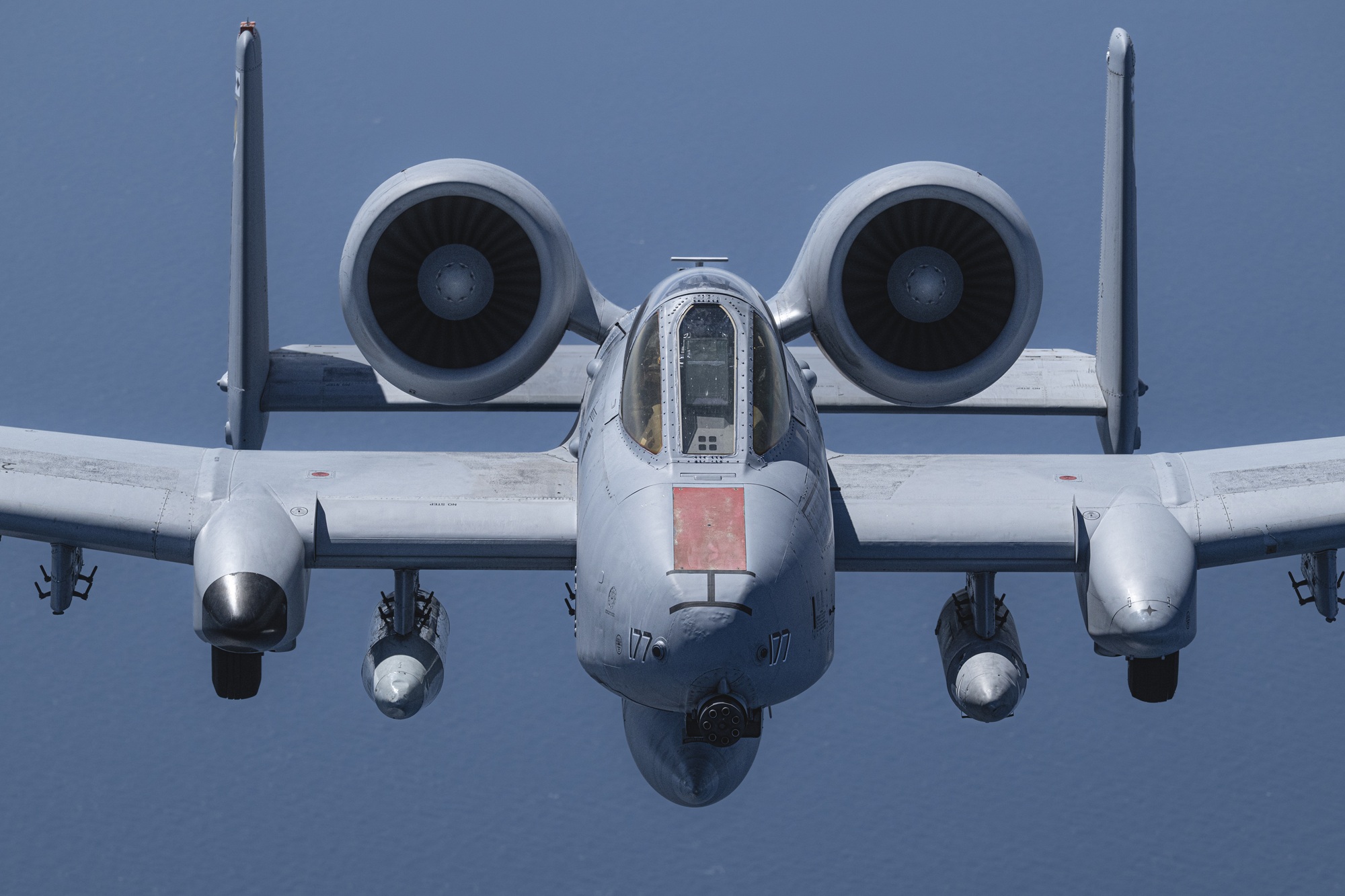
“The detachment will be remembered for high-caliber, safe, effective and efficient flight test planning, execution and reporting that benefited the entire Air Force community,” said Maj. Jordan Ziegler, 40th Flight Test Squadron, Detachment 1 commander. “Our testing has given deployed Airmen the confidence and capability to fight effectively, survive and better protect the 18-year-old on the ground with a rifle taking fire, as well as perform combat search and rescue to bring American service members home to their families.”
Detachment 1’s Legacy
The 40th Flight Test Squadron’s Detachment 1 was instrumental in fielding many new capabilities on the A-10 Thunderbolt II, with the A-10C upgrade being one of the most important achievements. The unit was also involved in the A-10 Common Fleet Initiative, an upgrade program announced in 2019 to make sure the A-10C would be a credible and lethal threat until late 2030s.
Among the high-profile tests mentioned by the service in the inactivation’s press release are the integration of the GBU-39 Small Diameter Bomb (SDB), multi-target list and ADM-160 Miniature Air Launched Decoy (MALD) testing, the certification of the Litening and Sniper targeting pods and air-to-air refueling with KC-30 and KC-46, as well as dozens of operations flight plan upgrades.
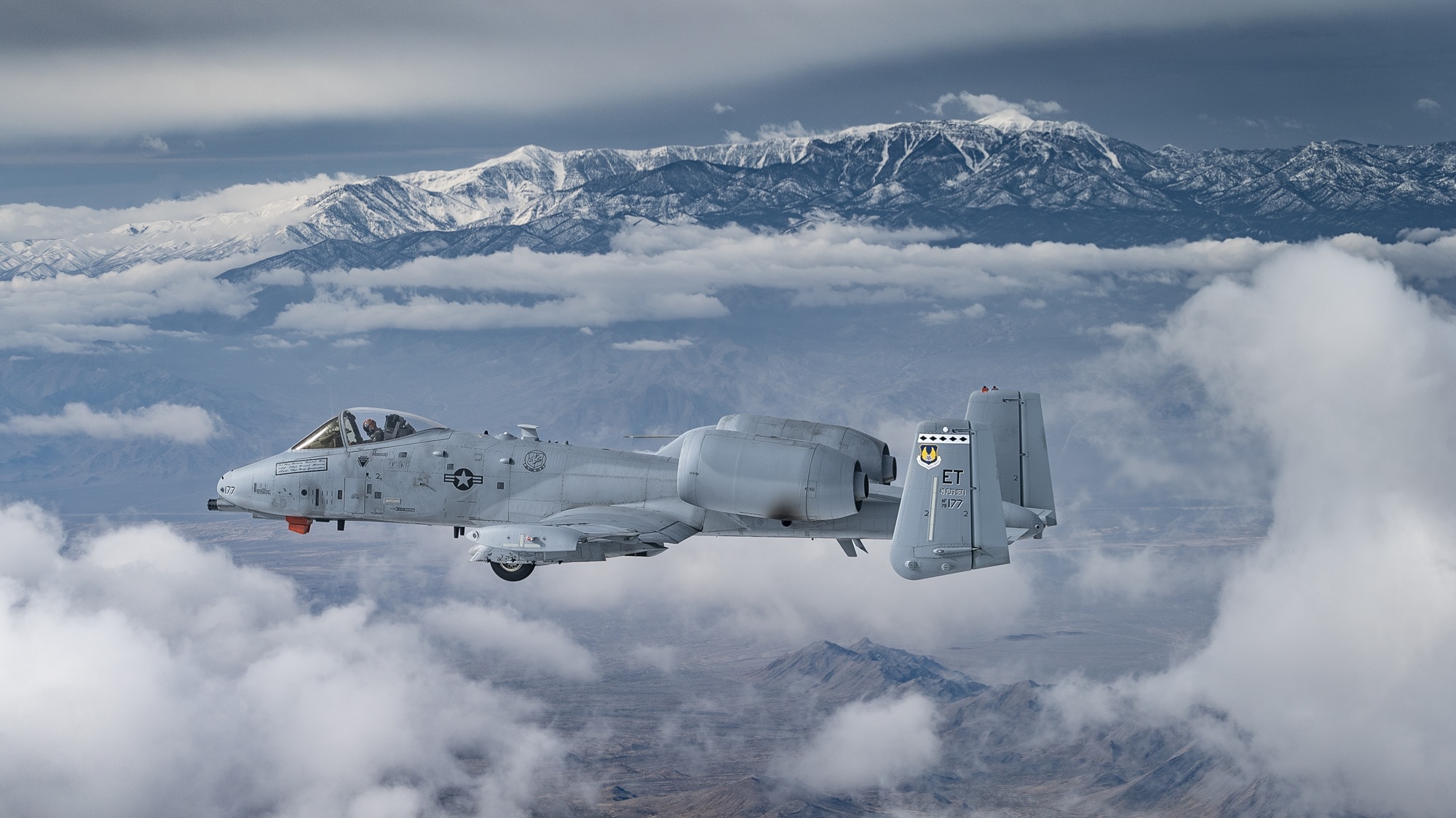
The integration of the GBU-39 notably saw the A-10 flying with 16 SDBs under its pylons. In fact, by using the BRU-61/A rack, the A-10 is able to carry four SDBs on each weapon pylon, becoming a “bomb truck” that can release these stand-off weapons to neutralize threats as far as 50 miles in the target area before starting to provide Close Air Support (CAS) to ground troops.
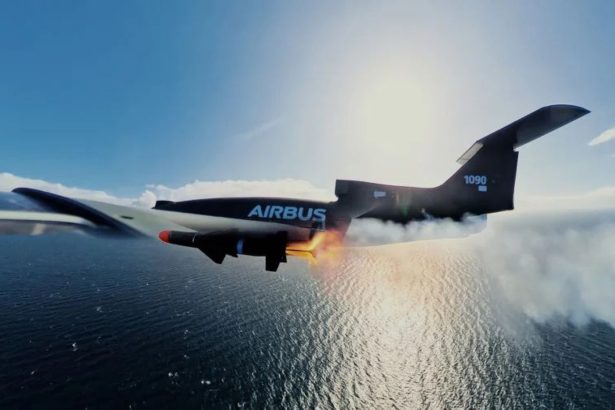
As part of a similar effort, the A-10 received the MALD to adapt to the future fights and bolster the pilots’ ability to safely navigate hostile environments. In fact, MALD is a low-cost, expendable, air-launched, programmable decoy munition that can replicate the flight profiles and signatures of aircraft and weapons, drawing away the attention from them while confusing enemy integrated air defense systems.
In order to extend the range, trials were conducted to refuel the A-10C with the KC-46 and KC-30, the most modern U.S. and Australian tankers, respectively. The Warthog is considerably slower than most fast movers refueled by these two tankers, an aspect that must be considered carefully to make sure the refueling is conducted safely.
The A-10’s Divestment
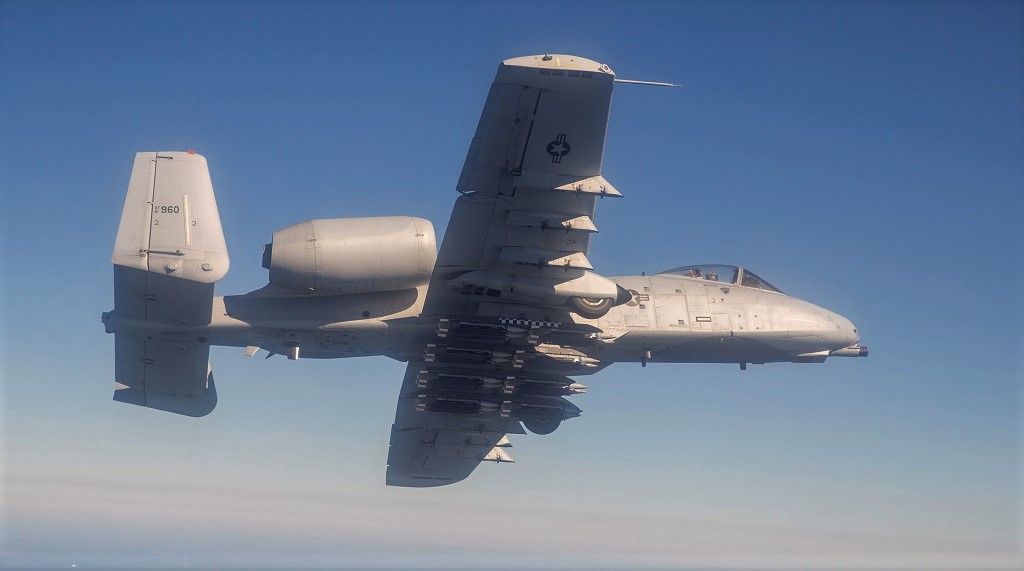
The A-10’s divestment has been controversial as the Air Force has been trying to get rid of it for years, with the Congress intervening to avoid losing a critical CAS capability. The controversy stems from the A-10 not being survivable in modern contested environments with Anti-Access/Area Denial (A2/AD) networks, while it still remains highly capable in permissive scenarios.
The retirement date has been subject to multiple variations throughout the years, with the service aiming to retire all the 162 A-10s still in inventory in FY2026, rather than gradually phase them out until 2029 as initially planned. However, the now approved National Defense Authorization Act rejects the Air Force’s plan and only allows the retirement of 59 A-10s.
The downside of the Congress’ A-10 rescue is that the service did not include funding for sustainment of the fleet in the FY2026 budget. The Air Force estimated that this would have required $423 million, which it planned to divert to other programs with the Warthog’s retirement.