CNN reports the pilot described a jellyfish-like swarm of interconnected drones before he ejected over Iran, raising questions about Tehran’s unmanned networking capabilities.
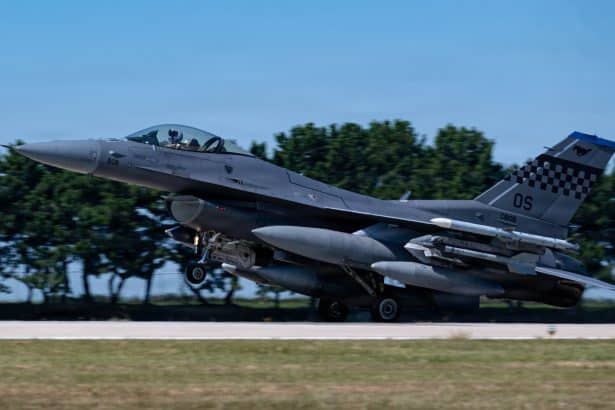
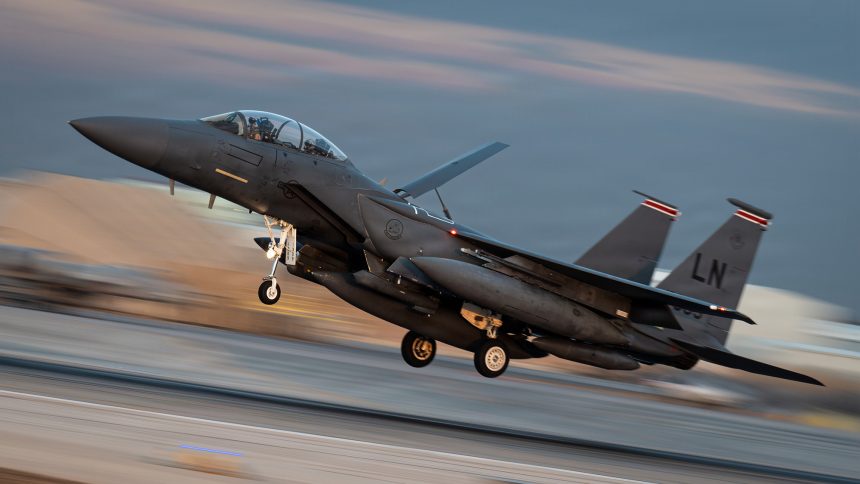
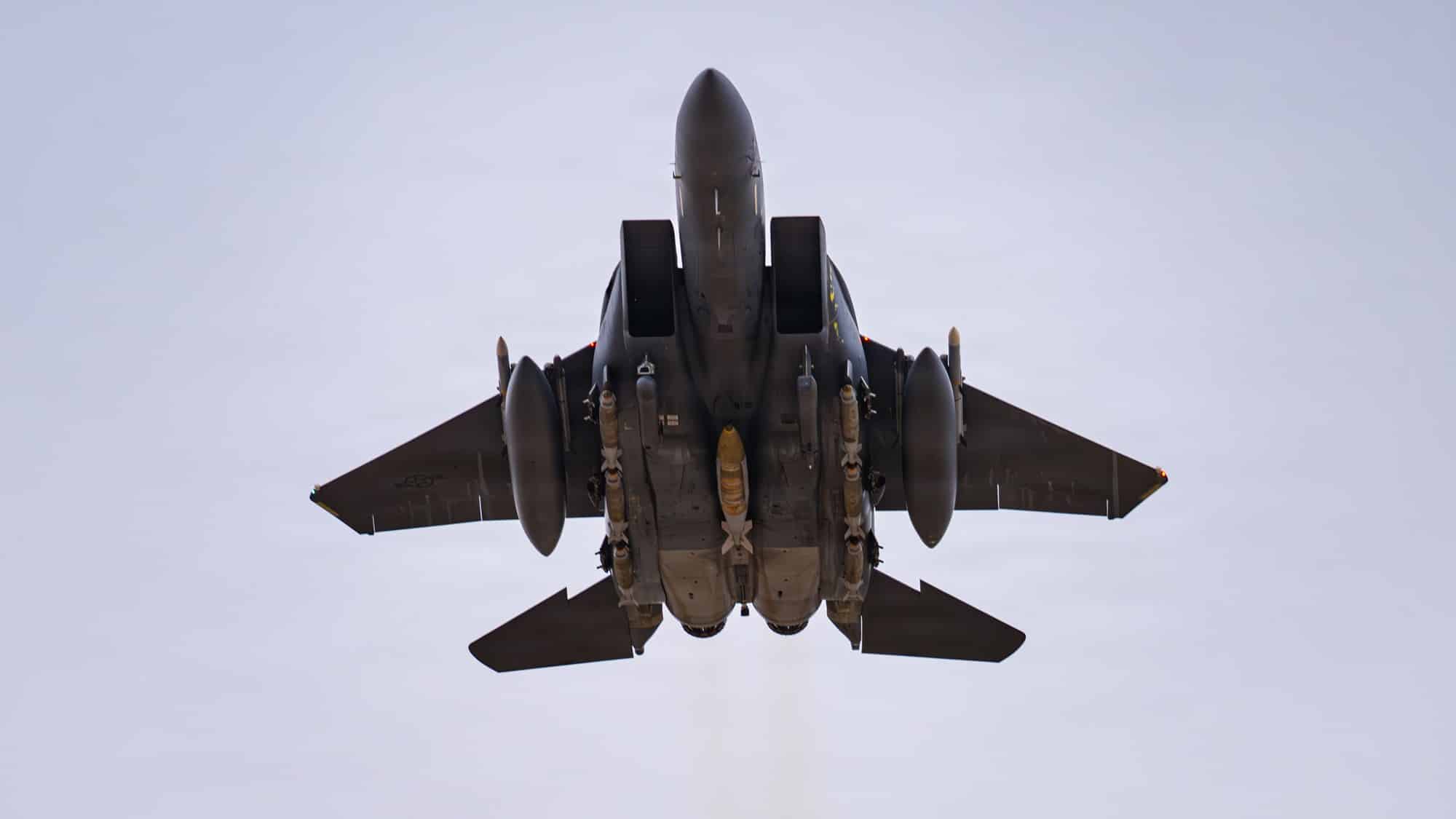
The U.S. Air Force F-15E Strike Eagle pilot rescued after being shot down over Iran in April 2026 reportedly described seeing an unusual swarm of Iranian drones before ejecting from his aircraft. According to a report published by CNN, the pilot told intelligence officers that the drones were moving in a coordinated “jellyfish” formation.
The account was attributed to multiple sources familiar with the pilot’s post-rescue debriefing. This reportedly triggered extensive discussion within the U.S. intelligence community regarding the nature of the observation and whether it could indicate a previously unknown advancement in Iranian drone technology.
A US fighter jet pilot rescued by special forces after being shot down over Iran in April described a shocking sight before ejecting from his aircraft: multiple Iranian drones hovering in the air, moving as one, in a formation that resembled a jellyfish, according to four sources… pic.twitter.com/94EiNT5yc3
— CNN International (@cnni) June 23, 2026
According to the report by CNN‘s Zachary Cohen and Katie Bo Lillis, the pilot described multiple larger drones interconnected and moving together, with smaller drones positioned beneath them, creating the appearance that was described as a “jellyfish” formation. Another source cited by CNN described the sighting as a “minefield of drones” suspended in the air.
Questions Over The Pilot’s Observations
The report notes that intelligence officials expressed differing views regarding the reliability of the pilot’s account. The officer, which has not yet been publicly identified, reportedly suffered a concussion during the ejection and rescue process.
Adding to this, as we previously reported, the pilot was also reportedly among the pilots who survived the friendly fire incident over Kuwait just a month earlier. It is however uncertain how this might have affected the events and the observation.
CNN further mentions that officials questioned whether the unusual observation represented an actual capability, a misinterpretation of events during a high-stress combat situation, or another phenomenon altogether. At this time there is no official statement from either the U.S. Air Force or U.S. Central Command, and CNN also mentioned the Office of the Director of National Intelligence did not comment on this when contacted.
Potential Implications Of Networked Drone Operations
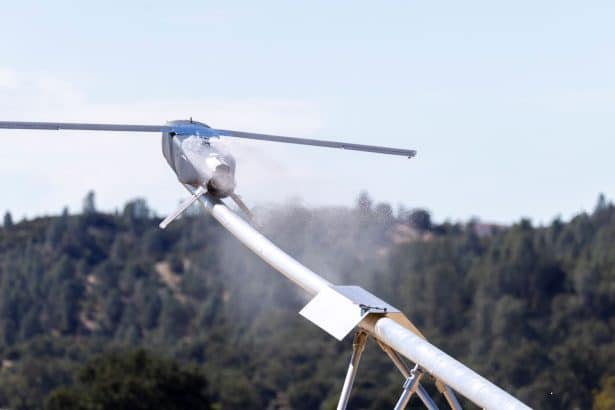
If accurately described, the formation could represent a sophisticated implementation of what sources quoted by CNN identified as “one-to-many meshed networking.” In general, mesh networking allows multiple unmanned systems to exchange information directly with one another while maintaining connectivity across a distributed network.
This architecture thus allows multiple drones to coordinate while being managed by a smaller number of operators or control nodes, improving resilience against jamming. The latter is one of the main advantages, which would allow the swarms to potentially continue operating even if communications are disrupted.
Autonomous swarming technologies have been demonstrated by the U.S., China, and Russia. However, the extent of Iran’s capabilities in this area remains difficult to assess through open sources.
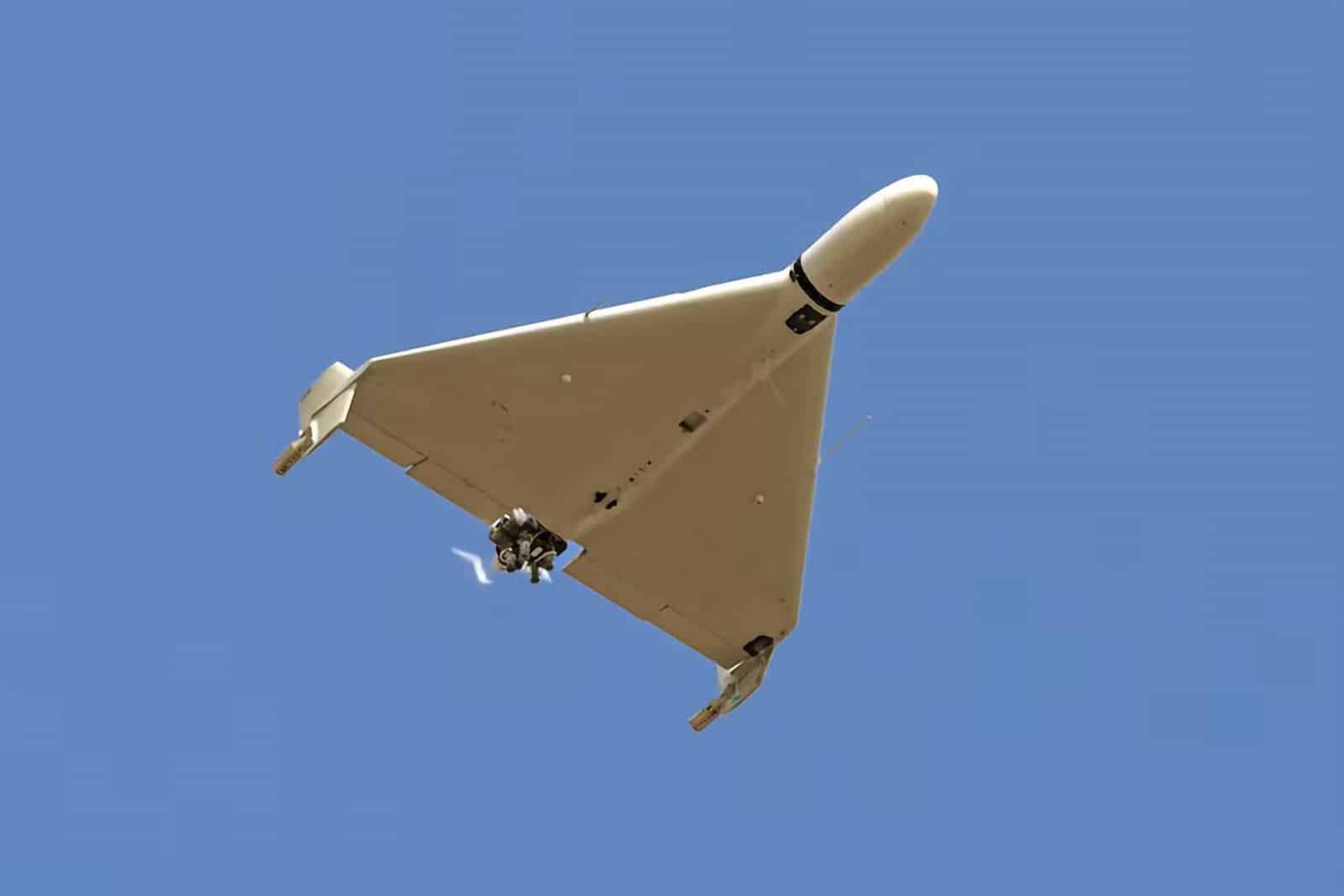
Iran has invested heavily in unmanned systems over the last two decades, fielding a broad range of drones for various missions. If Iran has successfully developed an operational meshed-networked drone swarm capable of coordinated autonomous or semi-autonomous flight, it would represent a notable advancement over the capabilities observed so far.
It should be noted that there have been reports of Iranian collaboration with both Russia and China on drone-related technologies. However, the extent of the technological sharing is unknown.
A Claim That Remains Unverified
At present, the publicly available evidence remains limited to the pilot’s reported eyewitness account. No imagery, sensor data, or official assessment confirming the existence of the alleged ‘jellyfish’ formation has been released.
Additionally, it remains unclear whether the Weapon Systems Officer reported the same observation as the pilot. It is also important to note that the reported drone formation has not been linked to the Strike Eagle’s loss, with previous reporting suggesting the jet may have been brought down by a shoulder-fired missile.
It is thus not possible to determine whether the observation was real or not. Until more information is disclosed, the reported “jellyfish” formation remains one of the more unusual and intriguing to emerge from the air campaign over Iran.
Apr. 3 Shootdown Over Iran
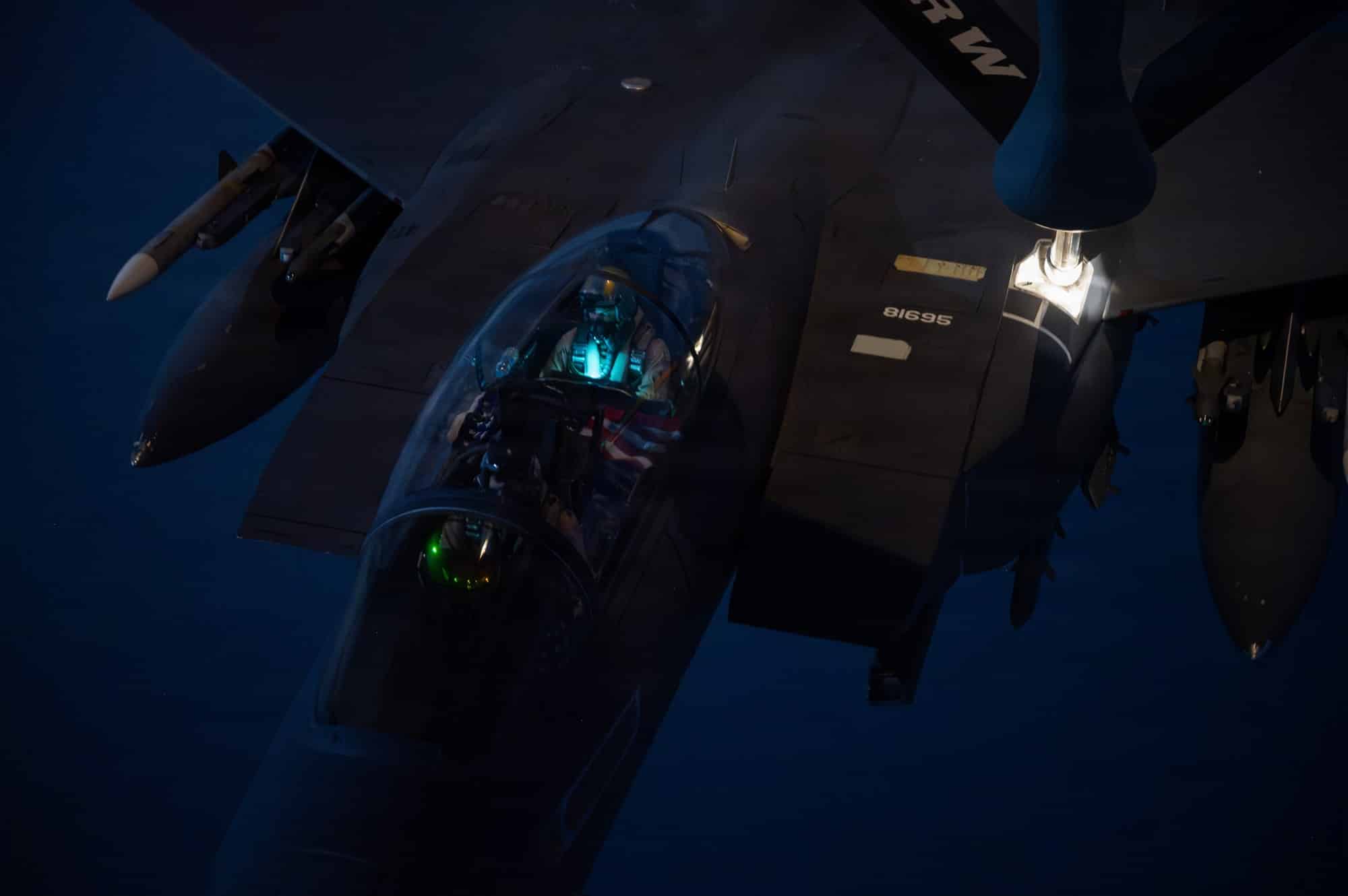
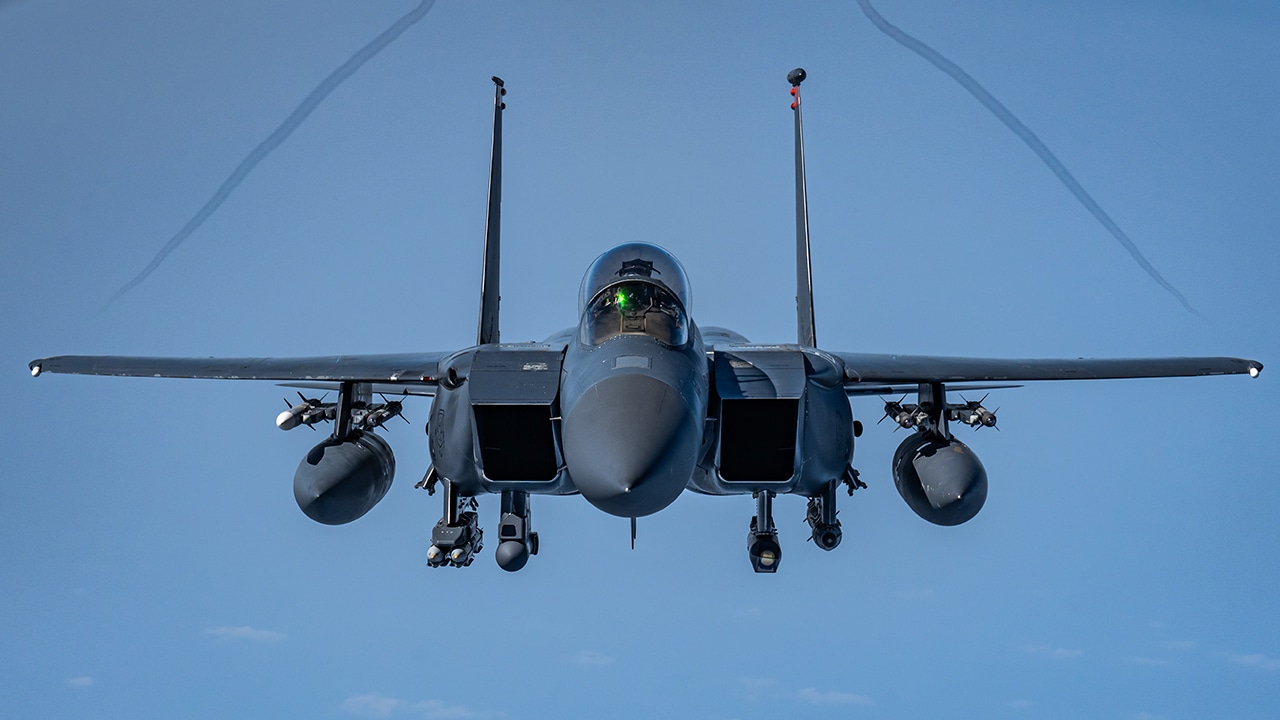
In the early morning of Apr. 3, 2026, an F-15E Strike Eagle, with callsign DUDE44 and reportedly assigned to RAF Lakenheath, was struck by enemy fire over Iran. At the time, U.S. President Donald Trump said the Iranians “got lucky” with a shoulder-fired heat-seeking missile.
Later on, new reports emerged saying that a Chinese-made shoulder-fired Man-Portable Air Defense System (MANPADS) could be the culprit. The weapon was allegedly part of the Chinese shipments to Iran in the early days of the war.
Immediately after the shootdown, upon confirmation of the rescue beacons were active, a rescue mission was launched. Both the pilot and the weapon system officer (WSO) safely ejected, but they were isolated in hostile territory.
Within hours, after positively locating the pilot, a CSAR task force made of 21 aircraft, including A-10C Thunderbolt IIs, HC-130J Combat King IIs and HH-60W Jolly Green IIs, as well as Combat Rescue Officers and Pararescuemen operators, was launched. The mission saw them flying into Iranian airspace for hours in broad daylight.
Meanwhile, a fighter strike package protected the task force. Among them were remotely piloted aircraft and the A-10Cs, flying in the Sandy role, as the CSAR support mission is commonly called.
The helicopters were able to safely extract the pilot, although they were also hit by hostile fire. An A-10C was also damaged, with the pilot ejecting once over friendly territory as he “determined the airplane was not landable.”
The rescue of the WSO required a larger effort, which ultimately succeeded after 36 hours behind enemy lines. The WSO was injured following the ejection and actively evading capture before being able to make contact with U.S. forces.
The second rescue mission was then launched, with 155 aircraft involved. Among these were “four bombers, 64 fighters, 48 refueling tankers, and 13 rescue aircraft,” said Trump.
Two MC-130 Commando II aircraft then landed on “wet and sandy” terrain. Three A/MH-6 Little Bird helicopters were unloaded and within minutes were flying towards the objective to extract the WSO.
However, following the extraction, the MC-130s were stuck and could not take off again. C-295Ws from the AFSOC’s secretive 427th Special Operations Squadron were called in, and the MC-130s and Little Birds were thus destroyed on site to avoid sensitive equipment falling into enemy hands.