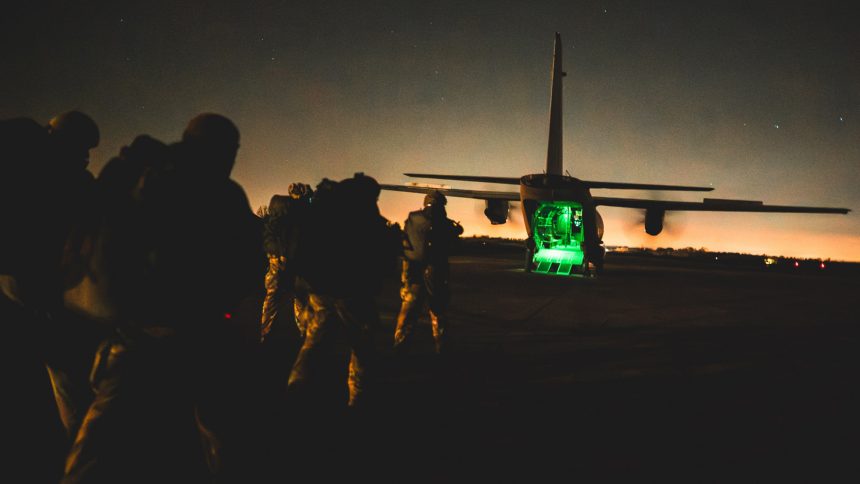
The certification makes the 17th Stormo Incursori (Raiders Wing) the first NATO unit recognized by U.S. Air Force Special Operations Command for Global Access Operations, a capability that enables air operations in austere, remote, or hostile environments.
The complex U.S. special operations effort to recover the WSO (Weapon Systems Officer) of a downed U.S. Air Force F-15E Strike Eagle from inside Iran earlier this month, proved how critical some niche capabilities can be in contested environments: in scenarios where air access has to be established, assessed and managed under threat, highly specialized personnel, including Combat Controllers can make the difference between a viable operation and no operation at all.
It is against such backdrop that the Italian Air Force recently announced that its 17° Stormo Incursori (Raiders Wing) has become the first NATO unit accredited by AFSOC (Air Force Special Operations Command) for Global Access Operations (GAO).
According to the service, the accreditation certifies full interoperability with the U.S. Armed Forces in the strategically important field of Global Access Operations, placing the unit’s Combat Controller-qualified Raiders among the select forces able to operate jointly with USAFSOC in complex, dynamic and multi-domain/muli-threat environments.
Let’s be clear: the initial reference to the recent rescue operation should not be misleading, as the accreditation does not mean the Italian Air Force can conduct autonomous missions even remotely comparable in complexity to the one the U.S. launched to rescue the stranded airman in Iran, which required, among other things, significant assets, technology and personnel. Still, it validates the maturity of Italy’s special operations capability in conducting Global Access Operations, that is, all the actions needed to open, secure or enable entry into an area so that follow-on forces and airpower can operate there, such as reconnoitering airfields and air defenses, establishing and controlling landing zones in austere environments, and supporting humanitarian operations.
Moreover, the accreditation also certifies the growing interoperability of the Italian Raiders with top-tier allied air forces.
The recognition follows what the service described as a long and structured evaluation process launched in July 2023. The process reportedly included documentary, procedural and technical-operational assessments, as well as field tests carried out under the direct supervision of U.S. instructors and evaluators. It culminated in the validation of the Combat Controller Skill Level 1 qualification course, whose latest edition involved students from the 9th BIAM (Brevetto Incursore dell’Aeronautica Militare), the Italian Air Force Raiders qualification course.
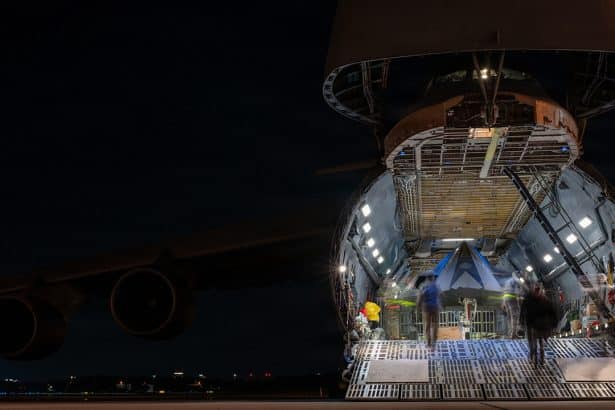
Training activities included operations in nighttime scenarios, harsh and semi-permissive environments intended to replicate the operational conditions associated with advanced force-projection missions.
At the core of the achievement is the Combat Control capability fielded by the 17th Wing, described as unique within the Italian defense. In short, Combat Controllers are trained to enable and manage takeoff and landing operations on semi-prepared or improvised runways in remote, austere or hostile areas, while also carrying out landing zone assessment, terrain analysis and military and civil air traffic control tasks.
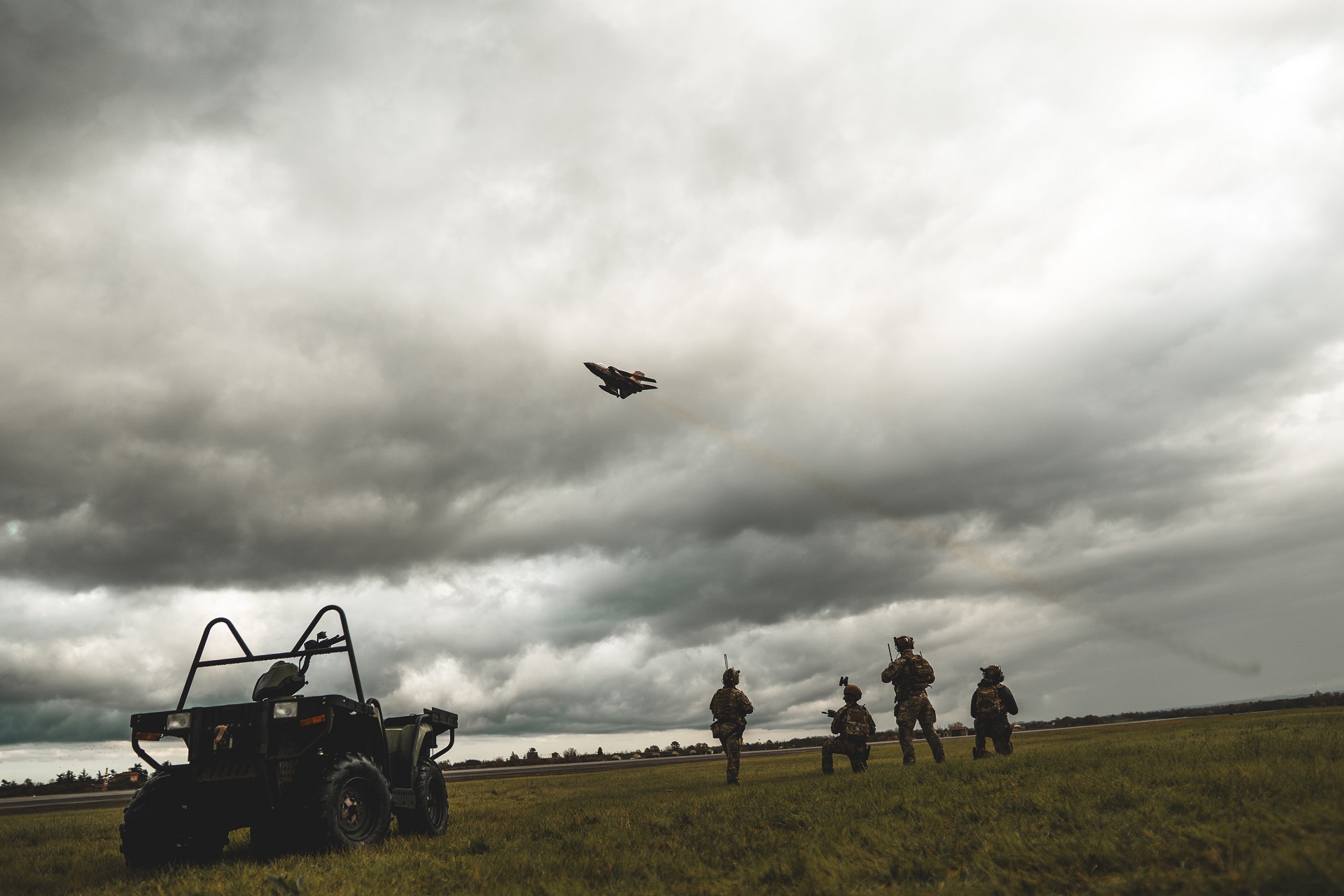
That makes the capability particularly relevant in scenarios where air power must be projected rapidly into areas with limited or degraded infrastructure, or where access has to be established before follow-on forces can arrive. In other words, this is not simply about controlling aircraft movements, but about helping create the conditions for air operations where they would otherwise be difficult or impossible.
The AFSOC accreditation certifies the full synergy between the Italian Air Force Raiders and U.S. and allied air components, consolidating Italy’s role as a key and interoperable actor within the NATO Special Operations framework.
The result represents a prestigious achievement not only for the 17th Wing, but for the whole of Italian defense, confirming its ability to field highly qualified personnel equipped with advanced technical-military skills and resilience. It is therefore a decisive step that strengthens the nation’s aerospace posture and increases Italy’s operational weight in global scenarios characterized by multidomain threats and the need for rapid, precise and integrated responses.
For the Italian Air Force and, generally speaking, for the Italian military, the accreditation has both a symbolic and practical value: symbolic, because it highlights another capability of the 17th Stormo Incursori within the allied special operations community; practical, because it expands the pool of NATO-capable units able to support highly specialized air-ground integration tasks in austere or contested environments.
The 17° Stormo Incursori
The 17th Raider Wing, based at Furbara Military Airfield, north of Rome, is the Italian Air Force’s tier-one Special Forces unit. The unit traces its heritage to the Arditi Distruttori della Regia Aeronautica (ADRA), which distinguished themselves during WWII by achieving several strategic objectives in North Africa behind British lines.
The unit is made up of raiders capable of conducting the full spectrum of Special Operations (SO), while also ensuring, for COFS (Comando Forze Speciali – Joint Special Forces Command), the execution of missions that are more specifically air-minded, such as airfield seizure operations and the establishment of assault zones in semi-permissive or non-permissive environments through the employment of Combat Controller Teams (CCT) composed of raiders qualified as Air Traffic Operators (ATO) and Combat Weather Operators (CWO).
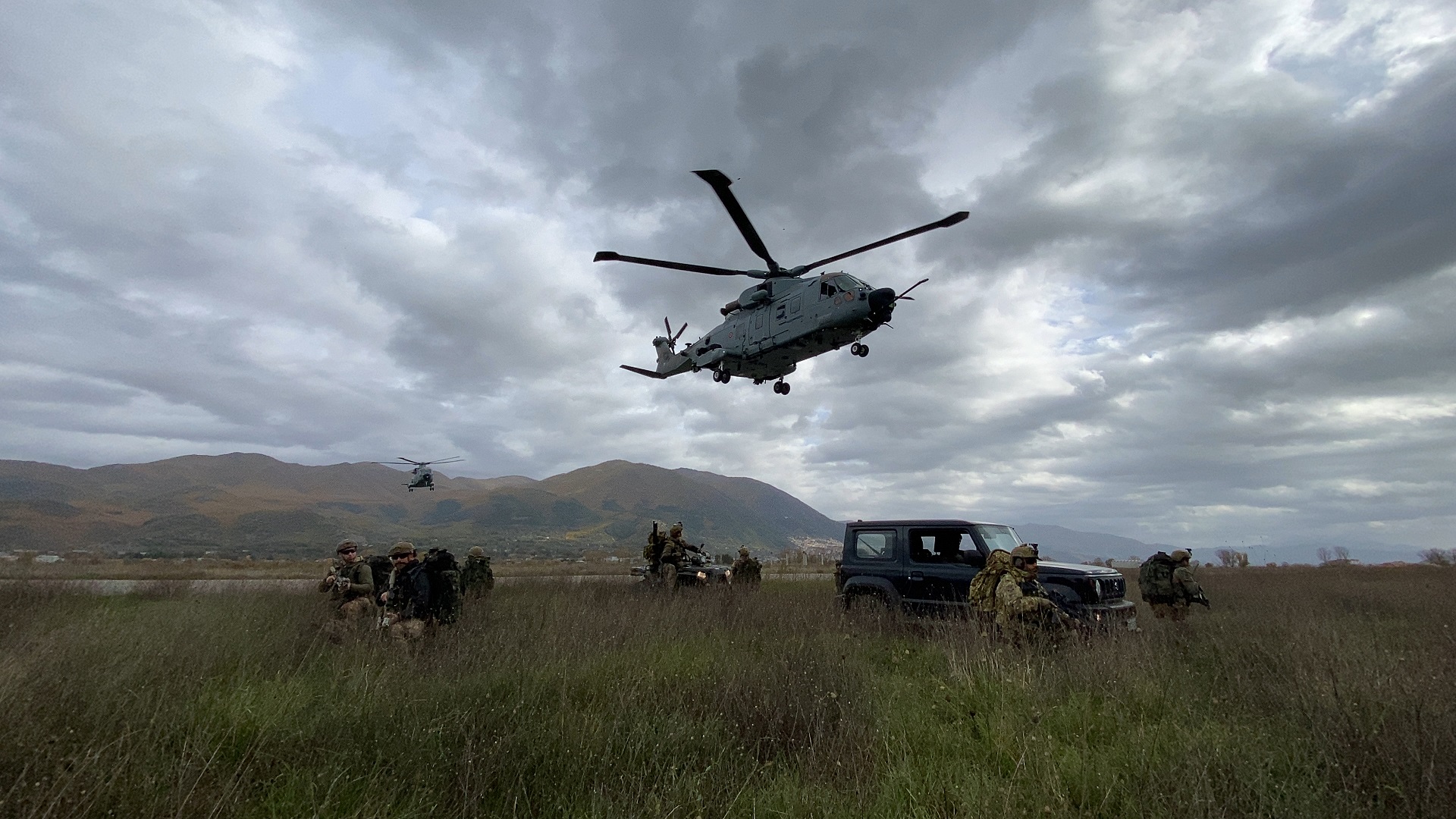
Italian Air Force raiders are selected and trained through a process lasting about two years, made up of training modules conducted both nationally and internationally and covering all the basic Special Forces disciplines across different environments.
At the end of the training pipeline, all raiders are qualified military parachutists in free-fall techniques, while CCT teams are also qualified in HAHO (High Altitude High Opening) operations using oxygen.
Raiders from the 17th Wing were deployed in Afghanistan in a joint-service environment as part of the ISAF (International Security Assistance Force) mission in the 2010s.