The Adaptable Communications Suite will allow the B-2A Spirit to operate efficiently within the Combined Joint All-Domain Command and Control environment.
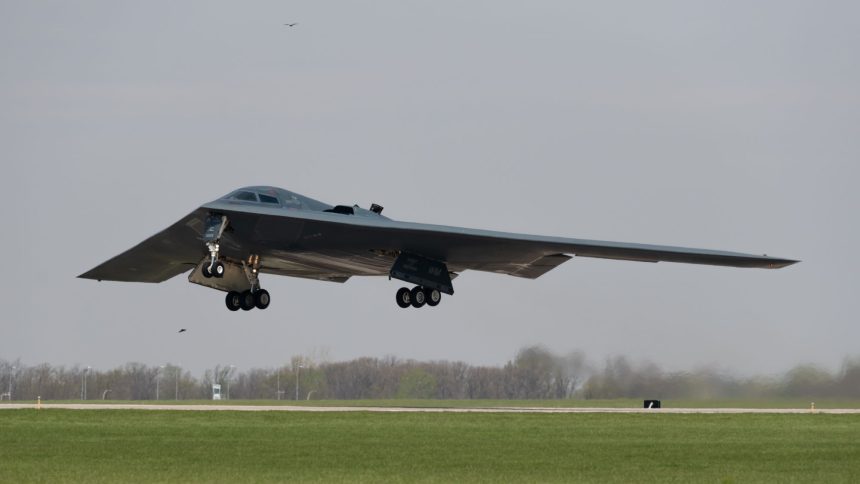
Sierra Nevada Corporation (SNC) has announced that a B-2A Spirit stealth bomber of the U.S. Air Force has flown for the first time with the Adaptable Communications Suite (ACS) 4.0. The milestone is part of the ongoing modernization of the platform, meant to ensure the B-2 is ready to meet evolving mission requirements.
The development follows the announcement last year of new communication and survivability upgrades. At the time, the service mentioned an upgraded beyond-line-of-sight satellite communications capability, without explicitly mentioning the new version of ACS.
ACS 4.0
SNC developed and integrated the new ACS on the B-2 in partnership with Northrop Grumman, which originally manufactured the bomber. The ACS 4.0 upgrade, according to the press release by SNC, is meant to equip the bomber with cutting-edge technology to operate efficiently within the Combined Joint All-Domain Command and Control (CJADC2) environment.
The ACS is a capability which was already present on the B-2, which provides a secure, open mission system computing environment for interoperability with other military systems. The newest version now provides enhanced flexibility and seamless integration with a wide range of mission systems, as well as easy adaptation for future upgrades.
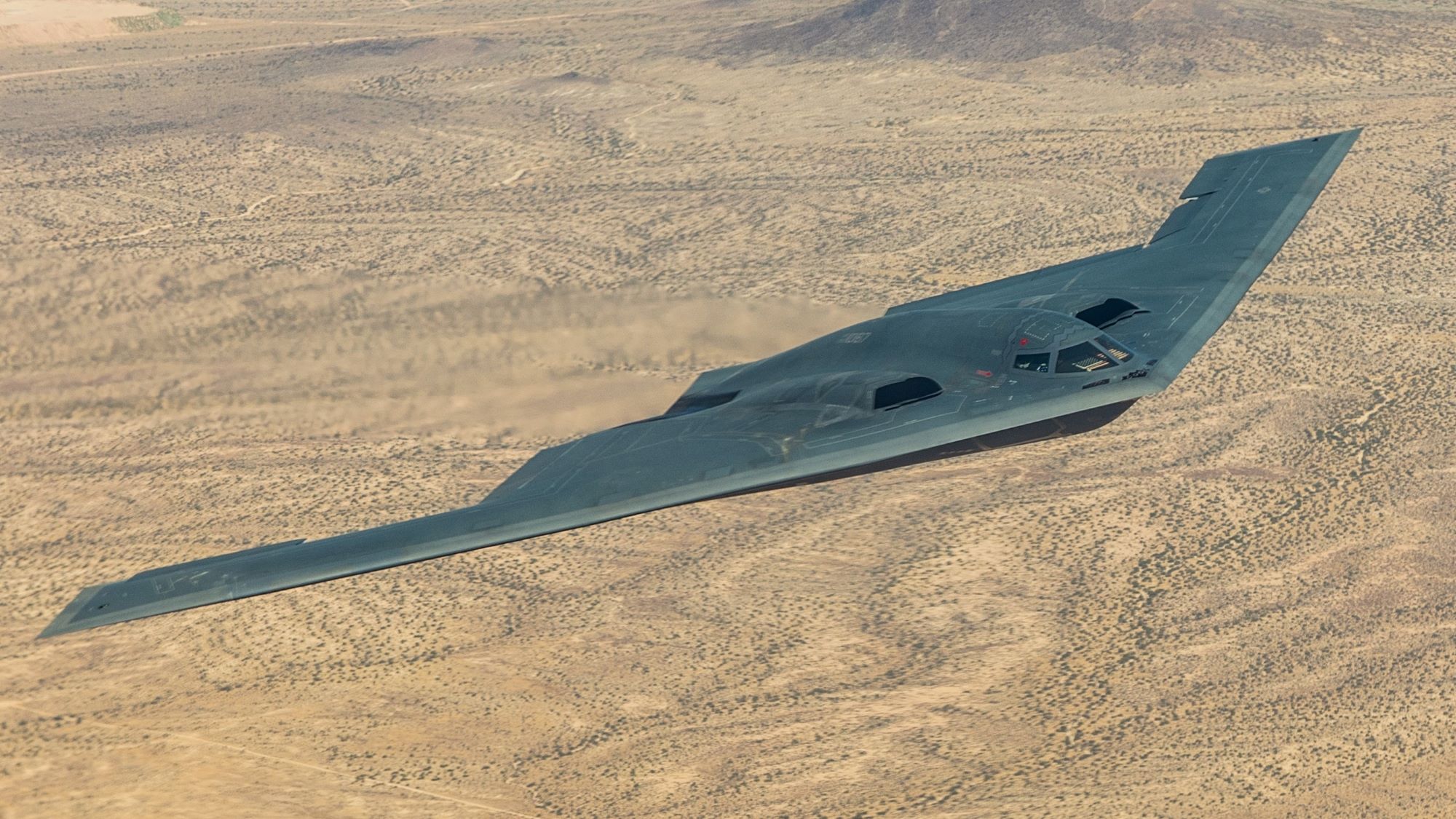
“This first flight of the B-2 with the upgraded Adaptable Communications Suite is a testament to SNC’s commitment to advancing aerospace technology and supporting the U.S. Air Force’s strategic objectives,” said Jon Piatt, executive vice president at SNC. “Our collaboration with U.S. Air Force has been instrumental in achieving this milestone, combining our strengths to deliver a transformative upgrade for the B-2 fleet. The ACS upgrade ensures that the B-2 remains a formidable and versatile platform, capable of operating in complex and contested environments.”
Ongoing Modernization
As the U.S. Air Force prepares for the introduction of the new B-21A Raider stealth bomber, work is continuing to ensure the B-2 fleet remains operational and relevant for the foreseeable future. Because of this, the B-2 Advanced Programs Branch frequently provides new capabilities to keep the B-2 ahead of emerging threats.
The service operates 19 B-2s, which will continue to be the mainstay of the Air Force’s long-range conventional and non-conventional strategic strike mission at least until the early-2030s, when it is planned to be replaced. The goal is to keep the stealth bomber “ready, effective, and survivable.”
Among the most recent announced upgrades are new communication capabilities to significantly improve the data transfer time for real time mission planning data. According to the service, this allows to “simultaneously receive and transmit voice communications and data which is an upgrade from what the aircraft currently has.”
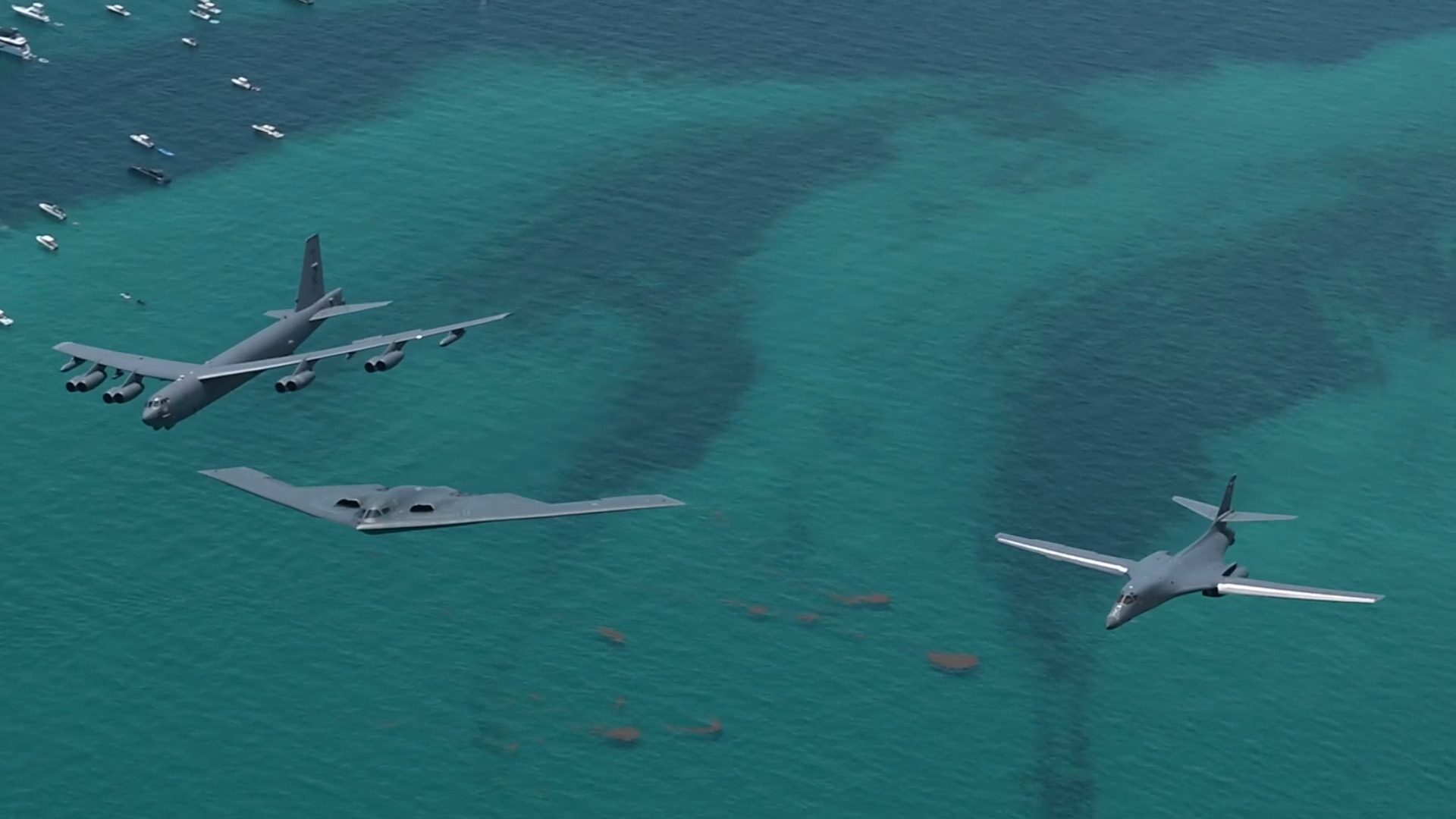
Other upgrades related to the survivability are “low observable materials to enhance its radar cross section signature,” and “improving the B-2’s situational awareness in a highly contested environment.” The latter is meant to give crews the ability to adapt to the changing scenario and be more effective in their mission.
Another parallel upgrade effort for the B-2 Spirit fleet is the Spirit Realm 1 (SR1). This involves the integration of an open mission systems architecture, new software, sensors and weapons, to enhance the B-2’s survivability and combat capability.
Not a Legacy Platform
Although it first flew in 1989 and entered service in 1997, the B-2 Spirit is still the U.S. Air Force’s go-to platform when a strike mission requires to penetrate highly contested airspace. One of the most recent examples was Operation Midnight Hammer in 2025, which saw seven B-2s penetrating into Iranian airspace to strike two nuclear sites with 14 GBU-57 Massive Ordnance Penetrator bombs.
“A lot of people talk about the B-2 as a legacy platform and that is incorrect: it is an operational platform conducting strikes today and if the flag goes up tomorrow, it will be one of the first platforms to conduct strikes,” says Lt Col Robert Allen, Materiel Leader for the B-2 Advanced Programs Branch. “That is why it is critical for this SPO to deliver novel capabilities to ensure our operators can aviate, navigate, communicate, strike their targets, and get home safely.”
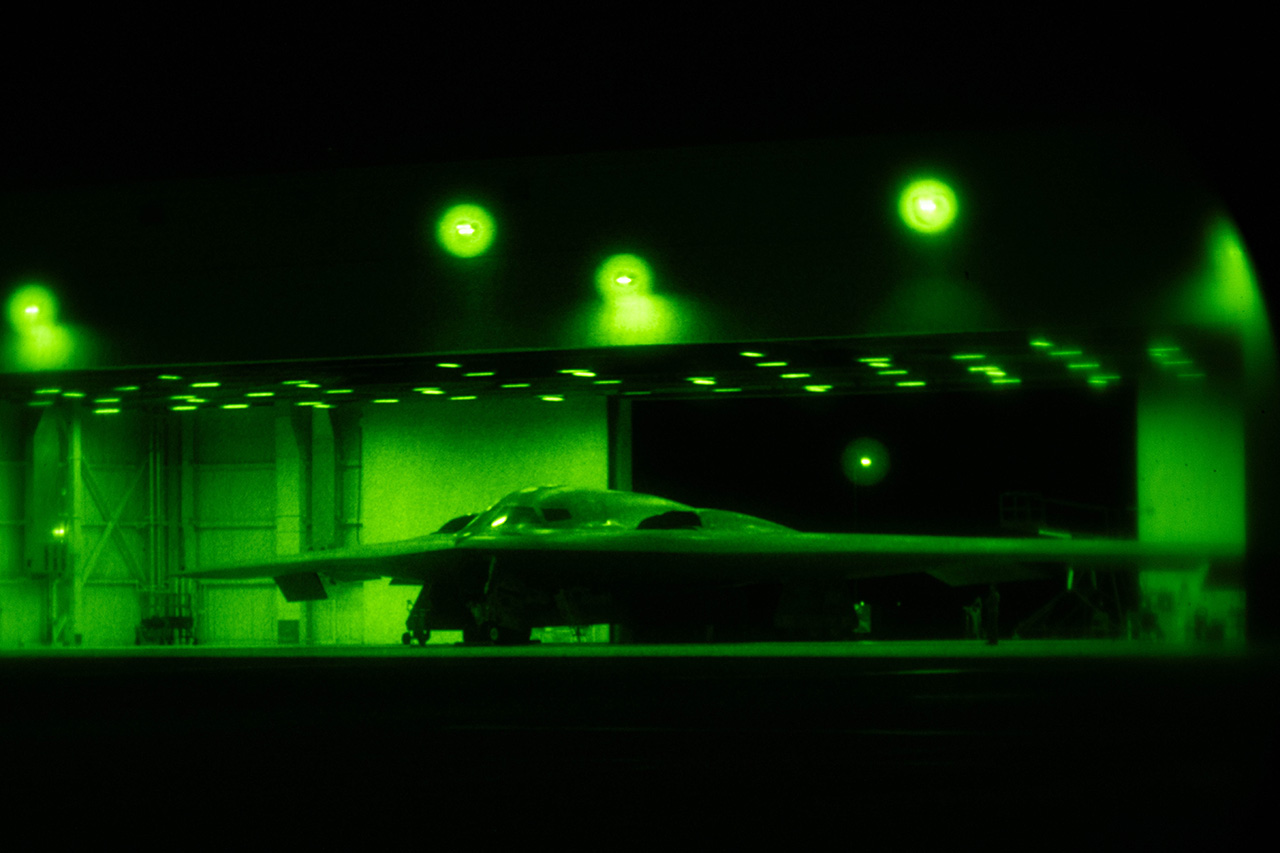
Throughout the years, the B-2 Spirit was always among the first assets to go into enemy territory on the first night. Among the opening nights in which the bomber played a part are Operation Allied Force, Operation Enduring Freedom, Operation Iraqi Freedom, and Operation Odyssey Dawn.
Thanks to its range and air-to-air refueling capability, many of the strike missions saw the B-2 operating from its home base at Whiteman Air Force Base in Missouri. For instance, Operation Midnight Hammer saw the B-2s flying non-stop for 36 hours and more than 13,000 miles during the round trip.