The long-awaited upgrade improves networked situational awareness but has been fielded on only a handful of Warthogs, with the new antenna nearly indistinguishable from the existing TACAN installation.
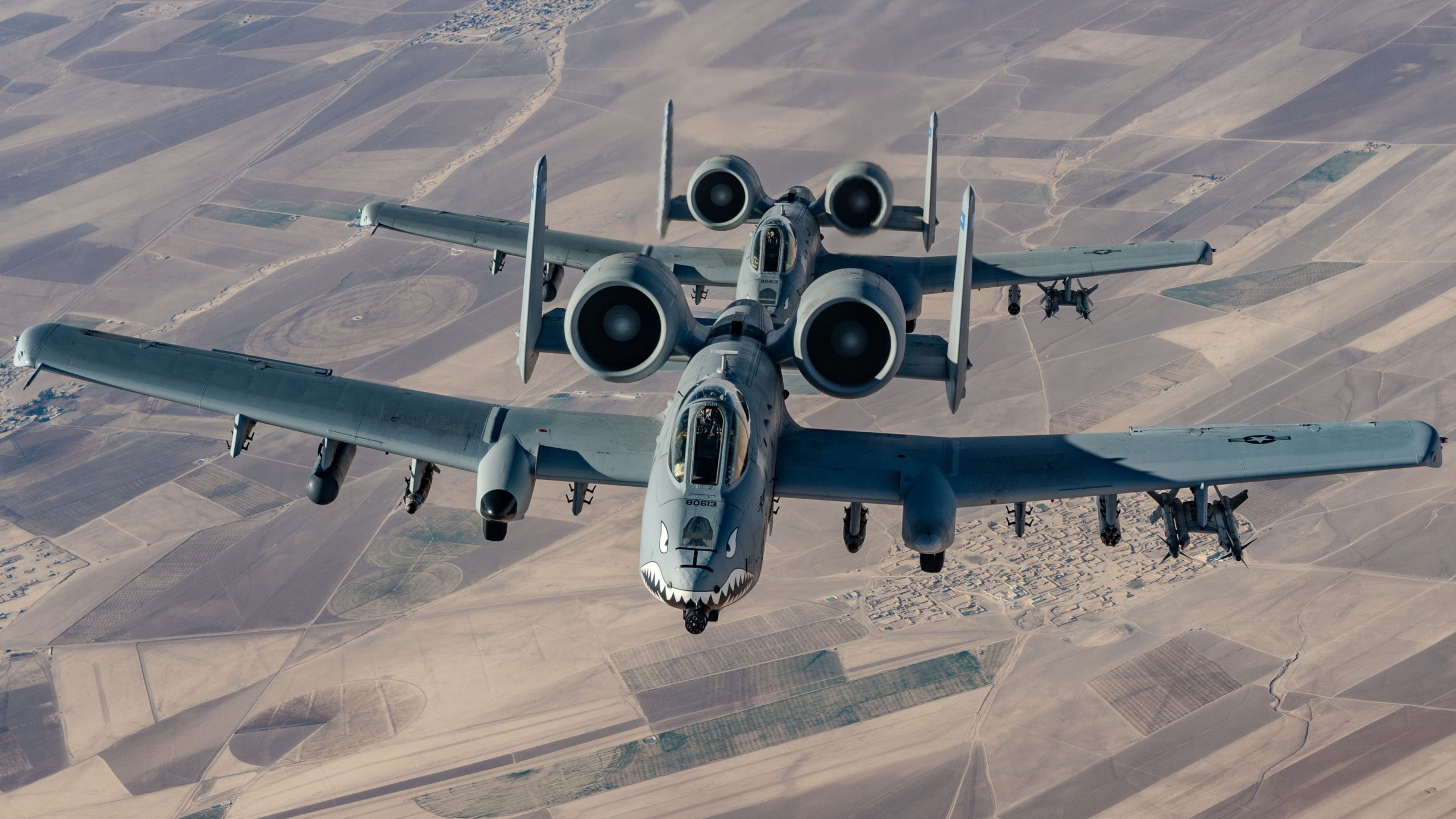
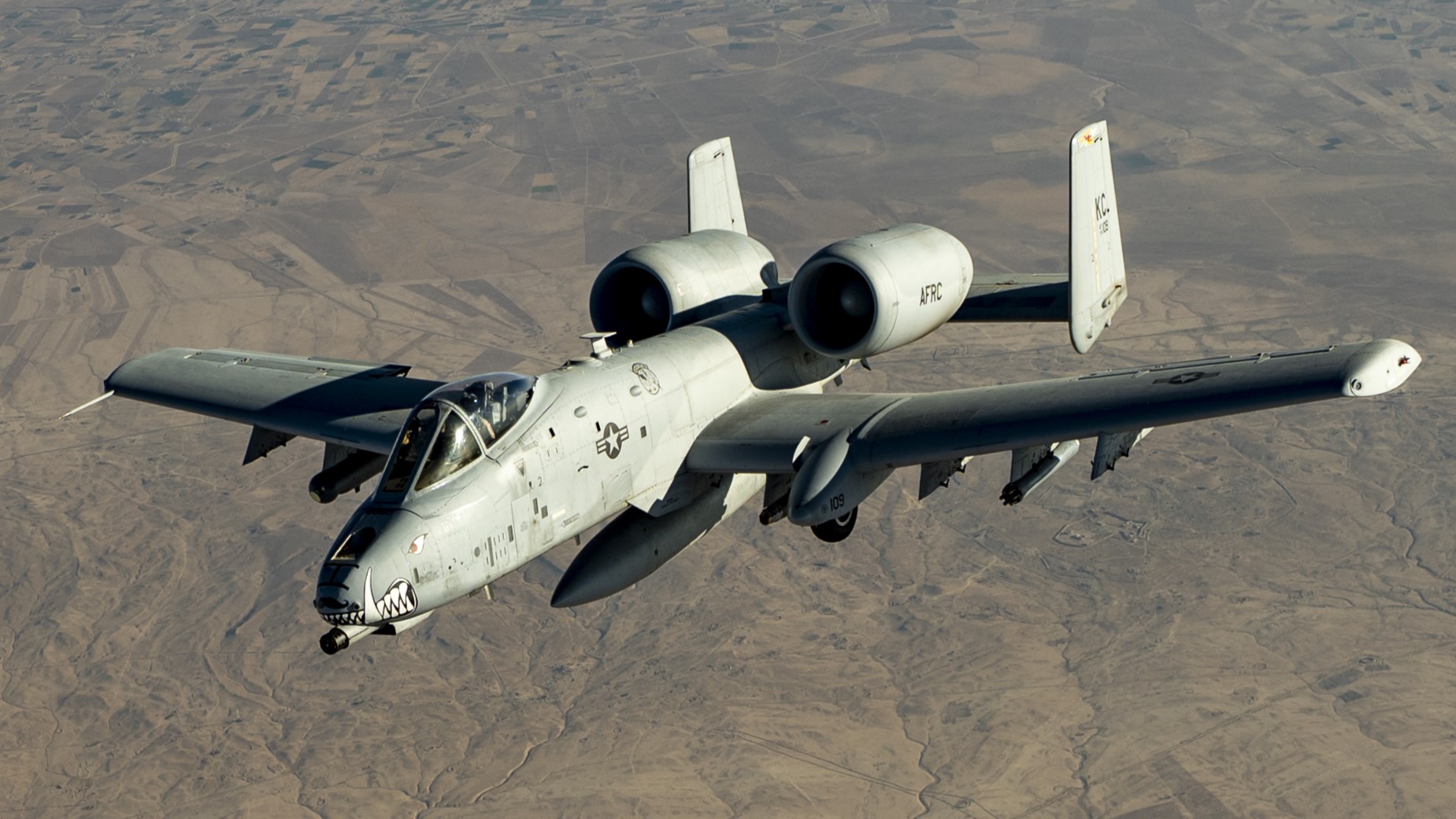
An unspecified number of U.S. Air Force A-10C Thunderbolt II aircraft have been equipped with the Link 16. Indeed, photos taken at bases across the U.S., including Nellis Air Force Base, Nevada, prove the tactical datalink has been fielded on a few airframes.
Link 16 is a tactical datalink designed to transmit and exchange real-time information among networked participants; a capability formally known as TADIL J. The system relies on a Time Division Multiple Access (TDMA) architecture, allowing multiple users to communicate simultaneously across different networks without interference, while maintaining a shared and coherent tactical picture.
Over the years, Link 16 has become the benchmark against which other secure airborne datalinks are measured. The U.S. Air Force has repeatedly credited the system with saving lives across multiple operational theaters, largely due to the dramatic improvement in situational awareness it provides to aircrews and C2 (command and control) elements. By ensuring that participants see the same picture of the battlespace in near real time, Link 16 reduces ambiguity, shortens reaction times, and limits the risk of friendly fire.
Compared to other communication waveforms, Link 16 offers significantly enhanced security and resilience in contested electromagnetic environments. The system is designed to be highly resistant to jamming while supporting higher data throughput and a greater volume of information exchange between users. In addition to data sharing, Link 16 also provides secure voice communications, relative navigation functions, and precise participant identification and location, all of which contribute to a more integrated and survivable force operating in complex and dynamic combat scenarios.
Despite equipping most tactical aircraft, the A-10 has just recently received this capability whose purpose is to complement the existing Situational Awareness Data Link (SADL). The latter was introduced with the Precision Engagement upgrade that changed the aircraft designation from A-10A to A-10C.
SADL is a military intercomputer data exchange format, similar to the Link 16, which supports the exchange of tactical information (such as tasking messages, targeting information, threat warnings, and friendly locations) in real time via gateways, which are land-based or airborne portals that permit the transfer of information between different formats.
However, very few gateways properly integrate SADL anymore, leaving gaps in connectivity where A-10s often operate, both CONUS and, more importantly, in theater.
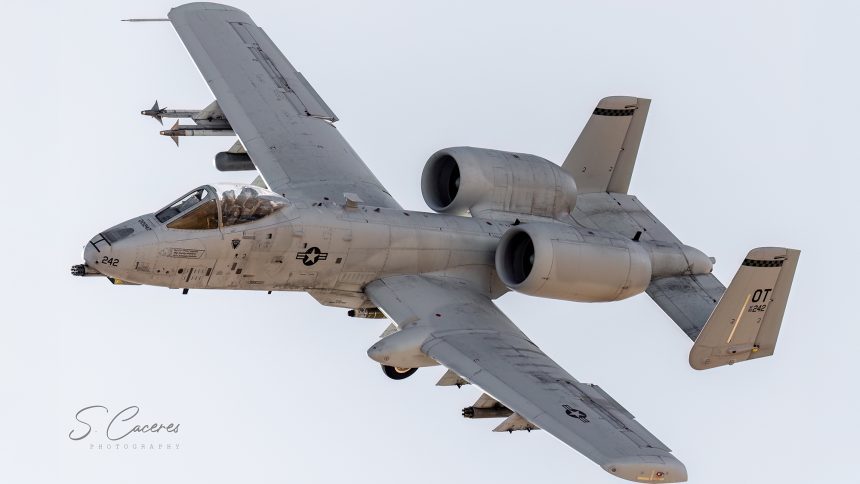
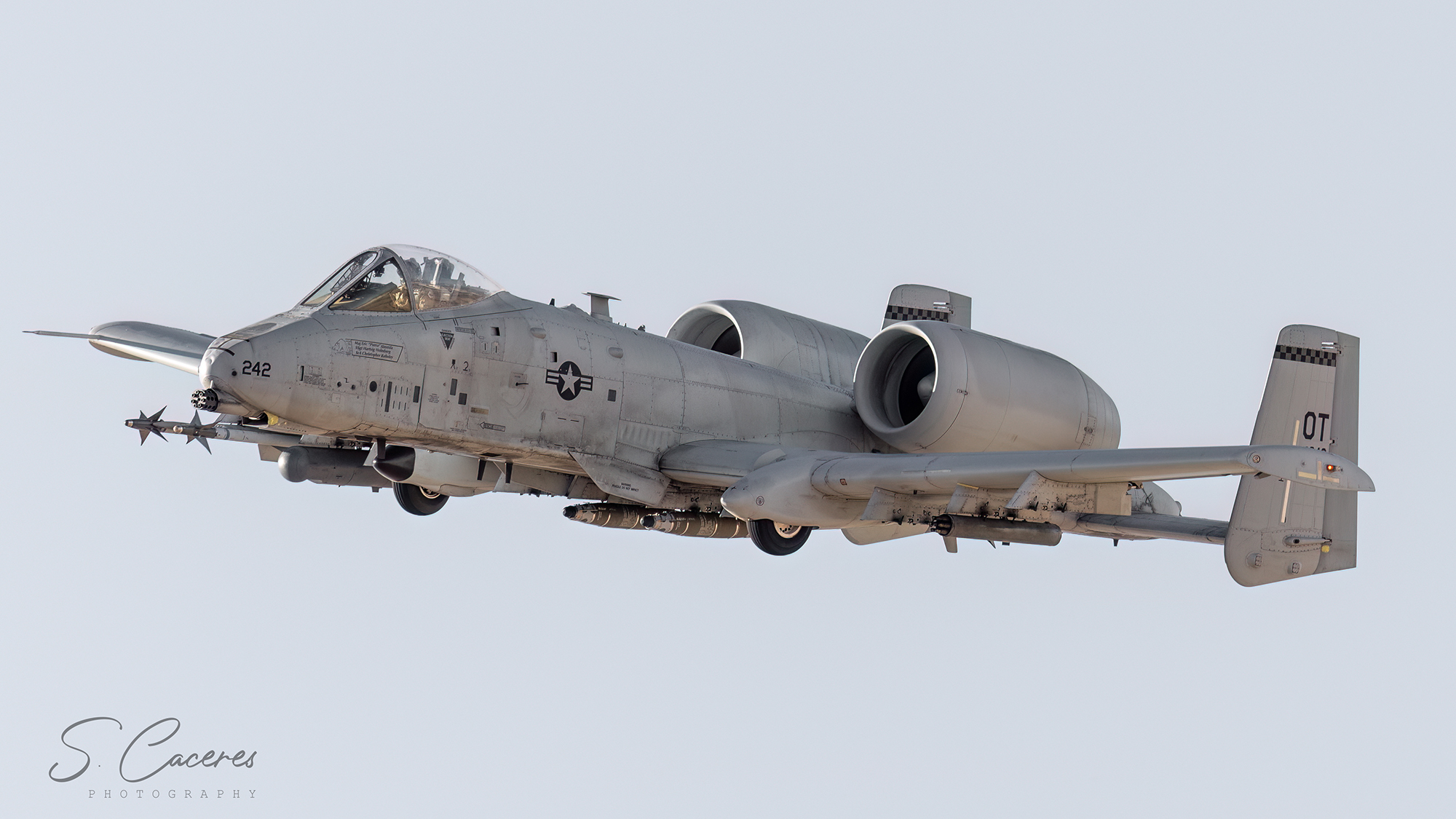
Externally, they’re identical, but aircraft equipped with the new antenna are easily recognizable: as the photos in this post, taken by photographer Santos Caceres show, the TACAN antenna is up front whereas, the new Link 16 are aft of the engines on the top and bottom of the fuselage.
When the A-10C upgrade roadmap was outlined in 2019, the intent was to keep the Warthog relevant in increasingly contested environments by improving connectivity, situational awareness, and weapons integration. Several enhancements were envisioned at the time, ranging from cockpit modernization to expanded sensor and datalink capabilities. Not all of those plans ultimately materialized, partly because of the decision to divest the type, partly because of the technical constraints, funding priorities, and evolving operational requirements which emerged since then, reshaping the final configuration fielded on the aircraft.
Among the most visible upgrades initially planned but never carried out was the replacement of the legacy cockpit layout with a new six-by-eight inch “six-pack” flight display arrangement, intended to provide a more modern and standardized pilot interface. That effort was eventually canceled before fleet-wide implementation. Similarly, the integration of a dedicated SAR (synthetic aperture radar) pod, which would have enhanced long-range targeting and all-weather reconnaissance, was abandoned after it became clear that the capacity of the A-10’s power generator could not support the additional demands without major and costly modifications.
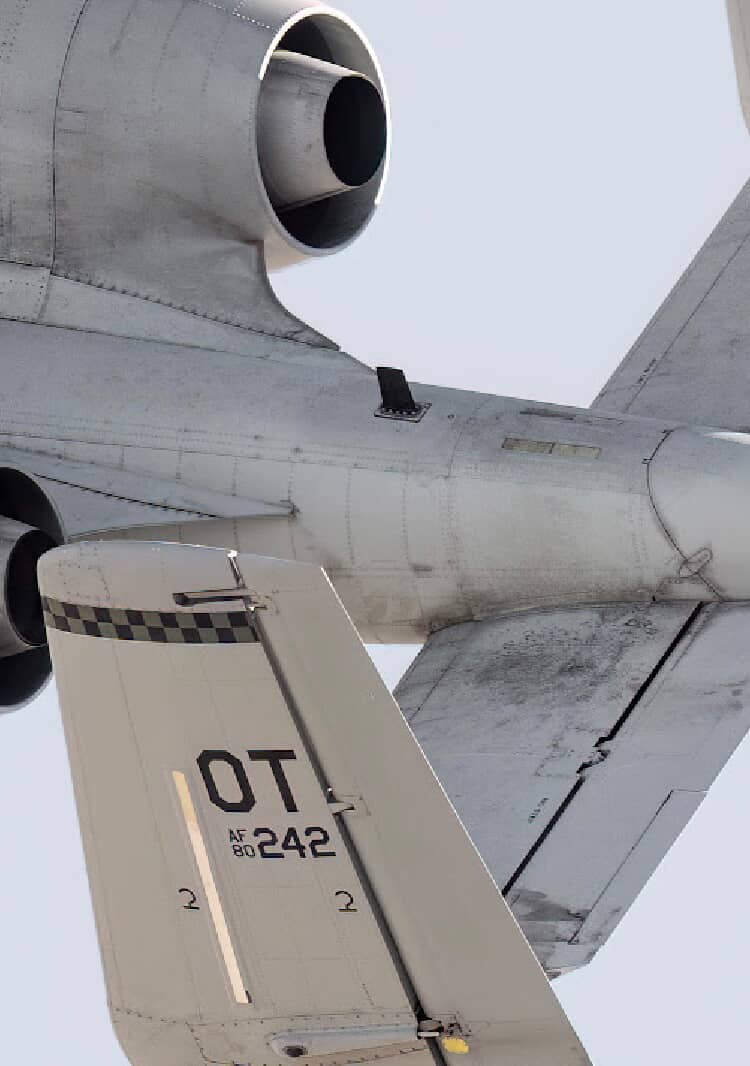
Other elements of the modernization effort eventually made it to the fleet, albeit in a more limited fashion. One of the most significant is the integration of Link 16, as explained, a capability long absent from the A-10 despite its central role in close air support and joint operations. Externally, the Link 16 antenna is nearly indistinguishable from the aircraft’s existing TACAN antenna, a similarity that is not coincidental: both systems operate in the same frequency band. As a consequence, the modification is subtle and easily overlooked unless specifically pointed out, even in close-up imagery.
Importantly, Link 16 has not been fielded uniformly across the A-10 fleet. Our sources confirmed that only a small number of aircraft have received the upgrade so far, with modified tails observed at bases such as Moody AFB, Georgia, and Whiteman AFB, Missouri. This limited rollout reflects both budgetary realities and the platform’s evolving role, rather than any technical shortcoming of the datalink itself. Nonetheless, for the aircraft that have been equipped, Link 16 represents a meaningful leap forward in connectivity, enabling improved situational awareness and tighter integration with joint and coalition forces.
In the video below, captured during Red Flag, the first and last Hog are equipped with the Link 16 antennas.
🎧 SOUND UP! 🎶
Red Flag comes and goes.
Test, eval, and Weapons School are constant at Nellis. USAF A-10C Thunderbolt II test flights —
a legendary CAS platform sadly nearing the end of its run. 🇺🇸 Long live the HOG!
Captured 04–05 FEB 2026 pic.twitter.com/D1lJcOCohD
— RampCheck Aviation (@rampcheckglobal) February 8, 2026
The momentum behind some of these late-stage enhancements was influenced by parallel weapons development efforts, including work related to the FALCO air-to-air rocket: the A-10 played a key role in accelerating that program, serving as the platform for the first live, fully assembled FALCO firing. That decision was driven by early safety concerns surrounding the fuze, which ultimately proved unfounded, but necessitated a conservative test approach. The aircraft’s involvement helped push the program forward quickly, even if broader modernization ambitions were later scaled back.
Although some of the more ambitious plans outlined in 2019 were never realized, the addition of Link 16, marks a continued effort to ensure that the Warthog gets targeted capability insertions, intended to keep a limited number of aircraft operationally relevant and interoperable in modern, networked combat environments, for as long as they remain in service.
As previously reported, the type’s retirement timeline continues to be postponed. While the Air Force most recently aimed to withdraw all 162 remaining A-10s from service by fiscal year 2026, accelerating an earlier plan that would have phased the fleet out through 2029, Congress once again intervened. The most recent National Defense Authorization Act authorizes the retirement of only 59 aircraft, effectively slowing the divestment and keeping a portion of the fleet in service beyond the Air Force’s preferred schedule.
That decision, however, came with trade-offs: the Air Force did not include funding for A-10 sustainment in its FY2026 budget request, estimating that maintaining the fleet would have required roughly 423 million USD, resources it intended to redirect toward other modernization efforts.