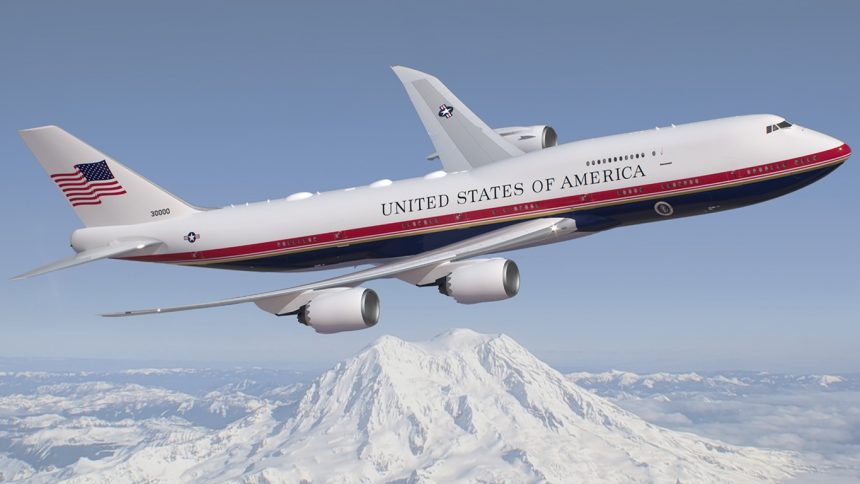
The Qatari-donated Boeing 747-8 is set to fly as “VC-25 bridge aircraft” by summer 2026, as delays continue to plague Boeing’s VC-25B presidential aircraft program.
The U.S. Air Force expects the Boeing 747 gifted by the government of Qatar to begin flying as an interim Air Force One (the callsign used when the U.S. President is on board) as early as summer 2026. Officially designated as “VC-25 bridge aircraft,” the 747 is intended to temporarily supplement the aging VC-25A fleet while the long-delayed VC-25B replacement program continues to slip.
According to statements provided to Breaking Defense and Defense News, the Air Force accepted the former Qatari aircraft in May 2025, with modification work beginning in September. Should the aircraft fly as Air Force One this summer, the conversion would have lasted less than one year.
This unusually rapid conversion would be in stark contrast with “standard” timelines for an aircraft intended to serve as a presidential transport, which usually takes several years to complete. These conversion could be described almost like a rebuild of the aircraft, considering the extensive modifications required to equip it with self-protection systems, communication systems and many other specific capabilities.
QATARI B747-8 BBJ “GIFT” JET TO BECOME AIR FORCE ONE BY SUMMER 2026 🇺🇸
The U.S. Air Force says the luxury Boeing 747 donated by Qatar and being converted into a VC-25 “bridge” Air Force One is expected to be delivered no later than summer 2026, roughly a year after major… pic.twitter.com/huR9KLDnxw
— Turbine Traveller (@Turbinetraveler) January 23, 2026
An Air Force spokesperson told Breaking Defense the service “remains committed to expediting delivery of the VC-25 bridge aircraft in support of the Presidential airlift mission, with an anticipated delivery no later than summer 2026.” The aircraft is intended to serve only as a stopgap measure amid mounting concerns about the reliability of the current VC-25A fleet and persistent delays of the VC-25B program.
An Interim Solution
U.S. President Donald Trump, now serving his second term, has been openly critical of the condition of the existing VC-25A aircraft. The two heavily modified Boeing 747-200Bs entered service in 1990 and their age makes them increasingly difficult to maintain.
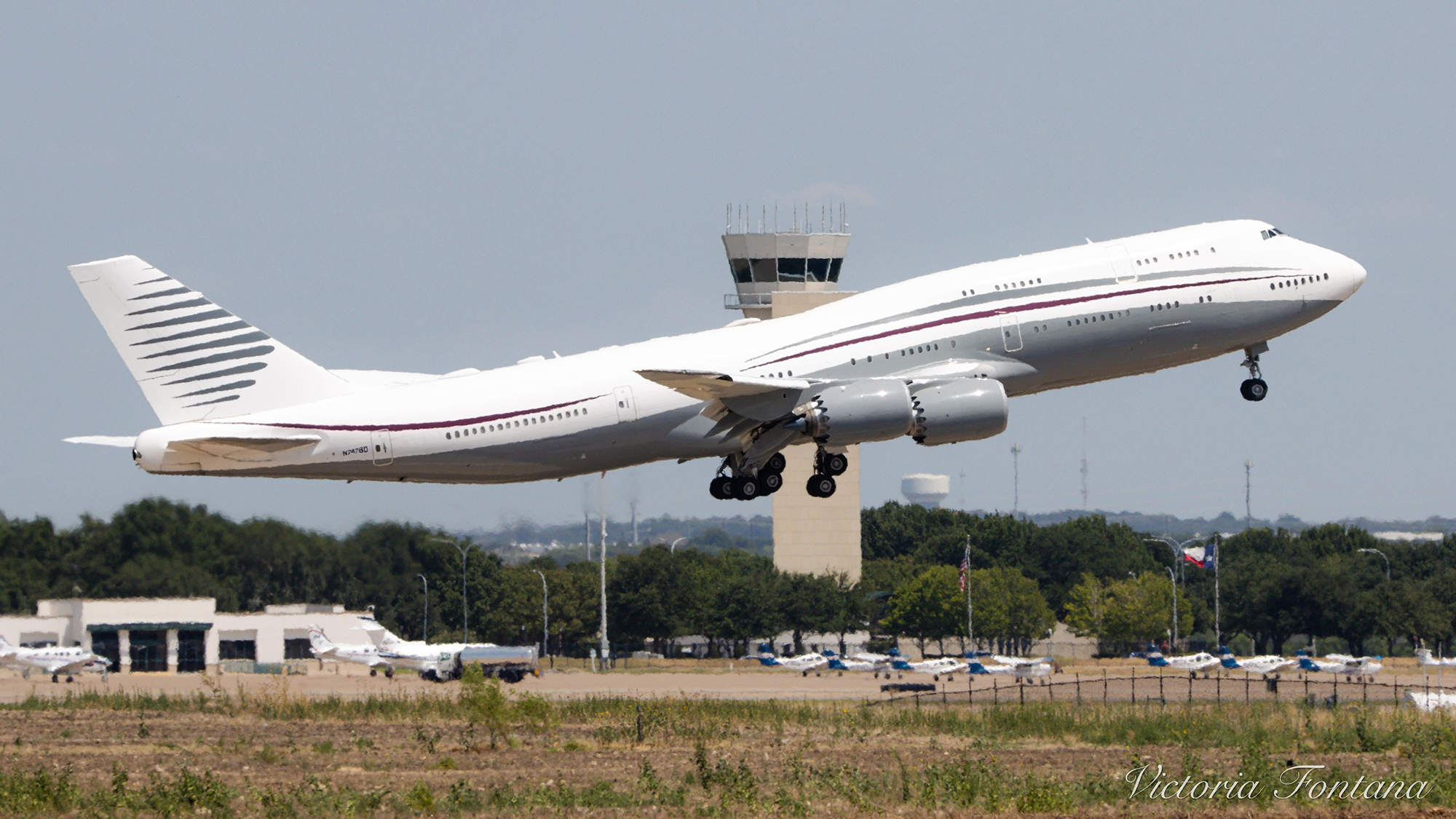
At the same, Boeing’s struggles to deliver their successor, the VC-25B, which was initially planned to enter service in 2024 and is now expected in 2028. Those frustrations appear to have played a central role in the decision to accept the Qatari jet, a move which is unprecedented.
While the Air Force has long managed a carefully controlled and highly classified process for presidential aircraft acquisitions, the acceptance of a foreign-donated widebody aircraft for the role has drawn intense political and ethical scrutiny. Trump has defended the decision publicly, describing the aircraft as a “GIFT, FREE OF CHARGE” in a social media post and arguing it would be “stupid” not to accept it.
Still, critics have raised concerns about potential conflicts of interest, especially amid reports – cited by Defense News and Air & Space Forces Magazine – that the aircraft may eventually be donated to Trump’s presidential library after he leaves office. Other concerns were also raised regarding the security of the aircraft, arguing there could be a risk of espionage.
While no specific details are currently available, a possibility being raised is that the bridge VC-25 might be used only for domestic flights, while the current VC-25As would be used for international flights. In that case, many modifications to the bridge VC-25 might have been judged as unnecessary.
The Modifications
Despite the unusually public debate surrounding the aircraft, details about its conversion remain scarce. The Air Force has so far declined to discuss the specific modifications being made or whether any requirements were adjusted to accelerate delivery.
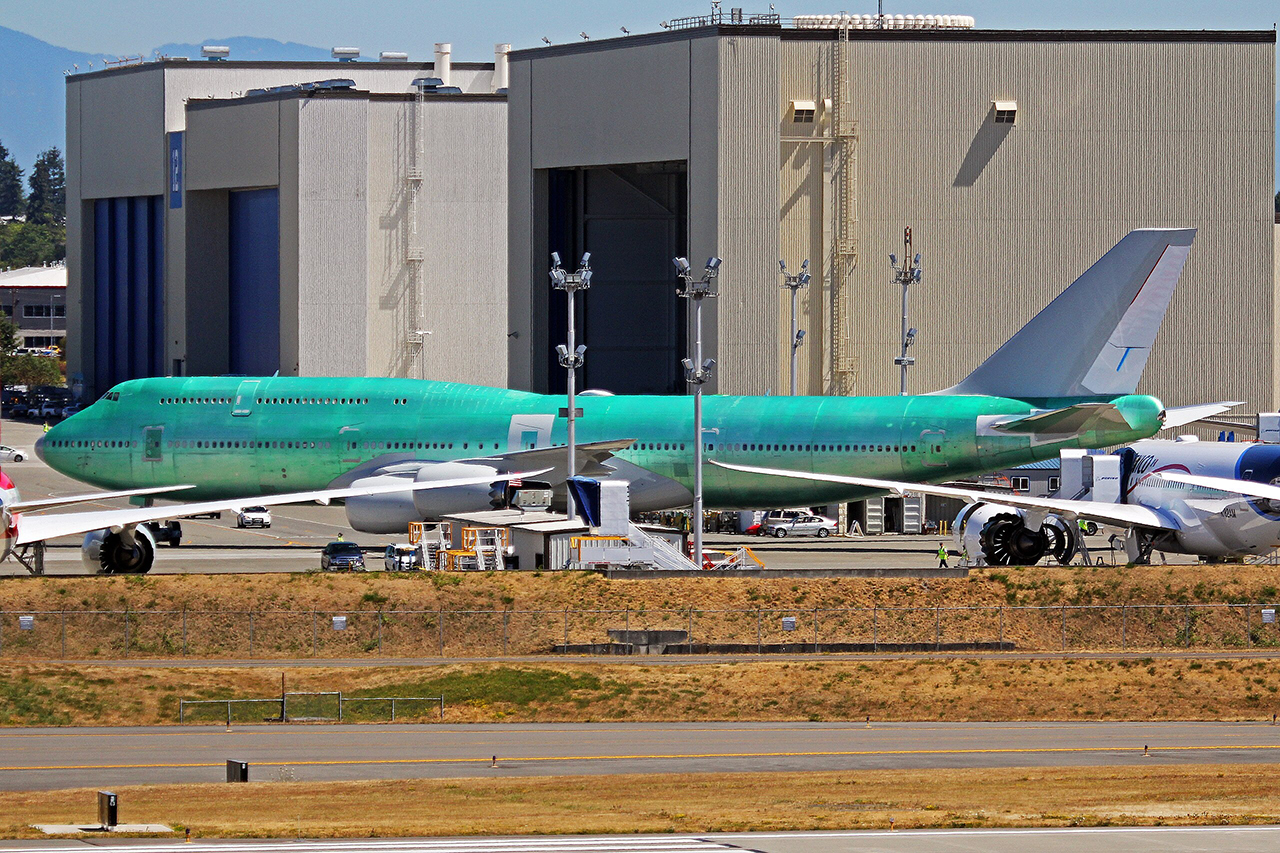
Multiple outlets report that L3Harris is conducting the modification work, although the company has not publicly confirmed its role. The aircraft has also reportedly been seen at L3Harris facilities in Texas.
Typically, U.S. Air Force aircraft designated to serve as Air Force One receive extensive upgrades, including hardened defenses, secure and redundant communications systems, and survivability enhancements intended to support presidential command and control during a national emergency or nuclear conflict.
Given the expedited timeline, it is unclear which requirements will be fulfilled during the conversion. It is possible, however, that some of the capabilities requiring more extensive modifications will be set aside.
Cost and Funding
U.S. Air Force Secretary Troy Meink told lawmakers in 2025 that modifying the Qatari aircraft would cost less than $400 million, significantly lower than earlier estimates that approached $1 billion. According to the Secretary, the funding is being drawn from unspent resources in the LGM-35A Sentinel intercontinental ballistic missile program.
Meink has argued that higher cost projections included expenses – such as spare parts and training – already covered under the VC-25B program. However, skepticism remains, with senators questioning whether the aircraft would see enough operational use to justify the expense before it is transferred to the presidential library.

By contrast, Boeing’s VC-25B program stems from a $3.9 billion fixed-price contract signed in 2018. However, persistent supply chain challenges, labor and program complexity have pushed delivery of the first aircraft to mid-2028, roughly four years later than originally planned, causing more than $2 billion in losses on the program.
VC-25’s Reliability Concerns
The news about the introduction of the bridge VC-25 in the near future notably comes after, on Jan. 20, 2026, a VC-25A carrying President Trump to the World Economic Forum in Davos, Switzerland, was forced to turn back over the Atlantic due to what the White House described as a “minor electrical issue.” As reported by many outlets, the VC-25A returned to Joint Base Andrews, and Trump ultimately continued his trip aboard a C-32, a modified Boeing 757 also operated by the 89th Airlift Wing.
The incident followed similar ones involving C-32 aircraft carrying senior U.S. officials, including cracked windshields on two flights in 2025 with Secretary of State Marco Rubio and Secretary of Defense Pete Hegseth on board. These reliability issues affecting the Air Force’s executive airlift fleet are primarily due to the airframes’ age.
While none of the incidents resulted in injuries or major disruptions, they have reinforced concerns about the age and maintenance burden of the U.S. Air Force’s executive airlift fleet.