Exclusive interview with Col. Carl “Wiseguy” Bergqvist, Commandant of the Swedish Air Force Air Warfare Center, on Gripen upgrades, dispersed operations, counter-UAS developments, and more.
We recently had the opportunity to talk with Col. Carl “Wiseguy” Bergqvist, Commandant of the Swedish Air Warfare Center, for an in-depth discussion on the evolving role of the Swedish Air Force. With the Russian threat now shaping every aspect of Nordic defense planning, the conversation touched on the future of the Gripen C and Gripen E fleets, the rapid development of counter-UAS capabilities, the return of dispersed and highway operations, air and missile defense, and the lessons learned during the recent deployment to Poland. Col. Bergqvist provided rare insight into how Sweden is adapting to a rapidly changing and increasingly contested airspace.
Here is what he told us.
The Aviationist: Colonel Bergqvist, could you please introduce yourself to our readers?
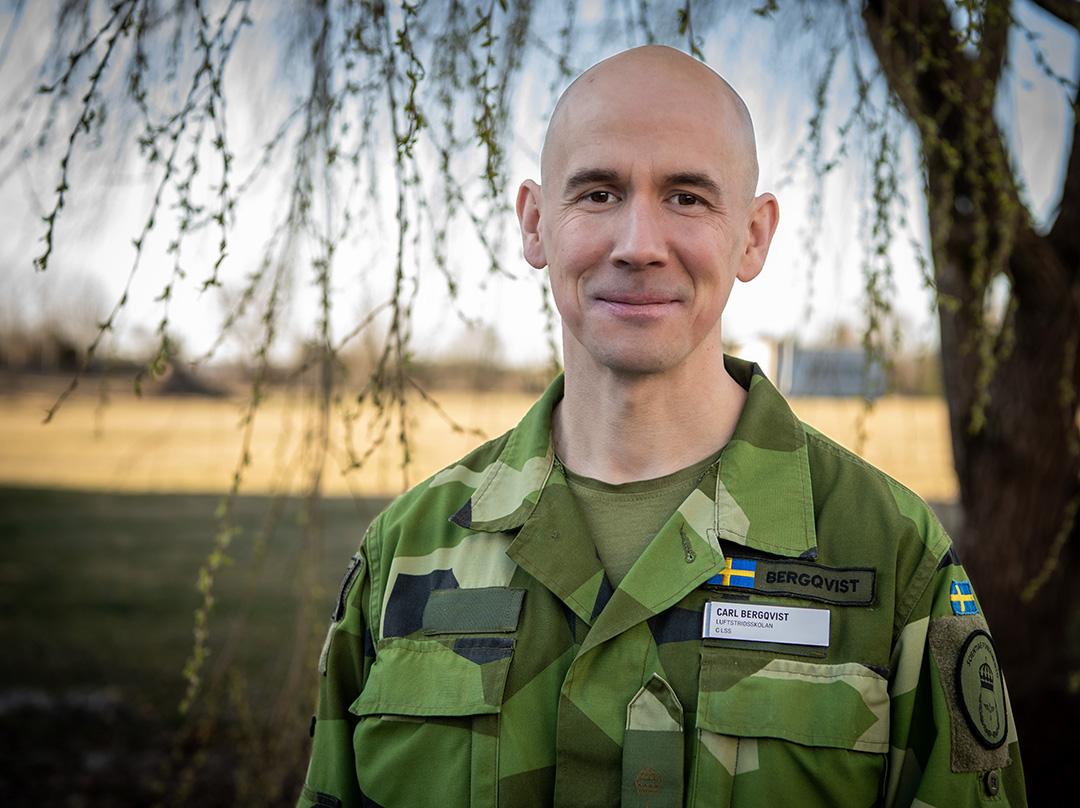
A: My name is Carl Bergqvist, callsign “Wiseguy.” I am a fighter pilot by trade. I was commissioned in 2001 and have been flying the Gripen since 2003. I started in the northern part of Sweden at F 21 Wing. After Command and Staff College, I served as a squadron commander at F 7 Wing in the western part of Sweden. Since 2019 I have been in the Uppsala area. I was Head of Capabilities at the Air Staff, then Deputy Chief of Staff for Plans for roughly two years. For about half a year now, I have been the Commandant of the Air Warfare Center in Uppsala.
That is roughly my background. I have about 1,500 hours on the Gripen and have worked in the electronic warfare environment. I have participated in various large-scale exercises around the world and have done a lot of cooperation with the other Nordic countries through our cross-border training initiatives and the Nordic Air Power concept.
Q: What is Sweden’s plan for the Gripen C and D fleet, and how are upgrades managed?
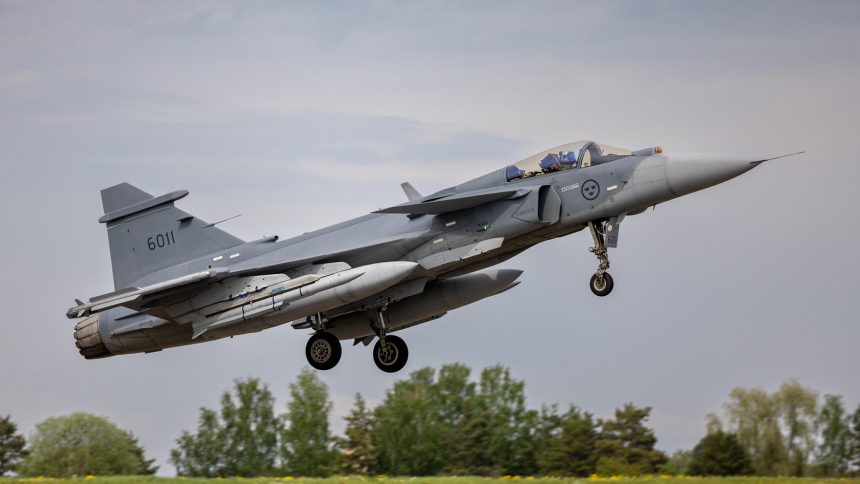
A: Our plan is to keep the legacy Gripen C and D aircraft operational until the late 2030s. We have long since retired the A and B variants, but the C and D models will stay in service. In Sweden we do not conduct a traditional mid-life update. Instead, we pursue continuous development and capability uplifts. Every three years we have a major version change, and each year we implement smaller updates.
Right now, we are preparing for a larger shift around 2027 or 2028. That will introduce new capabilities including a radar upgrade, enhancements to the electronic warfare suite, upgraded data links, and the introduction of the KEPD 350 cruise missile. Annual minor updates can include radar or weapon improvements, new functions for existing weapons, or new frequency bands for jammers.
This continuous evolution is possible thanks to close collaboration between the Air Force, the Defence Materiel Administration, and Saab. It is a very tight partnership that enables rapid capability development, and it was one of the key factors that allowed us to deploy to Poland and take on the NATO mission so quickly.
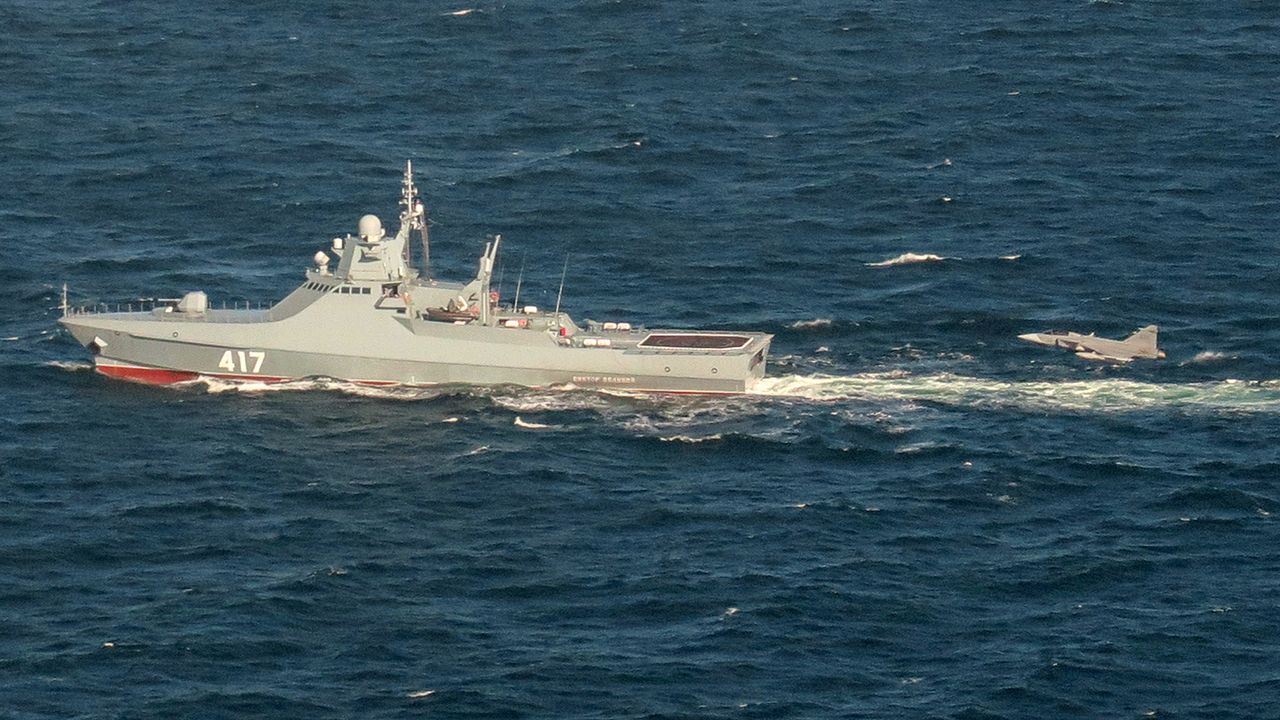
Q: What are Sweden’s considerations for the next-generation fighter beyond Gripen?
A: Programs such as FCAS, Tempest and later GCAP did not match our timeline a few years ago. We are just starting to take delivery of Gripen E, and the first aircraft was delivered to the Air Force only a few weeks ago. Gripen E will serve into the 2050s or 2060s, while the C and D models will likely remain in service until around 2040.
The government tasked us with a study to explore future development and procurement paths so that Sweden can be an informed buyer. The three main options are to develop a national fighter, join a joint venture with other nations or manufacturers, or procure an existing design and produce it under license in Sweden.
We also have contracts with industry to demonstrate key technologies. This is why Saab has been testing AI systems on the Gripen E and exploring different unmanned concepts.
Q: During the recent deployment to Poland, Sweden fielded the new Loke system. What is it and how did it perform?
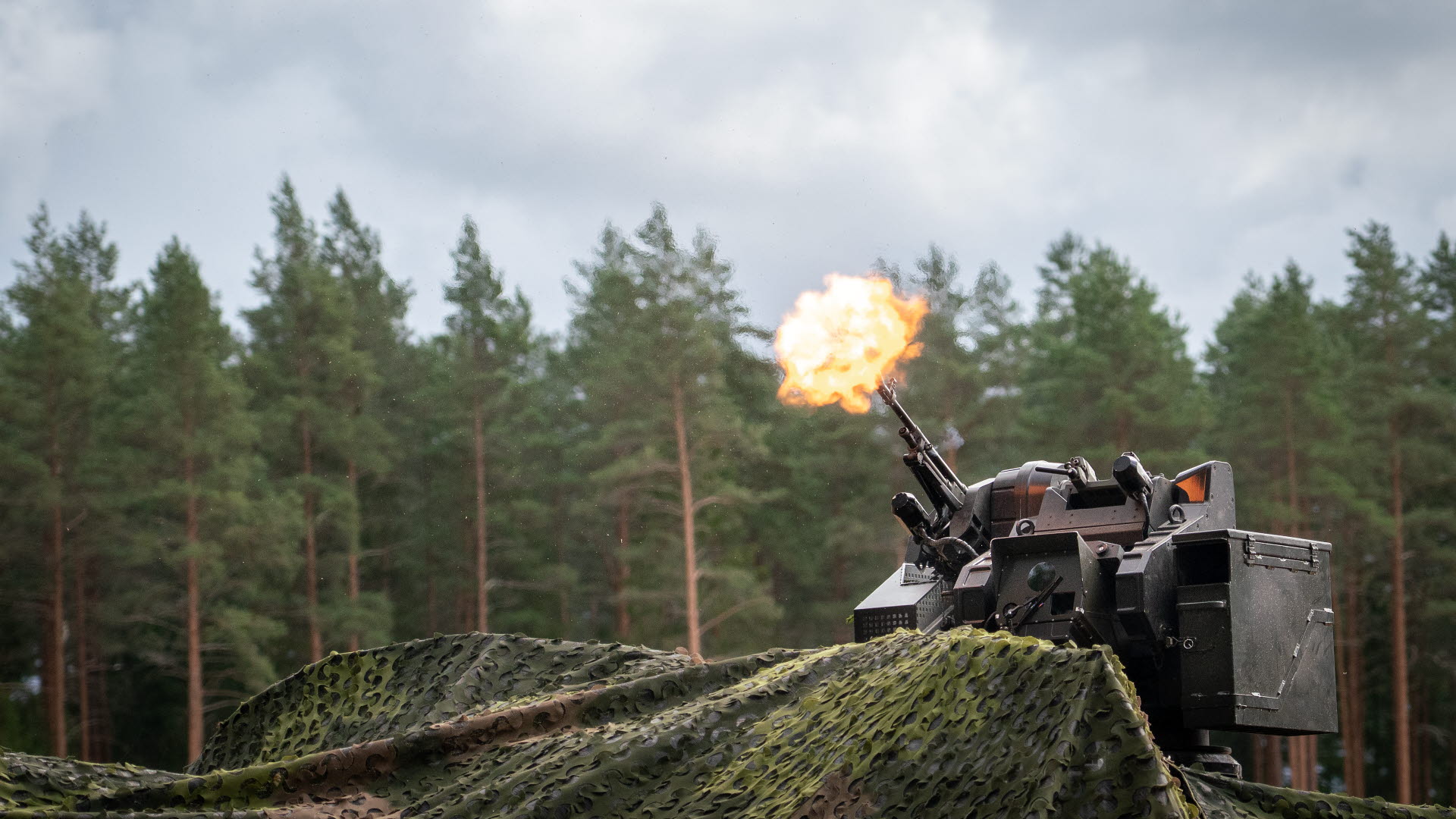
A: Loke, named after a figure from Norse mythology, is a ground-based system for defending our air bases. It is part of our airbase concept based on rapid dispersion and mobility. We needed a counter-UAS system that could handle threats both electromagnetically and kinetically.
We had an urgent operational need for that capability, and we also wanted to use it as a catalyst to improve cooperation between the Air Force, industry, and partners. We took systems that were not originally designed to work together and handed them to our best airbase defense specialists, who worked with Saab and others to integrate them into one mobile solution. The system detects and engages UAS using both electronic warfare and kinetic effectors.
Our Chief of Air Force approved the project late last year. We achieved the first firing 84 days later, which was very fast, and about three months after that we deployed it to Poland. In the meantime, Loke took part in several training events and exercises and has since been used in other operational roles.
During the deployment to Poland, we connected it to another C2 system to enhance the local air picture and integrated it with our Airbase Rangers, who handle ground protection. We have continued to use Loke in Sweden this autumn for different activities, both operational deployments as well as further development. The system was even displayed to President Zelensky during his visit to Linköping.
Loke will deploy wherever we have an operational need. If we send a fighter unit on a NATO mission, we evaluate whether to bring our own counter-UAS system or rely on host-nation support. It is designed to protect our mobile assets whenever we disperse from main bases to forward operating locations. Since we operate with small teams for refueling and rearming, a robust counter-UAS capability is essential.
Q: How do you view the growing UAS threat in Europe, and what are the challenges in responding to it?
A: UAS threats present many difficulties, and attribution is one of the biggest. A drone can appear inside national borders without a clear origin, as we saw when Ukraine successfully struck Russian long-range aviation earlier this year. Attribution for small unidentified drones is a real challenge, as it often falls between police and military responsibilities.
This makes rules of engagement complex. There is no unified ROE framework across Europe, not even among neighboring countries, and certainly not at EU or NATO level.
Sweden has robust ROE in both the air and sea domains, developed after our submarine incidents in the 1980s. Authority is delegated far down the chain of command, which provides deterrence.
We are very active with our Quick Reaction Alert, and we have been for many years. Even before joining NATO we closely cooperated with our neighbors. Now we are more integrated into NATO air policing, but the fundamentals remain the same. We perform many scrambles each year; most are to show presence and gather intelligence, while a few are to deter incursions.
Flygvapnets incidentberedskap genomförde under onsdagen insatser i internationellt luftrum över södra Östersjön. JAS 39 Gripen identifierade en rote ryska stridsflyg av typen SU-30. Därefter eskorterades ett ryskt spaningsflyg av typen IL- 20. Flygvapnet står alltid i beredskap. pic.twitter.com/cgfBREYEiL
— Försvarsmakten (@Forsvarsmakten) September 11, 2025
The increase in activity started in the early 2010s as the Russian Air Force became more active, with additional increases in 2014 and 2022. The biggest change today is the even closer integration with our allies.
🇸🇪 Swedish QRA identified 🇷🇺 Tu-22 Bombers escorted by Su-35 fighter jets over the Baltic Sea yesterday. Mission carried out in close cooperation with Baltic Air Policing. #NATOAirPolicing pic.twitter.com/Oe0H11FzDl
— Flygvapnet (@flygvapnet) November 28, 2025
Q: Could you elaborate on the Polish mission and the rapid verification of Gripen’s capabilities?
A: The mission to Poland was a success story for us. We had procured capabilities that allow Gripen to detect and engage very low-speed, low-RCS targets as well as low-RCS, high-speed ones such as KH-101-class cruise missiles.
When NATO asked if we could take up the air defense mission, we decided to verify those capabilities before committing, because at that time only the F-35 and F-16 Block 70 were considered able to handle such targets due to their AESA radars.
Our Chief of Air Force ordered a rapid verification program. We developed several targets to test detection and engagement with different weapons and also wanted to verify nighttime refueling. We already had that capability, but it was risky because of the probe light design, so we made a modification in less than eight weeks over Christmas and New Year.
We started flying in week six at Luleå, supported by French Air Force tankers, and tested both the new probe light and radar upgrades. FMV modified target drones at Vidsel to have cruise-missile-like radar cross sections, and we also worked against Shahed-type drones. Everything worked exactly as planned.
From February to May, before deployment, we continued improving radar performance and refining tactics. The close cooperation between the Air Force, FMV, and Saab made this possible. We even have reserve officers from Saab working within the Air Force, which speeds up development. It is satisfying to see that, even with a mechanically scanned radar, Gripen can meet these requirements and adapt tactics quickly.
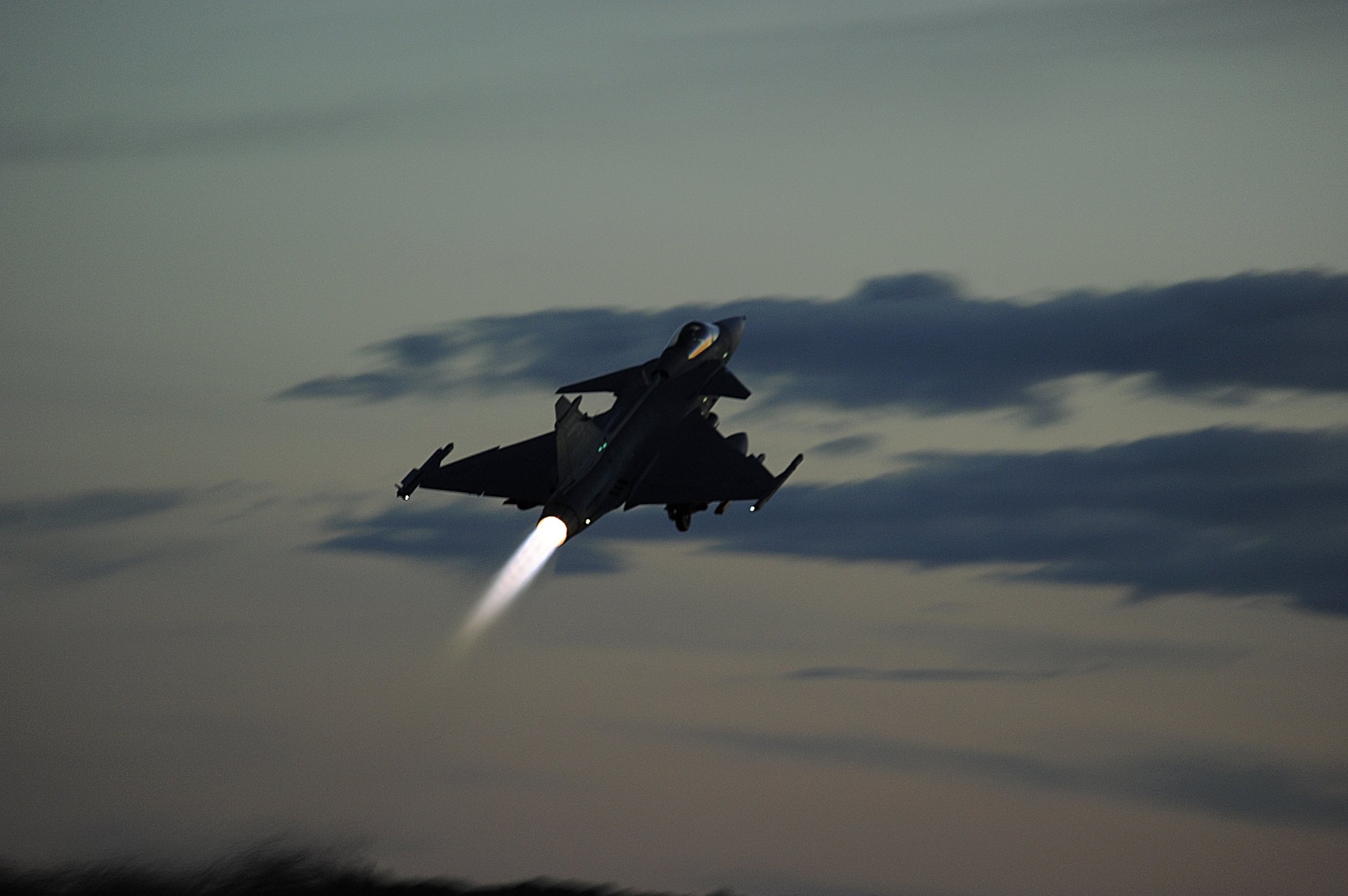
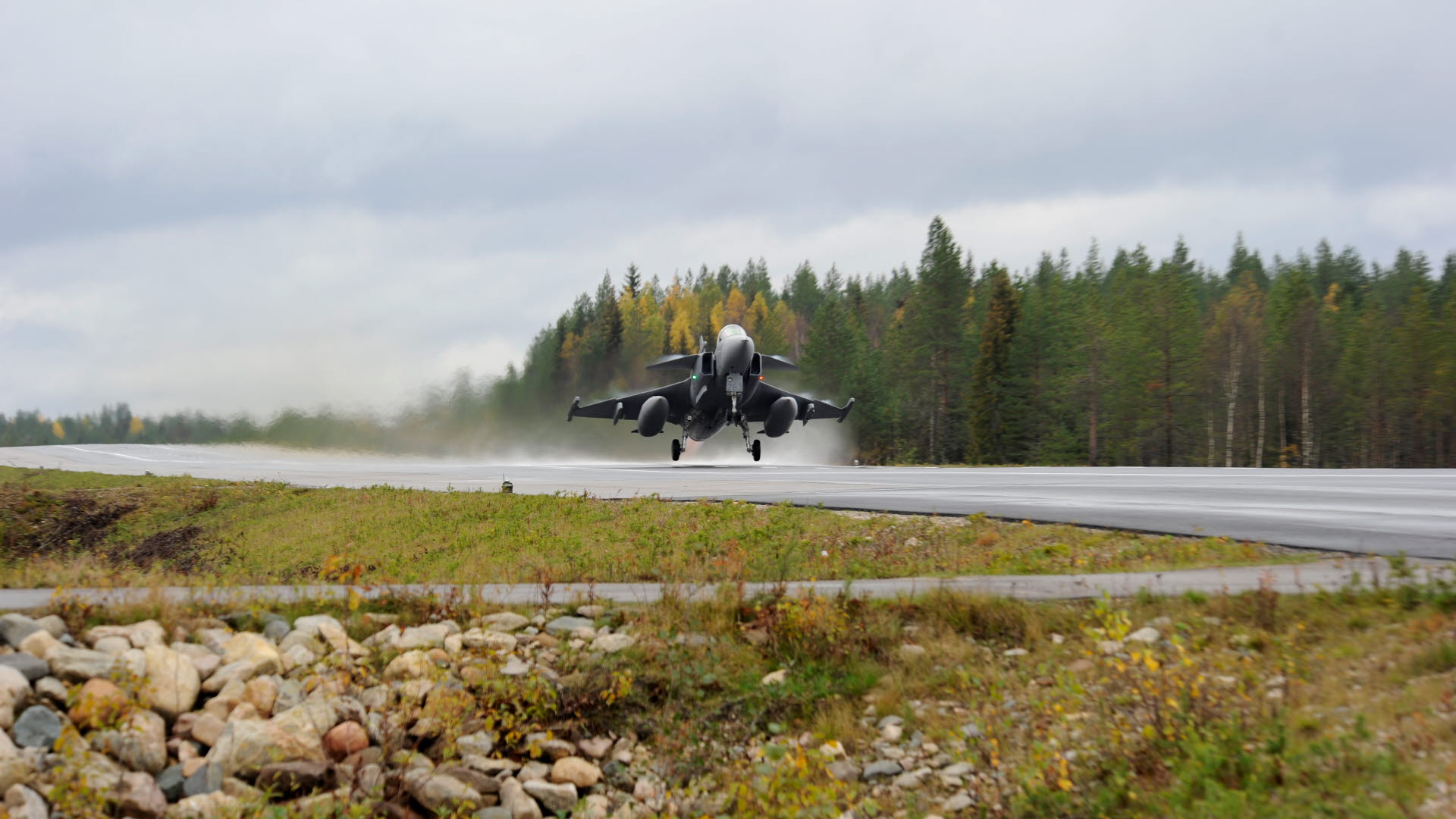
Q: Sweden has long practiced highway and dispersed operations. How has that evolved recently?
A: We did not train much for highway operations between the late 1990s and early 2010s, but we have reintroduced it. The knowledge was still in the organization, and the highway strips remained, so rebuilding the capability was straightforward. All our young pilots now train for it again. Gripen is designed for short and rough strips, so landing on a highway is not particularly difficult, although the runway appears very quickly in the last seconds.
Our main effort now is designing our base organization to support dispersed operations and to provide host-nation support. In the Nordic region, Finland is the frontline area, while Sweden is more of a rear and basing area, as well as a transit corridor from west to east. We must be able to accommodate allied assets in Sweden, so our airbase units are developing the ability to support both Swedish and allied operations.
We are aware that not all allies have aircraft optimized for dispersed or rough operations, so we may need to offer them our main bases.
In a contested scenario, we would absolutely operate from foreign strips in the region. The Nordic Air Power Concept includes flexible airbasing that follows NATO aircraft cross-servicing principles. We are developing the ability to use each other’s bases before Article 5 situations, for refueling and possibly rearming, using pre-positioned or shared stores. This will allow us to operate from Norway or Finland and vice versa.
Q: Many air forces are returning to Cold War concepts like shelters and dispersion. What is Sweden’s approach?
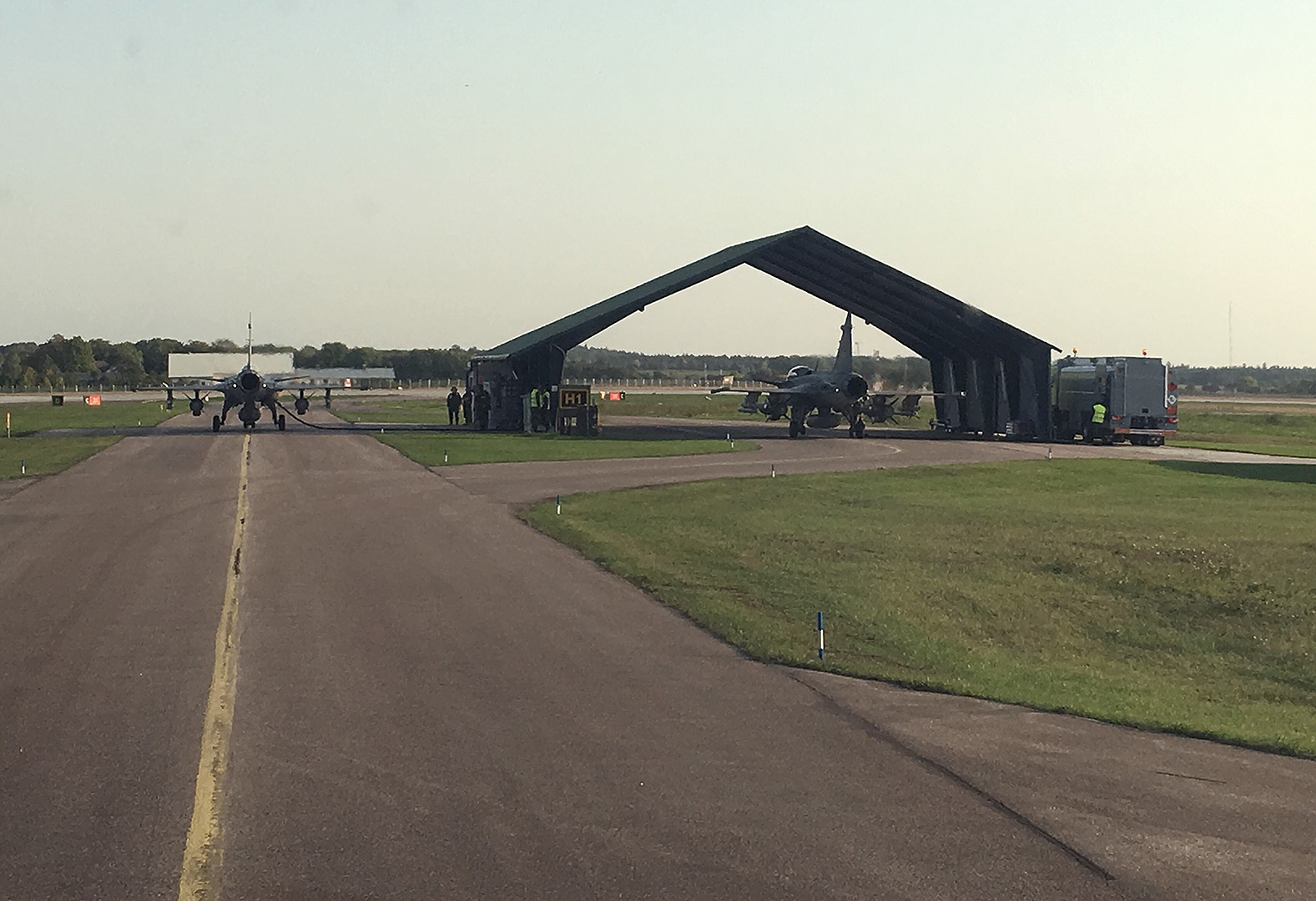
A: Building hardened shelters would be very expensive and would make us more fixed and predictable, which increases vulnerability. Our concept emphasizes mobility and dispersion, both external between bases and internal within each base.
We combine that with deception and masking to limit visibility for adversaries. Counter-UAS capabilities and unmanned systems for base surveillance are also part of this.
Our base defense units are excellent. Historically, the ground threat was our main concern because of our dispersed model. Now, with long-range precision weapons, the challenge has increased, but our approach has been validated. The Ukrainian Air Force’s success with similar tactics has reinforced our choices.
We will not hide inside mountains. We will keep moving while ensuring that we can host and support allied forces operating from Sweden. Many allies are studying our and Finland’s systems to see what can be adapted for their own platforms, which were not designed for dispersed operations.
Q: How is training evolving to address new threats such as drones and cruise missiles?
A: Our OT&E unit within the Air Warfare Center develops new tactics, techniques, and procedures together with frontline squadrons, so knowledge spreads quickly. We have adjusted the curriculum so that young pilots coming from Phase 4 become combat-ready earlier.
The biggest change is how we integrate training and operations. When a unit deploys, for instance to Poland, its mission is not just alert duty. They train, develop, and educate at the same time. They bring younger pilots to gain exposure and fly simpler missions, and they test new equipment or procedures, often together with partners such as the German Air Force.
It is a different mindset now. We no longer separate readiness, training, and operations; we integrate them in everything we do.
Q: What about international exchanges and pilot training in Italy?
A: We do not have exchange pilots at the moment, but we are looking to restart the program. I once had a Swiss pilot in my squadron, which was extremely valuable. It challenged our views and allowed us to learn from each other.
Sending our young pilots to Italy for Phase 3 and Phase 4 training is another way of exposing them to different operational cultures, and I believe it will benefit us greatly. We also have exchange programs for other units, such as those handling base operations and command-and-control, including officers in our control and reporting centers.
Q: How is Sweden developing integrated air and missile defense?
A: Integrated Air and Missile Defense is inherently multi-domain, and you cannot achieve air defense without effectors from other domains. We are reinvesting in naval surface-to-air missile capability for our Visby-class corvettes and their successors. We have also invested heavily in Patriot and IRIS-T systems for ground-based air defense and are expanding our GBAD units.
We are investing in space capabilities and building space domain awareness. On the ground side, we are replacing almost all radar systems, acquiring new long-range, very-long-range, and low-level radars to extend coverage both in range and altitude.
We are now connected with Denmark, Finland and Norway and share sensor data. Integrating this within NATO’s IAMD framework is challenging but necessary, and we are making good progress. Previously, we developed these capabilities nationally, but now we must deliver them as part of NATO.
Recent events, such as Israel’s defense against Iranian missiles and drones, show how complex and resource-intensive modern air defense has become, and how many sensors and interceptors are needed even to protect a small area.
Q: Sweden recently ordered new AEW, airlift, and refueling platforms. Can you give us an update?
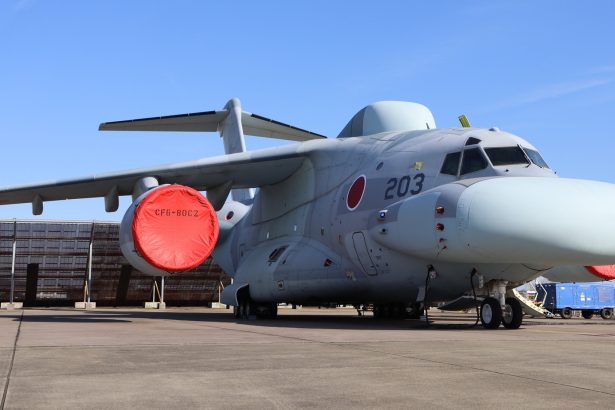
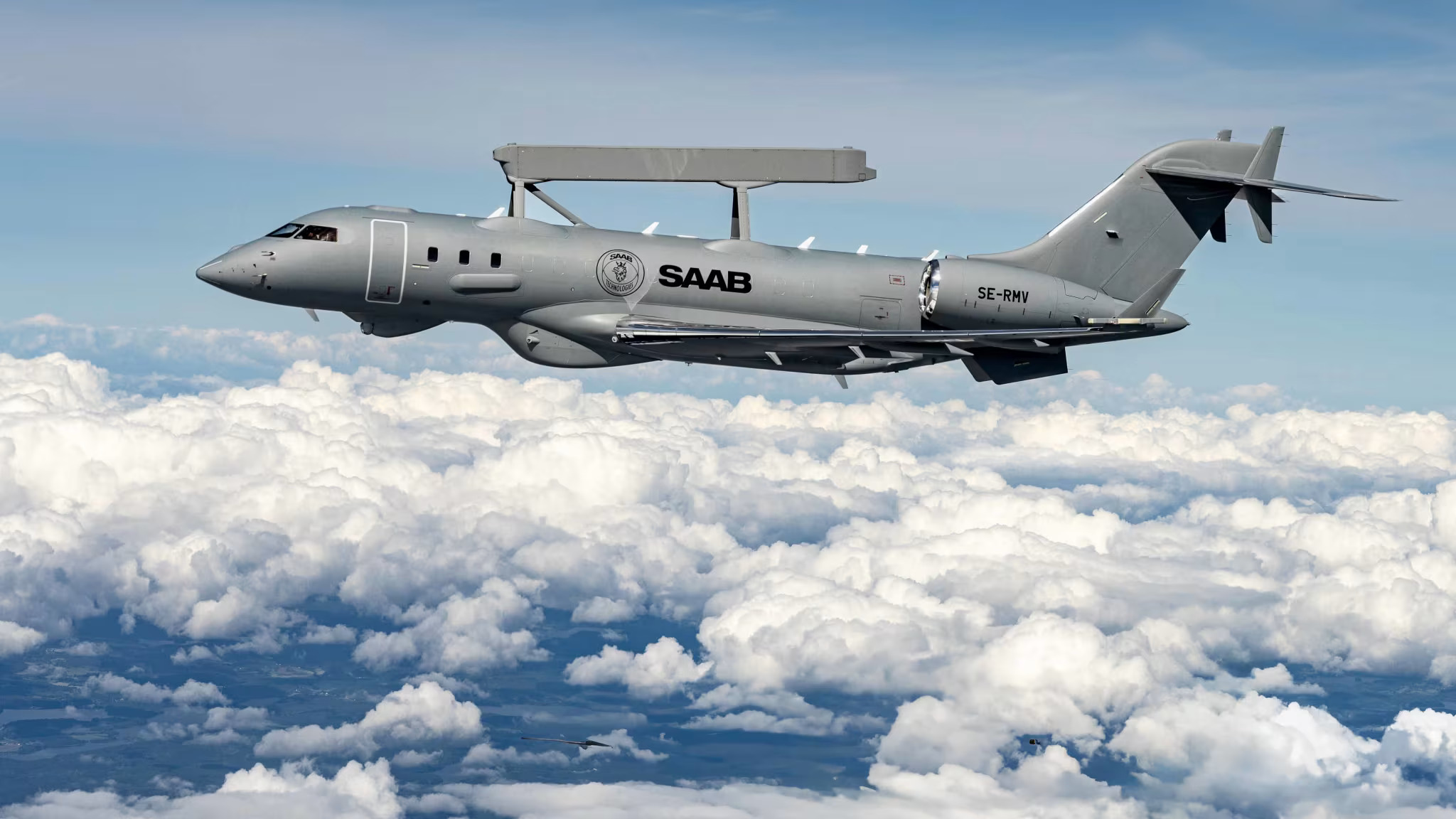
A: We have signed for three Saab S 106 aircraft, often referred to as GlobalEye. We have not yet assigned an official Swedish Air Force name to the platform. It will significantly improve our airborne early warning and ground and sea surveillance capabilities thanks to its multi-role design.
We are developing a dispersal concept for it using mobile containerized solutions and tent hangars that allow rapid relocation within Sweden and across the Nordic region. It will integrate closely with Gripen, our ground-based air defense, and the Navy. There is strong interest from other European air forces as well. The radar range and AESA performance are excellent.
We have also ordered four new C-390s for tactical airlift in cooperation with the Netherlands and Austria. It is a strong successor to our Hercules, adding new capabilities for both special operations and traditional airlift.
As for air-to-air refueling, we are joining the MRTT Multinational Unit. It provides much greater offload capacity than the old KC-130 conversion and allows participation with a small personnel footprint, similar to our involvement in the Strategic Airlift Capability in Hungary.
Q: How do you balance transparency and operational security, especially with public flight tracking?
A: We try to be as transparent as possible because transparency supports strategic communications and deterrence. There is no need to hide most of our activities; we actually want them to be noticed. Of course, some operations remain protected by security rules, but we have strong support from Swedish society.
We are good at not showing what we do not want to show, and that discipline strengthens our skills in masking and deception, which are also part of deterrence.
Regarding flight-tracking sites such as FlightRadar24, if a Swedish military aircraft is visible there, it is usually because we want it to be visible!
Interesting. After “watching” Kaliningrad for months this Swedish ELINT aircraft has deployed to Cyprus to join ISR efforts off Syria. With all the assets in the area (RC-135, RQ-4, IAF G550s etc) I wonder if the SwAF plane is there because it has sensors/capabilities others lack https://t.co/ESiTRo7G0h
— David Cenciotti (@cencio4) May 1, 2018
The author wishes to thank Col. Carl Bergqvist, Commander of the Air Warfare Centre, for his time and patience in answering all questions. Special thanks also go to Therese Åkerstedt, Head of Communication & Public Affairs, Swedish Air Force, and Michaela Pedersen, Chief Secretary, Air Warfare Centre, for their support in preparing the interview.