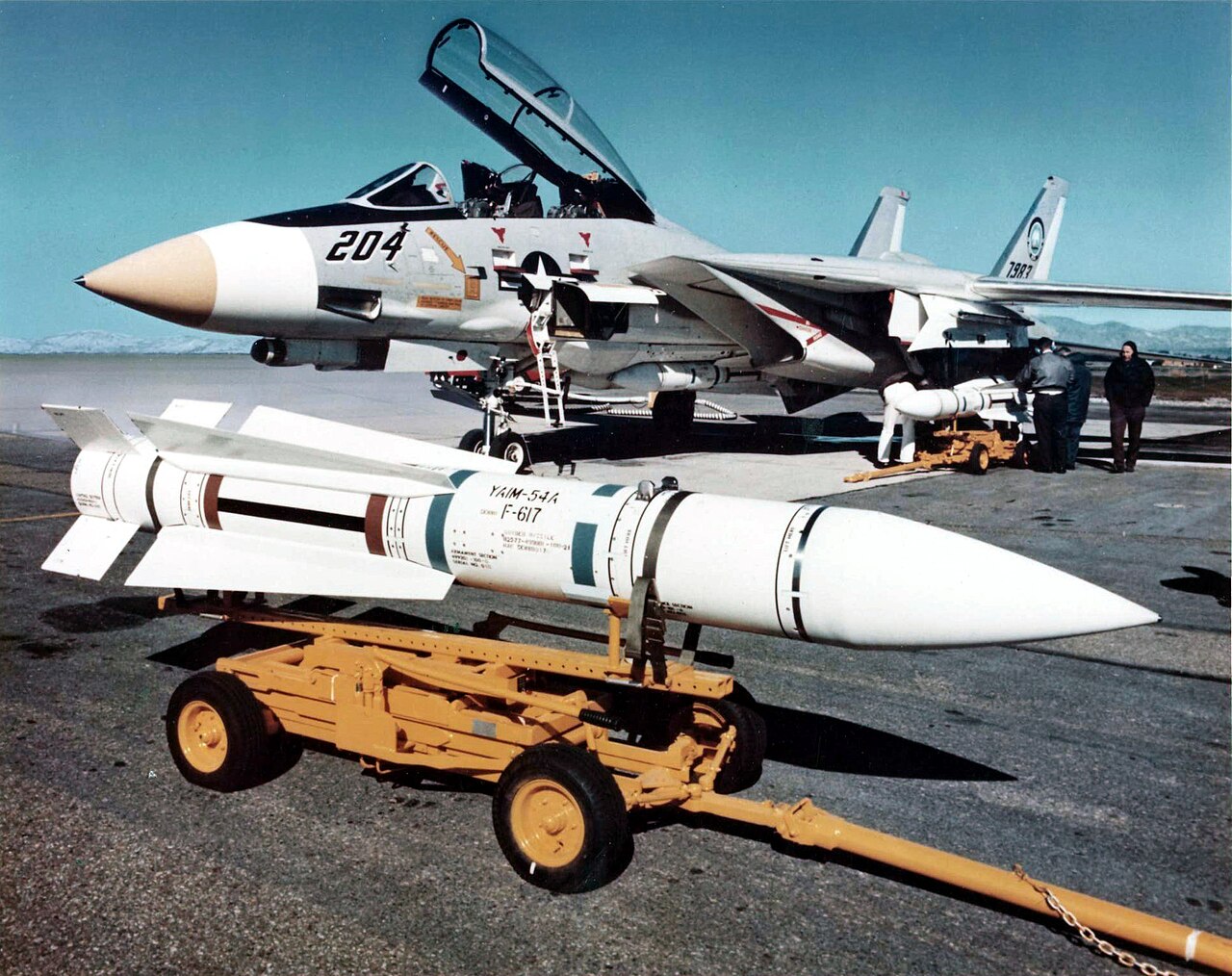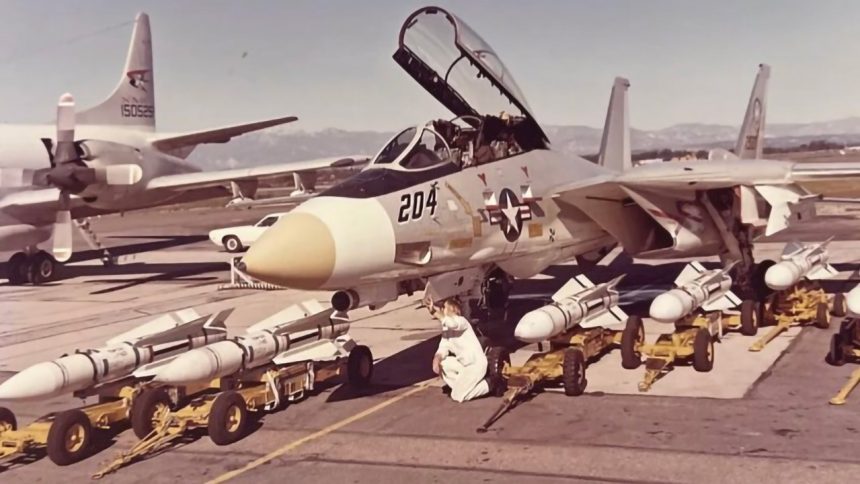
Designed for fleet air defense, the F-14 was armed with a potent long-range missile and, with a powerful new radar, could engage multiple airborne targets at once.
The United States Navy’s F-14 Tomcat was the most potent fleet defense aircraft of its time. Its AIM-54 Phoenix missile had a long range, the new AWG-9 radar and fire control system was very powerful, the combination could track and engage multiple targets effectively at the same time, at least on paper. But would it perform in the real world?
Previous Testing
In late April 1972, two pre-production Grumman F-14 Tomcat aircraft assigned to the Naval Air Missile Test Center, Point Mugu, California, began testing the Hughes AIM-54 Phoenix air-to-air missile. The aircraft involved included bureau number 157983, the forth Tomcat built and also the first to receive the new Hughes Aircraft Company AN/AWG-9 radar and fire control system, and bureau number 157988, the ninth F-14 produced.
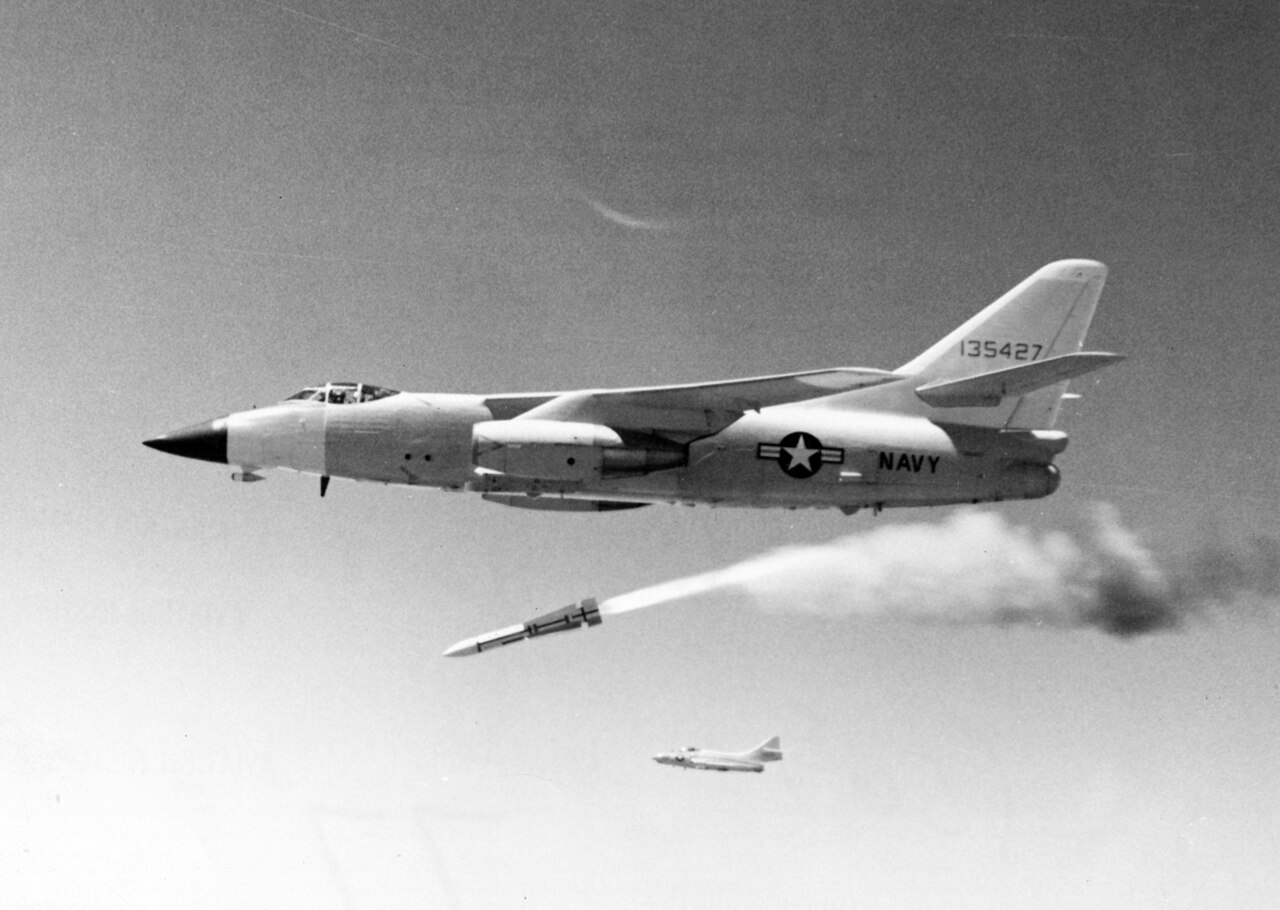
Earlier tests of the AIM-54 at Point Mugu began in 1965 with an A-3 Skywarrior as the test aircraft. The first interception by the Phoenix missile was on May 12, 1966, when a drone was destroyed. The first multiple launch (2) of the AIM-54 occurred from an F-111B against a pair of drones in March 1969.
Test pilots for the program were Commander John R. Wilson Jr. and Radar Intercept Officer (RIO) Lt. Commander Jack Hawver. Previous tests conducted by the program included shooting down a target drone at over 100 miles, along with other simulated targets of fighters, bombers, and even cruise missiles being successfully engaged and destroyed.
In April 1973, flying at Mach 1.5 at 50,000 ft, a BQM-34E high-speed target drone, simulating a bomber, would utilize intermittent noise jamming but was detected at long range at 132 nautical miles (NM) by the F-14 flying at 44,000 ft. Accelerating to Mach 1.5, the F-14 launched a Phoenix at the BQM-34E at a distance of 110 NM. The AIM-54 flew to an altitude of 103,500 ft before dropping down within lethal distance in less than 3 minutes, covering a horizontal distance of 72.5 NM. Never before had an air-to-air missile flown so high and so far to make an intercept.
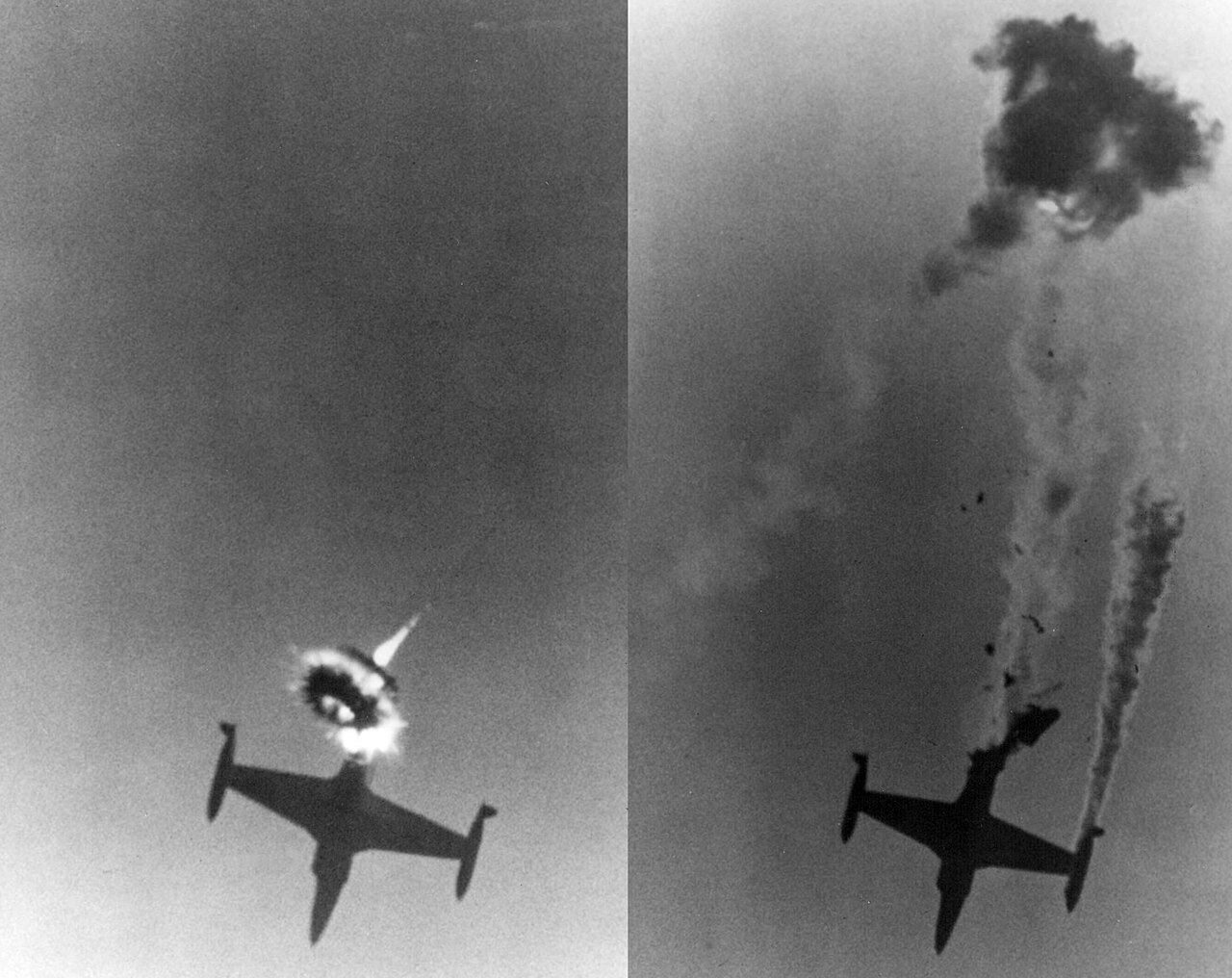
Since the AWG-9 was a multi-channel system with six channels dedicated to guidance of the AIM-54 to six different targets, the biggest test was to be against multiple targets, six to be exact. This would tax the aircraft, crew, missiles, and avionics to the maximum in preparation for perceived threats from the Soviet Union, including the new Tupolev Tu-26 (Tu-22) ‘Backfire’ swing-wing bomber.
The Six on Six Test
Wilson and Hawver departed Point Mugu with a full complement of six AIM-54 Phoenix missiles, with two mounted under each wing on pylons and four more under the fuselage of their F-14. Three Lockheed QT-33 (target drone versions of the T-33 trainer) were launched in opposition, along with two BQM-34As and one BQM-34E, all remote controlled high-speed target drones. The drones would simulate Backfire bombers attacking the U.S. fleet. It was Nov. 21, 1973.
Spread over a 15 NM frontage, the six targets were at altitudes of between 20,000 and 24,000 ft and moved at speeds from Mach .6 to Mach 1.1. Flying their F-14 at 28,400 ft at Mach .78, Wilson and Hawver detected the drones at distances ranging from 85 to 115 NM.
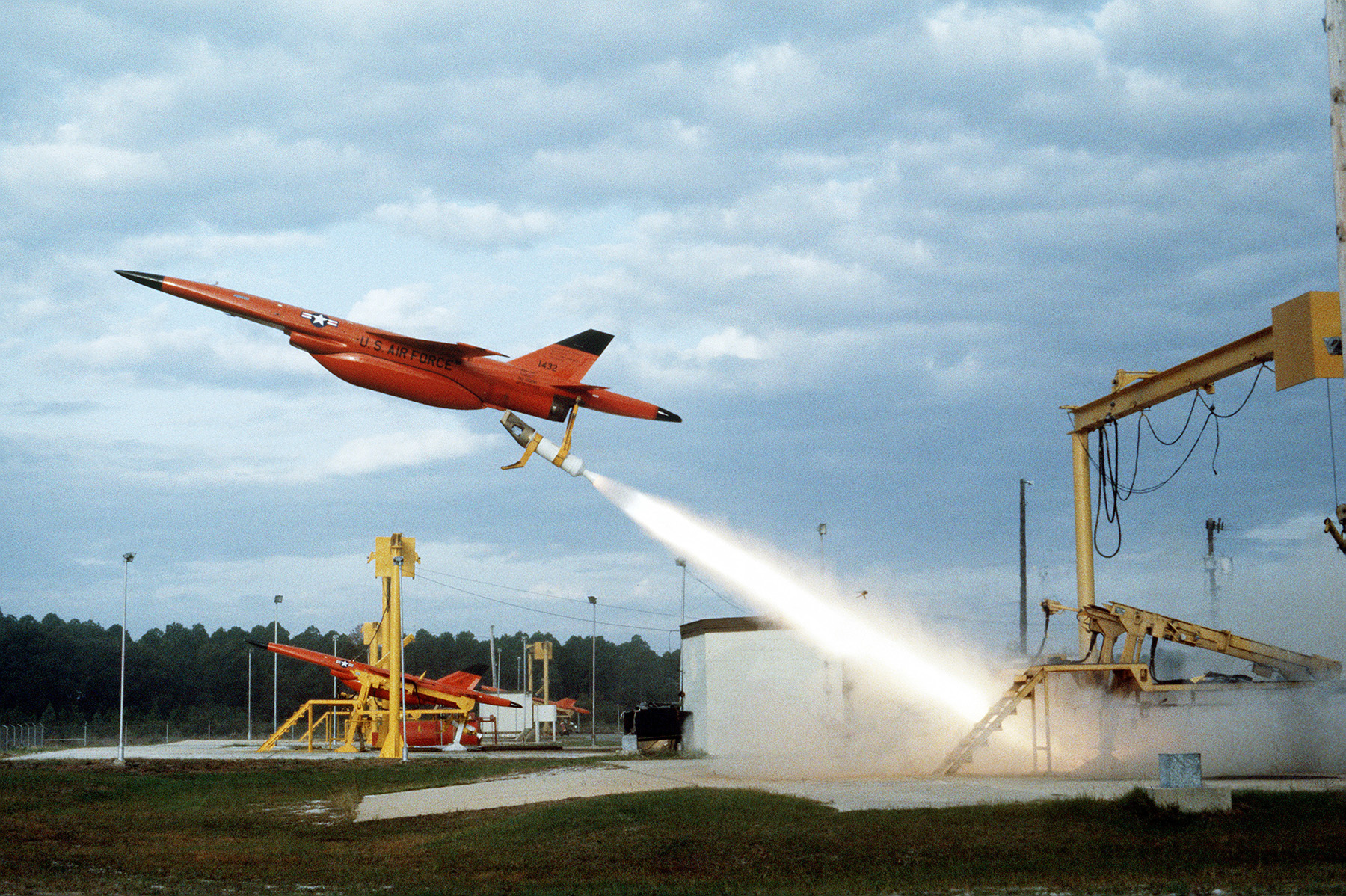
Wilson and Hawver selected the first three targets manually while the AWG-9 computer calculated and selected the second priority targets. At a distance of 31 NM the first Phoenix was launched towards its target with five more to follow within a timeframe of 38 seconds, with only 3.5 seconds between launches of the shortest interval. Wilson had launched the first Phoenix; Hawver fired number two through five with Wilson firing the sixth and last AIM-54. Below is video footage of the test.
In this rare footage, the F-14 fires six AIM-54 Phoenix missiles and assigns them to six individual targets. It turned out that only 4 drones were destroyed due to failures with the drones, but the results gave the system a rating of 80%.
Results
Four of the targets were hit including two of the QT-33’s, one of the BQM-34As, and the BQM-34E. One BQM-34A experienced a flight control module failure leading the AIM-54 targeting it to break lock with the drone; one Phoenix missile had a radar antenna fail causing it to miss its QT-33 target.
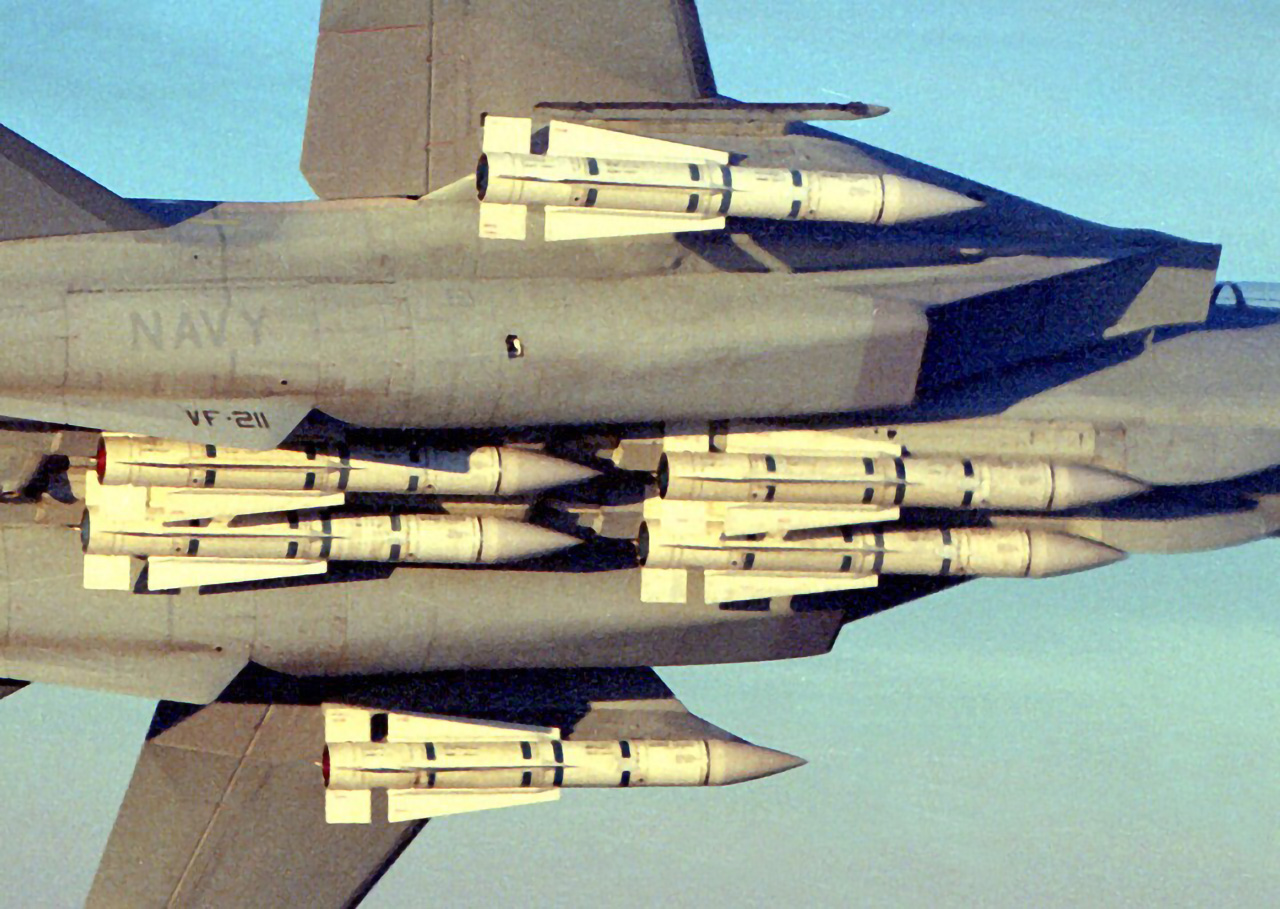
The BQM-34 that had a failed flight control module was ruled a no-test, and the only miss was attributed to the Phoenix antenna failure, giving the test an overall success rate of 80 percent. The test was considered an overwhelming success demonstrating the capabilities of the Navy’s new F-14 fighter in the role of fleet air defense and the deadly combination of the AIM-54 Phoenix missile and the AWG-9 radar and fire control system.
While it was rarely seen carrying a full complement of six AIM-54s, and the missiles were not used in actual combat but only on rare occasions (twice with three missiles total being fired) by the United States Navy, another customer had purchased the Tomcat (79 examples) along with her potent radar system and Phoenix missiles.
That country was Iran, and the F-14 and the Phoenix would demonstrate their combined effectiveness in the Iran-Iraq War from 1980-1988, with the great range of the AIM-54 well-respected and acknowledged by anyone nearing Iranian airspace for decades. It is believed the last remaining operational Tomcats may have been destroyed in the recent conflict involving Iran, Israel, and the United States in March 2026.