The U.S. Air Force leaned into a dual-track training program for the new VC-25B, leveraging civilian 747-8s and a newly acquired $400 million training fleet.
The U.S. Air Force is one step closer to fielding its next presidential transport. Aircrews are now undergoing specialized training for the Boeing 747-8, the base airframe slated to replace the current aging Air Force One fleet.
The training milestone marks a pivotal shift in the services’ efforts to modernize the presidential transport mission away from aging Reagan-era airframes. While the Boeing-led conversion of the primary VC-25B aircraft remains delayed by years and faces mounting costs, the Presidential Airlift Group is now executing for dual-track transition.
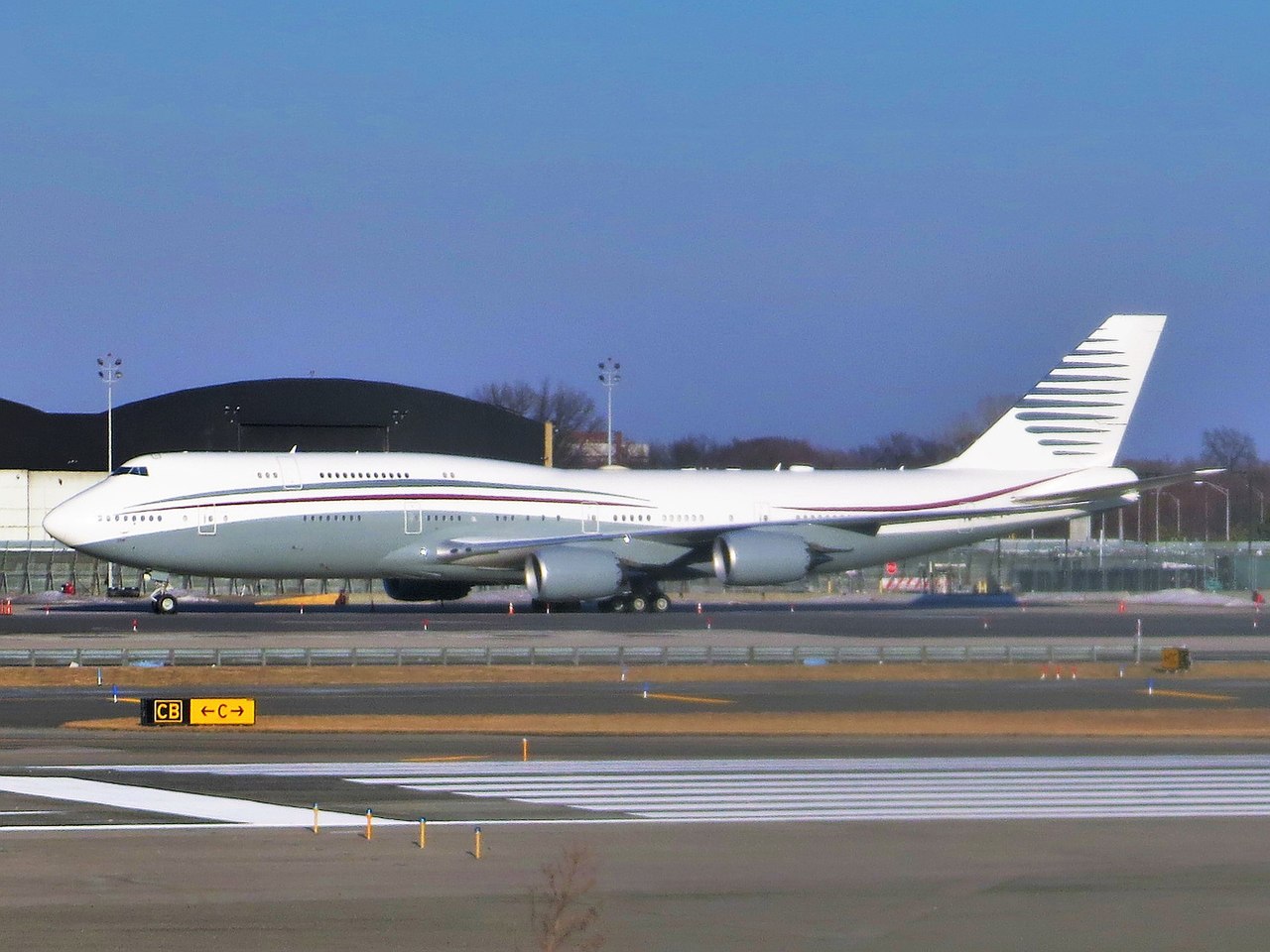
Aircrews are preparing not only for the long-term VC-25B replacement fleet, but also for the forthcoming VC-25 “Bridge” aircraft – a VIP-configured 747-8 gifted by Qatar last year and currently undergoing rapid militarization work.
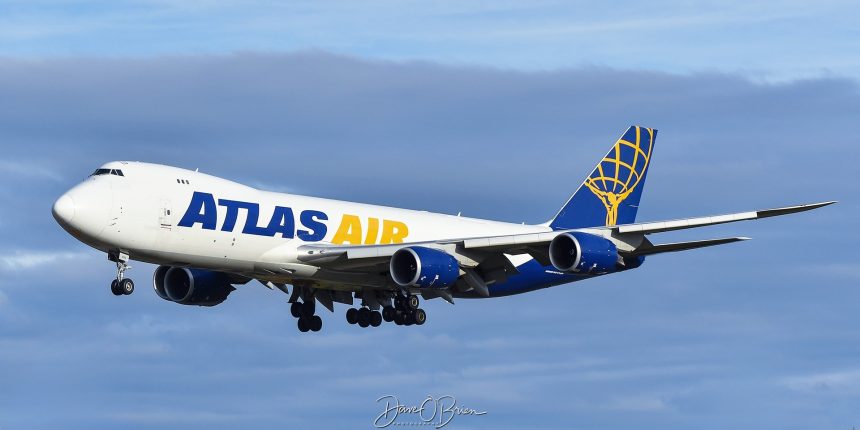
New details obtained by The Aviationist reveal the extent of the training program involving civilian 747-8 airframes owned by the cargo and charter airline Atlas Air.
Emergence of new the Air Force training program
Over the last several months, keen-eyed aviation spotters have noted unusual activity involving an Atlas Air 747-8F (registered N850GT) operating across the United States. While the airframe belongs to the cargo airline, it has frequently adopted the “VENUS” callsign – a designation traditionally reserved for training and proficiency missions conducted by the 89th Airlift Wing.
Flight tracking data from ADSBexchange confirms that N850GT, since at least December 2025, has established a regular presence at Joint Base Andrews, Maryland, the home of the presidential fleet. The aircraft’s mission, however, has extended far beyond the Washington, D.C. area. Over the last few months, the aircraft has been tracked conducting training flights at facilities such as Eglin Air Force Base in Florida and Hickam Air Force Base in Hawaii.
A notable stop for N850GT has been Majors Airport in Greenville, Texas, where L3Harris operates a maintenance facility regularly used by the Air Force and is the temporary home to the “VC-25 Bridge” aircraft as it undergoes conversion.
Boeing 747-87UF (N850GT) as VENUS03 at KGVT pic.twitter.com/btriRi6Vhh
— TT-33 operator (@Tt33operator) February 12, 2026
When reached for comment by The Aviationist, an Air Force spokesperson confirmed the military’s use of civilian aircraft for this mission but stopped short of confirming whether the training will directly prepare Air Force crew for the “VC-25 bridge” aircraft or Atlas was assisting the Air Force with other non-flight training activities.
“As part of the presidential airlift acceleration efforts, Atlas Air has been supporting initial 747-8 training for U.S. Air Force aircrew and maintainers.”
Atlas Air has also previously served as a training contractor for the Air Force’s legacy VC-25A fleet. In 2022, the Air Force extended this agreement through 2027, tasking Atlas with providing ground and simulator training for the pilots and flight engineers of the Presidential Airlift Group. According to Atlas Air, the partnership is a point of significant operational pride and the company previously noted that the last four U.S. presidents have been flown by crews who received their initial 747 certifications through Atlas.
Atlas Air did not respond to a request for comment regarding its current support of Air Force 747-8 training prior to publication.
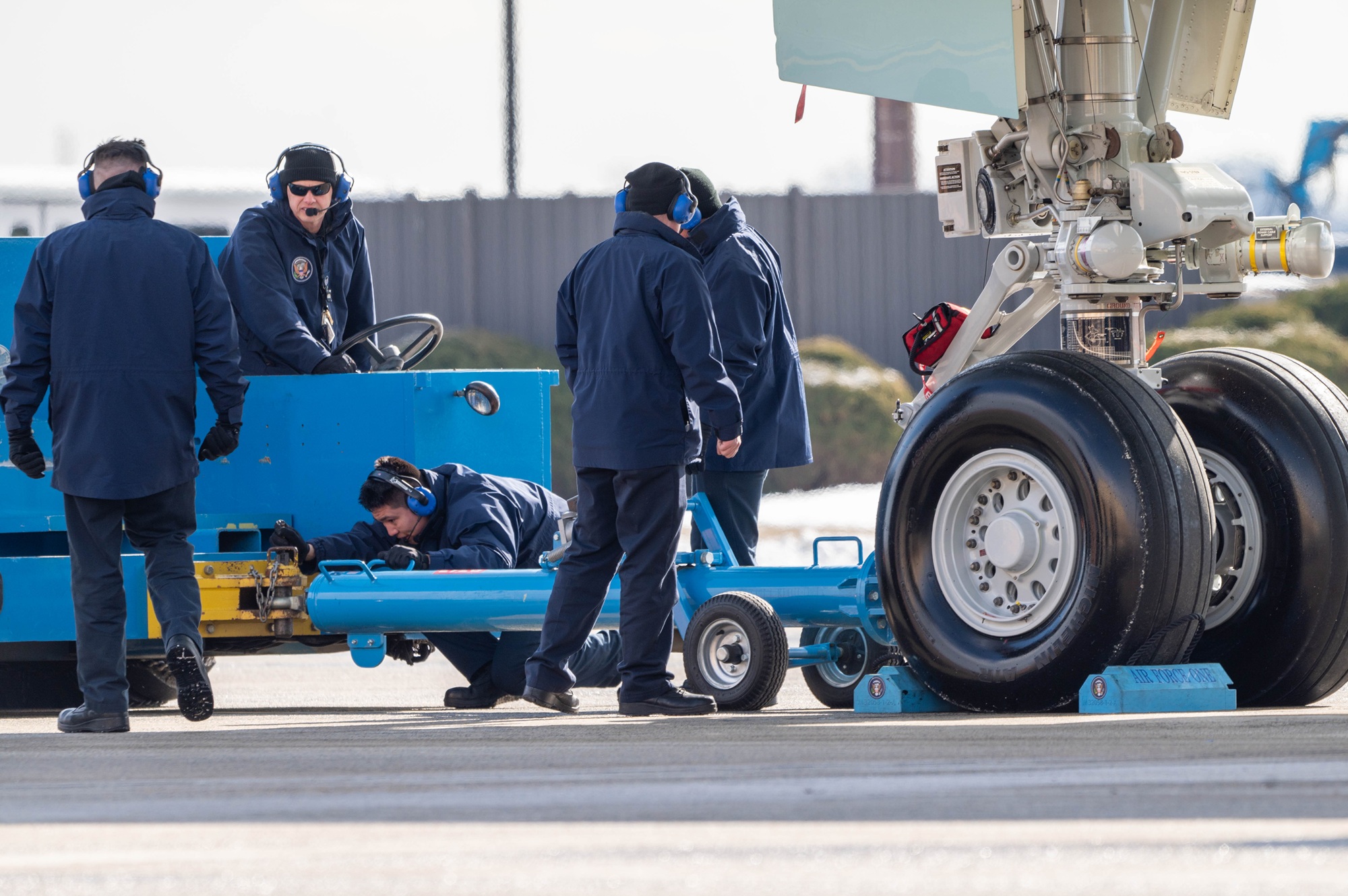
Air Force Building an Independent Internal Training Capability
In December 2025, the Air Force announced the $400 million purchase of two Lufthansa 747-8s to support crew training and establish a strategic reserve of spare parts. These airframes will serve as a critical component for the sustainment of the wider 747-8 fleet, which includes the new Air Force One and the program to replace the E-4B National Airborne Operations Center.
With deliveries beginning in early 2026, these jets will also serve as the cornerstone of the service’s training pipeline. An Air Force spokesperson told The Aviationist that the Lufthansa acquisition provides a vital, “independent internal training capability” as these platforms move toward operational status in the coming years.
New Air Force One Expected Within Months
According to reporting by the Wall Street Journal in January, the Qatari-gifted “VC-25 Bridge” 747-8 is on track to enter service no later than summer 2026. The quick turnaround of the aircraft has raised eyebrows as the similar Boeing-led VC-25B program has experienced prolonged delays since its 2018 inception and is now not expected to enter service until at least 2028.
President Trump previously cited these setbacks as a primary reason for the Air Force to accept the VIP 747 donated by Qatar.
The current VC-25A aircraft are also showing their age. As was notably reported in January, a VC-25A flight carrying Trump to Switzerland had to return to Joint Base Andrews shortly after takeoff due to a “minor electrical issue.” Trump continued the trip on the smaller 757-based C-32A aircraft.
The reshaping of the Air Force’s VIP fleet under President Trump is already becoming apparent. As The Aviationist previously reported, the Air Force released renderings of the next-generation Air Force One which featuring a white upper fuselage and a dark blue belly, separated by red and gold cheatlines, instead of the legacy Kennedy-era design. Notably, the traditional static American flag on the tail has been replaced with a “waving” flag design, mirroring the look of President Trump’s personal Boeing 757 which he used extensively during the 2024 campaign.
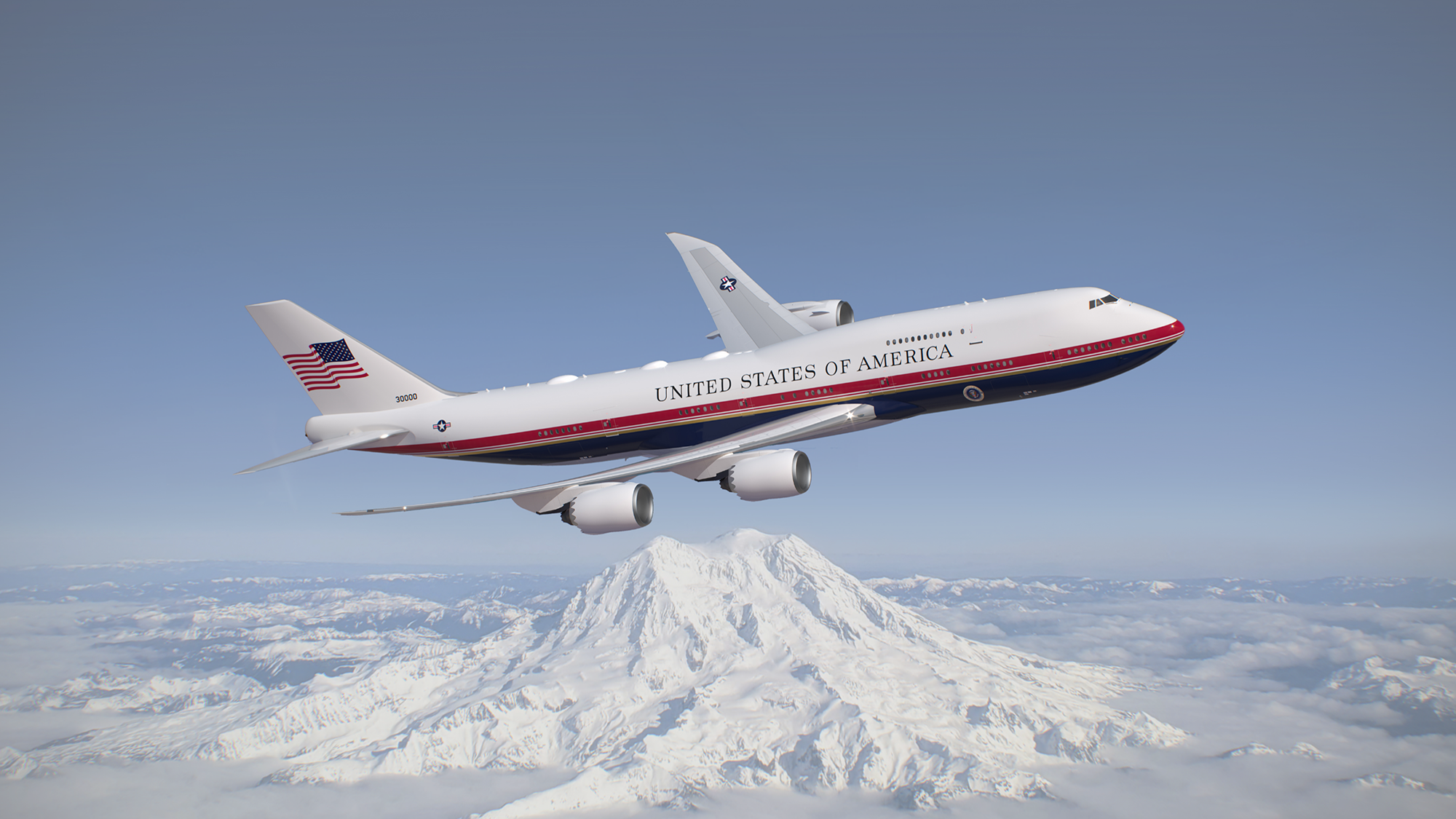
The shift has extended to the wider executive fleet as well. In February, a C-32a (registered 99-0003) was spotted departing L3Harris’ facility at Greenville, Texas, sporting the updated color scheme. A Gulfstream G700 and a Boeing 737 operated by the Department of Homeland Security have also been observed with the new paint job, signaling a wider federal aviation rebranding.
This visual alignment suggests the Air Force is moving toward a unified aesthetic for all high-level government transport as the new livery standardizes across the executive airlift fleet.