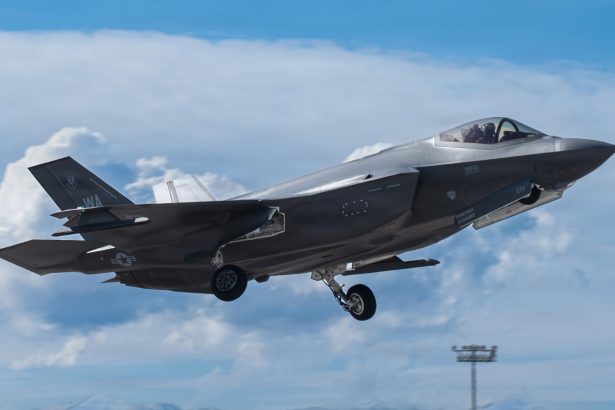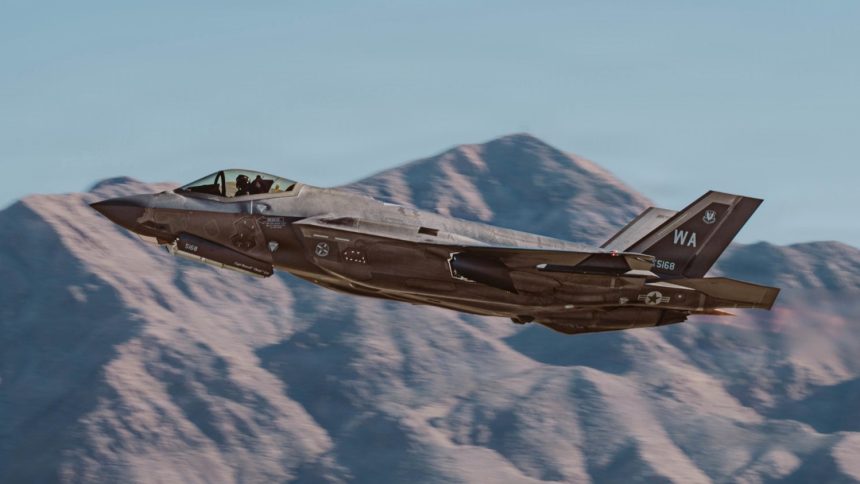
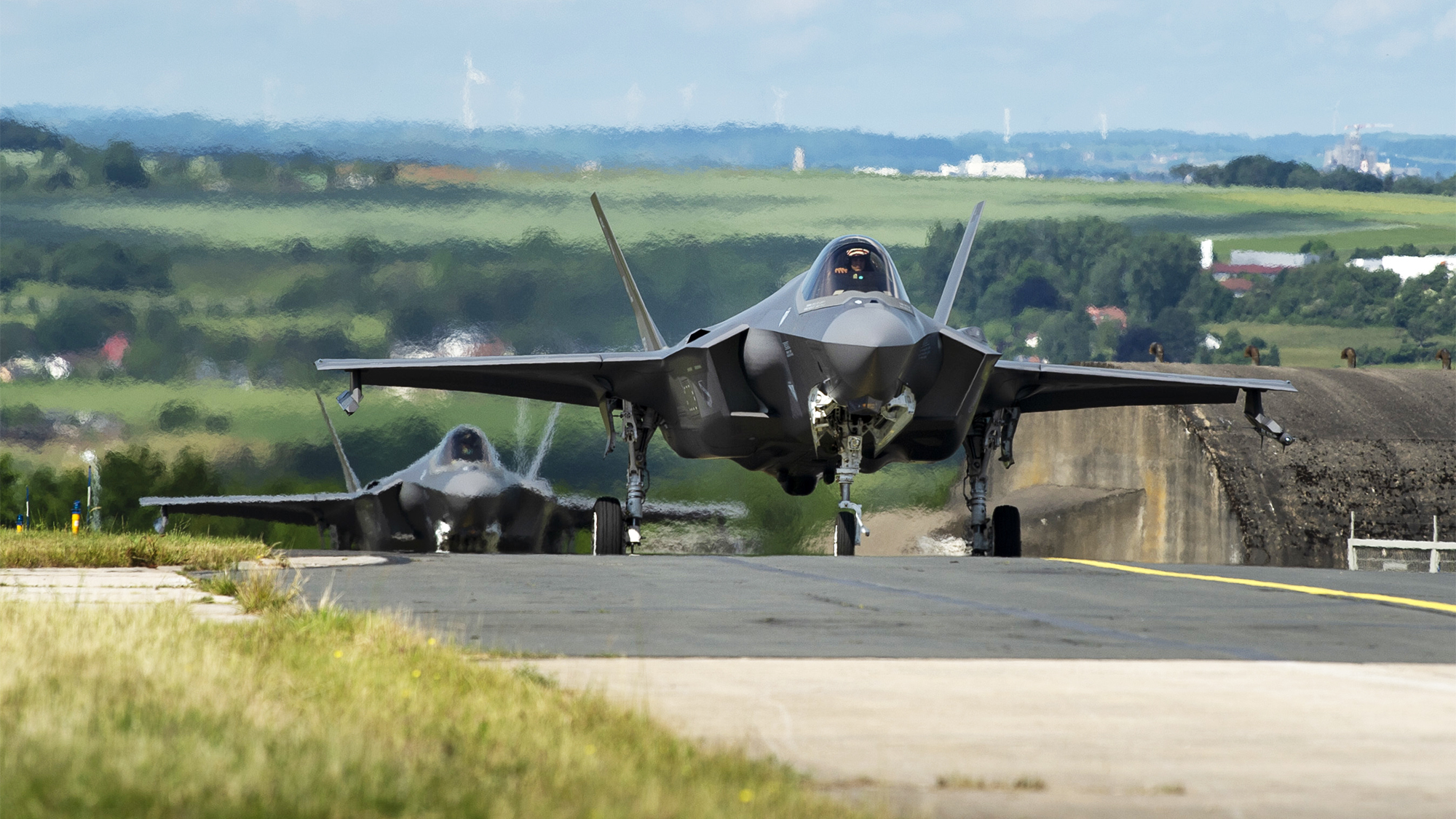
The F-35 has been tested with a new artificial intelligence-enhanced Combat Identification capability to help pilots quickly identify unknown emitters detected by its sensors.
Lockheed Martin has announced that it has tested a new artificial intelligence (AI)-enhanced Combat Identification (Combat ID) capability on the F-35 Lightning II. The test marks the first time AI has been integrated into the F-35’s systems to generate an independent Combat ID and provide it to the pilot while in flight.
Project Overwatch
The demonstration was part of Project Overwatch and was conducted at Nellis Air Force Base, Nevada, with the flight likely taking place over the nearby Nevada Test and Training Range (NTTR). Specifically, the company said the AI/machine learning model, which was built and trained in house, “resolved ID ambiguities among emitters, improving situational awareness and reducing pilot decision making latency.”
The new emitters, following the Combat ID, were labeled by an automated tool, which allowed to “retrain the AI model to learn the new emitter class within minutes.” The mission cycle was completed with the upload of the updated model on the aircraft in preparation for the next flight.
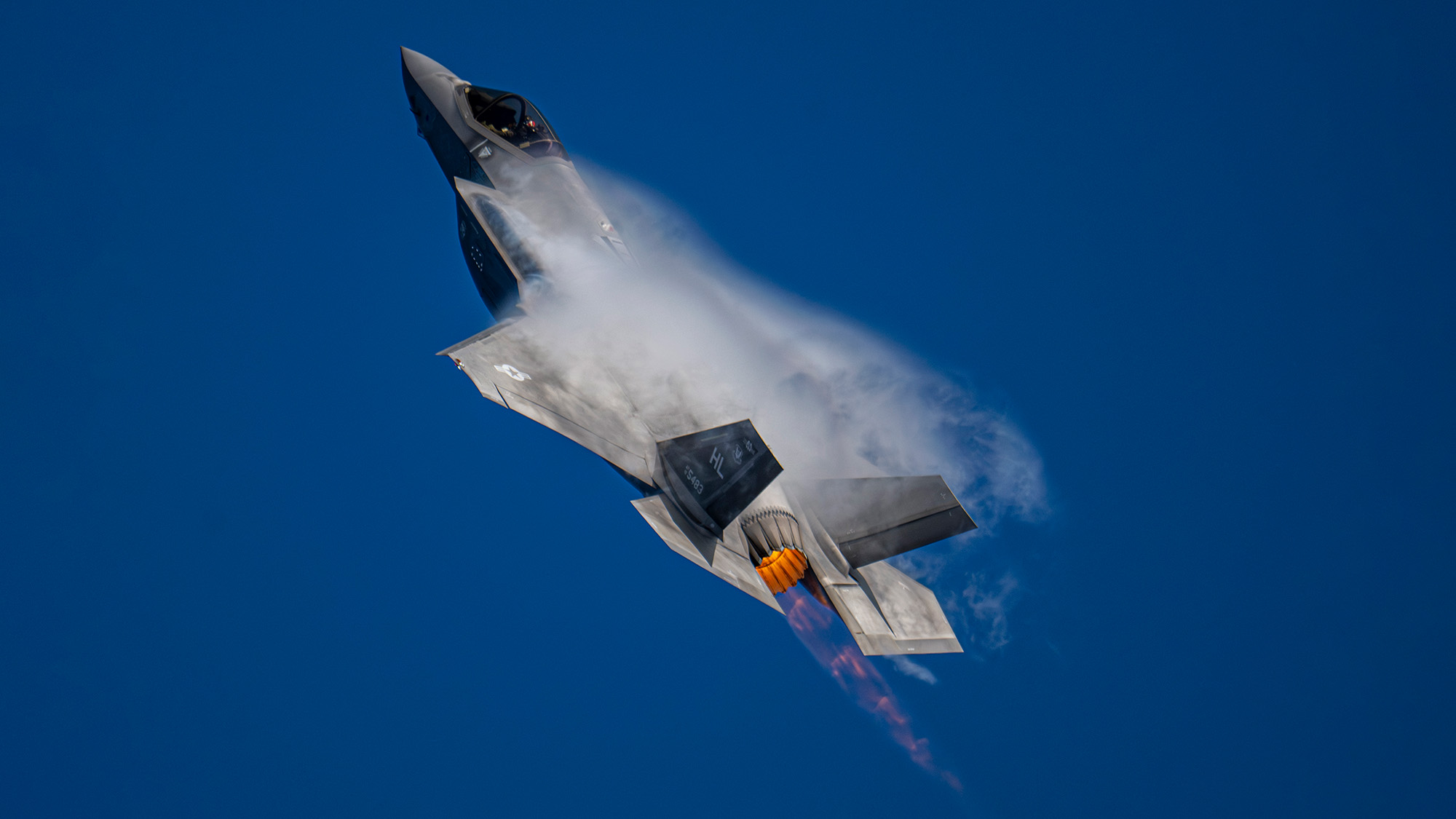
While the mention of emitters picked up by the F-35’s sensors can appear generic, in the military technical terminology, the term refers to radio-frequency emissions, such as radars, communication systems, and air defense systems. These are picked up by the fighter’s antennas, including the ones of linked to the self-protection system.
Thus, while not specifically mentioned by the company, the new AI-enhanced system could be meant to assist pilots to quickly identify threats to the aircraft, especially the ones which are not yet included in the threats database. In turn, this would allow to help the survivability and the situational awareness.
“This is a demonstration of 6th Gen technology brought to a 5th Gen platform,” said Jake Wertz, vice president of F‑35 Combat Systems at Lockheed Martin Aeronautics. “Equally important is our ability to re‑program the AI model on the ground and have those updates available for the next sortie – an essential step toward maintaining a tactical edge in a rapidly evolving threat environment.”
The details provided by Lockheed Martin are limited and it is unclear whether the integration of this AI tool is part of the new capabilities currently being integrated on the F-35 as part of the ongoing upgrades. However, the wording used by the company appears to point out to an internally developed capability, with the Air Force helping with the testing to assess the maturity of the technology and the feasibility of a future integration.
“Initiatives like Project Overwatch demonstrate how we’re innovating with intent, building solutions that integrate seamlessly and deliver immediate value,” said the company in the press release. “These flight test results will inform future development and potential integration pathways.”
The decision to test the new capability at Nellis AFB makes sense if, as mentioned earlier, the system is meant to assist the pilots to identify threats to their aircraft. The NTTR is in fact equipped with systems that allow the replication of many air defense systems, such as the Joint Threat Emitter, as well as real systems, providing plenty of emitters for the testing of the new capability.
F-35 Against Air Defenses
One of the primary mission sets of the F-35 Lightning II is the Suppression/Destruction of Enemy Air Defenses (SEAD/DEAD), which sees the pilots use the jet’s stealth, radar, sensors and targeting systems to detect and destroy surface-to-air threats. SEAD and DEAD missions aim to prevent the use of an air defense system and to completely destroy it, respectively.
Even without the use of the specialized AGM-88 High-speed Anti-Radiation Missile (HARM), the F-35 has widely demonstrated these capabilities in missions such as Operation Midnight Hammer in 2025. In fact, until the AGM-88G Advanced Anti-Radiation Guided Missile Extended Range (AARGM-ER) is fielded, the F-35 can still count on various stand-off weapons, including the GBU-39 Small Diameter Bomb (SDB), to go against air defenses.
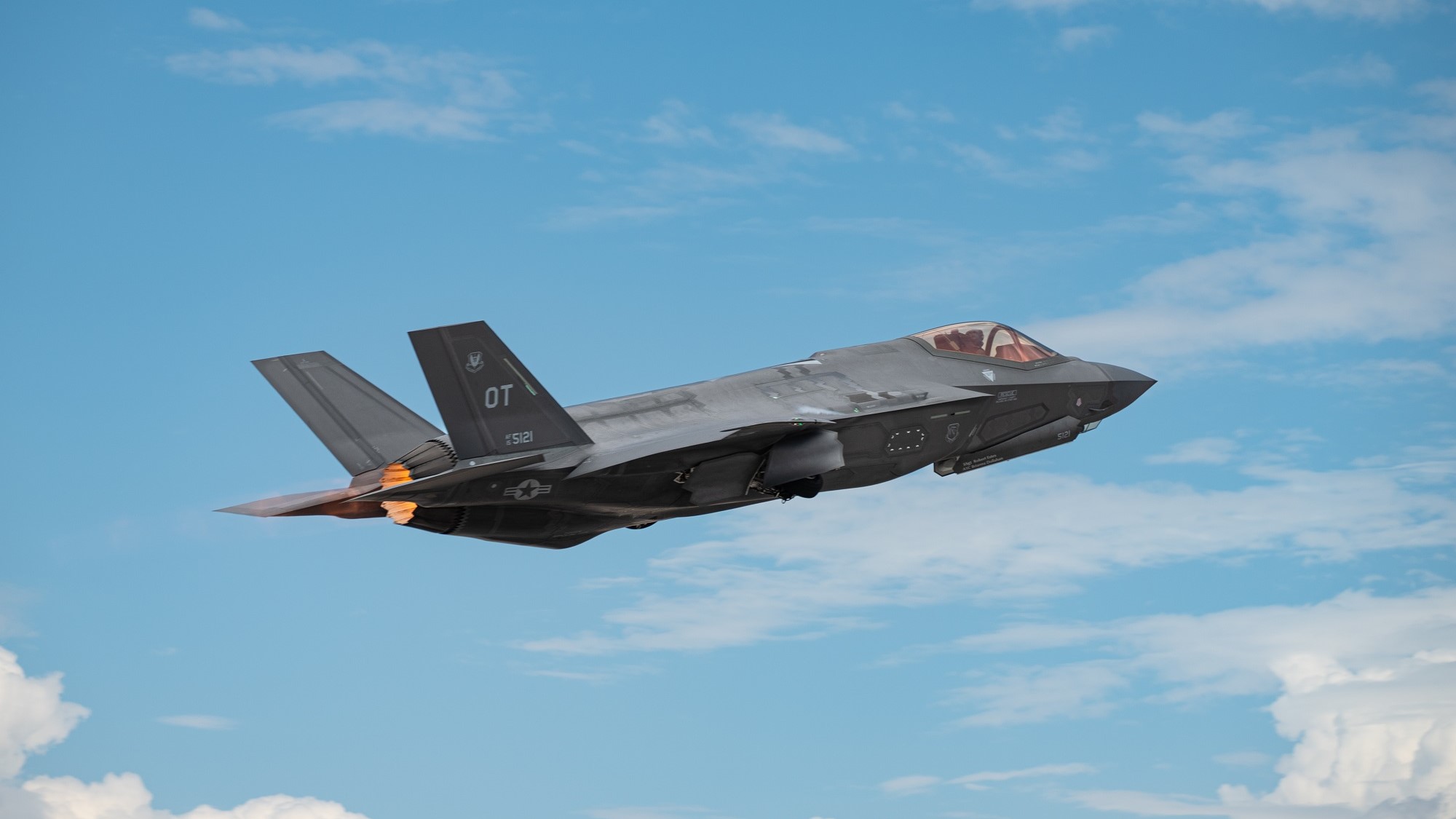
The F-35 is said to have the ability to locate and track enemy forces, jam radio frequencies and disrupt attacks from stand-off distance, using both Electronic Support Measures (ESM) and the Active Electronically Scanned Array (AESA) radar. The combination is said to provide the jet with sophisticated electronic attack capabilities, including false targets, network attack, advanced jamming and algorithm-packed data streams.
In addition to this, the AN/ASQ-239 electronic warfare suite provides fully integrated all-aspect radar warning, targeting support, and self-protection, allowing to detect and defeat both surface and airborne threats. The system is optimized to work in signal-dense, highly contested scenarios, such as the ones of modern Integrated Air Defense Systems (IADS) and Anti-Access/Area Denial (A2/AD) environments.