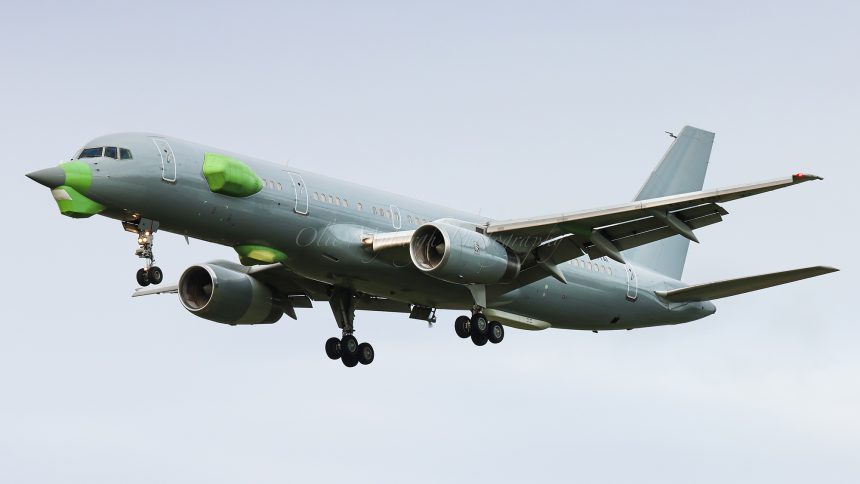
The Boeing 757 Excalibur Flight Test Aircraft began its latest series of test flights last week sporting a brand new radome grafted onto its nose, along with new fuselage fairings.
The Boeing 757-200, formerly a passenger aircraft for a number of airlines, completed its first modification phase in late 2024 and undertook a short program of flights. At that time, the aircraft had been fitted with three fairings on the forward fuselage – one on each side, and one on the underside.
These have now been augmented by a nose radome that is a common identifying feature of other, similar testbed aircraft, as well as a new fairing below it and another under the rear fuselage. Additionally, new forms have been fitted onto the existing underside fairing. Interestingly, and for an unknown reason, the aircraft’s ram air turbine or RAT is clearly seen deployed from the lower fuselage. The RAT is usually used for emergency power during engine failure situations.
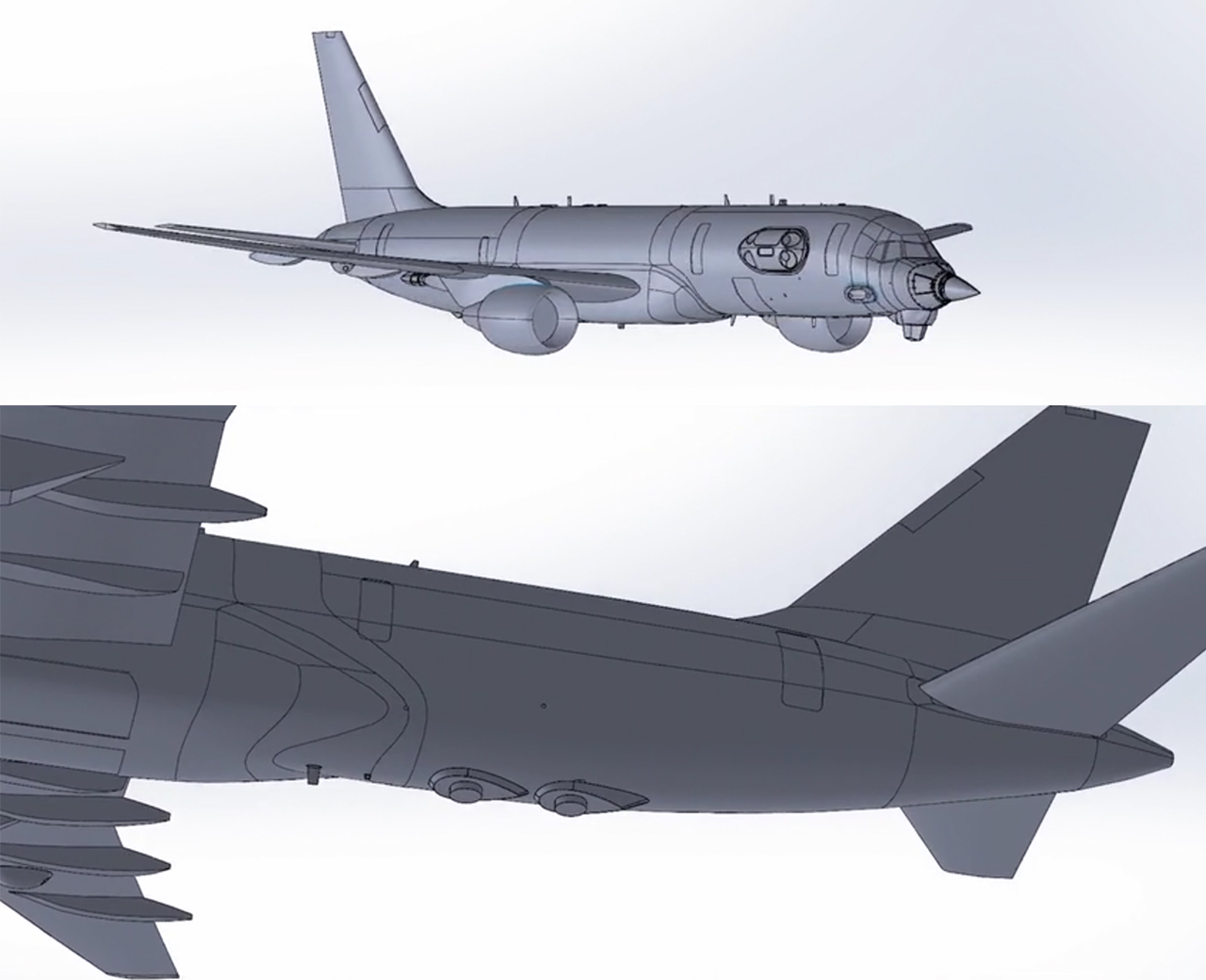
This new configuration brings the 757 Flight Test Aircraft (FTA) much closer to contracted operator 2Excel Aviation’s previously released renderings of the final planned design. Still apparently to be added are two cheek fairings – the rear fuselage fairing is also of a different appearance to the one shown, though this may simply be a new iteration of the design.
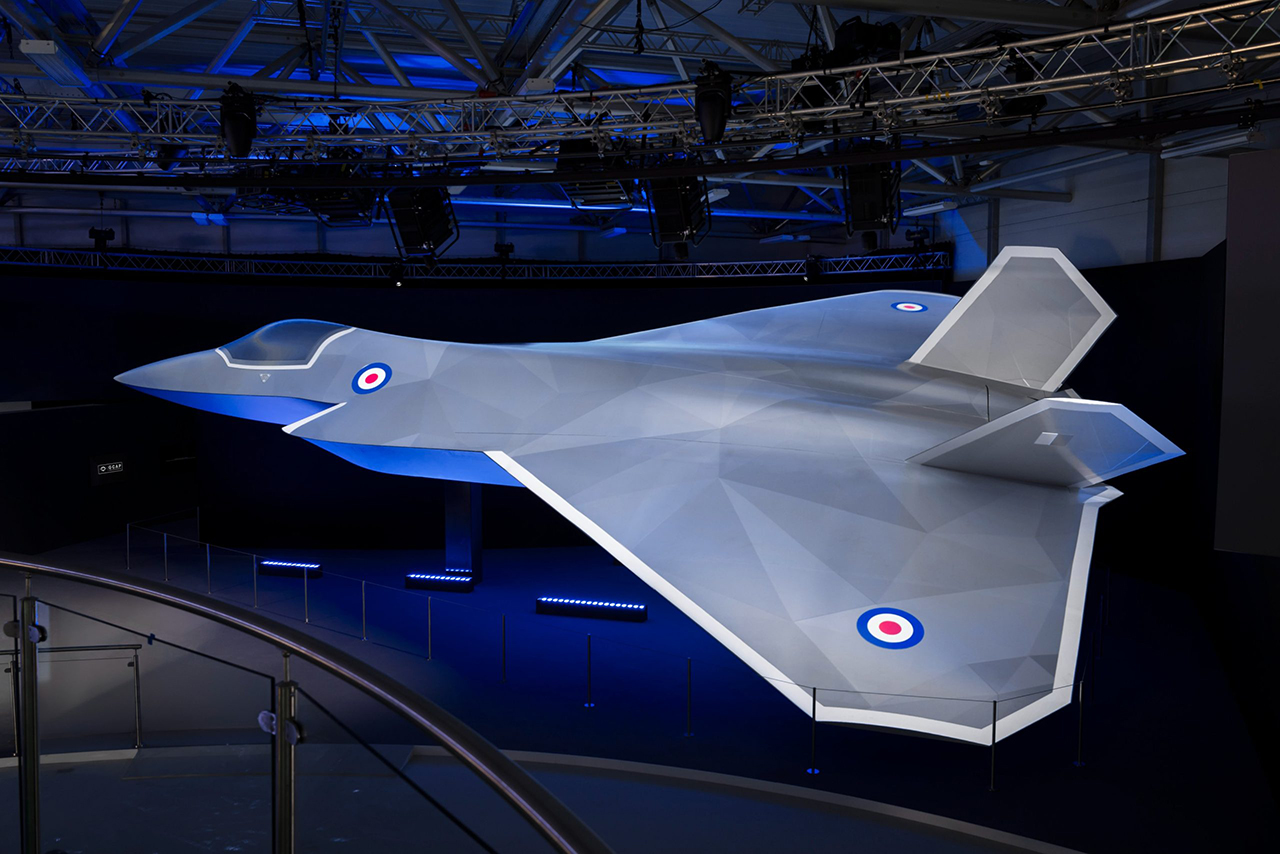
Based at MoD Boscombe Down in Wiltshire, UK, the FTA – codenamed Excalibur after the legendary sword of King Arthur, which works well with 2Excel’s BROADSWORD company callsign – is an airborne demonstrator and flying laboratory for the communications equipment, radar, and other sensors under development for the Global Combat Air Programme (GCAP). GCAP, a multinational effort by the UK, Italy, and Japan, aims to produce a flying demonstrator of a sixth-generation fighter aircraft by next year. The resulting operational fighter is then planned, from 2035, to replace the UK and Italy’s Eurofighter Typhoons and Japan’s Mitsubishi F-2s.
GCAP, notwithstanding some hiccups, is much further along in terms of progress than the Future Combat Air System (FCAS) project run by France, Germany, and Spain, with rifts over shares in production work between that program’s contributors making frequent news. Germany is reconsidering its participation in the program, with a decision reportedly expected in the coming weeks. Invitations have been extended to bring Germany into the GCAP team, though the extent of industrial involvement able to be secured at this late stage is unclear.
The 757 chosen to be developed into Excalibur was first delivered in 2000 and flew with Spanish airline Iberia for five years before a storied career bouncing between a number of different carriers. Most recently it was acquired by UK operator Titan Airways and registered as G-POWH, flying various charters – including for football teams – as well as extended lease periods to low-cost airline Jet2. The jet was re-registered as G-FTAI in 2023 and transferred to 2Excel Aviation, an aviation contractor with an extensive special missions division that notably includes a UK Government-contracted Coastguard fleet.
When news of the aircraft’s acquisition for the GCAP project broke, comparisons were immediately drawn between it and the Boeing 757 ‘Catfish’, used for F-22 developments, as well as the Boeing 737-based ‘Catbird’, which operates in support of the F-35 program.
This is the infamous N757A “Catfish”, the first Boeing 757 ever built, later extensively modified for use by Lockheed Martin as an F-22 sensor and avionics testbed. It’s been on my “to catch” list forever, so it felt really great to shoot it landing at PMD yesterday. pic.twitter.com/SuVvoNfG4e
— Jack Beyer (@thejackbeyer) June 30, 2020
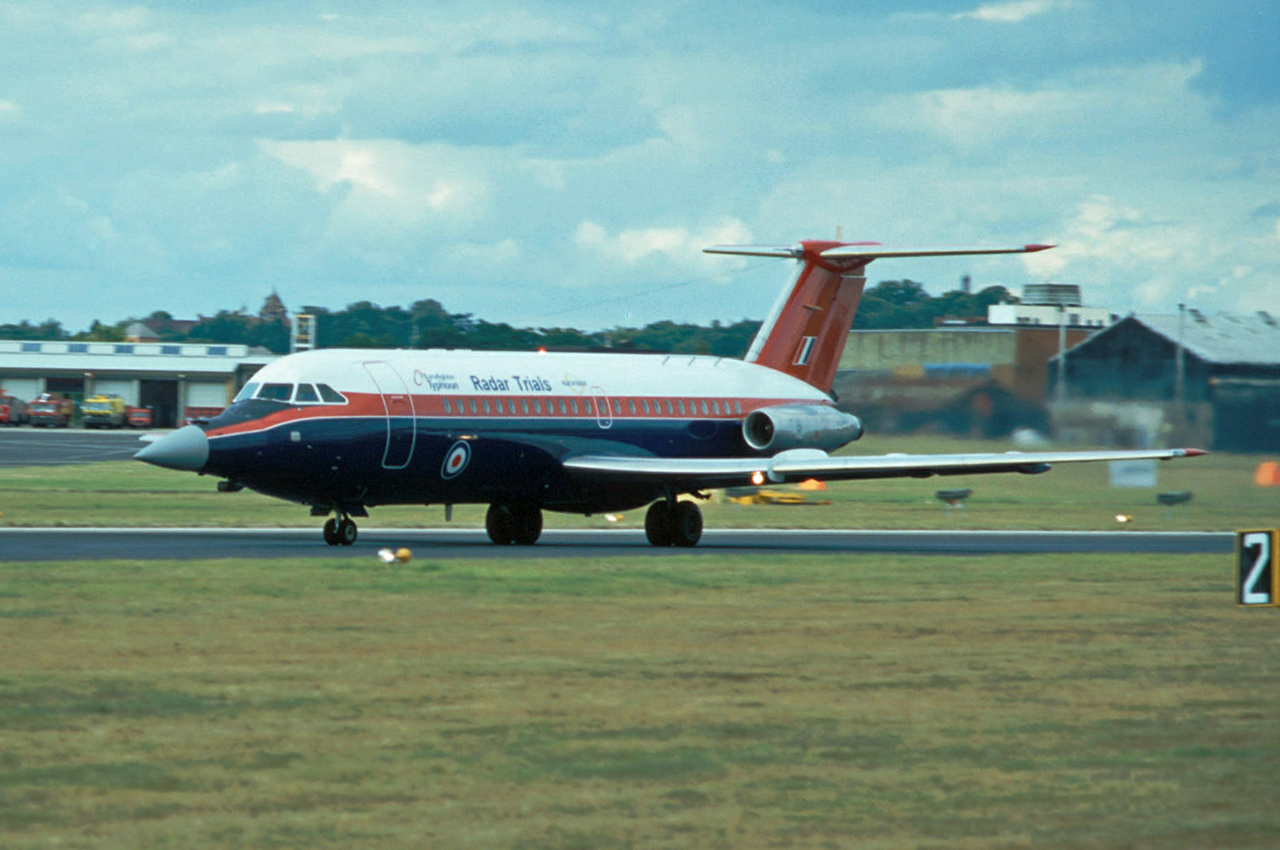
Though not as well known as their U.S. counterparts, there is a history of similar conversions in UK service. When the CAPTOR-M radar was in the development stage for the Eurofighter Typhoon, BAC 1-11 ZE433 was retrofitted with a Typhoon style nose radome as part of the test program. More recently, BAe 146 G-ETPL, operated by Qinetiq, took to the skies with a fighter radome modification for the first time in 2023.
Similar modifications were also made to helicopters to develop radar systems for newer rotary wing aircraft.
Using large airliner type aircraft for these testbeds rather than previous generation fighters is beneficial for a number of reasons. First of all, due to their size and weight, the addition of new fairings and systems has a comparatively reduced burden on the aircraft’s overall aerodynamics and flight characteristics. Inside, with an abundance of space available, a large amount of associated equipment can be carried along with personnel to operate and monitor the systems being tested.
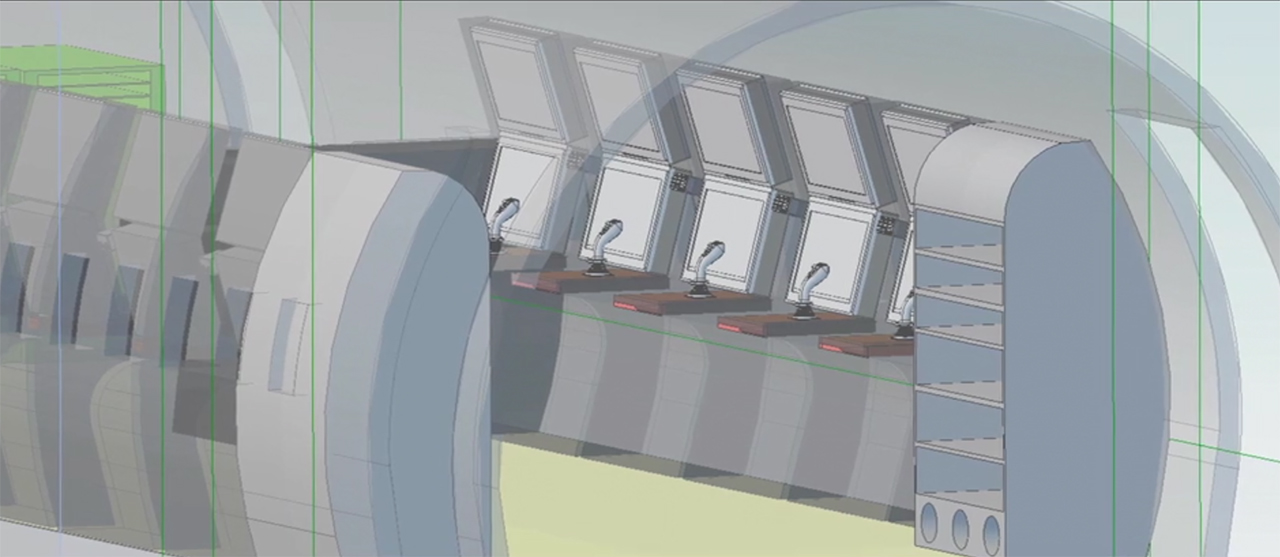
In Excalibur’s case, this internal equipment is said to include various workstations as well as a full virtual cockpit. Originally designed with the comforts of passenger service in mind, excess electrical power generation from the two Rolls-Royce turbofan engines can now be used to power the flight test equipment.
A second 757 aircraft, G-BYAW, was also acquired by 2Excel as part of the Excalibur project. This aircraft was subsequently meticulously disassembled and reproduced virtually in order to create a fully accurate digital twin of G-FTAI. Digital twinning technology means that a computer recreation of the aircraft, calibrated to be accurate using the real aircraft as a benchmark, can be used for extensive testing and modelling on the ground without using the expensive and ultimately finite flight hours of a real aircraft. Promising results can then be verified using the real aircraft.
GCAP will now likely support 3 flight test airborne labs for radar/sensors/comms – 757 Excalibur in UK, Gulfstream bizjet in Italy, and modified C2 transport in Japan. https://t.co/2uxJVHC32G
— Tim Robinson (@RAeSTimR) September 9, 2025
Two other flying testbeds, one for Italy and one for Japan, are likely to join Excalibur in the coming years.
Thanks to Olie Myburgh for allowing the use of his excellent images of the Excalibur 757 in this story. You can find his aviation photography work on Facebook and Instagram.