Lockheed Martin completed the first demo of the Sniper Networked Targeting Pod, validating the new real-time data sharing capability between F-16s and ground stations.
Lockheed Martin has completed a multi-aircraft flight demonstration of its new Sniper Networked Targeting Pod (NTP), validating the new capability to exchange targeting data in real-time between two F-16 fighters and a ground station, according to a company statement released on Jan. 30, 2026. The demo, whose timing and location were not disclosed, follows the unveiling of the system in November 2025.
The event marks the inaugural flight test of the Sniper NTP in a networked configuration. Lockheed Martin says this represents a step forward in turning a long-established electro-optical/infrared (EO/IR) targeting pod into what the company describes as a “battlespace connector,” capable of sharing sensor data across platforms in near real time.
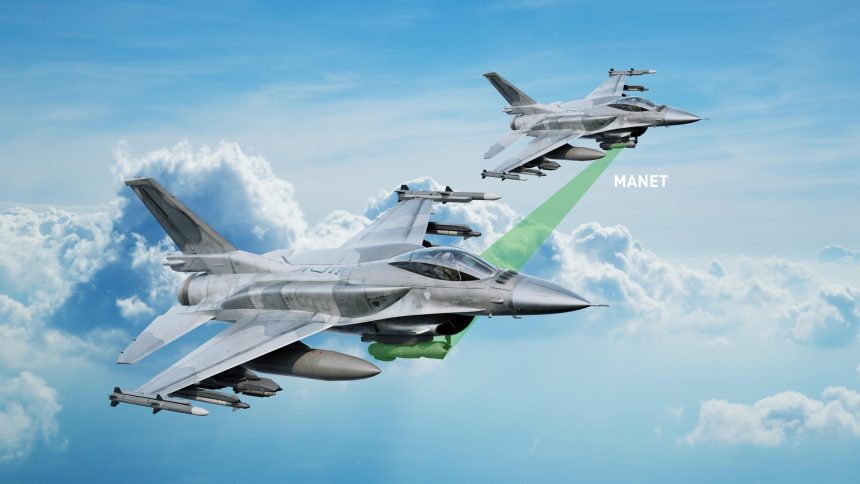
The demonstration was conducted with support from Lockheed Martin Aeronautics and its 5G.MIL initiative, which focuses on resilient, high-speed communications for military applications. According to the company, the flight validated the ability of two upgraded Sniper pods to exchange targeting information with each other and simultaneously transmit that data to a ground station, creating a shared tactical picture for both airborne and ground users.
From Sensor to Network Node
Unlike traditional targeting pods, which primarily serve the host aircraft, the Sniper NTP is designed to act as a networked node within a wider command-and-control architecture. Lockheed Martin says the pod can connect through mobile ad hoc network (MANET) radios and secure datalinks, enabling aircraft to exchange sensor data directly and to re-establish connectivity automatically if a link is disrupted.
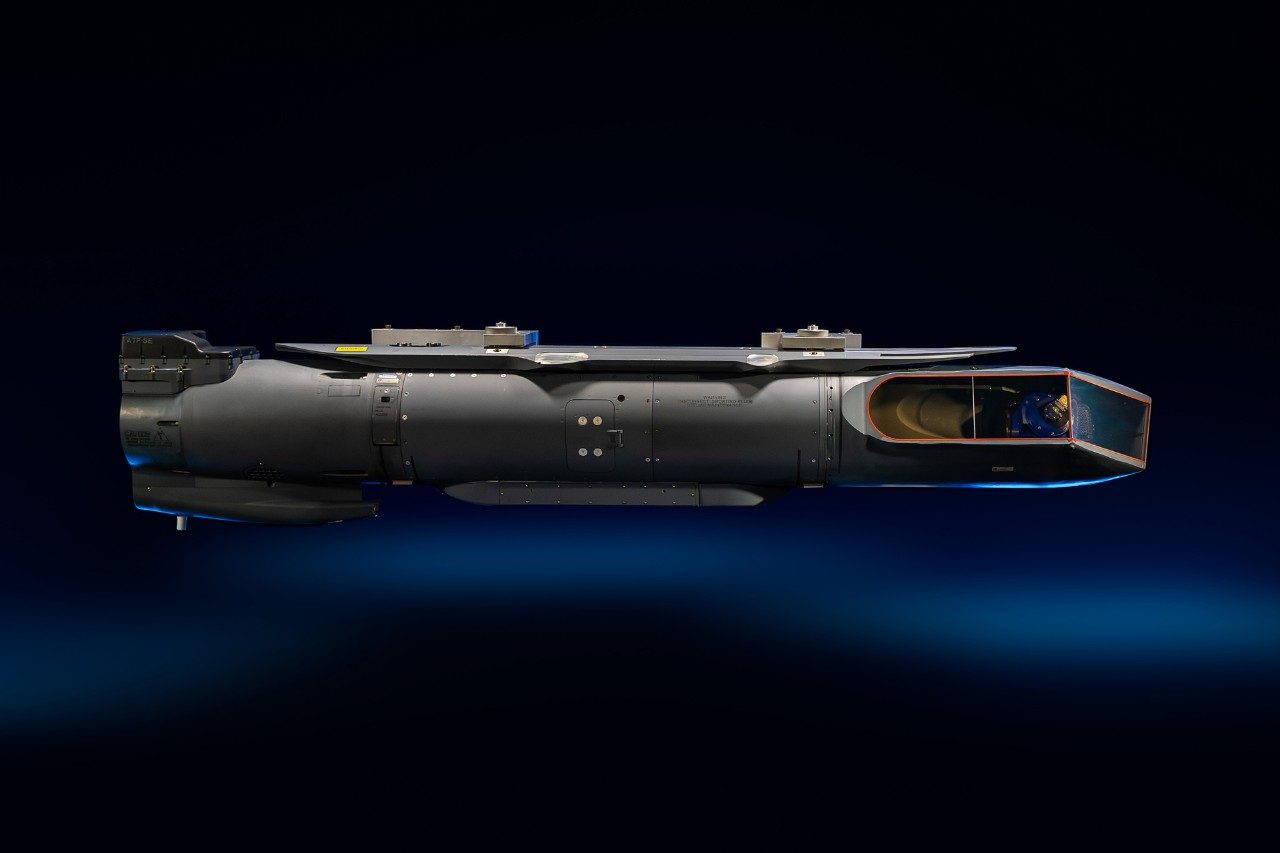
The latter is an important feature in light of today’s and tomorrow’s contested environments where jamming or intermittent connectivity is expected. The increasing use of electronic warfare to disrupt communications and data transmission can in fact be noted across current conflicts, most notably in Ukraine where electronic warfare has been used to disrupt UAV control links and targeting systems.
Lockheed Martin says this allows to reduce latency between detection, identification, and engagement. This is especially important as today’s scenarios become increasingly complex with the introduction of new advanced threats, and quickly sharing information becomes critical for situational awareness.
“In today’s battlespace, seconds matter,” Lockheed Martin said in its statement, emphasizing that intelligence, surveillance, and reconnaissance (ISR) functions are increasingly executed in parallel rather than sequentially. The firm argues that the ability to move trusted data instantly between platforms can compress the so-called “kill chain” from minutes to seconds.
Building on a Proven System
As previously reported by The Aviationist when the Sniper NTP was unveiled in November 2025, the new pod builds on the widely fielded AN/AAQ-33 Sniper Advanced Targeting Pod (ATP) by integrating a Hybrid Base Station (HBS) featuring multiple processors and datalinks. This integration effectively turns the pod into an airborne communications and edge-computing hub.
Externally, the pod retains the familiar shape of the Sniper ATP, with the addition of a conformal section under the mid-body of the pod. That section is believed to house antenna arrays for the new datalink functions.
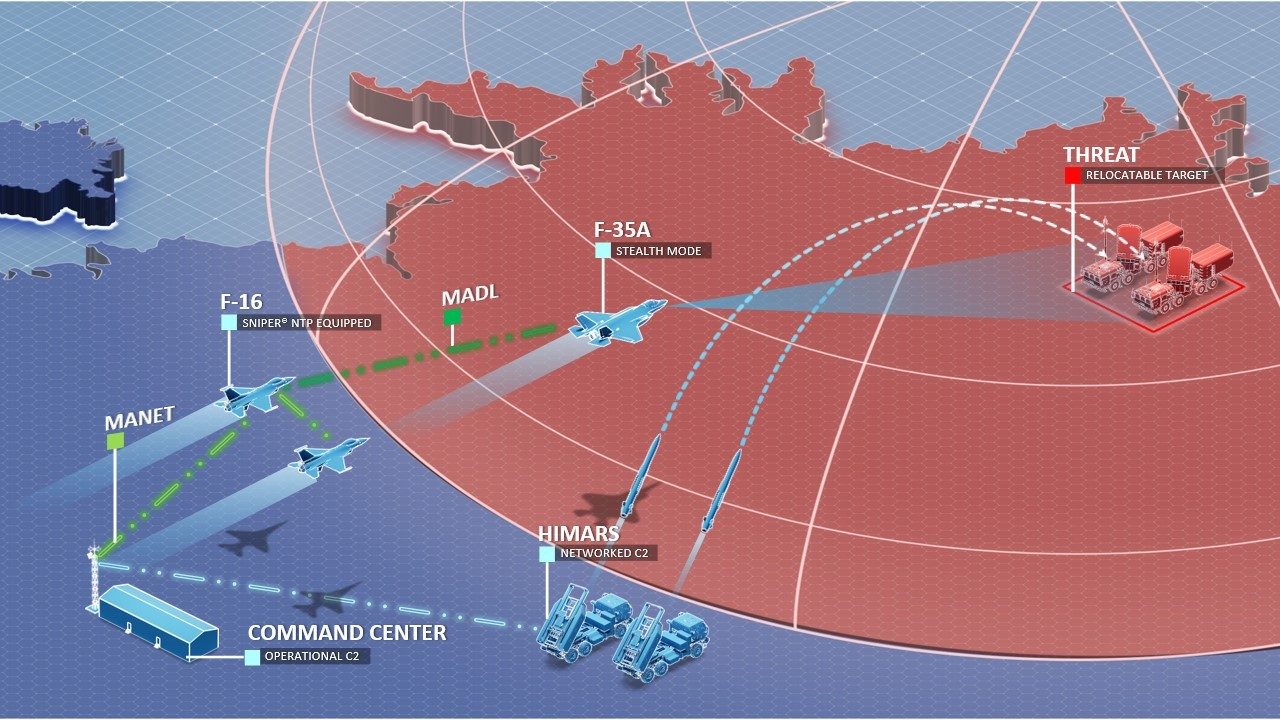
According to Lockheed Martin, the HBS architecture is flexible enough to support multiple waveforms and processors. Among the ones mentioned are the Multifunction Advanced Datalink (MADL) for interoperability with the F-35 Lightning II and MANET radios for mesh networking between fourth-generation aircraft and other assets.
This configuration is intended to allow legacy fighters to receive and act on data generated by fifth-generation platforms without requiring structural or avionics modifications to the aircraft itself. The ability to integrate MADL is particularly important, as it allows the F-35 to maintain its low probability of detection (LPD)/low probability of intercept (LPI) while transferring data, something that does not apply to Link 16.
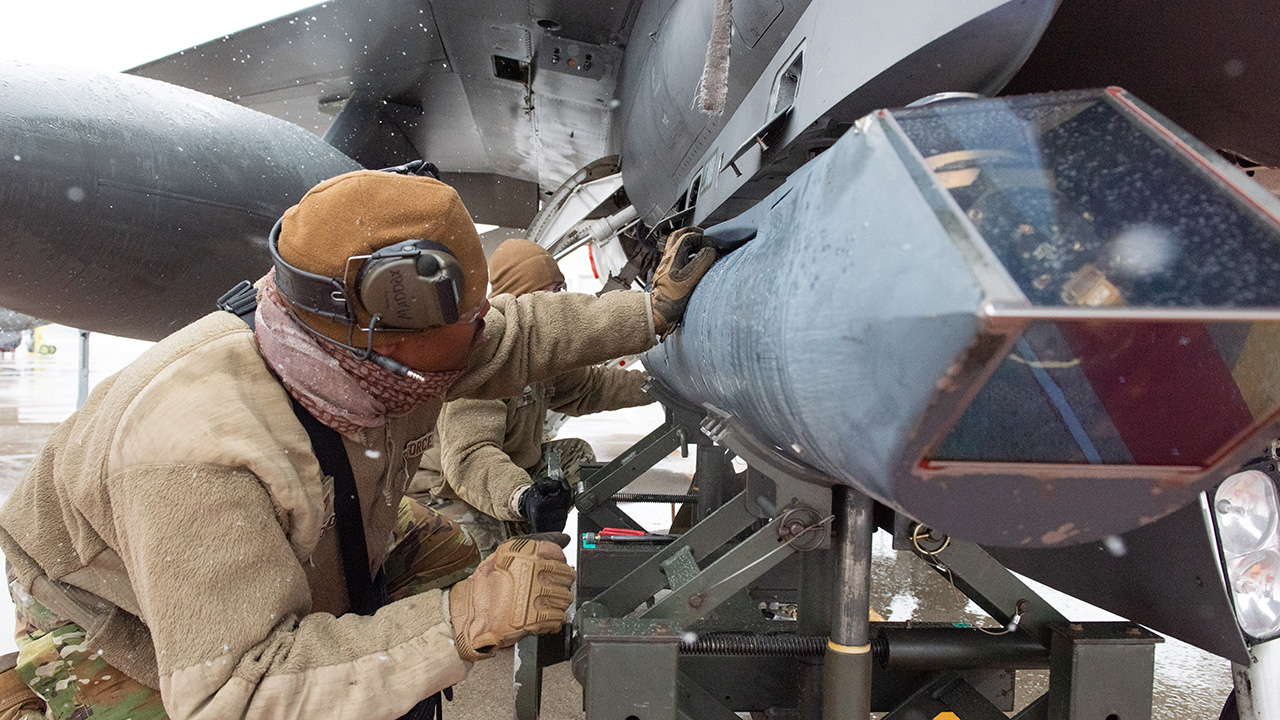
Lockheed Martin has described the Sniper NTP as a “plug-and-play” upgrade path that can add secure communications and processing capability to existing fleets. This would suggest that platforms already cleared for the use of the Sniper ATP can seamlessly integrate the new variant.
Bridging Fourth- and Fifth-Generation Aircraft
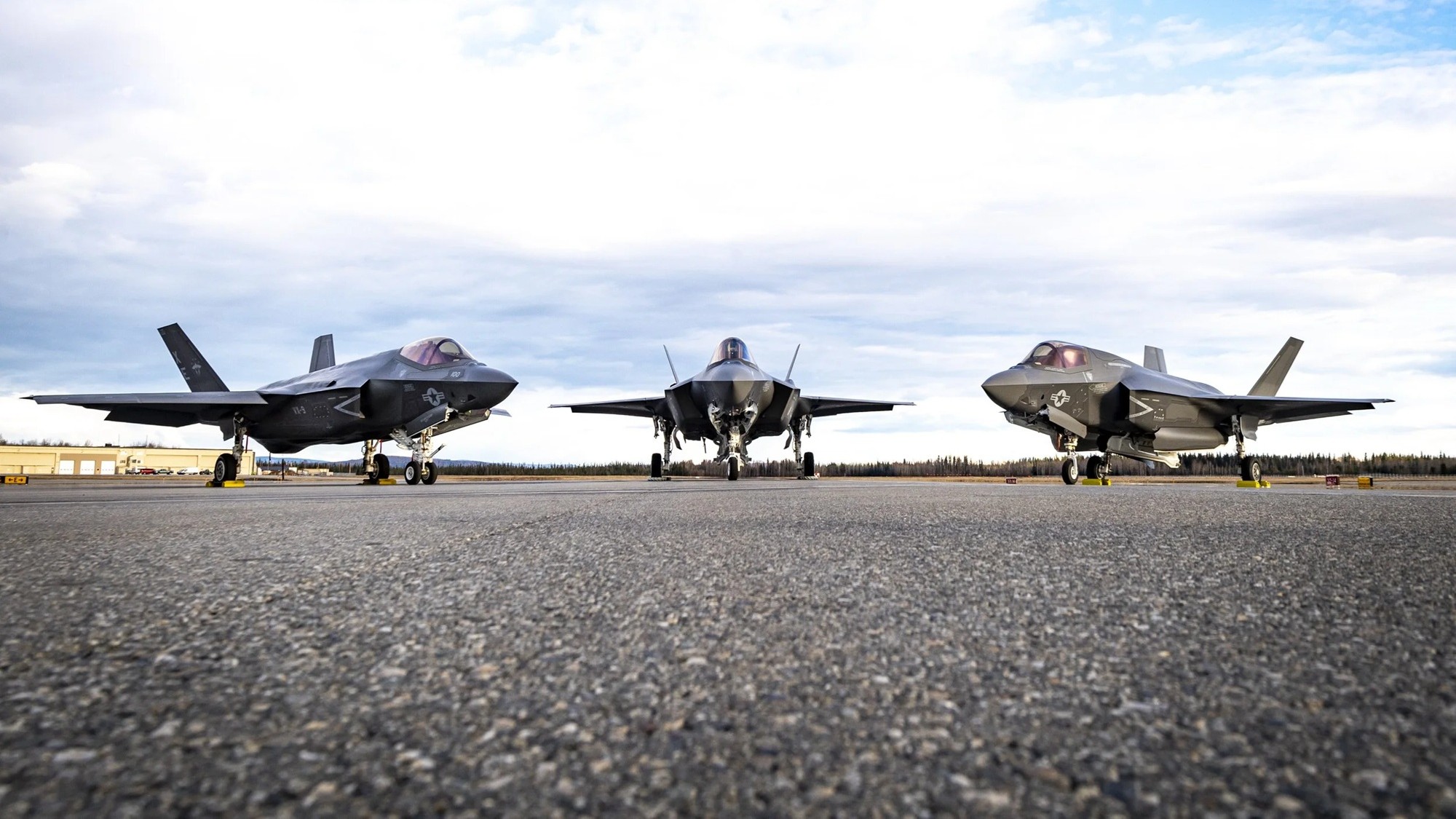
One of the key concepts associated with the Sniper NTP is its potential role as a bridge between fourth- and fifth-generation platforms. This is notable as the enhancement of the interoperability between the two is a topic of continued discussion for many air forces around the world.
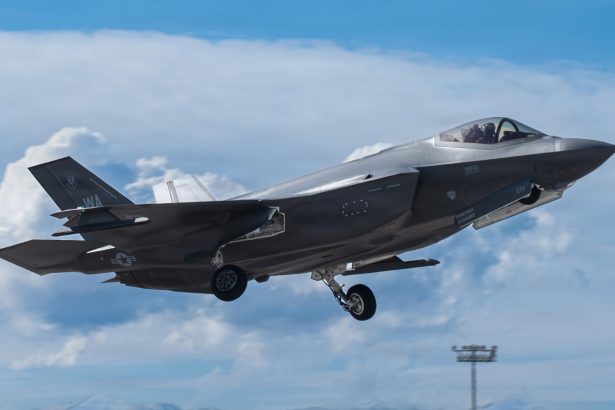
In a concept of operations previously illustrated by Lockheed Martin, an F-35 detects and identifies a target using its onboard sensors and passes precise coordinates through MADL to Sniper NTP-equipped F-16s. Those aircraft can then relay the information via MANET to a command center to task further assets or engage the target on their own using long-range weapons.
Lockheed Martin has stated that this approach allows the F-35 to remain stealthy while enabling other aircraft to contribute to the engagement. “Without compromising stealth, an F-35 can identify targets and pass precise coordinates through Sniper NTP to an F-16 which can then engage the target using long range weapons,” the company said when unveiling the system.
After this first flight demonstrated the networking concept between two Sniper NTP-equipped F-16s, follow-on scenario would likely include the F-35 and data transfer trough MADL.
Underlying Sniper ATP
The underlying AN/AAQ-33 Sniper ATP remains one of the most widely fielded EO/IR targeting systems, with more than 1,650 pods delivered and more than five million operational hours logged in U.S. and allied air forces. The system provides long-range target detection, precision identification and laser designation for a broad range of strike and ISR missions.
The pod combines a high-definition mid-wave infrared sensor with a stabilized TV camera and a dual-mode laser designator/illuminator. This sensor suite allows aircrews to acquire, track and identify targets at significant stand-off ranges, while generating weapon-quality coordinates to support GPS-guided and laser-guided munitions.
Lockheed Martin highlights that the pod’s advanced image-processing and automated tracking algorithms significantly reduce pilot workload, enabling stable tracking of moving targets even during high-speed maneuvers. In addition to its strike role, the Sniper ATP has become a valuable non-traditional ISR asset during its many combat deployments.
The pod can also record and downlink full-motion video with metadata to ground controllers or other aircraft, supporting real-time coordination in dynamic environments. This way, the Sniper ATP can also provide overhead surveillance for ground units, adding another layer of security.
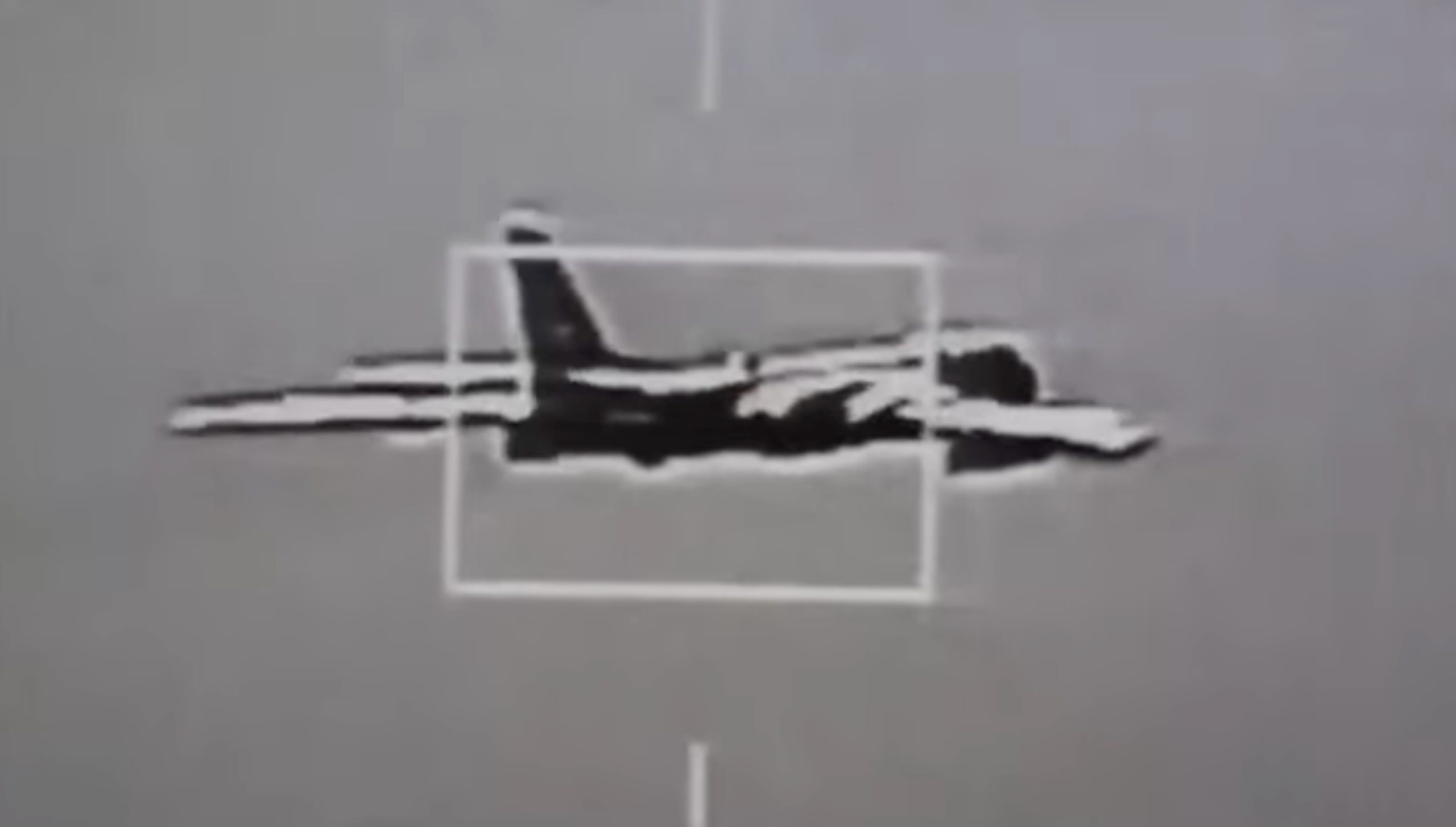
As we previously reported here at The Aviationist, the pod’s high-resolution IR imagery has proven useful even in air-to-air contexts, being adopted to aid in the identification of tracks of interest by Quick Reaction Alert aircraft. A notable case was Taiwanese F-16Vs using their Sniper pods to capture detailed IR footage of PLA Navy J-15 fighters during a close encounter.