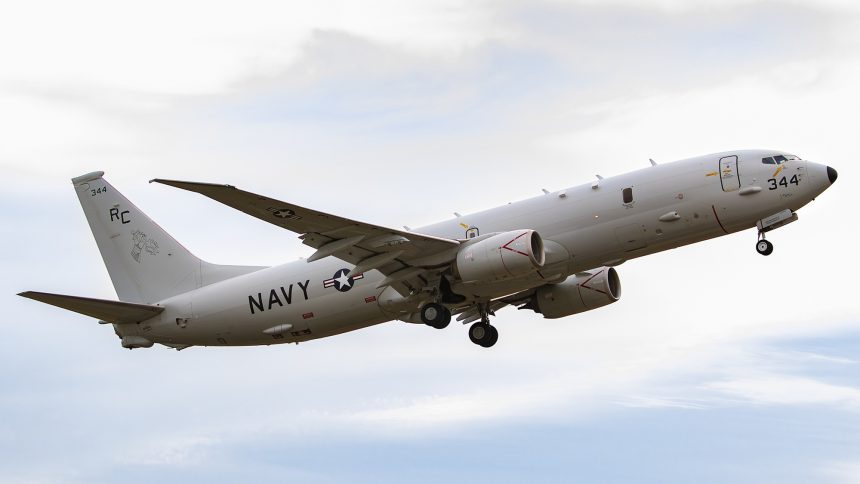
The U.S. has approved a possible $2.3B Foreign Military Sale to Singapore for up to four P-8A Poseidon aircraft and MK 54 torpedoes to boost maritime security.
The U.S. State Department has approved a potential Foreign Military Sale (FMS) to Singapore covering up to four Boeing P-8A Poseidon maritime patrol aircraft, along with MK 54 lightweight torpedoes. The deal was notified to Congress by the Defense Security Cooperation Agency (DSCA) on Jan. 20, 2026, and would be worth $2.316 billion.
While there is not yet a finalized contract, the approval of the FMS marks a significant milestone in Singapore’s long-planned recapitalization of its airborne maritime security capabilities. The four P-8s would replace five Fokker 50 maritime patrol aircraft currently serving in Singapore.
FMS Details
According to the DSCA, Singapore has requested authorization to procure up to four P-8A Poseidon aircraft, alongside a comprehensive suite of sensors, defensive systems, mission software, and logistics support. The package also includes eight MK 54 Mod 0 lightweight torpedoes (all-up rounds).
Among the systems mentioned are the Guardian Laser Transmitter Assemblies for the AN/AAQ-24(V)N, electro-optical and infrared MX-20HD systems, Missile Warning Sensors for the AN/AAQ-24(V)N, AN/AAQ-2(V) acoustic systems, AN/APY-10 radar systems and ALQ-213 early warning management systems.
The deal would be accompanied by the standard U.S. Government and contractor engineering, technical, and logistics support services, and other related elements of logistics and program support. The total estimated cost for the FMS is, as mentioned earlier, $2.316 billion.
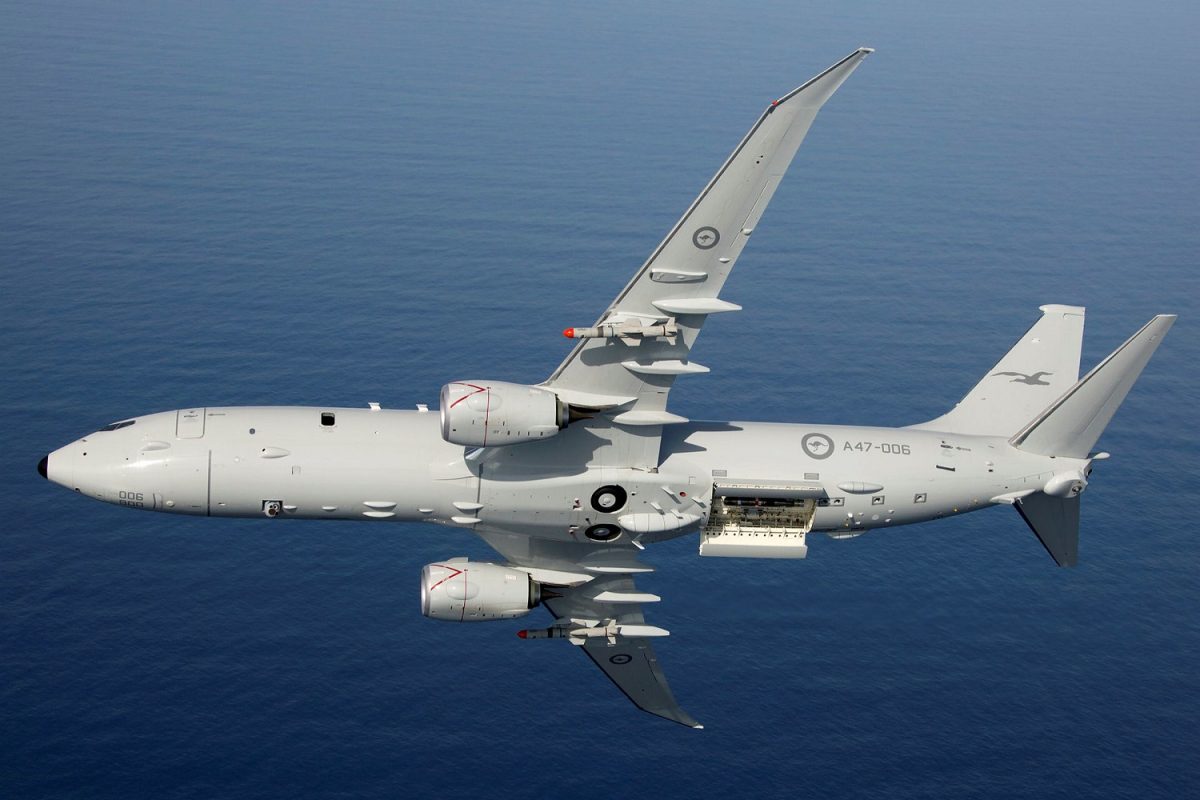
The notice did not include a timeline for the expected delivery of the aircraft. Using as reference previous FMS, the first aircraft might be delivered in the 2029-2030 timeframe.
Boeing, being the Poseidon’s manufacturer, would act as the principal contractor for the aircraft portion of the sale. On the other hand, the DSCA notice mentions the majority of the MK 54 lightweight torpedoes would be sourced directly from U.S. Navy stocks, with additional components and services provided by multiple subcontractors already under contract with the U.S. Navy.
Replacing the Fokker 50 Fleet
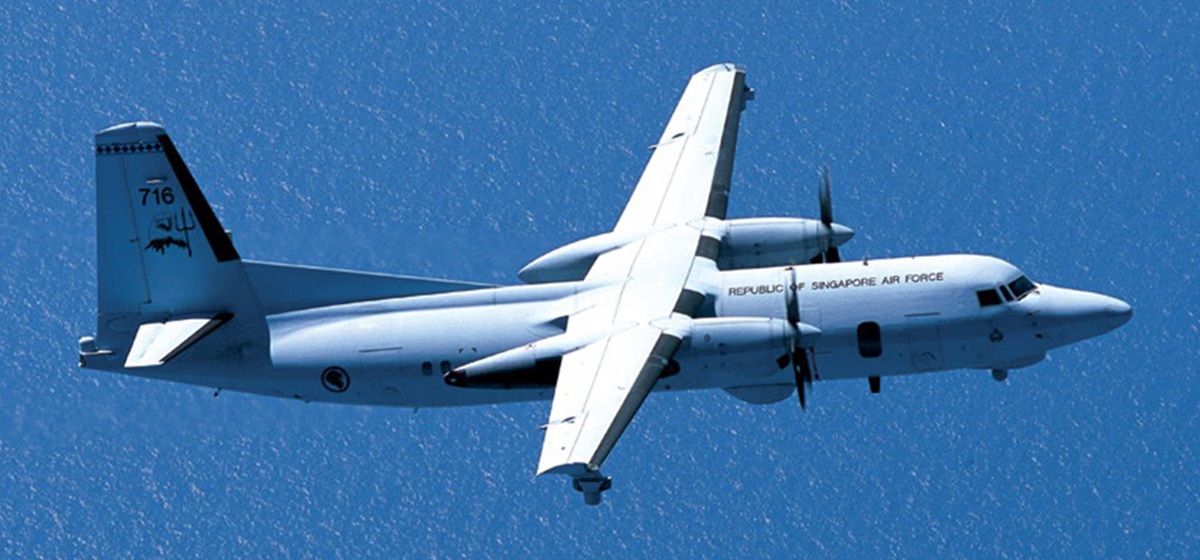
As mentioned earlier, the P-8As are expected to replace five Fokker 50 maritime patrol aircraft jointly operated by the Republic of Singapore Air Force (RSAF) and the Republic of Singapore Navy (RSN) since 1993. The aircraft are based at Changi (West) Air Base and are also employed as part of the “Eyes in the Sky” Combined Maritime Air Patrols together with Indonesia, Malaysia and Thailand.
According to reports, the aircraft are equipped with the Raytheon AN/APS-134 radar, a GEC-Marconi forward-looking infrared (FLIR) system, and possibly an Israeli Electronic Support Measures (ESM) system. As for the armament, the Fokker 50 can employ the AGM-84 Harpoon anti-ship missile and the Eurotorp Whitehead A244S lightweight anti-submarine torpedo.
Singapore’s Ministry of Defense publicly confirmed its intention to acquire the P-8A in September 2025. The move was described as the first phase of a broader modernization effort aimed at enhancing maritime domain awareness and counter-submarine warfare (ASW) capabilities.
As part of this effort, the MoD evaluated both the P-8A Poseidon and the Airbus C-295’s maritime patrol variant. The selection of the P-8 was announced during the Singaporean MoD’s visit to the Pentagon on Sep. 10, 2025.
Singapore sits on a critical maritime crossroads, the junction of the Strait of Malacca and the South China Sea, which is one of the world’s most heavily trafficked maritime corridors. The country’s economy is heavily dependent on uninterrupted maritime trade, with the Port of Singapore consistently ranked among the busiest globally.
P-8 Poseidon
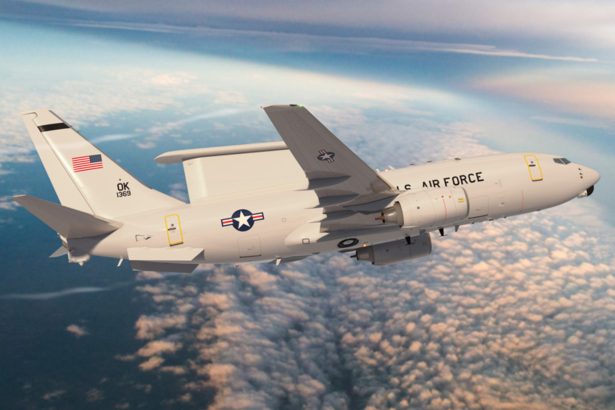
The P-8A Poseidon is a long-range, multi-mission maritime patrol aircraft developed by Boeing for the U.S. Navy to replace the aging P-3C Orion. Based on the 737-800ERX airframe, the aircraft incorporates numerous structural and systems modifications to meet the demanding requirements of anti-submarine warfare (ASW), anti-surface warfare (ASuW), intelligence, surveillance and reconnaissance (ISR), and search and rescue (SAR) operations.
Internally, the Poseidon is equipped with an advanced mission suite that integrates multi-mode radar, an electro-optical/infrared (EO/IR) turret, and a comprehensive acoustic system capable of processing data from over 100 sonobuoys. The aircraft is also capable of deploying Mk 54 lightweight torpedoes, depth charges, and AGM-84 Harpoon anti-ship missiles from both its internal bomb bay and underwing hardpoints.
The P-8A is currently undergoing a significant capability enhancement with the Increment 3 Block 2 (I3B2) upgrade. First flown in June 2025, the Block 2 configuration introduces improved multi-static acoustic processing, new mission systems, an upgraded EW suite, and the integration of advanced weapons such as the AGM-158C Long Range Anti-Ship Missile (LRASM). The update also includes provisions for additional ISR and electronic support payloads, increasing mission flexibility.
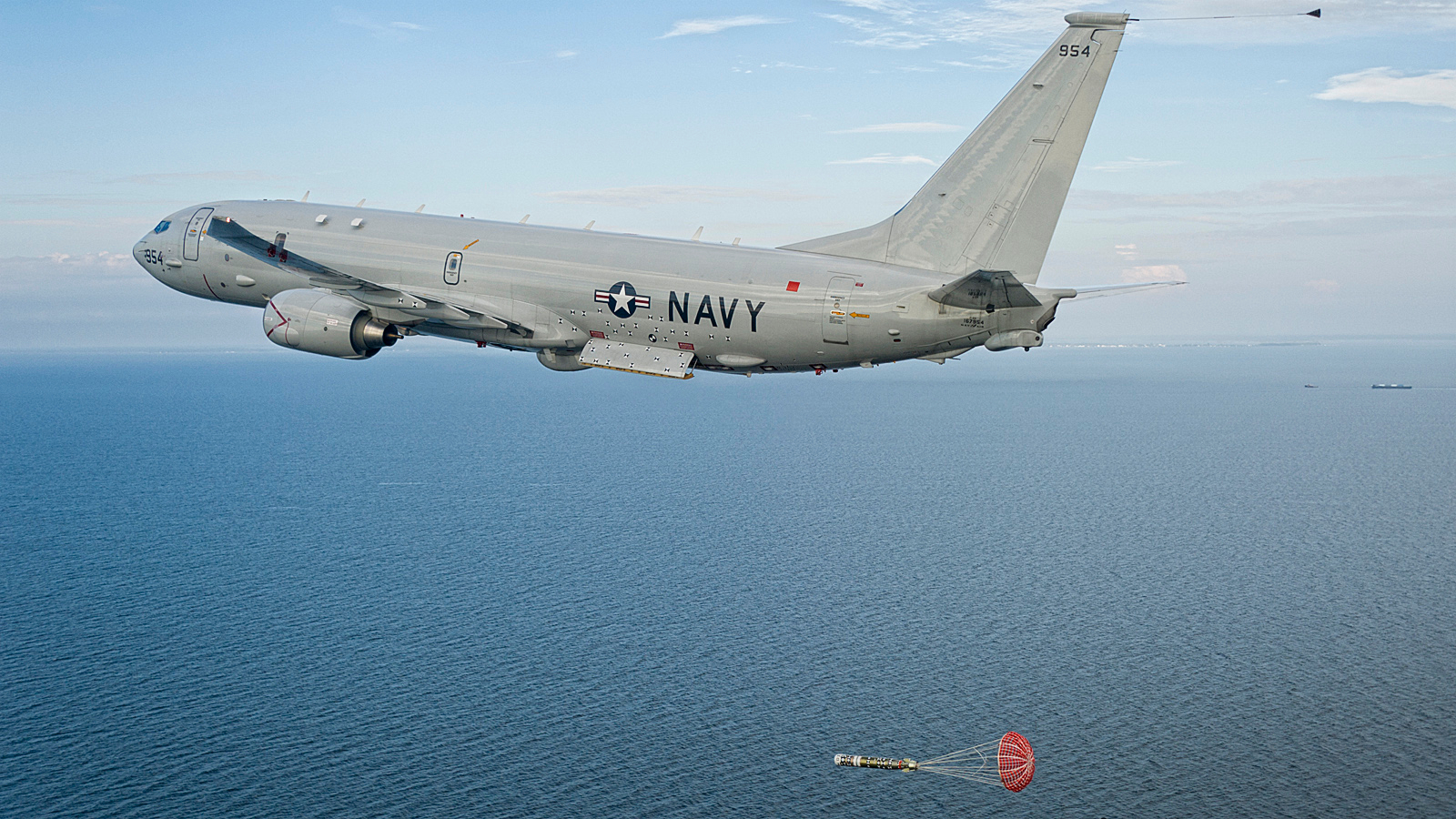
Among the key enhancements is the High Altitude Anti-Submarine Warfare Capability (HAAWC), which enables the Poseidon to release torpedoes from high altitude using a winged glide kit. This development significantly increases survivability by allowing the aircraft to remain outside the threat envelope of submarine-launched or ship-based air defenses.
To improve survivability in contested environments, the U.S. Navy has also contracted BAE Systems to develop the Advanced Survivability Pod (ASP). The pod integrates radio-frequency and infrared threat detection, countermeasures, and a fiber-optic towed decoy system, providing protection against radar-guided and heat-seeking missiles.
In service with the U.S. Navy since 2013, the P-8A Poseidon is now also operated by several allied nations including Australia, the United Kingdom, Norway, India, Germany and, in future, by Canada, with an FMS also approved for Denmark and Singapore. As maritime competition intensifies globally, the P-8A’s multi-mission capabilities, ongoing upgrades, and interoperability make it a cornerstone of modern naval operations.