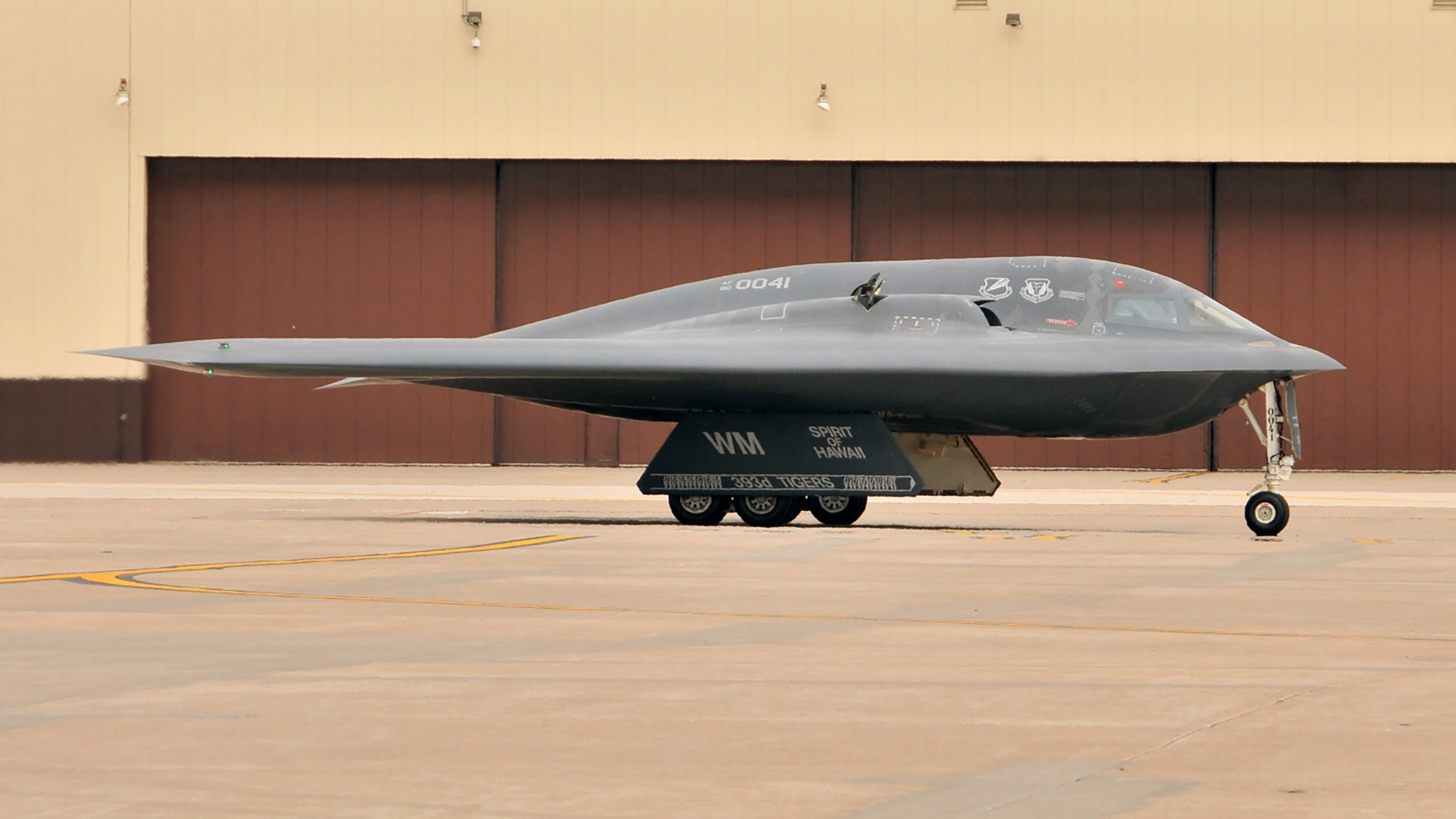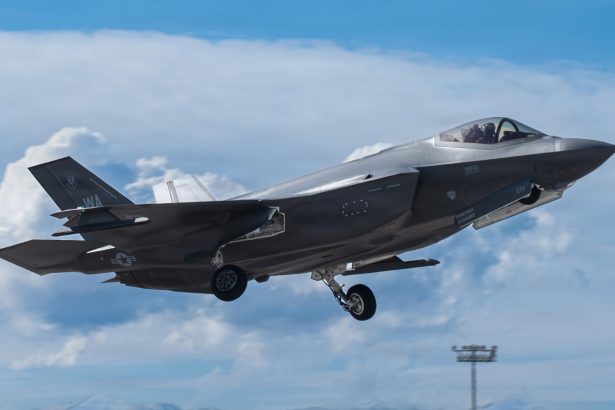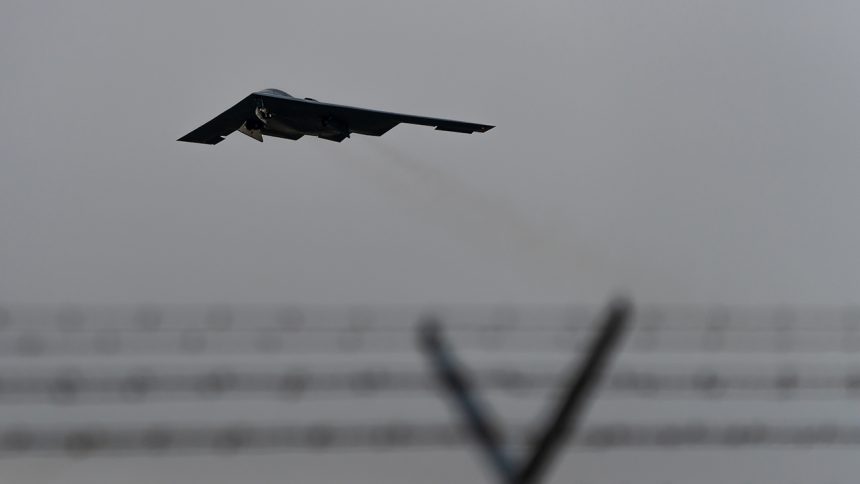
Federal prosecutors say the suspect took images of sensitive military infrastructure at Whiteman AFB, home to the B-2 stealth bomber.
A Chinese national has been charged in the United States with unlawfully photographing sensitive military infrastructure at Whiteman Air Force Base in Missouri, home to the U.S. Air Force’s B-2 Spirit stealth bomber fleet. The charges were announced by the U.S. Department of Justice and outlined in a criminal complaint unsealed this week.
According to the Department of Justice, the suspect, 35-year-old Qilin Wu, a Chinese national, was arrested and charged with “unlawfully photographing vital military installations and equipment.”
Federal prosecutors say the individual was observed taking photographs in the vicinity of Whiteman AFB and at another base. Authorities allege that the images included infrastructure and facilities designated as protected under U.S. law.
In its statement, the DOJ said the defendant “knowingly and unlawfully photographed vital military installations and equipment without authorization,” an offense that carries potential prison time if convicted.
The complaint alleges that on December 2, 2025, the Whiteman Air Force Base Office of Special Investigations (AFOSI) investigated a report of a suspicious minivan bearing a Massachusetts license plate near the perimeter of the military installation. Air Force patrolmen were dispatched to the area to investigate, and encountered Wu, who stated that he was there to observe the B-2 Spirit aircraft. The patrolmen informed Wu that he was not permitted to take photographs or make video recordings of the military installation.
The following day, according to the complaint, AFOSI was notified that the same minivan was again identified at a perimeter fence of Whiteman Air Force Base. AFOSI agents went to the area to investigate and again made contact with Wu. Wu admitted to taking videos of the B-2 Spirit aircraft and numerous photographs of Whiteman’s perimeter fencing, a gate, and military equipment. Wu showed investigators his phone, including images of Whiteman Air Force Base and military equipment that Wu had recorded. In total, investigators observed 18 images and videos that Wu admitted he had taken of the installation and of military equipment. Wu also admitted to having photographed another U.S. Air Force base and its military aircraft as well.
Officials did not disclose whether the photographs were shared, transmitted, or stored locally, nor whether the case involves any broader intelligence-gathering activity.
It is worth noting that, in the United States, photographing military installations from public land is generally lawful and protected, and by itself does not constitute a crime. Plane spotting and photography near air bases is a long-established and largely accepted practice, provided no trespassing occurs and no other laws are violated.
However, this case appears to have raised red flags not simply because photographs were taken, but because of the broader context in which the activity occurred. According to federal authorities, the individual involved was a Chinese national who had unlawfully entered the country, a factor that significantly heightened concern and prompted closer scrutiny of his actions near a highly sensitive installation.
Wu is a Chinese national who illegally entered the United States on June 22, 2023, near Nogales, Arizona. At that time, Wu was arrested by immigration authorities for illegally being present in the United States. Due to a lack of detention space, Wu was released on his own recognizance to await immigration removal proceedings originally scheduled for February 9, 2027. On December 3, 2025, U.S. Immigration and Customs Enforcement (ICE) re-arrested Wu.
In cases like this, it is reasonable to assume investigators will look beyond a single photograph and assess patterns of behavior, the nature of the sites being documented, and the background of the individual involved. When those elements intersect, especially around bases tied to strategic assets such as the B-2 bomber force, otherwise routine photography can move into a legal and counterintelligence gray area.
Over the years, we have heard of, and in some cases reported on, incidents involving foreign nationals detained or questioned for photographing or surveilling sensitive military sites around the world. In many instances, individuals were simply documenting aircraft movements out of personal interest. In other cases, however, people posing as ordinary aircraft spotters were later found to have been collecting intelligence on ongoing air operations, as occurred during NATO’s air campaign against Serbia in 1999.
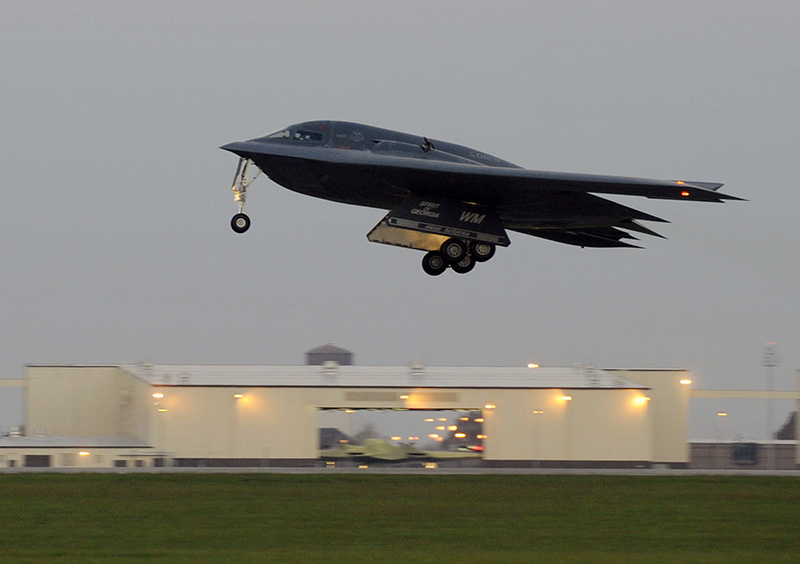
Whiteman Air Force Base, in particular, attracts attention because of its central role in U.S. strategic deterrence. As the home of the B-2 bomber fleet, even seemingly mundane details associated with the base can become somehow valuable when aggregated, even in an era in which OSINT (open-source intelligence), commercial and public satellite imagery, as well as social media already provide adversaries with unprecedented visibility.
The timing of the case is also notable. It comes amid heightened scrutiny of foreign access (especially from Chinese nationals) to sensitive locations in the United States, following a series of incidents involving surveillance balloons, alleged drone activity near military bases, and arrests linked to unauthorized observation of defense infrastructure.
While U.S. authorities have not publicly connected this case to any broader campaign, at least not so far, it nonetheless reflects ongoing concerns within the defense and intelligence community about persistent, low-level collection efforts targeting military facilities, particularly those associated with nuclear deterrence.
As the legal process unfolds, additional details may emerge regarding what was photographed, how long the activity continued, and whether investigators believe the actions were isolated or part of a wider effort involving a broader network of individuals. For now, the case serves as another reminder that, even in an age of ubiquitous satellite imagery, on-the-ground photography of (or close to) military installations remains sensitive and, in certain circumstances, can still carry legal consequences.