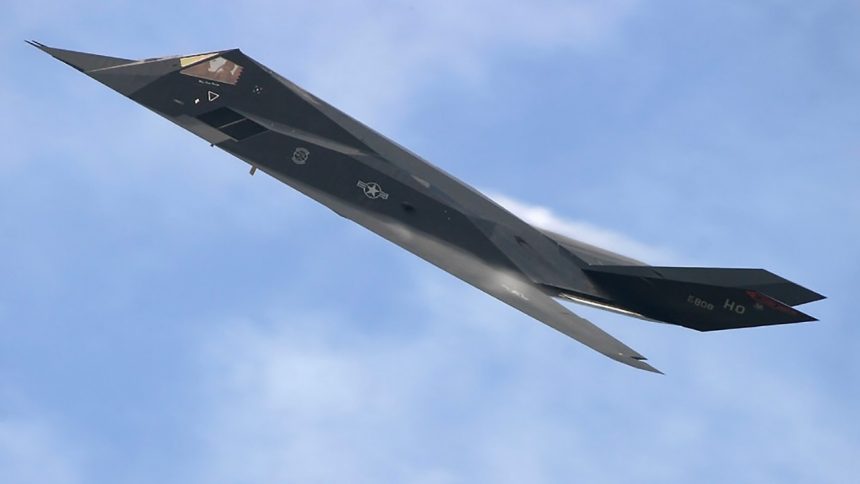
Employing a variety of air assets from 13 nations and seemingly striking targets with precision and impunity, NATO enjoyed overwhelming air superiority over Yugoslavia during the Kosovo War.
Relying heavily on contributions from the United States, the operation was intended as an air campaign lasting only a few days to force the end to bloodshed in Kosovo, but even with air supremacy, the intended results took more time than anticipated, with NATO continually adding resources and increasing sorties on additional targets until achieving a desired outcome.
Operation Allied Force
An aerial bombing campaign directed against the Federal Republic of Yugoslavia, Operation Allied Force (OAF) was a NATO (North Atlantic Treaty Organization) effort during the Kosovo War in the Balkans. Air operations began on Mar. 24, 1999, and continued until June 10, 1999.
The action was prompted by Serbian bloodshed and the ethnic cleansing of Kosovar Albanians. This would be the second military campaign, following a 1995 bombing campaign, and would be the first time in history NATO forces would use military force without the permission of the UN (United Nations) Security Council, triggering debates over the legality and legitimacy of the military intervention.
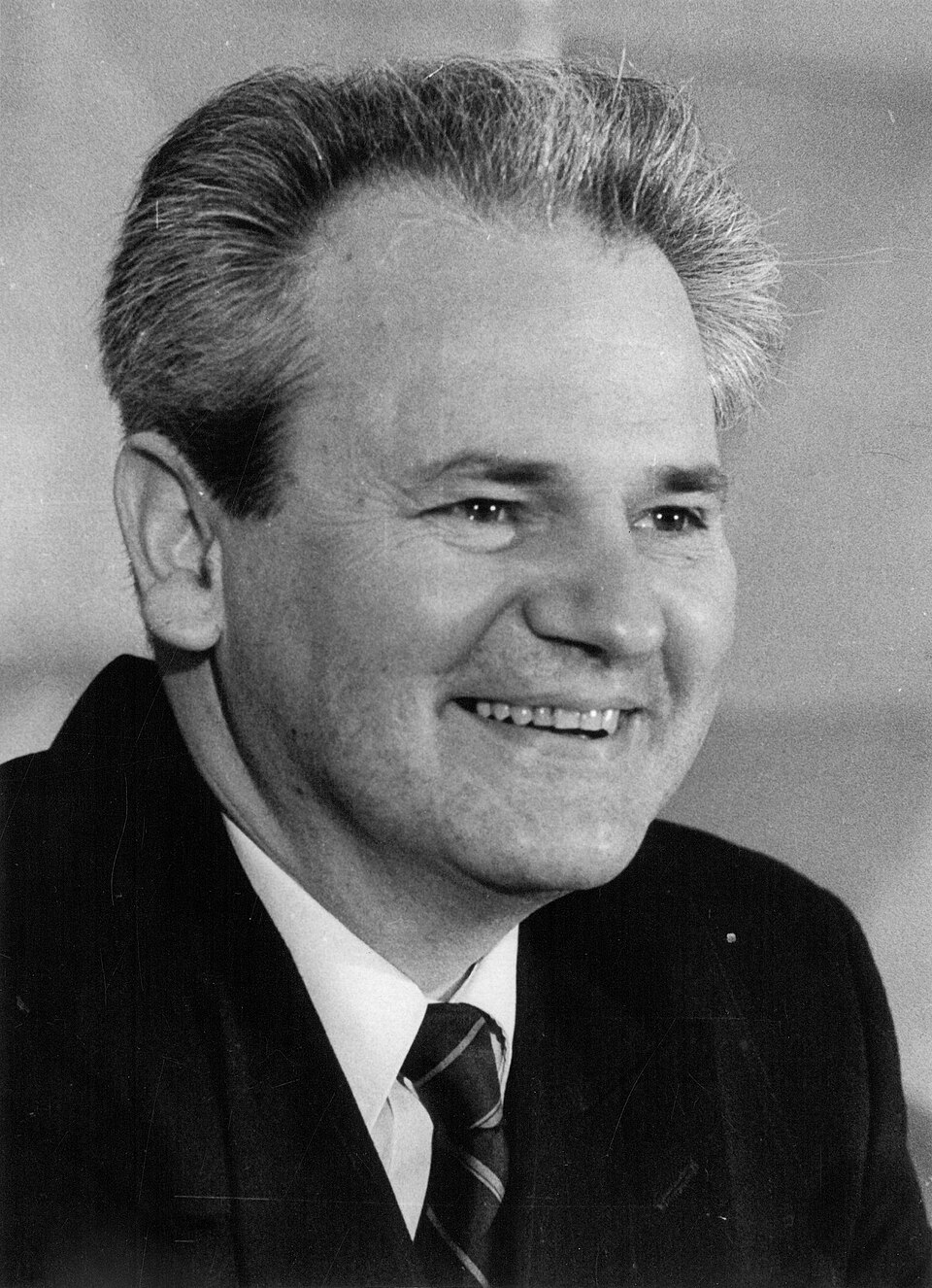
NATO’s intended results in Kosovo were to end violence and repression by the Slobodan Milošević government, the removal of his troops and police from Kosovo, the allowance of 30,000 NATO/UN peacekeeping troops in Kosovo, the safe return of refugees, and other actions in compliance with the Rambouillet Agreement for peace and self-government in Kosovo.
The number of NATO aircraft assigned to the air campaign numbered 400, with 120 of those aircraft being strike aircraft, at the beginning of the campaign on Mar. 24, 1999. By the end of the bombing, the numbers had grown to around 550 being strike aircraft
American Air Assets Involved
Operation Noble Anvil was the United States component of Operation Allied Force, and NATO relied heavily on the assets of the United States Air Force (USAF) and the United States Navy (USN). In total, United States forces would provide over 700 of the 1,055 NATO aircraft total. By the end of the third week of the campaign, Supreme Allied Commander of NATO, General Wesley Clark, had nearly 1,000 total aircraft at his disposal.
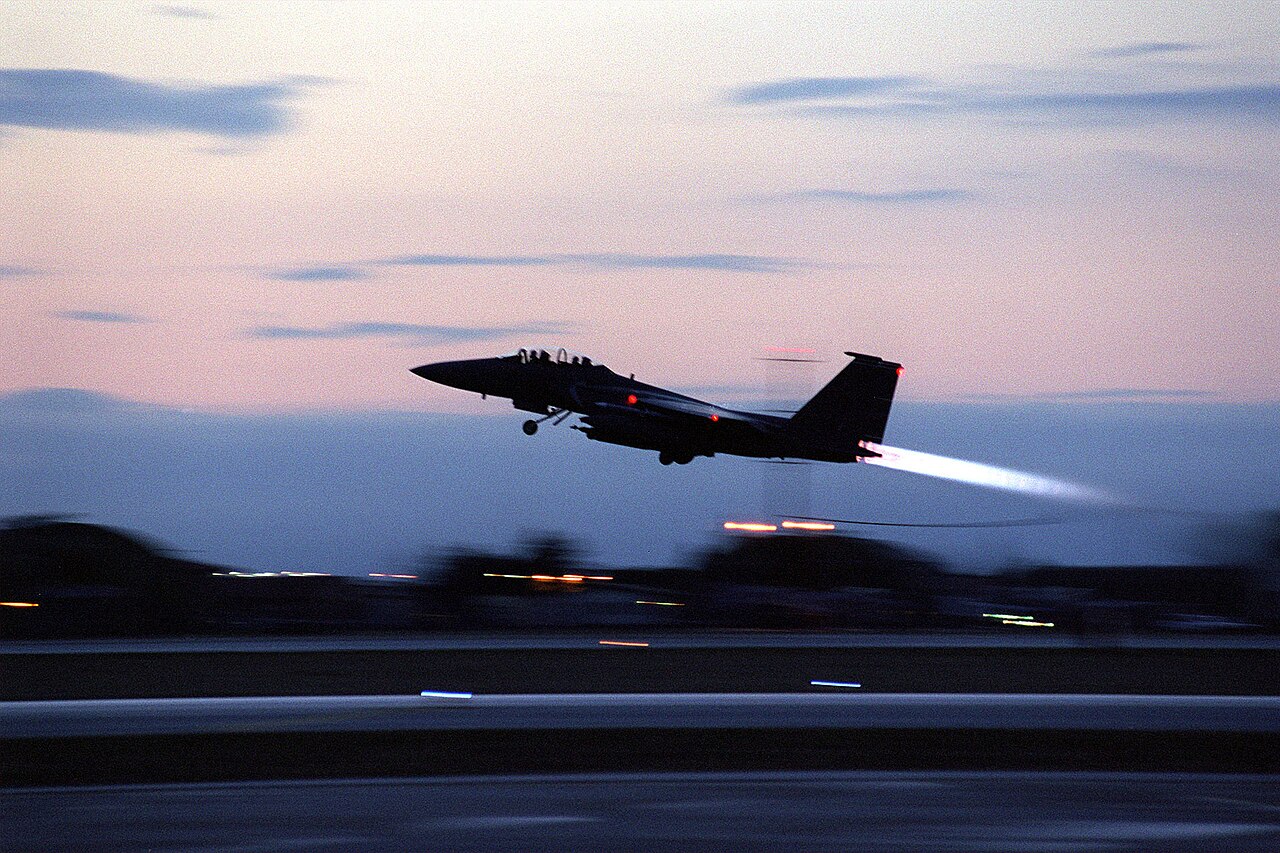
Some USAF aircraft types committed to the operation included the F-117, F-16CJ, F-15 (C,E), B-52H, B-1B, B-2, A-10, AC-130, C-5, C-141, C-135, C-17, C-130, E-3B/C, E-8C, EC-130, MC-130, MH-53J, KC-135 and KC-10 tankers, RC-135, U-2S, and the MQ-1 Predator. USAF aircraft would operate from bases in Germany and Italy. A total of 214 fighters, 18 bombers, 25 ISR (Intelligence, Surveillance, and Reconnaissance) aircraft, 38 SpecOps/Rescue aircraft, and 43 airlifters were included in the American effort.
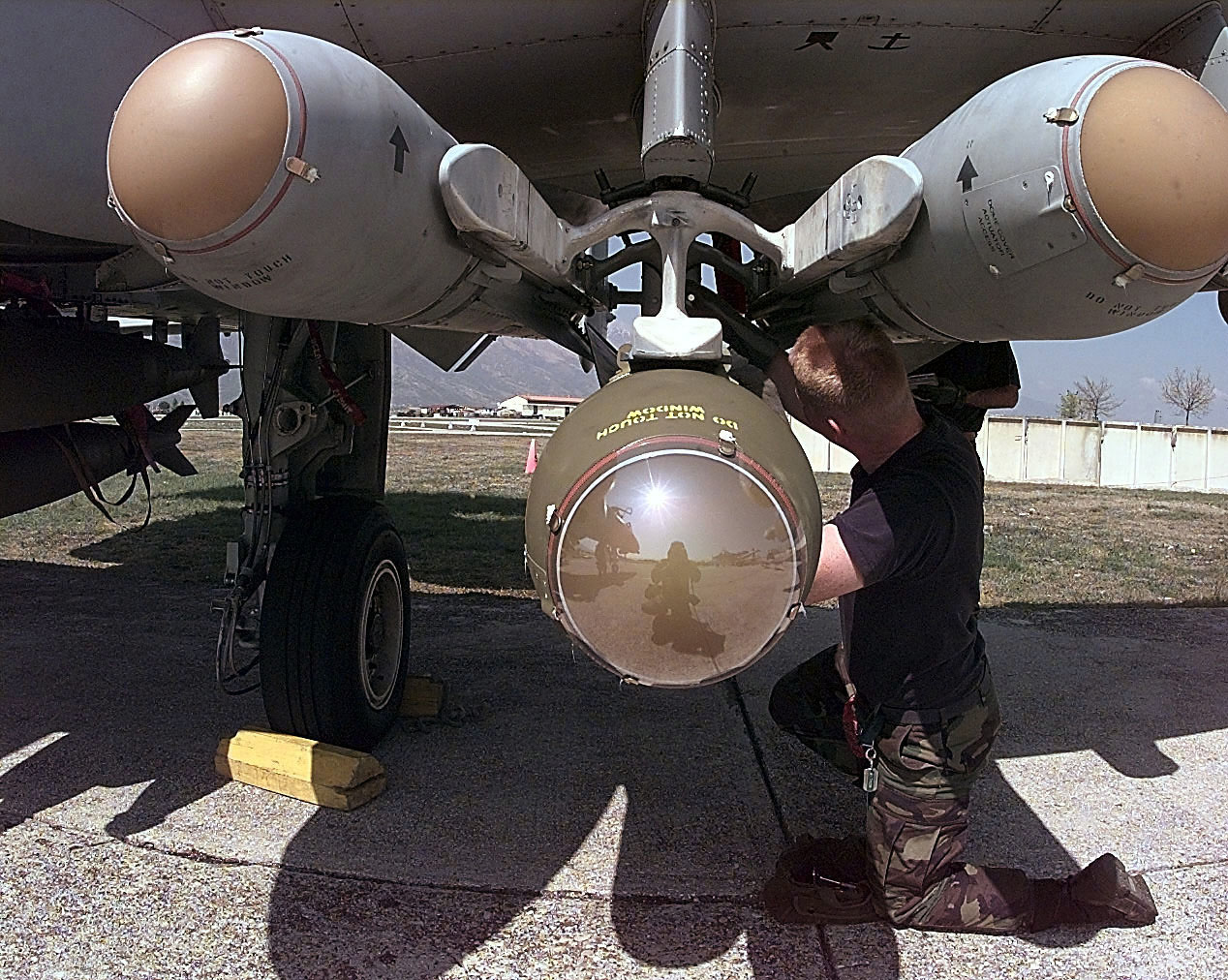
The United States air fleet would combine for over 29,000 sorties, which included delivering the largest amount of Precision Guided Munitions (PGMs) and all-weather munitions utilized during the operation, including JDAMs (Joint Direct Attack Munition), JSOWs (Joint Standoff Weapon), Paveway II and IIIs, AGM-65 Mavericks, AGM-130s, and also air-launched cruise missiles and other guided weapons
The USN contributed F-14, F/A-18, P-3C, EP-3, and EA-6B aircraft with the Marines deploying F/A-18s and KC-130 aircraft. The carrier USS Theodore Roosevelt and aircraft compliment operated in the Adriatic Sea along with the amphibious assault ship USS Kearsarge and the USS Nassau.
The United States Army supplied a number of AH-64 Apache and several UH-60 Blackhawk helicopters to the region along with RQ-5 Hunter UAVs (Unmanned Aerial Vehicles).
Contributed Air Assets of other NATO Countries
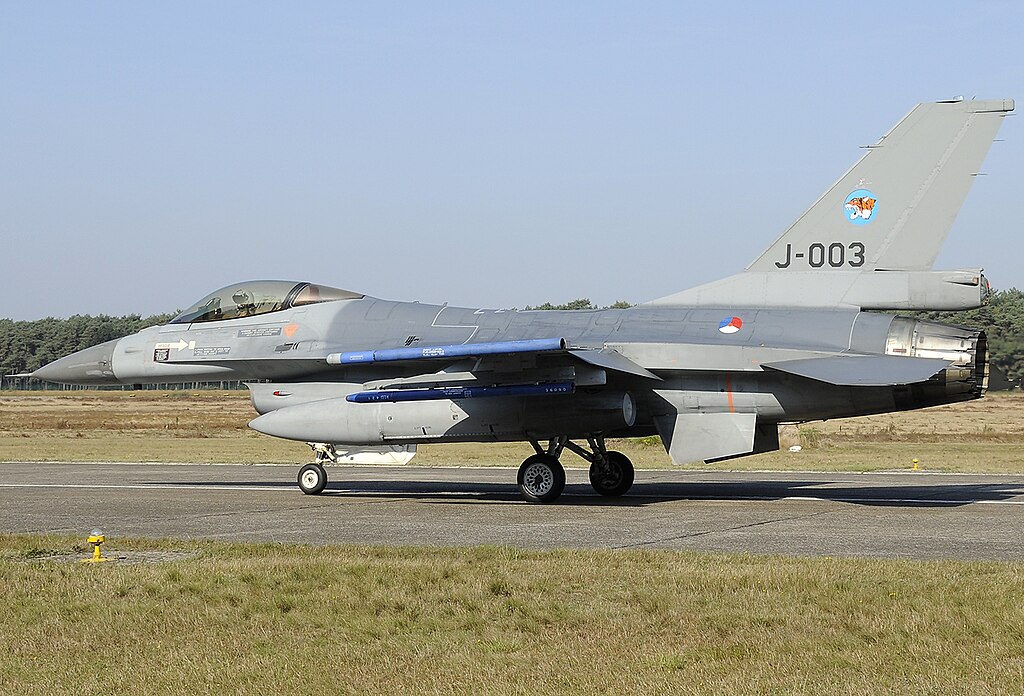
Several NATO countries sent F-16s, including: Belgium (12), Norway (6), Portugal (3), the Netherlands (18), and Denmark (9) along with Turkey (11). The aircraft from the Netherlands flew approximately 1,252 sorties and were equipped with FLIR (Forward-Looking Infrared) technology, allowing them to fly strike missions during hours of darkness. The Netherlands also deployed two KDC-10 aerial tankers for support. Canada deployed 18 CF-18s; Spain contributed six EF-18s, one KC-130 and one CASA 212.
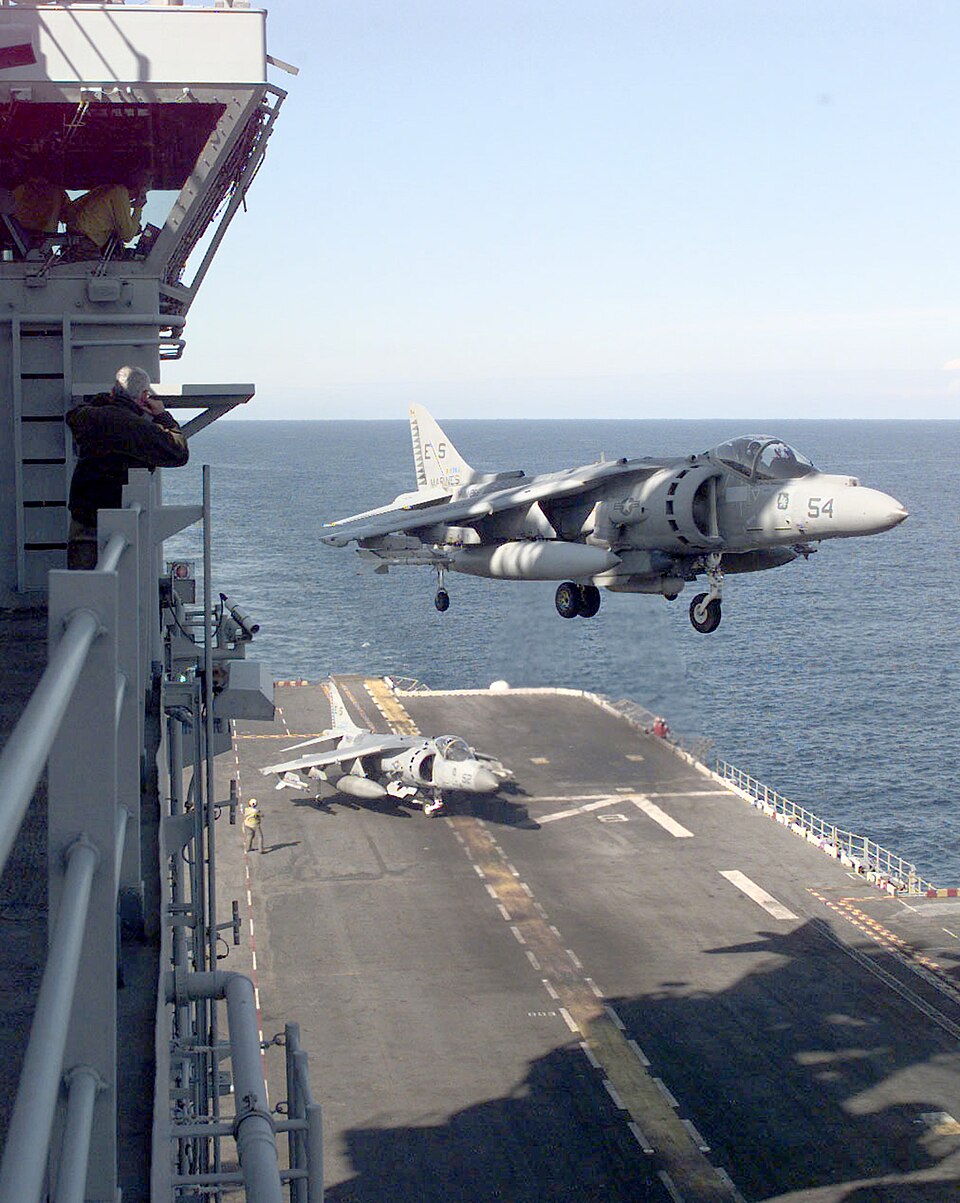
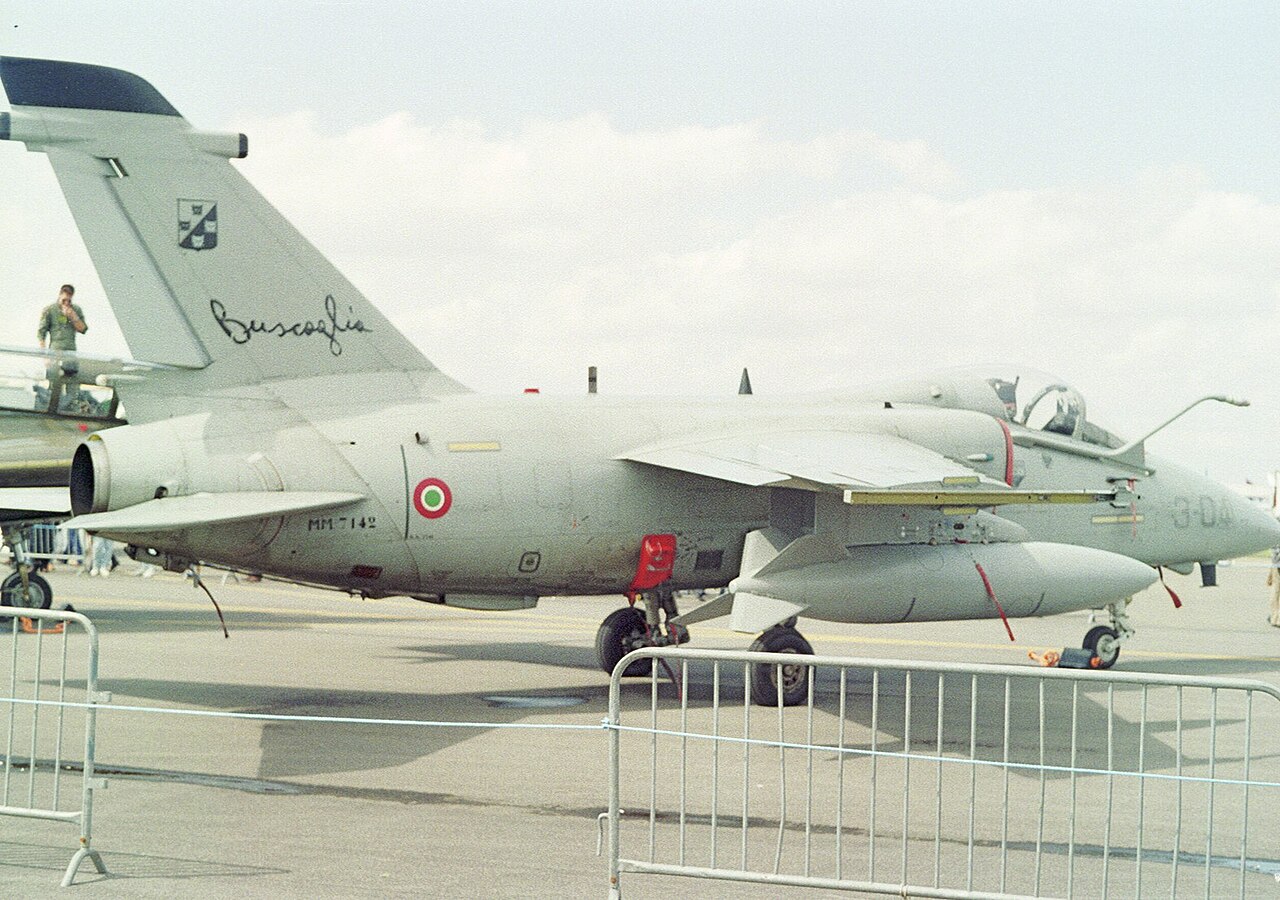
Nations that assisted with aircraft carriers as well as land-based aircraft included Italy, which contributed 18 Tornado IDS (interdiction and strike) versions, four Tornado ECR (electronic combat and reconnaissance) variants along with several AMX attack aircraft, twelve F-104ASA (Aggiornamento Sistemi d’Arma, Weapons System Upgrade), two B-707T, and the carrier Giuseppe Garibaldi and her AV-8B Harrier II compliment.
Italy was third in number of aircraft contributed and flew the fourth largest number of sorties at 1,081. Italian Tornado ECR aircraft fired the HARM (High-Speed Anti-Radiation Missile) to aid in the suppression of enemy air defenses during SEAD (Suppression of Enemy Defenses) missions. The AMX and Tornado IDS aircraft flew CAP (Combat Air Patrol) sorties primarily. Italy contributed massively to the effort by providing air bases for the NATO forces in close proximity to the troubled area.
The United Kingdom sent 16 RAF (Royal Air Force) Harrier GR7s and three Tornado GR1 ground attack aircraft along with support aircraft while the Royal Navy dispatched the carrier HMS Invincible with her seven Sea Harrier jets and ten Sea King helicopters. One Canberra PR-9 also participated in the operation, along with four L-1011 tanker/transports, three VC-10 tankers, three E-3D and one Nimrod aircraft for Airborne Early Warning and ISR (Intelligence Surveillance and Reconnaissance) missions. The RAF would fly 1,008 strike missions during the operation, often utilizing PGMs such as the Paveway II and III.
During the height of the conflict, the French Navy aircraft carrier Foch was in the area operating four Etendard IV aircraft. The French Air Force also sent 12 Jaguar strike aircraft, six Mirage F1CRs, three Mirage IV-Ps, and eight Mirage 2000D aircraft. In all France contributed the most outside of the United States, deploying over 100 aircraft and flying 2,414 sorties. France contributed several support aircraft and one C-160G SIGNT (Signals Intelligence) aircraft. Two E-3F aircraft, three KC-135F tankers, and several drones and UAV were also contributed by the French.
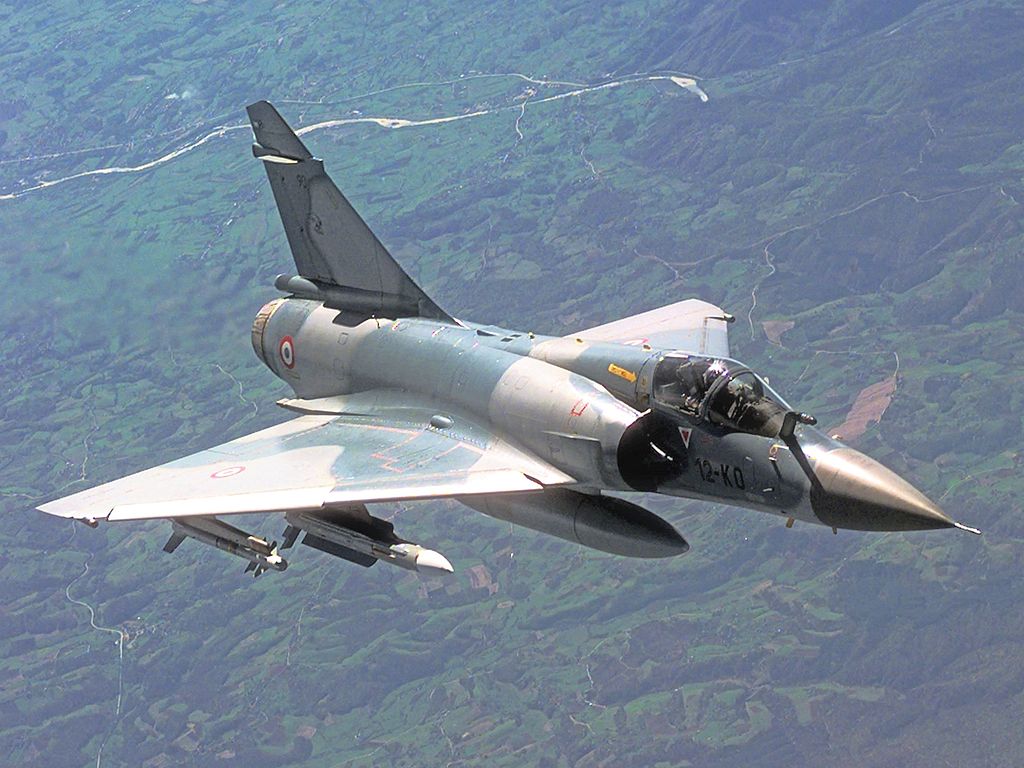
The French, along with the British were among the few forces involved to possess and utilize precision-guided munitions (PGMs), mostly in the form of Paveway II and III laser-guided bombs, along with the AS30L air-to-surface missile. France flew nearly 21 percent of all reconnaissance missions, 12 percent of the strike missions, and 12 percent of support and transport missions.
Germany provided 14 Tornado aircraft (ten ECR, four IDS) one C-160 along with CL-289 reconnaissance drones. German Luftwaffe pilots would fly 636 sorties, many of them utilizing AGM-88 HARM anti-radiation missiles, playing an important part in SEAD missions. The CL-289s flew 237 sorties recording useful information and returning to base 90 percent of the time.
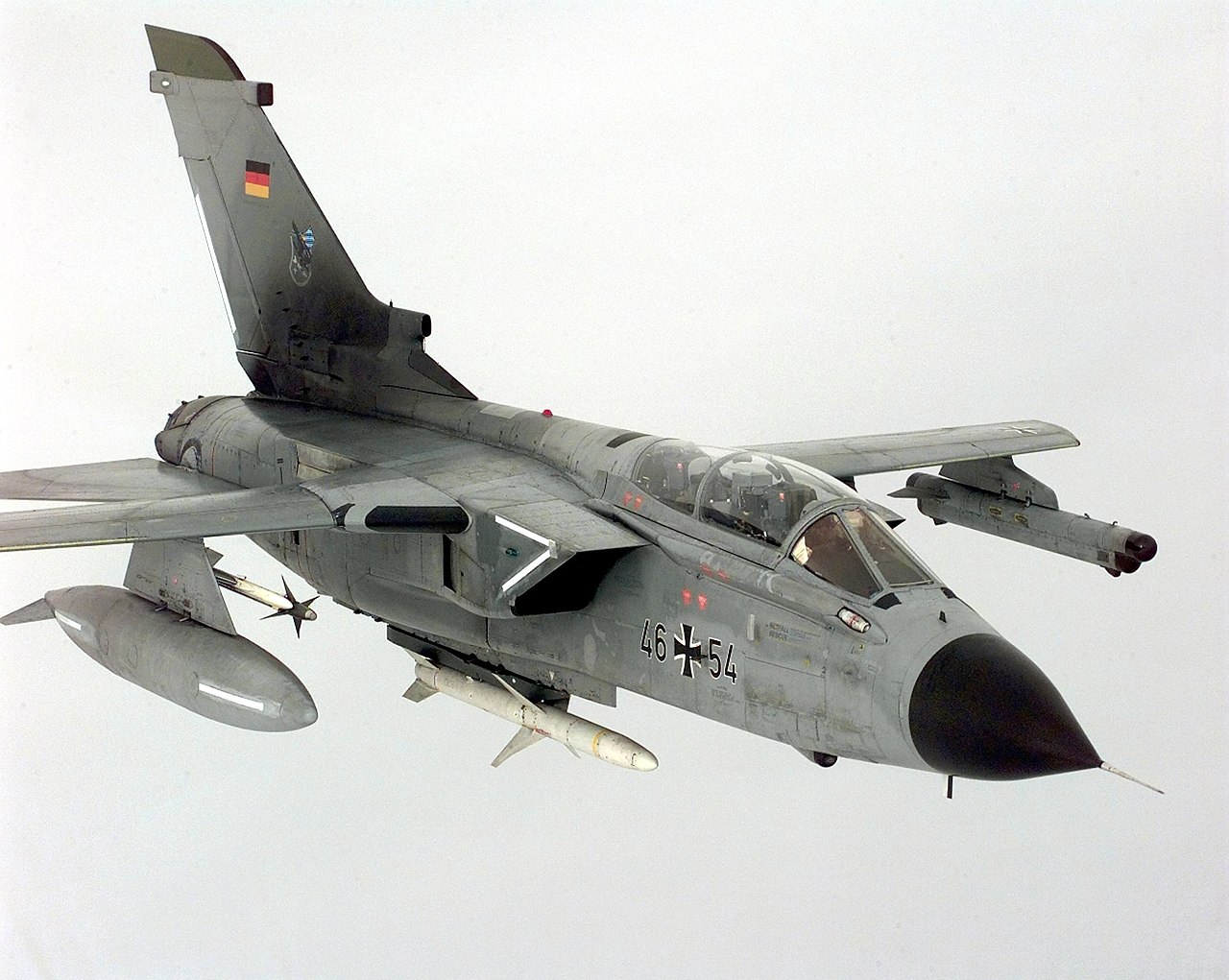
During an operation that originally was planned to be last a few days but eventually lasted 78 days, NATO launched an estimated 415,000 projectiles of various types on Yugoslav territory. After a total of 38,004 sorties of which 10,484 were strikes, over 181 NATO strikes were against tanks, 857 on artillery and mortar positions, 317 on armored personnel carriers, and 800 against other military vehicles. Aircraft were also targeted, with 121 damaged or destroyed. Other targets included infrastructure, airfields, radar and early warning sites, with mobile SAM (Surface-to-Air Missile) and radar sites challenging NATO’s targeting and striking abilities.
Yugoslav Air Assets and Air Defense
Yugoslavia had an air force consisting of 60 MiG-21s, 16 MiG-29s, and 60 or more J-22 Orao ground attack/reconnaissance aircraft. These aircraft types were integrated into a multi-layer air defense system that included mobile SAM systems scattered in mountainous terrain that made an effective defense in the right hands with the right tactics and were difficult for NATO to neutralize.
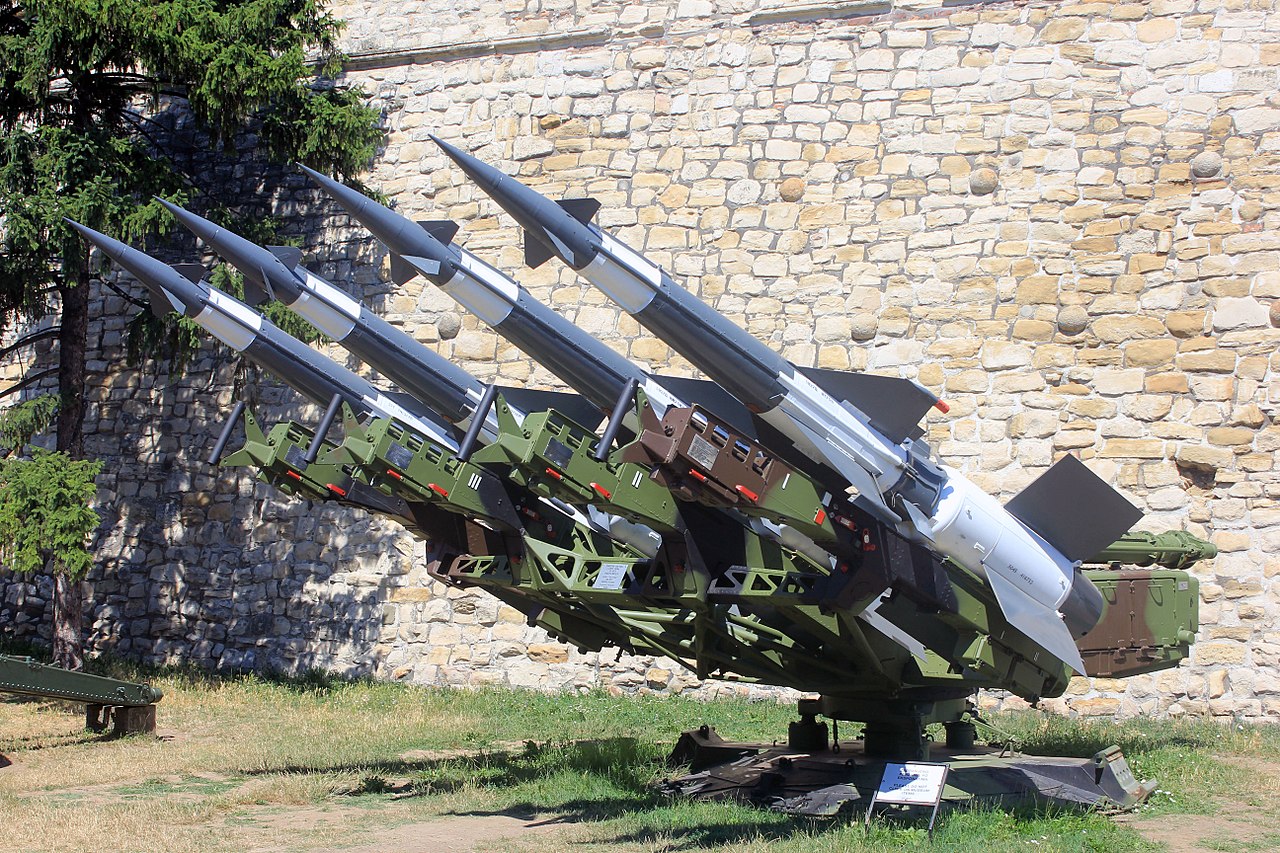
The SAM systems employed by the Serbs were mostly Soviet-era and included the SA-2, SA-3, and SA-6. NATO managed to destroy two SA-2 battalions, ten SA-3 battalions, and three SA-6 battalions. Over 800 SAMs were fired at NATO aircraft with a very low success rate. The mobility and clever operation methods of the radar and SAM systems caused NATO headaches but had proven rather ineffective. However some success would come for the system operators, including what many believed impossible, achieving a historic first, of which the campaign would have several.
The bulk of the most threatening aircraft to NATO, the MiG-29, was neutralized with an estimated 14 destroyed. MiG-21s suffered a loss of 24 estimated destroyed. Eleven J-22s were destroyed on the ground by NATO air attacks.
Operation Allied Force Firsts and NATO Air Losses
As previously mentioned, OAF would be the first NATO military action conducted without previous permission from the UN Security Councils.
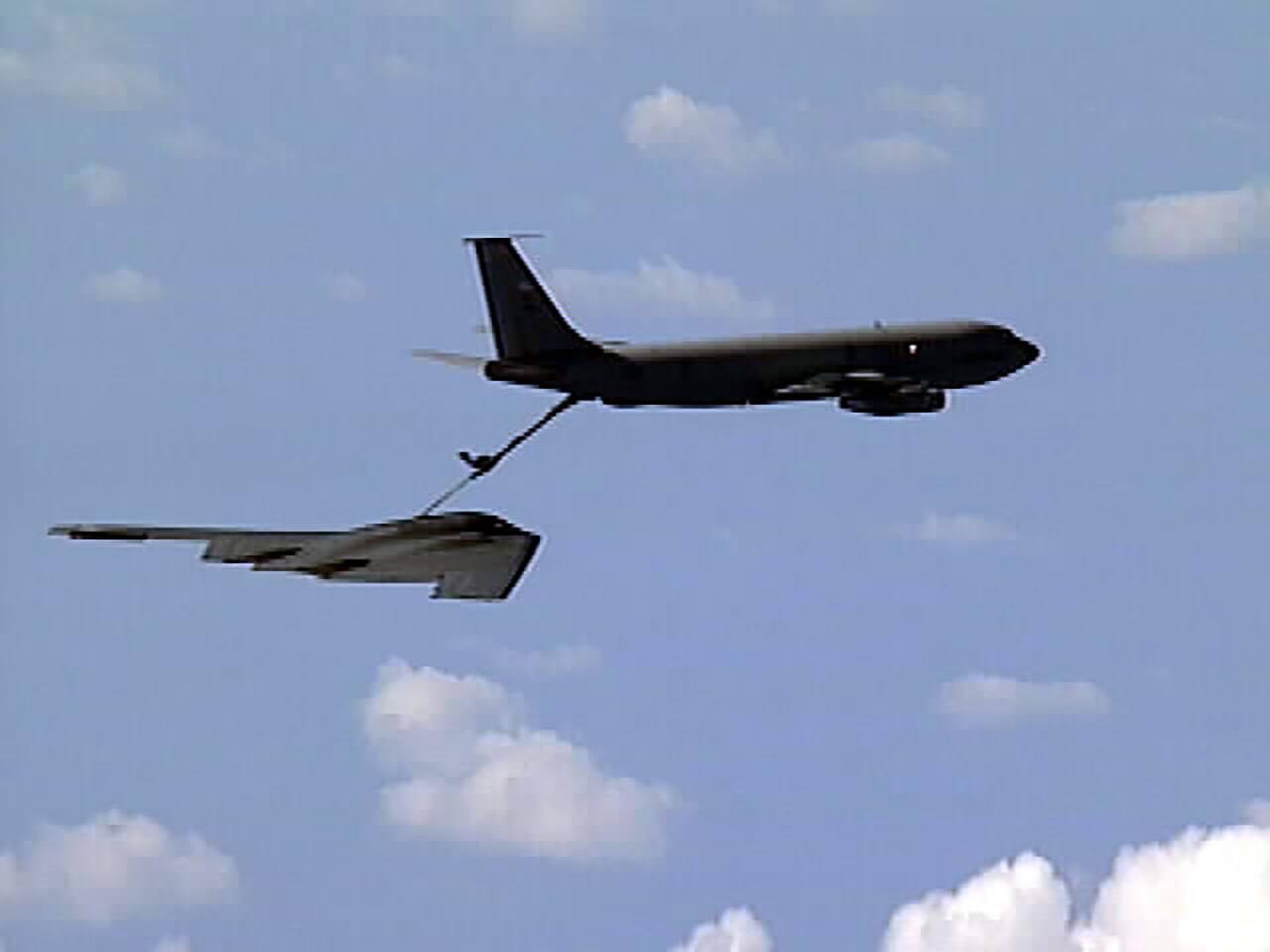
It would also be the operational debut of the B-2 Spirit stealth bomber in combat when a pair of the flying wing aircraft departed Whiteman Air Force Base in Missouri on Mar. 24, 1999. Flying 31 hours non-stop, the Spirits dropped 32 2,000 lb JDAMs with precision. Over the course of the operation, B-2s would fly 45 sorties delivering 656 JDAMs.
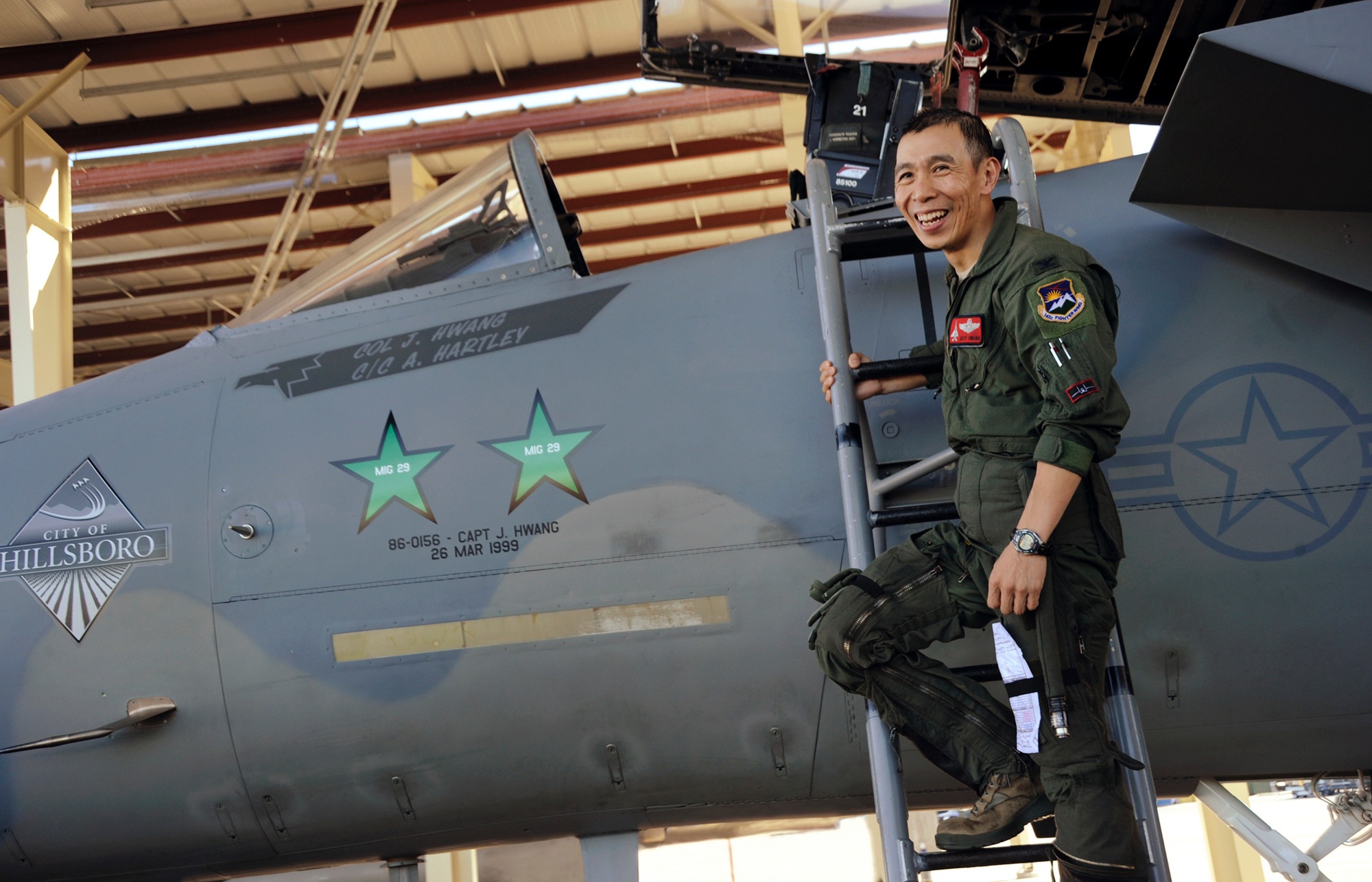
Two MiG-29s became part of the ‘firsts’ category when USAF Capitan Jeff Hwang scored the first F-15C double AIM-120 AMRAAM (Advanced Medium-Range Air-to-Air Missile) kill in a single engagement. On Mar. 26, Capt. Hwang engaged the two MiGs, firing two AIM-120s at them seconds apart at a distance of 16 miles, his AN/APG-63 radar providing him with information that his targets were hostile, supporting both the missiles in flight to the two targets until the seeker heads went active, guiding them on their final leg of the journey to destroy the MiG-29s. Hwang’s F-15 is now on display at the National Museum of the United States Air Force near Dayton, Ohio.
Operation Allied Force would be the first time German Luftwaffe pilots would drop ordinance in anger since World War 2.
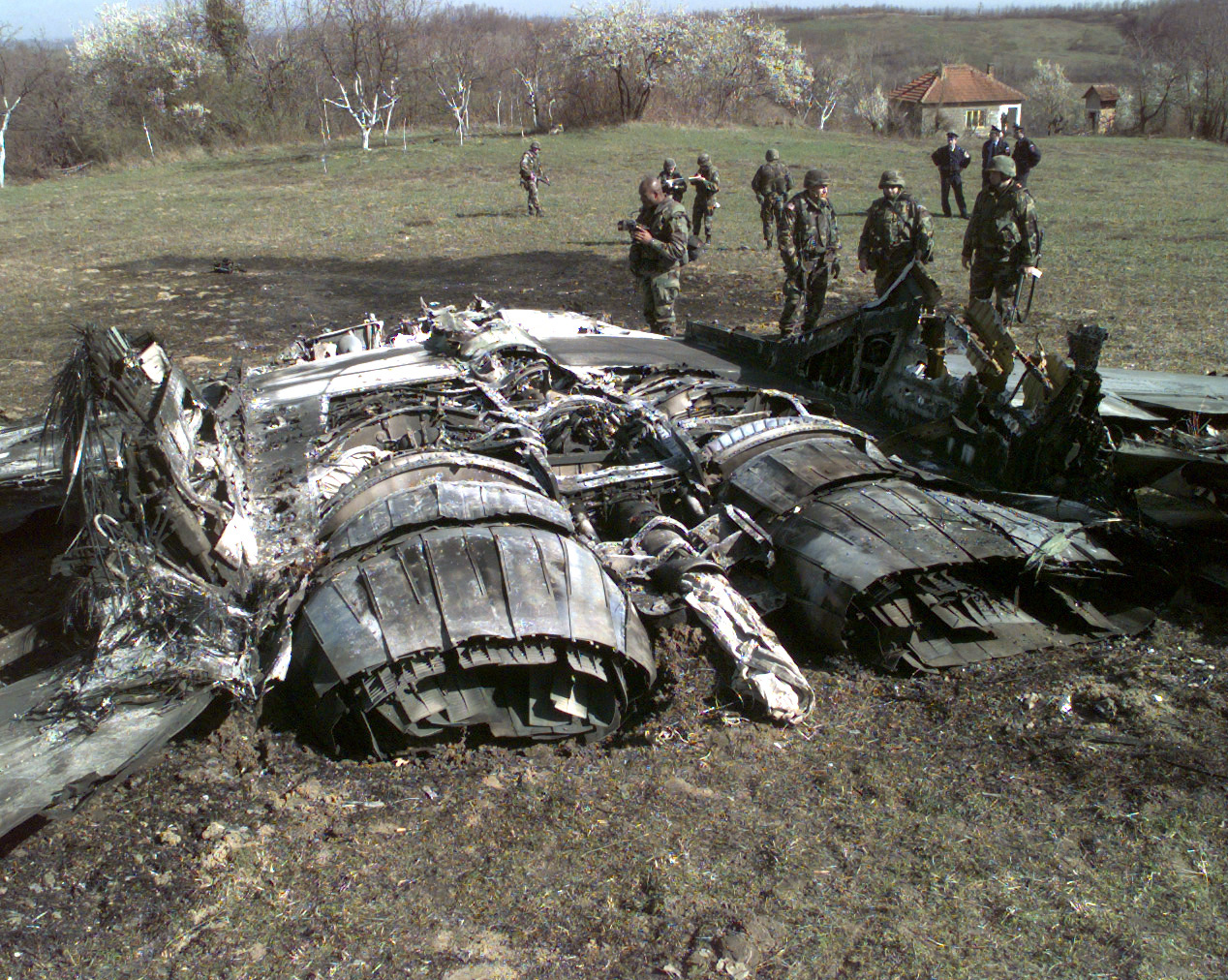
Perhaps the most well-known and shocking ‘first’ of the conflict was the downing of a Lockheed F-117 Stealth Fighter by an S-125 ‘Neva’ (SA-3) SAM. Call sign ‘Vega 31’, the F-117 known as ‘Something Wicked’, piloted by Lt. Col. Darrell P. Zelko, was shot down during a strike mission near Belgrade.
The 3rd Battalion of the 250th Air Defense Missile Brigade of the Army of Yugoslavia would down the F-117 on the night of Mar. 27, 1999. Several factors contributed to the shoot down, with Serbian Col. Dani Zoltan employing unique tactics along with good intelligence, made use of outdated equipment to down what was believed to be impervious to being detected, let alone shot down. Col. Zoltan would add to his resume when he later directed the shoot down of an American F-16C on May 2. That aircraft, ‘Hammer 34’, was piloted by future USAF Chief of Staff, Lt. Col. Dave Goldfein.
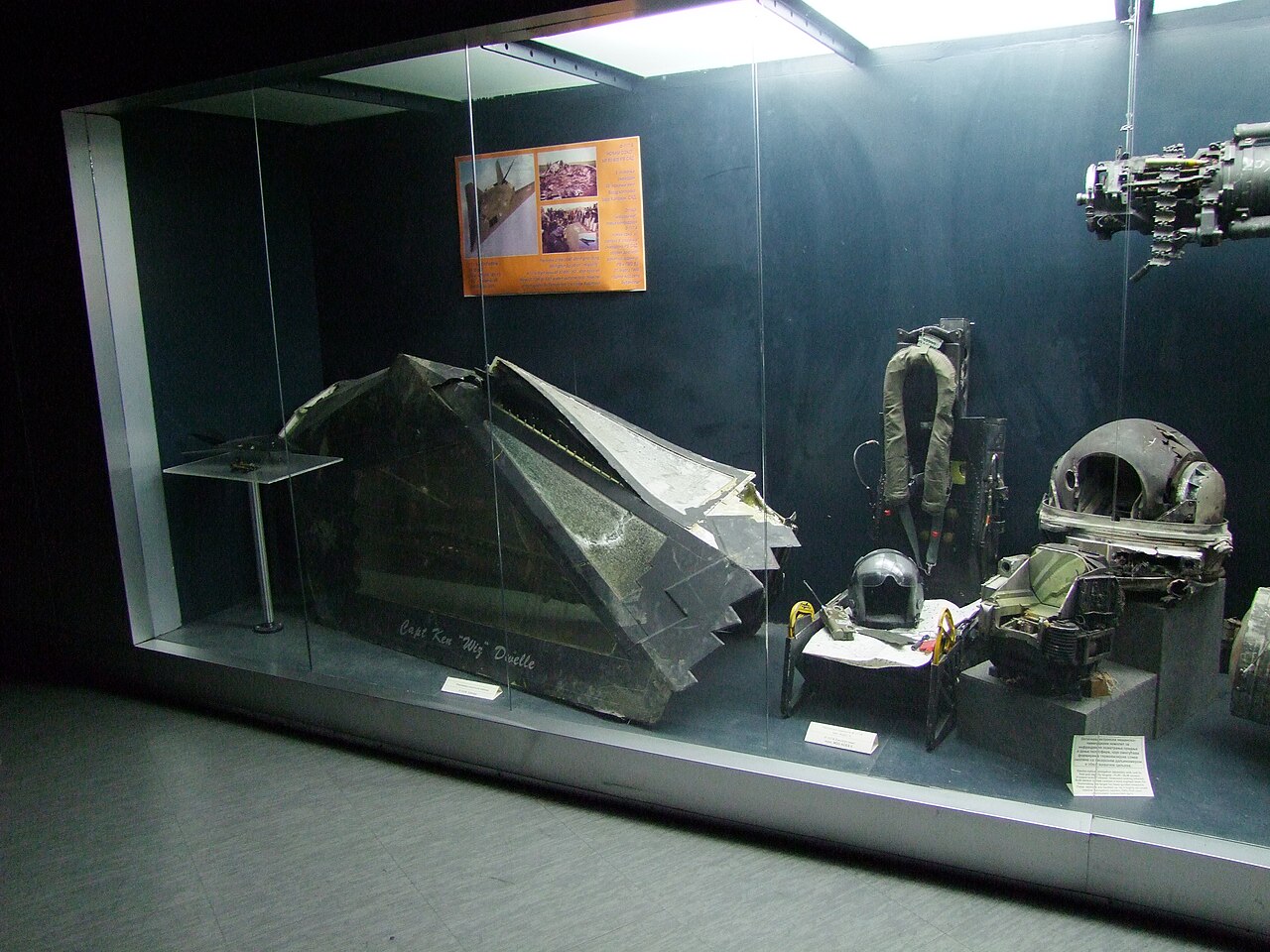
Other NATO aircraft had received damage from Serbian defenses, including A-10s and an additional F-117. An AV-8B Harrier was lost due to technical failure, and NATO lost approximately 25 UAVs, many by Serbian machine gunners in helicopters. A single AH-64 was lost along with two crew members during a training mission near Tirana, Albania.
Endgame
NATO agreed Kosovo should be supervised by the UN with no immediate independence referendum. After suffering the damaging bombing campaign, and receiving pressure from Russia, the Yugoslav government withdrew forces from Kosovo. The bombing stopped on June 10. Russian paratroopers seized the Slatina airport on June 11. Other peacekeeping forces entered Kosovo soon after with hostilities ending June 12, 1999, with the beginning of Operation Joint Guardian and the US Army’s 82nd Airborne entering Kosovo.