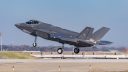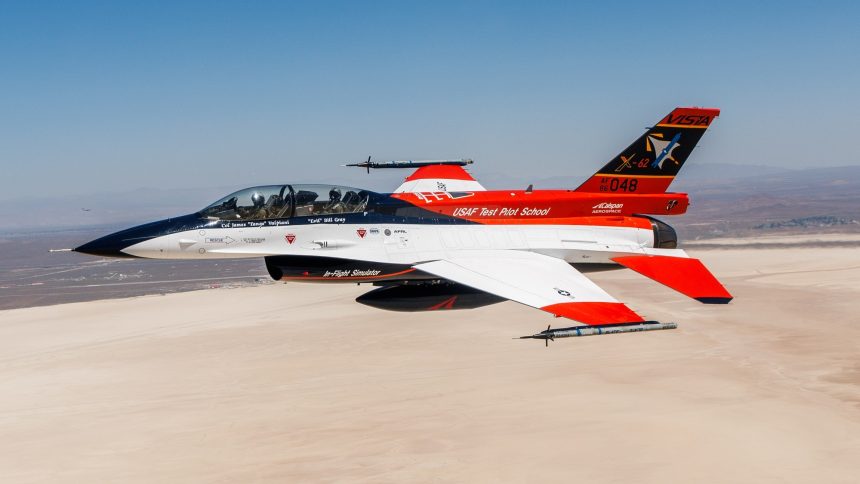
The X-62 Variable Stability In-flight Simulator Test Aircraft will incorporate advanced radar and sensor integration to allow autonomy testing in more complex scenarios.
The U.S. Air Force has announced the start of an upgrade program for the X-62 Variable Stability In-flight Simulator Test Aircraft (VISTA). The program, described as a Mission Systems Upgrade (MSU), is part of a strategic investment from the Test Resource Management Center (TRMC), which will allow the platform to expand autonomy testing in more complex scenarios.
As we previously reported here at The Aviationist, the X-62 is currently being employed to support testing of artificial intelligence agents. The aircraft is assigned to the U.S. Air Force Test Pilot School (TPS), part of the 412th Test Wing at Edwards Air Force Base, California.
X-62 Upgrade
The MSU builds on DARPA’s Air Combat Evolution program, which resulted in the first-ever human versus AI dogfight in 2023. The next phase of the testing will evaluate integration of combat systems and collaboration with airborne agents in increasingly complex environments.
Specifically, the incorporation of advanced radar and sensor integration will allow to fly the aircraft into more complex scenarios and will evaluate AI systems integration, collaboration, and make decisions in real time, explains the service.
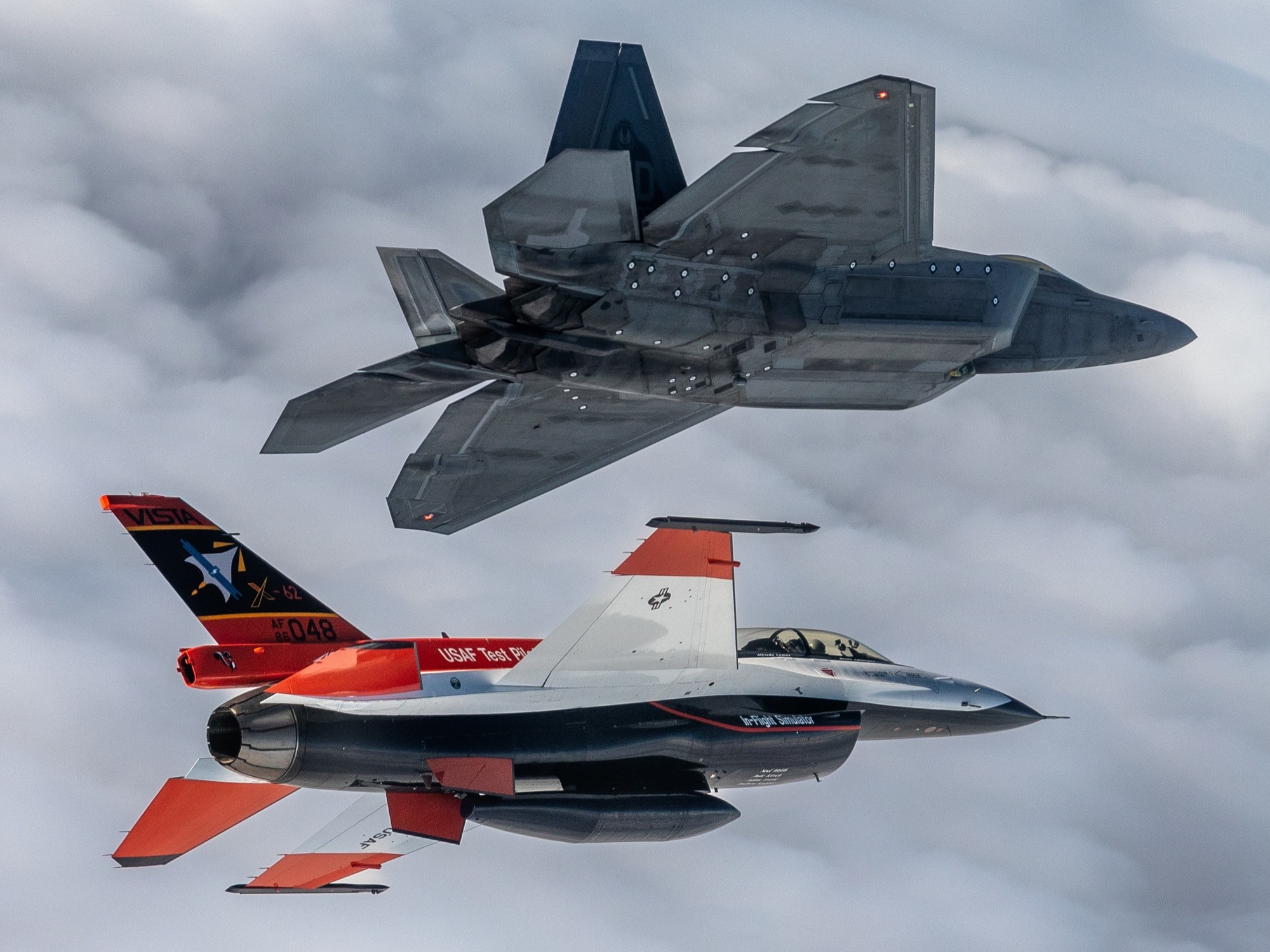
“As the Air Force expands its exploration of integrating autonomy into air and space operations, the X-62 is the bridge between the historical human-centered approach and tomorrow’s integration of uncrewed combat aviation,” said Col. Maryann Karlen, commandant, Air Force Test Pilot School. “The Mission Systems Upgrade enables X-62 to continue the journey in developing breakthroughs in artificial intelligence and autonomy”.
The first mention of the radar upgrade for the X-62 came in August 2024, when the service released a Request for Information (RFI) for a potential radar upgrade on the X-62. Specifically, the radar was described as “part of a set of modular components that can be used individually or together to provide sensory input to aircraft.”
The RFI also mentioned the goal of having the autonomy agents control and use the radar: “the aircraft will be capable of processing raw data from the AESA radar in an autonomy enclave that can use machine learning to process the data and directly control the sensors using either the existing modes available via the radar OFP or via experimental modes and experimental combinations of modes inaccessible or unachievable by human use.”
Among the requirements are air cooling, weight less than 200 lb, AESA technology “that can operated in an unclassified mode,” air-to-air and air-to-ground modes and startup time less than 2 minutes. In May 2025, the service also hosted an industry day focused on the MSU.
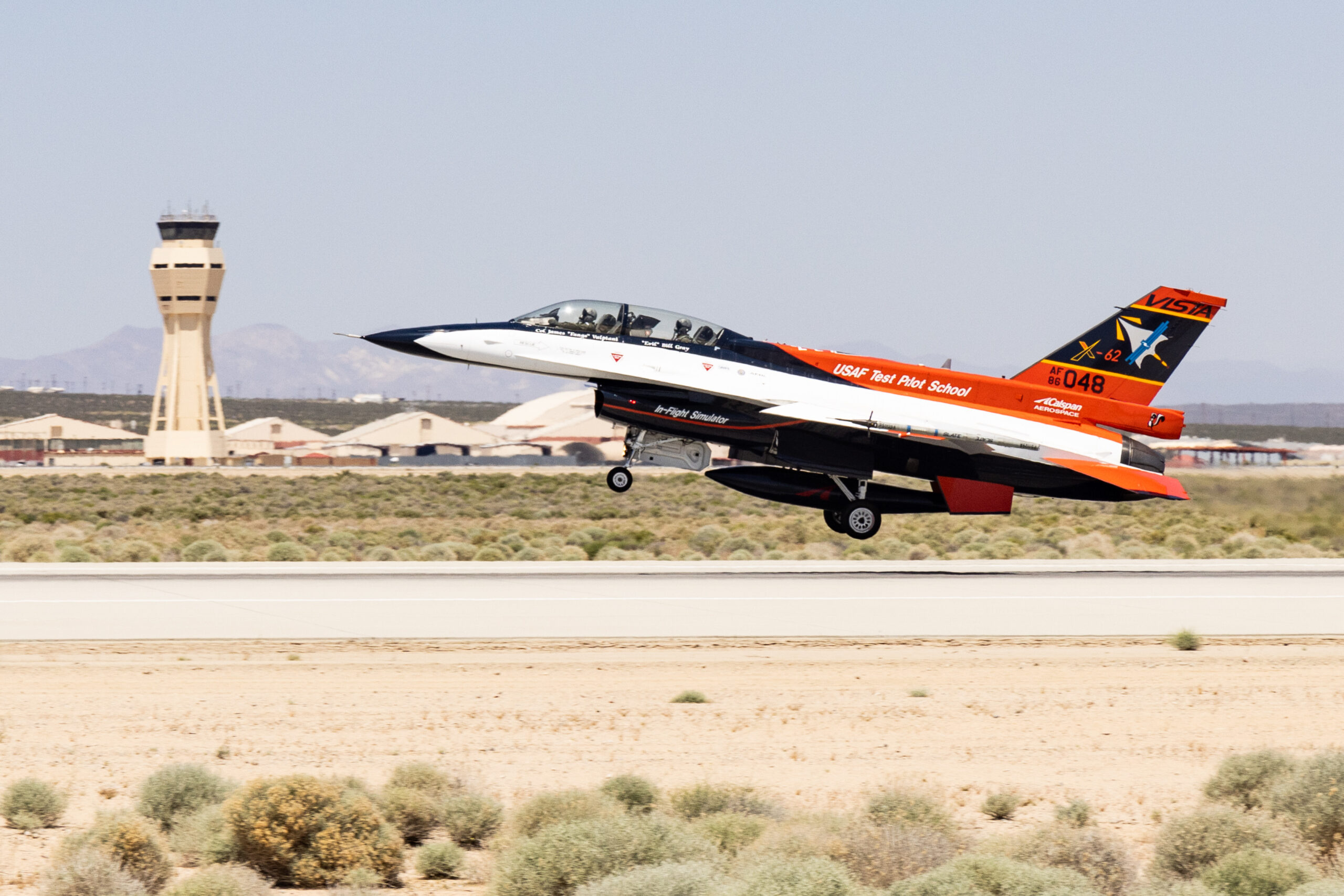
The X-62 Variable Stability In-Flight Simulator Test Aircraft
The NF-16 VISTA started life as a F-16D Block 30 which later received numerous upgrades and modifications, flying for the first time in the new configuration in 1992, and became an important part of the Test Pilot School curriculum. In 2021 it was redesignated as the X-62A in preparation for its participation in Skyborg autonomous flight tests with the Air Force Research Laboratory.
The aircraft was upgraded to fully replace the VISTA Simulation System and add a new system called the System for Autonomous Control of Simulation (SACS) to support autonomy testing, prompting the redesignation as an X-plane. The central control stick connected to the simulation system, in addition to the F-16’s peculiar side stick, was left installed on the aircraft.
Artificial Intelligence agents successfully piloted the X-62A for the first time during 12 flights between Dec. 1 and 16, 2022. The test campaign involved two AI agents, the AFRL’s Autonomous Air Combat Operations and DARPA’s Air Combat Evolution, each performing in different roles.
In fact, while the AACO’s AI agents performed one-on-one beyond-visual-range (BVR) engagements against a simulated adversary, the ACE’s AI agents performed within-visual-range maneuvering, also known as “dogfighting”, against constructive AI red-team agents. Both teams’ AI agents executed autonomous tactical maneuvering while maintaining real-world airspace boundaries and optimizing aircraft performance.
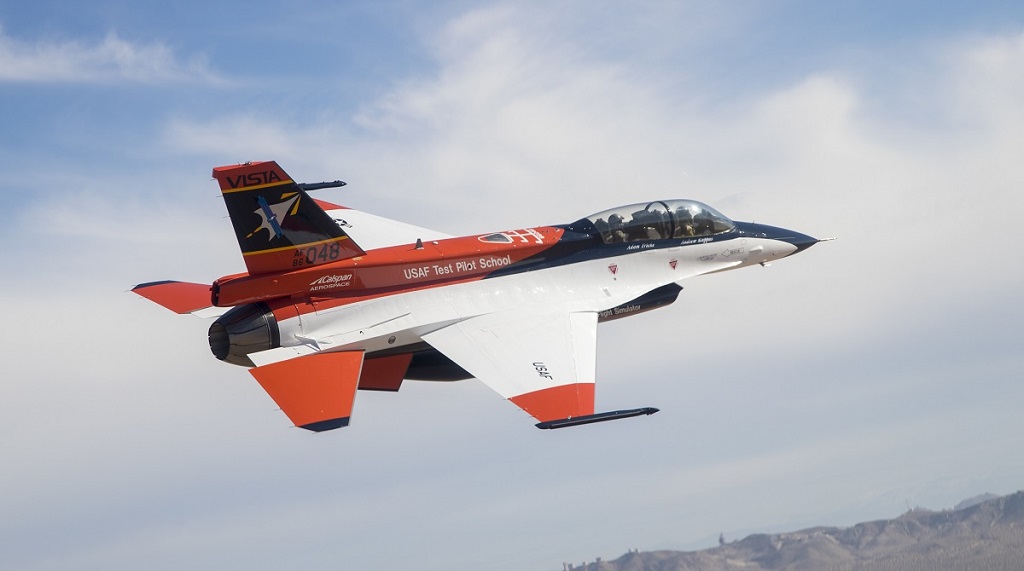
In 2023, the X-62 VISTA was successfully flown by an Artificial Intelligence agent during a simulated dogfight against a human pilot on an F-16. Initial flight safety was built up first using defensive maneuvers, according to the info released, before switching to offensive high-aspect nose-to-nose engagements where the dogfighting aircraft got as close as 2,000 feet at 1,200 miles per hour.
The X-62A is flown with safety pilots onboard with the independent ability to disengage the AI agent should something go sideways. However, the test pilots did not have to activate the safety switch at any point during the engagements over Edwards AFB, said the Air Force.
In May 2024, then Secretary of the Air Force Frank Kendall flew in the front seat of the X-62A VISTA. The purpose of the flight was “to experience firsthand the unique aircraft, which incorporates machine learning and highly specialized software to test autonomous flying and other cutting-edge capabilities.”
During Secretary Kendall’s flight aboard the X-62A, the aircraft executed a range of tactical maneuvers while live agents responded in real-time to simulated threats. The flight involved completing specific test points within an aerial dogfight scenario to validate models and assess performance.