The remains of the two aircraft, which crashed just 30 minutes apart on Oct. 26, were recovered at a depth of 400 feet.
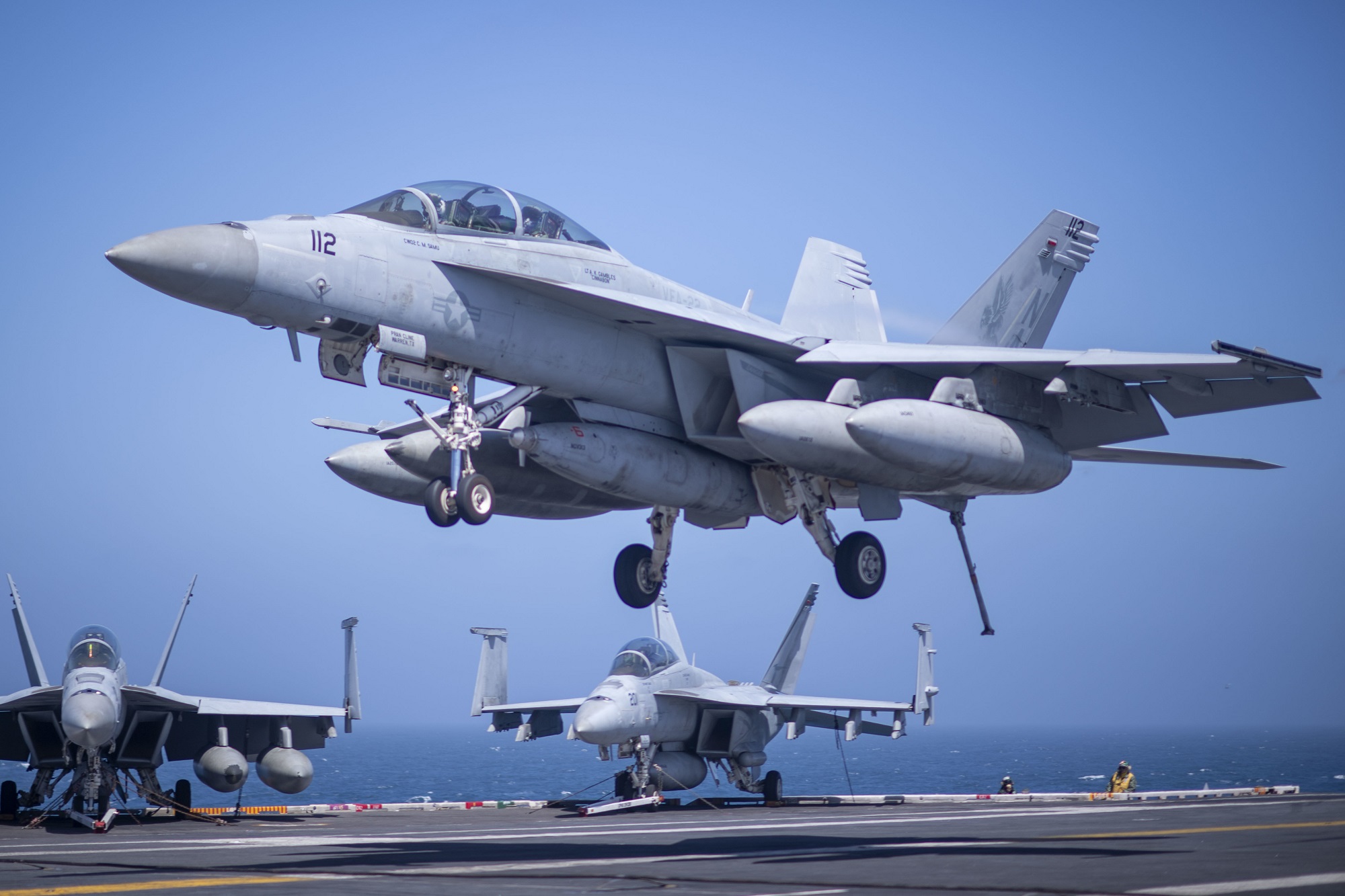
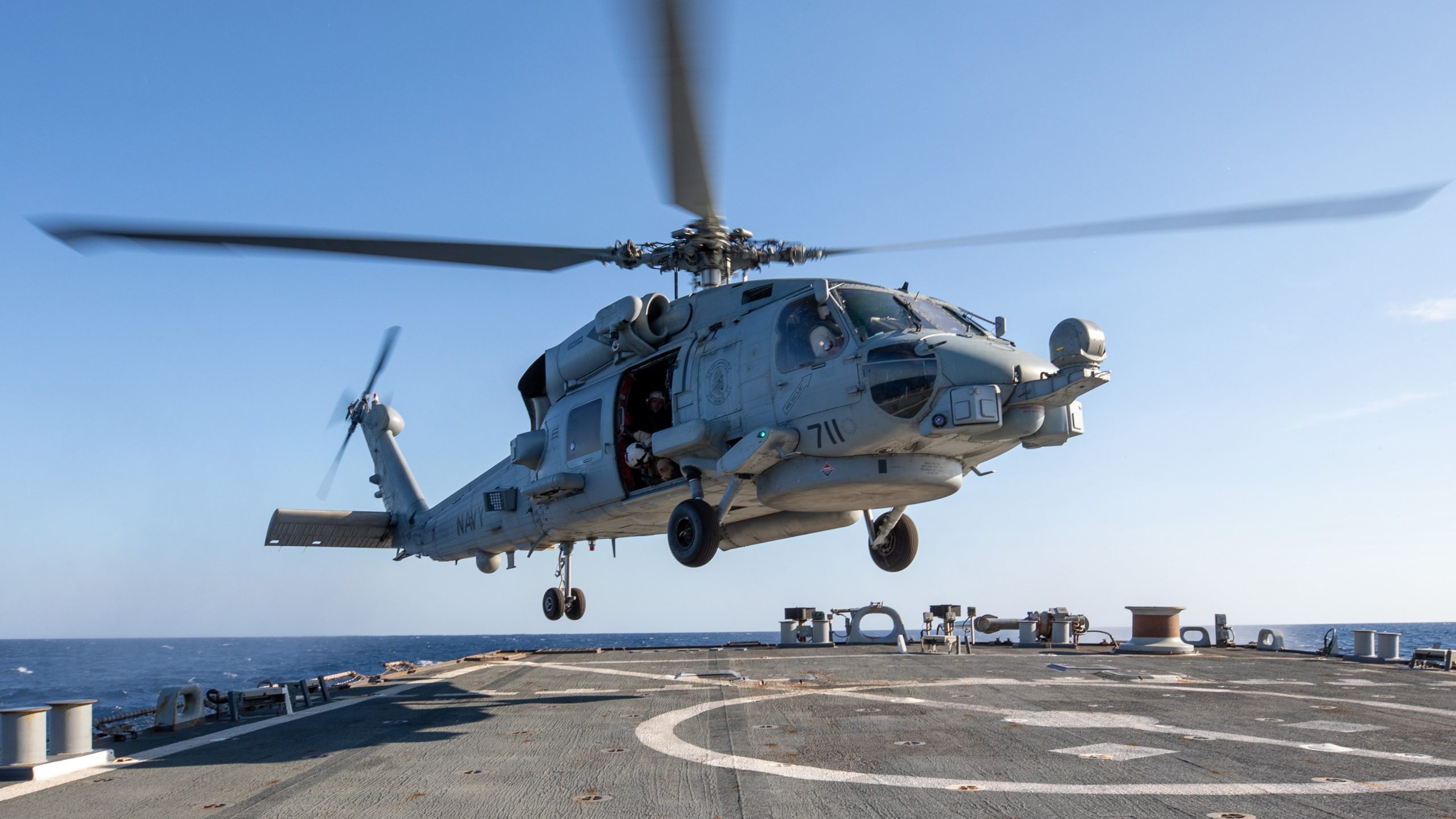
The U.S. Navy has successfully recovered the F/A-18F Super Hornet and the MH-60R Seahawk that crashed just 30 minutes apart on Oct. 26, 2025, during routine flight operations from the USS Nimitz. The Commander, 7th Fleet mentioned in the press release that both aircraft were recovered at a depth of 400 feet on Dec. 5.
The successful recovery come a little over a month after the two aircraft were lost. This is in contrast with the three Super Hornets lost in the Red Sea, which the service has not yet recovered.
However, the context in the two cases is different. Leaving the two aircraft in the South China Sea, even if badly damaged, might have provided China with valuable insights about the two U.S. platforms, thus making their recovery a priority.
The Recovery
The Navy first acknowledged the ongoing salvage operation in mid-November, when Breaking Defense first reported about an emailed statement by the service. “The U.S. Navy has begun mobilizing units that will be used to verify the site and recover the F/A-18 and MH-60R aircraft lost off USS Nimitz (CVN 68) in the South China Sea, Oct. 26,” U.S. 7th Fleet Public Affairs Officer Commander Matthew Comer said.
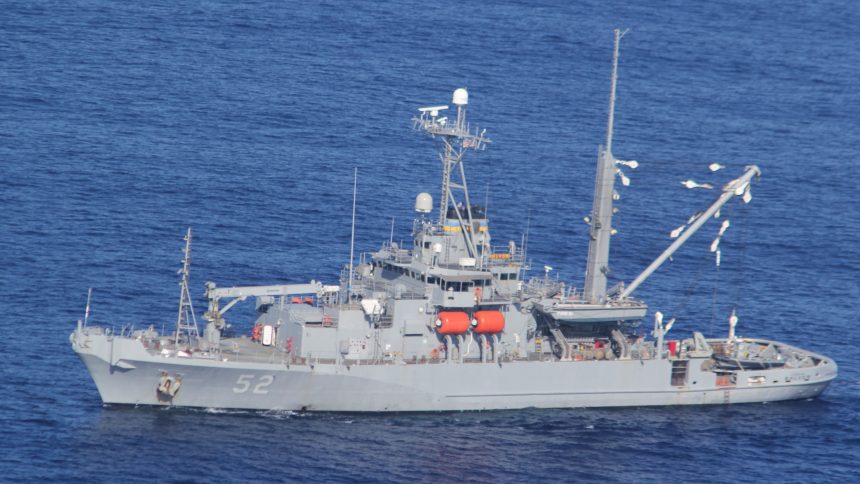
Later that month, Navy Times reported about the service confirming that “USNS Salvor (T-ARS 52), a Safeguard-class salvage ship operated by Military Sealift Command, arrived on location on Nov. 12 to conduct recovery efforts.” The same Navy statement said, at the time, “Recovery efforts are still ongoing.”
The USNS Salvor is specifically designed for the salvage of stranded vessels, rescue and assistance, recovery of submerged objects, and manned diving operations. For the recovery of submerged objects, the ship is equipped with a 7.5 ton capacity boom forward and a 40 ton capacity boom aft, but it can also conduct dynamic 150 ton and 300 ton lifts using the main bow or stern rollers either independently or in unison.
In the latest press release, the service explained the recovery effort was conducted by Commander, Task Force 73 (CTF 73); Task Force 75; the Naval Sea Systems Command’s Supervisor of Salvage and Diving (SUPSALV); and CTG 73.6’s Mobile Diving and Salvage Unit. The Navy employed a contracted Vessel of Opportunity, equipped with a government-owned, contractor-operated unmanned system, to lift and recover the aircraft.
“This recovery was a true Navy team effort across CTF 73, SUPSALV, Task Force 75, HSM 73, VFA 22, and our Mobile Diving and Salvage Unit,” said Lt. Cmdr. Christopher Andersen, the CTF 73 officer who led the salvage mission. “Everyone involved brought critical expertise ensuring we could safely and successfully bring these aircraft back under U.S. custody. This operation highlights the importance of naval integration, readiness, and the unmatched capability of our salvage and diving teams.”
The service said that all recovered aircraft components are being transported to an undisclosed designated U.S. military installation in the Indo-Pacific region for detailed analysis. The incidents remain under investigation, and the recovery of the components could be critical to determine the causes of the two crashes.
The Incidents
As we previously reported, on Oct. 26, 2025, an MH-60R Seahawk and an F/A-18F Super Hornet from the USS Nimitz crashed into the South China Sea just 30 minutes apart. Five personnel, three on board an MH-60R Sea Hawk, and two in the F/A-18F Super Hornet, were recovered safely by the carrier group’s search and rescue assets.
The MH-60R Seahawk, operated by Helicopter Maritime Strike Squadron 73 (HSM-73), went down into the South China Sea first at approximately 2:45pm local time. At the time of the incident the helicopter was engaged in routine operations from the USS Nimitz (CVN 68) aircraft carrier, which currently leads Carrier Strike Group 11 (CSG 11).
Around 3:15pm local time, just half an hour later, the F/A-18F Super Hornet from Strike Fighter Squadron 22 (VFA-22) crashed into the sea after both pilots ejected from the aircraft. The circumstances that led to the crew’s decision to eject have not been confirmed.
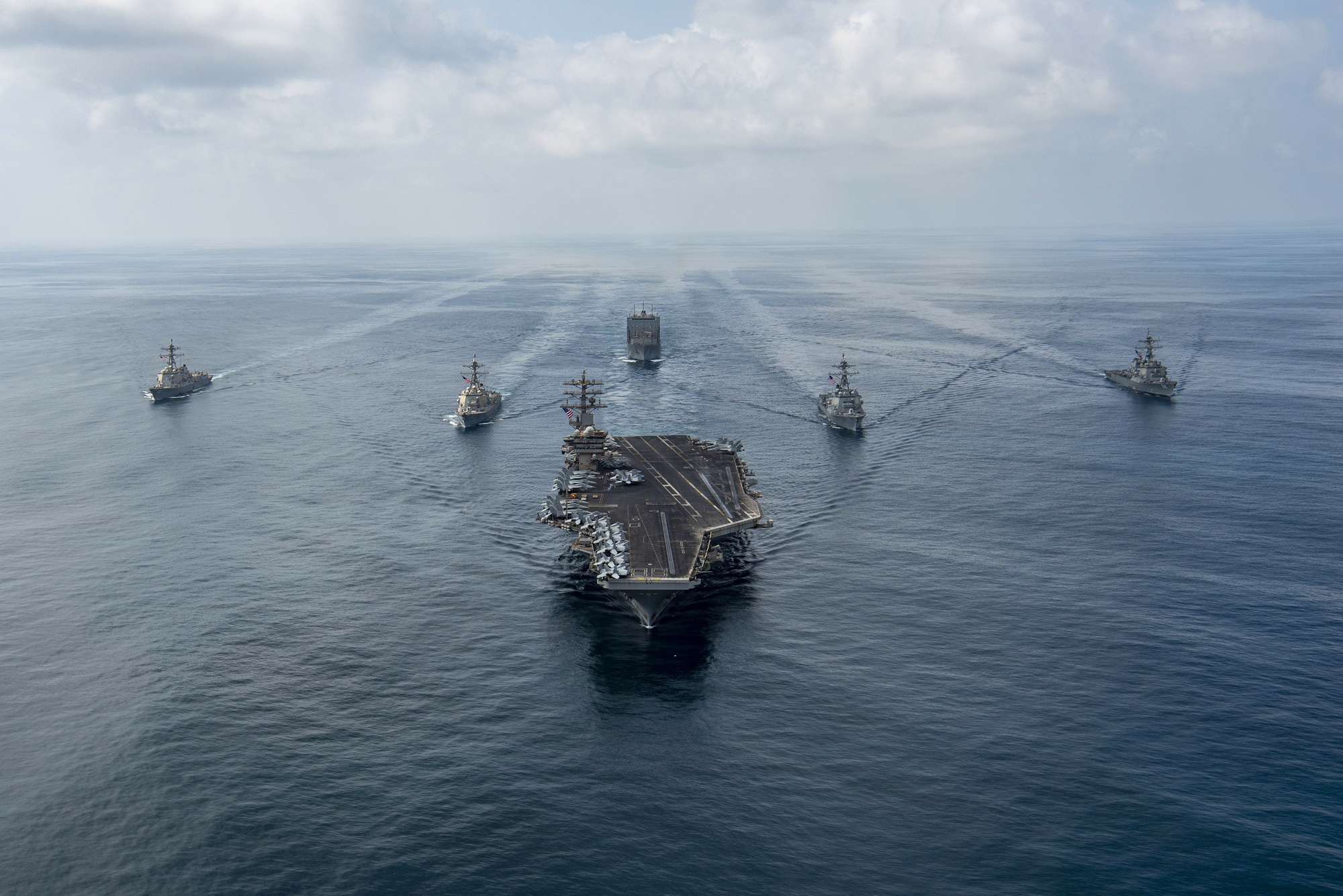
The USS Nimitz is now on the last leg of what is expected to be its final operational deployment. The oldest aircraft carrier in the U.S. Navy’s fleet, the USS Nimitz departed in March 2025 for a routine deployment to the Indo-Pacific.
The carrier has also spent some time within the Fifth Fleet area of responsibility, making a port call in Bahrain in August. After the port call, the carrier sailed towards the Pacific, heading through waters contested by the People’s Republic of China, and is back home, after arriving in San Diego, California, on Dec. 7, 2025.