Lt. Col. William “Skate” Parks earned the nation’s third-highest combat decoration for guiding his F-16 flight through a deadly barrage of surface-to-air missiles during a SEAD mission in Yemen.
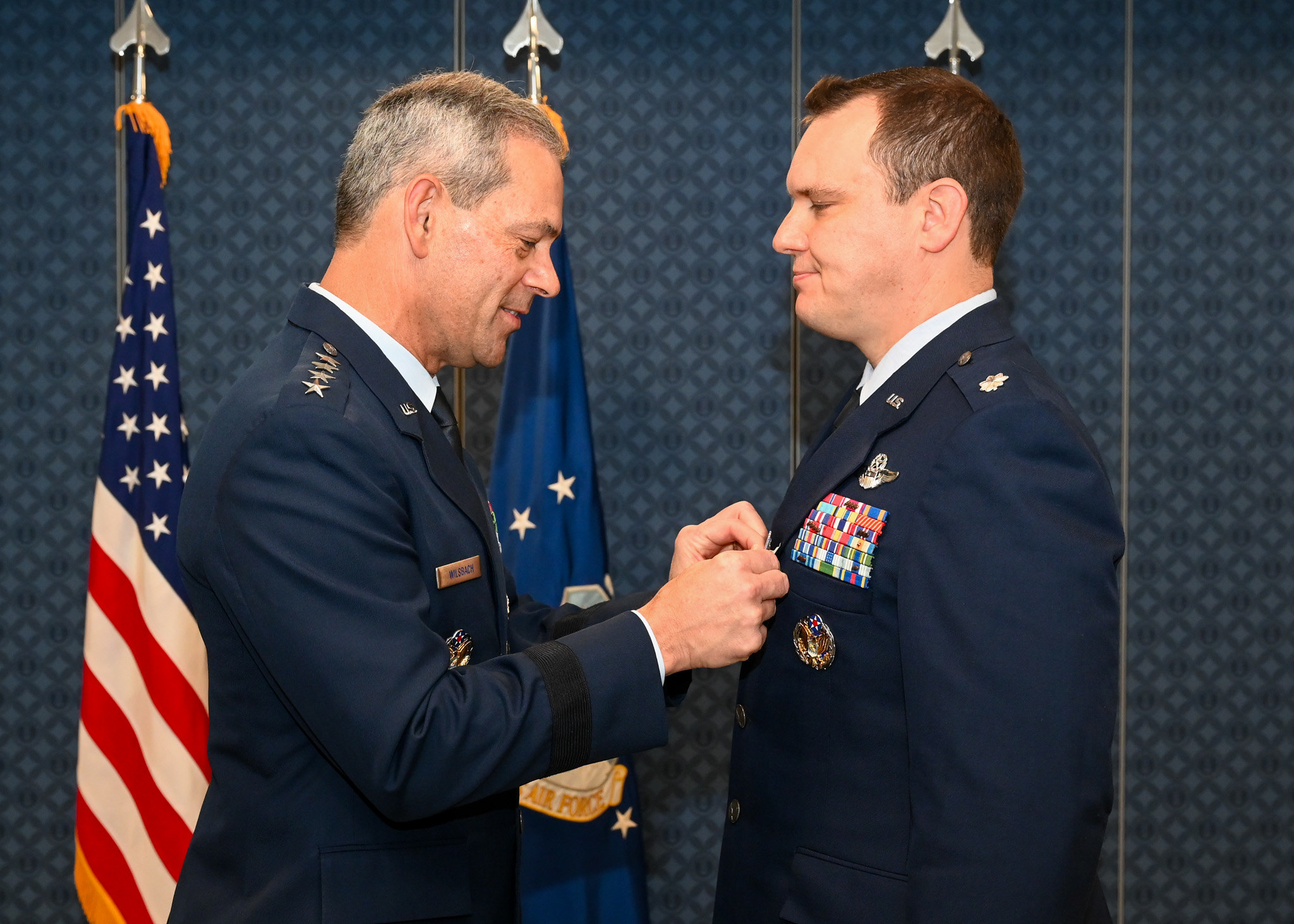
Lt. Col. William “Skate” Parks, former commander of the 480th Expeditionary Fighter Squadron, was awared the Silver Star Medal for his actions during a mission in March 2025. Although the U.S. Air Force statement does not reveal the location of the mission, its timeline aligns with known operations from the U.S. campaign against the Houthis. The decoration, presented at the Pentagon by Air Force Chief of Staff Gen. Kenneth Wilsbach, recognizes Parks’ valor and leadership while leading a large strike package into one of the most heavily defended areas of the conflict. He was also awarded the Bronze Star for meritorious service during the same deployment.
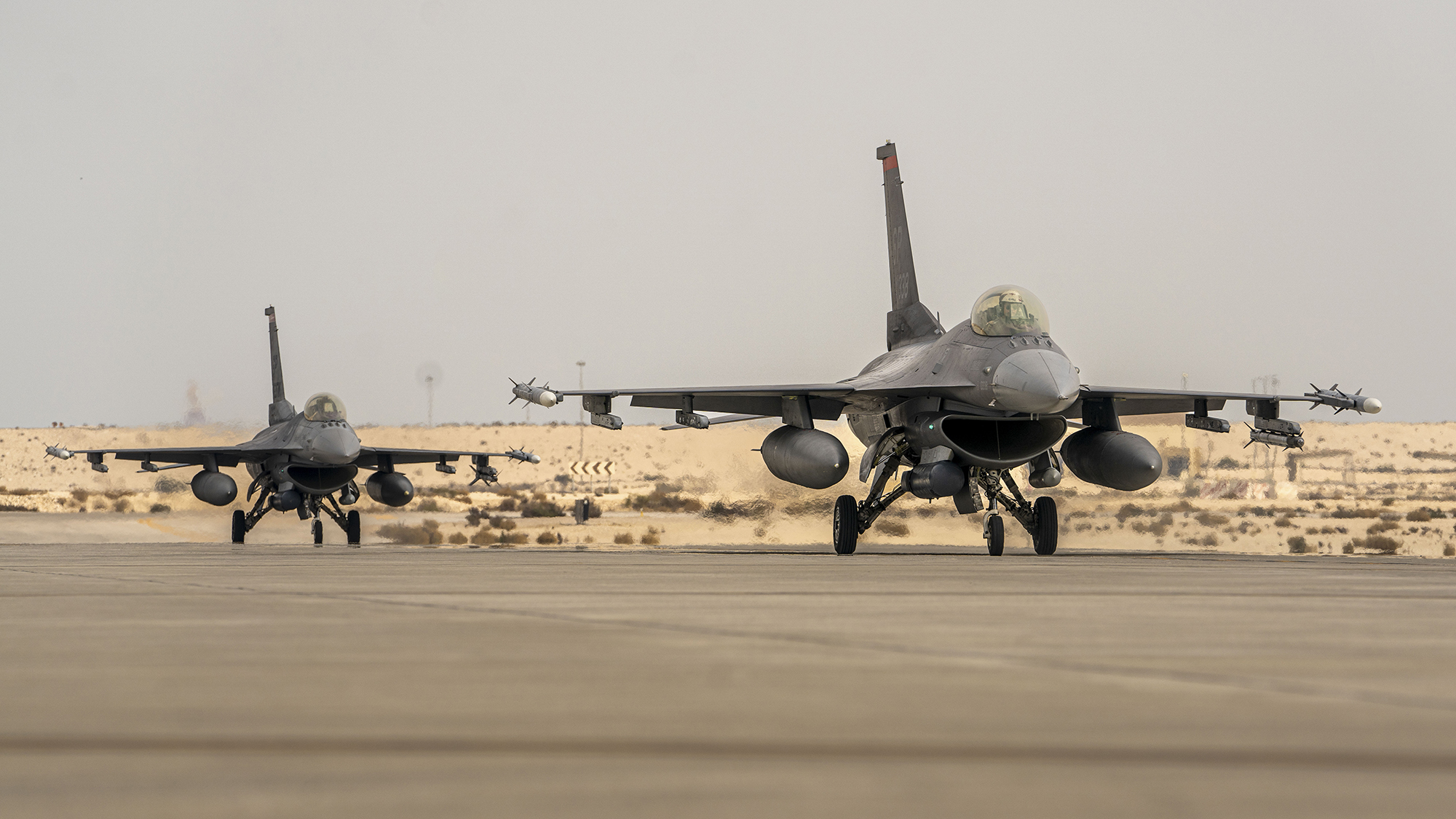
According to the U.S. Air Force, the mission took place on Mar. 27, 2025, within the U.S. Central Command area of operations. Parks was the mission commander for a package of 21 aircraft assigned to strike ballistic missile production facilities (operated by Houthi forces). Flying a four-ship formation of F-16CM jets in SEAD (Suppression of Enemy Air Defenses) role, his task was to suppress and destroy enemy air defenses to clear the way for the follow-on strike elements.
As the formation entered the engagement zone, surface-to-air missile batteries and anti-aircraft artillery opened fire from multiple sites. Parks deliberately positioned his flight within the threat envelope to protect other aircraft in the package and to neutralize the air defenses that posed the greatest risk to the mission. For nearly 15 minutes, his flight was exposed to a dense network of radar-guided and infrared threats, with at least one missile detonating only a few meters from his jet. Throughout the engagement, Parks maintained command and control of the entire strike force while directing evasive maneuvers, employing countermeasures, and ensuring deconfliction among the supporting aircraft.
At a critical stage of the mission, with his formation low on fuel deep inside enemy territory, Parks coordinated an emergency aerial refueling under combat conditions. The official release notes that this prevented the potential loss of two aircraft. Despite the sustained enemy fire and the challenging fuel situation, the mission achieved its objective and crippled key ballistic missile infrastructure. The citation credits Parks for courageous and steady actions that directly contributed to the survival of his wingmen and the success of the operation.
According to the U.S. Air Force: “Parks has been credited with six aerial victories protecting the lives of more than 5,000 Sailors aboard the USS Harry S. Truman (CVN 75), and he personally defended against five deadly surface-to-air missile engagements targeting his aircraft.”
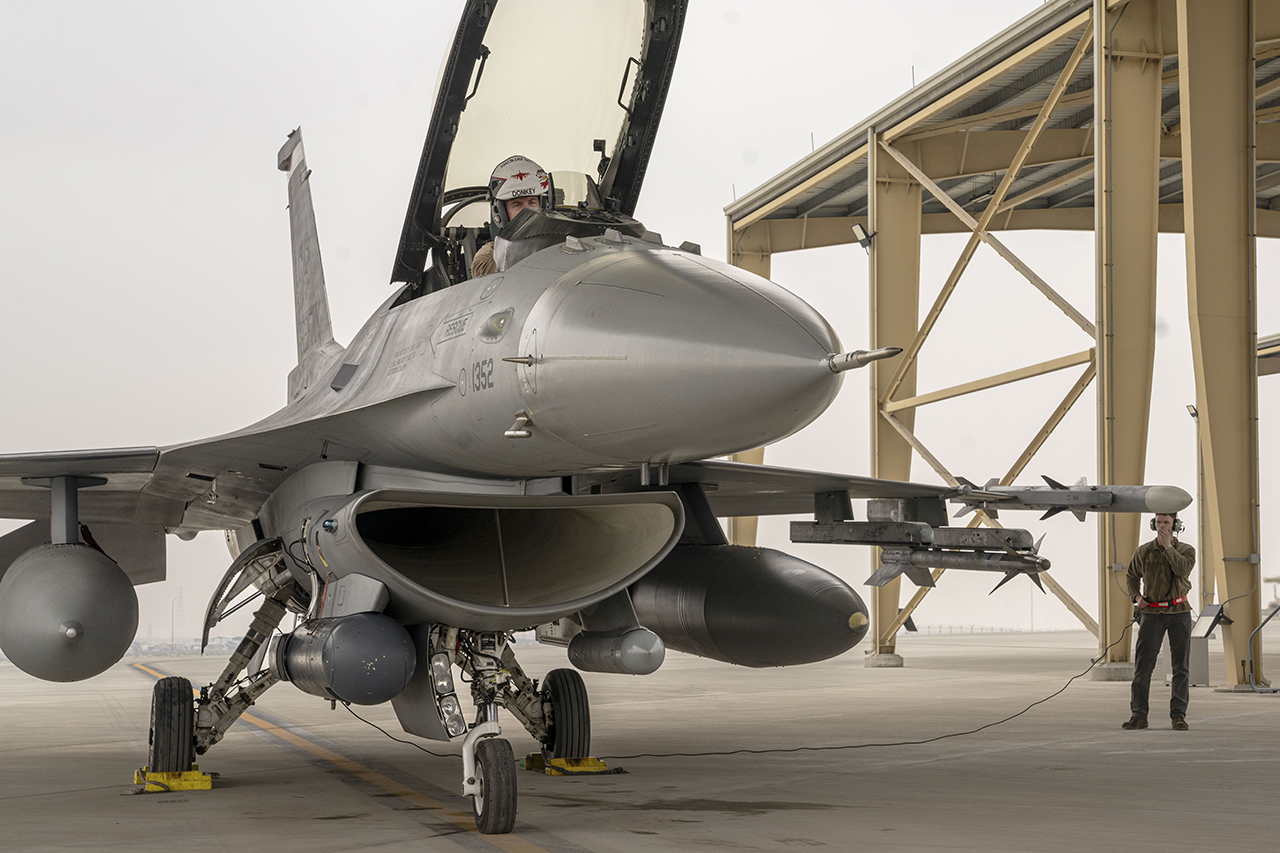
The deployment of the 480th EFS, based at Spangdahlem Air Base in Germany, was part of a broader effort by the U.S. Air Force to counter the growing drone and missile threat across the region. Interestingly, during its 8-month rotation, the squadron recorded 108 aerial kills against unmanned aerial systems and cruise missiles. As noted in previous analyses, recent U.S. and allied operations over the Middle East showed somewhat a return to high-threat airspace environments similar to those seen in earlier conflicts where the combination of integrated air defense systems, long-range missile launches, and persistent drone attacks represent a complex testbed for modern suppression and strike tactics requiring frontline units to adapt to the realities of twenty-first century air warfare. As previously reported by The Aviationist, the 480th employed a combination of weapons such as AIM-9M Sidewinders and, above all, the AGR-20F laser-guided rockets to engage these targets in a cost-effective way, saving millions of dollars in munitions while refining new air-to-air tactics for drone defense.
In fact, the U.S. Air Force F-16s deployed to the CENTCOM (Central Command) AOR (Area of Responsibility) have been employing the APKWS II in the air-to-air role against Houthi projectiles over the Red Sea since 2024. The service previously announced in 2019 that the APKWS II was tested in the air-to-air role.
The Silver Star, the third-highest U.S. military decoration for valor, is rarely awarded within the Air Force. Gen. Wilsbach highlighted this during the ceremony by noting the very small number of Silver Stars that have been presented in the service’s history.