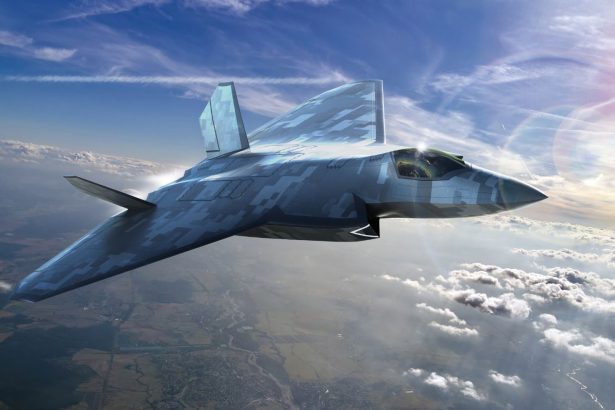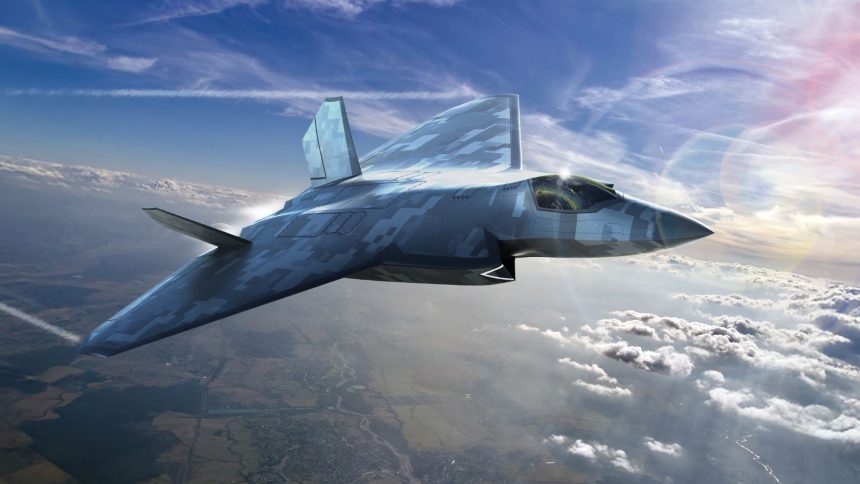
The first joint international contract has been awarded for the Global Combat Air Programme (GCAP), focusing on key design and engineering activities.
The GCAP International Government Organisation (GIGO), which represents the governments of the UK, Italy and Japan, awarded a £686 million (about 912M USD) contract to Edgewing, the trilateral company formed by BAE Systems, Leonardo and Japan Aircraft Industrial Enhancement Co. Ltd (JAIEC) to lead the development of GCAP. The money aims to sustain GCAP until the end of June, allowing for continued design and associated engineering work in the meantime.
The contract was intended to be awarded in late 2025, however it was set back owing to the delay in the publication of the UK’s Defence Investment Plan (DIP), which aims to lay out the next ten years of the UK’s defence budget and its various procurement projects. The short time frame for the current contract indicates that there are still issues here around UK funding for GCAP and the wider DIP, with the current cash investment not a long term solution.
After a wait that extended well beyond what had originally been expected, here comes an important announcement. https://t.co/xBY5hd4dRc
— Gabriele Molinelli (@Gabriel64869839) April 2, 2026
Two insider sources from within GCAP reportedly spoke to the Financial Times expressing that “Frankly speaking, it’s a terrible situation,” with a Japanese insider admitting Japan’s “growing frustration” with the UK over the investment delays. Issues publishing the UK’s DIP are seemingly starting to have consequences for allied nations, with any delays to GCAP threatening Japan’s wider defence picture vis-a-vis its modernisation in the face of a growing 5th generation fighter threat from China.
GCAP represents an important alternative to the American F-35 in dealing with this advanced threat, reducing reliance on the U.S. at a time when it is acting in an extremely bellicose manner toward its allies over the war with Iran. However, the awarding of this contract is still a breath of fresh air for the Italian and Japanese partners as well as those within UK defence circles who were themselves worried about the future of the programme.
To this end, today’s announcement by Edgewing on receipt of the contract focused on accelerating the development of GCAP, as the partner nations and Edgewing itself still aim to deliver the next-generation combat air system to their respective air forces by the year 2035. Edgewing emphasises this directly stating that the contract aims to “build momentum and accelerate pace of delivery” of the platform.
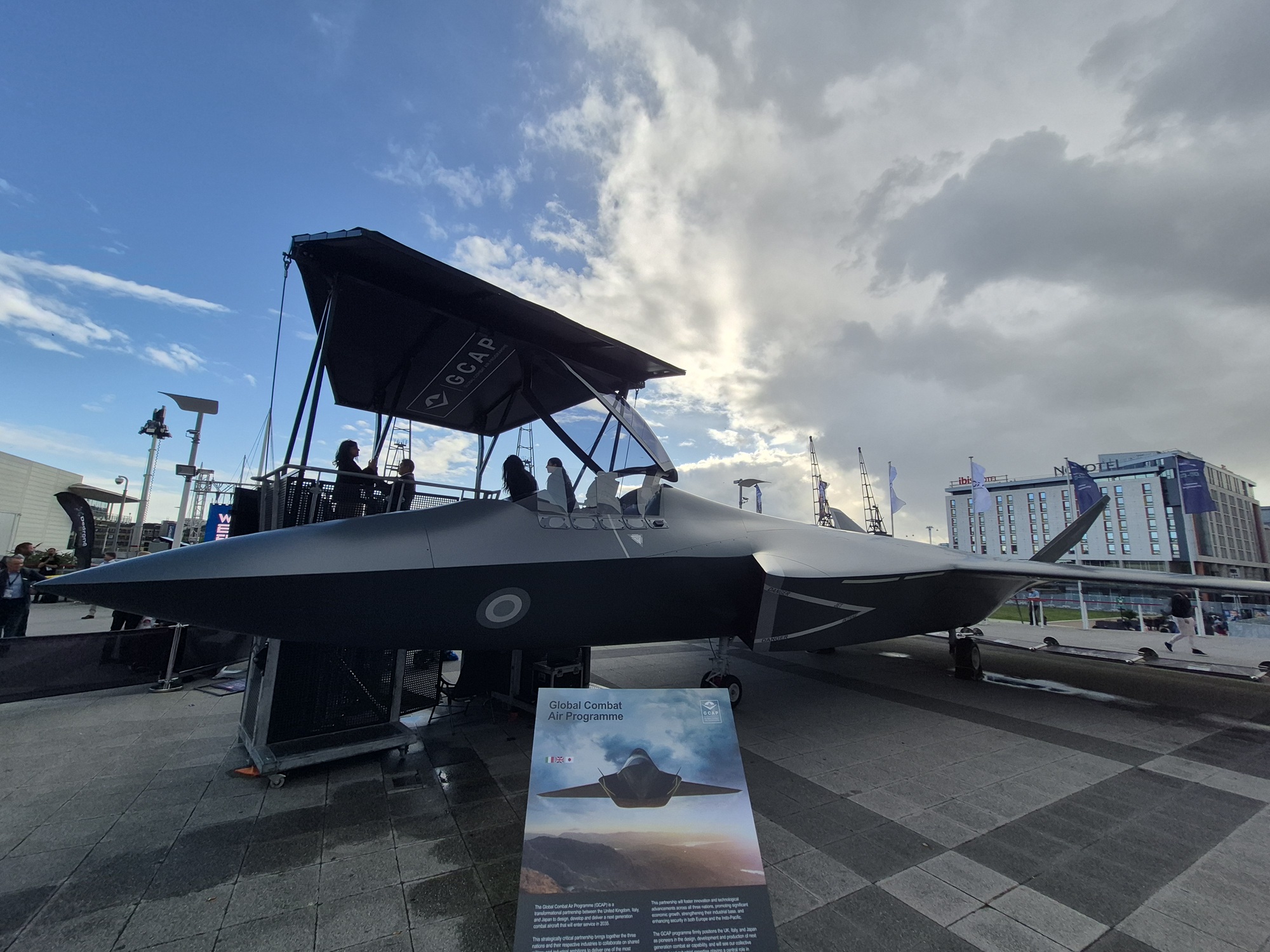
GCAP Agency Chief Executive Masami Oka stated:
“This contract is an important moment for GCAP, as activities previously conducted under three nations’ contracts will now be carried out as part of a fully-fledged international programme.”
Additionally, Marco Zoff, Chief Executive Officer at Edgewing said that:
“The pace at which Edgewing and the GCAP Agency have ramped up, and are now operating, has been made possible through our shared purpose and strength of collaboration. We are proud to carry this momentum forward.”
Edgewing
Set up on June 20, 2025, Edgewing is the name for the industrial joint venture responsible for the design and development of the 6th generation fighter that makes up part of the wider GCAP. BAE Systems, Leonardo and JAIEC each have a 33.3% shareholding of Edgewing, with the intention to divide the work and the costs evenly between the three nations.
It will take the lead on the platform’s engineering, airworthiness and certification across all phases of its development cycle. Edgewing’s main headquarters is based in Reading in the UK, with Britain having been the lead nation in the development of the program.
GCAP Partners Announce ‘Edgewing’ Joint Venture
Edgewing will be accountable for the design and development of the next generation combat aircraft and will remain the design authority for the life of the product.
Story: https://t.co/ysBIFKzSXY
— The Aviationist (@TheAviationist) June 25, 2025
The current Chair of Edgewing’s executive committee is Herman Claesen, the Managing Director of the Future Combat Air Systems (FCAS) business in BAE Systems. He was previously CEO Eurofighter GmbH, based in Munich, which gave him the right management expertise needed to lead at Edgewing, leveraging his experience keeping Britain, Germany, Spain and Italy working together on the Typhoon.
Marco Zoff, the current Chief Executive Officer, has experience as a Supply Chain Officer at Leonardo, as well as experience as the Managing Director of Leonardo’s Aircraft Division. This gives him experience leading in projects in which the supply chains are truly global.
GCAP suffers from the tyranny of distance, with Japan on the far side of the world compared to the UK and Italy, making its supply chain relatively difficult to manage in the face of global shocks. Skilled hands are required across all levels to ensure that a demonstrator is available for its first flight in 2027, and that the aircraft can start entering service in 2035.
Canadian Involvement?
Officials have revealed that Canada is looking to join GCAP as an observer nation, allowing for the sharing of classified information on the aircraft and leading the way for potential sales. Canadian observer status was reportedly the main topic of a meeting on Mar. 6, 2026, between Japanese Defense Minister Shinjiro Koizumi and Canada’s Minister of National Defense, David McGuinty.
As an observer Canada would first have access to insider information on the aircraft and the wider program, allowing for deeper participation in manufacturing, development and procurement if Ottawa so wished.
JPN media Asahi reports that Japan🇯🇵, the UK🇬🇧 & Italy🇮🇹 are coordinating to include Canada🇨🇦 as an observer country in the GCAP, allowing limited classified info sharing; Ottawa is not joining development for now but considering procurement:https://t.co/9UyZwUyUBx.…
— Song’s Defence Watch🇦🇺🇯🇵 (@songs349) March 31, 2026
According to the Asahi Shimbun, the three current partner nations plan to hold a defence ministers’ meeting in the UK as early as July to formally announce Canada’s participation. Tokyo and Ottawa had signed a defense equipment and technology transfer agreement in January, with wider GCAP involvement seemingly a useful next step for the nation which has been at loggerheads with the U.S. over defence.
U.S. President Donald Trump has placed heavy tariffs on Canada whilst also threatening the Commonwealth nation with potential annexation. Canada, who had been a long term defence partner of the U.S., has invested heavily in the F-35 program, but now this reliance on the American platform may appear foolhardy in the face of American threats.
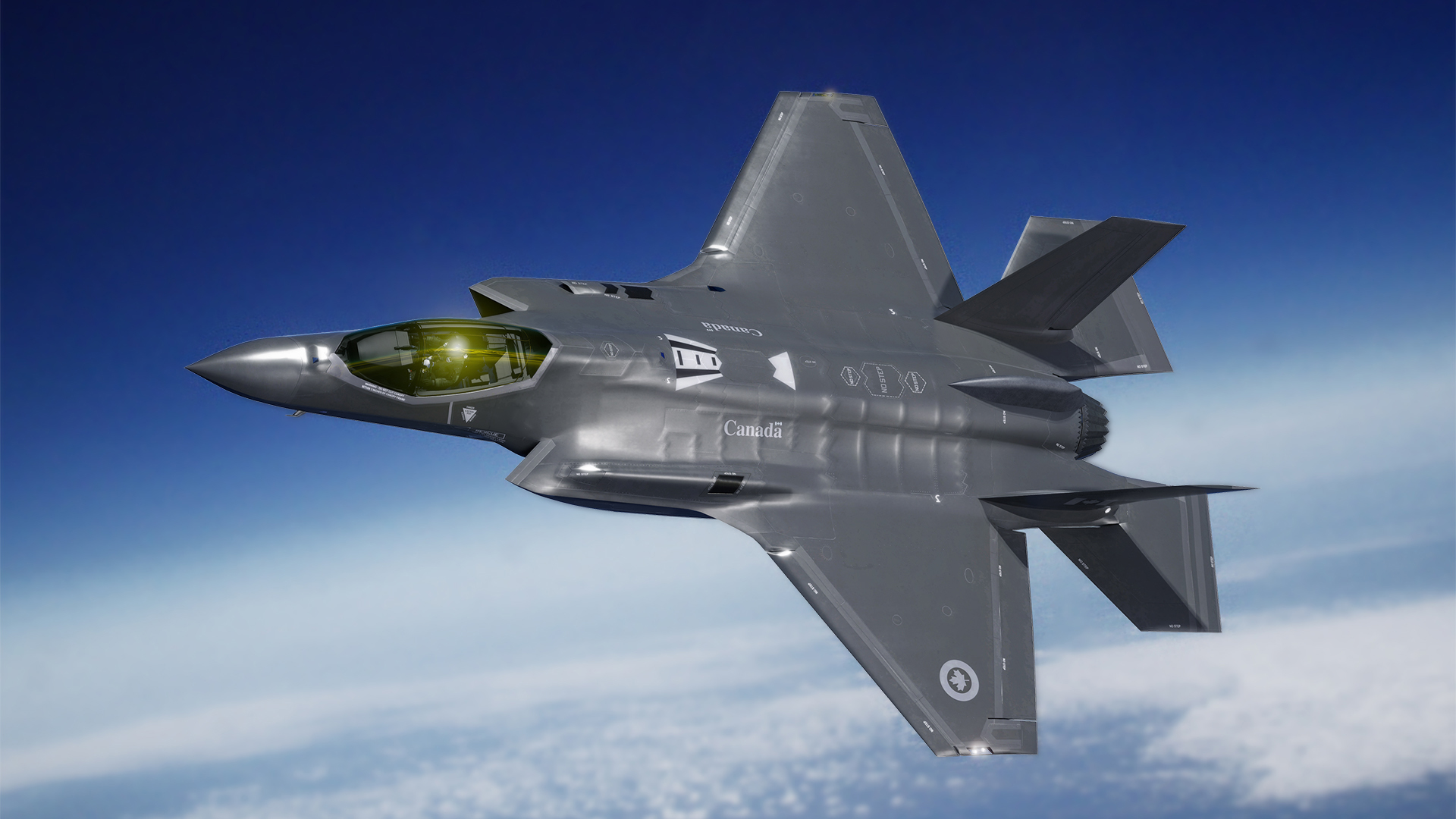
Canada’s involvement in GCAP, even in a limited capacity, could benefit the current partner nations, allowing for reduced overall airframe costs as the number of deliveries increase. For nations such as the UK, lower costs could be essential to seeing through the program to its full potential.
Germany, Sweden and Poland have also reportedly expressed interest, indicating a strong export potential for the aircraft if it is successful. Only time will tell if the programme is able to achieve its current goals.
India has also expressed an interest in joining GCAP as a development partner, owing to its current lack of a 5th generation fighter capability, and increasing tensions with Pakistan. However, it is unlikely to be able to join in this capacity owing to Japan’s insistence that no more partners are added to the development of the aircraft, in case it leads to delays in the platform entering service.
India’s current program the Advanced Medium Combat Aircraft (AMCA) looks unlikely to meet its current deadline, forcing the nation to possibly adopt a western platform as a customer and not a developer. This would not be good for India’s own aviation industry which it has been trying to build up with domestic defence programmes over the last few years.
France and Germany’s FCAS program is also of interest to India, however it has been beset with extreme delays due to infighting between the two defence primes Dassault and Airbus.