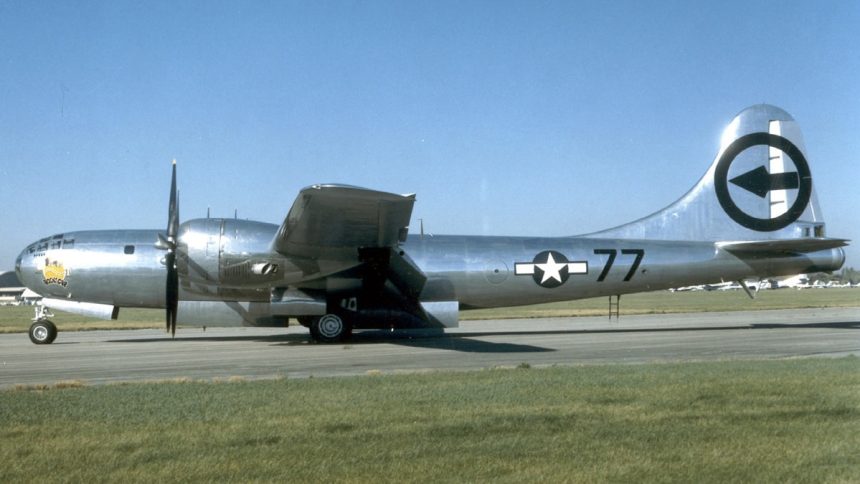
Departing in the predawn darkness of Aug. 6, 1945, a modified B-29, designated with radio call sign ‘Dimples 82’, was carrying a single bomb. Enola Gay was about to change the world.
Approximately a year and nine months earlier, on Dec. 2, 1943, a lone Boeing B-29 Superfortress bearing serial number 42-6259 had secretly taken to the Kansas skies. The aircraft was the 58th B-29 completed by Boeing of Wichita and had just been delivered to the Smoky Hills Army Air Field near Salina, Kansas, two days earlier. The bomber’s destination was Wright Army Air Field in Ohio to participate in a special modification program to carry a new top secret weapon.
Los Alamos
While well-known for the work done by scientists, physicists, and engineers on creating the first atomic bomb under ‘Project Manhattan’ at the Manhattan Engineering District, Los Alamos, New Mexico, another group of experts worked on a delivery vehicle for such a weapon. With a rough understanding of the expected size and weight of the yet to be produced weapon, the team quickly determined only two aircraft were capable of carrying the bomb and had the range to perform the upcoming anticipated missions deploying it. The Manhattan Project would only be a success if they built an atomic bomb and could find a way to deliver it reliably and on target.
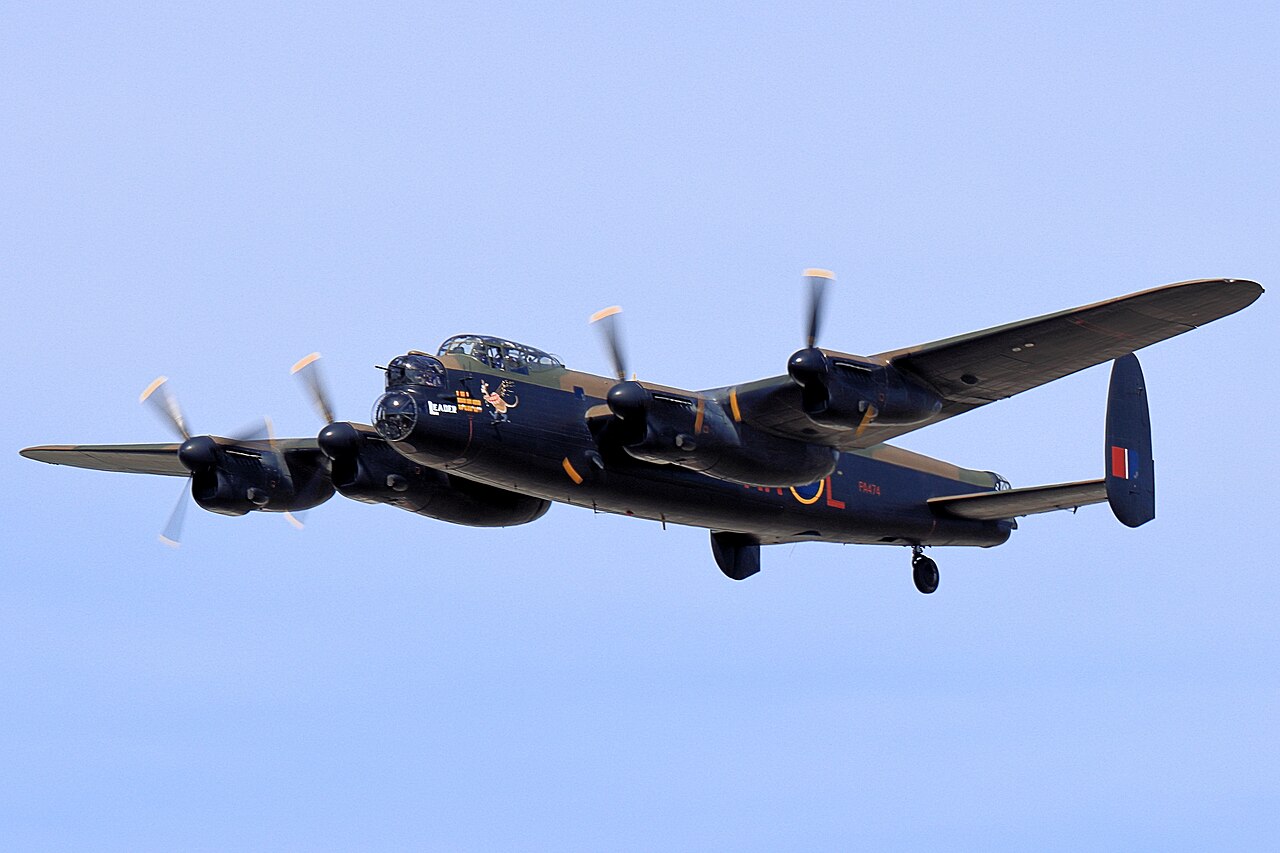
Those two aircraft included the reliable British Avro Lancaster, and the somewhat troublesome but promising Boeing B-29 Superfortress. The Lancaster was soon dropped from consideration due to its somewhat narrow bomb bay, and also at the insistence of General Henry ‘Hap’ Arnold that only an American designed and built aircraft carry the atomic bomb.
In late 1943, USAAF (United States Army Air Force) Headquarters issued a directive that Material Command at Wright Army Airfield near Dayton, Ohio, initiate modification efforts on a single B-29 for the highly classified purpose of carrying an atomic bomb.
The Pullman Airplane
B-29 42-6259 was known as the ‘Pullman Airplane’ from an internal code name assigned by the Army Air Forces Material Command Engineering Division. Pullman had been chosen to fit the overall cover story for the project that including involving either a Pullman car or a special B-29 (sources vary) for use by British Prime Minister Winston Churchill and President Franklin Roosevelt during a tour of the United States.
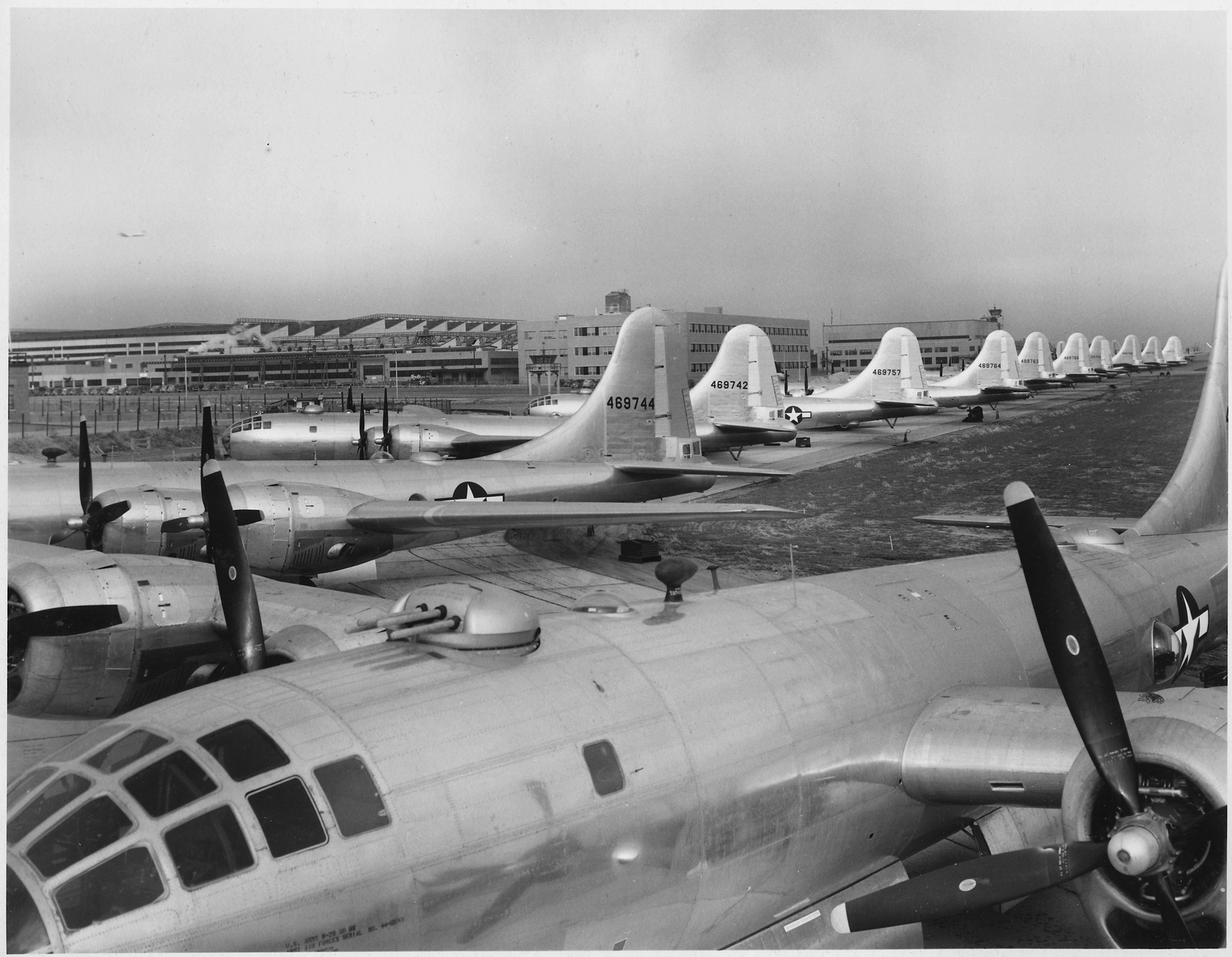
Built in Wichita Kansas and delivered to the 468th Bombardment Group of the 58th Bomb Wing at Smoky Hill Army Air Field in Kansas on Nov. 30, 1943, the aircraft would be the first airframe modified to carry atomic weapons. The bomber would be flown out only two days later on Dec. 2, 1943, to Wright Army Air Field near Dayton, Ohio to participate in a secret project known as ‘Silver Plated Project,’ but later shortened to ‘Silverplate’.
The initial bomb design, known as ‘Thin Man,’ was a plutonium-based bomb 17 ft. long and would not fit into either of the B-29s two bomb bays. The center fuselage section of the Superfortress’ belly was removed along with the radome from between the bomb bay doors, and one large bomb bay was created with two 27 ft doors replacing the four 12 ft doors.
A bomb suspension system was added to secure the weapon to the modified fuselage. The first suspension system design failed while conducting tests at Muroc Field in California, prompting the aircraft to be grounded for repair to bomb bay doors and a new suspension system was designed. However, test flights would be suspended when the Thin Man design was realized ineffective by Los Alamos personnel.
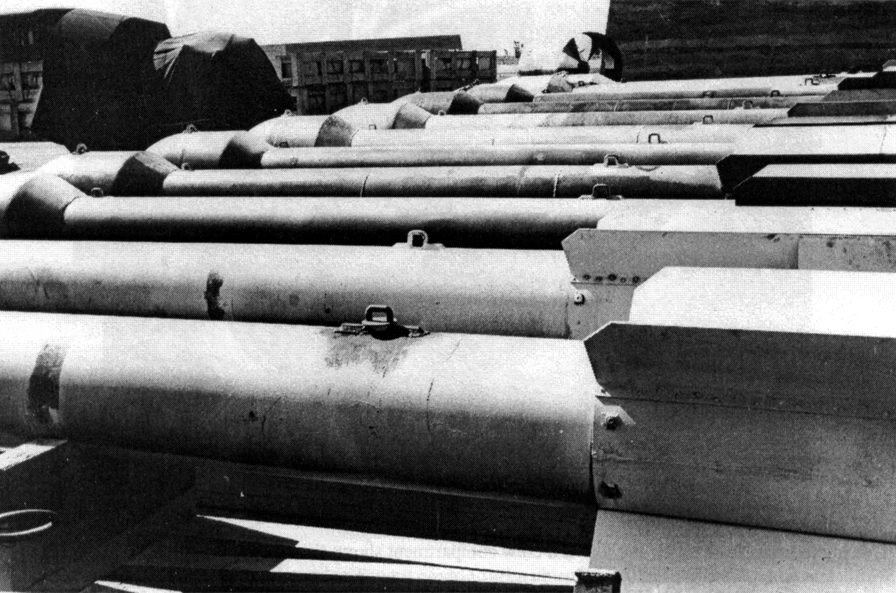
The failure of ‘Thin Man’ led to a design utilizing uranium instead of plutonium, and this allowed for a weapon of shorter length, one that would easy fit into a standard B-29 bomb bay. The new bomb design would be known as ‘Little Boy’. Aircraft 42-6259 would return to a double bomb configuration but with an improved and more robust release system. The second successful bomb design, ‘Fat Man’, also fit the bomb bay configuration.
More Silverplate Aircraft
The expanding test program progressed through the summer of 1944 with more Silverplate aircraft needed. Aug. 22 saw 24 more modified B-29s ordered from the Glen L. Martin Modification Center at Omaha, Nebraska. Three were to be delivered by the end of September with 11 more in December. The first 14 aircraft would be used for testing and training. The other ten were planned for delivery in 1945 with all the latest modifications and would be reserved for actual combat.
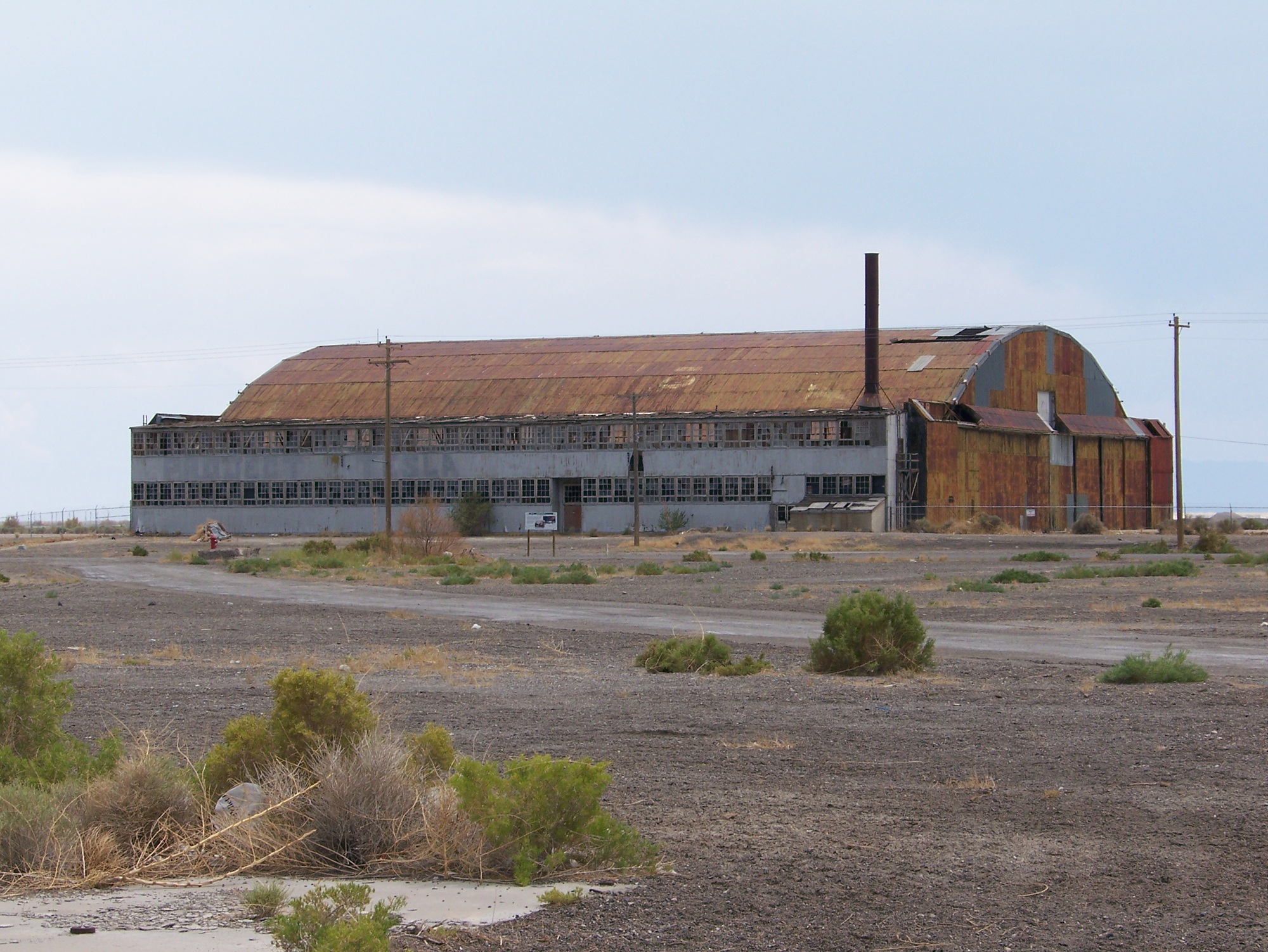
Muroc Field did not have the manpower or facilities to support such a fleet of maintenance intensive aircraft, so the project was moved to Wendover, Utah. The unit designation would be the 393rd Bomb Squadron under the newly activated 504th Bomb Group, but it was suddenly detached from the 504th and assigned to another new unit, the 509th Composite Group. Colonel Paul W. Tibbets was placed in command.
By mid-October the first of the new Silverplate aircraft arrived from the facility in Omaha. These would now be fitted with a bomb release similar to the British ‘Type F’ with a single point release and mounted on an improved frame in the forward bay. The rear bay was reserved for additional long range fuel tanks. A new crew position known as the ‘weaponeer station’ was added with a monitoring system to prepare the bomb for release and detonation.
Tibbets pushed the men and planes with extensive training and testing in Wendover with the 509th, however, by January 1945, most of the modified aircraft had been flown to the maximum hours that maintenance would support, and the aircraft were all but worn out. Technology had already surpassed most of these aircraft, and the standing order for aircraft was increased from a total of 24 to 48 in February, with five more added to the order in April. A total of 46 Silverplate B-29s were delivered before Japan surrendered.
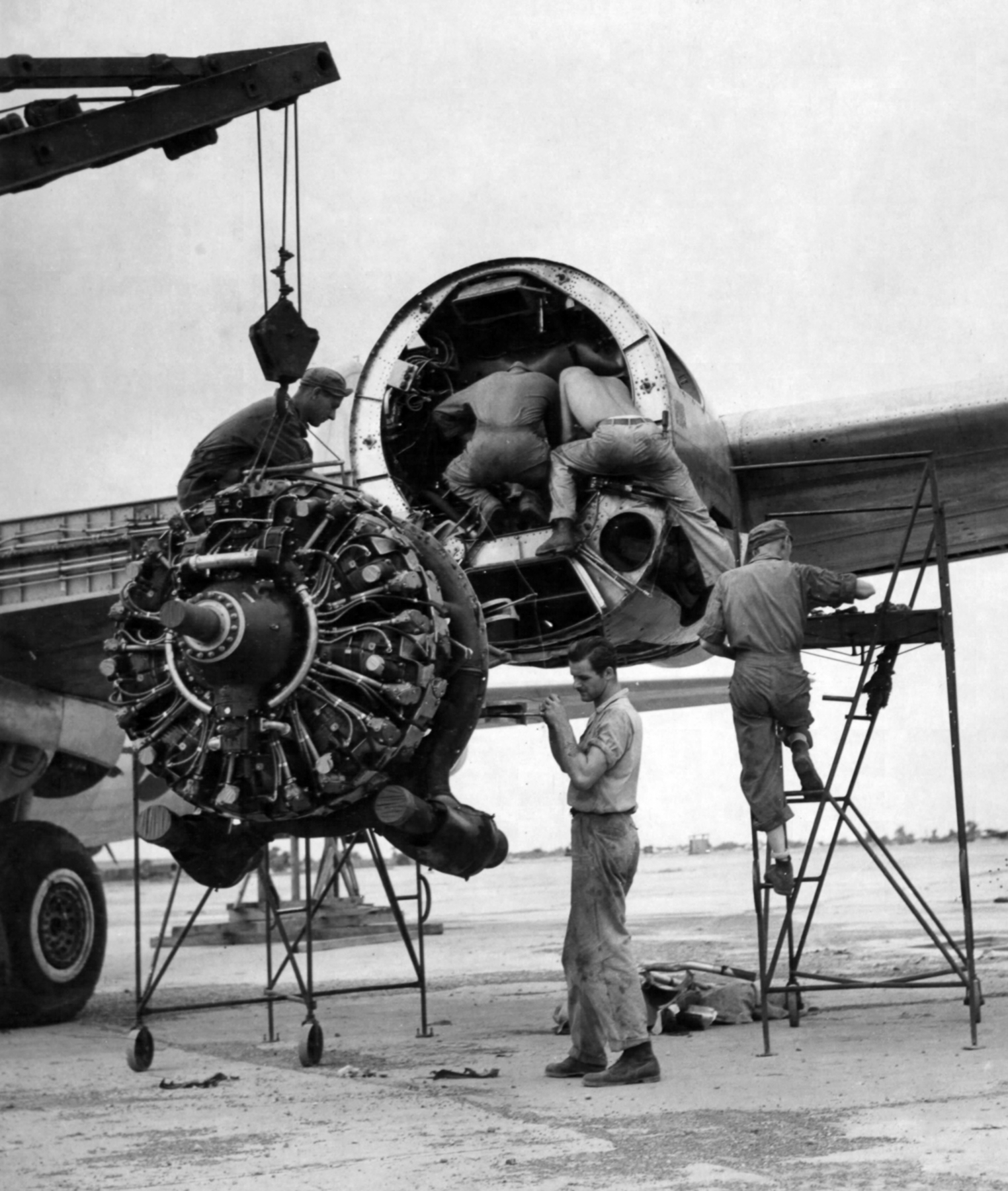
The latest modifications included improved Wright R-3350-41 fuel-injected engines, and new Curtiss reversible-pitch propellers improving braking and landing. Bomb bay doors would become pneumatic instead of hydraulic, with the pneumatic system being much faster closing the drag-creating doors and assisting in quickening the escape of the aircraft and crew after dropping the bomb. The defensive gun turrets were removed to lighten the aircraft, along with armor plating, increasing range and speed. Only the tail guns remained for defense against Japanese fighters.
Deployed
By the spring of 1945, the 509th was trained and ready for overseas deployment, although the majority of the officers and enlisted men of the unit had no idea of the actual intention of the unit, as the entire project was shrouded in secrecy. Personnel were trained in on single tasks and never told the purpose or how the work related to any other work going on. Strick security was enforced around sensitive materials and equipment. Most of those involved assumed a special bomb was being deployed, but had no idea of just how powerful the weapon was.
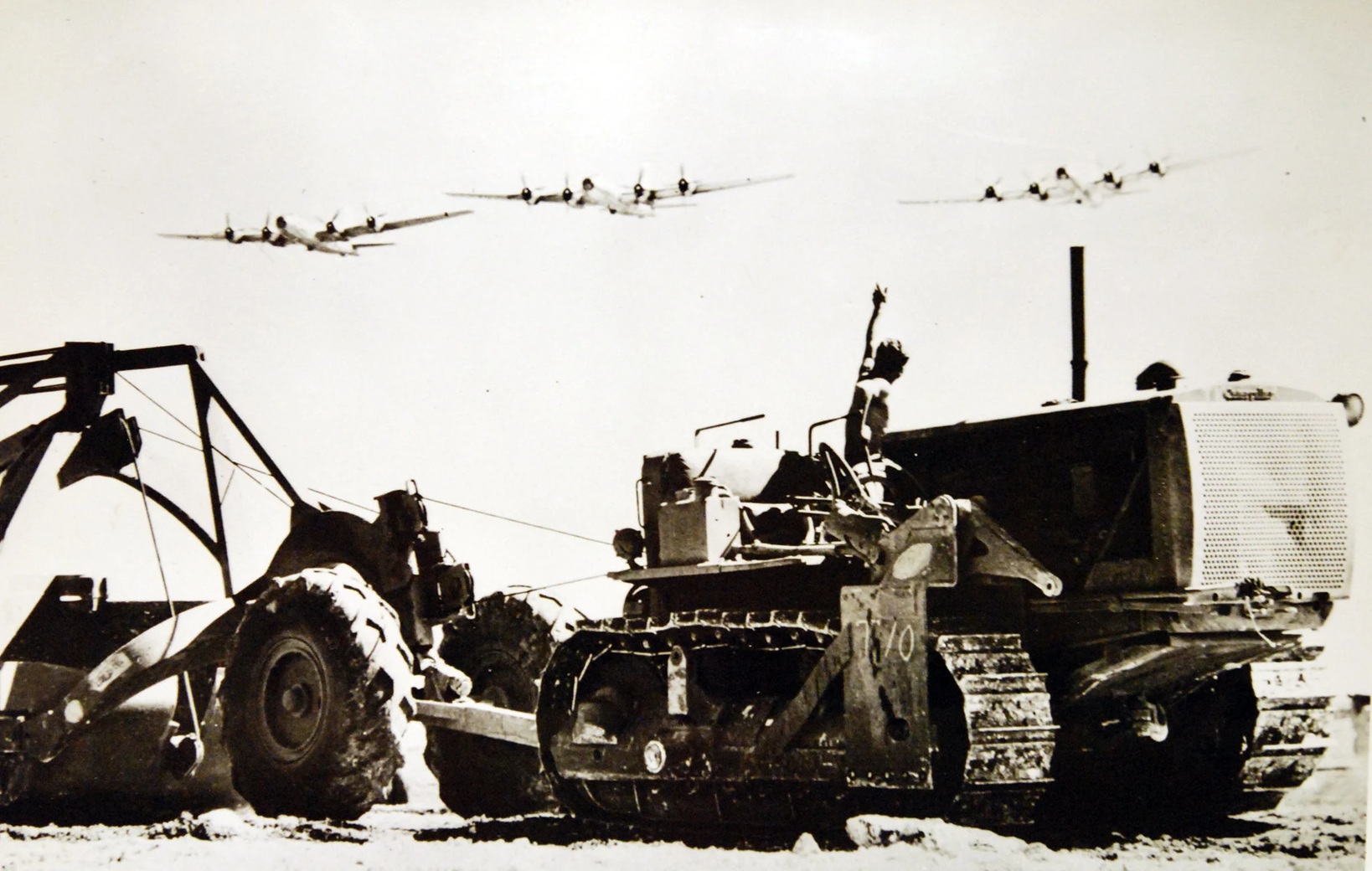
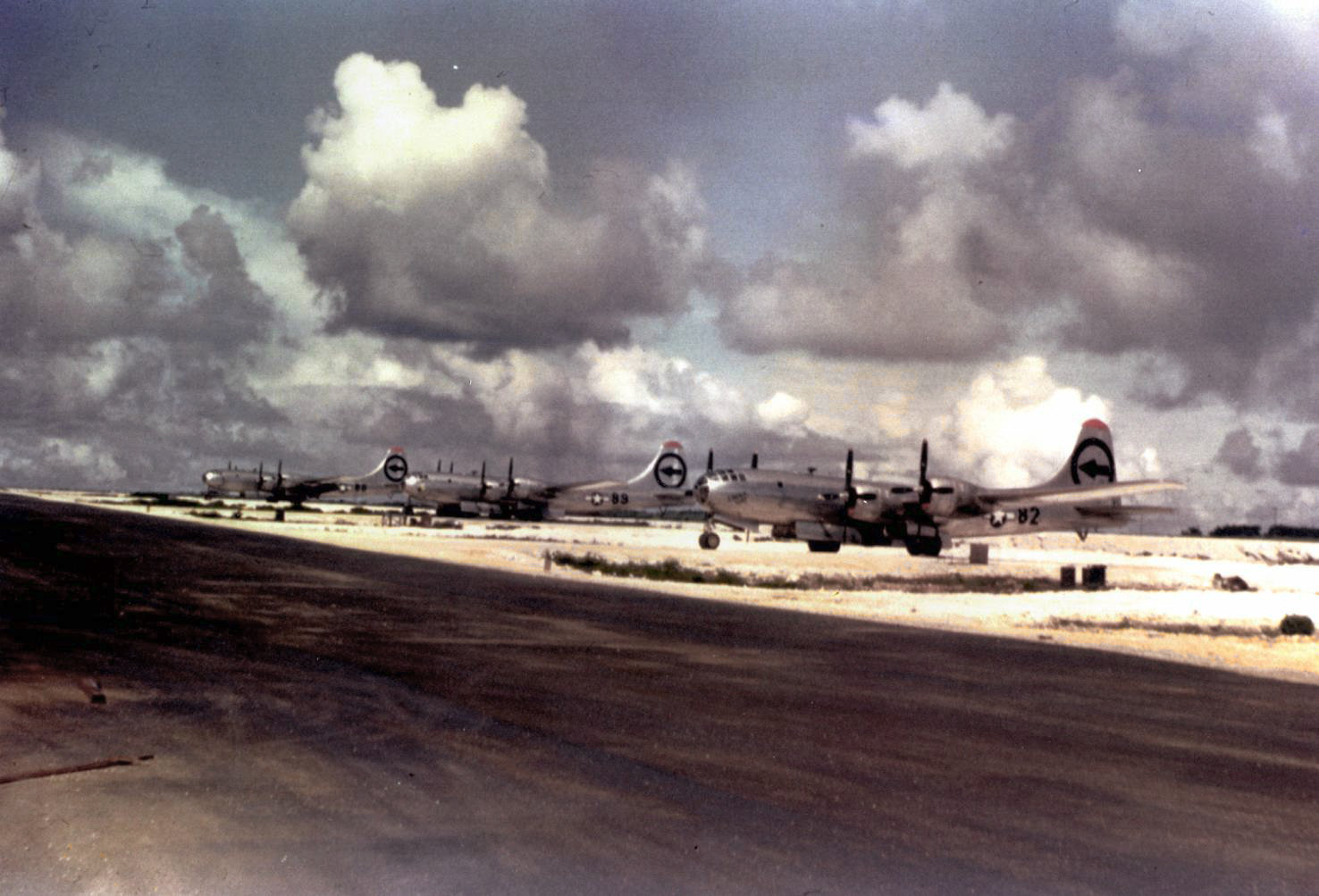
In early May, elements of the 509th began to leave Wendover and by July the Silverplate bombers were at North Field, Tinian in the Northern Mariana Islands. July 16 saw the first atomic device detonated at a site near Alamogordo in the New Mexico desert.
News of the successful test, known as ‘Trinity,’ was relayed to President Harry S. Truman, at the time attending an allied conference in Potsdam, Germany. Winston Churchill and Joseph Stalin were present at the conference, and plans for post-war Europe and the final defeat of Japan were being discussed. After consultation with military and civilian advisors, along with Churchill, the opinions were unanimous – use the weapon to end the war and avoid the mass casualties of an invasion of the Japanese home islands. Truman therefore authorized using the atomic weapons on Japan.
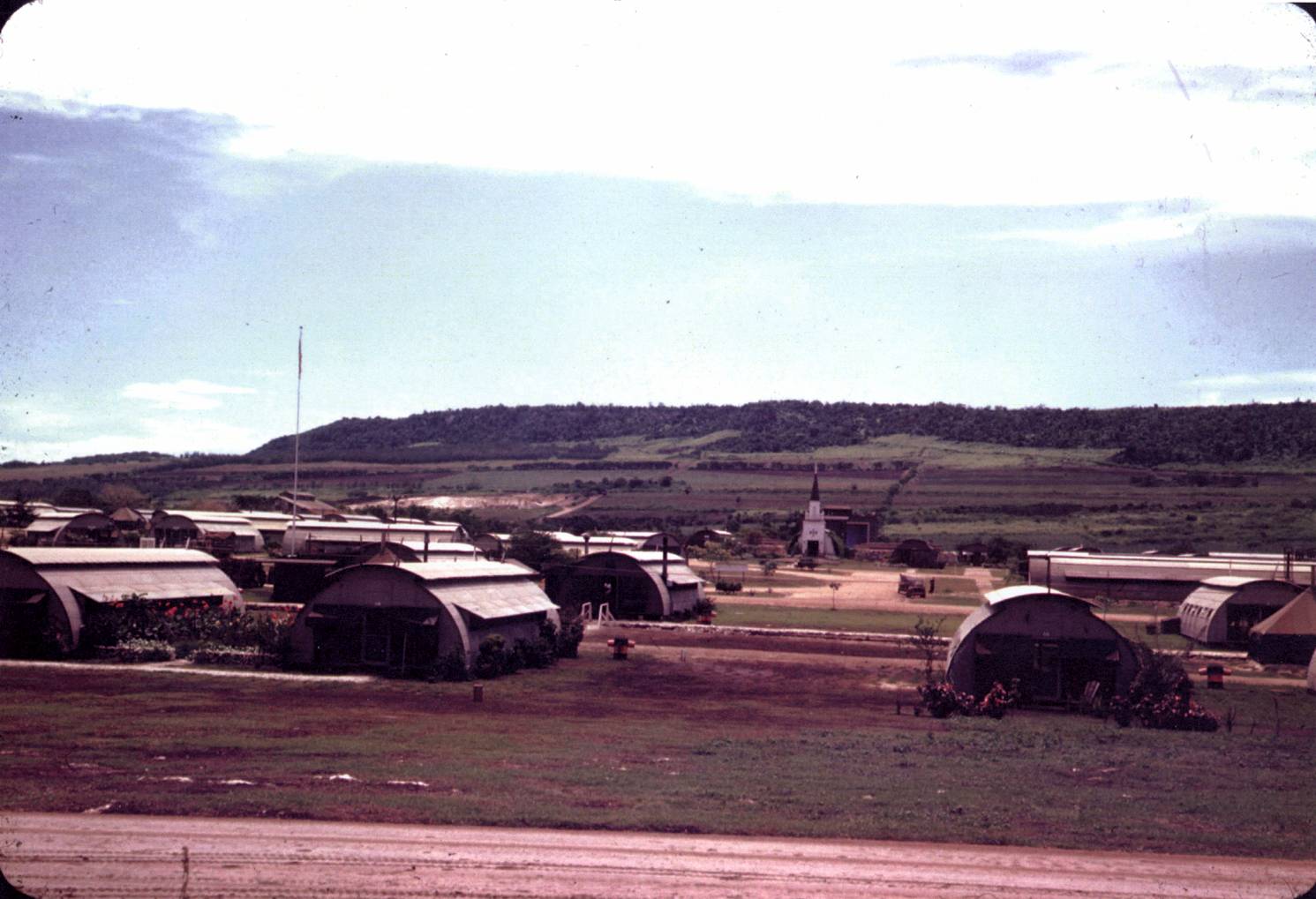
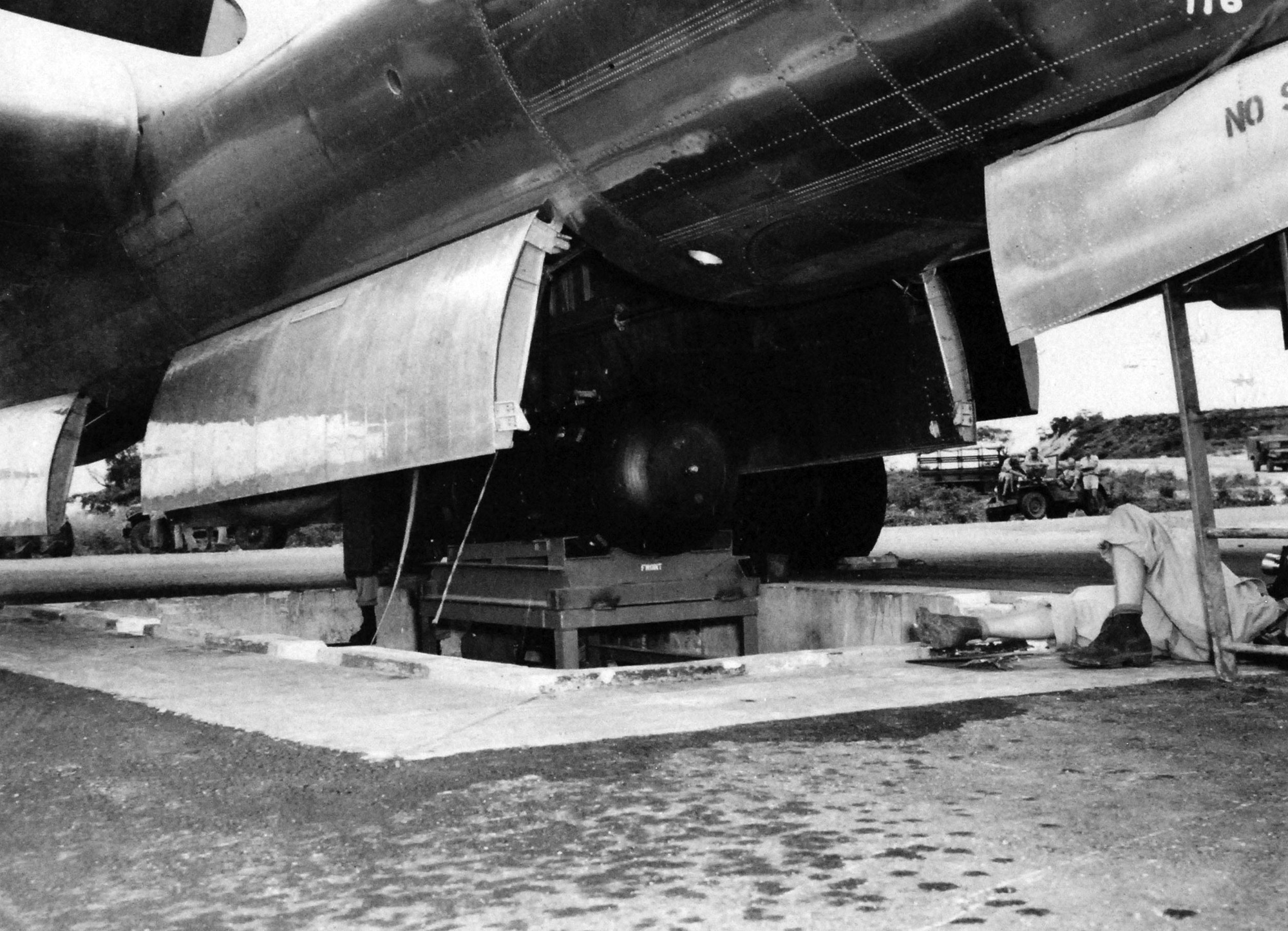
During the buildup of the 509th and while observing an outdoor USO show on Tinian, servicemen from other units on the island noticed the outline of a beautiful American cruiser not far offshore. Personnel had also noticed strange and mysterious things occurring at the 509th. Unusual pits had been dug under the B-29s, similar to an automotive service pit. The planes had been stripped of defensive turrets. Also present were air conditioned Quonset Huts, which were unheard of. Civilians were on the base as well, mingling with the military brass and seemingly working on some unknown project.
The Navy ship off shore turned out to be the USS Indianapolis, which had delivered components of the ‘Little Boy’ bomb to Tinian. The heavy cruiser was torpedoed just four days later by the Japanese Navy submarine I-58. A total of 1,195 crewmen were aboard with approximately 300 going down with the ship. The remaining 890 were stranded on the open ocean with few lifeboats and little food or water. Four days later a Navy PV-1 Ventura spotted the survivors. By the time aircraft and ships were on scene to rescue the sailors, only 316 remained. The loss of life was the greatest ever suffered by a United States warship sunk at sea.
The pits were dug under the aircraft in order to allow for the large bombs to be loaded into the B-29s without having to raise the aircraft. The air conditioned huts were used for final assembly of critical components of the atomic bombs.
To War
In the summer of 1945, General Curtis Lemay, previous commander of the 21st Bomber Command which had now been redesignated Headquarters Twentieth Air Force, was made the chief of staff to General Carl Spaatz, commander of the newly formed U.S. Strategic Air Forces.
On Aug 2, LeMay flew to Tinian and briefed the 509th on an operation whose orders had already been drafted by group commander Paul Tibbets. LeMay filled the Group in on the details of ‘Special Mission 13’.
The mission would be in four days, set for Monday, Aug. 6. Three possible targets were listed: Hiroshima, Kokura, and Nagasaki. Hiroshima was the primary, Kokura the secondary, and Nagasaki the backup. Hiroshima was a headquarters for the Japanese Army on the Island of Kyushu, as well as the home of a Japanese submarine school.
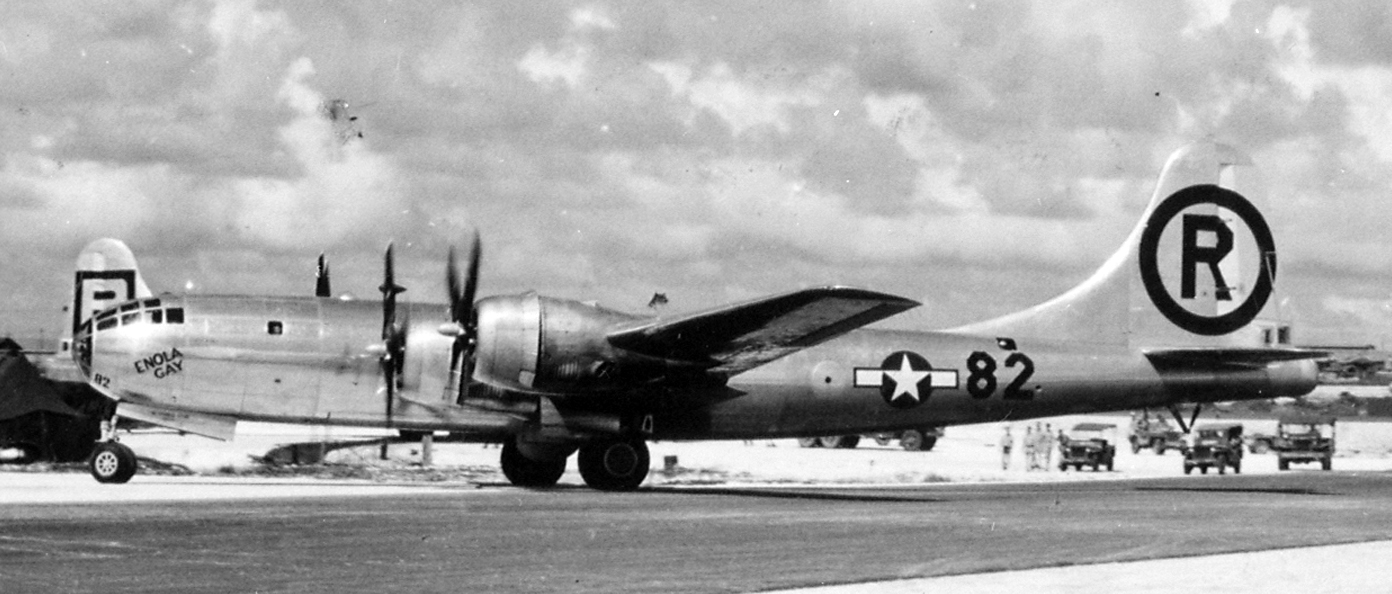
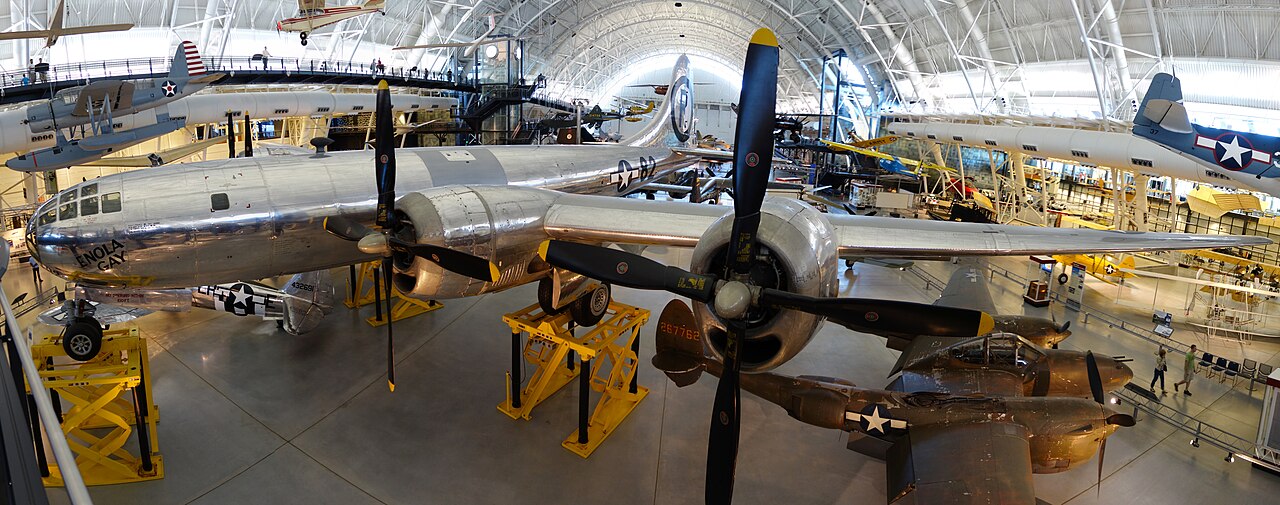
Tibbets had already decided he was leading the attack himself, and in the few days before the attack he trained his crew and prepared his aircraft for the mission. After the last training flight, Tibbets instructed the unit’s sign maker to paint Enola Gay, the name of his mother, on the port side fuselage below the pilot’s cabin on his aircraft (44-86292). Previously the tail markings had been changed to match the 6th Bombardment Group and the squadron number changed from 12 to 82 as security measures.
At 0145 hours, a trio of special reconnaissance B-29s, designated F-13s, left Tinian to report weather conditions over the targets. Tibbets took to the dark skies an hour later in Enola Gay carrying ‘Little Boy’. Two additional B-29s, The Great Artiste and Necessary Evil, joined the mission as observation aircraft with scientists, test equipment, and cameras on board. As Enola Gay disappeared into the darkness, the atomic weapon was armed by Capt. William Parsons, a Navy weapons expert, while airborne as a precaution against a crash on takeoff with an armed bomb that could possibly destroy the entire island of Tinian.
Awaiting word from the F-13s, Tibbets was cleared for Hiroshima, with the drop time set at 8:15 am. Tibbets arrived over the city as scheduled, opened the bomb bay doors, and at the precise set time, the bomb was dropped free. The bomb would drop five miles, slowed by a parachute.
With the weight of the bomb now gone, the Enola Gay reared up. Tibbets had precious little time to put the bomber with a 141 ft wingspan and a weight of over 105,000 lb into the required 115 degree diving right turn at a 60 degree angle of bank to escape the effects of the detonation. The engines were run at full tilt and the aircraft was able to reach the 10 mile separation point before detonation. The new fuel injected engines and the faster cycling bomb bay doors had added precious seconds to their escape.
As the big bomber rumbled away, rear-gunner Technical Sgt. George Caron was witness to the instant death of thousands of Japanese people and the devastation of over 48,000 structures as ‘Little Boy’ detonated at 1,900 ft. A new era of warfare had dawned with a blast rivaling the Sun in brightness and heat. Enola Gay was 11.5 miles away before the shock waves reached the aircraft.
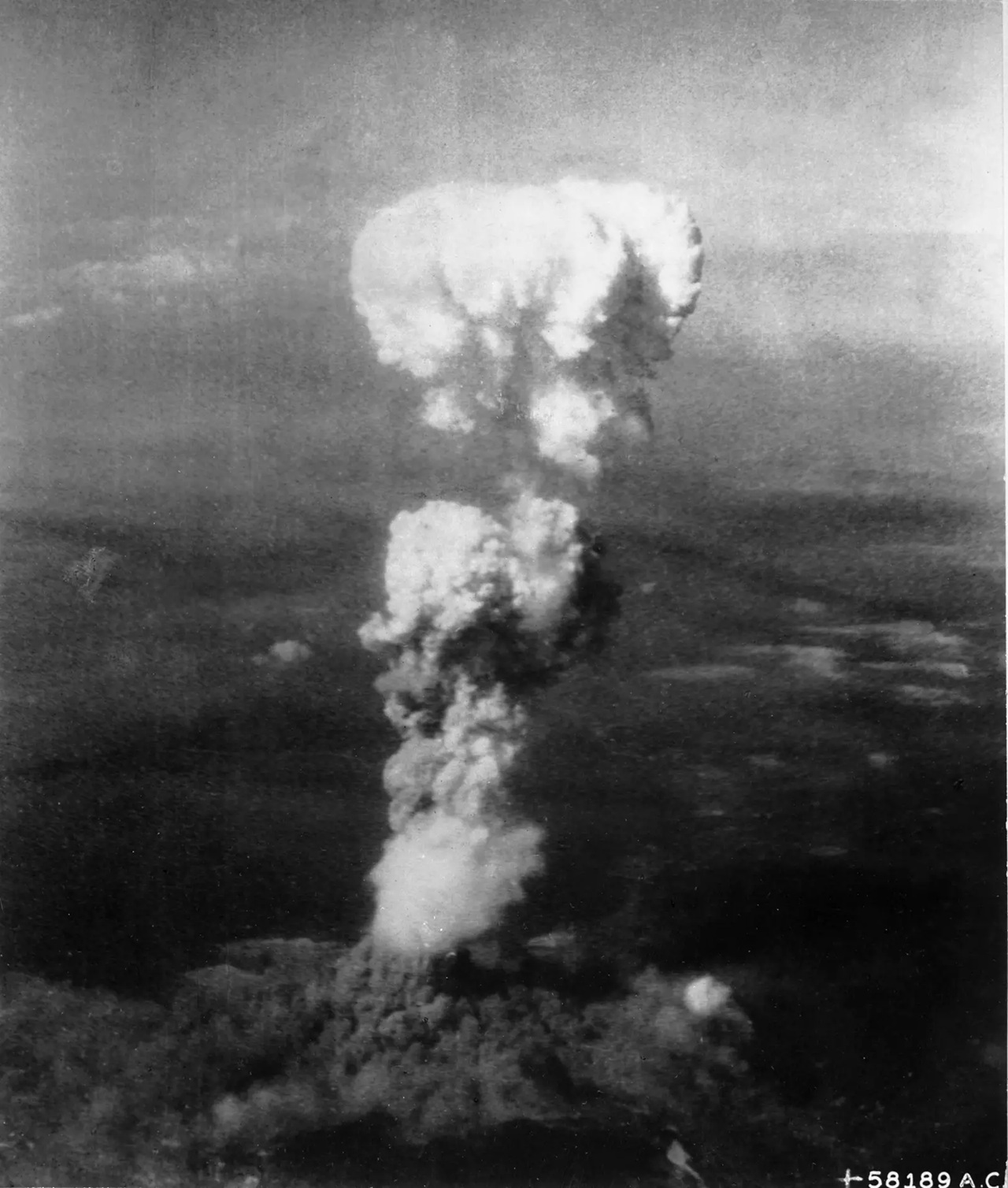
Despite the city of Hiroshima being destroyed by a single bomb and the ultimatums presented by the United States and the Allies, Japan had yet to surrender. Bureaucratic procrastination and communication problems slowed the Japanese response. On Aug. 8, the Japanese made an appeal to the Soviet Union to intervene and end the war. Moscow replied on Aug. 9 by handing the Japanese ambassador a declaration of war, and Red Army troops immediately began to attack Japanese positions on the Manchurian border.
With still no surrender from the Japanese, in the early morning hours of Aug. 9, another B-29, Bockscar, and two other B-29s departed Tinian for Japan. Major Charles W. Sweeny was piloting Bockscar, callsign ‘Dimples 77’, and was carrying ‘Fat Man’. Arming was once again completed after takeoff.
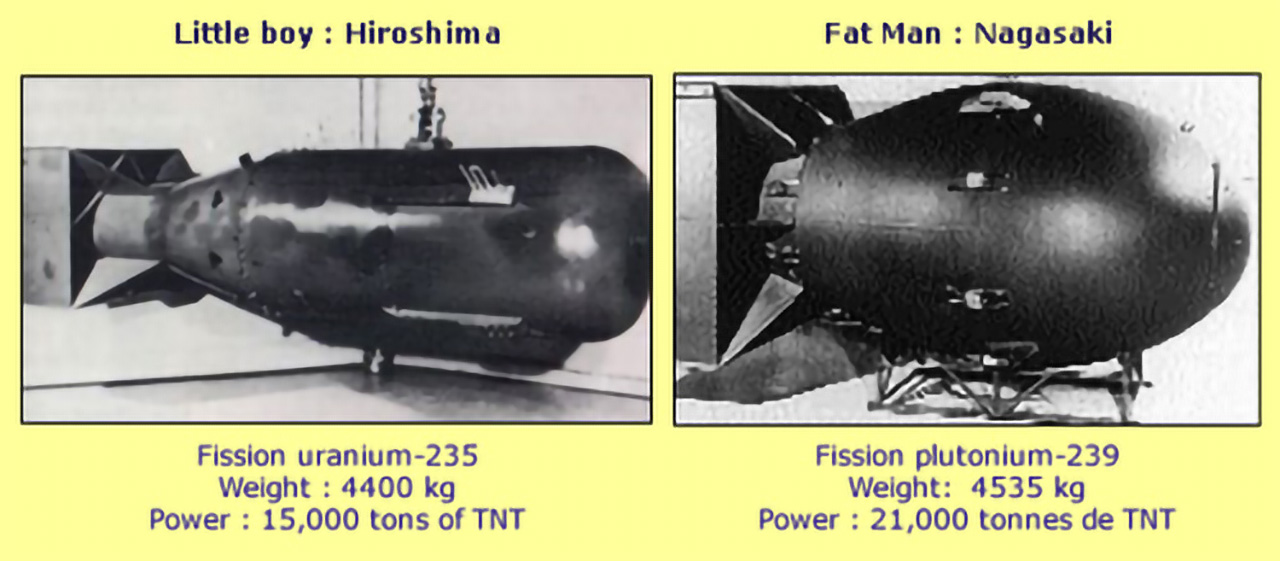
This mission would not go as smoothly as the previous one, as during the journey a light on the bomb control panel came on, one that is normally only illuminated when the bomb is about to be dropped. The issue was resolved with a switch at the improper positon, and the fear the crew had about the bomb detonating in the aircraft was soon put to rest. Another issue was that, at an assembly point off the coast of Japan, one of the observation B-29s, Big Stink, failed to rendezvous, causing Bockscar to linger in the area burning precious fuel awaiting its arrival.
During the mission, Bockscar had received word that all targets were clear from the weather planes. The primary target of Kokura however was obscured by smoke and clouds as Bockscar arrived, the delay waiting for Big Stink had resulted in changing conditions over the target. Sweeny made bomb run attempts, but by the third run, anti-aircraft fire was zeroing in as well as Japanese fighter radio activity detected.
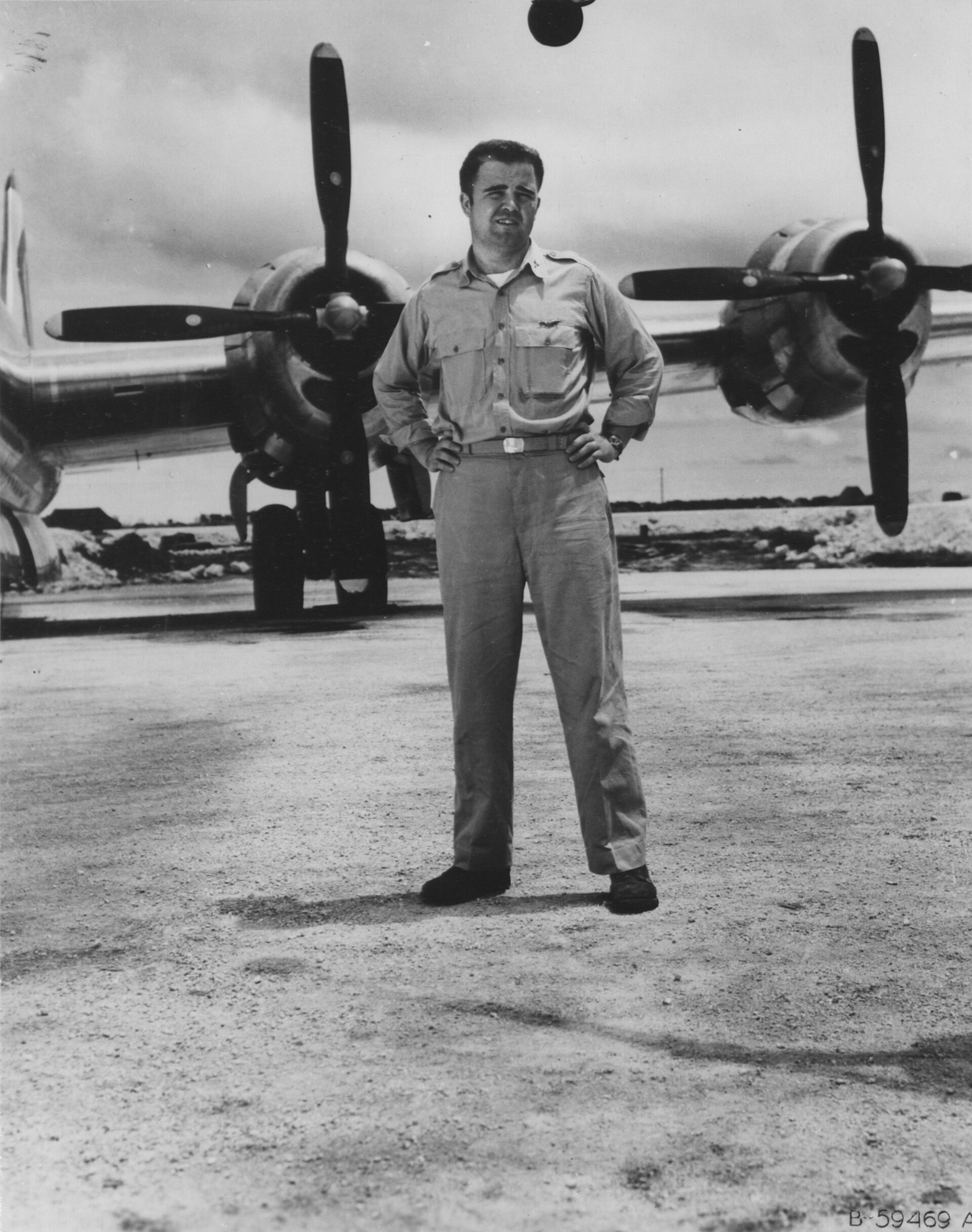
Sweeny, now running low on fuel, turned for the secondary target, Nagasaki, which was also shrouded in clouds. Finally, at 11:01 bombardier Captain Kermit Beahan was able to get a visual on the target and ‘Fat Man’ was released. The bomb detonated 47 seconds later at an altitude of approximately 1,650 ft. Big Stink witnessed the explosion from 100 miles away and flew towards the blast to observe.
Bockscar, with all the delays and an electrical problem preventing access to the fuel in the reserve tanks, would now be forced to put down on Okinawa, with only enough fuel for a single approach. Sweeny attempted to contact the control tower to no avail, the crew began firing off flares to alert the ground crews of an emergency landing. Bockscar came in hard and too fast, with the number two engine stopping on approach due to fuel starvation.
Sweeny brought the big bomber down midway on the landing strip with the B-29 bouncing up and slamming back down. The reversible propellers were not enough to slow the plane down, and with both pilots standing on the brakes, Bockscar swerved 90 degrees at the end of the runway as a second engine died. The plane finally came to a stop, in the company of completely surprised ground crews and base personnel who had no idea who they were, where they’d been, and that they were coming to Okinawa.
With the devastation being brought to Japan not only by B-29s with atomic bombs, but also with conventional weapons, and the declaration of war by the Soviets, Japan realized the war was lost. A formal surrender ceremony took place on the deck of the battleship USS Missouri on Sept. 2, 1945.
Silverplate Ends
The prototype Silverplate B-29 42-6259 was utilized at the isolated base at Wendover, Utah, as a test bed up until late 1944, when it suffered damage in an accident and was later scrapped in 1948.
After the war, the United States began rapidly demobilizing. The B-29 Silverplate aircraft served as America’s delivery system for atomic weapons and were assigned to the United States Air Force (USAF) Strategic Air Command (SAC) until 1949. The program name was changed from Silverplate to Saddletree in 1947. The weary and worn B-29s of Silverplate were replaced by B-50 and B-36 bombers.
Enola Gay has been fully restored and is on display at the National Air and Space Museum’s Steven F. Udvar-Hazy Center in Virginia, and Bockscar resides at the National Museum of the United States Air Force in Dayton, Ohio.