European NATO Allies dispatched troops to reinforce Greenland, following the increased rhetoric by U.S. President Trump towards annexation.
In the face of United States President Donald J. Trump’s rhetoric towards the annexation of Greenland, forceful or otherwise, European NATO nations have dispatched troops to Greenland to reinforce Denmark’s position, whilst a bi-partisan group of members of the U.S. Congress visits Denmark in a show of support.
“NATO becomes far more formidable and effective with Greenland in the hands of the UNITED STATES. Anything less than that is unacceptable,” said U.S. President Donald J. Trump.
Rhetoric such as this coming from the White House, that had only days prior unilaterally used force to capture the president of Venezuela, has left European NATO partners in an extremely worrying position, where the primary guarantor of European security is threatening the sovereignty of a fellow NATO nation.
The consequences of this situation, if not handled carefully, could see the end of NATO as a political and military organisation, with Danish Prime Minister Mette Frederiksen stating that “if the US chooses to attack another NATO country militarily, then everything stops, including NATO and thus the security that has been established since the end of the Second World War.”
European Countries Deploy to Greenland
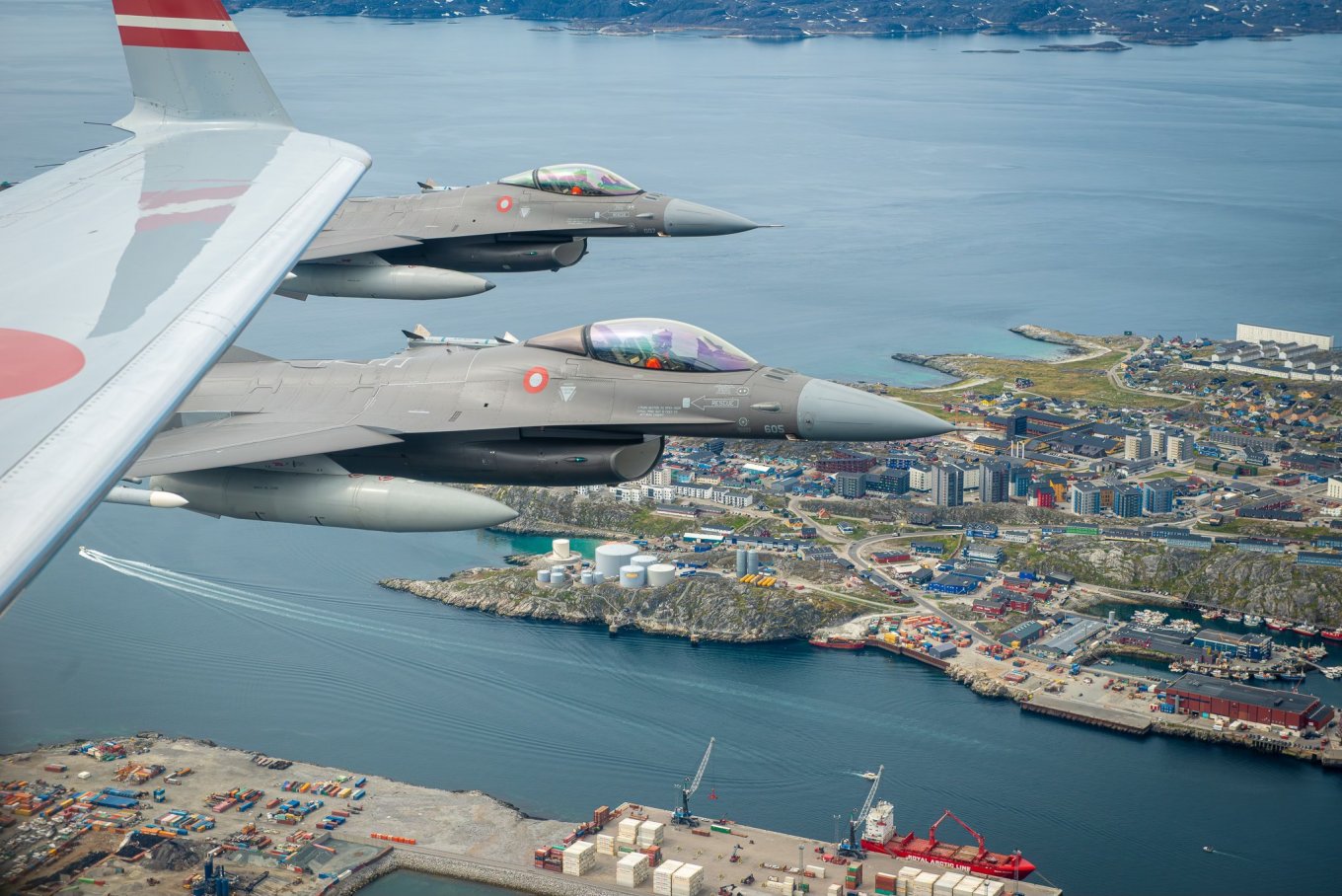
As a result, Denmark has begun a series of Danish-led joint exercises, called Operation Arctic Endurance, in order to both shore up the defences of Greenland, as well as to establish the feasibility for a more permanent NATO presence on the island.
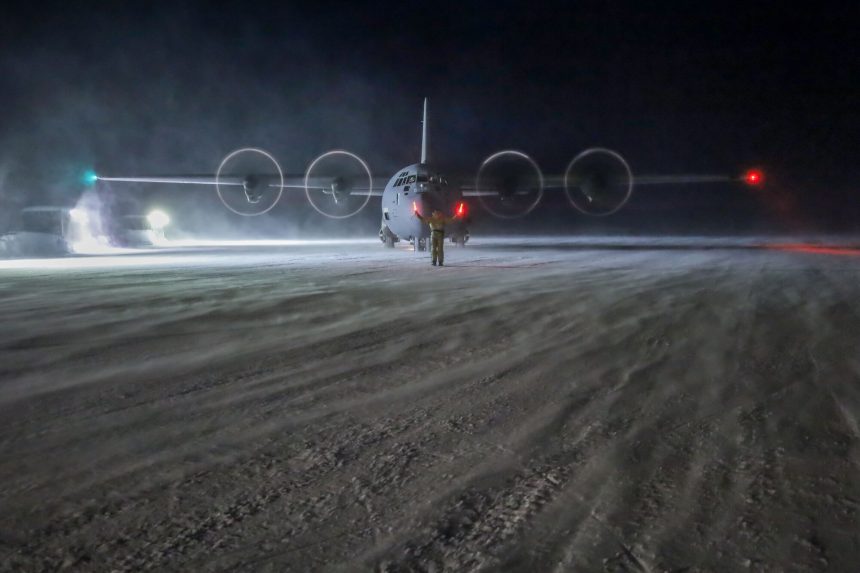
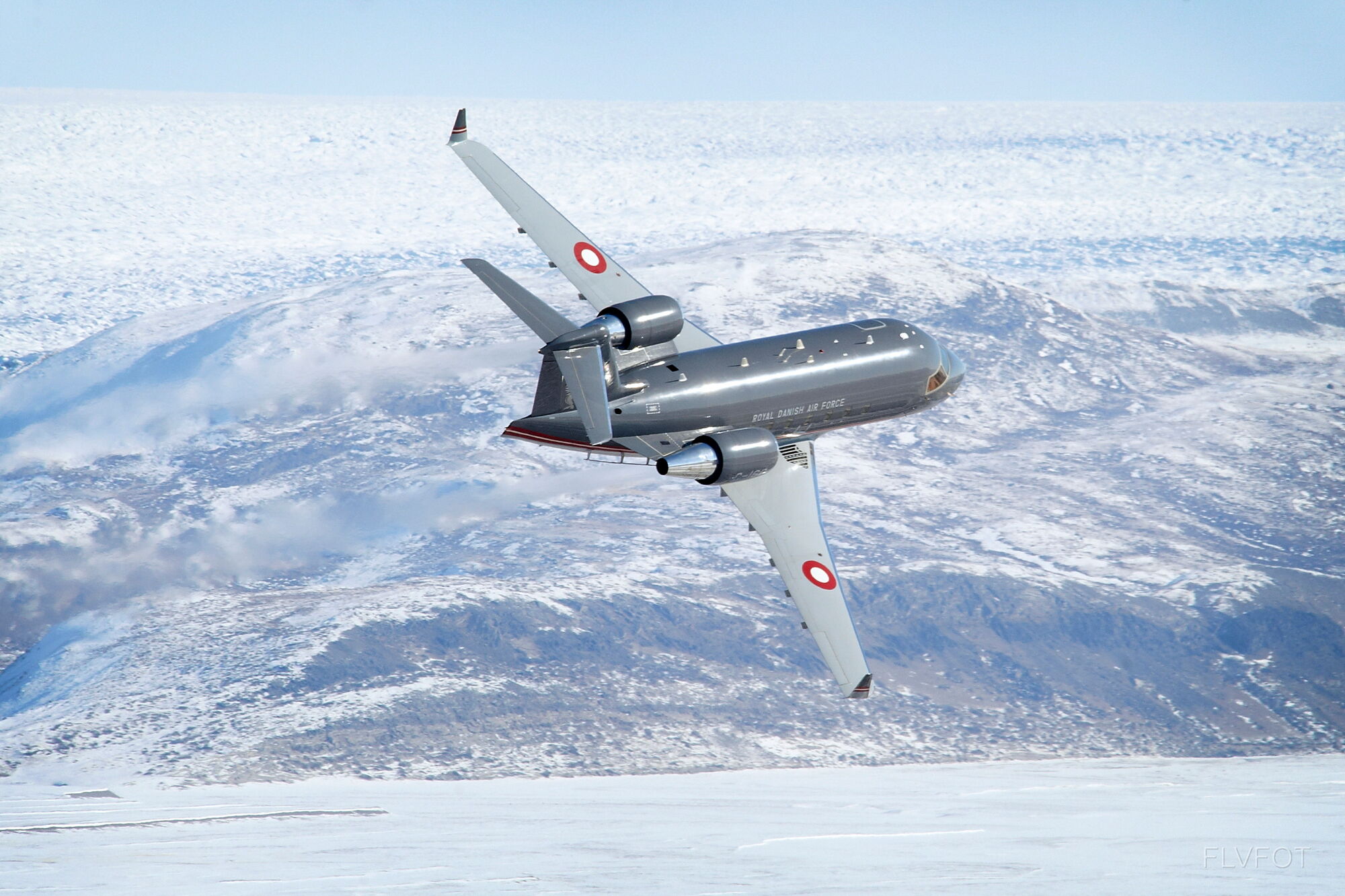
To this end, Denmark began the deployment of further Danish forces to the Greenlandic capital of Nuuk, whilst a call was made to European NATO members and Canada for the deployment of their own troops to Greenland. These troops arrived via RDAF C-130J and Challenger CL-604 over the last few days.
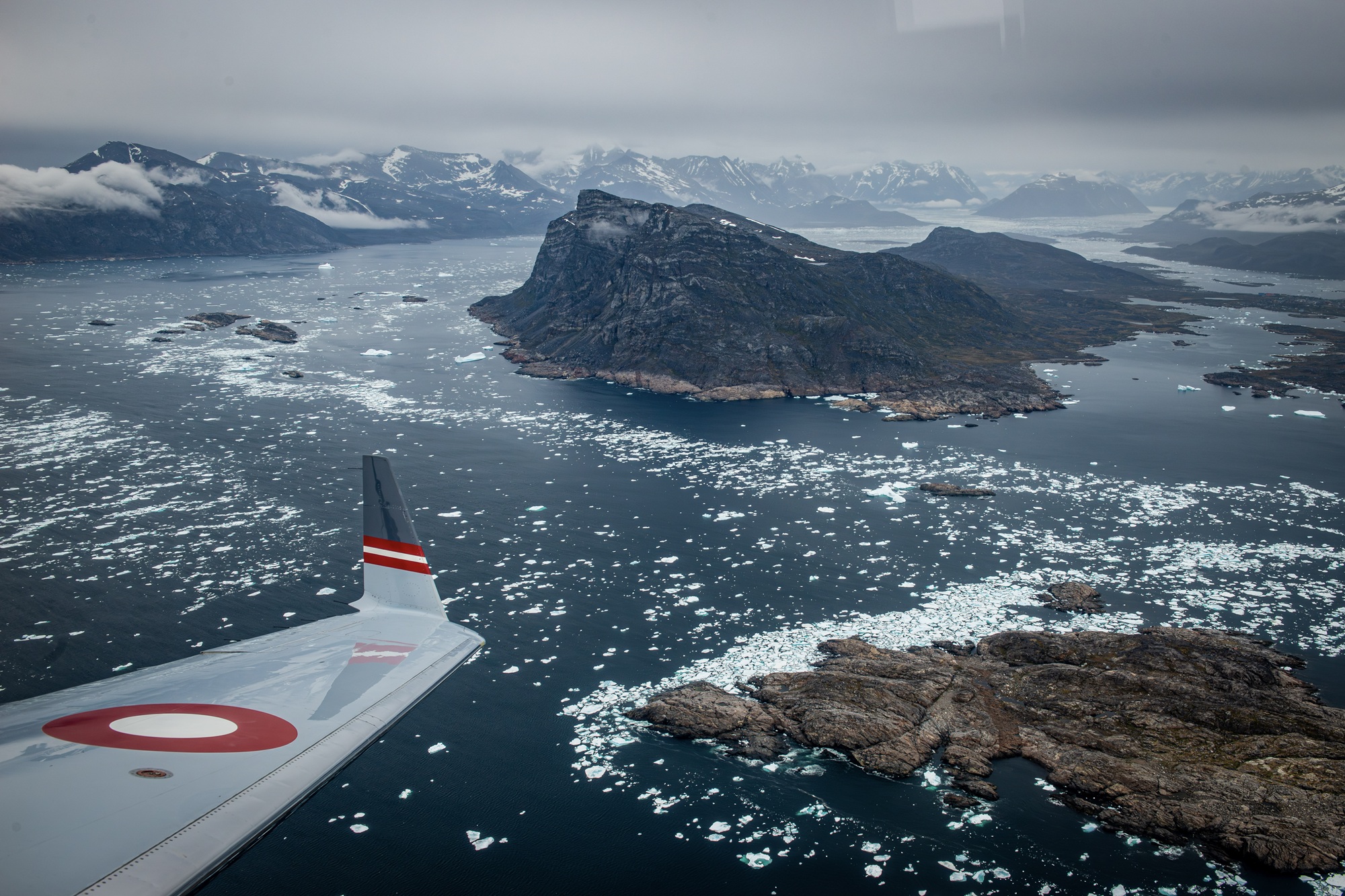
Europe has so far answered the call with a small number of armed forces personnel from France, Germany, Sweden, Norway, Finland, the Netherlands and the UK landing in Nuuk to signify their nation’s intentions to protect Greenland from further threats and antagonism. Current deployments of European forces represent a token commitment to Denmark and Greenland’s national sovereignty, but they are likely to increase in the coming days and weeks to form a more substantial force.
A 🇩🇰 C130 with non-US NATO military officers arrived in Nuuk 🇬🇱 yesterday and went to the Joint Arctic Command 🇺🇸 there. There task is to prepare further larger Arctic exercises. Another C130 went elsewhere on 🇬🇱. pic.twitter.com/pPObGy0UTR
— Carl Bildt (@carlbildt) January 15, 2026
France has so far deployed 15 personnel but French President Emmanuel Macron has promised that the initial contingent would be reinforced soon with “land, air, and sea assets,” indicating that France is committed to bulking up Greenland’s defences in the longer term. Currently, the NATO military presence on Greenland is extremely limited, with the island used more for arctic training purposes, rather than as a permanent military presence.
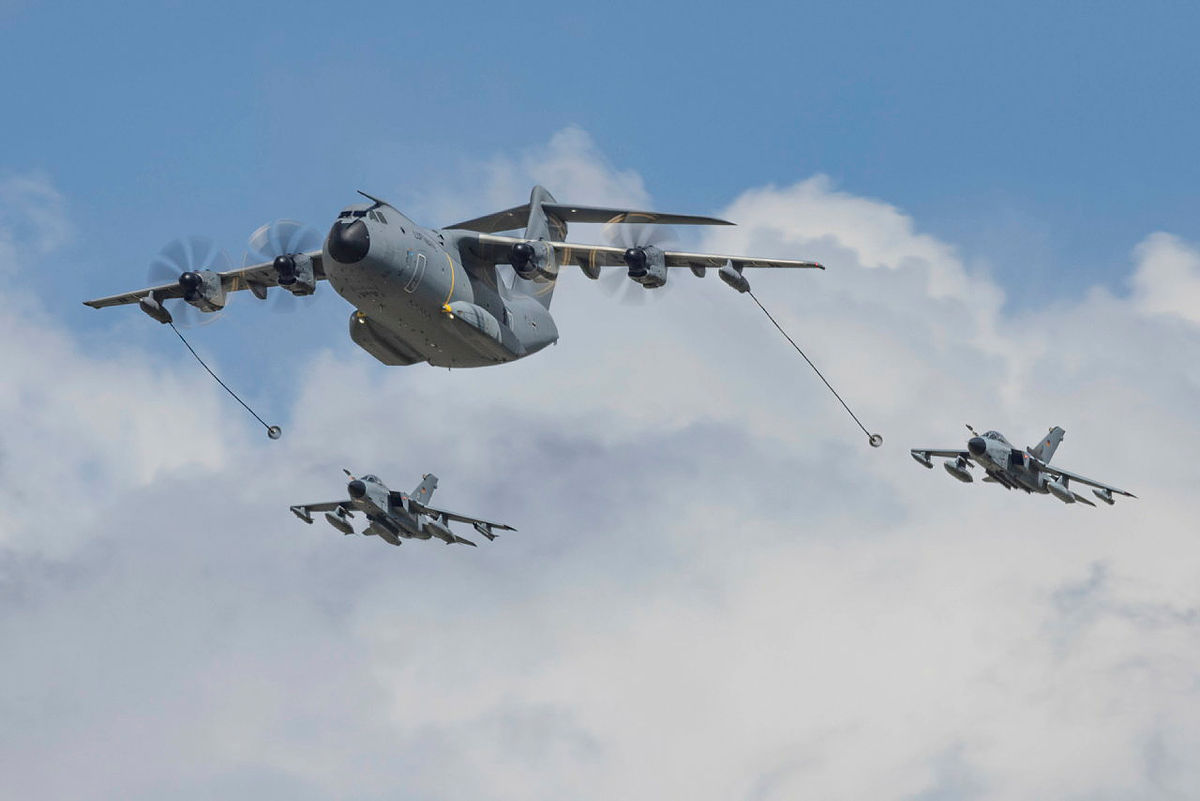
In addition, Germany has deployed an A400M transport plane to Nuuk on Thursday with a contingent of 13 soldiers to assess Greenland for further deployments of German personnel, although officials stated the current deployment would stay in Greenland only until Saturday. Sweden, Norway, Finland, the Netherlands and the UK have so far sent fewer than 10 personnel each.
The rapid requirement for a European presence in Greenland puts increased pressure on European NATO capitals, which are already struggling to handle the increased need for forces to contain Russia, amidst the ongoing Russo-Ukrainian War. In previous years there was little need for European NATO to focus its defence assets on Greenland, as it was covered by the U.S., allowing them to focus on security in Eastern Europe.
Given the current threats, it will take time for Europe to come up with a force that could deter an attack on Greenland, without taking away forces that are needed in Eastern Europe.
Denmark is underway to move more troops to Greenland in cooperation with undisclosed allies.
Preparatory staff are in place to solve logistics for potential larger Danish forces.
Details are sparse but https://t.co/hnFK1Yioyk reports that first plane landed 2 days ago. pic.twitter.com/ZCdSvJB6nQ
— auonsson (@auonsson) January 14, 2026
The Dispute
Officially, Operation Arctic Endurance is taking place to strengthen NATO’s presence in Greenland to reassure the U.S. that Greenland can be defended by NATO against a possible attack from Russia or China, which the U.S. claims is a constant and immediate threat. This has been Trump’s primary justification for desiring the incorporation of Greenland into the U.S., with claims that Russian and Chinese naval vessels are running rampant in Greenlandic waters.
To this end, Trump has stated that “The problem is there’s not a thing that Denmark can do about it if Russia or China wants to occupy Greenland, but there’s everything we can do. You found that out last week with Venezuela.”
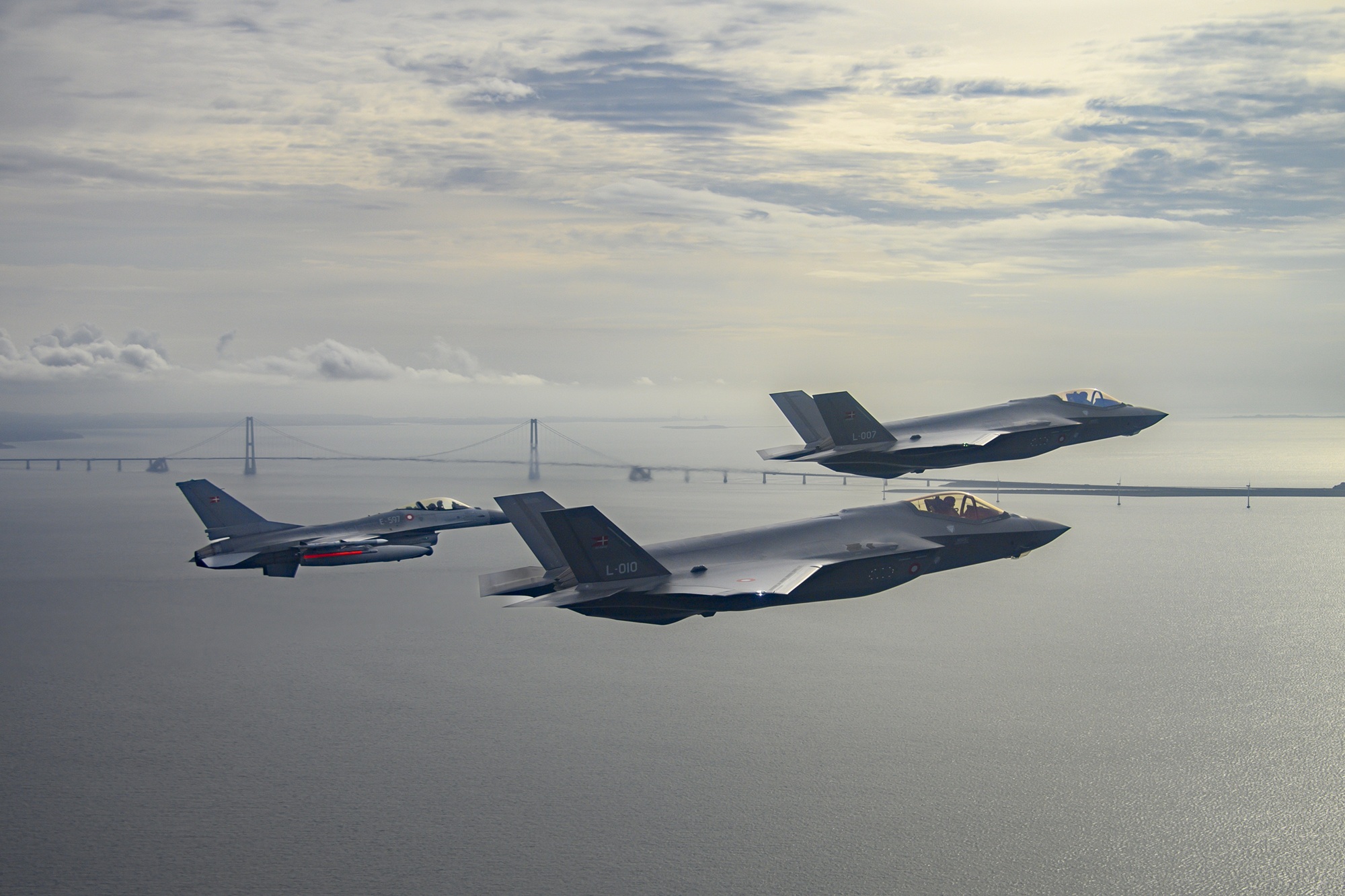
Copenhagen disputed this with foreign minister Lars Løkke Rasmussen, stating on Wednesday there was no “instant threat” from China or Russia that Denmark and Greenland could not accommodate, although he shared American security concerns to some extent regarding Russian militarisation of the Arctic and the need for further NATO attention to the area.
Greenland is covered by NATO article 5 and therefore any attack against the territory will be responded to by the combined forces of Europe, Canada and the U.S. Therefore, any attack on Greenland by Russia or China is subject to a NATO response that goes up to and includes the possible use of nuclear weapons, depending on the situation.
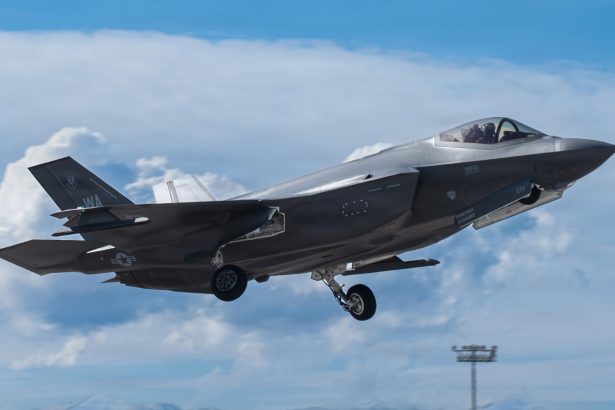
🇩🇰 ✈️🇺🇸GOOD NEWS – Denmark has announced its intention to purchase an additional 16 F-35A fighter jets from the United States.
With this acquisition, the total number of F-35 aircraft in the Royal Danish Air Force will rise to 43 units. pic.twitter.com/tUS3WFzPoS
— NSTRIKE (@NSTRIKE1231) October 11, 2025
The idea that Greenland needs to be incorporated into the U.S. for its own defensive purposes is as baseless as it is concerning, especially as the use of force against Greenland by the U.S. could lead to Denmark itself invoking the treaty against its ally.
The situation over Greenland escalated further today with Trump stating at a White House meeting that he “may put a tariff on countries if they don’t go along with Greenland.” Though he did not confirm which nations he was now threatening, this makes the situation for Europe ever more serious with significant economic consequences for those who wish to support Denmark and Greenland. Regardless of how this situation continues to unfold, it is now clear that for Europe Arctic security is more important than ever before.
U.S. Congress Responds
In addition to the European response, an 11-member delegation of bi-partisan U.S. senators and members of the U.S. House of Representatives met with PM Frederiksen alongside her Greenlandic counterpart Jens-Frederik Nielsen today in Copenhagen. Led by Senator Chris Coons, the delegation includes a number of members who are strong NATO supporters from both the Democratic and Republican party.
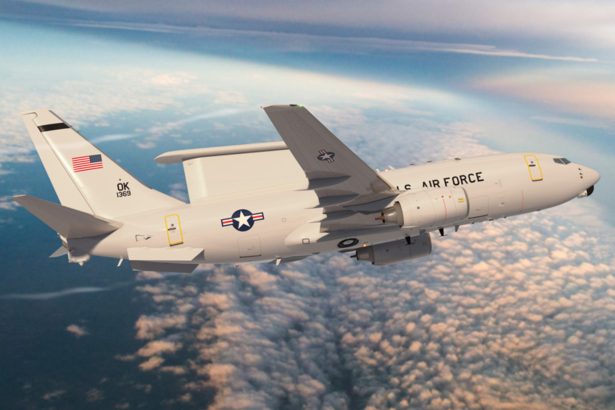
This includes Republican Senator for Alaska Lisa Murkowski who understands the importance of the Arctic in terms of U.S. and NATO collective defence. She has found herself at odds with the federal government over their decision to scrap the E-7 Wedgetail program last year, which was desperately needed to replace the E-3 Sentry that operates out of Alaska, aiding in the interception of Russian fighter, bomber and patrol aircraft near the state.
Leading the group, Coons stated earlier this week that “we need to draw closer to our allies, not drive them away” in the face of resurgent threats from China and Russia, that the U.S. government is supposedly concerned about. Today Coons explained that the reason for their trip was to listen to the locals and take their views back to Washington in order “to lower the temperature” between Denmark and the U.S.
Today, I’m leading a bipartisan delegation to Denmark to meet with Danish and Greenlandic leaders. Congress is unified in wanting to thank our NATO allies and stand firm against unnecessary threats to trusted partners. pic.twitter.com/FzmQHoP13T
— Senator Chris Coons (@ChrisCoons) January 16, 2026
Joining the delegation, New Hampshire Senator Jeanne Shaheen, a Democrat in the U.S. Senate Foreign Relations Committee, signaled that rhetoric about the U.S. taking over Greenland undermined NATO and played into the hands of its main adversaries, Russia and China. It is hoped that this intervention will help to dissuade the U.S. government from taking any radical steps towards annexation of the island, even if further rhetoric around buying Greenland persists.
Greenland and the U.S.
Greenland has been central to U.S. arctic defense policy since the Second World War, with the territory’s security temporarily handed to the U.S. by the Kingdom of Denmark after it was invaded by Germany. The deal gave the U.S. the right to build bases on the island to aid its efforts to liberate Europe during the war, until such a time as Denmark could reclaim its sovereignty over Greenland.
Greenland’s Prime Minister Jens-Frederik Nielsen:
If we have to choose between the United States and Denmark here and now, we choose Denmark. We choose NATO. We choose the Kingdom of Denmark. We choose the EU. pic.twitter.com/s7KK9Goezh
— Clash Report (@clashreport) January 13, 2026
The partnership would grow during the Cold War, when it was realised that Soviet nuclear bombers and inter-continental ballistic missiles (ICMB) could fly over the Arctic Circle to hit the mainland USA, without being able to respond. As a result, the U.S. presence expanded under a second deal with the Kingdom of Denmark, allowing for the setting up of further military installations across Greenland, including the establishment of what was then Thule airbase.
For a number of years, the base was used by Strategic Air Command as a part of the U.S. deterrence strategy, with armed nuclear bombers housed there on a semi permanent basis ready to attack the USSR at a moments notice.
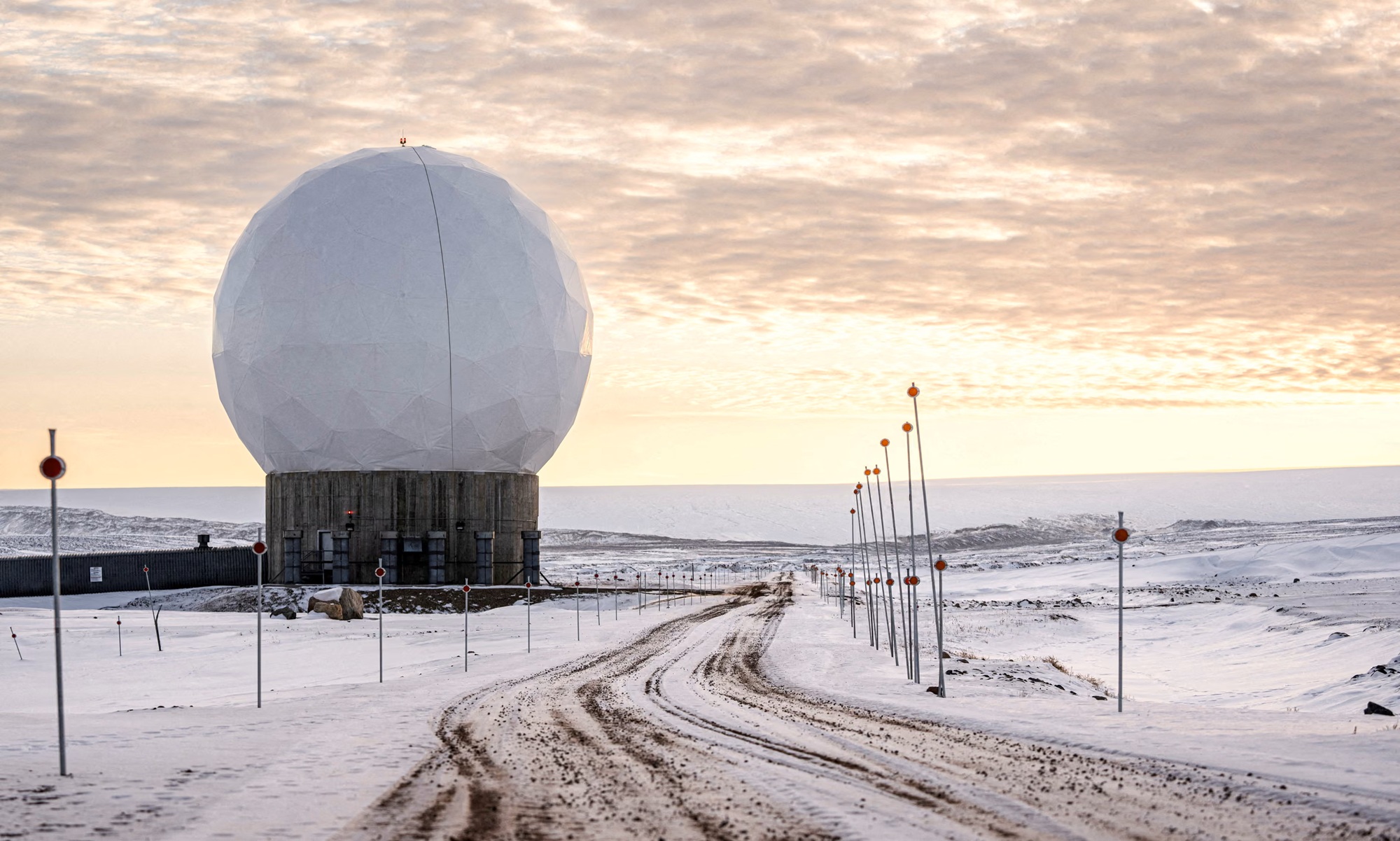
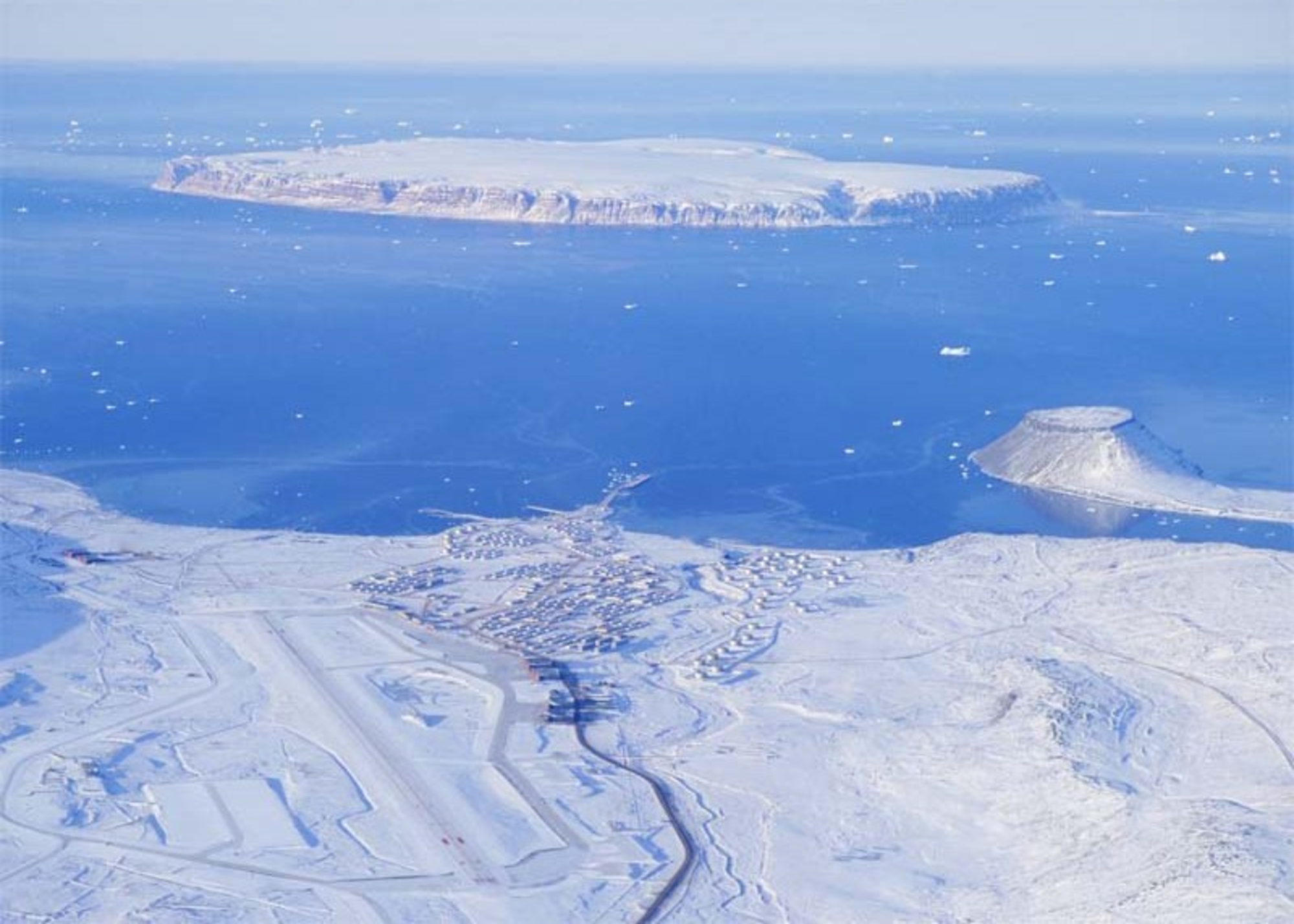
Today, Thule, now renamed Pituffik Space Force base, is the sole U.S. installation on Greenland, used to maintain the Ballistic Missile Early Warning System (BMEWS) and allowing the U.S. to track ICBMs and space junk for the defense of the U.S. mainland. Pituffik is an essential location for the U.S. nuclear strategy, sitting alongside several other BMEWS sites around the world, including RAF Flyingdales in the UK, that give the U.S. early warning of any incoming nuclear strikes against the U.S. mainland.
It is understandable that, given this context, the U.S. would like more protection for the radar site, as the threat of an accidental or deliberate nuclear strike by an errant power is seemingly on the rise, with nuclear powers fighting a number of conflicts over the last year. However, given the current deal in place between the U.S. and Denmark, in which the U.S. could expand its military presence on the island and re-establish many of its’ old bases if it saw a need, Trump’s fears appear to be exaggerated.