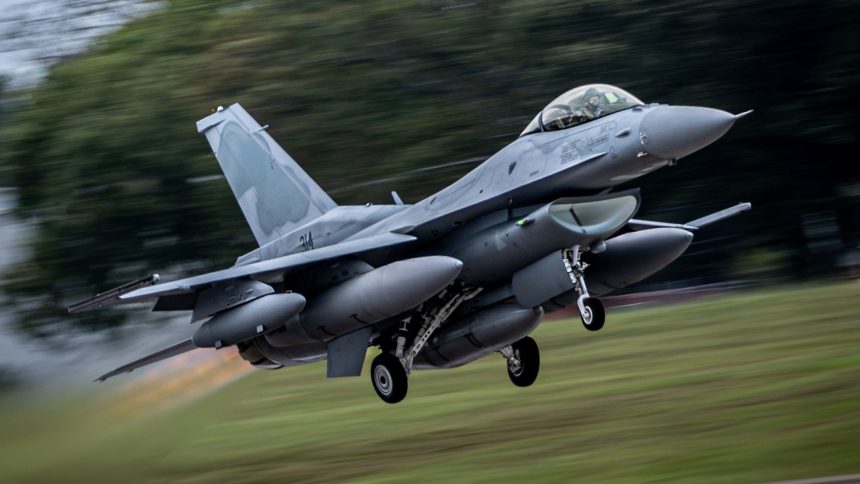
Lockheed Martin has completed the production of the 14 F-16s Block 70 ordered by Slovakia and the eight of the initial order by Bulgaria, with eight more to be produced as part of the second batch.
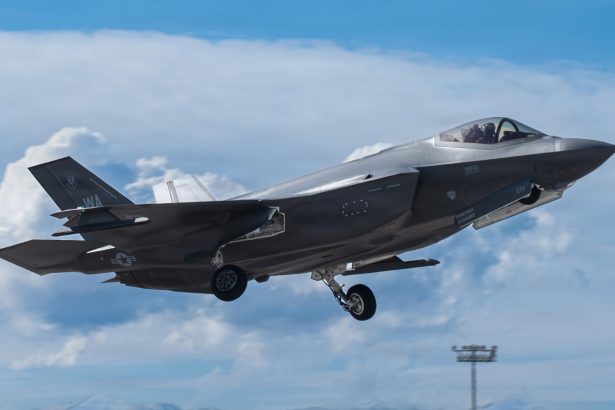
Lockheed Martin has announced on Dec. 15, 2025, the completion of the production of the F-16s Block 70 for the Slovakian and Bulgarian Air Forces. Specifically, the aircraft involved are the 14 jets ordered by Slovakia and the first batch of eight aircraft ordered by Bulgaria.
The aircraft were produced at Lockheed Martin’s facility in Greenville, South Carolina, and completed DD250 final acceptance through the U.S. government’s Foreign Military Sales program, said the company in a statement. Slovakia and Bulgaria are the first two European operators to procure newly built Block 70s.
“This milestone represents the talent and dedication of the joint government, military and industry teams,” said Mike Shoemaker, vice president and general manager of Lockheed Martin’s Integrated Fighter Group. “With full F‑16 Block 70 fleets now produced, both nations move from planning for next‑generation airpower to demonstrating it in daily operations. This progress enhances NATO’s collective readiness and provides commanders with reliable, interoperable 21st Century Security capability across the alliance.”
Slovakian Vipers
Slovakia signed its Letter of Offer and Acceptance (LOA) for 14 F-16s in December 2018 in a deal worth 1.58 billion Euro (1.8 billion USD), although the production was delayed for various causes, before finally starting once the F-16 production was relocated to Greenville. Of the 14 aircraft, 12 will be single seater F-16Cs and two will be twin-seater F-16D.
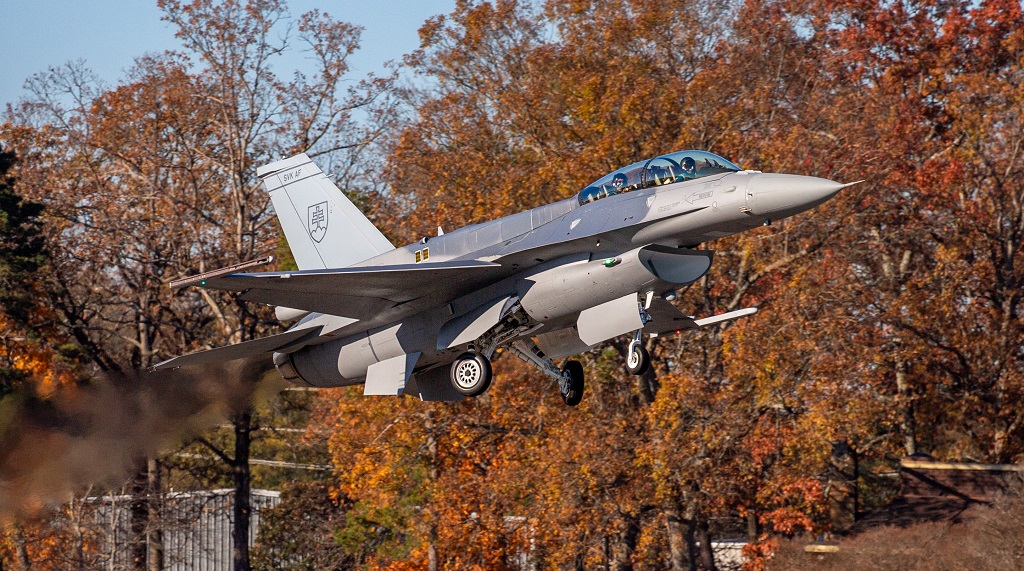
The first flight of a Slovakian F-16 was in September 2023, with the first two jets delivered in January 2024. Once in service, the F-16 Block 70 will replace Slovakia’s fleet of MiG-29 Fulcrum that were retired in 2022 and donated to Ukraine.
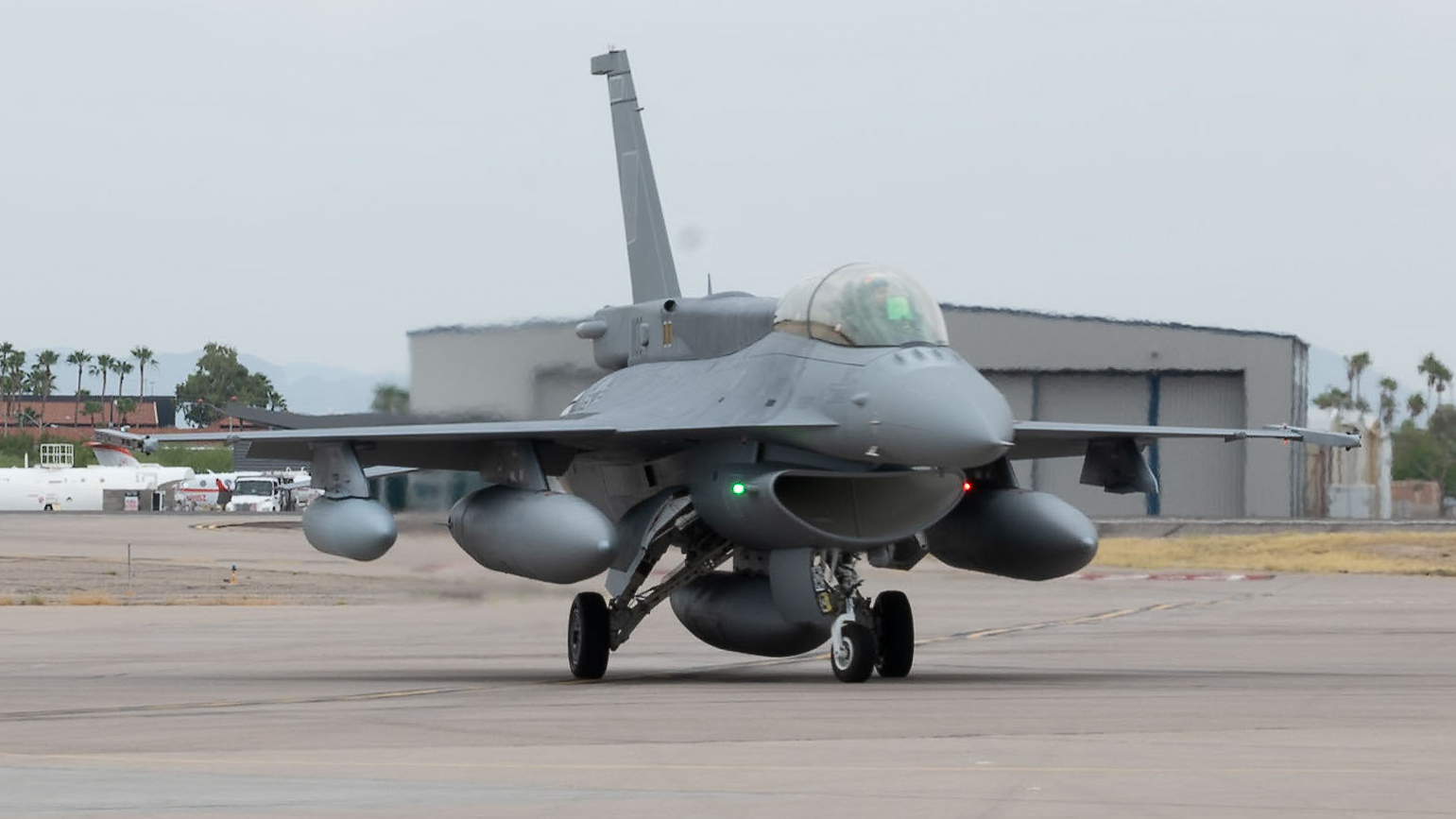
In July 2024, the first of nine Slovak-owned F-16 Block 70s arrived at Morris Air National Guard Base, Arizona, where they will be part of the training of the initial Slovak cadre on F-16 operations. These aircraft are expected to stay in Arizona until 2026.
Bulgarian Vipers
As mentioned earlier, the Bulgarian F-16s completed are part of the first batch. In fact, Bulgaria acquired the aircraft in two batches, signing a first Letter of Acceptance (LOA) for eight F-16s in 2019 and a second LOA for an additional eight jets in 2022.
After the 2019 LOA, Lockheed Martin has been awarded a 512M USD contract for the production of the first eight F-16 Block 70 jets in 2020. In 2022, the second batch of aircraft was approved by the government, with an acquisition cost close to $1.3 billion, including additional spare parts and weapons.
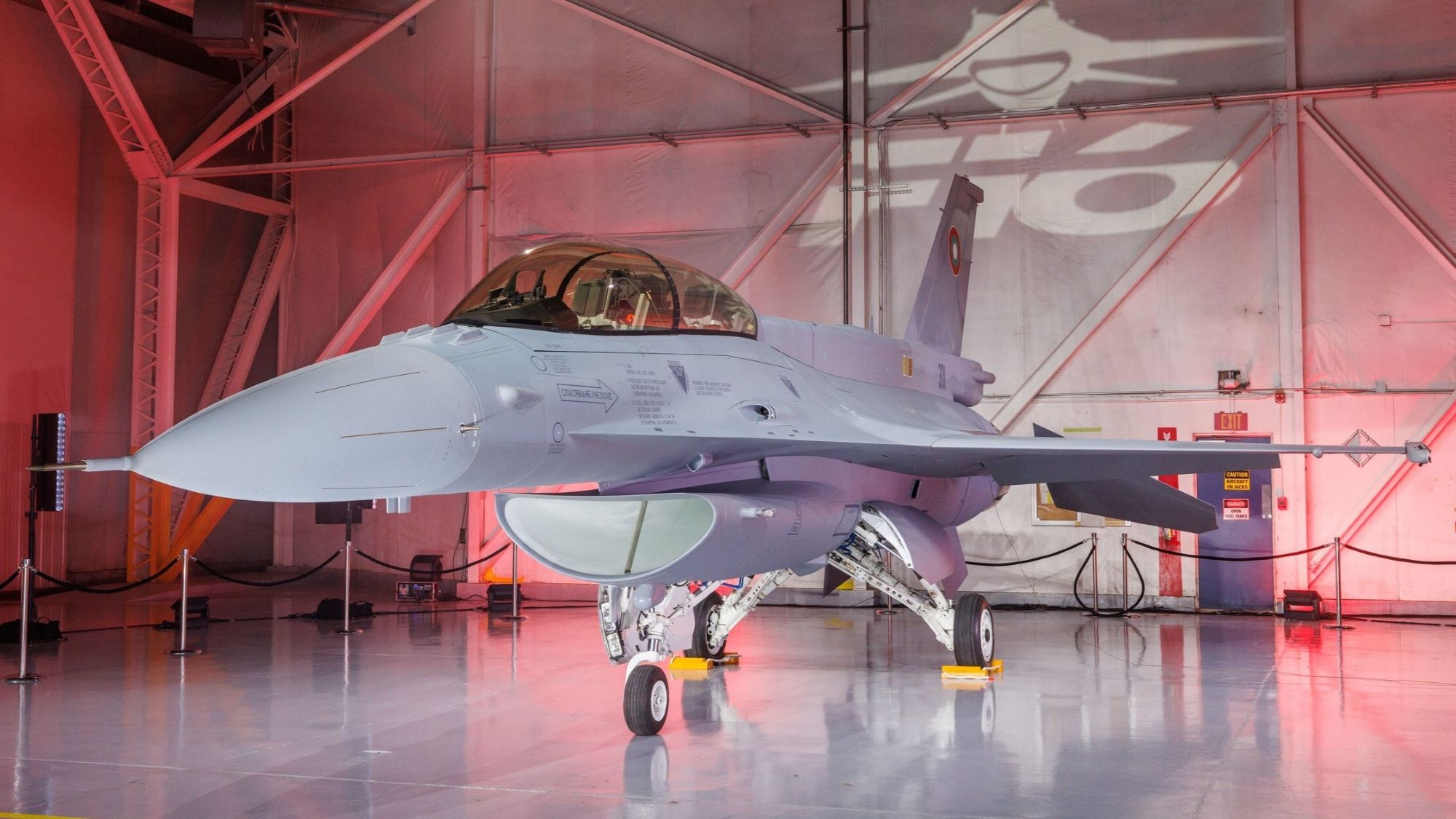
The 16 aircraft will equip the Bulgarian Air Force (BuAF) with a full squadron, replacing a squadron of 8 MiG-29s. The Fulcrums will be gradually retired only after the delivery of the F-16s.
The production of the first eight Bulgarian aircraft – six single-seater jets and two twin-seaters – started at the beginning of 2024, with the first flight in October 2024. The first aircraft was handed over in February 2025.
F-16 Block 70
The F-16 Block 70/72 are the most advanced production Vipers, which are newly built as opposed to the F-16V which are existing aircraft upgraded to the same configuration. So far, six countries have selected the F-16 Block 70/72 and Lockheed Martin has a production backlog of 117 jets, as of February 2025.
Among the new systems installed during the upgrade we can find the APG-83 AESA (Active Electronically Scanned Array) radar, a new Center Pedestal Display (CPD), the AN/APX-126 Advanced IFF (Identification Friend or Foe), Link 16 datalink, full NVIS (Night Vision Imaging System) and JHCMS II (Joint Helmet-Mounted Cueing System II) compatibility, a new Embedded GPS/INS (EGI), a modern commercial off-the-shelf (COTS)-based avionics subsystem, a high-volume, high-speed data bus and the Automatic Ground Collision Avoidance System (Auto GCAS).
The APG-83 Scalable Agile Beam Radar (SABR), developed by Northrop Grumman, is an AESA (Active Electronically Scanned Array) radar designed to fit the F-16 with no structural, power or cooling modifications; in addition, it enables the F-16 to detect, track and identify a greater number of targets (reportedly more than 20 at the same time) faster and at longer ranges while providing all-weather, high-resolution Synthetic Aperture Radar (SAR) mapping. The system also integrated a robust electronic protection to operate in hostile electronic environments.
The Block 70 features a new cockpit concept, with the installation of a Center Pedestal Display (CPD), that provides the pilot with critical tactical data on a high resolution 6’’x8’’ screen. The new screen allows pilots to take full advantage of the new radar and targeting pod data, including new color moving map, a larger and easier representation of the air-to-air situational displays with zoom functionality and last but not least the ability to switch information among displays.
“The F-16 Block 70 is the latest edition of one of the most combat proven fighter jets of all time,” said Col. Thomas Obrochta, 162nd Operations Group commander, when the first Slovak F-16 Block 70 arrived at the Arizona ANG’s 162nd Wing. “It includes an advanced APG-83 Active Electronically Scanned Array [AESA] fire control radar, a high-resolution Center Pedestal Display, which provides critical tactical imagery to pilots and allows them to take full advantage of AESA and targeting pod data, advanced weapons integration, and an extended structural life of 12,000 hours– more than 50 percent beyond that of previous production F-16 aircraft.”