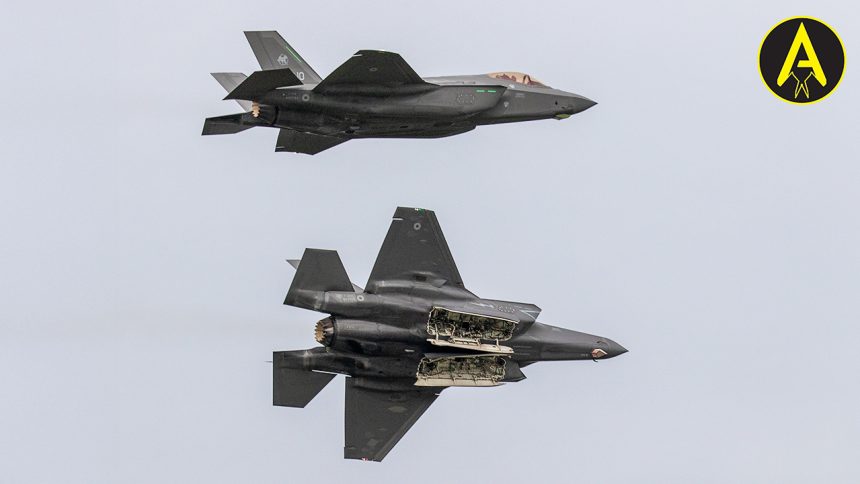
The deal would include 100 AGM-158B/B2 JASSM-ER weapons that will equip Italy’s F-35s and possibly other platforms.
The U.S. Defense Security Cooperation Agency (DSCA) announced that the State Department has approved a possible Foreign Military Sale (FMS) to Italy Joint Air-to-Surface Standoff Missile – Extended Range weapons. The deal would include 100 AGM-158B/B2 weapons, as well as support equipment, engineering, technical, and logistics support services for an estimated cost of $301 million.
While the weapon is primarily intended for the Italian F-35 Lightning II fleet, the DSCA notice notably mentions that the use of the AGM-158 might not be limited to the 5th generation fighter. “The proposed sale will improve Italy’s capability to meet current and future threats by providing stand-off capability via advanced, long-range strike systems for employment on Italian fighter aircraft, including but not limited to F-35 aircraft,” reads the notice.
It is unclear which other platforms would be considered to employ the JASSM in Italy. The Tornado already employs the Storm Shadow and, with its retirement getting close, it is unlikely to be integrated with the U.S. made weapon. Moreover, a timeline for the delivery of JASSM has not been disclosed.
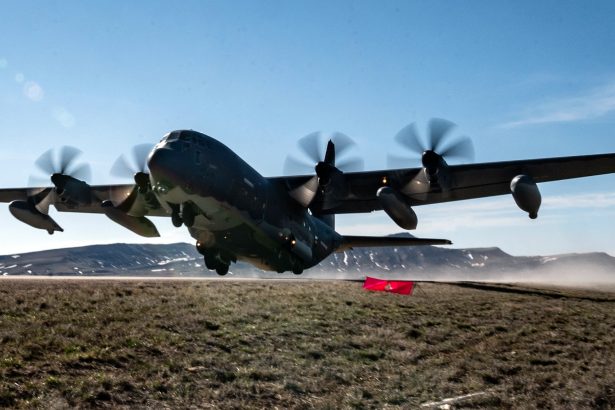
Another candidate could be the Eurofighter Typhoon, although it is more likely it would employ the Storm Shadow, like the Royal Air Force already did. It must be mentioned that Italy also operate C-130Js, which the U.S. also employs with the Rapid Dragon palletized systems to deploy JASSM from the cargo bay. However, there are currently no details about Italian plans to acquire a similar capability.
AGM-158 JASSM
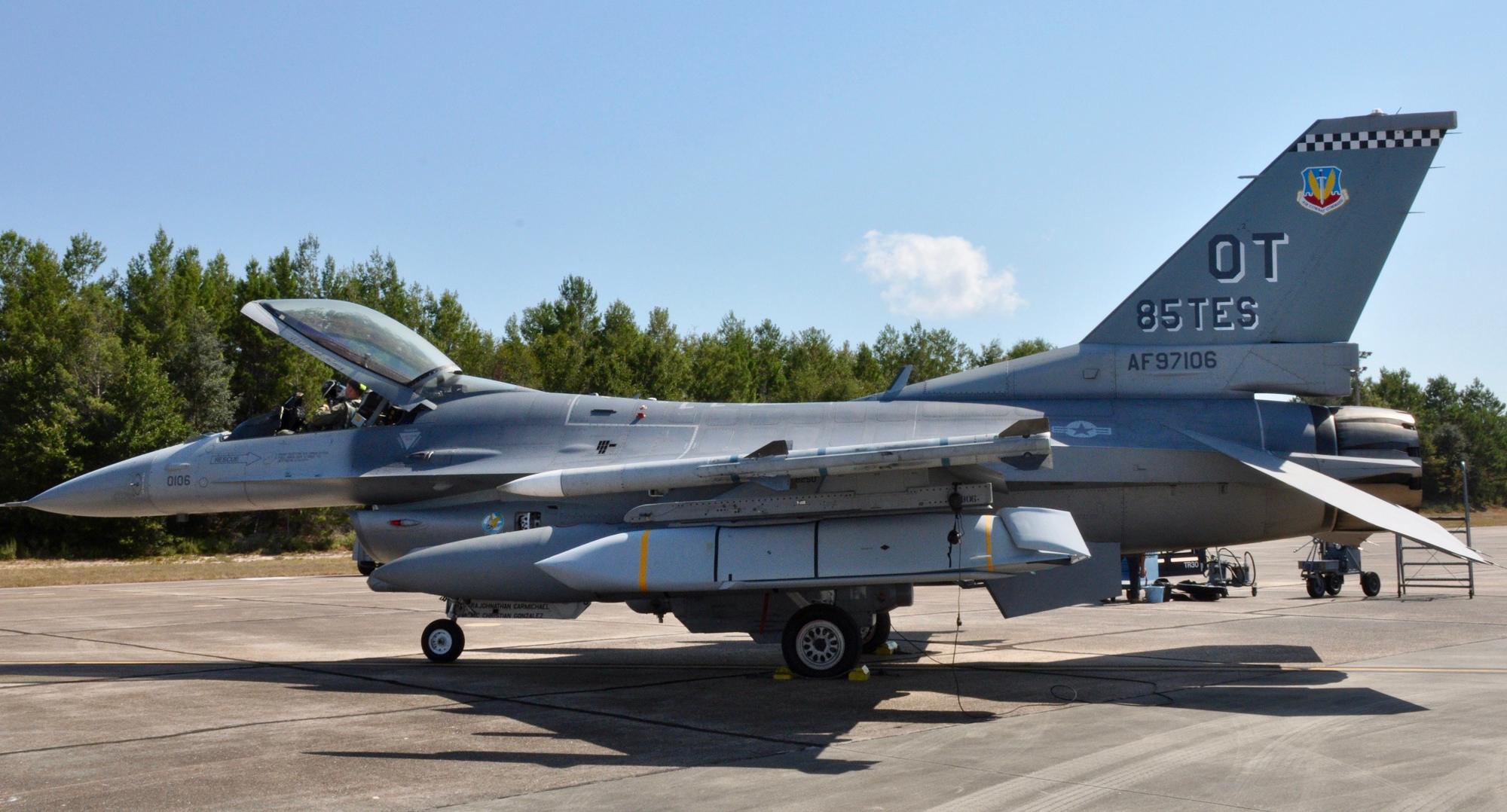
The AGM-158 Joint Air-to-Surface Standoff Missile (JASSM) and its extended-range derivative, the AGM-158B JASSM-ER, are the mainstay of the U.S. Air Force’s long-range precision-strike weapons. The weapons are designed to penetrate advanced air-defense networks and strike high-value targets at significant distances.
Developed by Lockheed Martin, the baseline AGM-158A entered service in the mid-2000s as a low-observable cruise missile with a 1,000-lb WDU-42/B penetrating warhead and a range of roughly 230 miles (370 km). The weapon uses a combination of GPS/INS guidance and an imaging infrared seeker for terminal accuracy, and is able to survive engagements against modern integrated air-defense systems.
Building on those attributes, the AGM-158B JASSM-ER was introduced to provide considerably enhanced reach, typically reported at over 570 miles (900 km). The newer variant features an improved engine and increased internal fuel capacity, while retaining the same overall external dimensions.
Both versions are currently integrated across a wide fleet that includes the B-1B, B-52H, F-16, F-15E and F-15EX, with ongoing integration work for additional platforms, such as the F-35, in the U.S. and allied inventories. The missile family has also evolved into the AGM-158C Long-Range Anti-Ship Missile (LRASM) and the AGM-158D JASSM-XR, for “extreme range.”
F-35 Integration
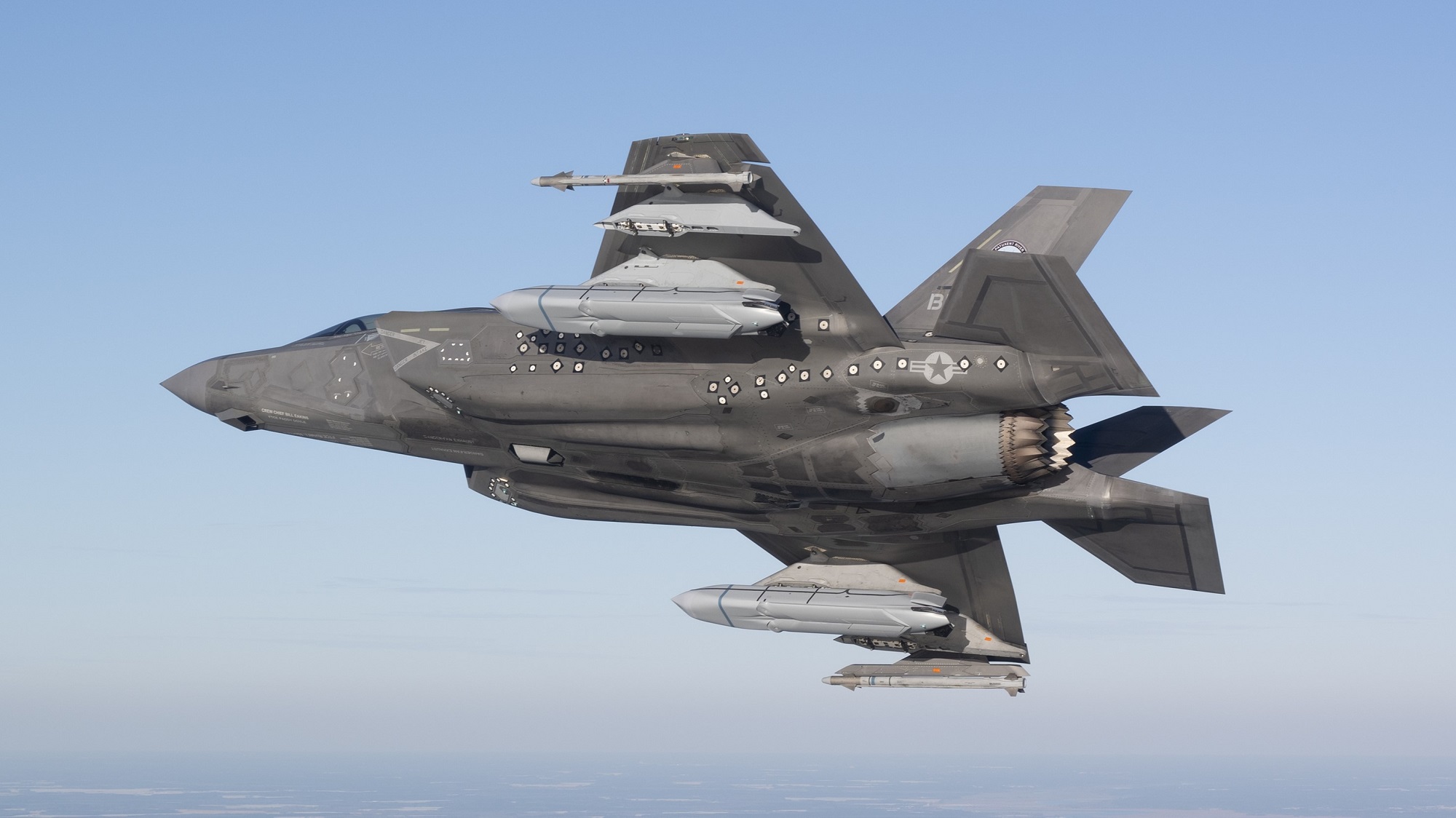
Lockheed Martin and the F-35 Pax River Integrated Test Force (ITF) started in 2024 the flight testing of the AGM-158 on the F-35B and F-35C, aimed at the integration of both the JASSM and LRASM weapons. In fact, Lockheed Martin referred to the testing as the F-35B AGM-158 strike systems flight sciences test program, hinting at the integration of both the land-strike and anti-ship variants of the AGM-158.
As part of the F-35’s Block 4 upgrade, the addition of the AGM-158 strike systems, both JASSM (Joint Air-to-Surface Standoff Missile) and LRASM, will add “more multi-role mission capabilities to the quarterback of the fighting force,” said the company in a press release.
“Integration of the AGM-158 strike systems family delivers increased reach and lethality against heavily protected, strategic targets.” said Jon Hill, vice president and general manager, Air Dominance and Strike Weapons at Lockheed Martin Missiles and Fire Control.